
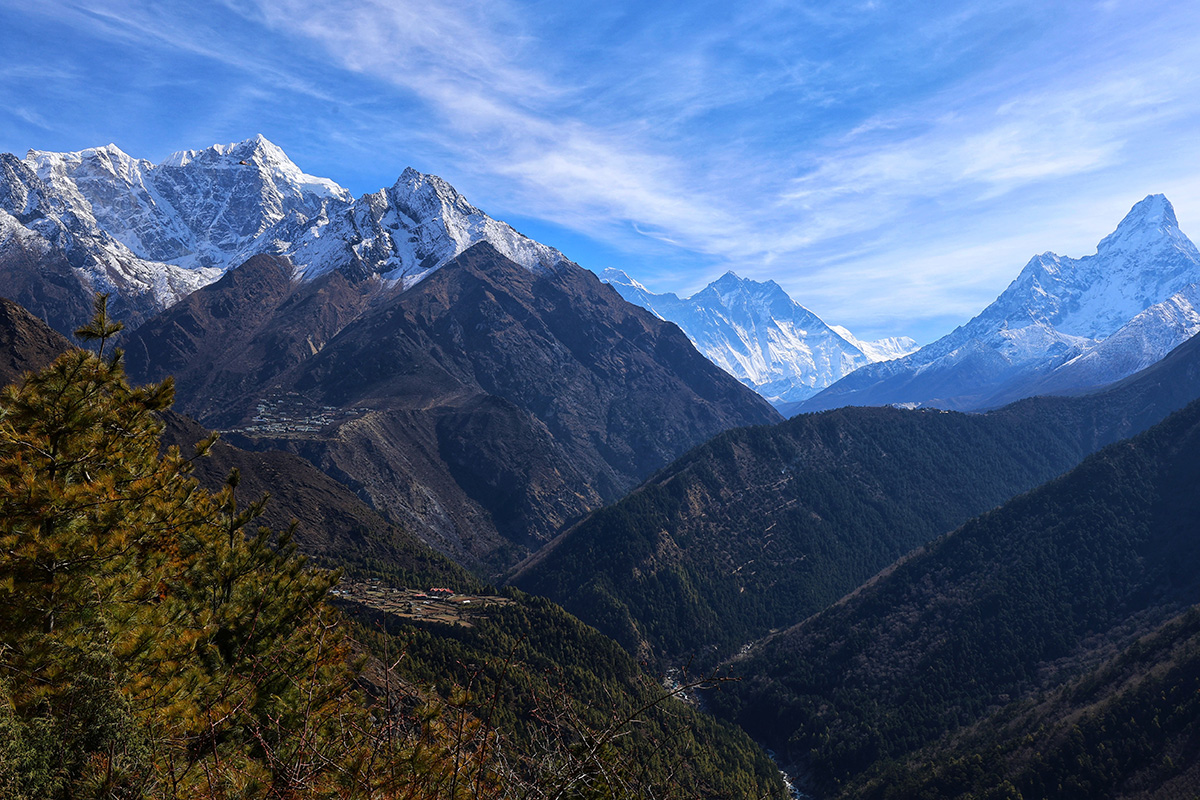

Nepal is one of the world’s premier trekking destinations, drawing adventurers from every corner of the globe. Home to eight of the world’s fourteen highest peaks, including Mount Everest, Kanchenjunga, Lhotse, and Makalu, the country offers an unmatched playground for mountaineers and trekkers alike. These iconic summits rise above a landscape of dense forests, alpine meadows, glacial rivers, and terraced farmland that shifts with every day of walking.
Few countries pack in this much geographic diversity. Nepal’s trails move from subtropical lowlands in the south to high Himalayan valleys in the north, passing through rhododendron forests that bloom in spring and alpine zones where the national flower, Rhododendron arboreum, thrives at altitude. Wildlife adds another layer of interest: the Himalayan monal displays brilliant plumage along lower trails, while snow leopards, red pandas, Himalayan tahr, and musk deer inhabit the high country. Traditional villages, centuries-old monasteries, and fluttering prayer flags round out the experience at every stage of the journey.
This guide covers everything you need to plan a Nepal trek with confidence, including the top routes, permits, gear, insurance, costs, and the current 2026 regulations, several of which changed significantly earlier this year.
Do You Need a Visa for Trekking in Nepal?
All foreign trekkers require a visa to enter Nepal. The process is simple: visas are issued on arrival at Tribhuvan International Airport in Kathmandu and at major land border crossings, and travellers who prefer to prepare ahead can apply online through the Department of Immigration before departure.
Requirements:
- A passport valid for at least six months
- One passport-sized photo
- Visa fee, payable in cash at borders or by card online
Visa fees:
- US$30 for 15 days
- US$50 for 30 days
- US$125 for 90 days
Many trekkers extend their visa once in Kathmandu or Pokhara, since itineraries often shift due to weather delays or extra acclimatisation days. Extensions are processed within a day and cost US$3 per day. The maximum stay permitted on a tourist visa is 150 days per calendar year.
Trekking Permits in Nepal: What Changed in 2026
A visa alone does not authorise trekking. Separate permits are mandatory, and 2026 has brought the most significant permit changes Nepal has seen in over a decade. Two updates in particular affect almost every trekker planning a trip this year.
The TIMS card situation has changed by region
The TIMS card has been fully discontinued in the Everest and Khumbu region, replaced by a local Khumbu Pasang Lhamu Rural Municipality fee collected at Lukla or Monjo. In the Annapurna region, TIMS technically remains on the books but is not enforced at checkpoints, so most operators no longer arrange it there, relying instead on the ACAP permit and guide credential that checkpoints actually verify. TIMS remains required in Langtang, Manaslu, and far-western Nepal, including the Rara Lake region.
Licensed guides are now mandatory on every major route
A rule requiring licensed guides took effect in April 2023 and is now strictly enforced at checkpoints across Nepal, including on routes like Everest Base Camp and Ghorepani Poon Hill that trekkers could once walk independently. Trekkers without a verifiable guide credential are turned back at park entry checkpoints such as Monjo on the EBC route.
Also Read: Things to Consider Before Coming for the Expedition in Nepal
Restricted area permits no longer require a minimum group size
This is the single biggest permit change of 2026. Until March 22, 2026, restricted area treks including Manaslu, Upper Mustang, Dolpo, Tsum Valley, Nar Phu, and Kanchenjunga required a minimum of two trekkers before a Restricted Area Permit could be issued.
Nepal’s Department of Immigration formally removed this requirement following a proposal from the Trekking Agencies’ Association of Nepal, and solo trekkers can now obtain a Restricted Area Permit individually. A licensed guide through a TAAN-registered agency is still required, and independent trekking without a guide remains prohibited in restricted zones.
Permit categories at a glance:
- Sagarmatha National Park Permit: Required for all Everest region treks
- Annapurna Conservation Area Permit (ACAP): Required for Annapurna region treks
- Restricted Area Permits: Required for Upper Mustang, Manaslu, Upper Dolpo, Tsum Valley, Nar Phu, and Kanchenjunga, arranged in advance through a registered trekking agency, with fees varying by region
Permits and park fees are billed separately from your visa, and checkpoints along all major routes verify them regularly, so keep documents accessible at all times. Because permit rules have shifted twice within the past year, confirm current requirements with your trekking operator before departure rather than relying on older sources.
Best Treks in Nepal: Top Routes Compared
Everest Base Camp (EBC) Trek
The Everest Base Camp trek is the most recognised trekking journey on earth and a bucket-list destination for travellers worldwide. The classic route typically runs 12 to 15 days, leading through the Khumbu region, homeland of the Sherpa people. Along the way, trekkers take in views of Everest, Lhotse, Nuptse, Ama Dablam, and Pumori.
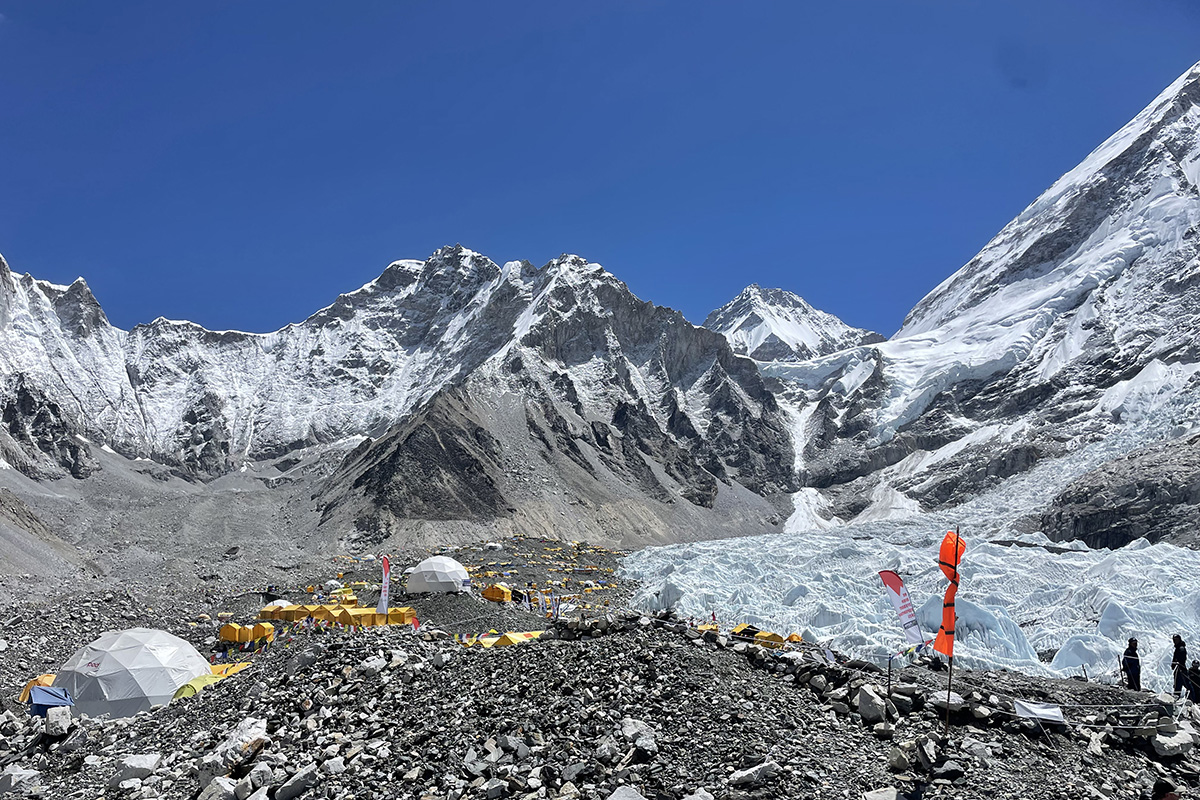
The trail reaches Everest Base Camp at 5,364 m (17,598 ft) via a gradual ascent designed to support healthy acclimatisation, moving through forests, alpine terrain, and high mountain environments rich in flora and fauna. Base Camp itself sits on the Khumbu Glacier, where the ice below shifts slowly over time.
- Duration: 12 to 15 days
- Maximum Altitude: 5,545 m (Kala Patthar)
- Difficulty: Moderate to Difficult
- Route: Lukla, Namche Bazaar, Tengboche, Dingboche, Lobuche, Gorak Shep, Everest Base Camp, Kala Patthar
- Permits: Sagarmatha National Park Permit plus Khumbu Pasang Lhamu Local Fee
- Best Seasons: Spring (March to May), Autumn (September to November)
- Accommodation: Teahouses with twin-sharing rooms
- Estimated Cost: USD 1,000 to 2,200
Annapurna Base Camp (ABC) Trek
The Annapurna Base Camp trek offers one of Nepal’s most direct routes into the Annapurna Sanctuary. It typically runs 7 to 12 days, passing through traditional Gurung and Magar villages. Along the trail, trekkers view Annapurna I, Machhapuchhre, Hiunchuli, and Gangapurna.
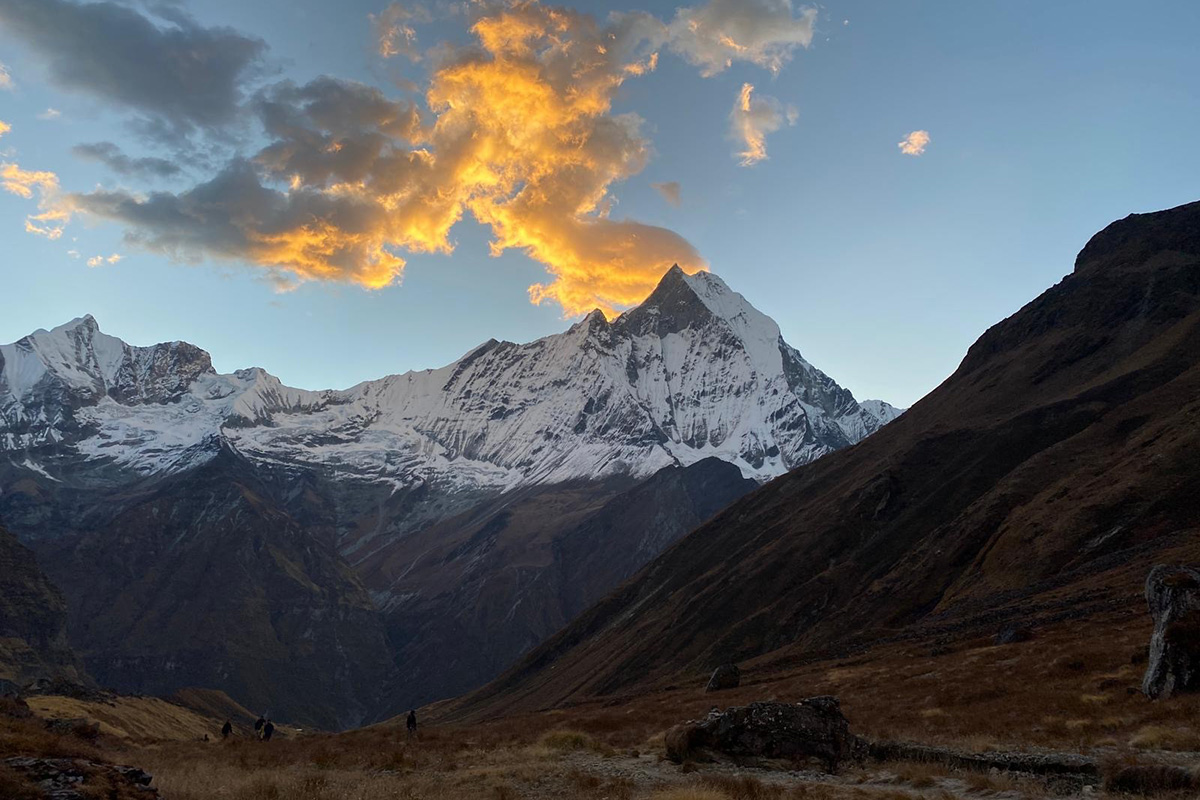
The route climbs steadily to Annapurna Base Camp at 4,130 m (13,550 ft) through forests, Himalayan grasslands, and alpine terrain, delivering a complete Himalayan experience at moderate difficulty. Annapurna I holds a notable distinction as the first 8,000 m peak ever successfully climbed, in 1950.
- Duration: 7 to 12 days
- Maximum Altitude: 4,130 m
- Difficulty: Moderate
- Route: Nayapul, Ghandruk, Chhomrong, Bamboo, Machhapuchhre Base Camp, ABC
- Permits: ACAP Permit
- Best Seasons: Spring, Autumn
- Accommodation: Teahouses and lodges
- Estimated Cost: USD 500 to 1,300
Annapurna Circuit Trek
The Annapurna Circuit is one of Nepal’s most varied trekking journeys, looping around the Annapurna massif through diverse regions and cultures. It typically takes 14 to 21 days, crossing multiple landscapes and settlements, with views of Annapurna II, Annapurna III, Dhaulagiri, and Manaslu along the way.
The trek’s high point is Thorong La Pass at 5,416 m (17,769 ft), where the terrain shifts from green valleys to dry highland plateaus and open mountain ridges, making this one of the most varied mountain journeys in Nepal.
- Duration: 14 to 21 days
- Maximum Altitude: 5,416 m
- Difficulty: Moderate to Challenging
- Route: Besisahar, Manang, Thorong La, Muktinath, Jomsom
- Permits: ACAP Permit
- Best Seasons: Spring, Autumn
- Estimated Cost: USD 700 to 2,000
Manaslu Circuit Trek
The Manaslu Circuit follows a quieter, more remote route around the Manaslu region, taking roughly 14 to 18 days through villages shaped by strong Tibetan cultural influence. Trekkers see Mount Manaslu, Himlung Himal, Kang Guru, and Annapurna II along the way.
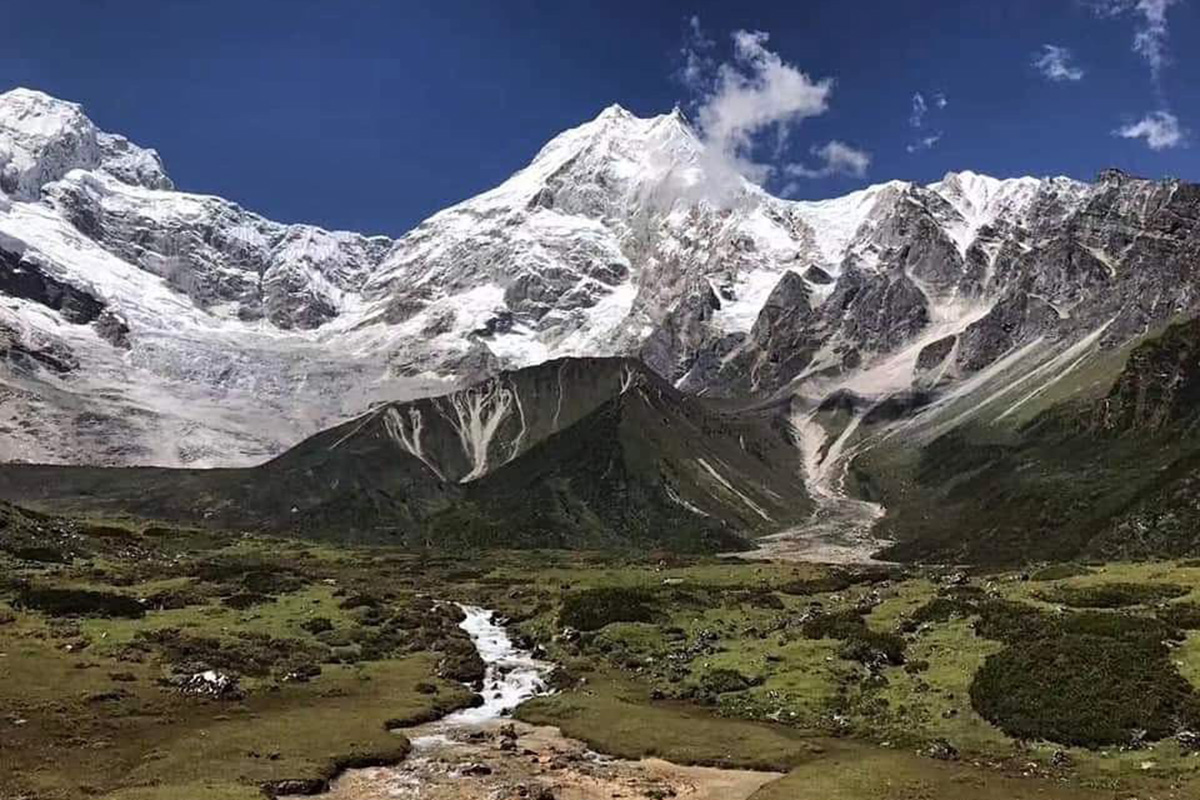
The route crosses Larkya La Pass at 5,106 m (16,752 ft) through river valleys, forests, and alpine terrain. The Manaslu region remained closed to foreign trekkers until 1992 and still sees far fewer visitors each year than Nepal’s more popular routes, making it a strong choice for trekkers seeking solitude. As of March 2026, solo trekkers can now obtain the Manaslu Restricted Area Permit individually rather than needing a second trekking partner.
- Duration: 14 to 18 days
- Maximum Altitude: 5,106 m
- Difficulty: Challenging
- Permits: Restricted Area Permit plus MCAP and ACAP
- Best Seasons: Spring, Autumn
- Estimated Cost: USD 1,200 to 2,500
Langtang Valley Trek
Langtang Valley is the closest major trekking destination to Kathmandu, offering a full Himalayan experience in a shorter window. The trek takes around 7 to 10 days through Tamang villages and forested terrain, with views of Langtang Lirung, Dorje Lakpa, Yala Peak, Gangchempo, and Ganesh Himal in the distance.
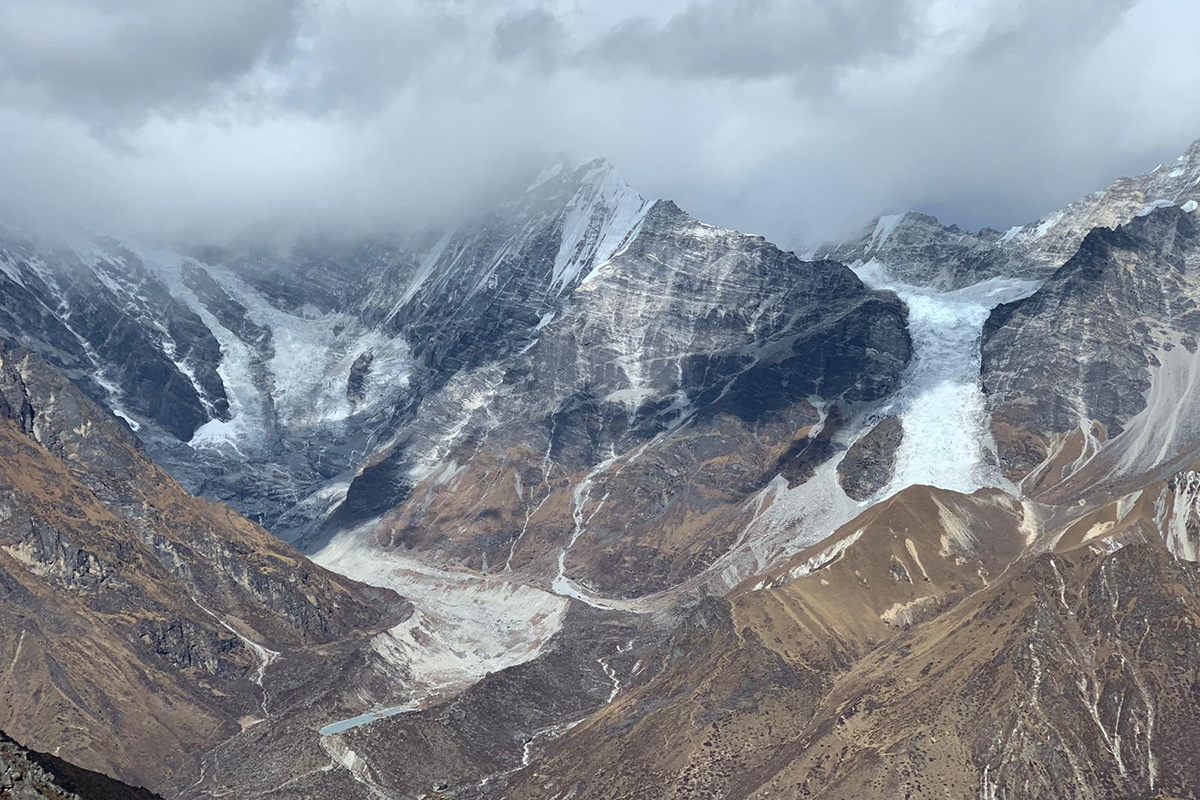
The route reaches Kyanjin Gompa at roughly 3,870 m (12,697 ft) through forests, alpine meadows, and open valleys. Known as the Valley of Glaciers, Langtang is also home to a long-standing yak cheese-making tradition centred in Kyanjin.
- Duration: 7 to 10 days
- Maximum Altitude: 5,000 m (Tserko Ri, optional side hike)
- Difficulty: Moderate
- Permits: Langtang National Park Permit, TIMS still required in this region
- Best Seasons: Spring, Autumn
- Estimated Cost: USD 400 to 1,100
Kanchenjunga Base Camp Trek
Kanchenjunga Base Camp is one of Nepal’s most remote treks, leading to the foot of the third-highest mountain on earth. It takes 18 to 22 days through isolated villages and protected wilderness in eastern Nepal, with views of Kanchenjunga, Jannu, Kabru, Rathong, and distant Makalu.
The trek visits both the north and south base camp areas via forests, river valleys, and alpine terrain. The name Kanchenjunga translates to Five Treasures of Snow, and the mountain holds deep cultural significance for local communities.
- Duration: 19 to 21 days
- Maximum Altitude: 5,143 m
- Difficulty: Challenging
- Permits: Restricted Area Permit plus KCAP
- Best Seasons: Spring, Autumn
- Estimated Cost: USD 2,000 to 2,800
Nar Phu Valley Trek
Nar Phu Valley is a restricted area trek north of the Annapurna region, following isolated Himalayan valleys for 11 to 16 days through settlements with strong Tibetan cultural roots. Trekkers view Annapurna II and Gangapurna, with distant vistas stretching toward the Tibetan plateau.
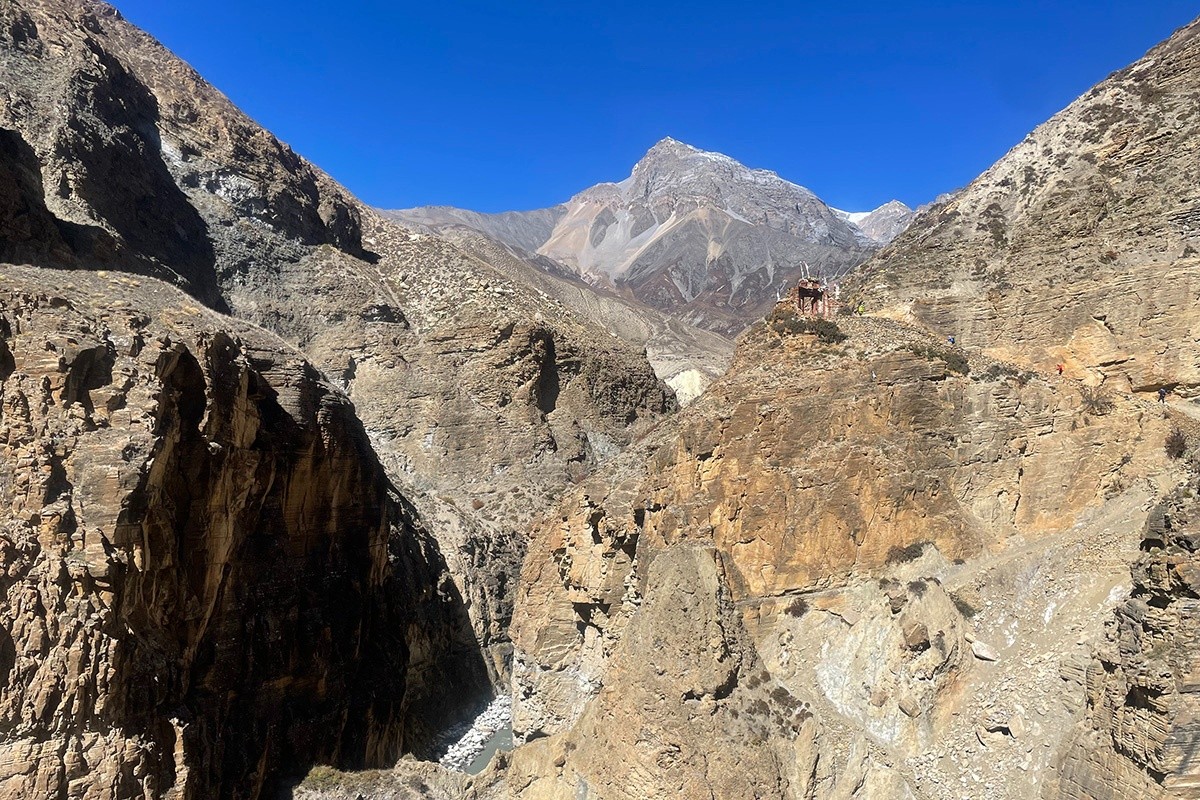
The route crosses Kang La Pass at roughly 5,320 m (17,454 ft) through dry valleys and highland terrain. Opened to trekkers only in 2003, Nar Phu retains a traditional character, including preserved monastery sites such as Tashi Lhakhang Gompa in Phu village.
- Duration: 11 to 16 days
- Maximum Altitude: 5,320 m
- Difficulty: Moderate to Challenging
- Permits: Restricted Area Permit plus ACAP
- Best Seasons: Spring, Autumn
- Estimated Cost: USD 1,200 to 1,800
Essential Gear for Trekking in Nepal
Mountain weather and trail conditions can change quickly, so proper preparation matters. Layered clothing is essential: a moisture-wicking base layer, an insulating mid-layer, and a waterproof outer shell. Sturdy trekking boots with ankle support and reliable grip are a must for uneven trails, stone steps, and mixed terrain.
The right accessories improve both safety and comfort. Trekking poles ease pressure on the knees, sunglasses protect against high-altitude UV exposure, and a headlamp is invaluable for early starts and dim teahouses. A reusable water bottle paired with a purification method supports hydration while cutting down on plastic waste, and a sleeping bag rated for low temperatures is recommended at higher elevations.
Round out your kit with a daypack for daily essentials, a duffel bag for porter use, sunscreen, lip balm, an insulated bottle, and a well-stocked first aid kit. Renting gear in Kathmandu or Pokhara is a cost-effective option, though it’s worth checking quality before you set out.
Travel Insurance for Trekking in Nepal
High-altitude trekking in Nepal carries genuine risks. Altitude sickness, injuries, or sudden illness in remote terrain can require helicopter evacuation, which is expensive without coverage. Comprehensive travel insurance ensures these situations are handled without financial strain.
Most standard travel policies do not cover high-altitude trekking. Routes such as Everest Base Camp or passes like Thorong La require coverage up to 5,000 to 5,500 m, and higher climbs demand extended coverage. As a rule of thumb, confirm your policy covers at least 6,000 m, since both Thorong La (5,416 m) and Kala Patthar (5,545 m) sit above the 5,500 m threshold common in standard policies.
A suitable policy should include emergency evacuation, medical treatment, and trip interruption coverage. Contact your insurer before arranging any rescue to confirm coverage terms, and arrange insurance well before departure with all relevant conditions declared.
Guides and Porters
Guides provide essential support throughout a trek. They monitor for signs of altitude sickness, track changing weather, and navigate trails that shift after monsoon season, while also sharing local knowledge about monasteries, teahouses, and cultural traditions along the way. With guides now mandatory on every major route as of 2026, choosing an experienced, licensed guide matters more than ever.
Porters typically carry loads of up to 20 to 25 kilograms, freeing trekkers to walk with just a daypack. This conserves energy on long routes and provides fair income to local families and communities.
Working with a professional operator such as Kalapatthar Trek & Expedition Pvt. Ltd. ensures trained guides, properly equipped porters, and fair wages throughout, letting trekkers focus on the trail and scenery while safety and logistics are handled.
Best Time to Trek in Nepal
The two main trekking seasons are autumn (September to November) and spring (March to May). Autumn delivers clear skies, stable weather, and excellent mountain visibility, while spring brings warmer temperatures and rhododendron forests in full bloom across the valleys and hills.
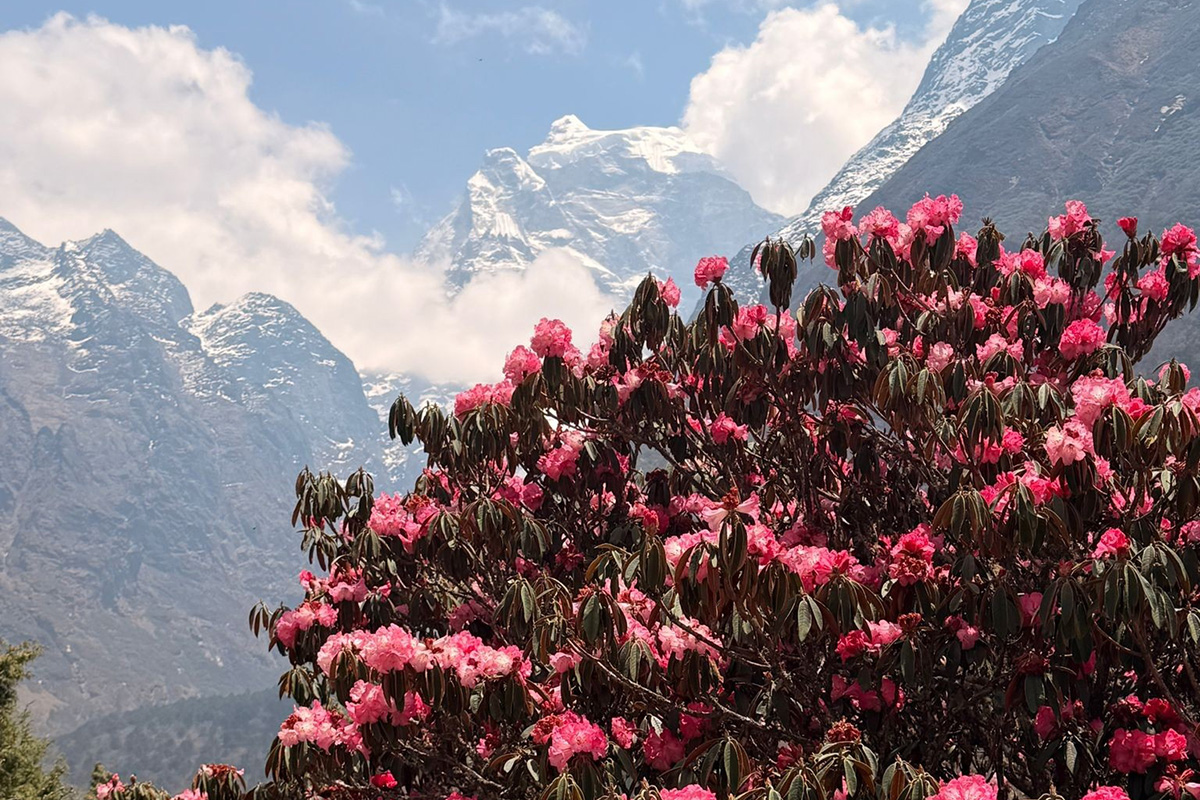
Winter (December to February) turns cold at higher elevations, and some passes may close, though lower-altitude trails remain accessible with far fewer trekkers on the trail. Monsoon season (June to August) brings rainfall and limited mountain views, but landscapes turn a deep green, and trails are noticeably quieter.
Related Article: Trekking and Expeditions for Differently Abled Adventurers
Planning around these seasons remains one of the simplest ways to ensure safer conditions and clearer mountain views.
Nepal Trekking Budget: What to Expect
Nepal trekking suits a wide range of budgets depending on route, duration, and level of support. Daily costs vary by region, but the core expenses remain consistent: permits, accommodation, meals, transportation, and guide or porter services, which are now a required cost on every major route rather than an optional add-on.
Teahouse rooms are simple and widely available across the main routes, though food prices rise with altitude. Flights to trailheads such as Lukla or Jomsom add cost worth budgeting for in advance.
Carry sufficient cash, since ATMs are limited in remote areas. Most trekking packages bundle permits, accommodation, meals, and staff support into a single price, letting travellers focus on the journey rather than logistics.
Choosing the Right Trekking Company in Nepal
A reliable trekking company is the foundation of a safe, well-organised trip. Professional operators handle permits, arrange qualified guides and porters, coordinate accommodation, and provide emergency support when it matters most.
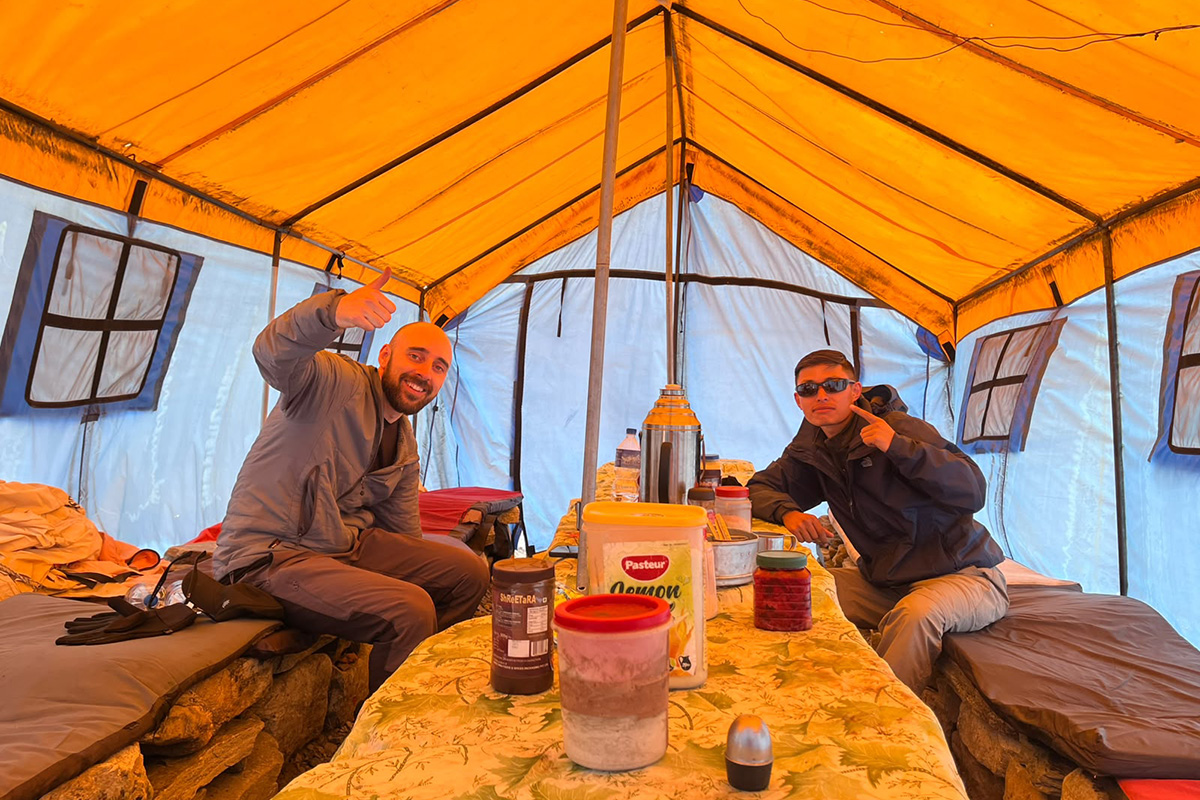
Kalapatthar Trek & Expedition Pvt. Ltd. offers professional trekking services for all types of travellers, including those with special requirements, backed by guides with deep local knowledge of the landscape, nature, and culture. Direct communication before booking helps confirm exactly what’s included, so you can focus fully on the trails, scenery, and experience ahead.
Ready to Trek Nepal? Here’s What Comes Next
Every great Nepal trek starts with solid planning. The trails, mountain passes, and villages along the way offer some of the most striking landscapes on earth, along with the kind of cultural encounters that stay with you long after the trek ends.
A good guide and a reliable porter team make all the difference at altitude, handling the logistics so you can stay present in the moment. Even if you’re eyeing a short trek to Langtang or a full expedition through the Khumbu, the right preparation now means a safer, smoother journey when you’re finally on the trail.
Trekking in Nepal is generally safe. Most trails are well-established, supported by local communities, and equipped with teahouses, guides, and basic medical facilities.
Yes. As of 2026, a licensed guide is mandatory on every major trekking route in Nepal, not only in restricted areas such as Upper Mustang or Manaslu. This rule took effect in April 2023 and is now strictly enforced at checkpoints nationwide.
Yes, and this changed significantly in 2026. Until March 22, 2026, restricted area permits required a minimum of two trekkers. That requirement has been removed, so solo trekkers can now obtain a Restricted Area Permit individually, provided they still travel with a licensed guide through a registered agency.
Spring (March to May) and autumn (September to November) offer the clearest skies, most moderate temperatures, and safest trail conditions.
Difficulty varies by route, altitude, and duration. Shorter treks like Langtang Valley suit beginners, while longer routes such as Kanchenjunga Base Camp demand high stamina and prior experience.
Costs typically range from USD 900 to USD 4,500 per person depending on route, duration, and comfort level, covering permits, accommodation, meals, transport, and mandatory guide services.
Most treks require a National Park or Conservation Area Permit. Restricted areas like Manaslu, Nar Phu, and Upper Mustang also require special Restricted Area Permits and a licensed guide, though solo trekkers no longer need a second travel companion to obtain one.
Pack layered clothing, trekking boots, a waterproof jacket, thermal wear, trekking poles, sunglasses, a headlamp, a water bottle, extra cash, snacks, and any personal medications.
Yes. Travel insurance is essential to cover high-altitude trekking, emergency evacuation, medical treatment, trip cancellation, and lost baggage.
Yes. Beginners can safely trek routes like Langtang Valley, Annapurna Base Camp, and shorter sections of the Annapurna Circuit with proper preparation, pacing, and acclimatisation.
Altitude sickness can occur above 2,500 m as the body struggles to adapt to lower oxygen levels. It can be prevented by ascending gradually, taking scheduled rest days, staying hydrated, and avoiding alcohol or overexertion.
Most routes have teahouses offering rooms, meals, and basic amenities, while more remote regions may require camping arranged by a professional trekking team.
Trek durations range from 5 to 11 days for shorter routes like Ghorepani Poon Hill or Langtang Valley to 2 to 4 weeks for longer treks such as Everest Base Camp, Annapurna Circuit, or Kanchenjunga Base Camp.
Wi-Fi and mobile networks are available in popular trekking areas, but connectivity drops at higher altitudes, so offline maps and messaging apps are recommended.
Yes. Boots, sleeping bags, jackets, poles, and backpacks can all be rented in Kathmandu or Pokhara at reasonable daily rates.
A local company brings experienced guides, licensed porters, proper permits, cultural insight, and emergency support, while also directly supporting mountain communities.
Yes, though expect rain, leeches on lower trails, limited mountain views, and possible flight delays. Monsoon season is well suited to rain-shadow treks like Upper Mustang or Dolpo.
0 Comment