
10 Days
Daily Tour
10 people
___
Few Himalayan valleys sit as close to Kathmandu as the Langtang Valley, giving travellers a full alpine experience without the long approach like most Nepal treks. You move from lush subtropical forest to high alpine meadows, walk beneath the long ridgeline of Langtang Lirung, and experience the warmth of Tamang and Sherpa hospitality along the way.
This 10-day itinerary with Kalapatthar Trek & Expedition Pvt. Ltd. is planned for safety, comfort, and a genuine Himalayan experience, running from your arrival in Kathmandu through to your return drive from Syabrubesi. Every day is organized around gradual altitude gain, giving your body time to adjust before reaching the higher sections near Kyanjin Gompa.
Daily health monitoring runs as a core part of this package, with your guide checking oxygen levels, pulse, and temperature each morning before breakfast. Weather reports and route briefings accompany these checks, supporting safe progress through the optional high point at Tserko Ri. The trail stays quiet throughout, offering a genuine alpine experience away from the busier routes through Everest and Annapurna.
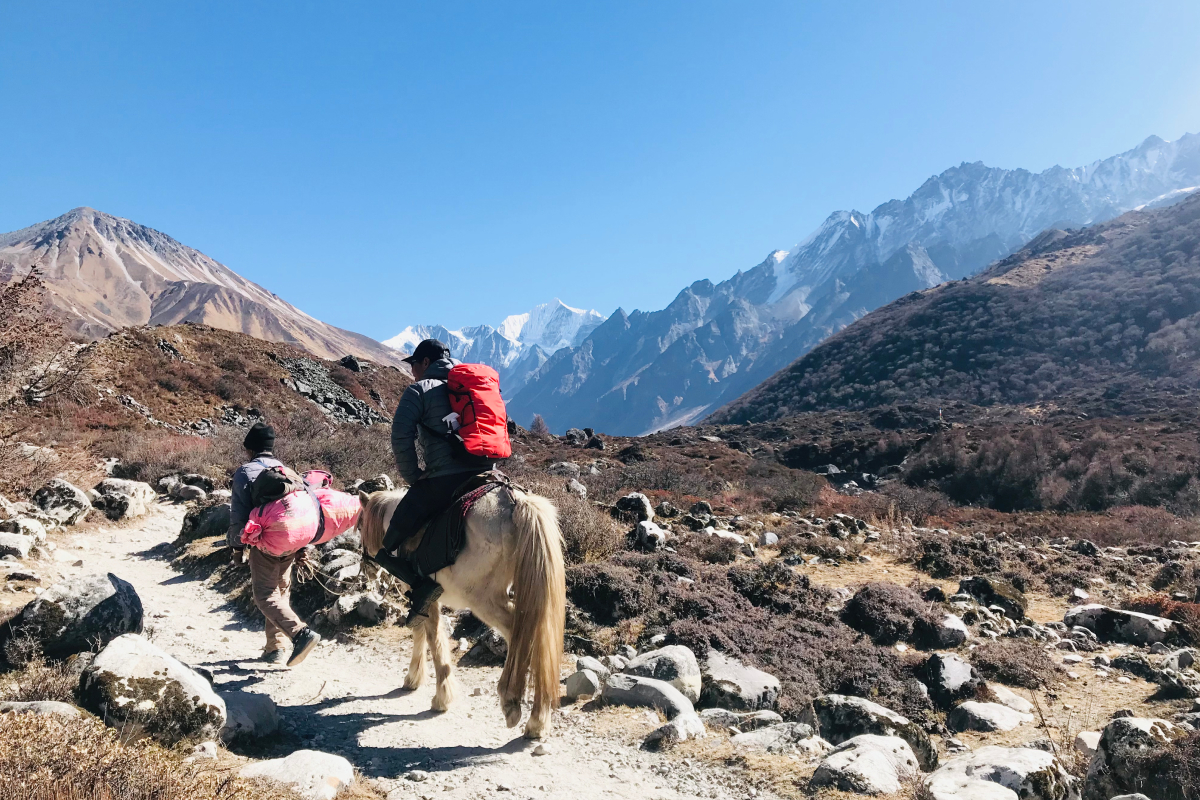
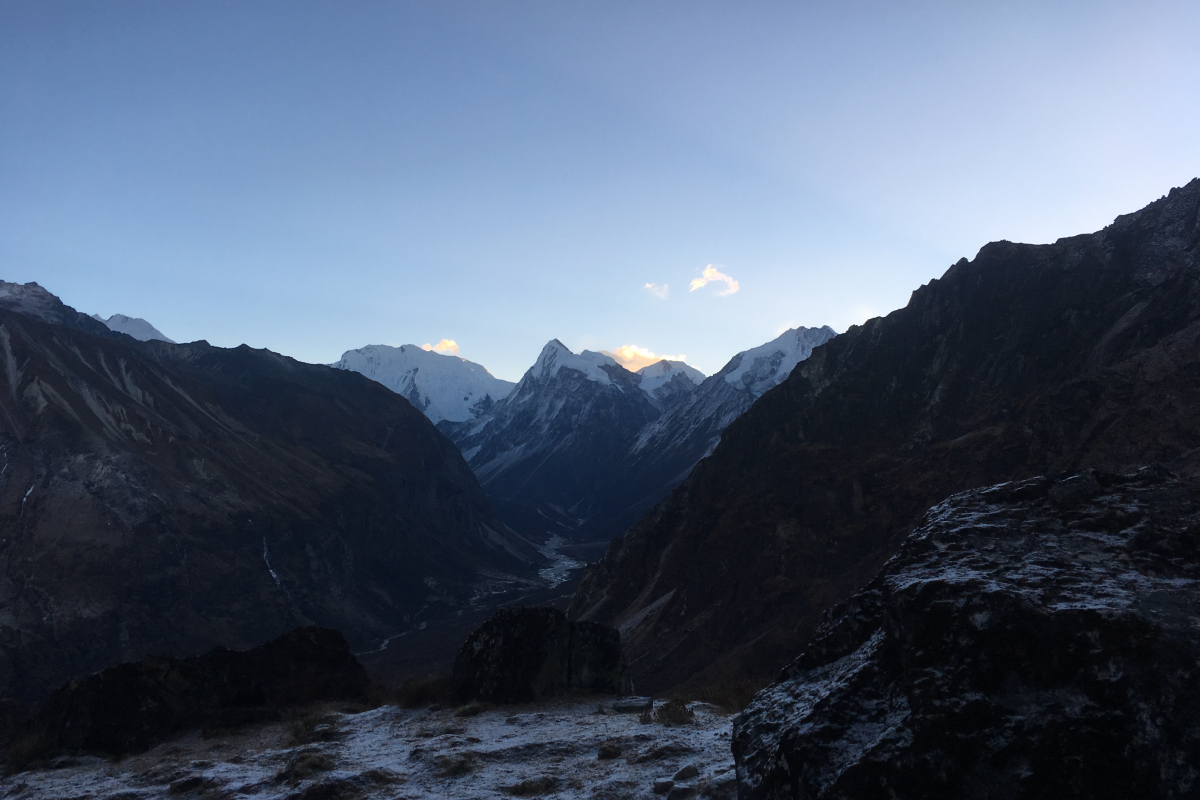
A drive from Kathmandu to Syabrubesi opens the trek, following the Trishuli River through terraced farmland and traditional hillside villages before the trail itself begins. From Syabrubesi, the route follows the Langtang Khola through forests of rhododendron, pine, and bamboo, climbing gradually into Langtang National Park toward Langtang Village.
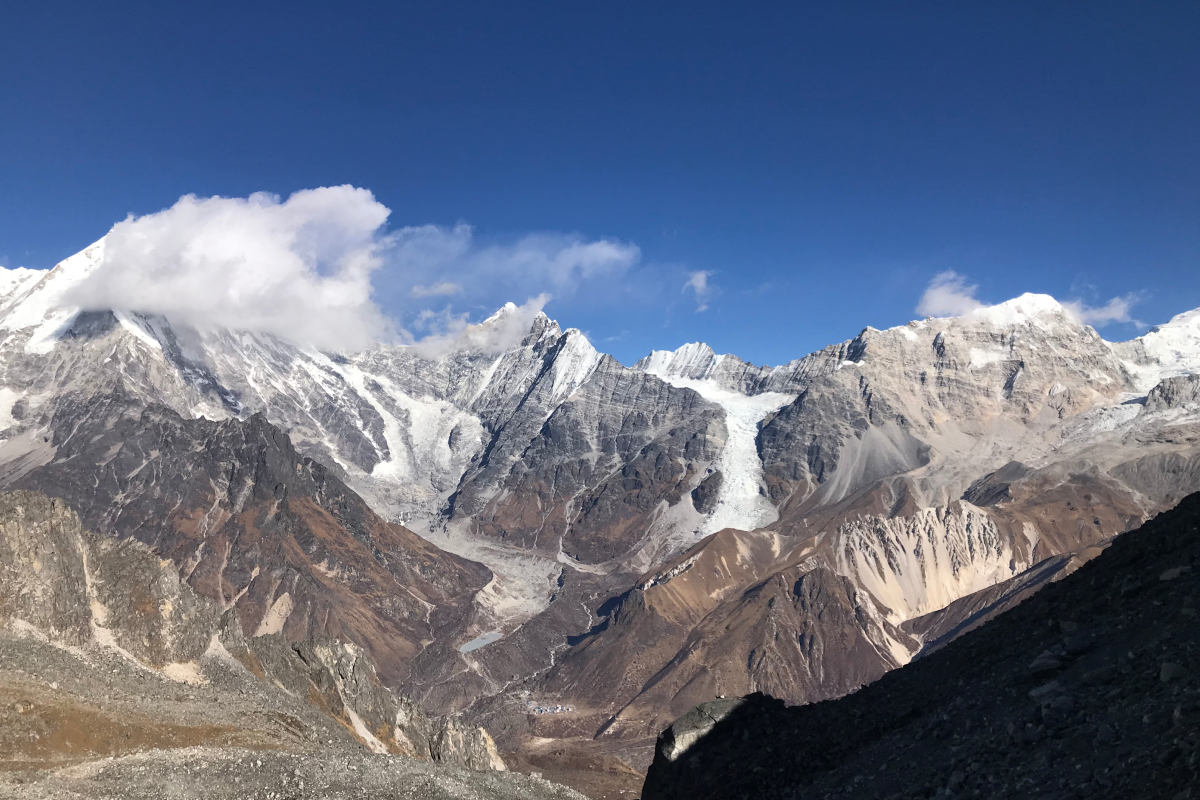
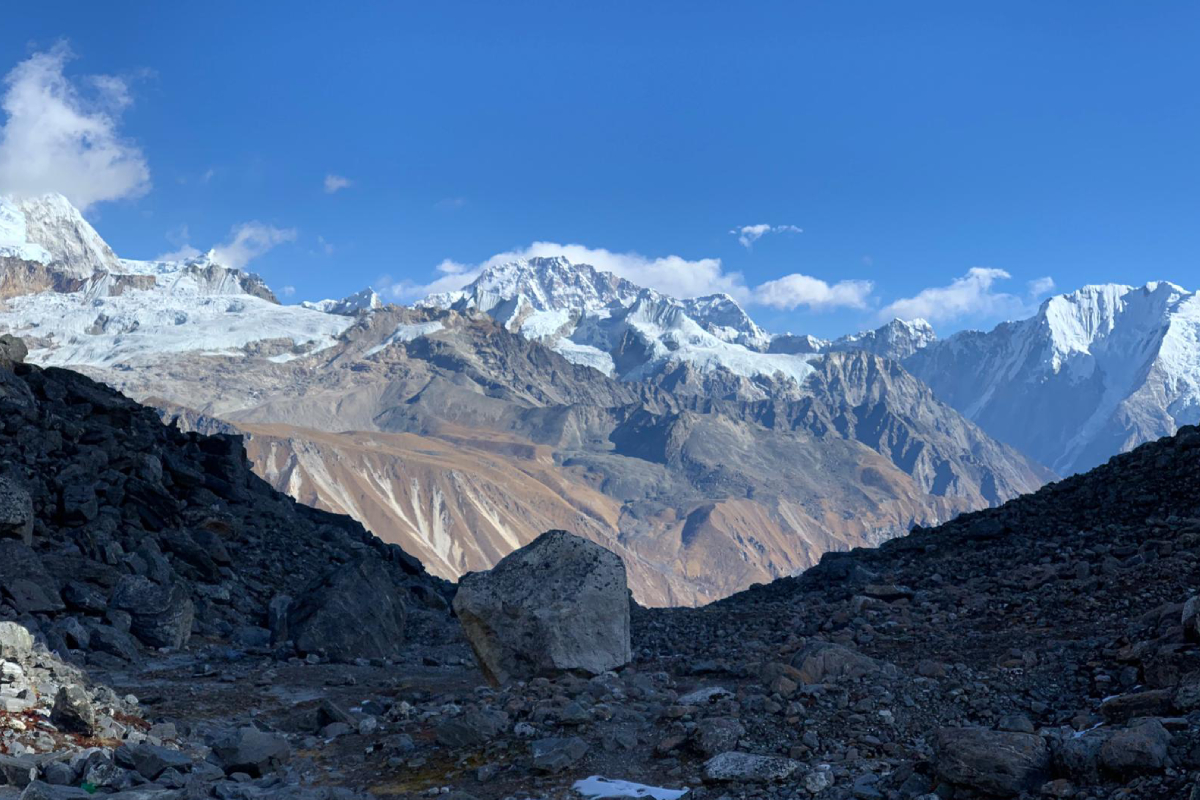
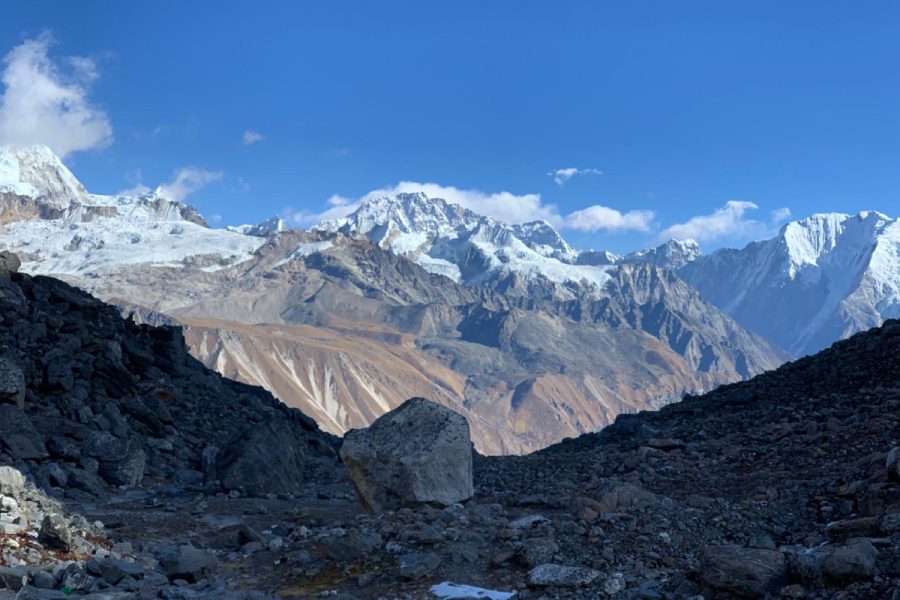
The trail continues to Kyanjin Gompa at 3,870 meters, the spiritual and cultural center of the valley, where an old monastery and a working yak cheese factory sit open to visitors. An acclimatization day here allows time for an optional hike up Kyanjin Ri or Tserko Ri, both offering close views of Langtang Lirung and the surrounding peaks.
From Kyanjin Gompa, the trek retraces its path back down the valley to Syabrubesi before the drive returns you to Kathmandu. The descent moves at an easier pace and reveals the landscape from a different angle on the way down.
Upon arrival at Tribhuvan International Airport, you are warmly welcomed and transferred to a 5-star hotel in Kathmandu. In the evening, a welcome dinner is hosted along with team introduction and a detailed trek briefing covering route overview, safety protocols, rescue procedures, first aid, emergency contacts, gear checklist, and daily health monitoring. A basic health assessment, including oxygen, pulse, and temperature check, is conducted before dinner.
Today is dedicated to final preparations and gear verification with your trekking guide at the hotel. Any missing equipment can be rented or purchased in Thamel with guide's assistance. A full briefing on route details, safety procedures, and health protocols is provided. All permits and paperwork are finalised, and daily health check routines for the trek are explained.
A 7 to 9 hour drive of approximately 137 kilometres follows the Trishuli River through hills, farmland, and forests with distant views of Ganesh Himal and Manaslu. You arrive in Syabrubesi by late afternoon and settle into a local teahouse. A short briefing covers the next day's trekking plan and weather update. Overnight in Syabrubesi.
The morning begins with a health checkup where your guide measures oxygen saturation, pulse rate, and temperature, followed by a weather report and route briefing. The 5 to 6-hour trek begins through lush forests of rhododendron, oak, and bamboo, crossing suspension bridges over the Langtang Khola. Unlimited food, tea, coffee, and safe boiled water are served throughout the day. You reach Lama Hotel, a small settlement nestled in the forest. An evening briefing covers the next day's trail. Overnight in Lama Hotel.
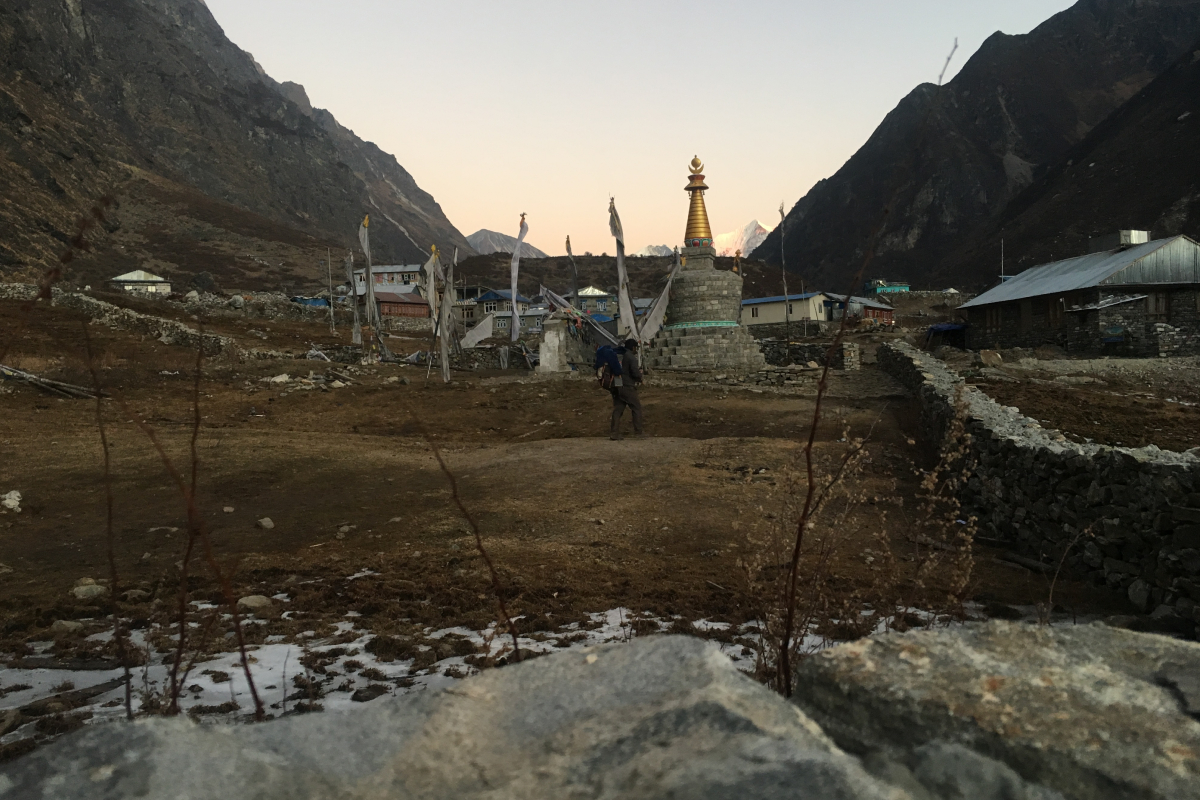
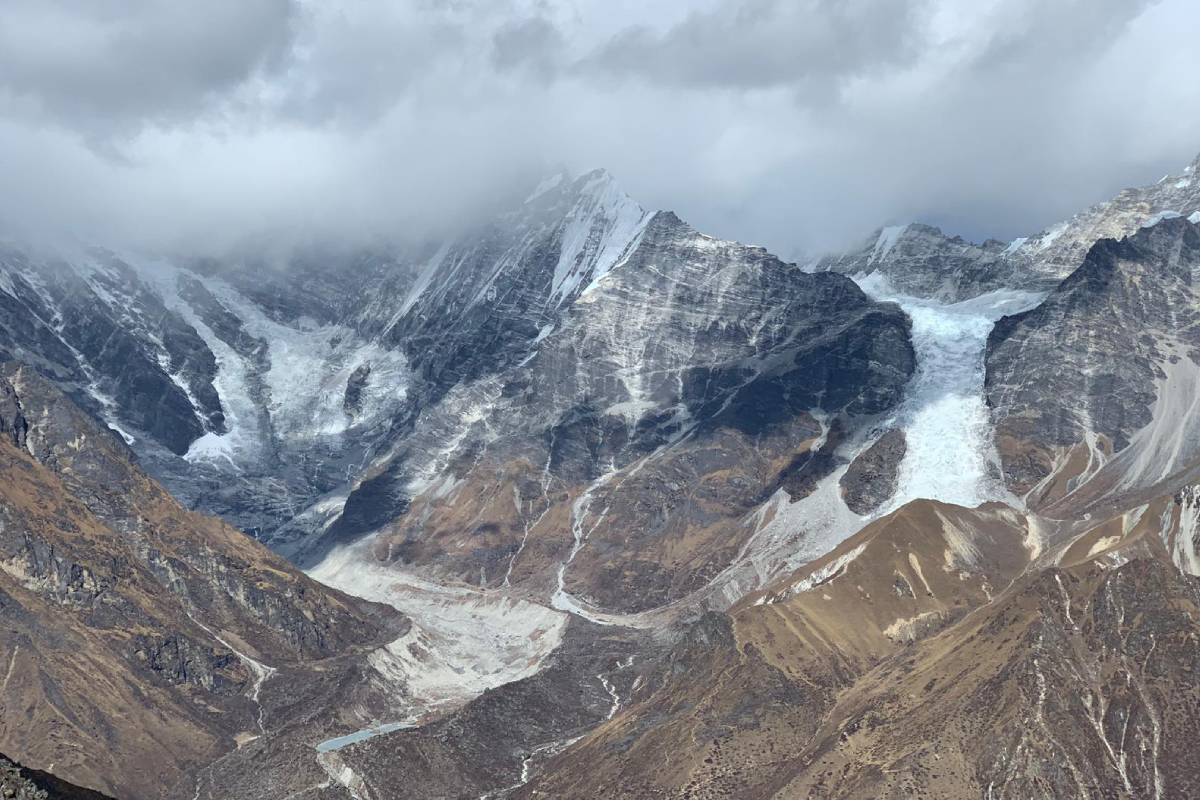
After a morning health check and weather update, the trail climbs steadily through forest to Ghoda Tabela, a former horse stable that now serves as a Langtang National Park checkpoint. Beyond this point, the valley opens, and you see the first clear views of Langtang Lirung. After 5 to 6 hours, you arrive at Langtang Village, rebuilt on safer ground after the 2015 earthquake. An evening safety briefing is provided. Overnight in Langtang Village.
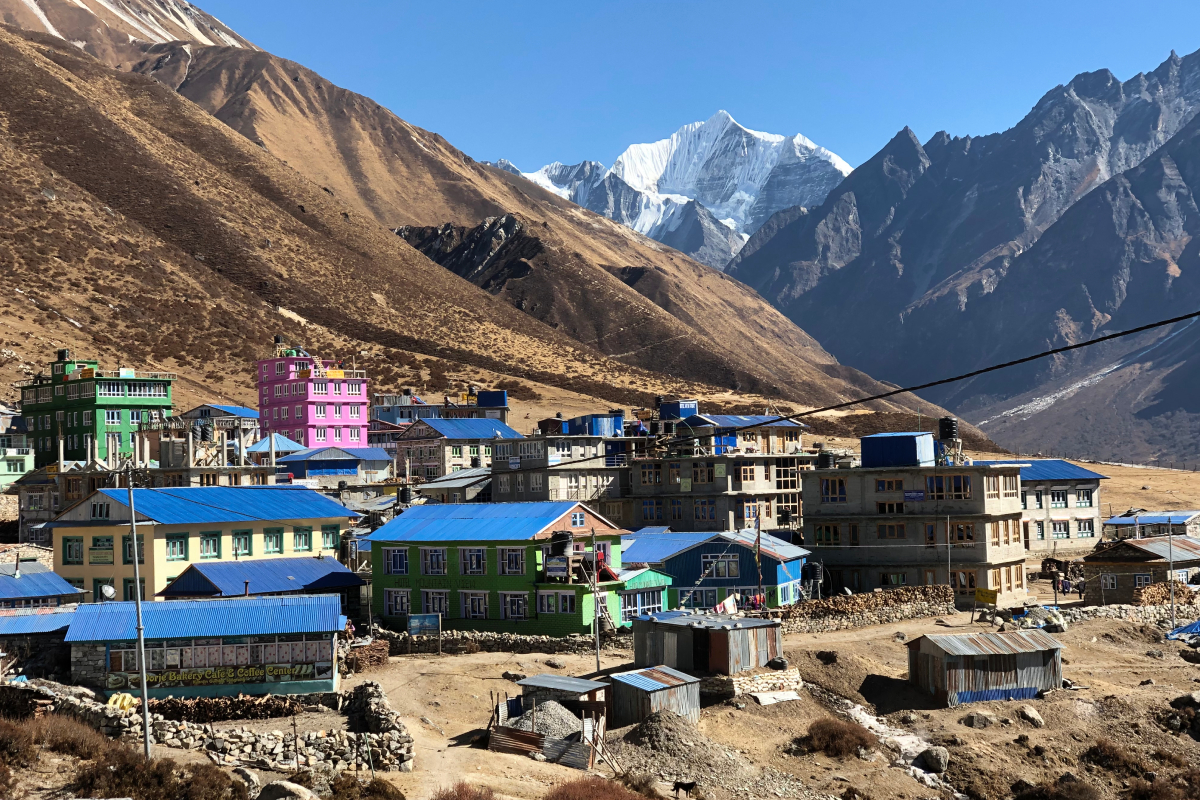
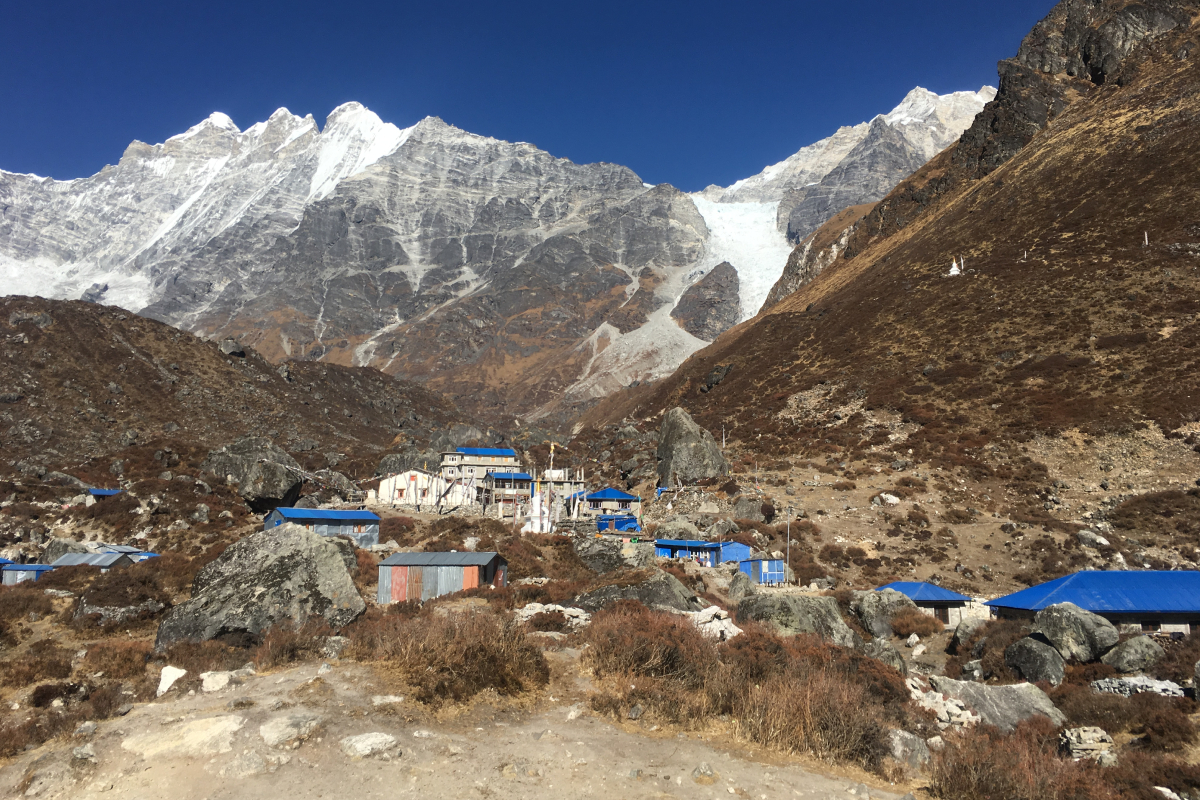
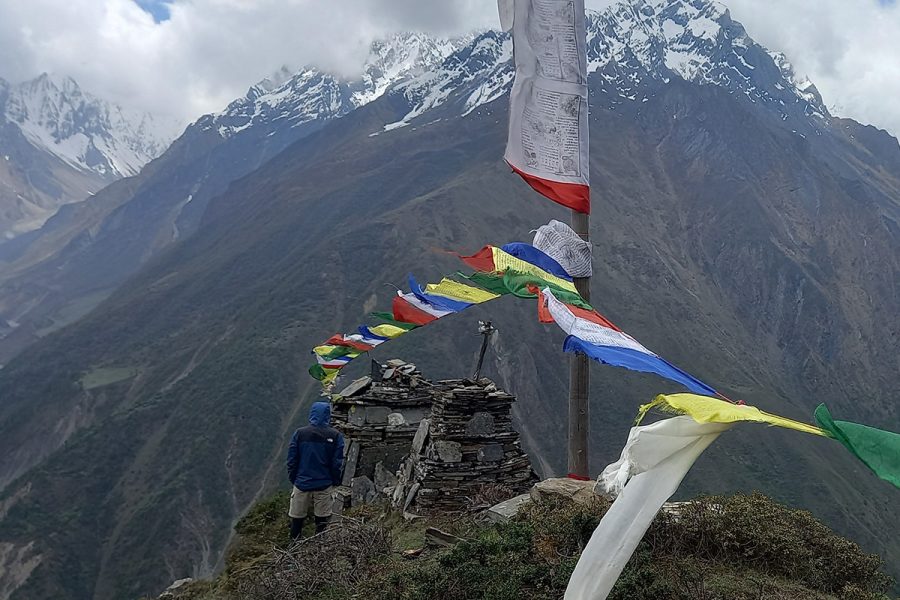
The morning begins with a health checkup with extra attention given as you gain altitude, followed by a weather report and route briefing. A shorter 3 to 4 hour trek follows a gradual valley ascent past yak pastures and ancient mani walls with Langtang Lirung dominating the skyline. Unlimited food, tea, coffee, and safe boiled water are served. You reach Kyanjin Gompa, the highest permanent settlement in the valley, with time to explore the monastery and yak cheese factory. Evening briefing covers tomorrow's acclimatisation day. Overnight in Kyanjin Gompa.
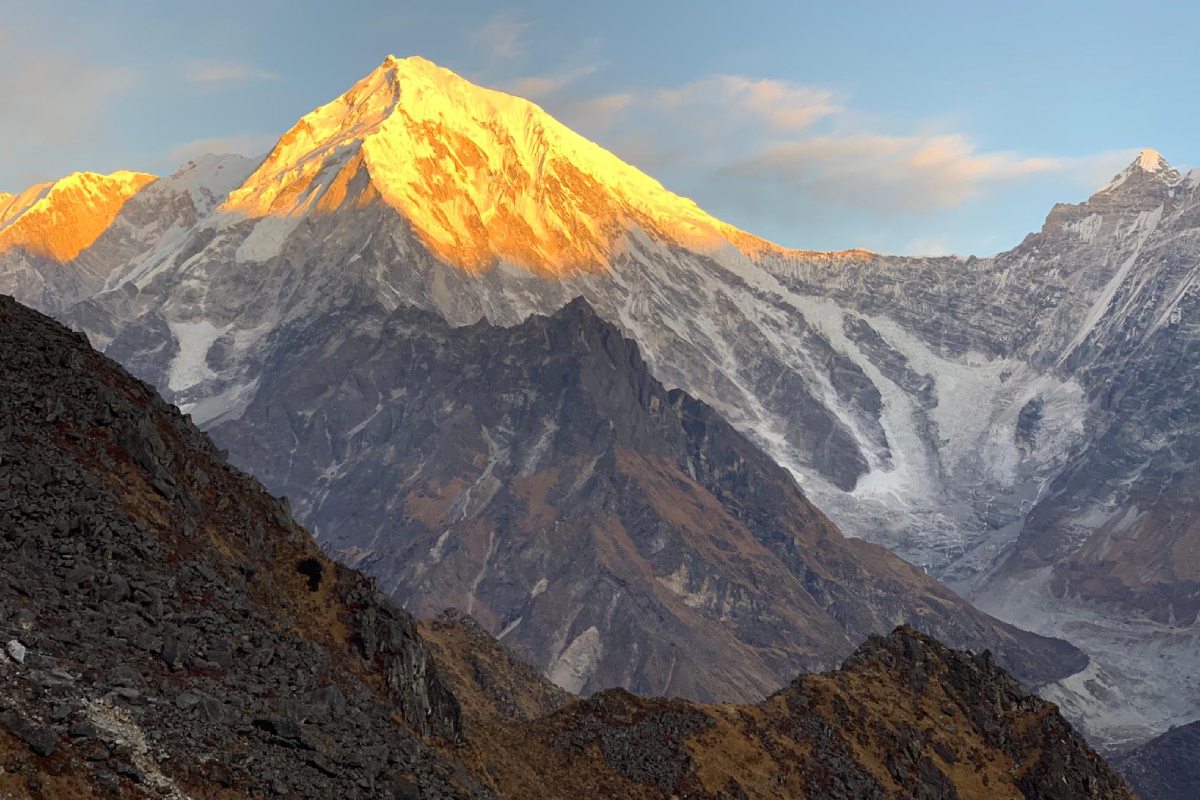
The morning begins with a thorough health checkup, as this rest day is essential for proper acclimatisation before higher altitudes, followed by a weather report. You can sleep in, rest, or join an optional morning hike to Tserko Ri at 4,984 metres or Kyanjin Ri at 4,773 metres. The hike to Tserko Ri takes 4 to 5 hours round trip and offers the best mountain views of the entire trek, including Langtang Lirung at 7,227 metres and Gangchempo at 6,778 metres. Unlimited food options and safe boiled water are served throughout the day. In the evening, your guide reminds you to drink plenty of water and report any symptoms immediately. Overnight in Kyanjin Gompa.
Following a morning health checkup and weather update, you descend back through Langtang Village and forested trails to Lama Hotel. The 5 to 6-hour downhill trek helps recovery from altitude. Unlimited food, tea, coffee, and safe boiled water are served. Overnight in Lama Hotel.
The morning begins with a health checkup, followed by a weather report and route briefing. The 5 to 6-hour descent follows the Langtang Khola back to Syabrubesi. The trail is downhill and easier, passing again through dense forests and suspension bridges. You arrive in Syabrubesi by late afternoon. An evening briefing covers tomorrow's drive back to Kathmandu. Overnight in Syabrubesi.
The morning begins with a final health check of the trek. Your guide measures your oxygen saturation, pulse, and temperature, and records your successful completion of the trek. After breakfast, you begin the 7 to 9-hour drive back to Kathmandu following the Trishuli River. You arrive in Kathmandu by late afternoon and check into your 5-star hotel. Your guide provides a final debriefing, and a farewell dinner is arranged to celebrate your successful completion of the Langtang Valley Trek.
Yes, this trek is rated easy to moderate and is one of the best treks for beginners in Nepal. First-time trekkers with good physical fitness and no pre-existing health conditions can complete this trek successfully. No previous trekking experience is required. Booking with a professional guide significantly increases your safety and success rate.
The hike to Tserko Ri at 4,984 metres is challenging due to the altitude gain. You ascend approximately 1,100 metres from Kyanjin Gompa to the summit. The round trip takes 4 to 5 hours. The terrain includes steep rocky sections. No technical climbing is required. Good physical fitness and proper acclimatisation are essential. Your guide will assess your condition during the morning health checkup before allowing you to attempt the hike.
Yes, travel insurance is mandatory. Your policy must cover high altitude trekking up to 5,000 metres and include emergency helicopter evacuation, medical expenses, trip cancellation, and lost baggage. Kalapatthar does not sell insurance, but we can recommend reputable providers such as World Nomads, SafetyWing, or AXA. You must provide proof of insurance before the trek begins.
Your guide performs daily morning health checkups to detect early signs of altitude sickness. If symptoms appear, the guide will first advise rest, hydration, and medication such as Diamox if appropriate. If symptoms persist or worsen, the guide will arrange descent to a lower altitude immediately. Descent is the only reliable treatment for moderate to severe altitude sickness. Your guide carries a first aid kit with high altitude medications and coordinates emergency evacuation if required. All guides are paramedic trained.
Yes, but with limitations. Most teahouses have electricity for charging, typically using solar panels or hydro power. Charging is not free. Expect to pay USD 1 to 3 per device per charge at higher elevations. Charging facilities are more reliable and less expensive at lower elevations. We strongly recommend carrying a power bank of 10,000 to 20,000 mAh.
Mobile phone coverage is available in some sections, but not consistently. Ncell and Nepal Telecom provide the best coverage. You can expect a signal in Syabrubesi, Lama Hotel, Langtang Village, and Kyanjin Gompa. WiFi is available at most teahouses for a fee, typically USD 2 to 5 per hour, but speeds are slow.
Teahouses have shared toilet facilities. At lower elevations, toilets are typically western-style flush toilets. At higher elevations, especially at Kyanjin Gompa, toilets are more basic. Some are squat toilets. Toilet paper is not always provided, so carry your own. Hand sanitiser is essential.
Yes, but with conditions. At lower elevations, hot showers are available for a fee of approximately USD 2 to 5. At higher elevations above 3,500 metres, showers are not recommended because cold temperatures increase the risk of illness. Most trekkers use wet wipes at Kyanjin Gompa. Your guide will advise you.
Kalapatthar maintains a maximum group size of 6 trekkers. This small group size ensures personalised attention from your guide, faster decision-making, and better care. Private treks with a solo guide are also available at an additional cost.
Each porter carries a maximum of 12 kilograms. This is the standard limit set by the Trekking Agencies Association of Nepal to protect porter welfare. Your main duffel bag should not exceed 12 kilograms. You carry a daypack of 25 to 35 litres with your daily essentials. If you need to carry more than 12 kilograms, we can arrange an additional porter at extra cost.
You need two permits. The Langtang National Park Permit costs approximately USD 23 to 25. The TIMS card costs approximately USD 8 to 17. Both permits are arranged by Kalapatthar as part of the package. You simply need to provide a copy of your passport and two passport-sized photographs.
Yes. Nepal is generally safe for solo female travellers, and Kalapatthar has extensive experience guiding solo female trekkers. You will be assigned a professional guide who stays with you throughout the trek. Teahouse accommodation is basic but safe. We recommend booking a private room for additional privacy. Many solo female travellers complete this trek each year without issues.
Independent trekking is legal in Nepal, but we strongly recommend using a guide, especially for first-time trekkers. The trail is well marked, but a guide provides daily health checkups, cultural insights, and support in case of emergencies. Your safety is our priority.
You can cancel your booking up to 30 days before the trek departure date for a full refund minus any bank transaction fees. Cancellations between 30 and 15 days before departure receive a 50 per cent refund. Cancellations within 14 days of departure receive no refund. If Kalapatthar cancels the trek due to weather, natural disaster, or other safety concerns, you receive a full refund or can transfer to a future departure date.
Tipping is customary in Nepal and reflects your satisfaction with the service. There is no fixed amount, but guidelines are common. For a 10-day trek, typical tips are USD 8 to 12 per day for the guide and USD 5 to 7 per day for the porter. Tip amounts can be adjusted based on the quality of service and your budget. Tipping is done at the end of the trek.

Member Since 2026
Leave a review