


Embarking on an expedition in Nepal is a journey into some of the most spectacular landscapes in the world. The towering Himalayas, deep valleys, and remote villages provide not only a physical challenge but also a chance to experience centuries-old traditions and cultures. Proper preparation ensures safety, enjoyment, and a truly memorable adventure.
Nepal’s expeditions require attention to several key factors, including terrain, weather, permits, cultural etiquette, and physical fitness. Without careful planning, even experienced trekkers may face unnecessary risks or miss out on the full experience.
In this blog, we will guide you through everything you need to consider before setting out for your expedition in Nepal. From practical tips and safety measures to cultural insights and gear recommendations, this guide is designed to help you prepare thoroughly for a safe and rewarding journey.
Understanding the Terrain for an Expedition in Nepal
Nepal’s terrain is completely diverse, ranging from the fertile plains of the Terai to the steep hills of the midlands and the sky-high peaks of the Himalayas. Each region presents unique challenges for trekkers and climbers.
While lower elevations offer gentler slopes and more accessible trails, high-altitude regions demand physical endurance, careful planning, and an awareness of changing environmental conditions. Understanding these differences is essential to prepare adequately and navigate the trails safely.
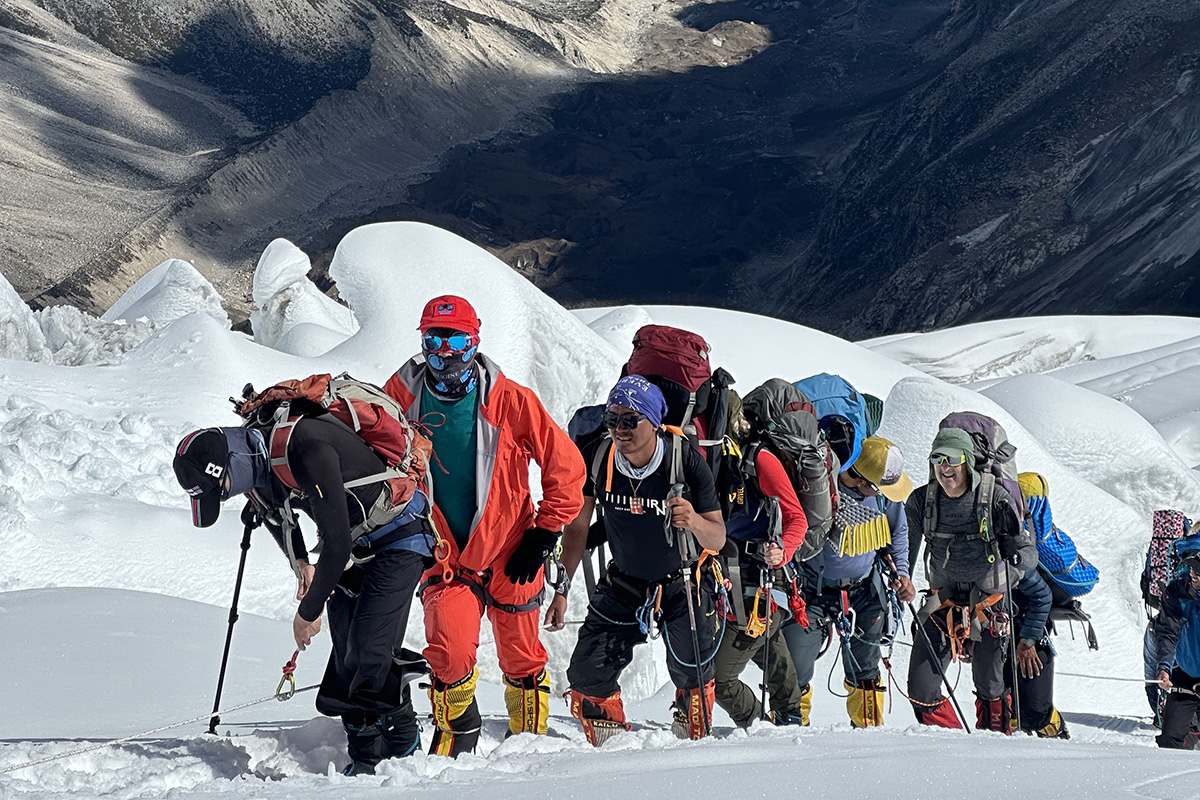
Altitude and Acclimatisation: Treks usually start around 1,500 meters and can exceed 5,500 meters. Gradual ascent and rest days are essential to prevent altitude sickness. Monitoring symptoms and following altitude precautions ensures a safer journey.
Trail Conditions: Trails vary with season and region. Paths can be rocky, muddy, or snow-covered, with steep inclines or narrow ridges in some areas. Good footwear, trekking poles, and awareness of terrain reduce the risk of slips and injuries.
Natural Hazards: Landslides, avalanches, sudden weather changes, and flash floods are common. Travelling with experienced guides and keeping track of weather updates enhances safety.
Related Articles: Trekking and Expeditions for Differently Abled Adventurers
Additional Considerations: Some remote trails lack medical facilities, clean water, or mobile coverage. Carrying essential supplies, water purification, and communication devices is advisable. Respecting local wildlife and their habitats adds to both safety and experience.
Unique Fact: Many trekking routes in Nepal cover drastically different environments in a short period. A single route can pass through subtropical forests, high-altitude meadows, and snowy mountain terrain, providing a variety of landscapes during the expedition.
A thorough understanding of Nepal’s terrain allows trekkers to prepare physically and logistically, making the expedition safer, more enjoyable, and more rewarding.
Best Seasons for an Expedition in Nepal
The timing of your expedition in Nepal has a major impact on safety, comfort, and overall experience. Weather patterns, trail conditions, and visibility vary throughout the year, so selecting the right season is essential for a successful journey.
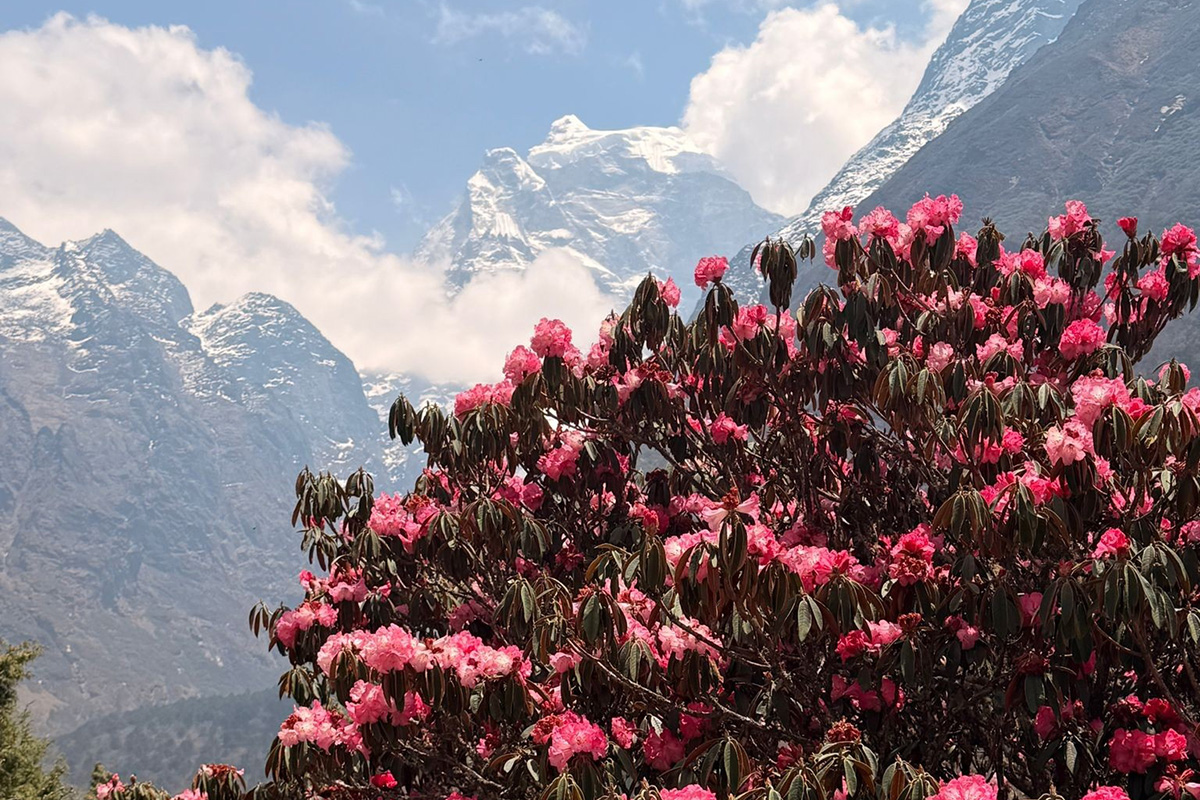
Spring (March to May): Spring offers moderate temperatures and clear skies, making it one of the most favorable times for trekking. Rhododendrons bloom along the trails, creating colorful landscapes. This season also provides excellent opportunities to observe local wildlife as animals emerge after the winter months.
Autumn (September to November): Autumn is considered the peak trekking season. The weather is generally stable, and skies are clear, offering unobstructed views of the Himalayas. Many local festivals take place during this period, allowing travelers to experience cultural celebrations along the route. Trails are also in good condition, making trekking safer and more comfortable.
Winter (December to February): Winter is cooler and drier, especially in lower-altitude regions. Trekking at lower elevations remains possible, though higher passes may be blocked by snow. The reduced number of tourists means less crowded trails and lodges, providing a quieter experience. Cold temperatures require proper gear, especially for high-altitude expeditions.
Monsoon (June to August): Heavy rainfall during the monsoon season makes trails slippery and increases the risk of landslides, flash floods, and unstable river crossings. Dense clouds often block mountain views, reducing visibility. Most trekking routes are not recommended during this period, except for specific regions that remain relatively dry.
Choosing the right season for your expedition ensures safer trekking, better visibility, and a more comfortable experience. Planning according to seasonal conditions also allows for a smoother journey with minimal disruption due to weather or trail hazards.
Physical Preparation for an Expedition in Nepal
Trekking and climbing in Nepal demand a high level of physical fitness due to long hours on uneven trails, steep ascents, and high-altitude conditions. Preparing the body in advance helps prevent fatigue, reduces the risk of injuries, and allows trekkers to fully enjoy the expedition. Even moderate training before departure can make a significant difference in endurance and overall comfort.
Cardiovascular Training: Activities such as running, cycling, or brisk walking improve stamina and strengthen the heart and lungs. Regular cardio exercises help the body adapt to long days of walking and the reduced oxygen levels encountered at higher altitudes.
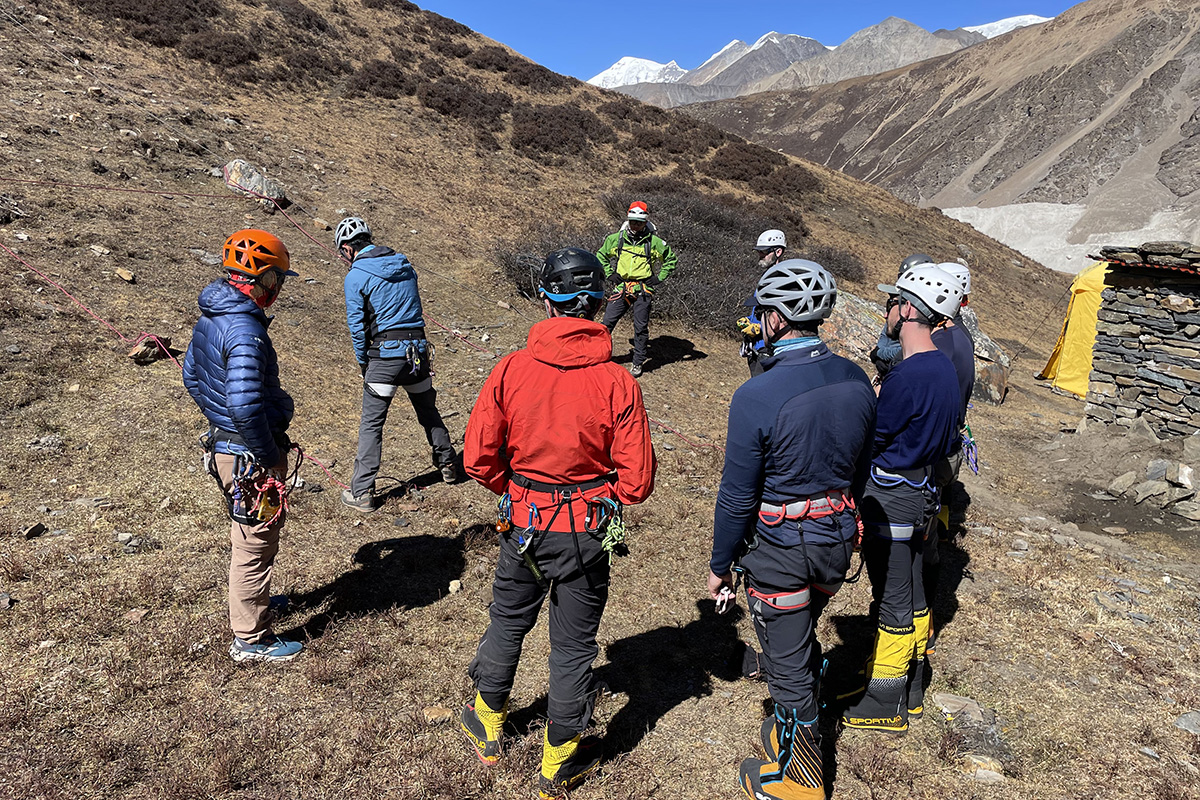
Strength Training: Building strength in the legs, core, and back is essential for carrying a backpack over uneven terrain. Exercises like squats, lunges, planks, and weighted hikes prepare muscles for sustained physical activity and improve balance on steep or rocky paths.
Practice Hikes: Undertaking shorter treks with a loaded backpack simulates real trekking conditions. This helps the body adjust to prolonged walking, altitude, and the weight of gear, while also allowing trekkers to test their stamina and equipment in advance.
By combining cardiovascular exercises, targeted strength training, and practice hikes, trekkers develop the endurance, strength, and confidence needed for a safe and rewarding expedition in Nepal. Proper physical preparation transforms the journey into a more enjoyable and manageable experience.
Permits and Documentation for an Expedition in Nepal
All trekking and mountaineering activities in Nepal require official permits to ensure safety, environmental protection, and compliance with government regulations. Obtaining the correct documentation before starting your expedition is essential, as checkpoints along popular trekking routes strictly enforce these rules.
- Trekking Permits: Popular trekking routes such as Everest Base Camp, Annapurna Circuit, and Langtang require permits like the Trekkers’ Information Management System (TIMS) card and national park entry permits. These documents regulate visitor numbers, preserve natural areas, and support local communities through fees.
- Mountaineering Permits: Climbers attempting peaks above 6,000 meters must obtain climbing permits issued by Nepal’s Ministry of Tourism. The cost and process vary depending on the peak’s difficulty, height, and popularity. Professional guidance is recommended for completing permit applications and meeting all legal requirements.
- Travel Insurance: Comprehensive travel insurance covering high-altitude trekking, medical emergencies, and evacuation is strongly advised. Accidents or illnesses at remote locations can become serious without immediate access to medical care, making insurance an essential component of expedition planning.
Acquiring permits and insurance in advance ensures compliance with local regulations, reduces administrative stress during the trek, and allows travelers to focus fully on the expedition itself. Proper documentation provides peace of mind and contributes to a safe and organized adventure in Nepal.
Cultural Etiquette during an Expedition in Nepal
Respecting local culture adds depth and meaning to the expedition experience. Observing customs, participating appropriately in local traditions, and showing consideration for local practices fosters positive interactions and a deeper understanding of the communities along the trail.
- Dress Modestly: Cover shoulders and knees in villages and around religious sites.
- Observe Festivals: Events such as Dashain, Tihar, and Holi offer cultural insights. Participation should be respectful.
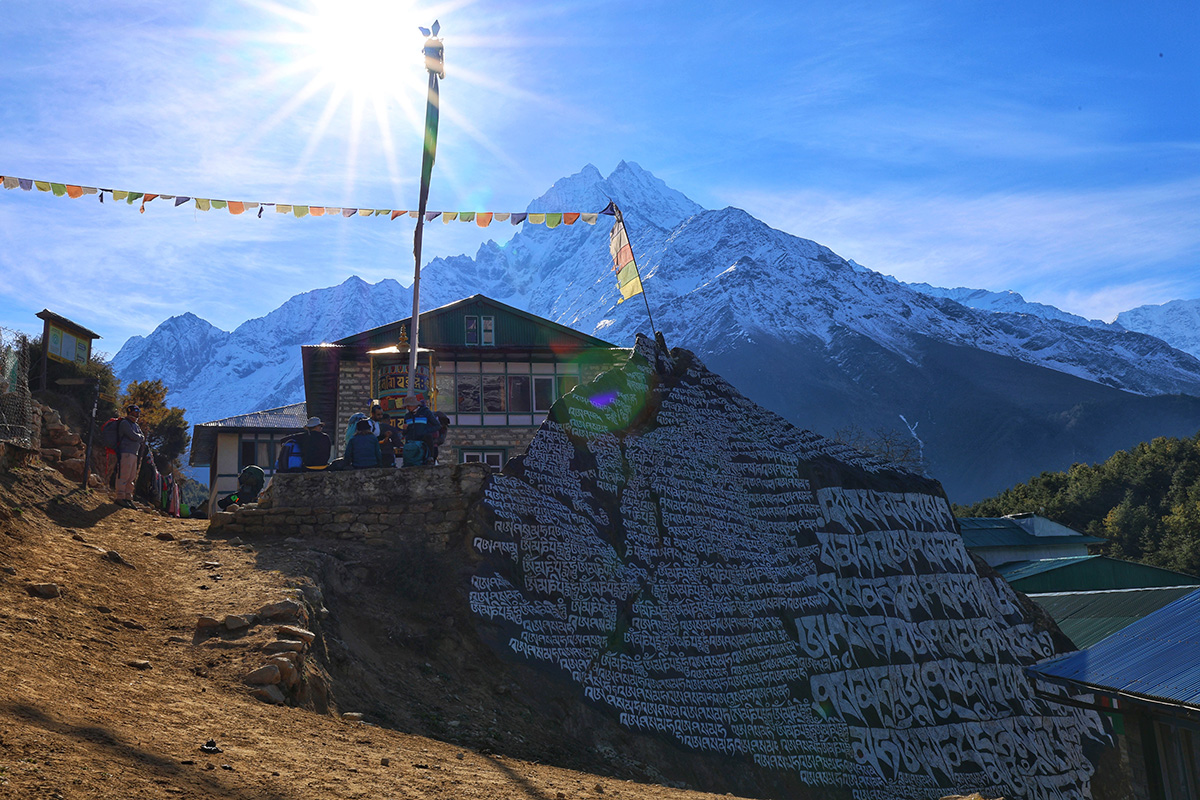
- Spiritual Practices: Temples, stupas, and prayer flags hold deep significance. Follow local customs, including walking clockwise around stupas.
You May Also Prefer Reading: People of Nepal: Bahun
Understanding and respecting local traditions fosters meaningful interactions and genuine cultural immersion. Taking time to learn about local festivals, rituals, and daily practices allows trekkers to connect with communities while traveling responsibly.
Accommodation and Food Considerations for an Expedition in Nepal
Accommodation and meals along trekking routes in Nepal vary widely depending on the remoteness of the area and the popularity of the trail. Proper planning ensures that trekkers have comfortable lodging and sufficient nutrition to maintain energy levels during long days of walking.
- Tea Houses and Lodges: Along popular trekking routes, tea houses and lodges provide basic lodging and home-cooked meals. They are often family-run, offering warm hospitality, and allow trekkers to interact with local communities. Many lodges also provide hot showers, charging stations, and small shops for essentials.
- Camping Expeditions: In more remote regions, camping is necessary. Trekkers rely on tents and cooking equipment, usually provided and organized by professional expedition teams. This option allows access to less-visited trails while maintaining safety and comfort.
- Food Safety: Sticking to cooked meals and boiled or purified water helps prevent illness. Traditional Nepali dishes such as dal bhat, momo, and thukpa provide balanced nutrition, while energy bars and dry snacks help sustain energy between meals. Adapting to local food also adds to the cultural experience of the expedition.
Being well-prepared with accommodations and food arrangements ensures a more comfortable, healthy, and enjoyable expedition. Proper planning allows trekkers to focus on the journey, the scenery, and the unique cultural experiences along the route.
Essential Gear for an Expedition in Nepal
Choosing the right gear is crucial for safety, comfort, and efficiency during an expedition in Nepal. In addition to standard equipment, understanding the terrain, weather, and duration of the trek helps determine what items are essential for the journey. Proper gear minimizes risks and allows trekkers to enjoy the expedition without unnecessary stress.
- Clothing: Layered clothing is important to adapt to changing temperatures. Waterproof jackets, thermal wear, and sturdy trekking boots protect against cold, rain, and rugged terrain. Trekking in high-altitude regions may require additional insulation and gloves to prevent frostbite.
- Accessories: Sunglasses, gloves, trekking poles, and a reliable backpack are necessary for support, safety, and convenience. A sun hat or cap, gaiters, and a water bottle or hydration system are additional items that make long days on the trail more manageable.
- Safety Equipment: A first-aid kit, headlamp, water purification tablets, and emergency communication devices are essential for addressing unexpected challenges. Having extra batteries, a whistle, and a multi-tool can provide additional security in remote areas.
Using high-quality gear reduces fatigue, prevents injuries, and allows trekkers to focus on the scenery and cultural experiences rather than discomfort. Proper preparation makes the expedition safer, more comfortable, and significantly more rewarding.
Health and Safety Measures for an Expedition in Nepal
High-altitude expeditions in Nepal involve unique health challenges that require careful preparation. Altitude sickness is one of the most common risks for trekkers and climbers, so following a gradual ascent schedule is essential. Taking sufficient rest days between higher elevations allows the body to acclimatise naturally, reducing the likelihood of headaches, nausea, or more serious conditions.
Proper hydration and nutrition play a critical role in maintaining energy levels during long days on the trail. Drinking enough water, consuming balanced meals, and including snacks that provide protein and carbohydrates help the body cope with physical exertion and thin air at high altitudes. Staying consistent with these practices can prevent fatigue and support overall well-being.
Consulting a doctor before embarking on an expedition is highly recommended. Pre-trip medical check-ups help identify any existing conditions that could be exacerbated at high altitudes and allow trekkers to receive advice on preventive medications or vaccinations. This preparation ensures that minor health issues do not turn into serious problems during the journey.
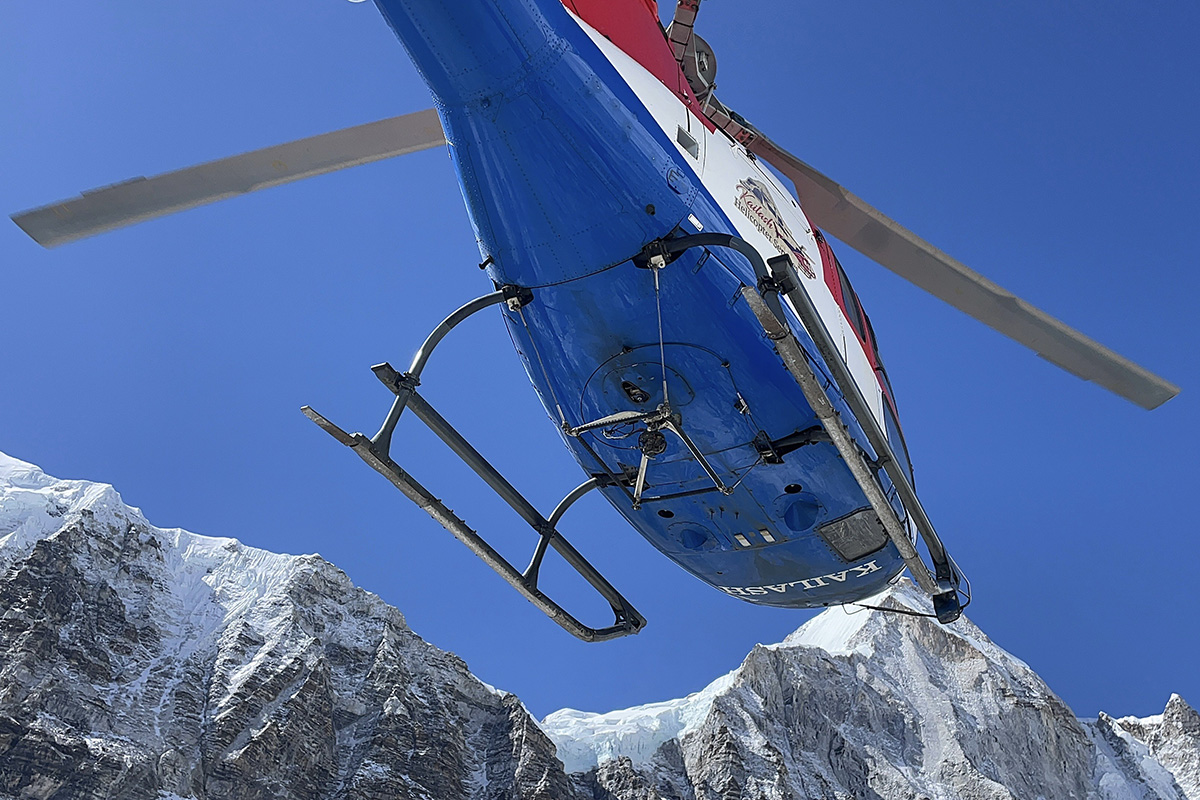
Finally, having a clear emergency plan is vital. Familiarise yourself with the locations of hospitals, evacuation points, and helipads along your route. Travelling with guides who know the terrain and emergency procedures adds an extra layer of safety. By prioritising health and planning for potential emergencies, trekkers can enjoy a safe, comfortable, and memorable expedition in Nepal.
Choosing the Right Expedition Operator in Nepal
Partnering with a professional operator like Kalapatthar Trek & Expedition Pvt.Ltd provides multiple advantages:
- Experienced guides knowledgeable about terrain, culture, and safety protocols.
- Complete logistics, including permits, accommodation, and transport.
- Authentic experiences and insights into local communities.
A professional operator ensures the expedition is safe, organised, and rewarding.
Environmental Responsibility during an Expedition in Nepal
Preserving Nepal’s fragile ecosystems is essential:
- Waste Management: Carry back non-biodegradable trash.
- Plastic Reduction: Reusable bottles and containers are preferred.
- Wildlife Respect: Maintain distance and avoid disturbing natural habitats.
Responsible travel preserves Nepal’s natural beauty for future generations.
Travel Logistics and Transportation
Reaching trekking starting points requires careful planning:
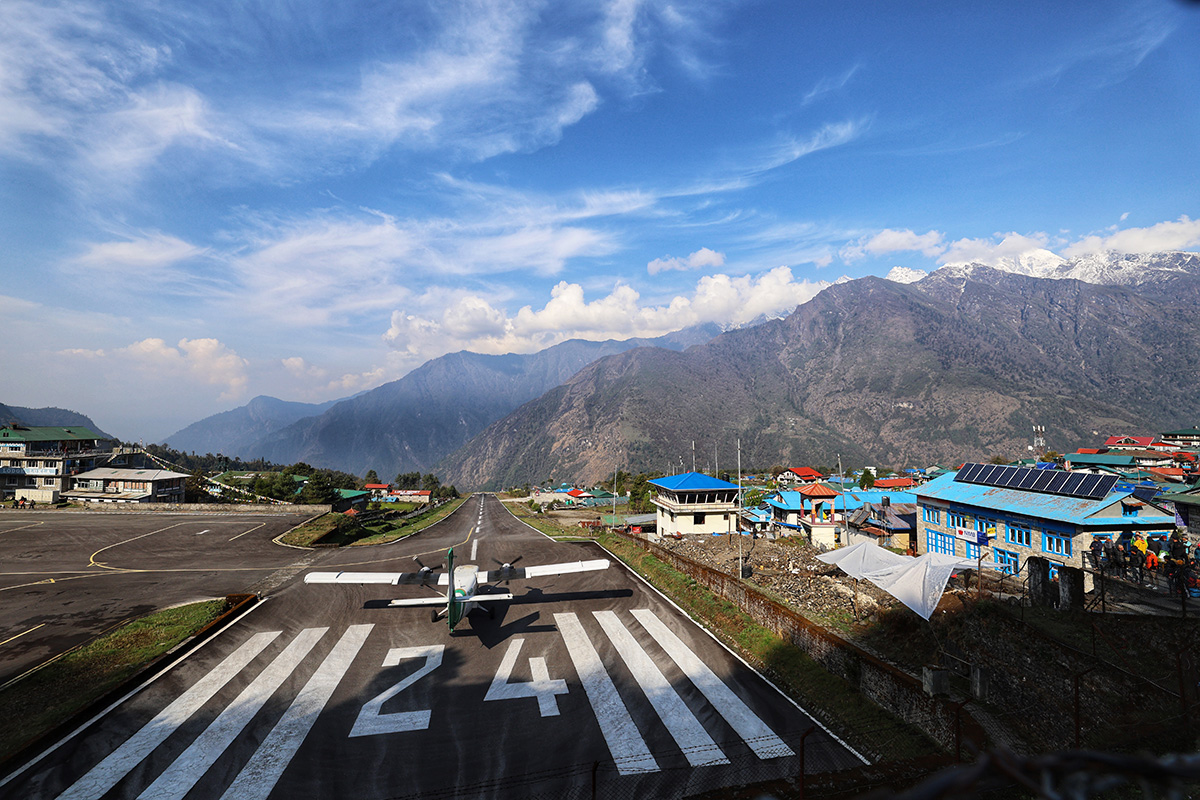
- Flights and Transfers: Domestic flights to gateways like Lukla or Jomsom can be affected by weather. Flexibility is key.
- Road Travel: Mountain roads are often narrow or landslide-prone; reliable transport is essential.
- Local Guides and Porters: Hiring local support ensures smooth navigation and supports local communities.
Advanced planning improves safety, efficiency, and overall convenience.
Final Advice for a Successful Expedition in Nepal
A successful expedition in Nepal requires preparation, awareness, and respect. Considering terrain, climate, permits, cultural norms, health, logistics, and environmental responsibility allows travellers to focus on the adventure itself.
Working with Kalapatthar Trek & Expedition Pvt.Ltd. ensures proper guidance, logistics, and cultural immersion. Thoughtful preparation leads to a journey that is safe, memorable, and transformative, offering a complete Himalayan experience.
Key factors include understanding the terrain, choosing the right season, building physical fitness, securing permits and insurance, respecting cultural customs, and preparing the right gear. Careful planning across all of these areas reduces risk and improves the overall experience.
Autumn (September to November) is considered peak season, with stable weather and clear Himalayan views. Spring (March to May) is also favourable, with moderate temperatures and blooming rhododendrons. Winter suits lower-altitude routes, while monsoon season is generally not recommended.
It depends on the peak. Climbing peaks between roughly 5,500 and 6,500 metres, including popular trekking peaks like Island Peak, Mera Peak, and Lobuche East, requires a permit from the Nepal Mountaineering Association (NMA). Peaks above 6,500 metres, including all fourteen 8,000-metre giants, require a permit from Nepal’s Department of Tourism instead.
Comprehensive travel insurance is strongly advised for any high-altitude expedition. It should cover medical emergencies, high-altitude trekking, and evacuation, since remote locations often lack immediate access to medical care.
A good level of fitness matters, given the long hours on uneven trails and high-altitude conditions. Cardiovascular training, strength training, and practice hikes with a loaded backpack all help build the endurance needed for the trek.
Popular routes offer tea houses and lodges with basic rooms, home-cooked meals, and amenities like hot showers and charging stations. More remote regions require camping, typically organised by a professional expedition team.
Traditional dishes such as dal bhat, momo, and thukpa are widely available and provide balanced nutrition for long trekking days. Sticking to cooked meals and purified water helps prevent illness on the trail.
Essential gear includes layered clothing, waterproof jackets, sturdy trekking boots, trekking poles, sunglasses, a headlamp, a first aid kit, and water purification tablets. Additional insulation and gloves are recommended for high-altitude sections.
A gradual ascent with scheduled rest days is the most effective prevention. Staying well hydrated, eating balanced meals, and monitoring symptoms closely also reduce the risk of altitude-related illness.
Dress modestly in villages and around religious sites, walk clockwise around stupas and mani walls, and approach local festivals like Dashain, Tihar, and Holi with respect. These customs matter deeply to local communities along the trail.
Guides help monitor for altitude sickness, track weather, and navigate shifting trail conditions, while porters typically carry loads of 20 to 25 kilograms, letting trekkers walk with just a daypack. Both add safety and support local communities.
A professional operator like Kalapatthar Trek & Expedition handles permits, accommodation, transport, and guide arrangements, backed by experienced staff who understand the terrain, culture, and safety protocols involved in a Nepal expedition.
Carry out non-biodegradable waste, use reusable bottles and containers instead of single-use plastic, and maintain a respectful distance from wildlife. These practices help preserve Nepal’s fragile mountain ecosystems.
Most routes begin with a domestic flight to gateways like Lukla or Jomsom, which can be affected by weather, or overland travel on mountain roads that are sometimes narrow or landslide-prone. Building flexibility into your schedule helps manage these delays.
0 Comment