
14 Days
Daily Tour
10 people
___
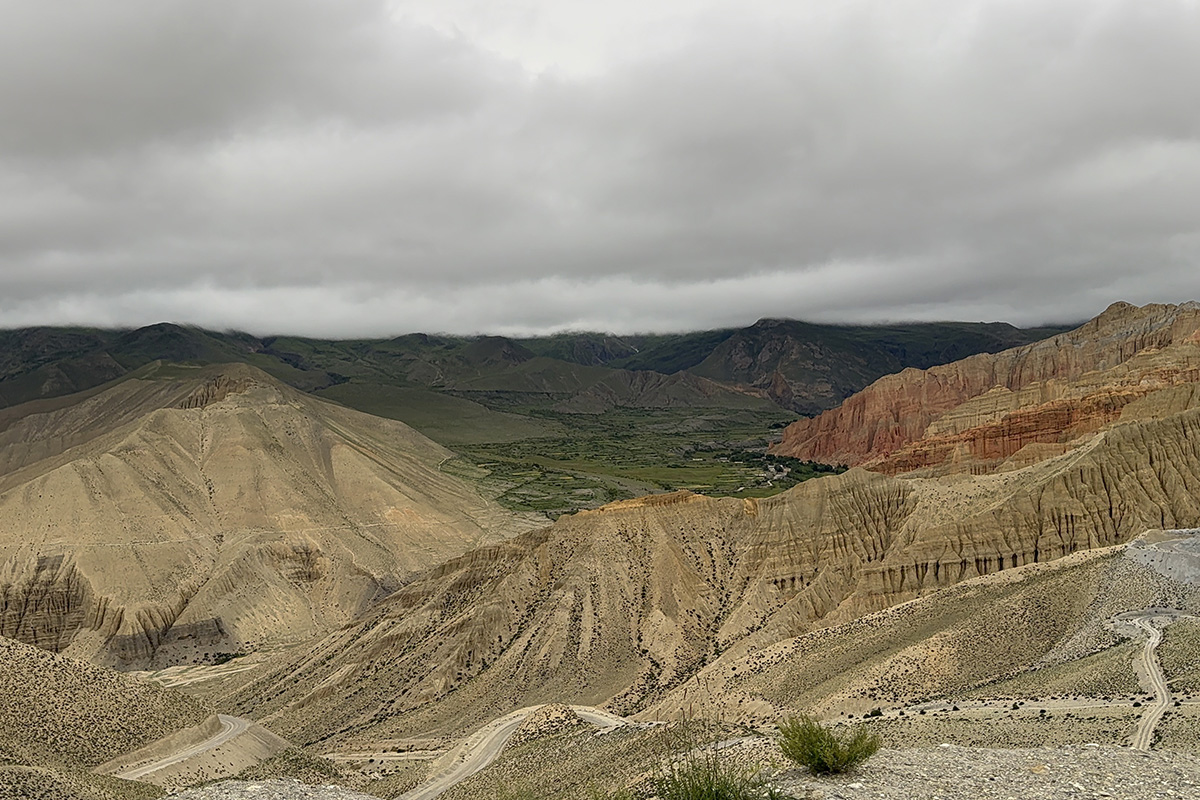
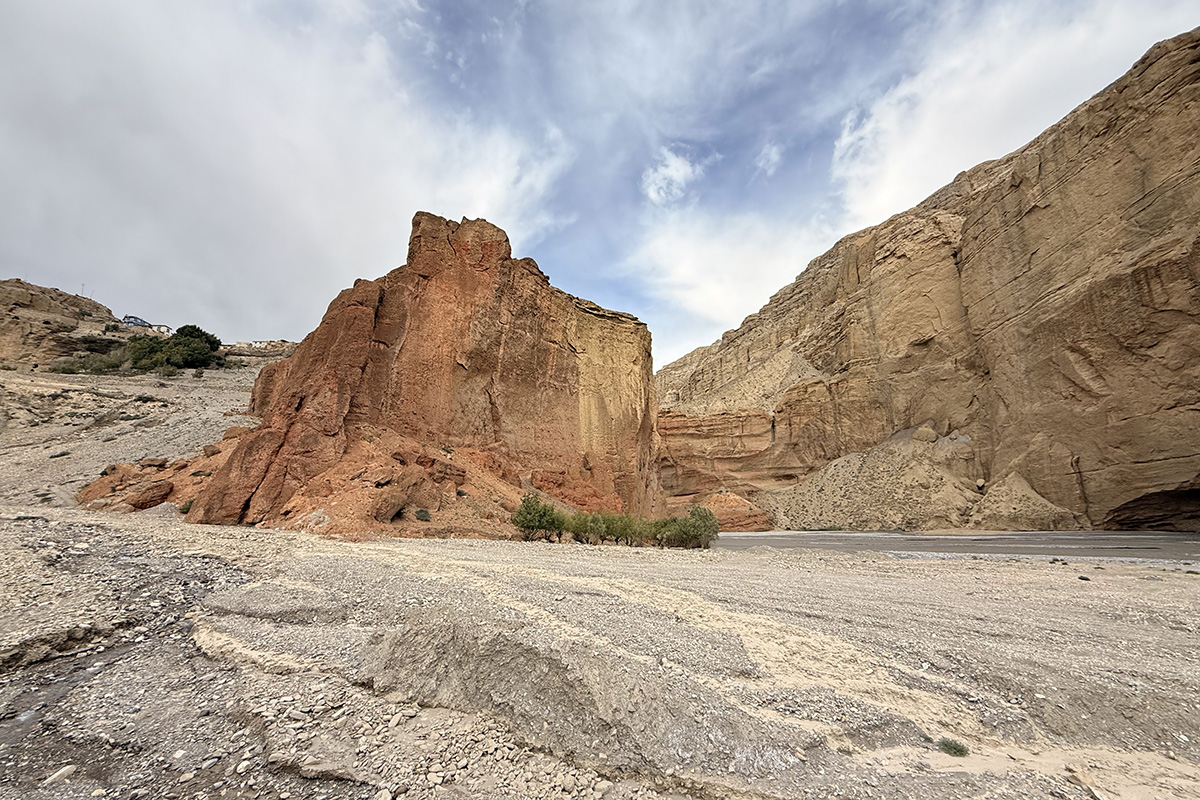
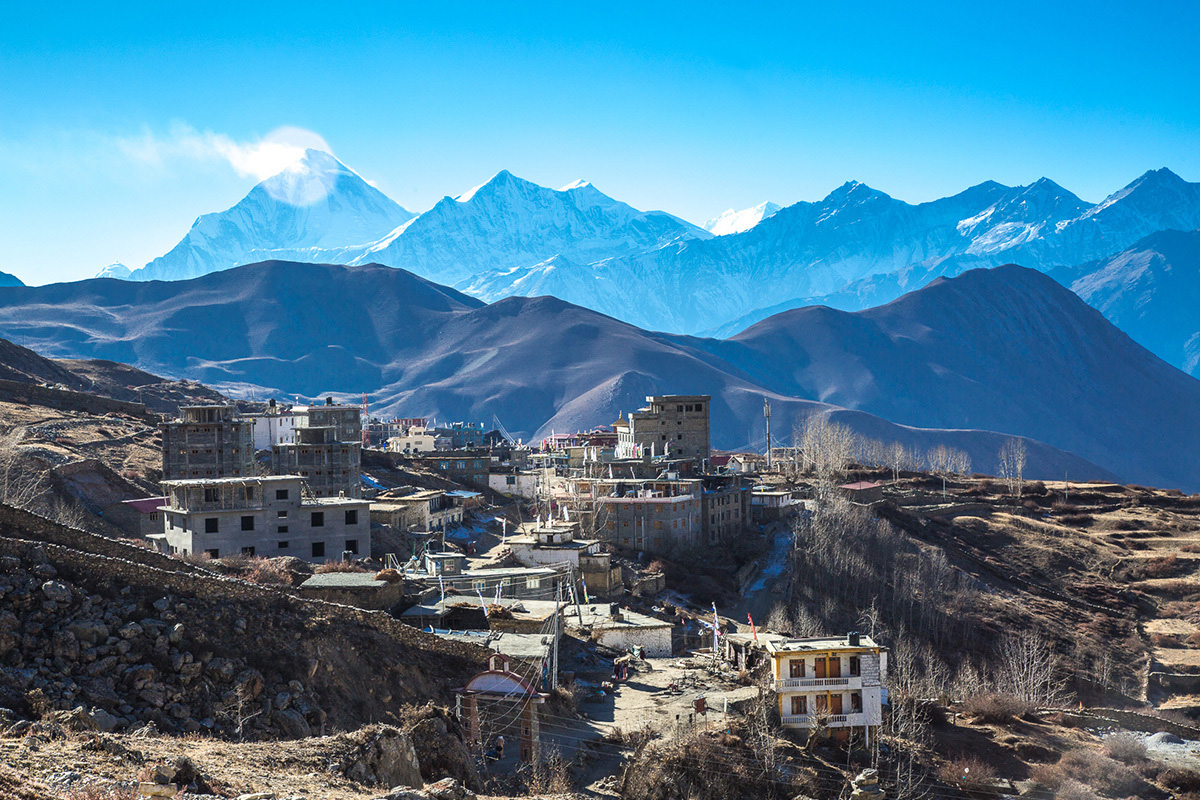
The Upper Mustang region stayed closed to outside visitors until 1992, and its permit system today still keeps trekker numbers far lower than almost anywhere else in Nepal. Upper Mustang Trek with Kalapatthar Trek & Expedition carries you into the high-altitude desert north of the Annapurna and Dhaulagiri ranges, reaching Lo Manthang at 3,840 meters, the walled capital of the former Kingdom of Lo. The route follows the Kali Gandaki valley through ochre cliffs, wind-carved canyons, and cave systems that predate recorded history.
This itinerary is planned around full permit processing, experienced local guides, and a schedule that balances daily trekking distances with real time for cultural exploration. A full day set aside in Lo Manthang lets you visit its monasteries, royal palace, and surrounding cave systems without rushing between sites. Two reserve days are built into the schedule as well, covering weather delays on the Jomsom flight or an extra rest day if conditions call for it.
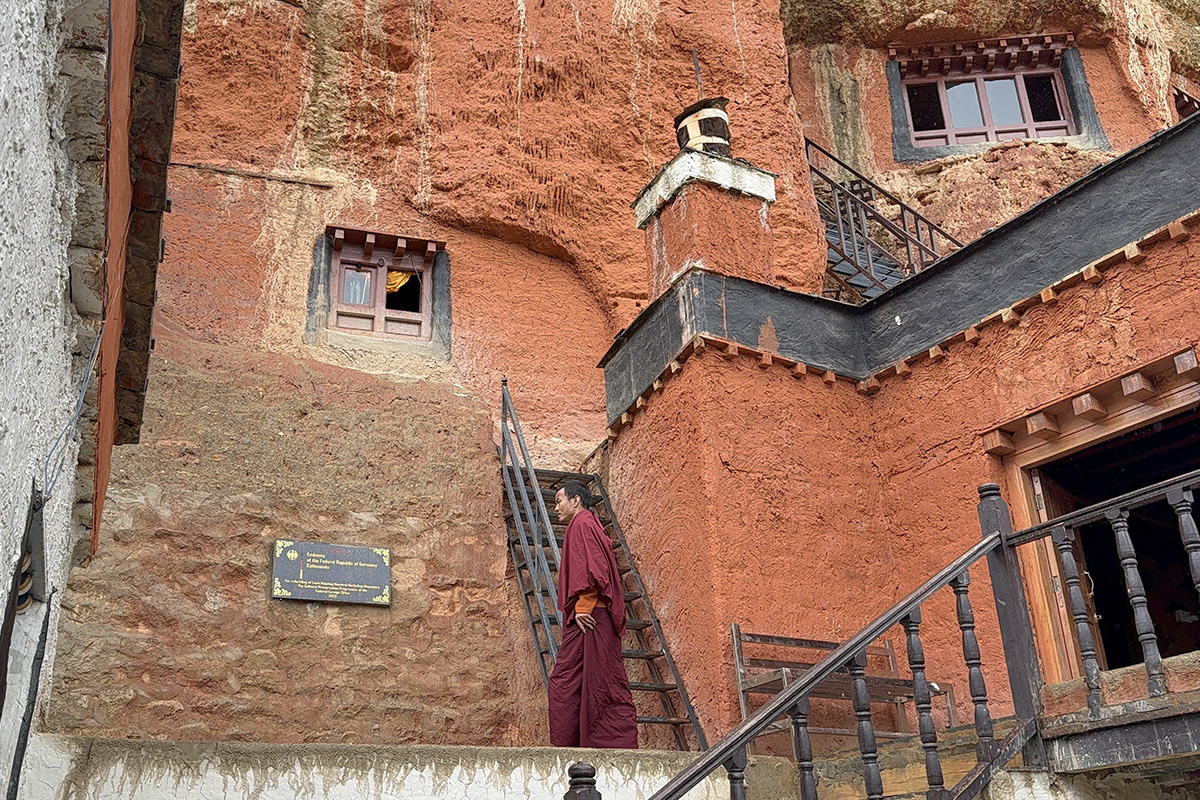
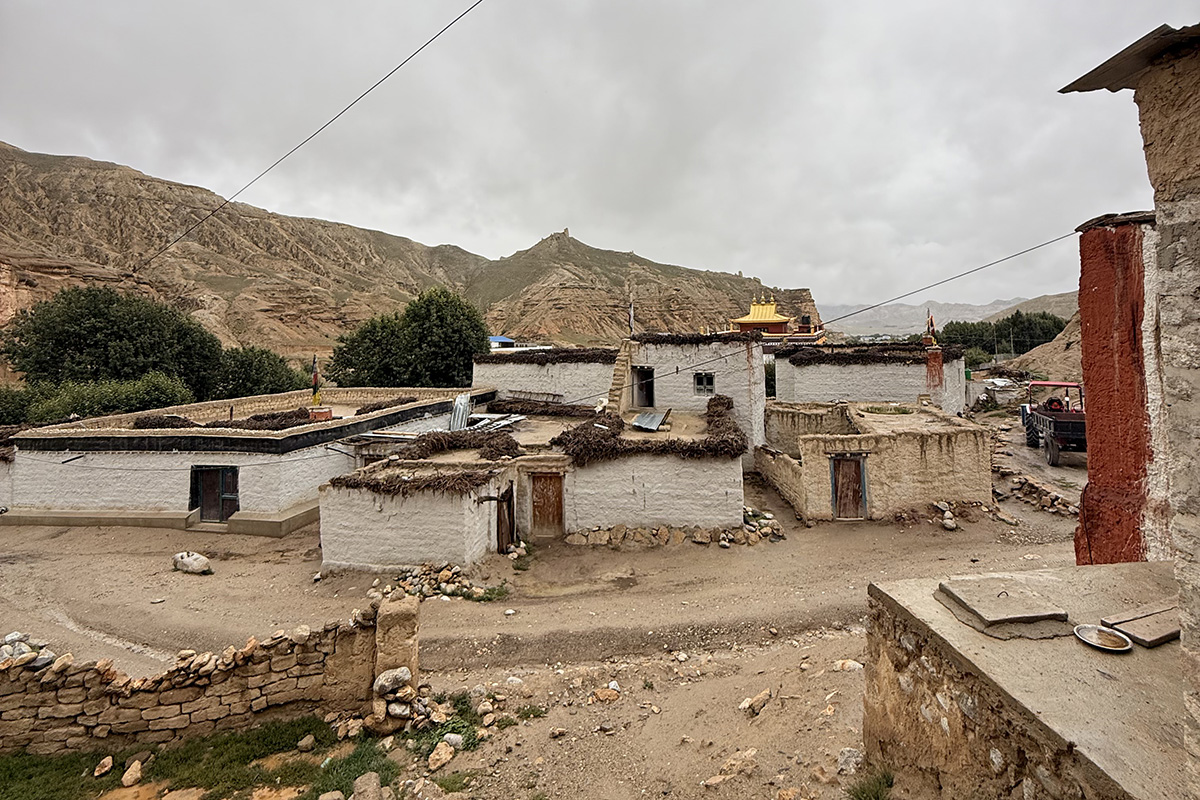
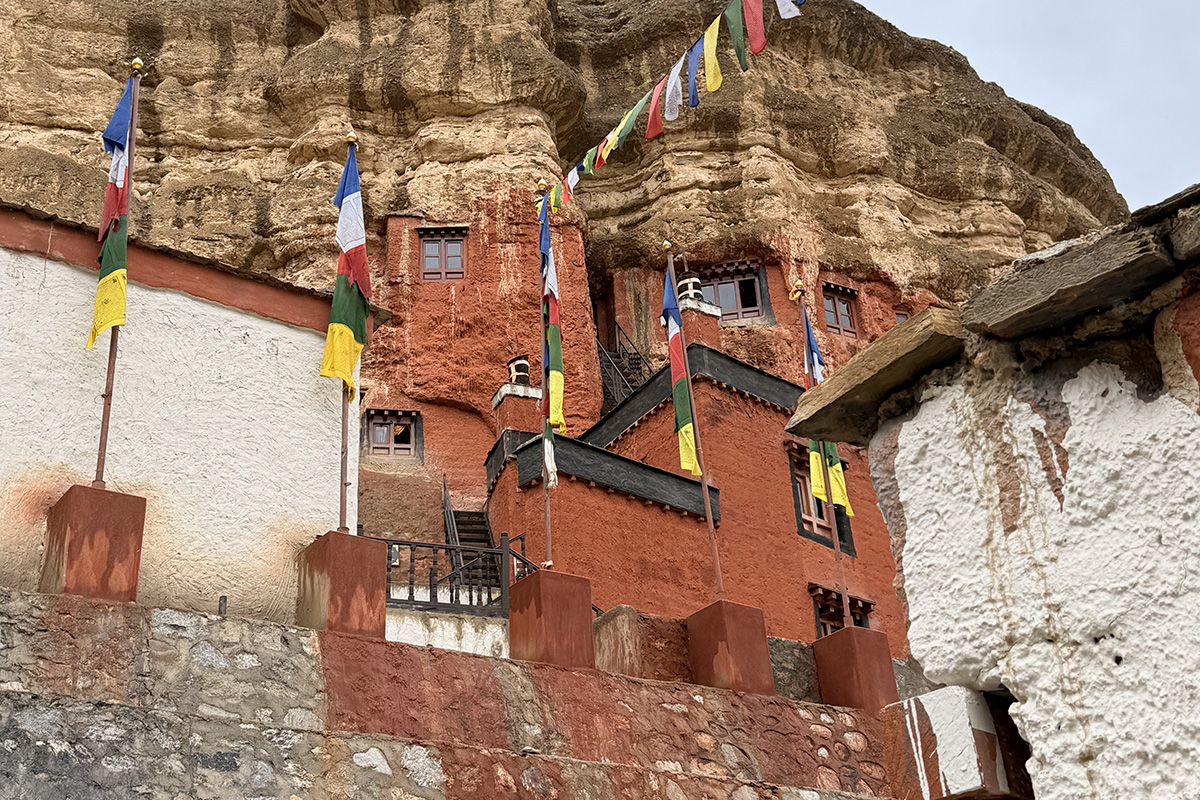
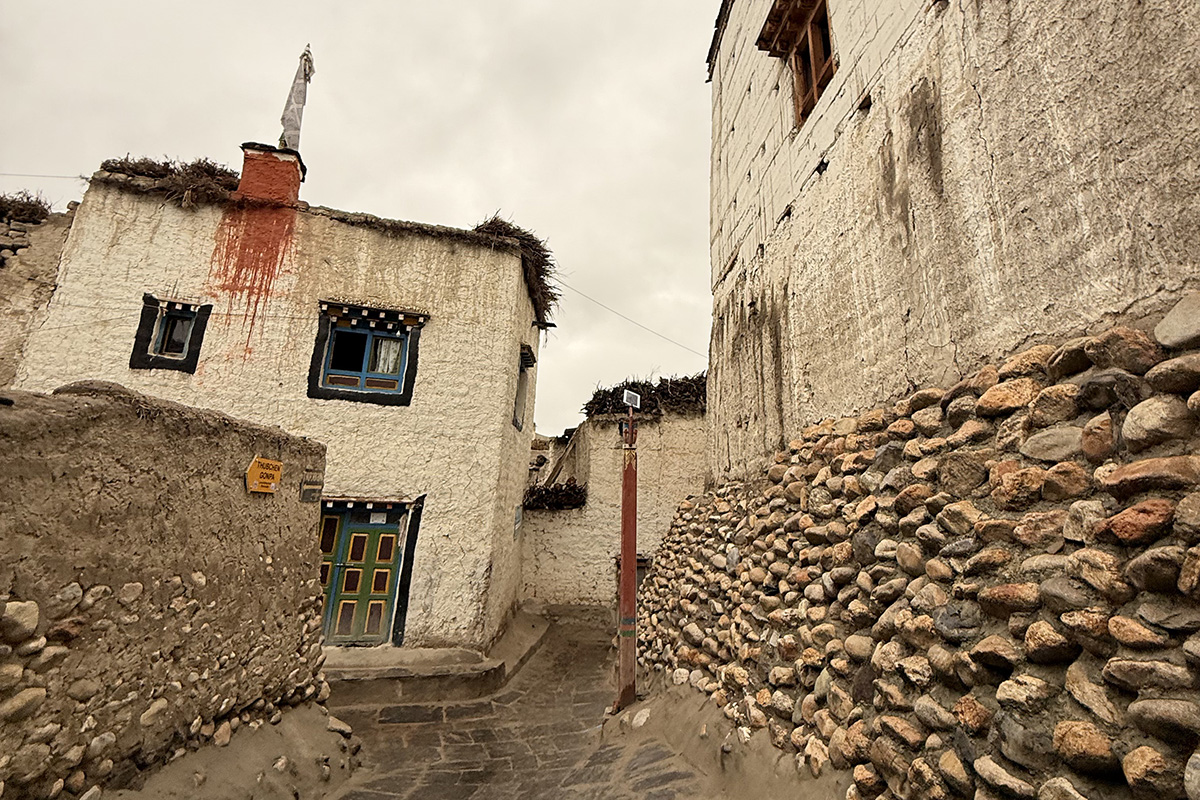
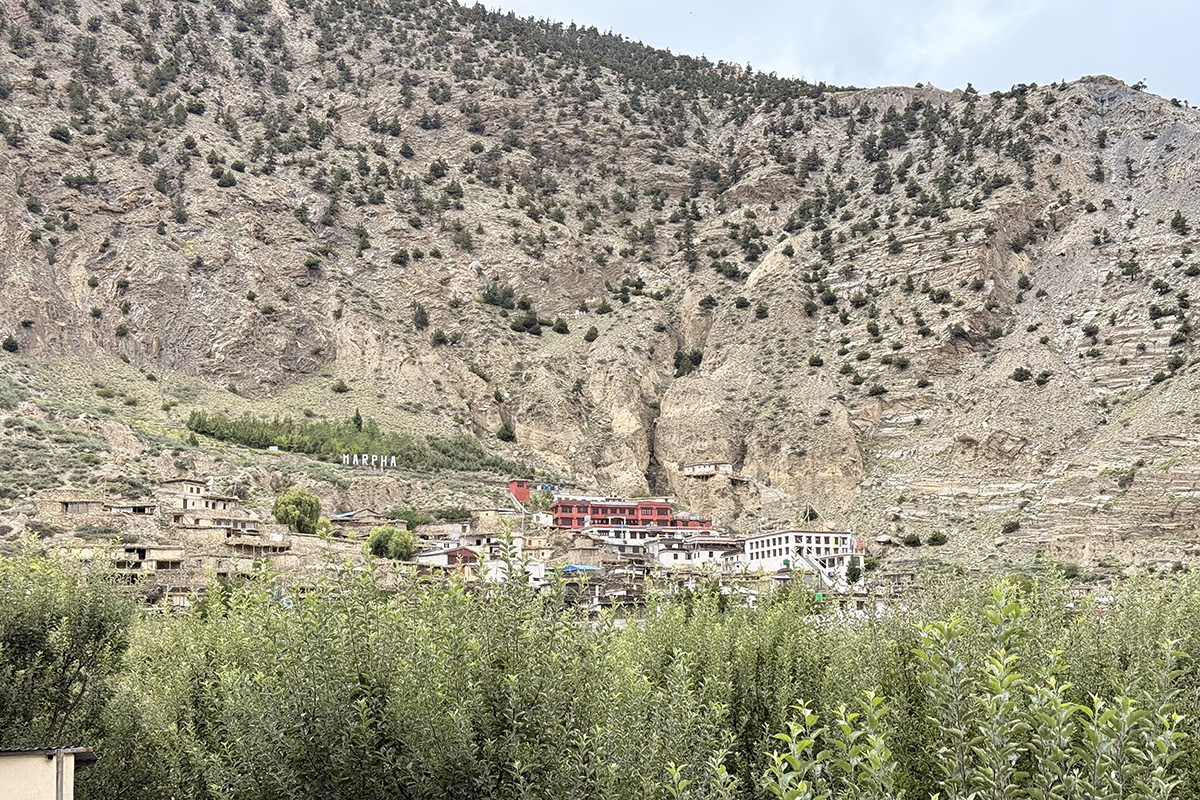
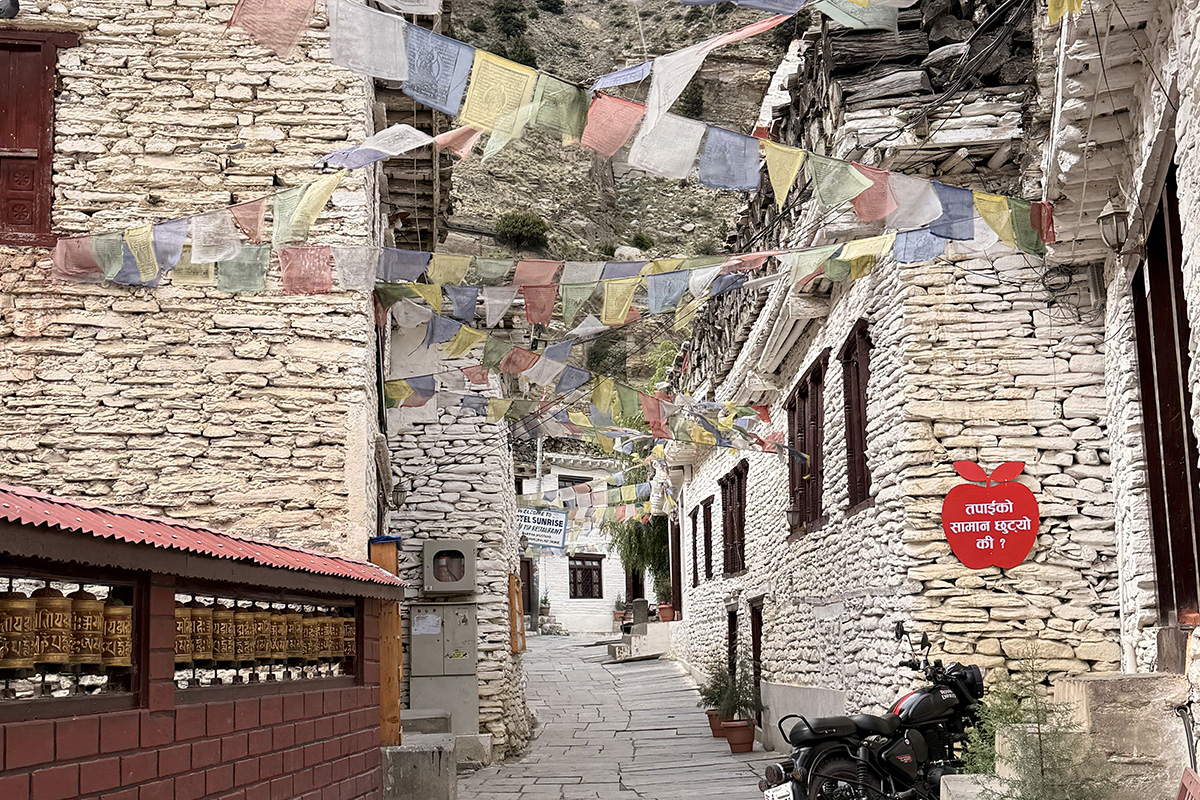
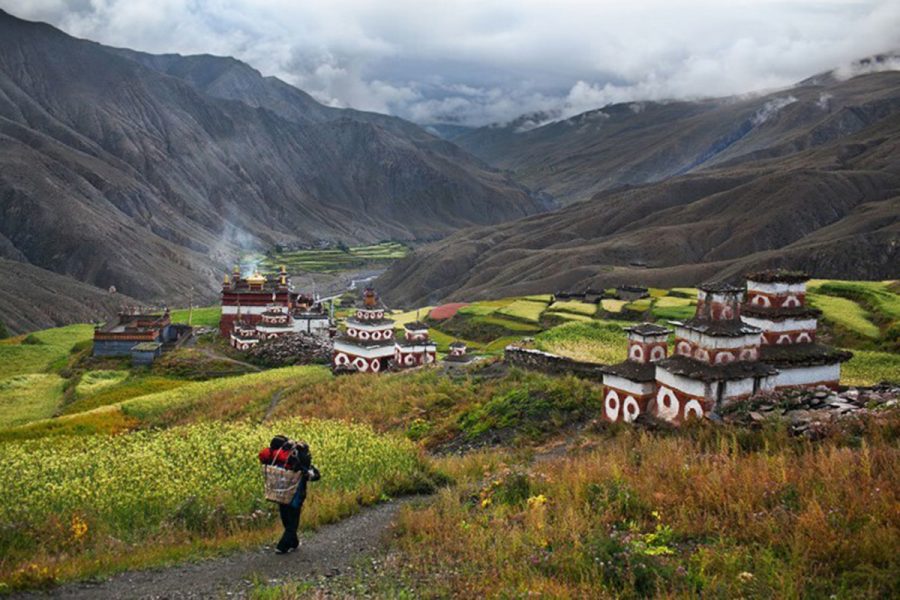
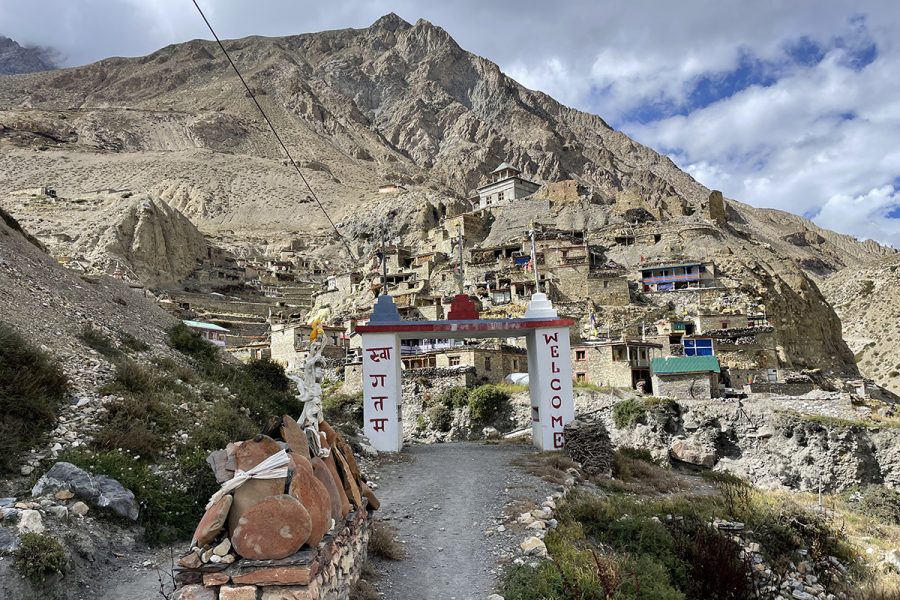
Along the trail, the living culture of the Lo-pa people remains largely unchanged after five centuries, with active monasteries, carved mani walls, and stone houses defining daily life in villages like Ghami and Charang. Daily wellness checks from your guide track your oxygen saturation, pulse rate, and temperature throughout the higher sections of the route, supporting safe travel through this remote corner of Nepal.
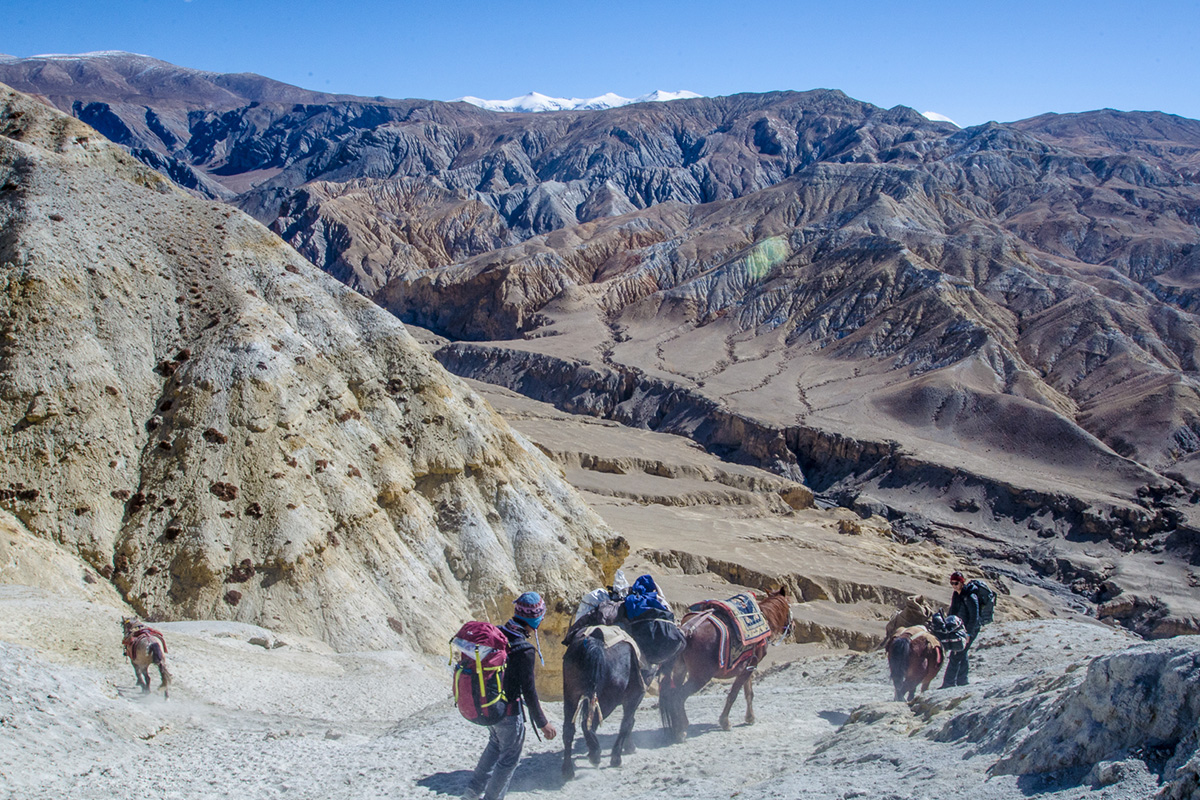
Flights carry you from Kathmandu to Pokhara and then on to Jomsom, where the trek proper begins along the Kali Gandaki River toward Kagbeni, the gateway village into the restricted zone. From there, the trail climbs steadily through Chele, Geling, and Charang, crossing the Nyi La Pass near 4,020 meters before reaching the open plateau that leads to Lo Manthang.
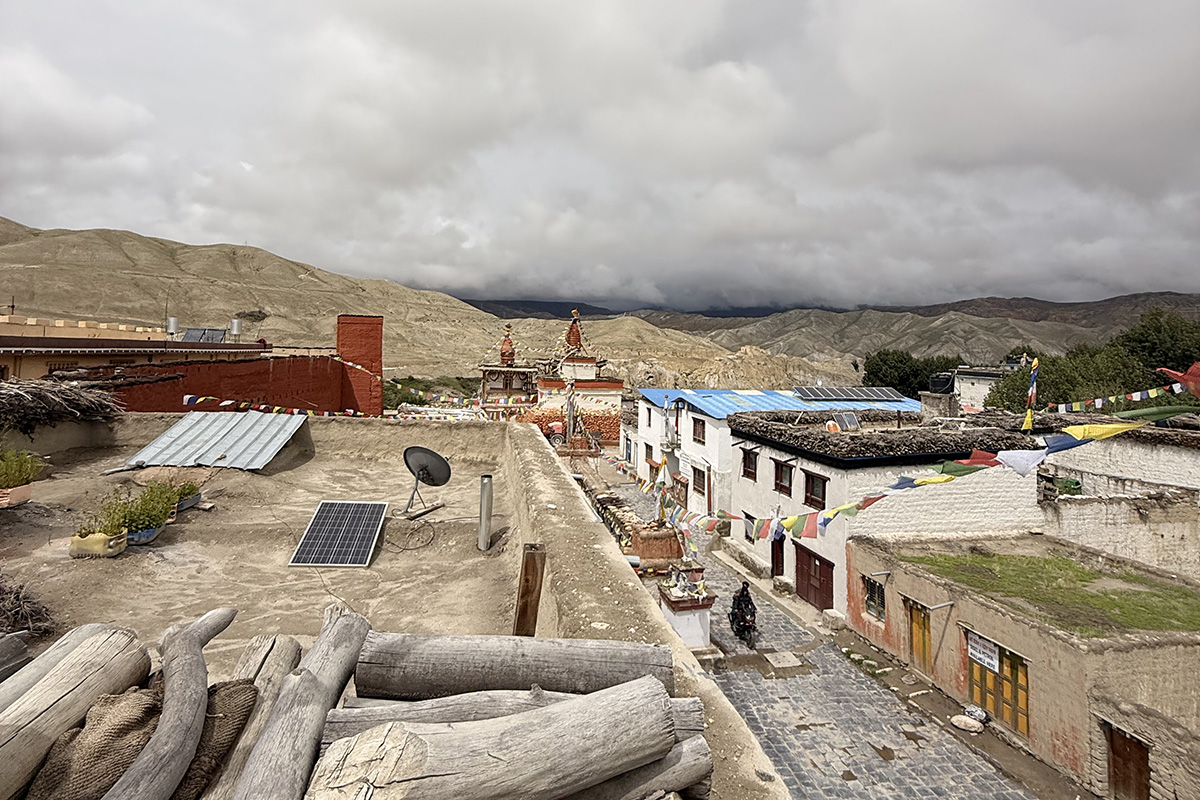
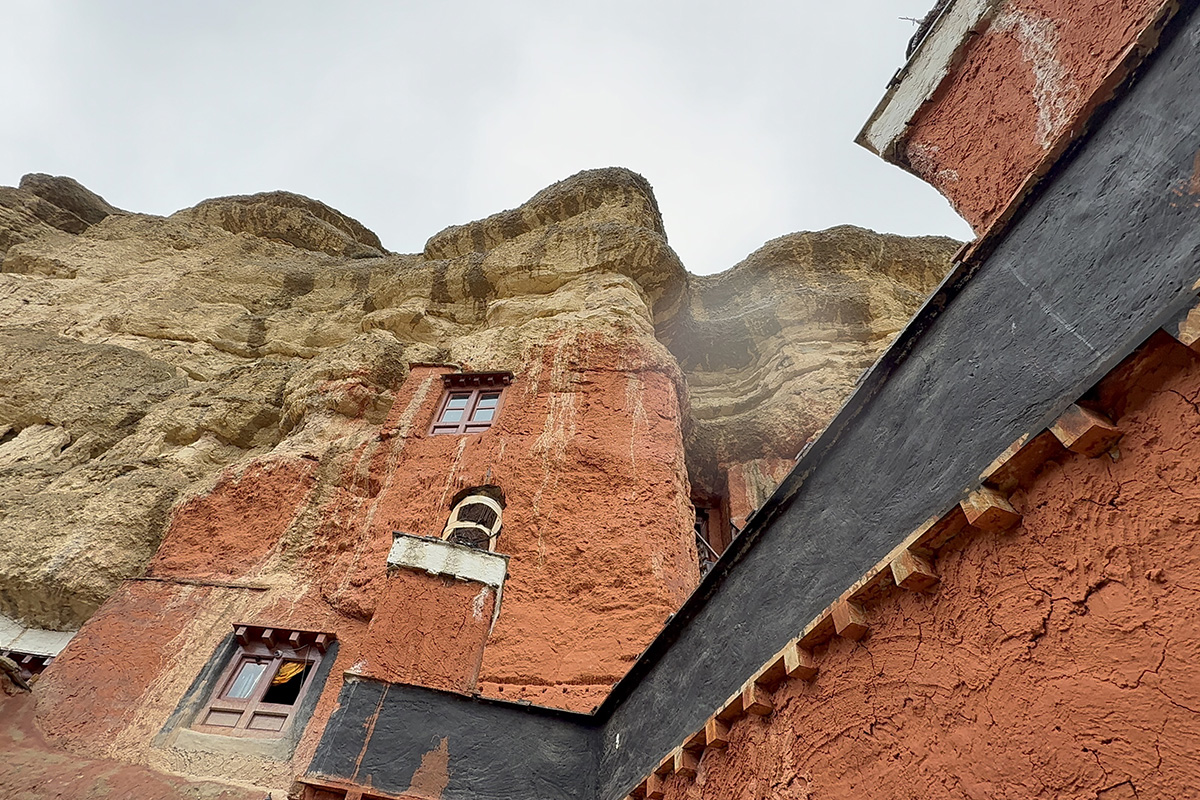
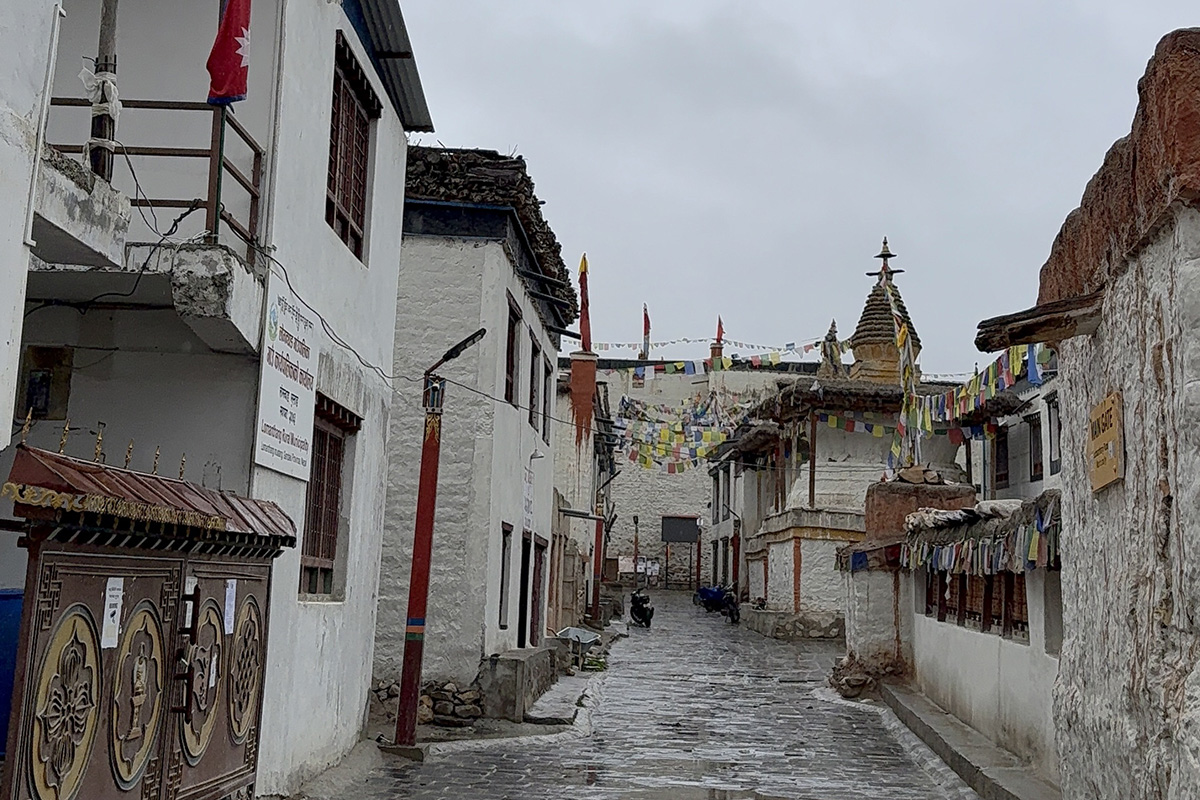
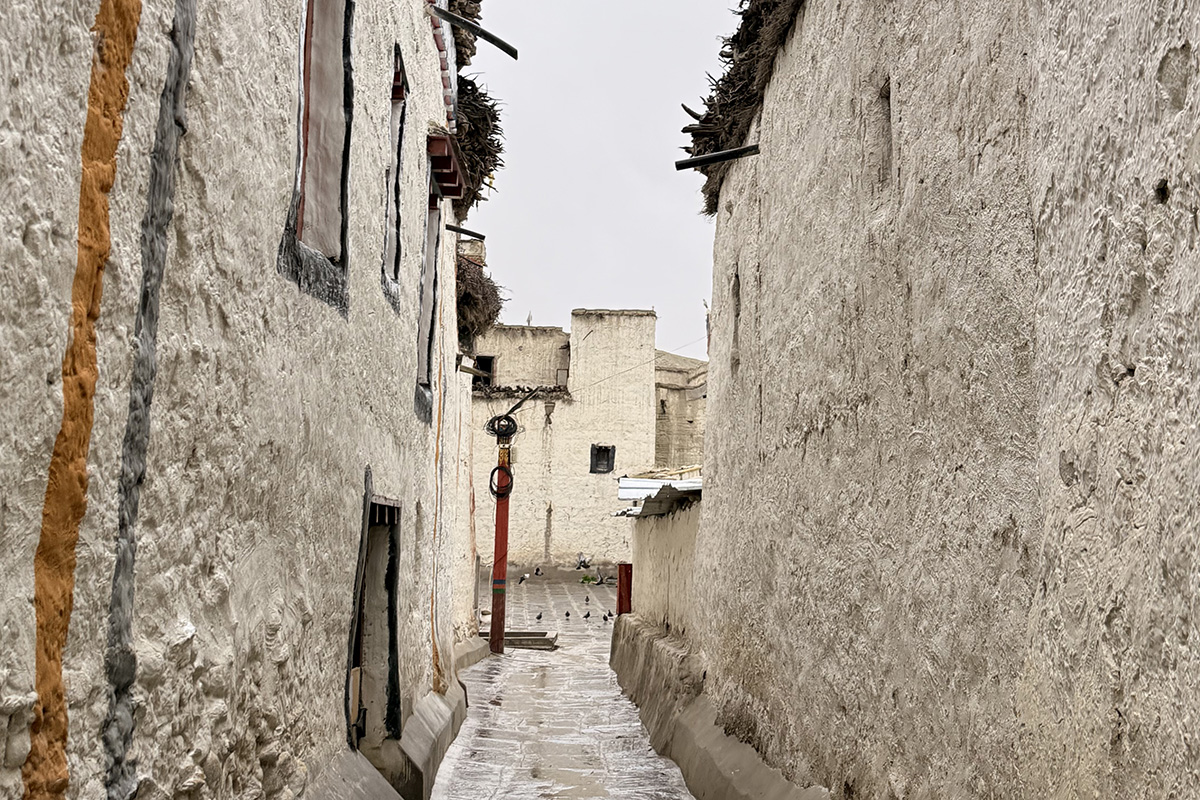
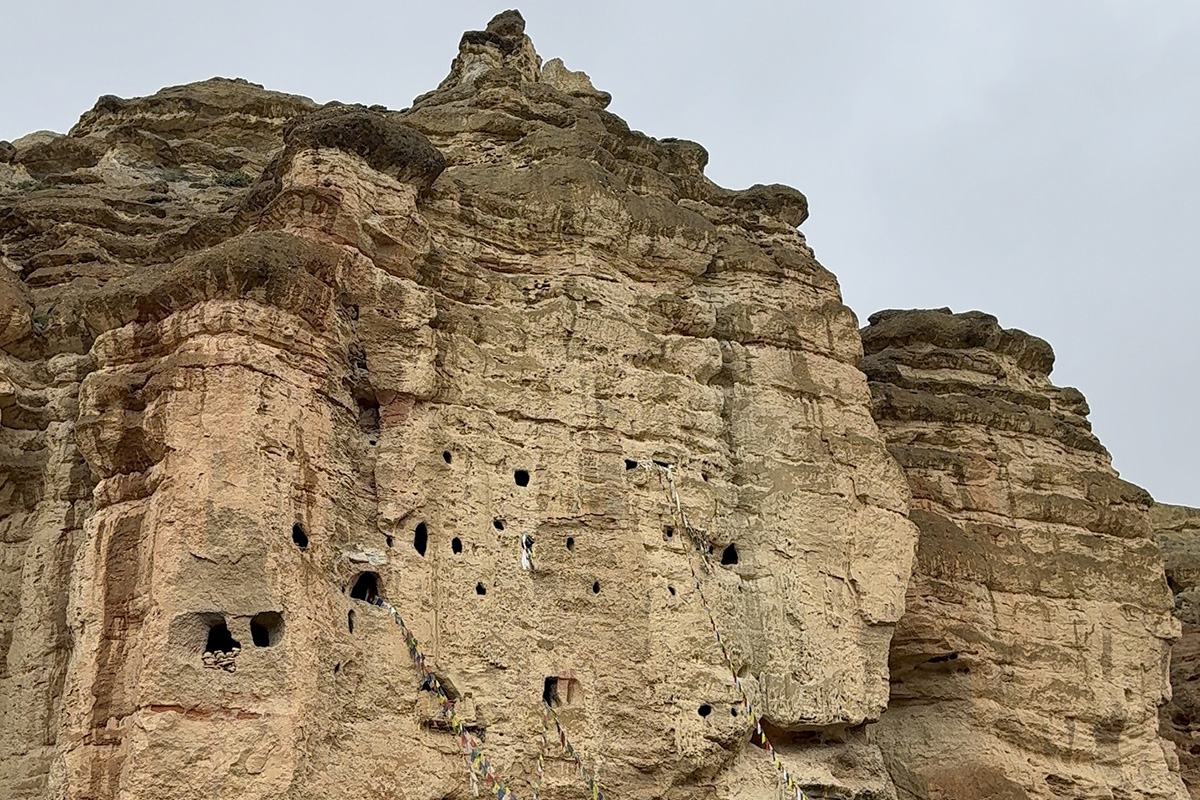
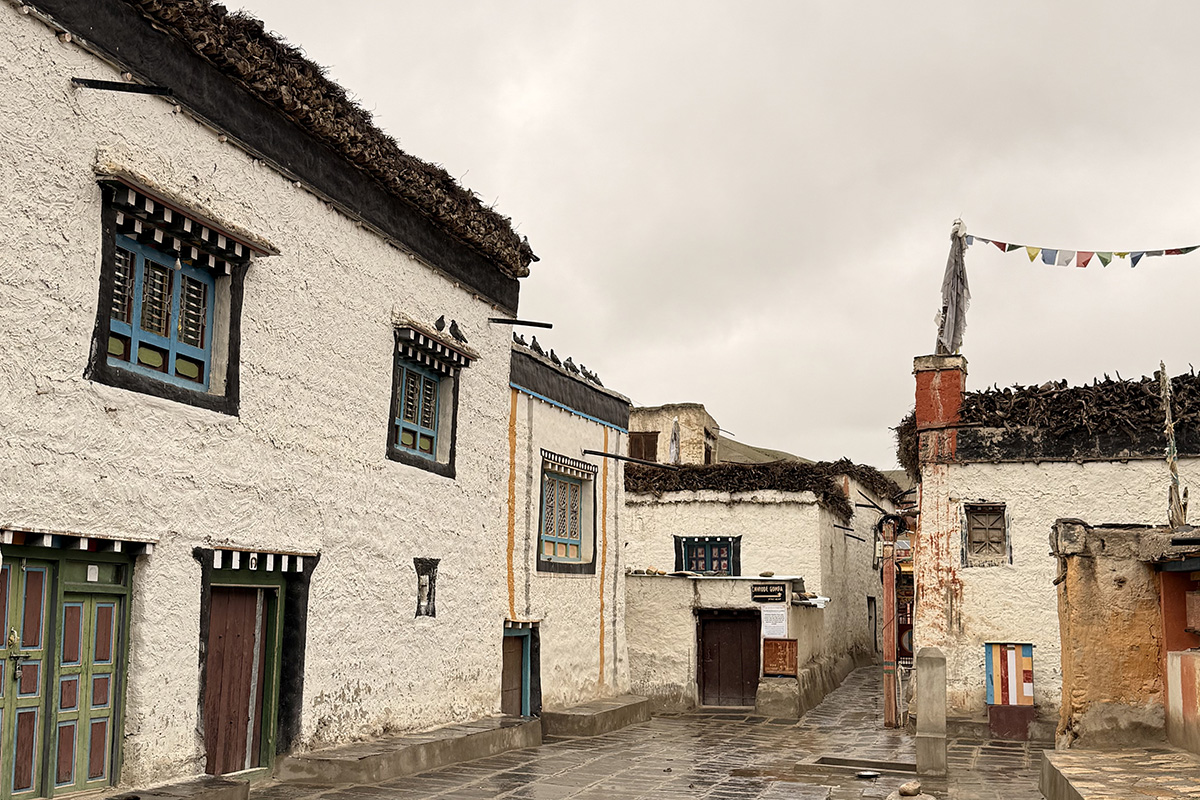
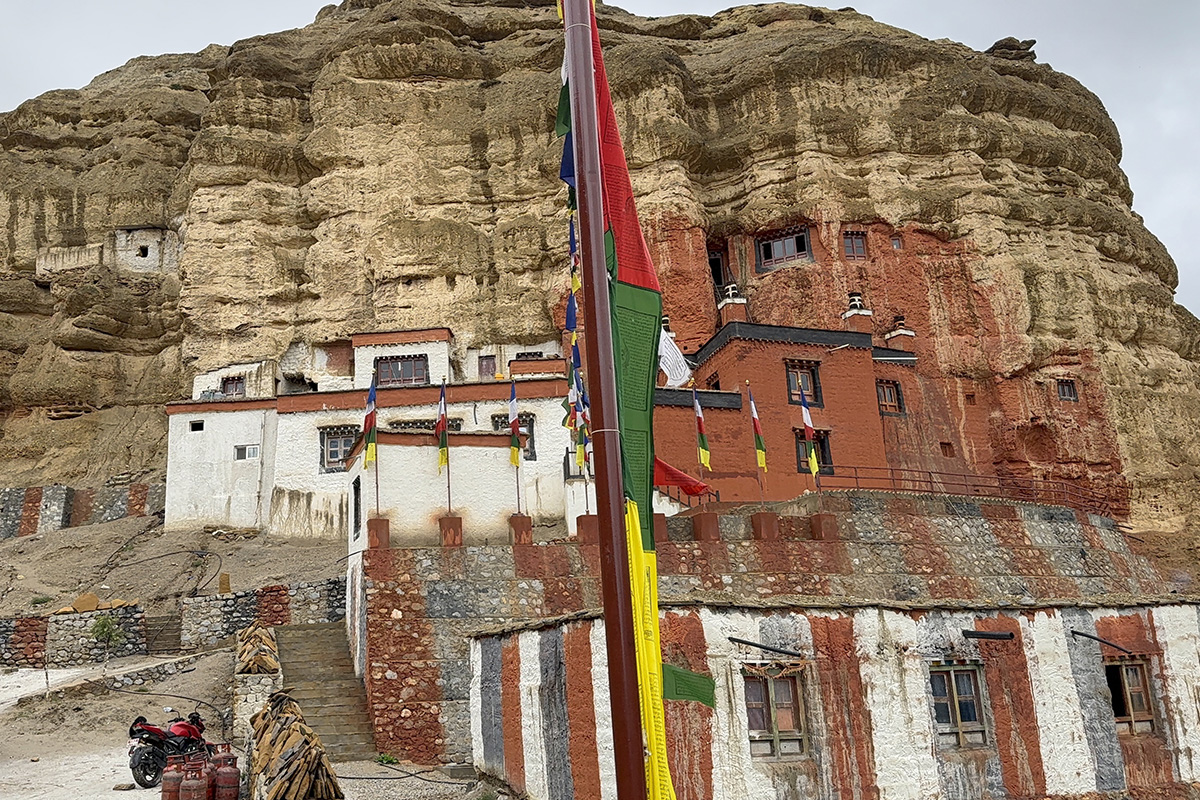
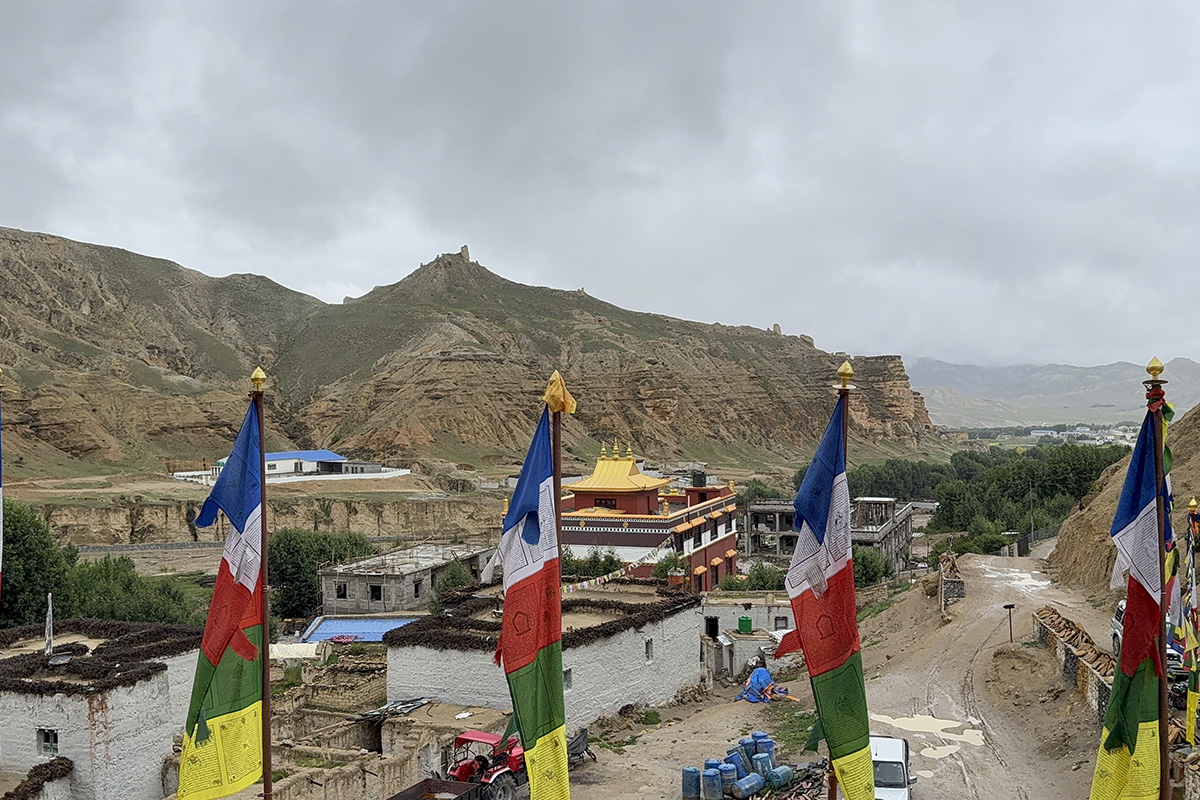
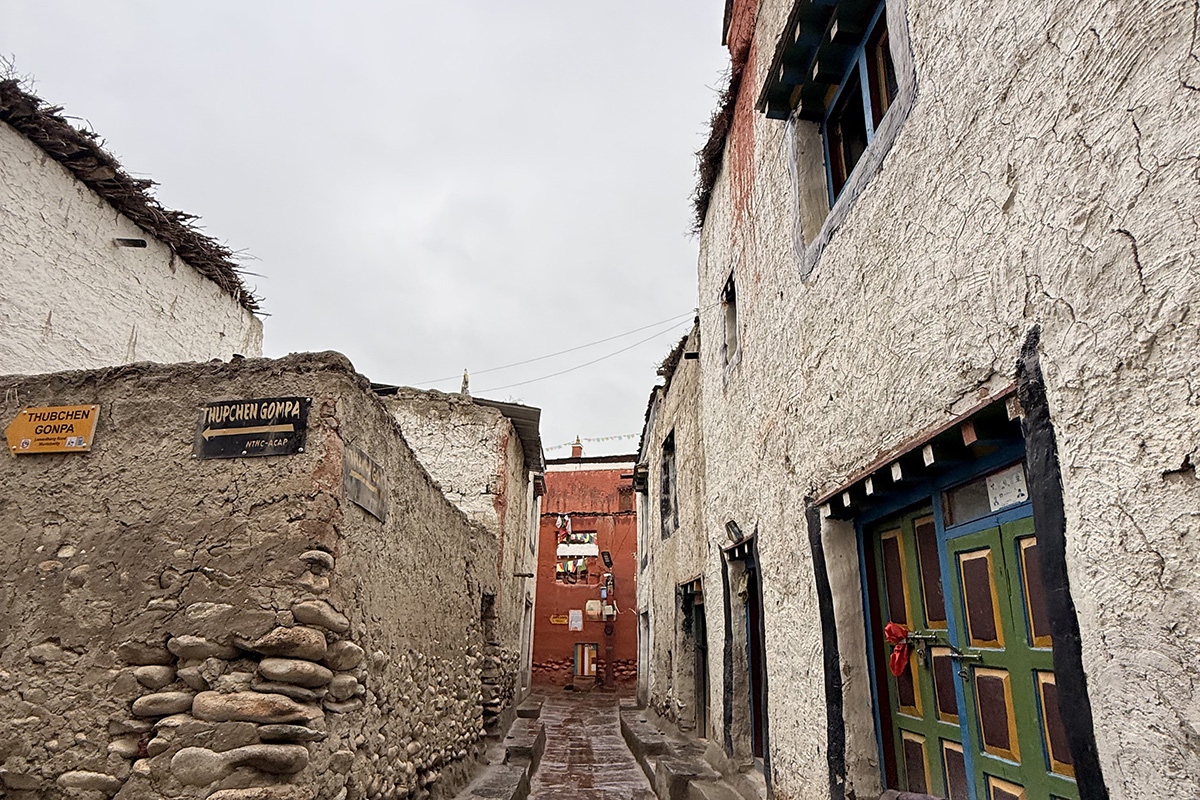
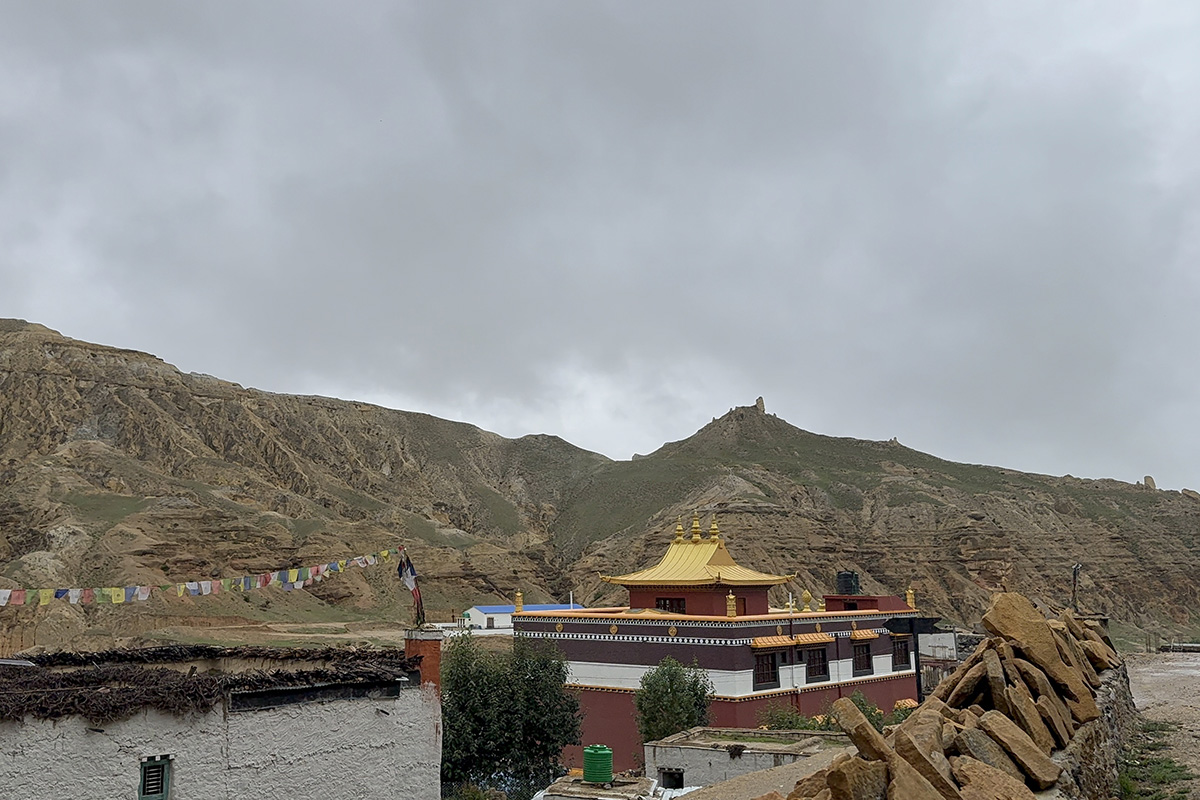
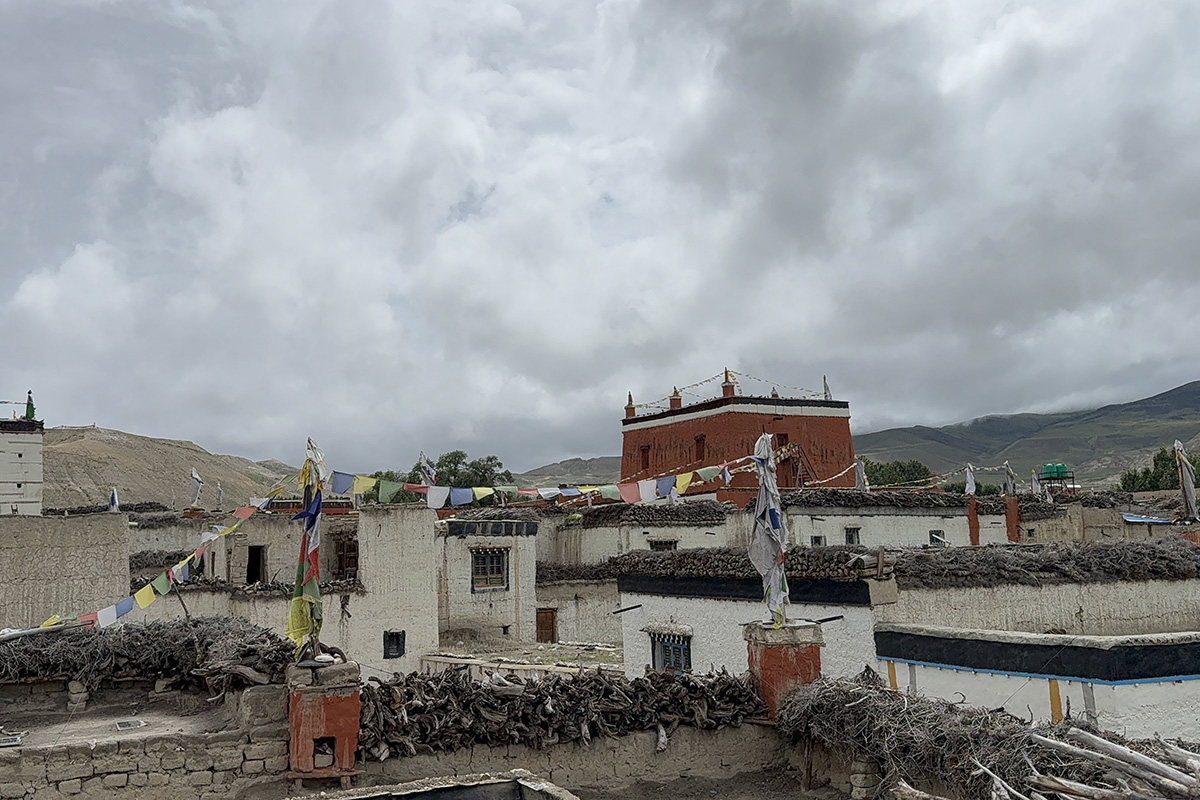
Lo Manthang itself sits enclosed by ancient walls, with a functioning royal palace and active monasteries including Jampa and Thubchen still central to daily life in the city. A full exploration day here allows time to walk its lanes, visit the monasteries, and take in the surrounding cave systems carved into nearby cliffs.
The return route follows an alternate path south through Drakmar and Ghami, descending back into the Kali Gandaki drainage toward Chhusang and Jomsom, where flights carry you back through Pokhara to Kathmandu. Every stage of the journey unfolds in the wide, arid landscape that defines Upper Mustang.
Arrive at Tribhuvan International Airport and transfer to your hotel in Kathmandu. The evening includes a welcome dinner, team introduction, and a full trek briefing covering permits, flight schedules, and health protocols. Your guide performs an initial wellness check, recording your baseline oxygen saturation, pulse rate, and temperature. Overnight at a hotel.
Your guide conducts a morning wellness check covering oxygen saturation, pulse rate, and temperature before breakfast. Take the morning flight from Kathmandu to Pokhara, approximately 25 minutes, with views of the Annapurna range on a clear day. The afternoon is free to explore Pokhara's lakeside area, complete any final gear checks, and rest ahead of the early Jomsom flight. Overnight at a hotel in Pokhara.
Your guide conducts a morning wellness check covering oxygen saturation, pulse rate, and temperature before breakfast. The early morning flight from Pokhara to Jomsom takes approximately 20 minutes and must depart before 9 AM to avoid strong afternoon winds. From Jomsom, the trail follows the Kali Gandaki River northward to Kagbeni, the gateway village to the Upper Mustang restricted zone. Register your Upper Mustang RAP permit at the Kagbeni checkpoint. Evening health check conducted by your guide. Overnight at a teahouse.
Your guide conducts a morning wellness check covering oxygen saturation, pulse rate, and temperature before breakfast. The first full day inside the restricted zone climbs steadily out of the Kali Gandaki valley into Upper Mustang's distinctive arid terrain. Pass through Tangbe and Chhusang villages before reaching Chele at 3,050 m, where ochre cliffs and wind-eroded landscapes first appear. Evening health check conducted. Overnight at a teahouse.
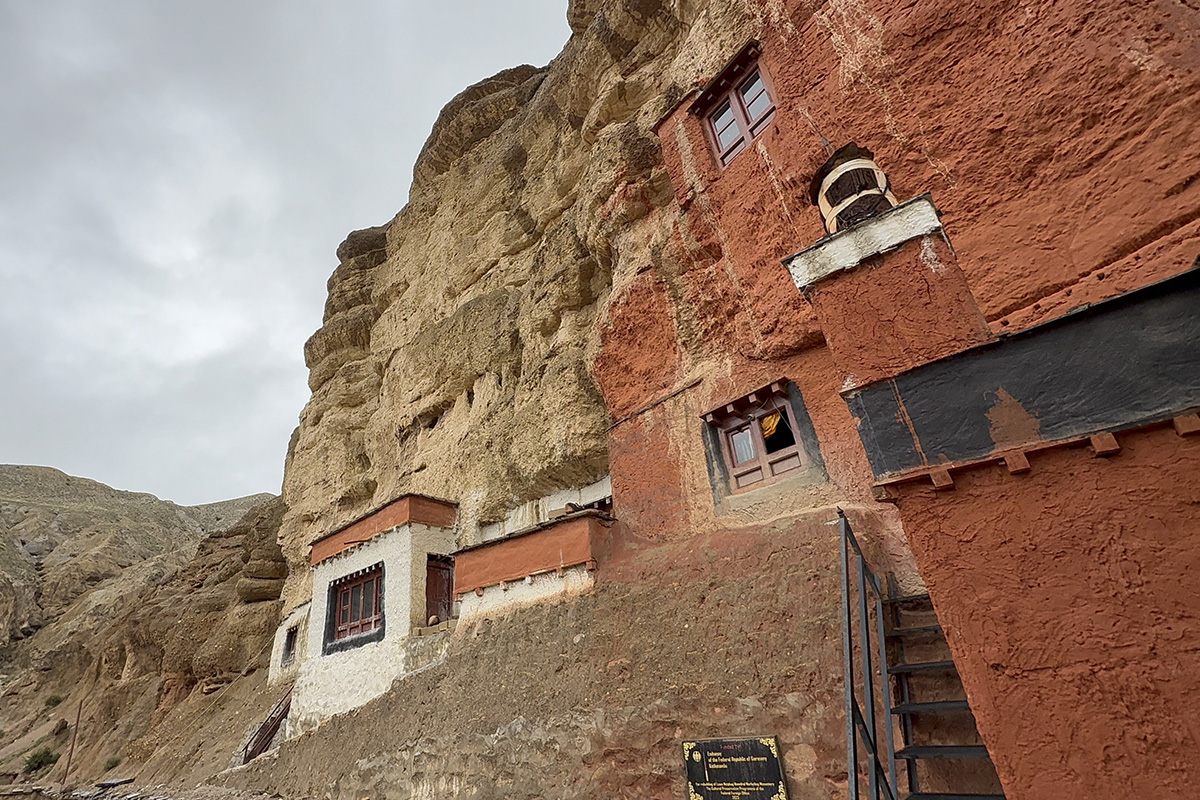
Your guide conducts a morning wellness check covering oxygen saturation, pulse rate, and temperature before breakfast. A steadily ascending day through open plateau terrain, crossing the Taklam La Pass at approximately 3,624 m before descending briefly to Geling. The trail passes through Samar village (3,660 m) and several ancient cave clusters carved into exposed cliff faces. Arrive at Geling, a farming village with a small monastery and open mountain views. Evening health check conducted. Overnight at a teahouse.
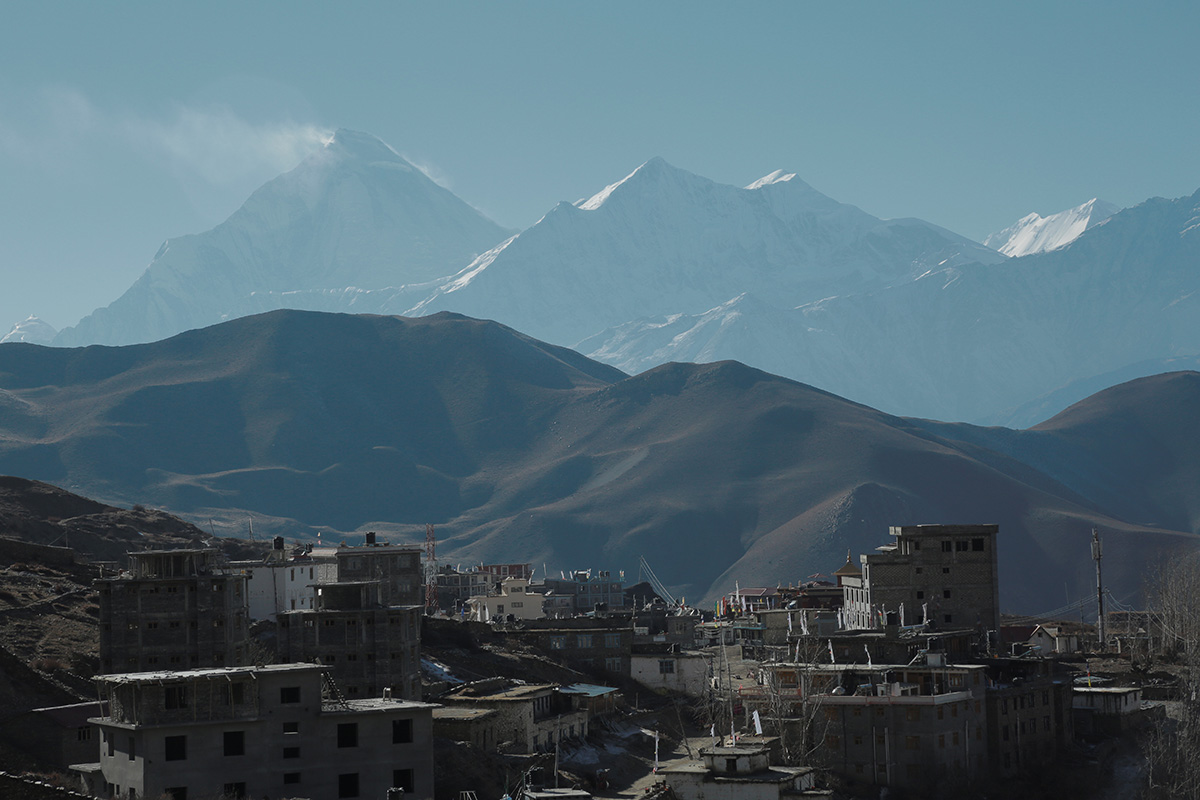
Your guide conducts a morning wellness check covering oxygen saturation, pulse rate, and temperature before breakfast. A longer day crossing the Nyi La Pass at approximately 4,020 m, the highest point of the entire trek. The pass offers clear views north toward the Tibetan Plateau and south toward the Annapurna and Dhaulagiri ranges. Charang is a traditional village with a well-preserved dzong (fortress) and an active monastery. Evening health check conducted. Overnight at a teahouse.
Your guide conducts a morning wellness check covering oxygen saturation, pulse rate, and temperature before breakfast. A shorter trekking day with steady climbing through open plateau terrain to Lo Manthang, the historic walled capital of the former Kingdom of Lo. The walled city comes into view from a distance across the flat plateau, its white walls and red-roofed structures standing out against the brown desert landscape. Arrive by early afternoon to allow time for an initial walk through the old city lanes. Evening health check conducted. Overnight at a teahouse.
Your guide conducts a morning wellness check covering oxygen saturation, pulse rate, and temperature before breakfast. A full day is dedicated to exploring Lo Manthang and its surrounding area. Visit Jampa Monastery, the oldest monastery in Lo Manthang, built in the 14th century with significant murals and religious artefacts. Explore Thubchen Monastery, known for its large assembly hall and well-preserved 15th-century wall paintings. Visit the royal palace of the King of Lo, a five-storey structure at the centre of the walled city. Optional hike to the sky caves above the northern cliffs of Lo Manthang. Evening health check conducted. Overnight at a teahouse.
Your guide conducts a morning wellness check covering oxygen saturation, pulse rate, and temperature before breakfast. The return journey begins on an alternate route south that passes through different terrain and villages. The day's trail leads through an open plateau and descends to Drakmar, a village set below dramatic red cliff formations that give it its name, meaning Red Rock in Tibetan. The Drakmar cliffs contain several visible ancient cave openings. Evening health check conducted. Overnight at a teahouse.
Your guide conducts a morning wellness check covering oxygen saturation, pulse rate, and temperature before breakfast. The trail continues south through open high plateau terrain, passing through Dhakmar and crossing several dry riverbeds before reaching Ghami. Ghami is one of the larger villages on the return route, with a long mani wall, an active monastery, and traditional whitewashed stone houses. The village sits at 3,520 m in a relatively sheltered valley. Evening health check conducted. Overnight at a teahouse.
Your guide conducts a morning wellness check covering oxygen saturation, pulse rate, and temperature before breakfast. A descending day follows the trail south through Chaile and Tetang villages as the landscape gradually shifts from high plateau to deeper canyon terrain. The trail drops back into the Kali Gandaki drainage system and follows the river southward. Arrive at Chhusang (2,980 m), a riverside village at the base of colourful banded canyon walls. Evening health check conducted. Overnight at a teahouse.
Your guide conducts a morning wellness check covering oxygen saturation, pulse rate, and temperature before breakfast. The longest trekking day follows the Kali Gandaki valley southward through Kagbeni and back to Jomsom. The afternoon wind in the Kali Gandaki is typically strong, so an early start is recommended. Arrive in Jomsom by late afternoon for a final evening meal and gear organisation before the morning flight. Evening health check conducted. Overnight at a teahouse.
Your guide conducts a morning wellness check covering oxygen saturation, pulse rate, and temperature before breakfast. Take the early morning flight from Jomsom to Pokhara, departing before 9 AM to avoid afternoon wind conditions. Arrive in Pokhara with the full afternoon free for rest, a lakeside walk, or a celebratory meal with the trekking team. Overnight at a hotel in Pokhara.
Your guide conducts a morning wellness check covering oxygen saturation, pulse rate, and temperature before breakfast. Return to Kathmandu by the included morning flight from Pokhara, approximately 25 minutes. Your Kalapatthar completion certificate is issued, and the trek officially concludes with a hotel night included for your final evening. The Kalapatthar Trek & Expedition team arranges a private vehicle airport transfer for your international departure flight on the following day. Overnight at a hotel.
This Kalapatthar package runs for 14 days in total, including flight days and a full exploration day in Lo Manthang. The trekking section covers approximately 118 kilometres over 10 active trail days through the restricted zone.
The trek is rated Moderate, with daily walking times of 5 to 7 hours on well-defined trails through open desert terrain. The maximum altitude of 3,840 m at Lo Manthang does not require extensive acclimatisation for most healthy adults, and there are no technical sections or high passes above 4,100 m.
Yes, a licensed guide is legally required to obtain and use the Upper Mustang Restricted Area Permit. Trekking without a registered guide inside the restricted zone is not permitted and results in permit cancellation at checkpoints, with possible deportation from the region.
Two permits are required: the Upper Mustang Restricted Area Permit at USD 500 per person for 10 days, and the Annapurna Conservation Area Permit at NPR 3,000 per person. Kalapatthar Trek & Expedition processes both permits before the trek departs from Kathmandu at official government rates.
Autumn (September to November) and Spring (March to May) are the two primary seasons, with October and April offering the most stable conditions and clearest views. Upper Mustang is also one of the few Nepal trekking routes that remains viable during the June to August monsoon period due to its rain shadow location north of the Annapurna range.
The highest overnight point is Lo Manthang at 3,840 m. The highest point on the trail is the Nyi La Pass at approximately 4,020 m, crossed on Day 6 between Geling and Charang, which offers views of the Tibetan Plateau on clear days.
Accommodation is in locally owned teahouses and basic guesthouses with twin-sharing rooms and shared bathroom facilities at most stops. Facilities in Lo Manthang and Kagbeni are more developed than in the smaller intermediate villages between Chele and Charang, where options are basic but clean.
Dal bhat, tsampa porridge, thukpa noodle soup, and momos are the most widely available options across the trek, reflecting the Tibetan cultural character of the region. Food variety is best in Lo Manthang and Kagbeni, and more limited in the smaller villages between Chele and Charang.
The highest point on the Upper Mustang Trek is Nyi La Pass at approximately 4,020 m, crossed on Day 6 between Geling and Charang. The pass offers clear views north toward the Tibetan plateau and south toward the Annapurna and Dhaulagiri ranges on clear days.
Yes, Upper Mustang lies in the rain shadow of the Annapurna and Dhaulagiri ranges, making it one of the few Nepal treks that remains viable during the June to August monsoon period. The region stays largely dry with only occasional light showers while the rest of Nepal receives heavy rainfall.
Contact Kalapatthar Trek & Expedition Pvt. Ltd. directly with your preferred travel dates and group size to receive a personalised quote and full pre-departure support. Our team handles all permits, flights, guide assignments, and logistics from your arrival in Kathmandu to your final departure.
Jomsom flights are weather-dependent and operate only in the early morning before wind conditions make the airstrip unsafe, typically before 9 AM. Kalapatthar builds 2 reserve days into the schedule for weather delays and advises trekkers to carry comprehensive travel insurance covering flight disruptions.

Member Since 2026
Leave a review