
16 Days
Daily Tour
10 people
___
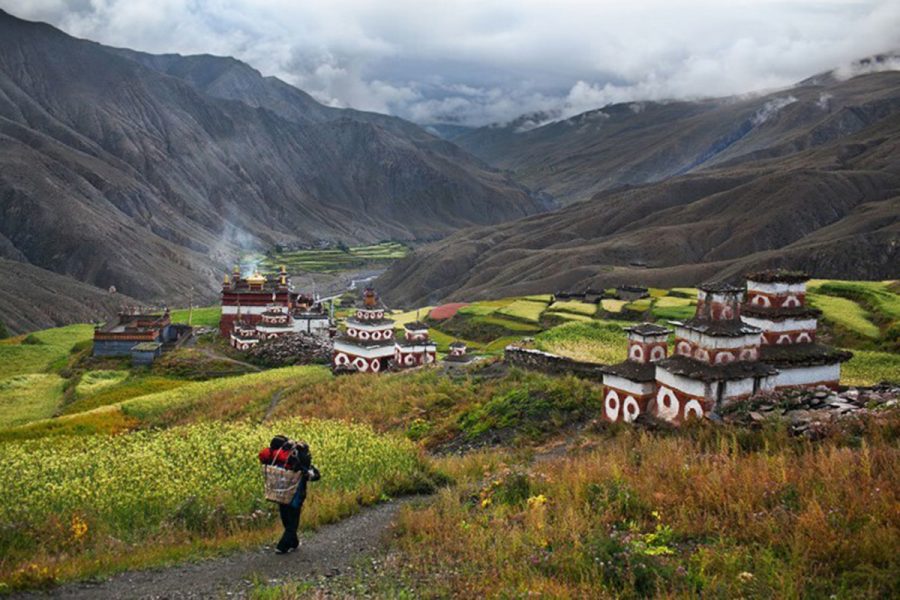
The Tsum Valley Trek remained a restricted area until 2008, preserving a unique culture and pristine landscape frozen in time. The valley is a sacred Himalayan pilgrimage site revered by Buddhists for centuries. Its isolation has kept the ancient traditions of the Tsumba people remarkably intact.
This trek carries you into the remote northern reaches of the Gorkha district, a hidden gem between the Ganesh Himal and Sringi Himal ranges. The landscape offers a stark contrast to the more crowded trekking routes of Nepal. Every stage unfolds in a serene, spiritual atmosphere that defines this sacred valley.
Reaching the ancient monasteries and settlements offers an immersive journey into living Tibetan Buddhist culture. The main village of Chumchet sits at 2,150 meters, while the higher reaches of Nilu push further up the valley. This itinerary is built around expert local guides and comprehensive permit processing. The schedule balances trekking distances with time for cultural exploration and acclimatization.
Starting from Kathmandu, the adventure begins with a scenic 8-to-9-hour drive (~160 km) along mountain roads to the trailhead at Machha Khola or Jagat. From there, trekkers follow the Breathtaking Budhi Gandaki River through lush subtropical forests and dramatic gorges before branching off the classic Manaslu Circuit route at Lokpa to enter the secluded valley.
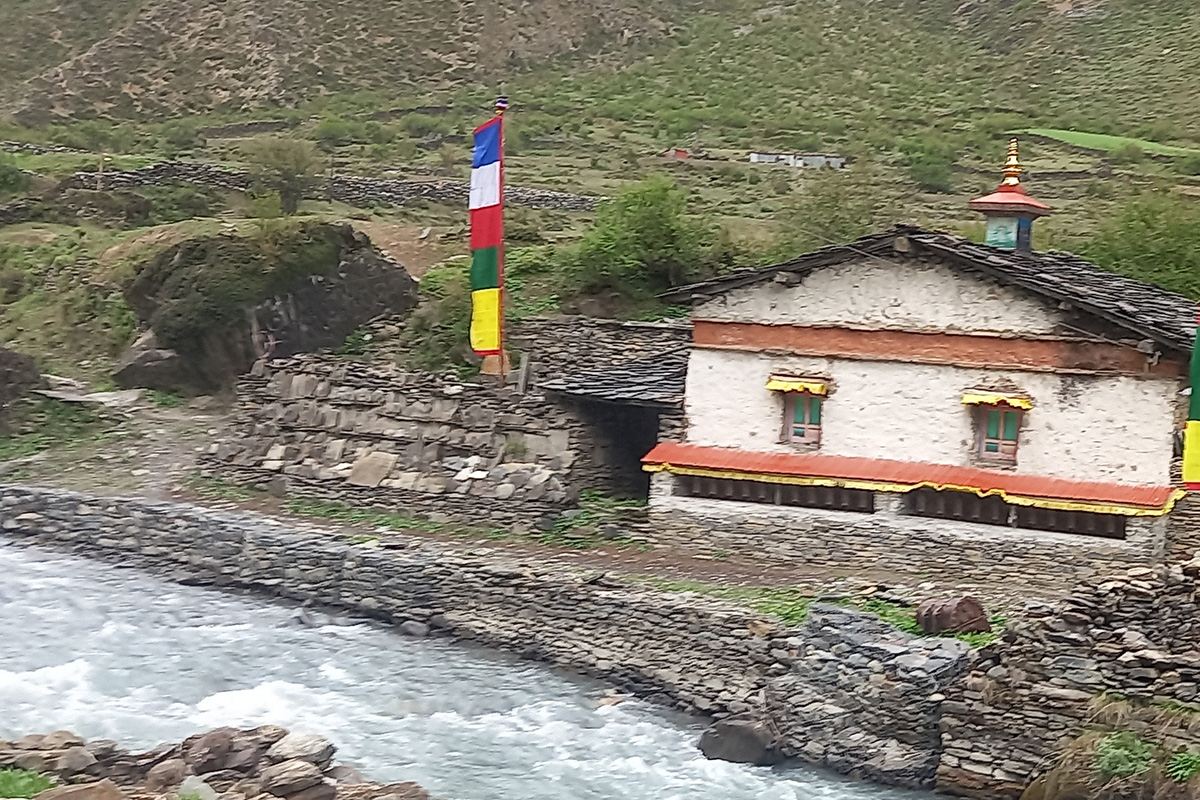
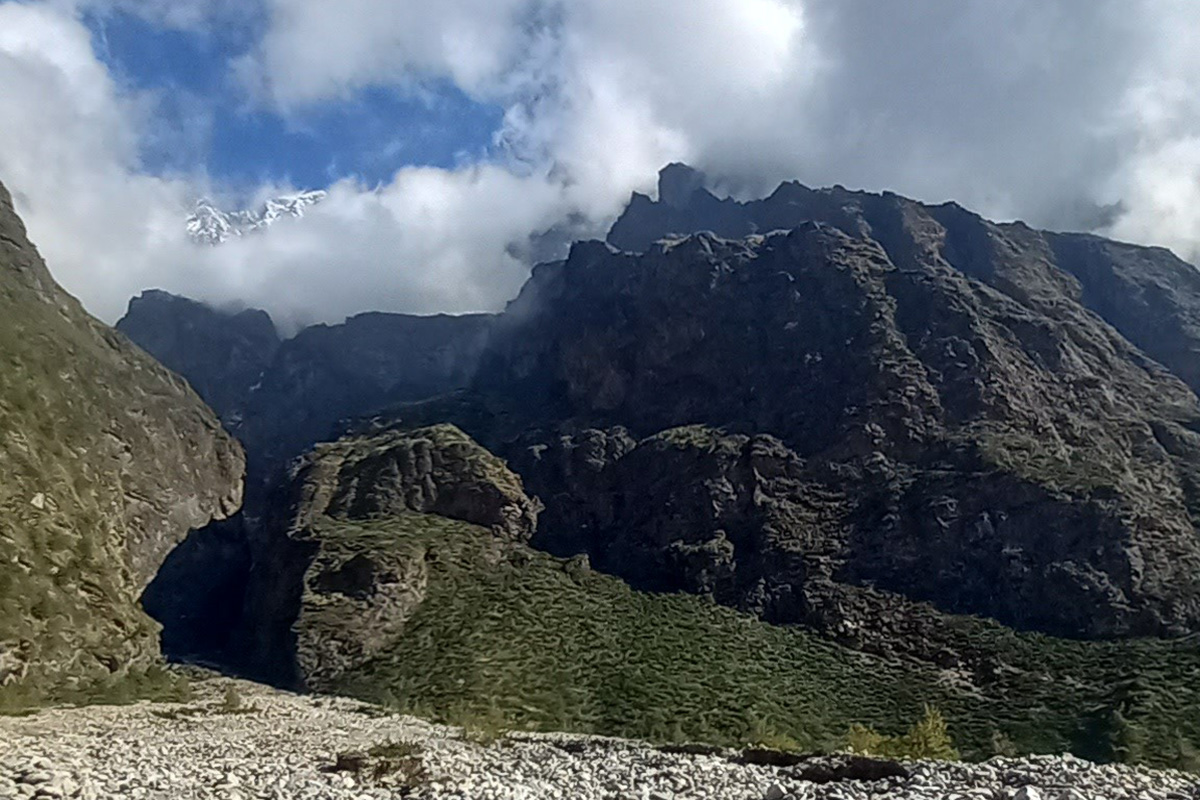
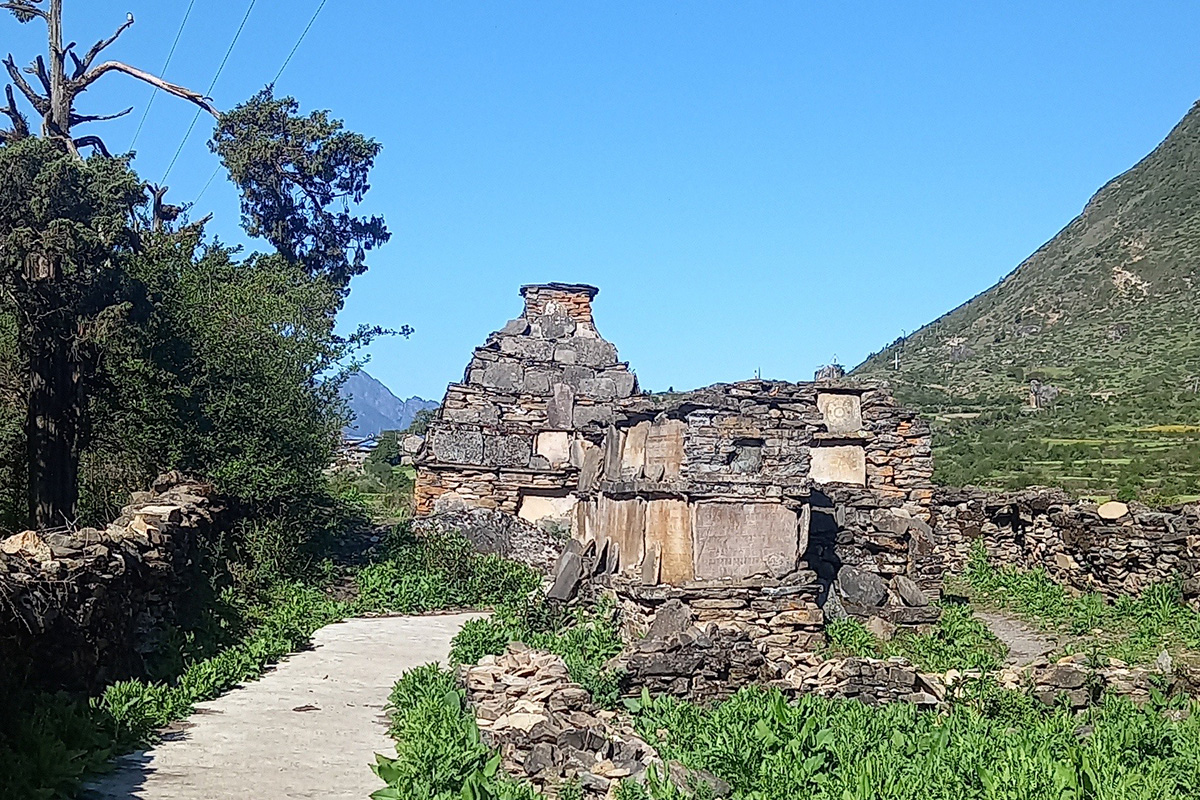
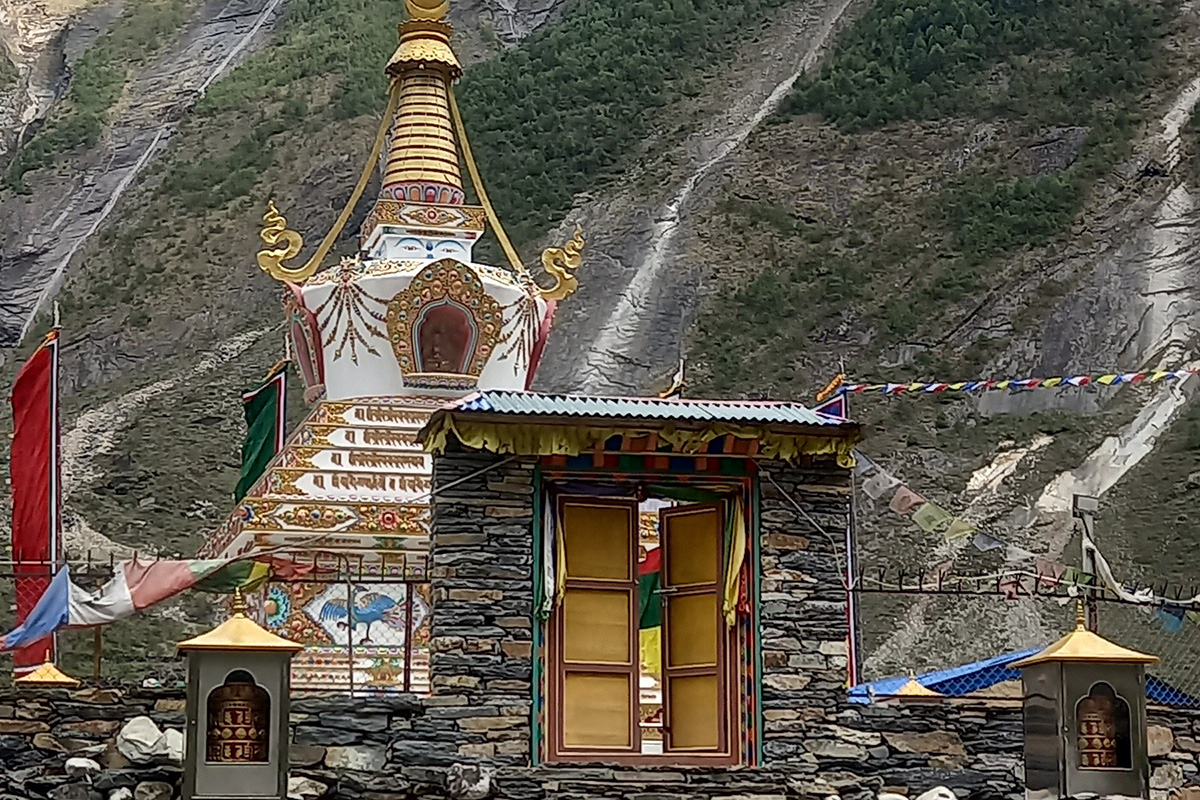
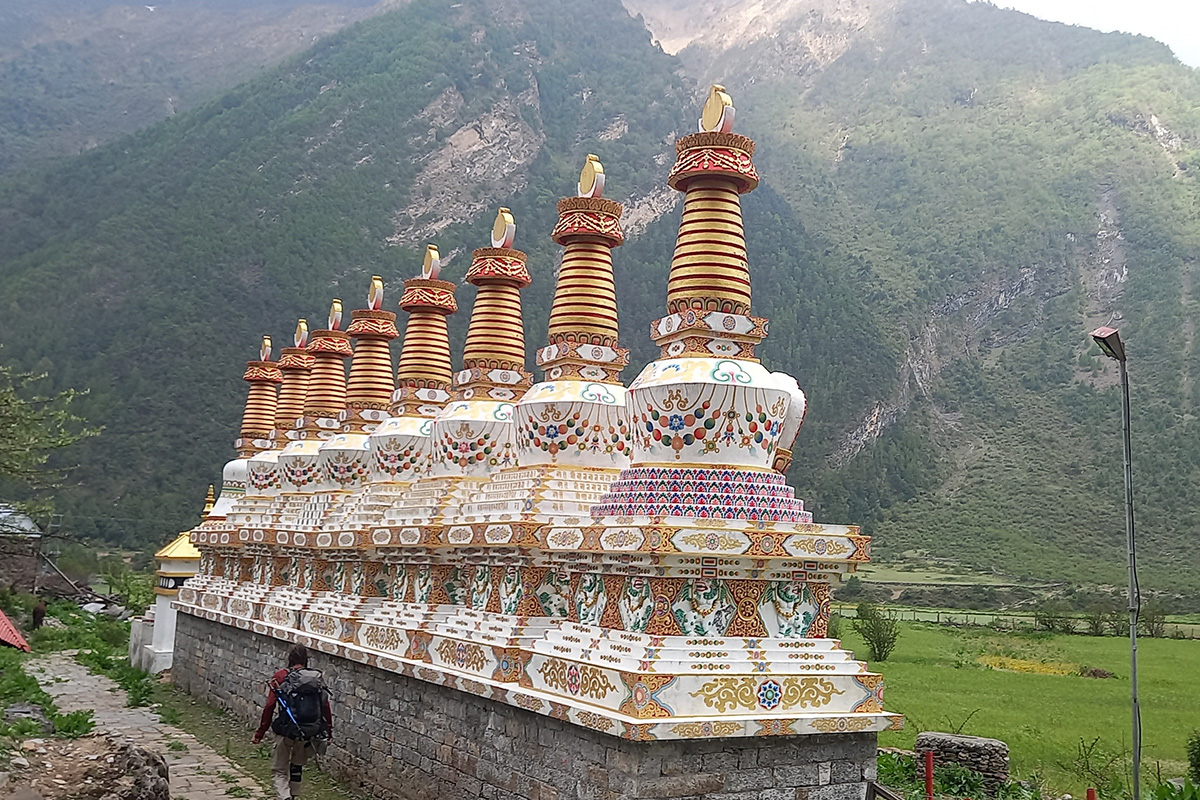
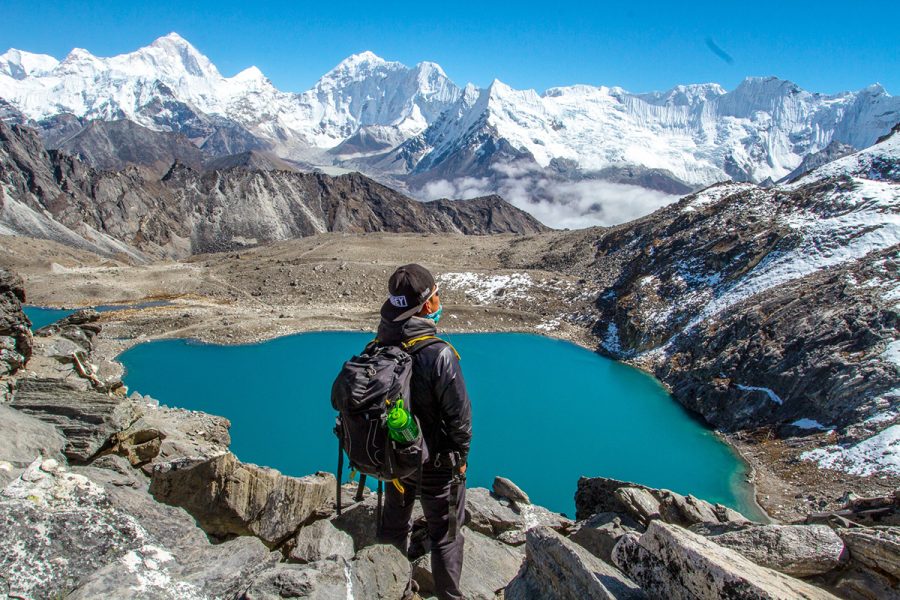
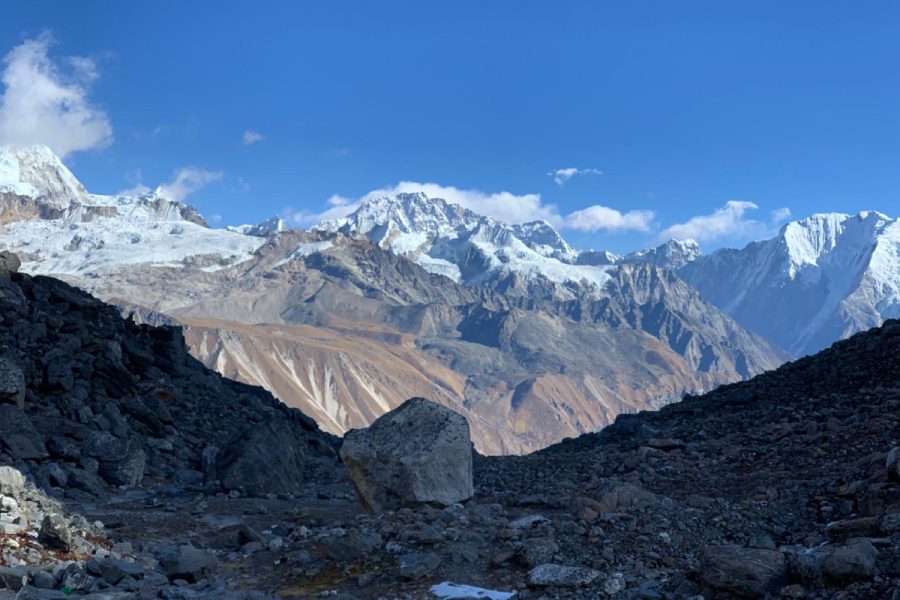
As you trek higher through key villages like Chumling and Chhokang Paro, the trail transitions into a wide, high-altitude alpine landscape. Trekkers cross towering suspension bridges, navigate stone staircases, and pass ancient chortens and cliffside caves. The route culminates at Mu Gompa (3,700 m), a centuries-old monastery near the Tibetan border, framing unforgettable views of the Ganesh Himal and Shringi Himal ranges before retracing the path back down.
Arrive at Tribhuvan International Airport and transfer to your hotel in Kathmandu. The evening includes a welcome dinner, team introduction, and a full trek briefing covering permits, drive details, trail conditions, and health protocols. Your guide takes your first set of vitals, recording your baseline oxygen saturation, pulse rate, and temperature. Overnight at a hotel.
Before breakfast, your guide checks your oxygen levels, pulse, and temperature. Day 2 is reserved for permit processing at government offices, gear checks, and any final equipment purchases in Thamel. Kalapatthar handles the Manaslu RAP, Tsum Valley RAP, MCAP, and the Chumnubri Rural Municipality Fee on this day. Thamel has well-stocked trekking shops for any missing gear, but inspect quality carefully. Optional guided visits to Boudhanath Stupa, Pashupatinath Temple, or Swayambhunath are available. Early rest is recommended before the long drive. Evening health check conducted. Overnight at a hotel.
Start your morning with a quick wellness assessment from your guide before breakfast. Depart Kathmandu early by private jeep for the 8 to 9-hour drive to Machha Khola via the Prithvi Highway and the Arughat Road. The route passes through Dhading Bensi and Arughat Bazaar before dropping into the Budhi Gandaki River valley. Arrive at Machha Khola in the late afternoon. Evening health check conducted by your guide. Overnight at a teahouse.
Your guide measures your oxygen saturation and pulse before you head out for the day. The first full trekking day follows the Budhi Gandaki River through subtropical forest, narrow gorges, and several suspension bridges. The trail passes through Khorlabesi, Tatopani with natural hot springs, and Doban before reaching the Manaslu Conservation Area checkpoint at Jagat. Register your MCAP and RAP permits at the checkpoint on arrival. Evening health check conducted. Overnight at a teahouse.
Your guide does a morning health check, recording your vitals before the day's climb. A steady climbing day leaves the main Budhi Gandaki valley and turns east toward the Tsum Valley restricted zone. The trail passes through Salleri and Sirdibas before reaching Philim, a large Gurung village with a Japanese-built school. From Philim, the trail climbs through pine and rhododendron forest to Lokpa, the entry village for the Tsum Valley restricted zone. Register your Tsum Valley RAP permit at the Lokpa checkpoint. Evening health check conducted. Overnight at a teahouse.
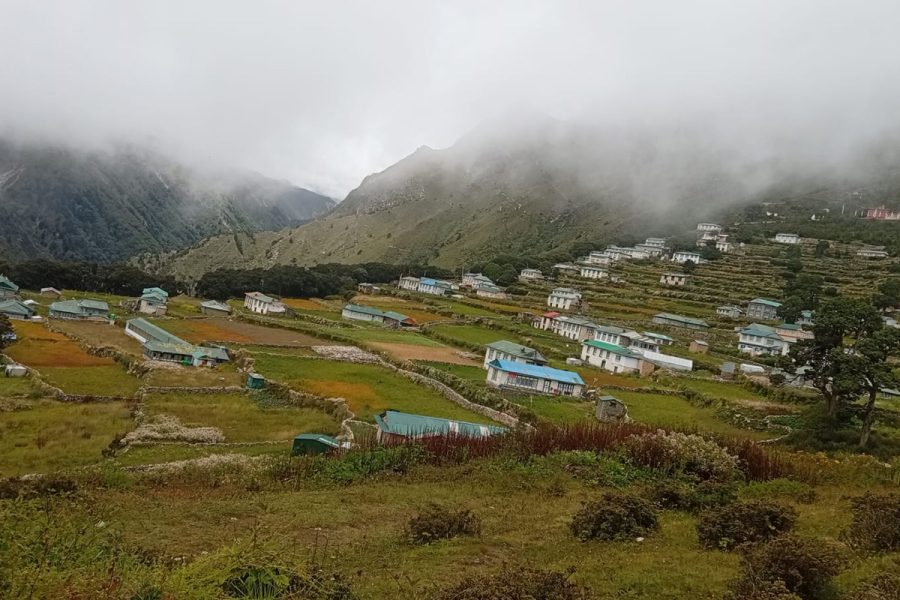
Before breakfast, your guide records your morning vitals. The trail enters the lower Tsum Valley, descending to cross the Lungwa Khola before climbing through pine and rhododendron forest toward Chumling. The first views of the Ganesh Himal range appear above the valley walls. Chumling is the first major village inside the Tsum Valley, with a small monastery and traditional stone houses. Evening health check conducted. Overnight at a teahouse.
A quick morning wellness check confirms you are ready for the day's walk. The trail climbs steadily out of the lower Tsum Valley and into the upper valley section, with the landscape shifting from forested hillsides to more open alpine terrain. The path crosses the Serpu Khola on a suspension bridge and passes through the small village of Gho before continuing upward toward Chokhangparo. Evening health check conducted. Overnight at a teahouse.
Your guide monitors your oxygen levels and pulse before you start walking. A longer day passes through several traditional Tsum villages, including Lamagaon, Lar, and Phurba, before reaching Nile village. The trail passes Rachen Gompa, a nunnery housing approximately 80 nuns established in 1936 by Drupa Rinpoche. Near Nile, you can visit the Milarepa Cave (Piren Phu), an ancient meditation cave associated with the 11th-century Tibetan Buddhist saint. Evening health check with careful attention to oxygen saturation. Overnight at a teahouse.
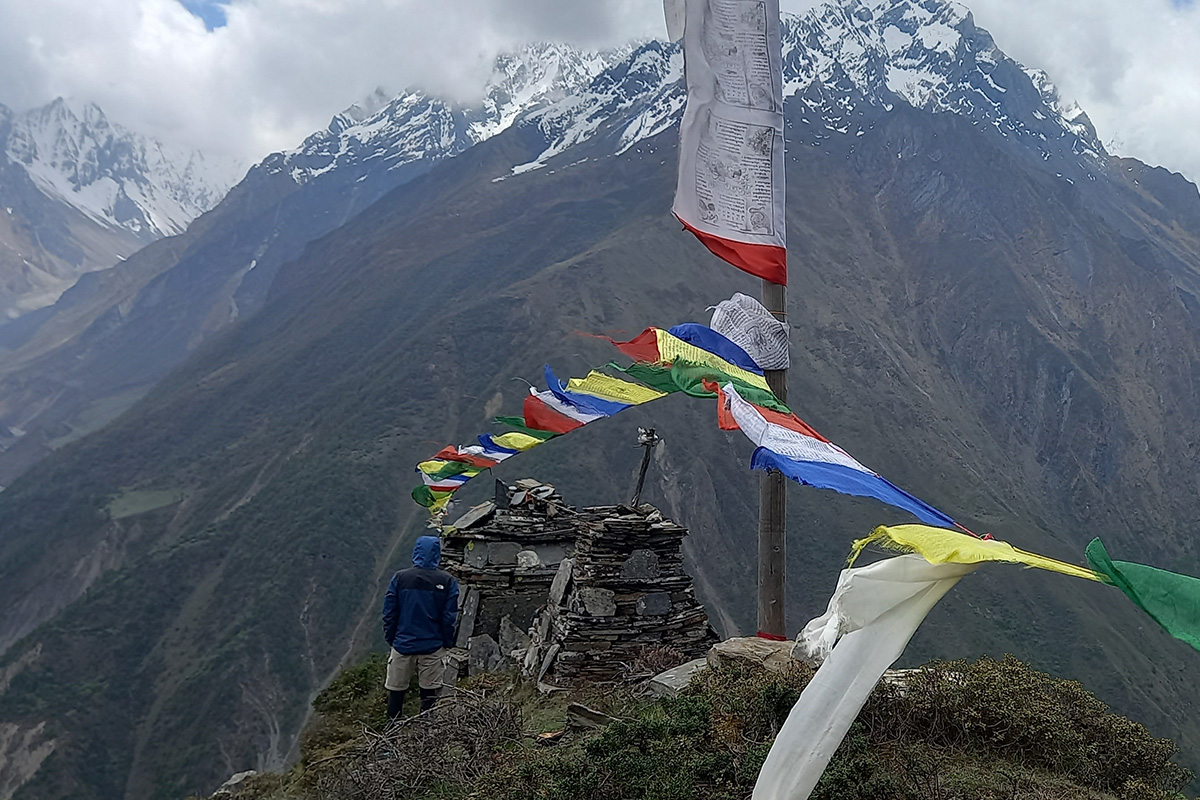
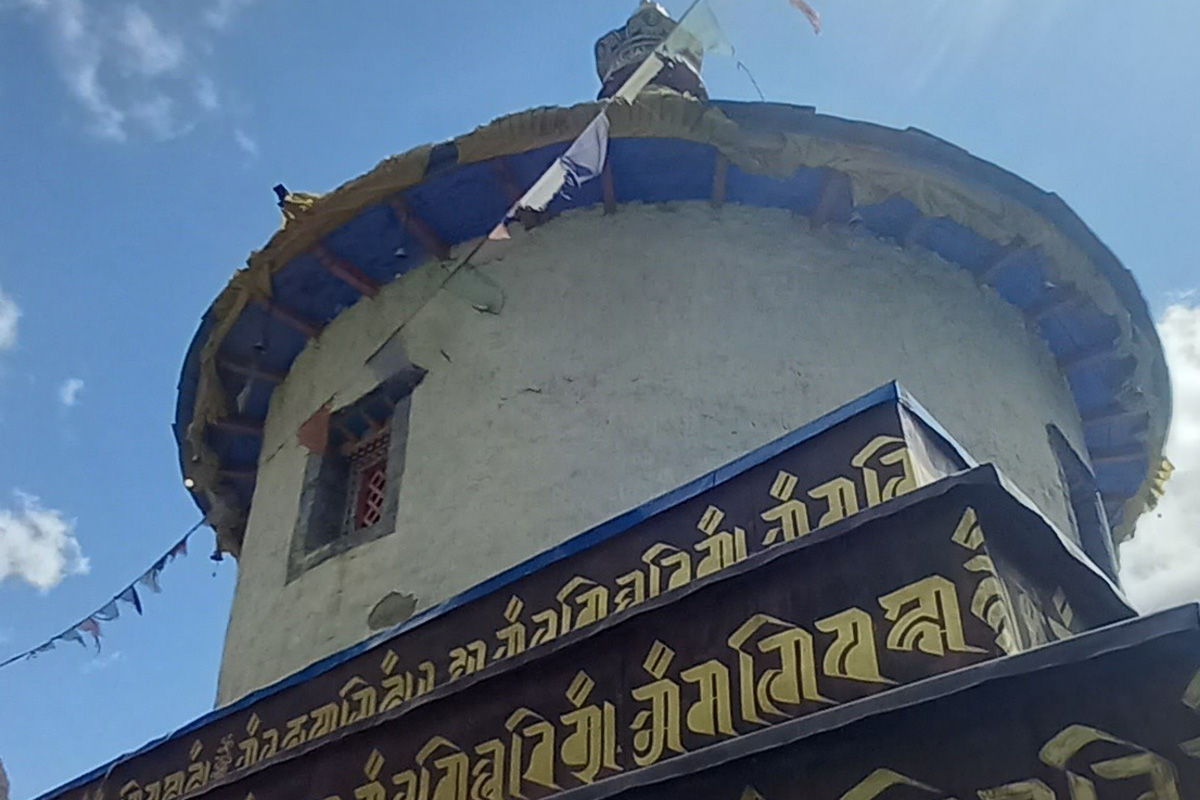
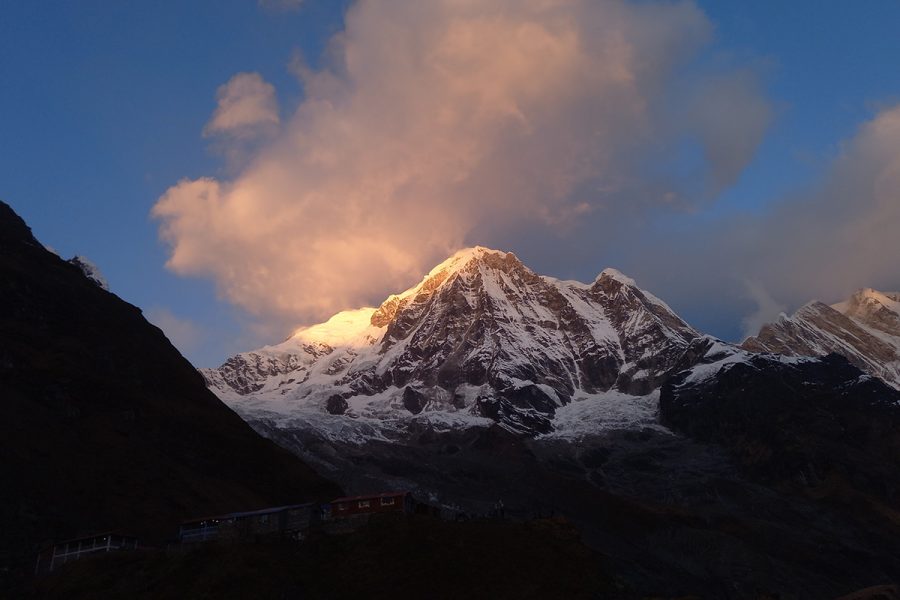
Before breakfast, your guide records your morning vitals at this critical altitude. A short trekking day with steady climbing through open alpine terrain to Mu Gompa, the largest monastery in the Tsum Valley region. Mu Gompa sits at 3,700 m on a hilltop with spectacular surroundings, overlooked by high white-capped peaks including Ganesh Himal and Sringi Himal. Approximately 20 monks live and study at Mu Gompa under the guidance of a spiritual teacher. Evening health check with careful attention to oxygen saturation. Overnight at a teahouse or monastery guesthouse.
Your guide checks your vitals before breakfast. A full rest and exploration day at Mu Gompa allows you to acclimatise and explore the monastery and surrounding area in depth. Visit Mu Gompa itself, exploring the monastery building, its Buddhist paintings, and the surrounding mani walls and prayer flags. Rachen Gompa is within walking distance for those who wish to visit the nunnery and interact with the nuns. Optional hike toward the base of Pika Himal (4,865 m) for those who feel good at altitude. Drink a minimum of 3 to 4 litres of water. Evening health check with careful attention to oxygen saturation. Overnight at a teahouse.
A quick morning wellness check confirms you are recovering well. Begin the descent from Mu Gompa, retracing the route down the Tsum Valley with a full day of walking back toward Chokhangparo and Rachen Gompa. The trail passes through the villages of Chhule, Phurba, and Lar, with the surrounding peaks of Ganesh Himal and Sringi Himal visible on a clear day. Arrive at Rachen Gompa in the late afternoon. Evening health check conducted. Overnight at a teahouse.
Your guide takes your morning vitals before the long descent. A longer descent day follows the Tsum Valley back toward the lower valley, passing through the villages of Gho and Rainjam before reaching Chumling. The landscape shifts from open alpine terrain to forested hillsides as the elevation drops below 3,000 m. Chumling at 2,386 m offers a welcome return to lower elevations with richer oxygen levels. Evening health check conducted. Overnight at a teahouse.
Before breakfast, your guide records your morning vitals. A shorter descent day follows the Tsum Valley back to the entry village of Lokpa, passing through forested sections near Gumlung and crossing the Siyar Khola. The trail offers final views of the Ganesh Himal range before the valley narrows. Arrive at Lokpa in the early afternoon to complete the exit procedure for the Tsum Valley RAP permit. Evening health check conducted. Overnight at a teahouse.
Your guide monitors your oxygen levels before you start walking. Leave the Tsum Valley behind and descend from Lokpa back to the main Budhi Gandaki valley, passing through Philim and Sirdibas on the way to Jagat. The descent of approximately 900 m through forested terrain puts stress on knees; trekking poles are strongly recommended. Arrive at Jagat in the late afternoon. Evening health check conducted. Overnight at a teahouse.
A quick morning wellness check confirms you are ready for the final trekking day. The final trekking day follows the Budhi Gandaki River southward through Doban, Tatopani, and Khorlabesi back to Machha Khola. The trail retraces the route from Day 4, with the same suspension bridges, forested sections, and riverside walking. Arrive at Machha Khola in the late afternoon. Evening health check conducted. Overnight at a teahouse.
One last wellness check before you leave Machha Khola ensures you are healthy. Morning departure by private jeep for the 8 to 9 hour drive back to Kathmandu via Arughat Bazaar and the Prithvi Highway. Arrive in Kathmandu between 4 and 6 PM. Your Kalapatthar completion certificate is issued, and the trek officially concludes with a hotel night included for your final evening.
This Kalapatthar package runs for 16 days in total, including drive days from and to Kathmandu and a full exploration day at Mu Gompa. The trekking section covers approximately 180 kilometres over 13 active trail days.
The trek is rated Moderate, with daily walking times of 5 to 7 hours on well-defined trails through forested and alpine terrain. The maximum altitude of 3,700 m at Mu Gompa does not require extensive acclimatisation for most healthy adults.
Yes, a licensed guide is legally required to obtain and use the Tsum Valley Restricted Area Permit. Trekking without a registered guide inside the restricted zone is not permitted and results in permit cancellation at checkpoints.
Four permits are required: the Manaslu RAP at USD 100 per week, the Tsum Valley RAP at USD 40 per week, the Manaslu Conservation Area Permit at NPR 3,000, and the Chumnubri Rural Municipality Fee at NPR 1,000. Kalapatthar processes all permits before departure.
Autumn (September to November) and Spring (March to May) are the primary seasons, with October and April offering the most stable conditions and clear mountain views. Tsum Valley receives less rainfall than southern Nepal during the monsoon due to its rain shadow location.
The highest point is Mu Gompa at 3,700 m. The trail does not cross any passes above 4,000 m, making this trek more accessible than the Manaslu Circuit.
Accommodation is in locally owned teahouses with twin-sharing rooms and shared bathroom facilities at most stops. Facilities are more basic in the upper valley between Chokhangparo and Mu Gompa.
Dal bhat is the most nutritious and widely available option at every teahouse. Noodle soups, fried rice, pasta, and Tibetan bread are also available. The Tsumba people traditionally do not eat meat, and vegetarian food is the standard offering throughout the Tsum Valley.
Contact Kalapatthar Trek & Expedition Pvt. Ltd. directly with your preferred travel dates and group size to receive a personalised quote and full pre-departure support.
The Tsumba people maintain a spiritual vow not to kill any living creature within the sacred valley, including insects and rodents, and you should relocate rather than kill any creatures that enter your room or the trail.
Yes, you can combine the Tsum Valley Trek with the Manaslu Circuit, which adds approximately 5 to 7 days and includes crossing Larkya La Pass at 5,160 m for a complete circuit experience.
Kalapatthar arranges private jeep transfers from Kathmandu to Machha Khola, an 8 to 9-hour drive that takes you through Dhading Bensi and Arughat Bazaar before reaching the trailhead.
Trekkers should be at least 12 years old with no upper age limit, but all participants must have a reasonable level of fitness and medical clearance for high-altitude trekking up to 3,700 m.

Member Since 2026
Leave a review