Nar Phu Valley Trek

0 (0 Reviews)
From: $0
0
(0 review)
Check
Duration

16 Days

Tour Type

Daily Tour

Group Size

10 people

Languages

___

About this tour

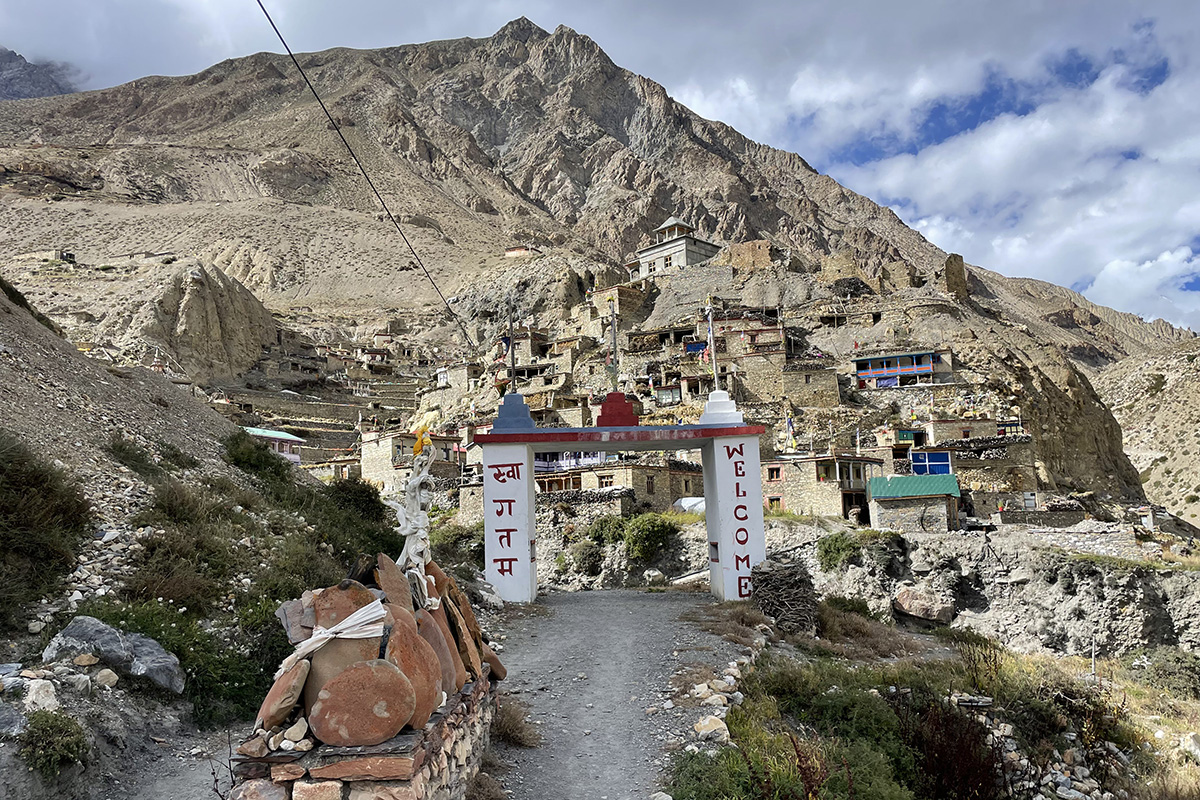
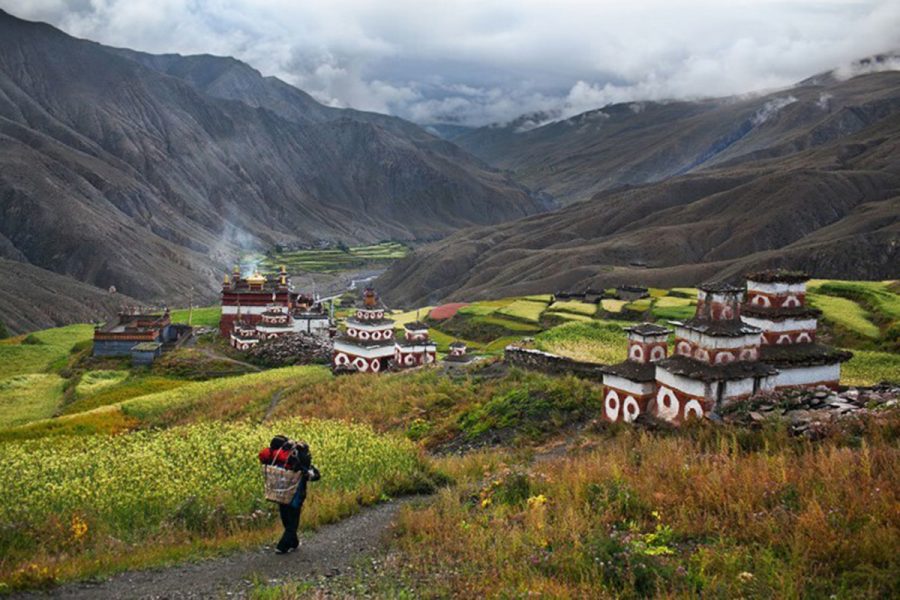
The Nar Phu Valley stayed closed to outside visitors until 2003, making it one of the newest restricted regions to open in Nepal and one of the least visited even today. This journey climbs to 5,322 meters at Kang La Pass, crossing from a narrow river gorge into a high-altitude desert shaped by the rain shadow of the Annapurna Massif. Along the way, the trail passes through Phu village, where stone houses stack vertically against steep cliffs like a fortress seen from below.

This itinerary is built around two dedicated acclimatization days at Phu Gaon and Nar Village, with daily health monitoring from a licensed guide tracking your progress using a pulse oximeter throughout the journey. A side trip to Tashi Lhakhang Gompa, a centuries-old monastery in Phu village, adds real cultural depth while doubling as useful acclimatization time.

Since this region carries restricted area status near the Tibetan border, a licensed guide is legally mandatory at all times, and permit requirements keep annual visitor numbers genuinely low. Nar village once served as a trading hub between Nepal and Tibet, with yaks still carrying goods across the same passes their ancestors used generations ago.

The Trail Through Nar Phu Valley

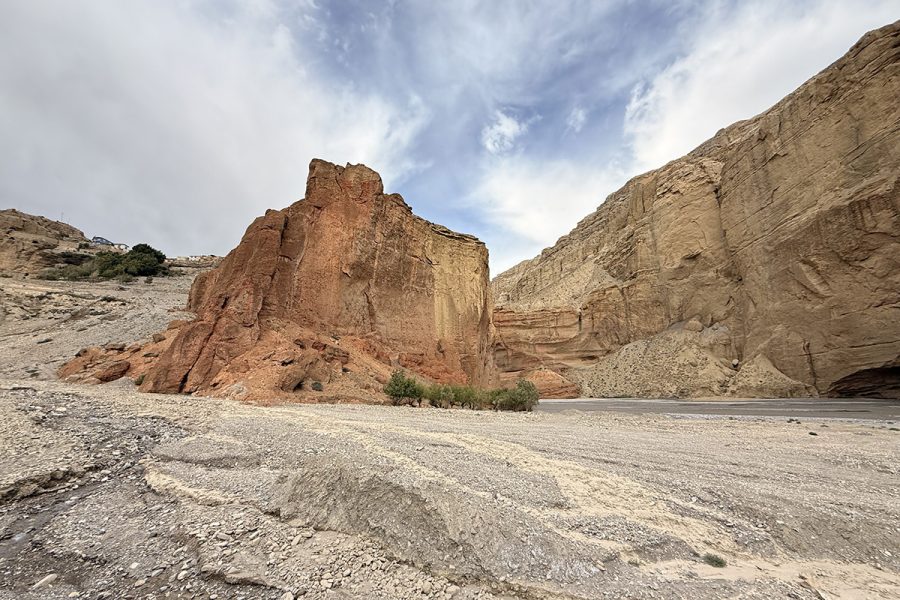
The route begins at Koto, entering the narrow Nar Phu Gorge where canyon walls rise hundreds of meters on either side of the river. Suspension bridges carry the trail across the water repeatedly before the valley finally opens near Phu Gaon, revealing the high desert terrain that defines the upper region.

From Phu, the trail descends briefly to Nar Phedi before climbing back up to Nar Village, a more open settlement with yak pastures and Buddhist chortens scattered throughout. Kang La Phedi serves as the final staging point before the early morning push to Kang La Pass itself.

Beyond the pass, the trail descends sharply to Ngawal, rejoining the main Annapurna Circuit route before continuing through Manang and Chame on the return journey to Kathmandu.

Why Choose Kalapatthar?

  • Two dedicated acclimatization days at Phu Gaon and Nar Village before the pass crossing
  • Twice-daily health monitoring, covering oxygen saturation, pulse rate, and temperature
  • Guides with 5 to 7 years of documented experience in the Annapurna and Nar Phu region
  • A carefully timed visit to Tashi Lhakhang Gompa that supports acclimatization and culture together
  • Both required permits processed before departure, with no added handling fees
  • Complimentary sleeping bag and down jacket rental, rated to -15°C
  • Small group sizes allowing genuinely personalized attention across the remote sections
  • Emergency evacuation planning and helicopter rescue coordination included as standard
Flora and Fauna Along the Nar Phu Valley Trail
Below 3,000 meters, the trail passes through temperate forest of pine, oak, and rhododendron between Koto and Meta, with the Himalayan monal displaying its plumage on forest slopes each spring. Orchids and mosses grow in dense patches near the waterfalls and river crossings that mark this lower canyon stretch. Between 3,000 and 4,500 meters, alpine shrub and juniper take over as the valley opens into high-altitude desert, where blue sheep graze the rocky slopes near Nar and Phu villages in groups of 10 to 20. A documented snow leopard population moves through the 4,000 to 5,000 meter band, though sightings remain extremely rare even for experienced trekkers. Above 4,500 meters, vegetation disappears entirely into rocky moraine and seasonal snowfields, where Himalayan griffon vultures circle above Kang La Pass and alpine choughs follow trekkers for scraps.
Nar Phu Valley Trek Difficulty Level
This trek carries a strenuous rating, requiring prior high-altitude trekking experience above 4,500 meters for safe completion. Daily walking runs 4 to 7 hours across remote mountain trails, narrow canyons, and high passes, with no technical climbing required anywhere on the route. The most demanding section is the crossing of Kang La Pass, climbing from Kang La Phedi at 4,530 meters to the pass itself over 4 to 5 hours. The descent that follows drops more than 1,600 meters to Ngawal, placing real stress on the knees and making trekking poles genuinely useful. At least two months of preparatory training beforehand, including regular hiking with a weighted pack, makes a noticeable difference on pass-crossing day.
Best Time to Trek Nar Phu Valley
Spring (March to May) brings mild temperatures and stable trail conditions, with rhododendron blooms visible in the lower forest sections below Meta and generally clear skies giving reliable views from Kang La Pass through early May. Autumn (September to November) stands as the most reliable season, with dry trails and strong mountain visibility from Nar, Phu, and the pass itself. October offers the most consistent weather for crossing at 5,322 meters. Winter (December to February) is not recommended for this region, since temperatures at Nar and Phu can drop to minus 15 or minus 25 degrees Celsius at night, and Kang La Pass often becomes completely impassable under heavy snow. Monsoon (June to August) brings less rainfall here than to most of Nepal thanks to the valley's rain shadow position, though access roads from Kathmandu to Besisahar can still suffer landslide damage, and afternoon cloud cover near the pass makes views unpredictable.
Permits and Documentation for the Nar Phu Valley Trek
The Nar Phu region carries restricted area status, requiring two separate permits obtained through a registered agency. We, at  Kalapatthar Trek & Expedition Pvt. Ltd., process both in full before departure from Kathmandu, at official government rates with no added handling fees.
  • Restricted Area Permit: USD 90 for the first seven days, with each additional day costing USD 15, payable in foreign currency
  • Annapurna Conservation Area Permit (ACAP): NPR 3,000 per person, supporting environmental protection and trail maintenance
  • A licensed guide is legally required for this trek given its restricted status near the Tibetan border
Accommodation and Food on the Trek
Hotel stays in Kathmandu, on a twin-sharing basis with breakfast included, frame the trek on either end. Along the trail, teahouses grow noticeably more basic above 4,000 meters, with stone huts and shared beds at Kang La Phedi, so a warm sleeping bag matters more here than on most other routes. Dal bhat remains the most widely available meal throughout, alongside fried rice, noodle soups, and Tibetan bread from Koto to Ngawal. Breakfast, lunch, and dinner run daily alongside unlimited tea and coffee, with vegetarian needs accommodated on request.
Essential Packing List for Nar Phu Valley
Clothing
  • A waterproof shell jacket with a hood, rated to at least 10,000 mm water column
  • An insulated jacket rated to -15°C for cold conditions at Kang La Pass and Nar Village
  • A fleece mid-layer for moderate cold through the middle of each trekking day
  • Moisture-wicking long-sleeved shirts in merino wool or synthetic fabric, three sets
  • Thermal base layer leggings for cold nights at Phu Gaon, Nar Village, and Kang La Phedi
Footwear
  • Waterproof trekking boots with ankle support, broken in for at least 80 km beforehand
  • Lightweight sandals or camp shoes for teahouse evenings and wet trail sections
  • 4 to 5 pairs of wool or synthetic trekking socks, with spares for wet lower sections
Backpack and Load
  • A main duffel carried by a porter, with a 20 to 25 kg weight limit per trekker
  • A daypack for water, snacks, extra layers, and personal essentials
Health and Safety
  • A basic first aid kit with bandages, blister plasters, and personal medications
  • Diamox for altitude sickness prevention, typically started at Phu Gaon after consulting a doctor
  • SPF 50+ sunscreen applied every morning, since UV intensity rises sharply above 4,000 meters
  • Wet wipes and hand sanitiser for hygiene where running water is not consistently available
Trekking Gear and Equipment Checklist
A handful of key items make the Kang La Pass crossing considerably safer and more comfortable.
  • Trekking poles with rubber tips, essential for the ascent to Kang La Pass and the long descent to Ngawal
  • A headlamp with at least 150 lumens of brightness for the early start on pass-crossing day
  • A reusable water bottle of at least two litres, plus a thermos for hot drinks on the cold pass morning
  • Water purification tablets or a filter bottle for treating teahouse tap water
  • A power bank of at least 20,000 mAh, since charging outlets grow extremely limited above Meta
  • A sleeping bag rated to -15°C, available free as part of the Kalapatthar rental package
Safety and Important Notes
Altitude sickness is a genuine concern above 4,000 meters, and this trek reaches 5,322 meters at Kang La Pass. Guides conduct twice-daily oxygen saturation and pulse checks from Meta onward, watching for headache, nausea, and dizziness before allowing the day's plans to continue. Comprehensive travel insurance covering high-altitude trekking above 5,500 meters and emergency helicopter evacuation is mandatory, confirmed during your Day 1 briefing in Kathmandu. The Annapurna Conservation Area asks trekkers to minimize waste and avoid single-use plastics, and respectful dress matters when visiting Tashi Lhakhang Gompa and other Buddhist sites along the route.

Highlights

  • Cross Kang La Pass at 5,322 meters, connecting the remote valley to the Annapurna Circuit
  • Explore Tashi Lhakhang Gompa in Phu village, home to centuries-old murals and religious texts
  • Walk through the narrow Nar Phu Gorge, with canyon walls rising hundreds of meters overhead
  • Experience Tibetan Buddhist culture in Nar and Phu villages, largely unchanged for generations
  • Stay near medieval-style stone houses in Phu village, built vertically against steep cliffs
  • Trek through a genuine high-altitude desert shaped by the Annapurna Massif's rain shadow
  • Spot blue sheep on the rocky slopes near Nar and Phu villages above 4,000 meters
  • Take in views of Himlung Himal, Kang Guru, and Annapurna II from Kang La Pass

Included/Excluded

  • Airport Transfers: private vehicle transfers on arrival and departure in Kathmandu
  • Permits: Annapurna Conservation Area Permit and Restricted Area Permit, both fully processed
  • Trekking Guide: a licensed guide with 5 to 7 years of Nar Phu region experience
  • Porter Service: one porter per two trekkers, with a 20 to 25 kg limit per porter
  • Teahouse Accommodation: twin-sharing rooms and basic lodges selected for cleanliness at each stop
  • Meals and Refreshments: breakfast, lunch, and dinner daily with unlimited tea and coffee
  • Ground Transportation: private jeep transfers between Kathmandu, Besisahar, and Koto
  • Kathmandu Accommodation: 5-star hotel stays with breakfast included
  • Welcome Dinner: a welcome dinner in Kathmandu with a full trek briefing and health assessment
  • Health Monitoring: twice-daily checks covering oxygen saturation, pulse rate, and temperature
  • Rental Gear: complimentary sleeping bag and down jacket rental
  • Emergency Support: evacuation planning and helicopter rescue coordination included as standard
  • Completion Certificate: issued at the end of the journey
  • International airfare to and from Kathmandu
  • Nepal visa fee, obtainable on arrival at Tribhuvan International Airport
  • Travel insurance covering high-altitude trekking and emergency helicopter evacuation
  • Personal trekking gear beyond the complimentary rental, such as trekking poles and headlamp
  • Meals in Kathmandu beyond included breakfasts and the welcome dinner
  • Personal trail expenses, including hot showers, battery charging, Wi-Fi, and laundry
  • Private attached bathroom upgrades, available at lower elevation teahouses on request
  • Tips for guides and porters, customary but not mandatory

Itinerary

Your journey begins the moment you step off the plane at Tribhuvan International Airport, where the Kalapatthar team greets you and transfers you by private vehicle to your five-star hotel in the heart of Thamel. That evening brings a welcome dinner where you meet your guide for the first time, followed by a full trek briefing covering permits, safety protocols, and a careful review of your gear checklist.

  • Private airport pickup and transfer to your five-star Kathmandu hotel
  • Welcome dinner and first meeting with your guide
  • Full trek briefing covering permits, safety protocols, and gear checklist
  • Baseline health check recording oxygen saturation, pulse rate, and temperature

This day is set aside for permit processing, gear checks, and any final equipment purchases in Thamel before the trek departs. Kalapatthar handles ACAP and Restricted Area Permit processing at the relevant government offices, and an optional afternoon opens up for guided visits to Boudhanath Stupa, Pashupatinath Temple, or Swayambhunath.

  • Permit processing handled directly by the Kalapatthar team
  • Final gear checks and any last-minute equipment purchases in Thamel
  • Optional guided sightseeing at Boudhanath, Pashupatinath, or Swayambhunath
  • An evening health check ahead of tomorrow's drive to Besisahar

A private jeep carries you out of Kathmandu along the Prithvi Highway, following the Trishuli River through terraced hillsides and small towns before reaching Besisahar, the administrative headquarters of Lamjung District.

  • A 6 to 7 hour private jeep drive along the Prithvi Highway
  • Views of terraced hillsides and small towns along the Trishuli River
  • Arrival at Besisahar, the gateway to the Annapurna region
  • Overnight stay with an evening health check

The road narrows and roughens as the jeep follows the Marsyangdi River valley through Tal, Dharapani, and Chame before reaching Koto, the official entry point into the Nar Phu restricted zone.

  • A 6 to 7 hour drive along the Marsyangdi River valley
  • Passage through Tal, Dharapani, and Chame
  • Permit registration at the Koto checkpoint on arrival
  • Final preparation before entering the restricted zone tomorrow

The trail leaves Koto and enters the narrow Nar Phu Gorge, crossing the roaring river on suspension bridges again and again as canyon walls rise hundreds of meters on either side.

  • A 6 to 7 hour trek into the narrow Nar Phu Gorge
  • Multiple suspension bridge crossings over the river
  • Arrival at Meta, the first village inside the restricted valley
  • Careful health monitoring as the altitude passes 3,500 meters

The trail climbs steadily through high-altitude desert terrain, passing the small settlement of Chyaku before Phu Gaon comes into view, its stone houses stacked vertically against the cliffs like a fortress.

  • A 6 to 7 hour climb through sparse, high-altitude desert terrain
  • A stop through the small settlement of Chyaku
  • Arrival at Phu Gaon, with its distinctive cliffside stone architecture
  • Continued oxygen saturation monitoring at the new altitude

This rest day matters more than it might seem, giving your body real time to adjust before the push toward Nar Village and Kang La Pass. A morning health check and altitude lecture lead into a visit to Tashi Lhakhang Gompa, followed by a hike up to the valley viewpoint above the village.

  • Morning health check and a guided altitude lecture on AMS
  • Visit to Tashi Lhakhang Gompa, home to centuries-old murals and texts
  • Optional hike to a viewpoint overlooking the full valley
  • A full rest day built around hydration and steady acclimatization

The trail descends from Phu Gaon back down the valley on a rocky, sometimes steep path, reaching Nar Phedi at the base of tomorrow's climb to Nar Village.

  • A 5 to 6 hour descent back down the valley
  • A basic monastery lodge with simple, shared facilities for the night
  • Recovery time built in after the descent
  • Continued evening health checks throughout the trek

A short but steep ascent carries you up to Nar Village, a more open settlement than Phu, with traditional stone houses, yak pastures, and prayer flags marking its long history as a trading hub with Tibet.

  • A 3 to 4 hour steep climb on a well-defined trail
  • Arrival at Nar Village, more open than Phu with wide yak pastures
  • A living link to the historic Nepal-Tibet trade route
  • Careful attention to oxygen saturation at the new altitude

A second acclimatization day gives your body the time it needs before crossing Kang La Pass in two days. An optional hike up the ridge above the village delivers wide views of Kang Guru and Himlung Himal.

  • Morning health check ahead of the two highest days of the trek
  • Optional ridge hike for views of Kang Guru and Himlung Himal
  • Time to explore the village's narrow lanes and prayer flag-lined homes
  • Final rest and hydration before the push toward the pass

The trail climbs steadily through alpine pastures and rocky moraine toward the base of Kang La Pass, reaching Kang La Phedi, a basic camp with simple stone huts and no running water.

  • A 4 to 5 hour climb through alpine pasture and rocky moraine
  • Arrival at Kang La Phedi, the staging point for tomorrow's pass crossing
  • Final instructions and safety briefing from your guide
  • An early night ahead of the 4 AM start

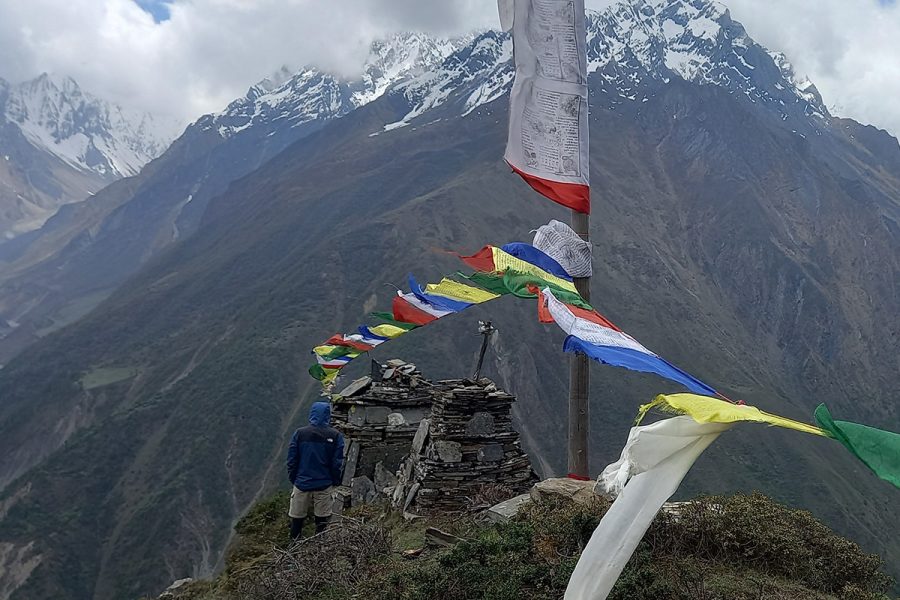
A 4 AM start sets the stage for the steepest climb of the entire trek, ascending a rocky switchback path to Kang La Pass, marked by prayer flags and stone cairns at the highest point of the journey. The descent that follows drops over 1,600 meters to Ngawal on the Annapurna Circuit trail.

  • A 4 AM start for the 4 to 5 hour climb to Kang La Pass at 5,322 m
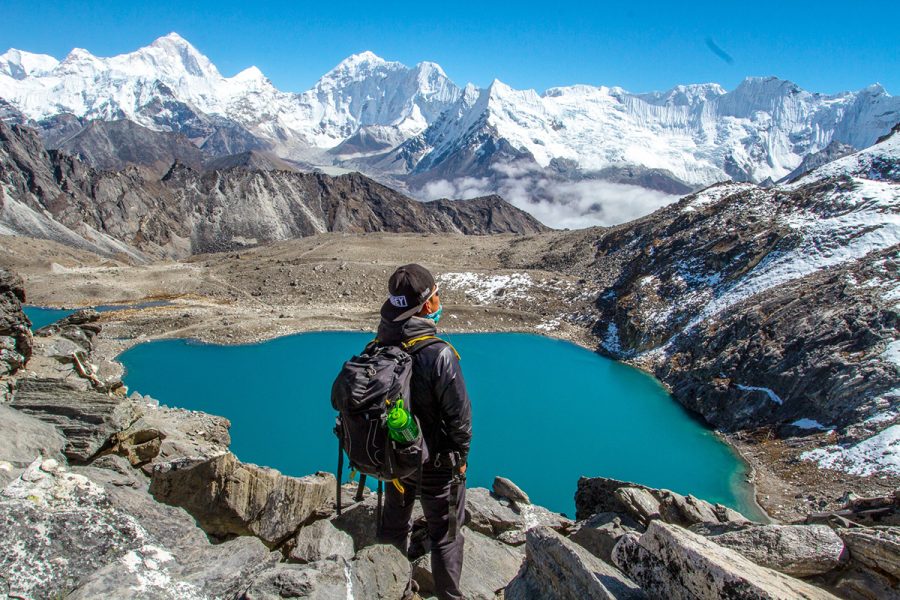
  • Summit views of Himlung Himal, Kang Guru, and Annapurna II
  • A steep, sustained descent losing over 1,600 meters of elevation
  • Arrival at Ngawal by late afternoon, rejoining the Annapurna Circuit

A short day carries you from Ngawal down to Manang through pine forest and traditional Manangi villages, arriving at the largest settlement in the upper Manang region.

  • A shorter 4 to 5 hour walk through pine forest and Manangi villages
  • Arrival at Manang, complete with a hospital, bakeries, and altitude research center
  • A genuine chance to rest after the demanding pass crossing
  • Recovery-focused health monitoring as altitude decreases

The trail descends through pine and juniper forest along the Marsyangdi River, passing Pisang, Bhratang, and Dhukur Pokhari with views of Annapurna II and Pisang Peak along the way.

  • A 5 to 6 hour descent through pine and juniper forest
  • Passage through Pisang, Bhratang, and Dhukur Pokhari
  • Arrival at Chame, the district headquarters of Manang
  • Proper teahouse facilities and vehicle access to Besisahar

  A private jeep retraces the rough road along the Marsyangdi River valley, carrying you back down to Besisahar for your final night before the return to Kathmandu.

  • A 6 to 7 hour private jeep drive back to Besisahar
  • Stops for lunch and rest through the lower hills
  • A proper bed and hot shower after the remote sections of the trek
  • Final evening health check of the trekking portion

The final drive follows the Prithvi Highway back through terraced hillsides to Kathmandu, closing out a journey through one of Nepal's most remote and culturally rich valleys.

  • A 6 to 7 hour drive back to Kathmandu along the Prithvi Highway
  • A free afternoon for rest, Thamel exploration, or reflection
  • Presentation of your Kalapatthar completion certificate
  • Private vehicle transfer arranged for your international departure flight

Durations

Multi day

Max Altitude

5,322 m

Trip Grade

Moderate to Strenuous

Accommodation

Hotel + Lodge + Tent

Best Season

Autumn
Spring

Frequently asked questions

This Kalapatthar package runs for 16 days total, covering arrival, preparation, the drive days, the trekking section, and your return to Kathmandu.

The trek is rated strenuous, with daily walking of 4 to 7 hours and a maximum altitude of 5,322 meters at Kang La Pass, requiring prior high-altitude experience.

Prior high-altitude trekking experience above 4,500 meters is strongly recommended, given the remote location and limited evacuation options along this route.

Kang La Pass at 5,322 meters is the highest point, with Phu Gaon at 4,080 meters and Nar Village at 4,110 meters as the overnight high-altitude stops.

Yes, altitude sickness becomes a genuine risk above 4,000 meters, and this trek reaches 5,322 meters. Guides run twice-daily health checks and follow strict descent protocols if symptoms appear.

Two permits are required: the Restricted Area Permit at USD 90 for the first seven days, plus USD 15 per additional day, and the Annapurna Conservation Area Permit at NPR 3,000.

Yes, a licensed guide is legally required, since the Nar Phu region carries restricted area status near the Tibetan border.

Accommodation runs as teahouses and basic stone huts throughout, with facilities becoming genuinely basic above Meta, including no attached bathrooms at Kang La Phedi.

Dal bhat, fried rice, noodle soups, and Tibetan bread remain available at teahouses from Koto through Ngawal, with unlimited tea and coffee included throughout.

Yes, comprehensive travel insurance covering high-altitude trekking above 5,500 meters and emergency helicopter evacuation is mandatory before departure.

Wi-Fi is not available in Nar and Phu villages given how remote they are, and mobile coverage works only intermittently up to Meta before disappearing entirely.

Blue sheep appear regularly on the rocky slopes near Nar and Phu villages, while snow leopards are documented in the region but very rarely sighted on the main trail.

This trek is not recommended for beginners, given the altitude, remote location, and strenuous daily walking requirements throughout the route.

Booking three to four months ahead is strongly recommended for spring and autumn departures, when permits and teahouses need to be arranged well in advance.

Hot showers are available only up to Koto before the trek begins, with no hot shower access at Meta, Phu, Nar, or Kang La Phedi.

Contact Kalapatthar Pvt. Ltd. directly with your preferred travel dates and group size to receive a personalized quote and full pre-departure support.

Tour's Location

Reviews

0/5
Not Rated
(0 Reviews)
Excellent
0
Very Good
0
Average
0
Poor
0
Terrible
0
0 reviews on this Tour - Showing 1 to 0

Write a review

From: $0
0 (0 Reviews)

Owner

Mishek Limbu

Member Since 2026

Information Contact

Email

info@kalapatthartrek.com

Website

https://kalapatthartrek.com/

Phone

‪+977 - 9843648522

Fax

‪+977 - 9843648522

Explore other options