Everest Base Camp Trek via Khumjung and Phortse

0 (0 Reviews)
From: $0
0
(0 review)
Check
Duration

14 Days

Tour Type

Daily Tour

Group Size

10 people

Languages

___

About this tour

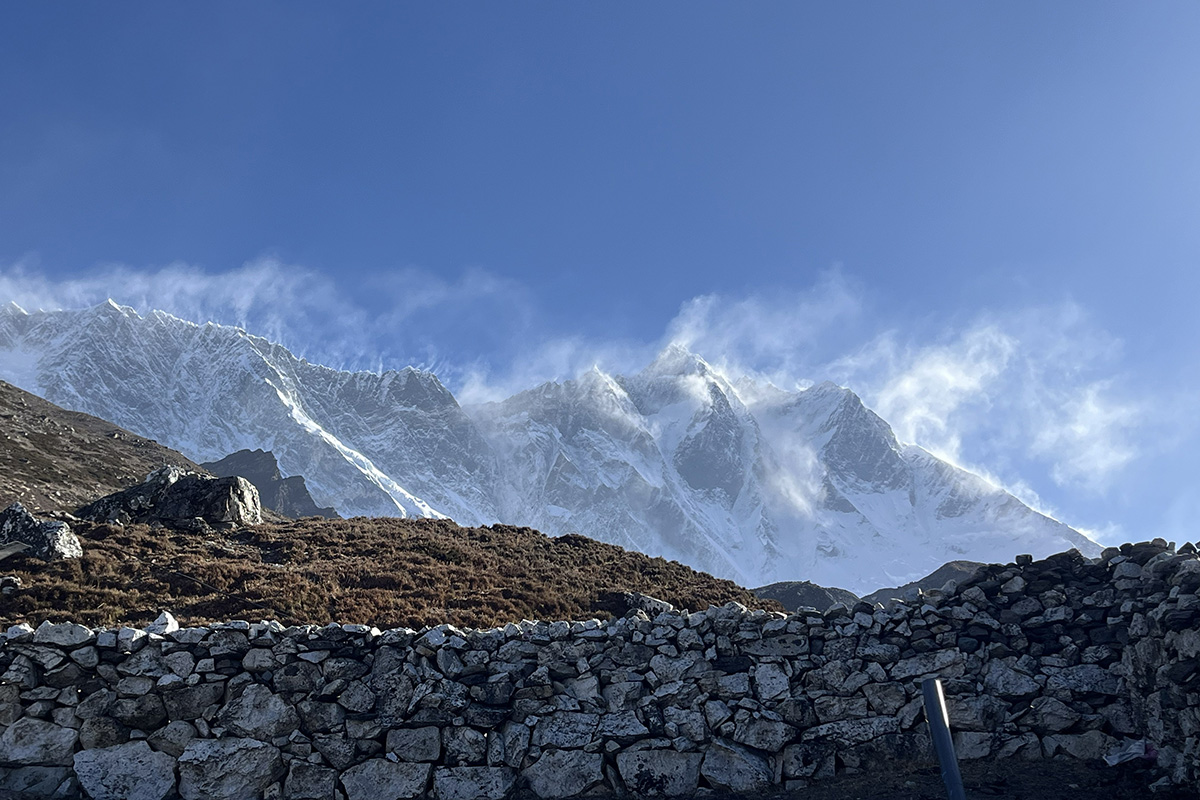
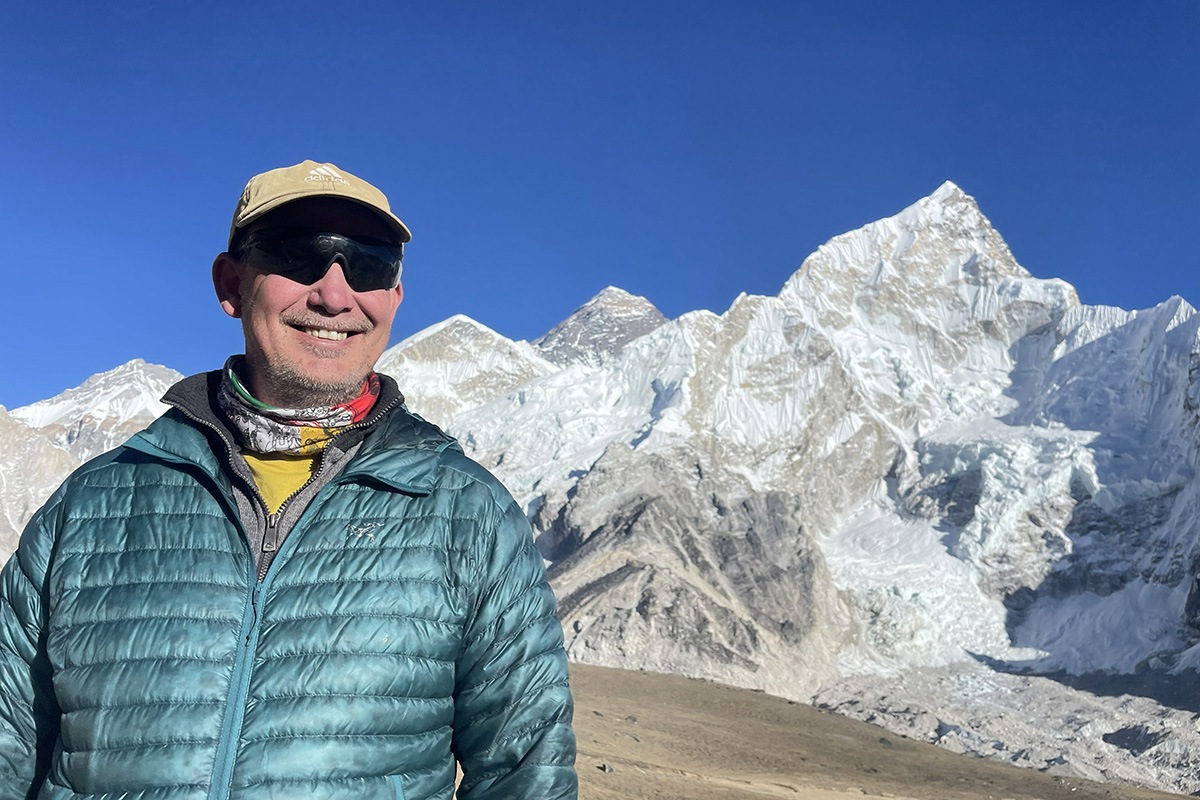
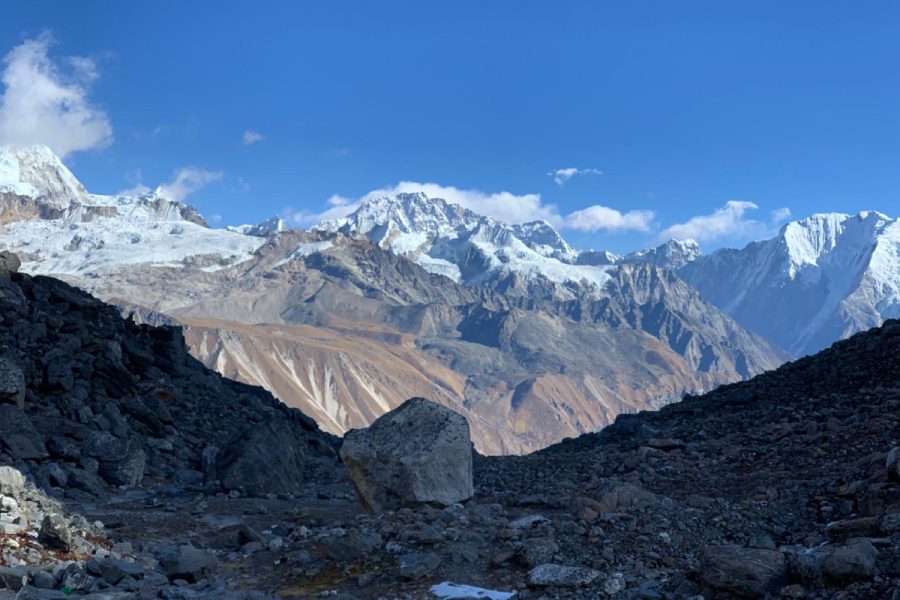
Everest Base Camp sits directly beneath a wall of neighboring peaks, and Nuptse blocks a clear line of sight to the summit from that exact spot. Kalapatthar solves this problem entirely, opening an unobstructed view across Everest and Changtse from a ridge set at a completely different angle above Gorak Shep.

The trail visits Khumjung Monastery, the Sir Edmund Hillary legacy sites at Khunde, and the quiet high path through Phortse, before rejoining the classic trail near Pangboche. Trekkers reach the same Everest Base Camp and Kalapatthar viewpoints as the standard trek, with a noticeably richer cultural experience along the way.

This 14-day itinerary keeps the same pace and acclimatization structure as our classic Everest Base Camp packages, with experienced guides monitoring each trekker daily and enough built-in rest days to make the extra distance through Khumjung and Phortse safe rather than rushed.

The Trail Through Khumjung and Phortse

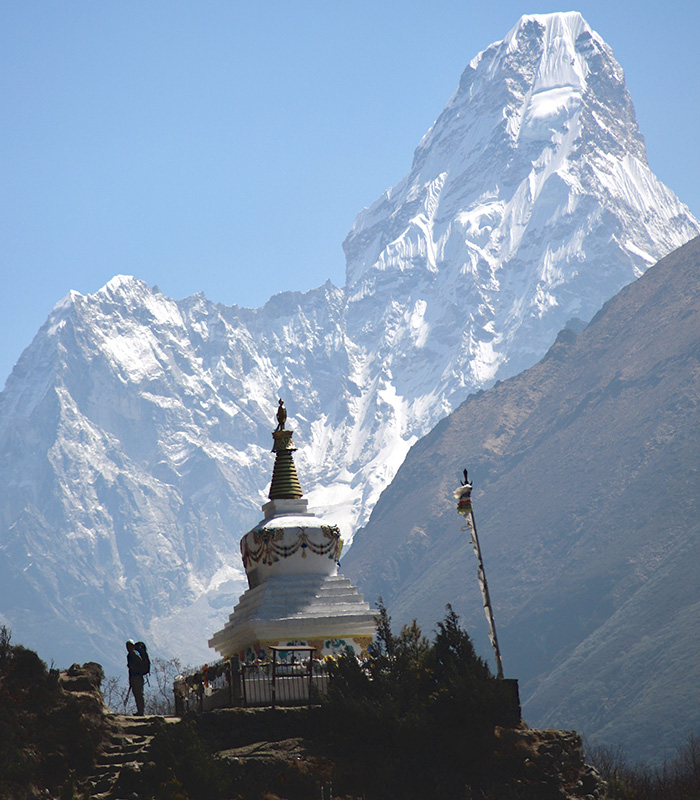
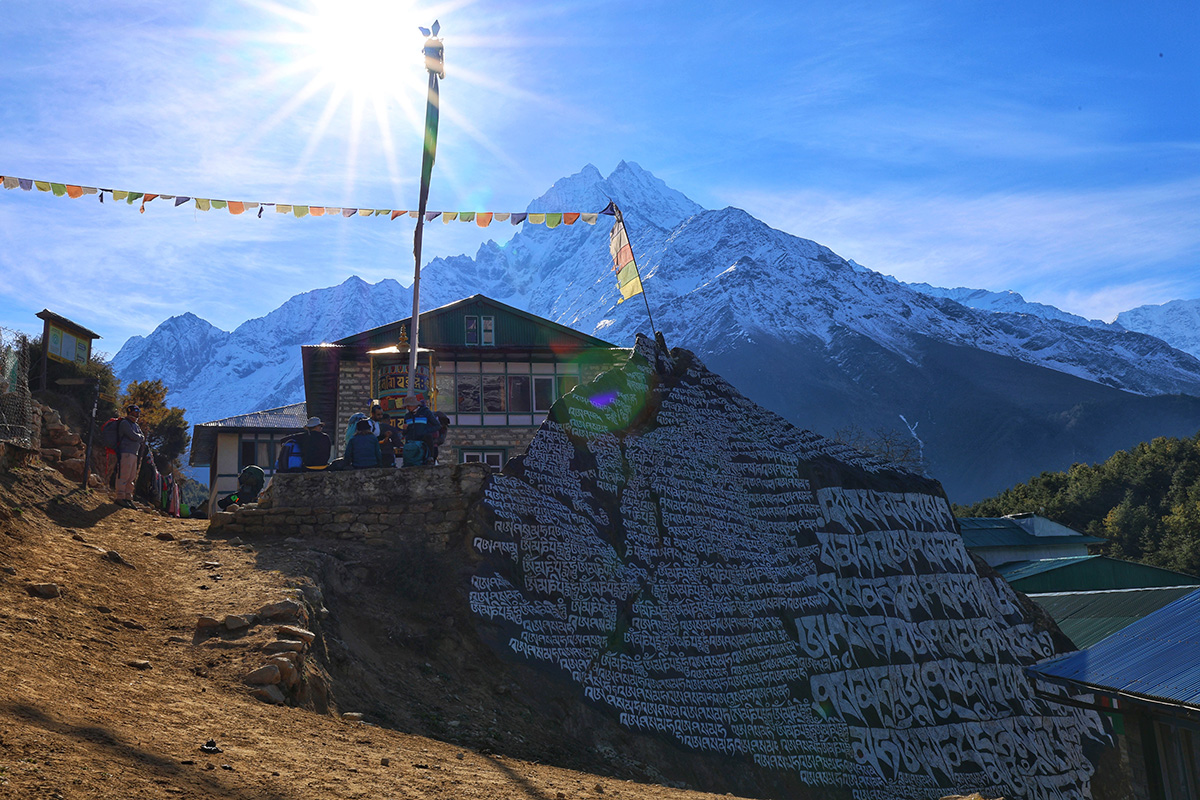
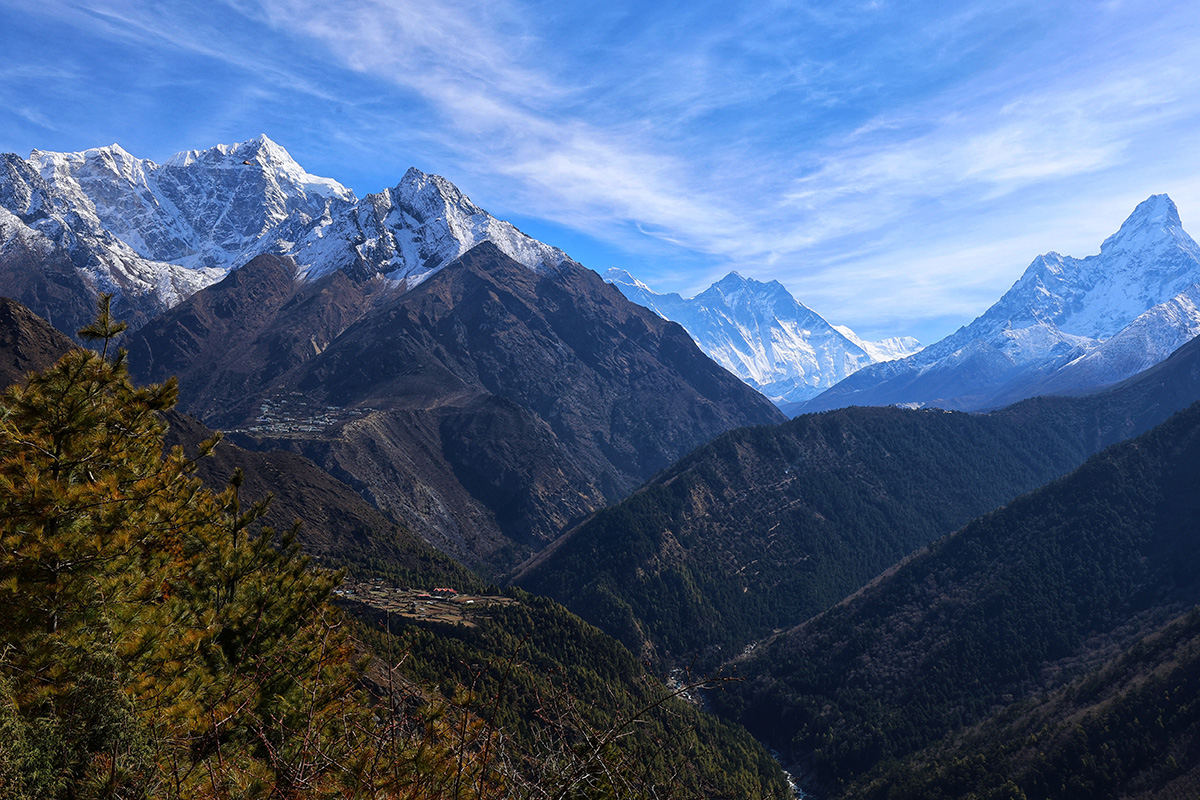
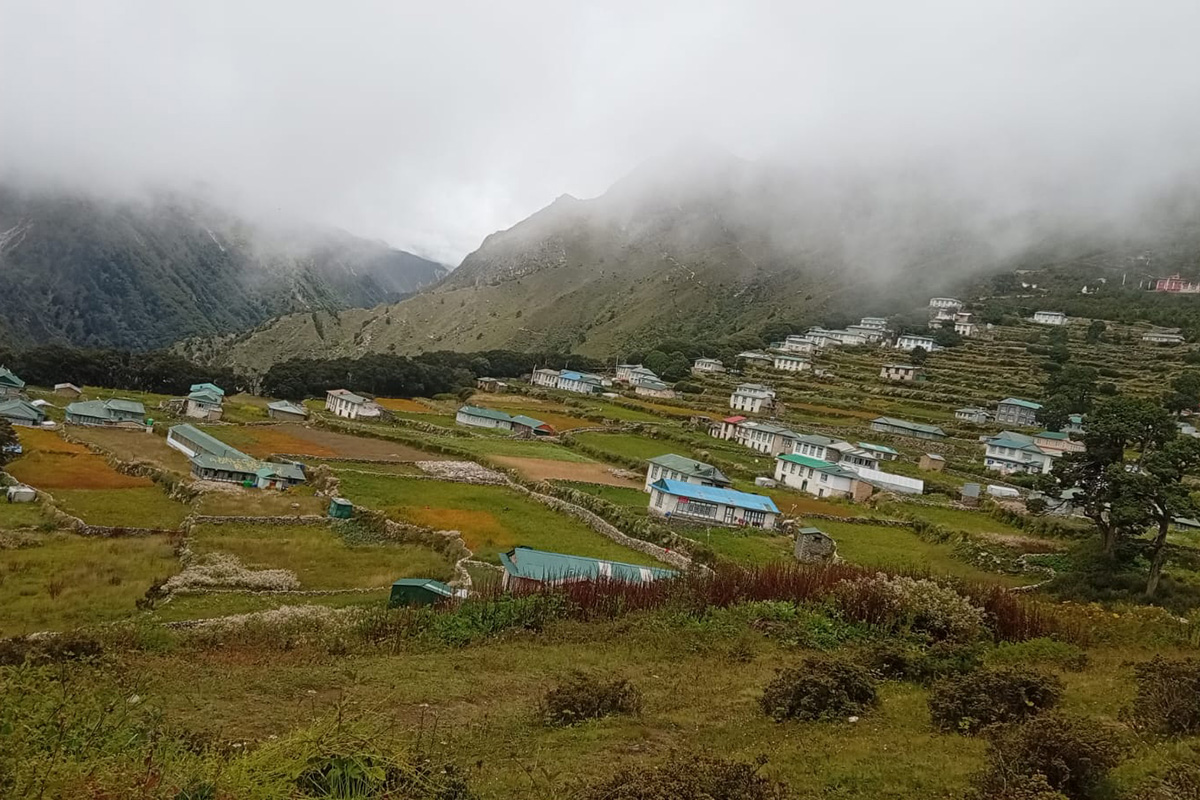
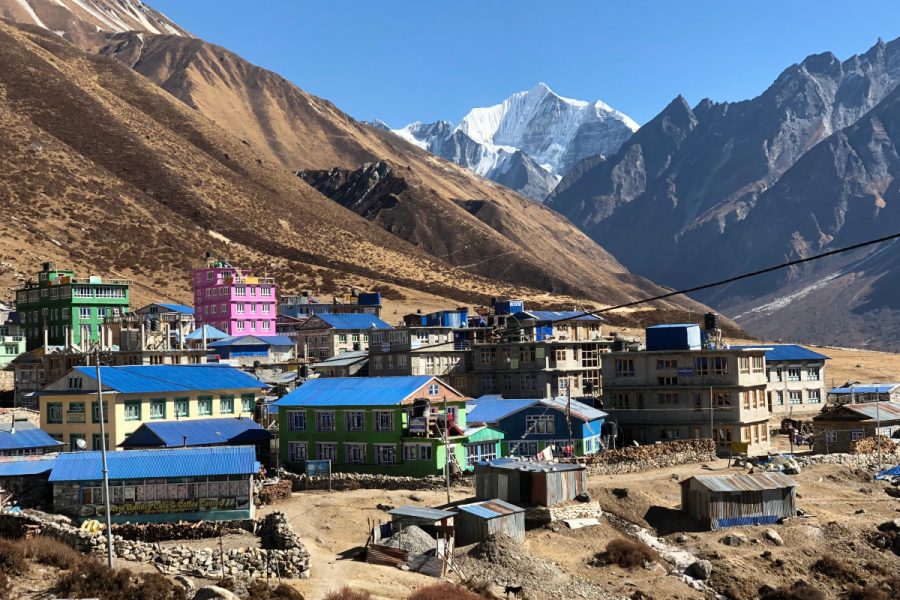
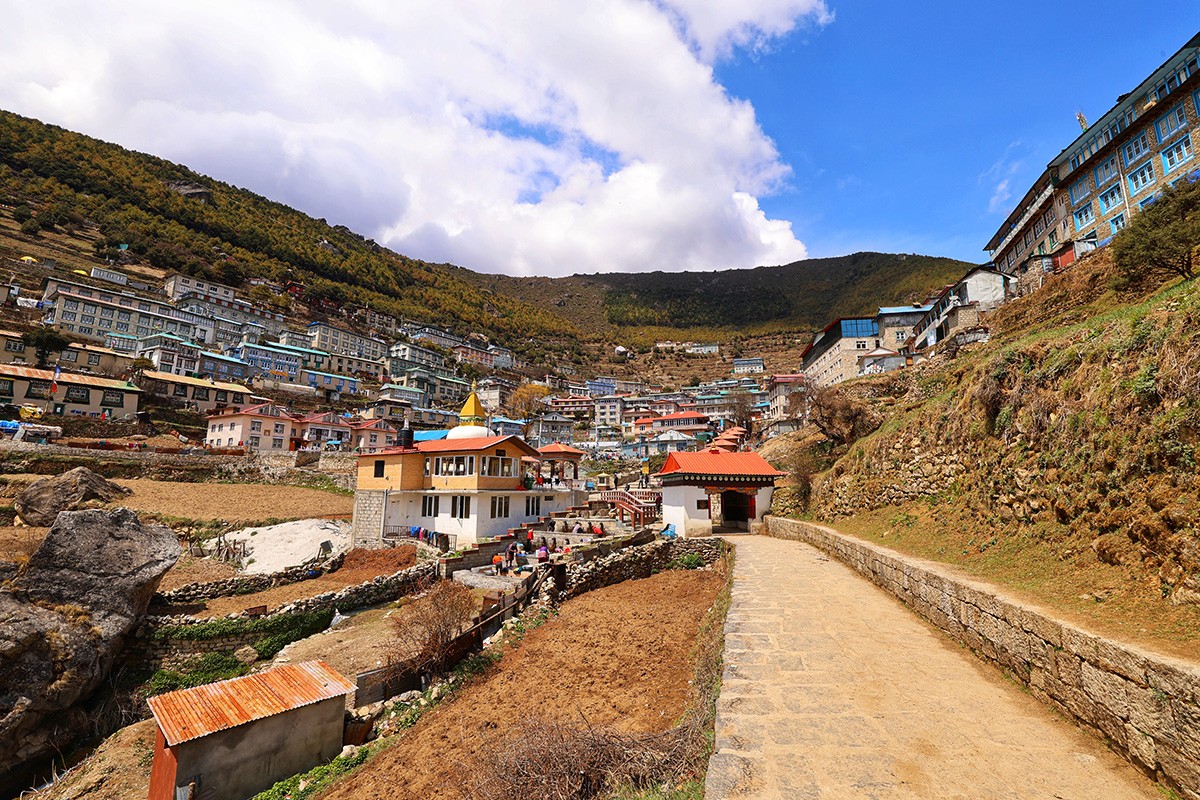
From Namche Bazaar, the route climbs to Khumjung village at roughly 3,790 meters, passing traditional stone houses, mani walls, and the historic Khumjung Monastery beneath Mount Khumbila. From Khumjung, the trail continues through rhododendron and juniper forest to Phortse, a quiet farming village that most EBC itineraries skip entirely.

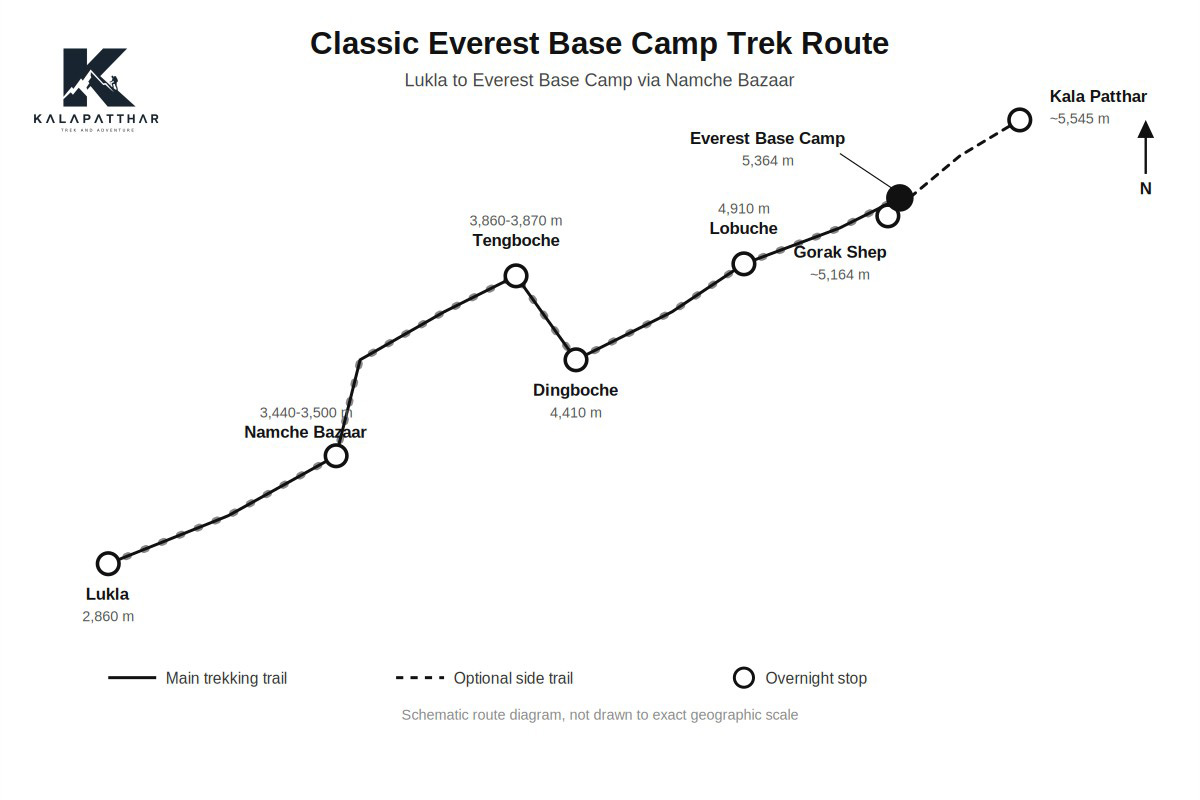
Beyond Phortse, a high traversing path leads to Upper Pangboche, where the route rejoins the standard trail toward Dingboche, Lobuche, and Gorak Shep. From there, the itinerary follows the classic path to Everest Base Camp and the sunrise climb to Kalapatthar before retracing the standard trail back through Namche and Lukla.

Why Choose Kalapatthar?

  • Guides carrying 5 to 7 years of experience in the Khumbu region, trained in first aid and high-altitude health monitoring
  • Two dedicated acclimatization days built into the schedule, at Namche Bazaar and Dingboche, with the extended route itself acting as a natural third buffer
  • Daily health monitoring covering oxygen saturation, pulse rate, and general condition throughout the trek
  • A 5-star hotel in Kathmandu at the start and end of the trek, paired with hygienic teahouse meals on the trail
  • Access to Khumjung and Phortse, two Sherpa villages that most standard EBC itineraries never visit
  • Emergency evacuation coordination and regular weather updates from reliable sources throughout the journey
Flora and Fauna Along the Khumjung and Phortse Trail
The entire route lies within Sagarmatha National Park, a UNESCO World Heritage Site protecting the high-altitude ecosystems of the Khumbu. Rhododendron and juniper forests line the trail between Namche, Khumjung, and Phortse, blooming across the hillsides each spring. Wildlife in the park includes the Himalayan tahr, musk deer, and Himalayan goral, with sightings most likely in the forested sections around Phortse. The elusive snow leopard also ranges through this part of the park, though it is rarely seen even by experienced guides.
Everest Base Camp via Khumjung and Phortse Trek Difficulty Level
This trek carries a strenuous rating, similar to the classic Everest Base Camp trek, since it follows much of the same elevation profile with additional distance through Khumjung and Phortse. No technical climbing skill is required at any point along the route. Daily walking generally runs 4 to 7 hours, extending to 7 or 9 hours on the days that include Everest Base Camp and Kalapatthar. The trek reaches a maximum elevation of 5,545 meters at Kalapatthar, so previous high-altitude experience is helpful but not required for a well-prepared trekker.
Best Time to Trek via Khumjung and Phortse
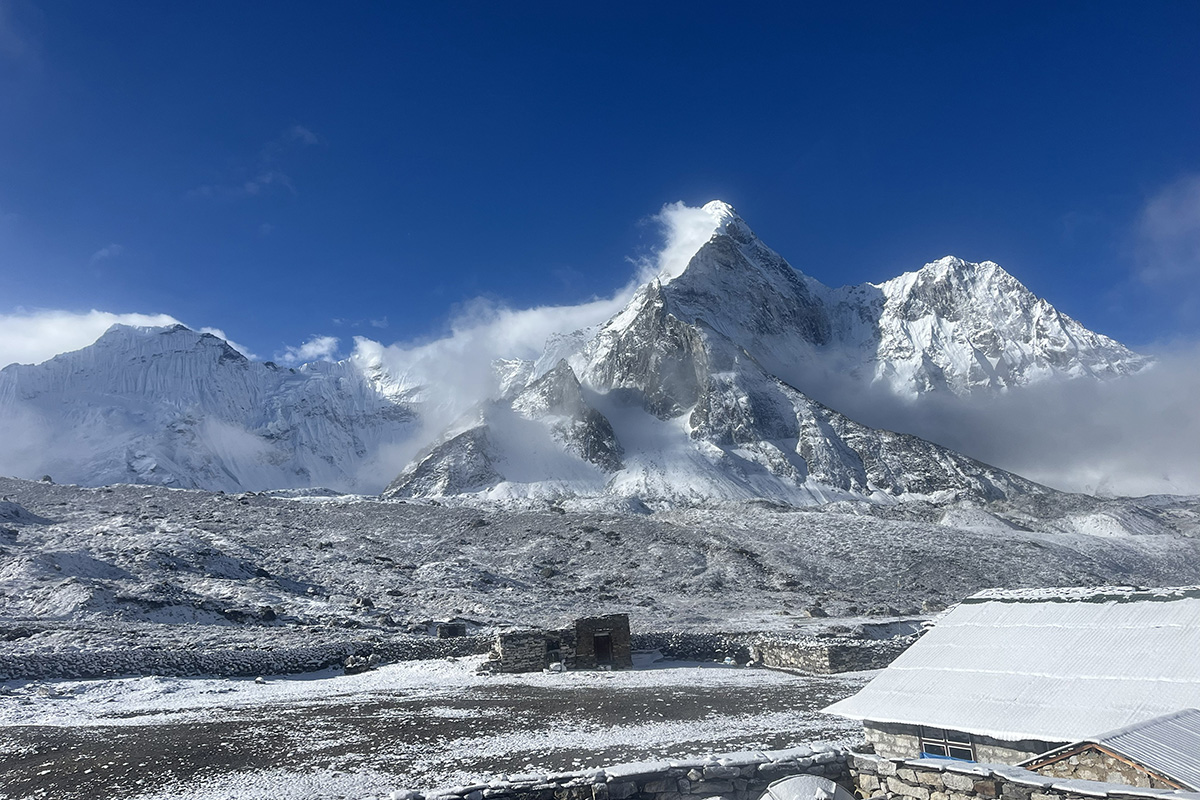
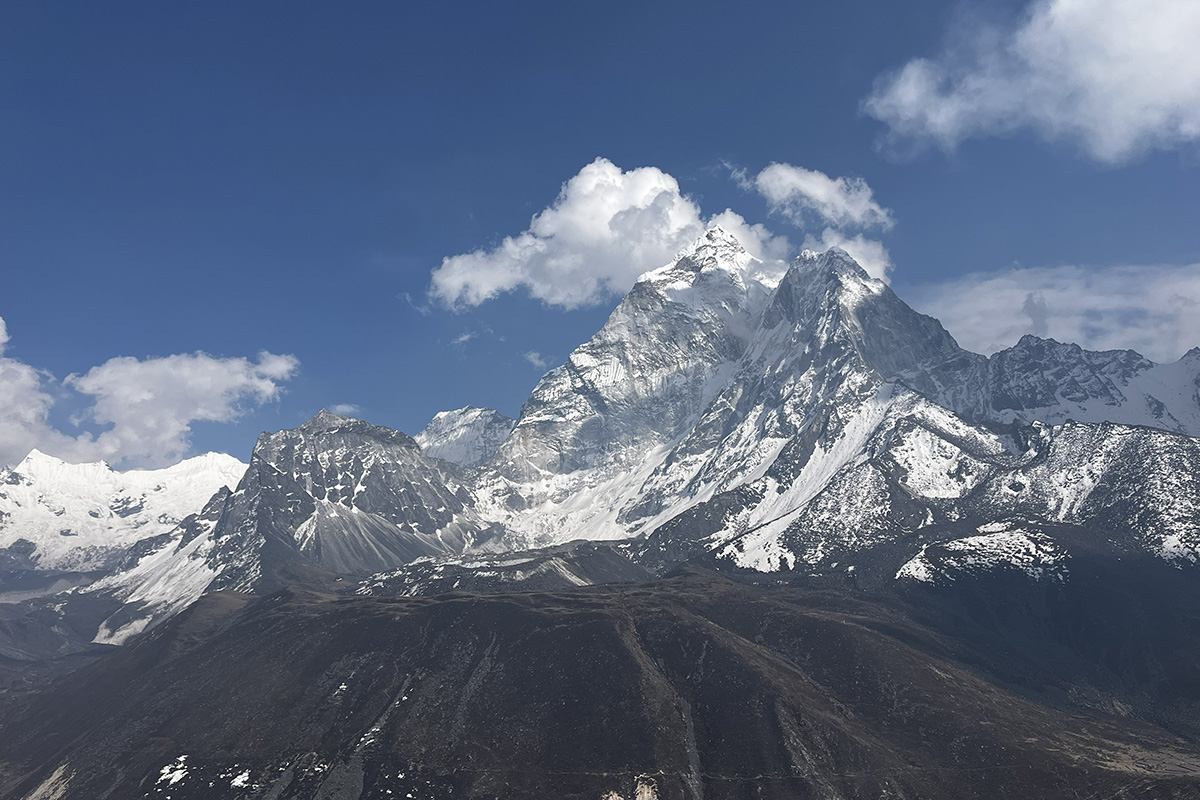
Spring, from March to May, and autumn, from September to November, offer the clearest skies and most stable weather across the Khumbu region. Both seasons give trekkers strong visibility for the Kalapatthar sunrise and clear views of Ama Dablam from Phortse. Winter turns extremely cold at higher elevations, and the summer monsoon brings rain, flight delays, and limited mountain views, which is why spring and autumn remain the recommended windows for this trek.
Permits and Documentation for the Khumjung and Phortse Trek
This trek requires permits arranged through a registered agency such as Kalapatthar Trek And Adventure. All permits are processed before departure from Kathmandu at official government rates, with no added handling fees.
  • Sagarmatha National Park Entry Permit costs USD 30 per person and supports conservation and trail maintenance across the park
  • Khumbu Pasang Lhamu Rural Municipality Fee costs USD 20 to 30 per person, collected near Lukla or Monjo
A licensed guide is mandatory on this route, and the trekking rules currently in effect no longer require a separate TIMS card for the Khumbu region.
Accommodation and Food on the Trek
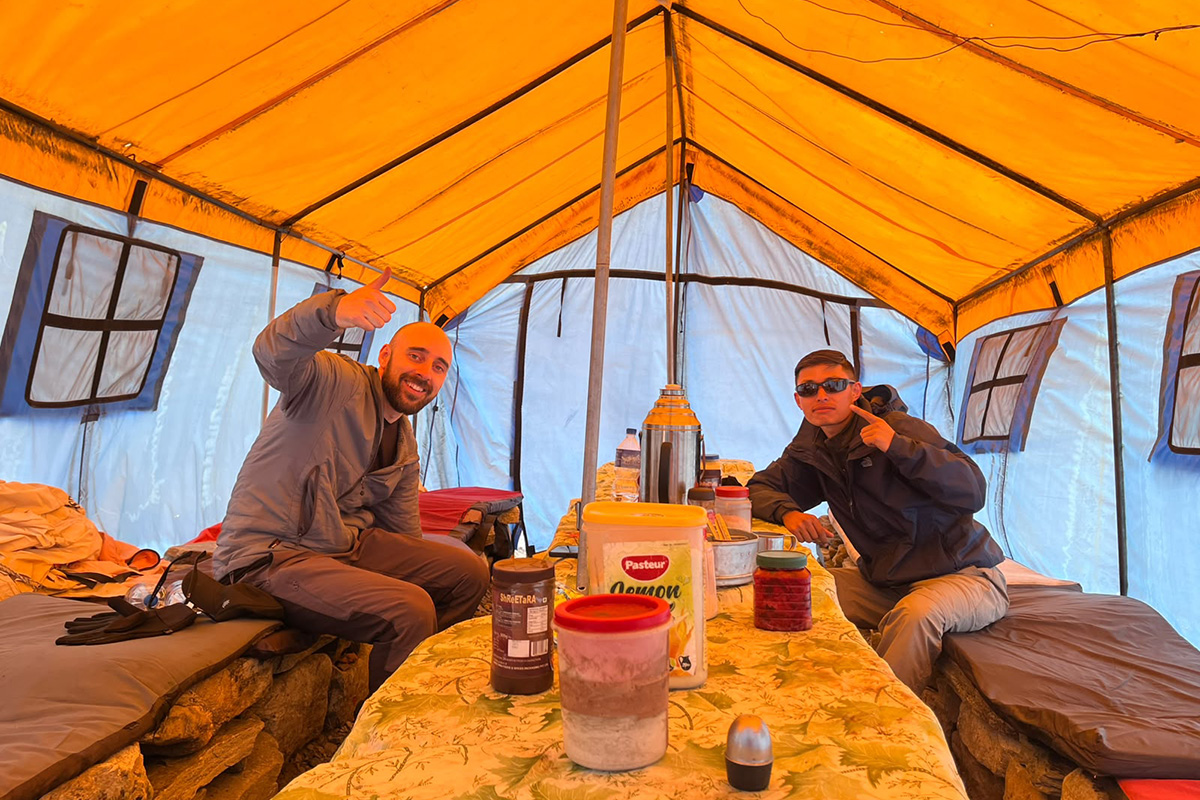
The package includes three nights in a 5-star Kathmandu hotel, with twin-sharing rooms and attached bathrooms. Along the trail, standard teahouse lodges provide clean, twin-sharing accommodation at every overnight stop, including in Khumjung and Phortse. Meals are generously provided throughout the trek, with hygienic breakfast, lunch, and dinner options and unlimited tea and coffee at every teahouse stop. Hot showers and Wi-Fi are available at many lodges for an additional charge.
Essential Packing List for the Khumjung and Phortse Trek

Clothing

  • Moisture-wicking base layers and thermal underwear, 2 to 3 sets
  • A fleece or insulating mid-layer, plus a down jacket rated to at least -15°C
  • A waterproof, windproof outer shell for wind, snow, and rain protection
  • Warm hat, inner and outer gloves, and a neck gaiter for cold mornings

Footwear

  • Waterproof, insulated trekking boots with strong ankle support, broken in before arrival
  • 4 to 5 pairs of wool or synthetic trekking socks

Backpack and Load

  • A main duffel carried by a porter, with a 20 to 25 kg weight limit per trekker
  • A 25 to 35 litre daypack for water, snacks, and personal essentials

Health and Safety

  • A personal first aid kit with blister care, pain relief, and basic antiseptics
  • Diamox for altitude sickness prevention, used only after consulting a doctor
  • SPF 50+ sunscreen and lip balm for high UV exposure at altitude
Trekking Gear and Equipment Checklist
A handful of practical items make the extended route through Khumjung and Phortse considerably more comfortable.
  • Trekking poles are recommended for the undulating sections between Khumjung and Phortse
  • A reliable headlamp with spare batteries for the pre-dawn climb to Kalapatthar
  • A reusable water bottle and purification tablets or a portable filter
  • A power bank of 10,000 to 20,000 mAh for limited charging along the route
  • A sleeping bag rated -15°C to -20°C, since teahouse blankets vary in warmth
Safety and Important Notes
Altitude sickness can affect any trekker regardless of fitness level, which is why guides monitor oxygen saturation, pulse rate, and general condition throughout the journey. The itinerary is paced specifically to support safe acclimatization rather than a fixed daily distance. Comprehensive travel insurance covering high-altitude trekking to at least 5,545 meters and emergency helicopter evacuation is mandatory for every trekker. A licensed guide is required for the full duration of the trek, since the Khumjung and Phortse sections see far less foot traffic than the main trail.

Highlights

  • Visit Khumjung Monastery and the Sir Edmund Hillary legacy sites at Khunde
  • Walk through Phortse, one of the quietest Sherpa villages on any Everest Base Camp route
  • Climb to Kalapatthar (5,545 m) for one of the closest sunrise views of Everest
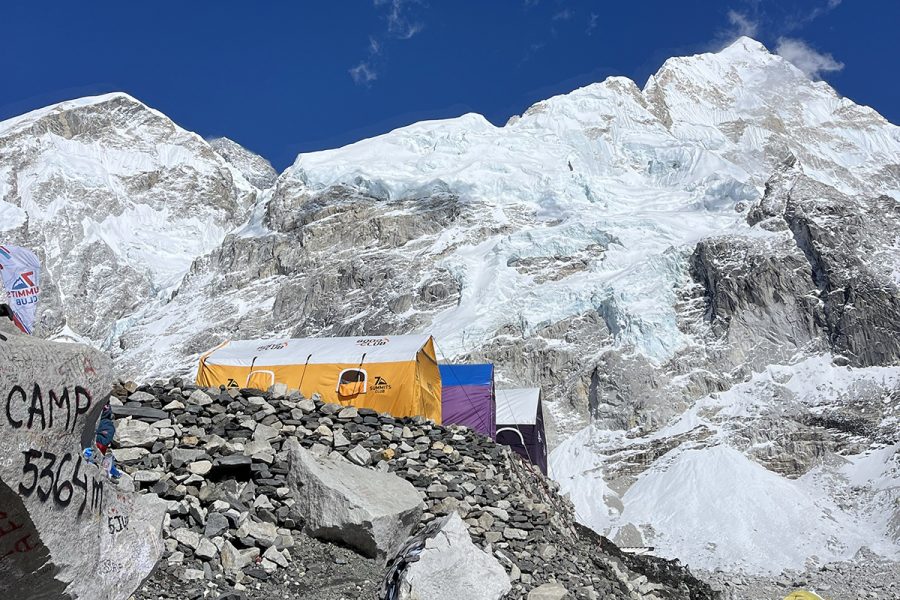
  • Reach Everest Base Camp (5,364 m), the starting point for every expedition on the Nepal side
  • Walk through Sagarmatha National Park, a UNESCO World Heritage Site rich in Himalayan wildlife

Included/Excluded

  • Trekking Guide: a professional guide with 5 to 7 years of experience in the Khumbu region, first aid trained
  • Porter Service: one porter for every two trekkers, with a maximum of 20 to 25 kg luggage each
  • Teahouse Accommodation: twin-sharing lodges throughout the trek, clean and well-maintained
  • Meals and Refreshments: breakfast, lunch, and dinner daily, with unlimited tea and coffee
  • Health Monitoring: daily checks covering oxygen saturation, pulse rate, and general condition
  • Permits: Sagarmatha National Park entry permit and Khumbu Pasang Lhamu Rural Municipality fee
  • Lukla Flights: round-trip flights between Kathmandu and Lukla, including airport taxes
  • Kathmandu Accommodation: three nights in a 5-star hotel with twin-sharing rooms
  • Ground Transportation: airport pickup and drop-off by private vehicle
  • Welcome Dinner: a traditional welcome dinner in Kathmandu on your first evening
  • International airfare to and from Nepal
  • Nepal visa fee, depending on the duration of stay
  • Travel insurance covering high-altitude trekking and emergency helicopter evacuation
  • Personal trekking gear such as a sleeping bag and down jacket, available for rent in Kathmandu
  • Extra teahouse expenses, including hot showers, battery charging, and Wi-Fi
  • Tips for guides and porters, customary but not mandatory

Itinerary

Kathmandu, 1,400 m Your journey begins the moment you land in Kathmandu, where the trek shifts from planning into motion.

  • Airport pickup and transfer to your 5-star hotel upon arrival.
  • Detailed trek briefing after check-in, covering itinerary, safety, and gear.
  • Final Q&A session and last-minute equipment checks before departure.

The day closes with the whole trek mapped out, leaving nothing but the flight to Lukla ahead of you.

Lukla 2,860 m to Phakding 2,610 m, 8 km, 3 to 4 hours A short mountain flight replaces days of overland travel and drops you straight into the Khumbu.

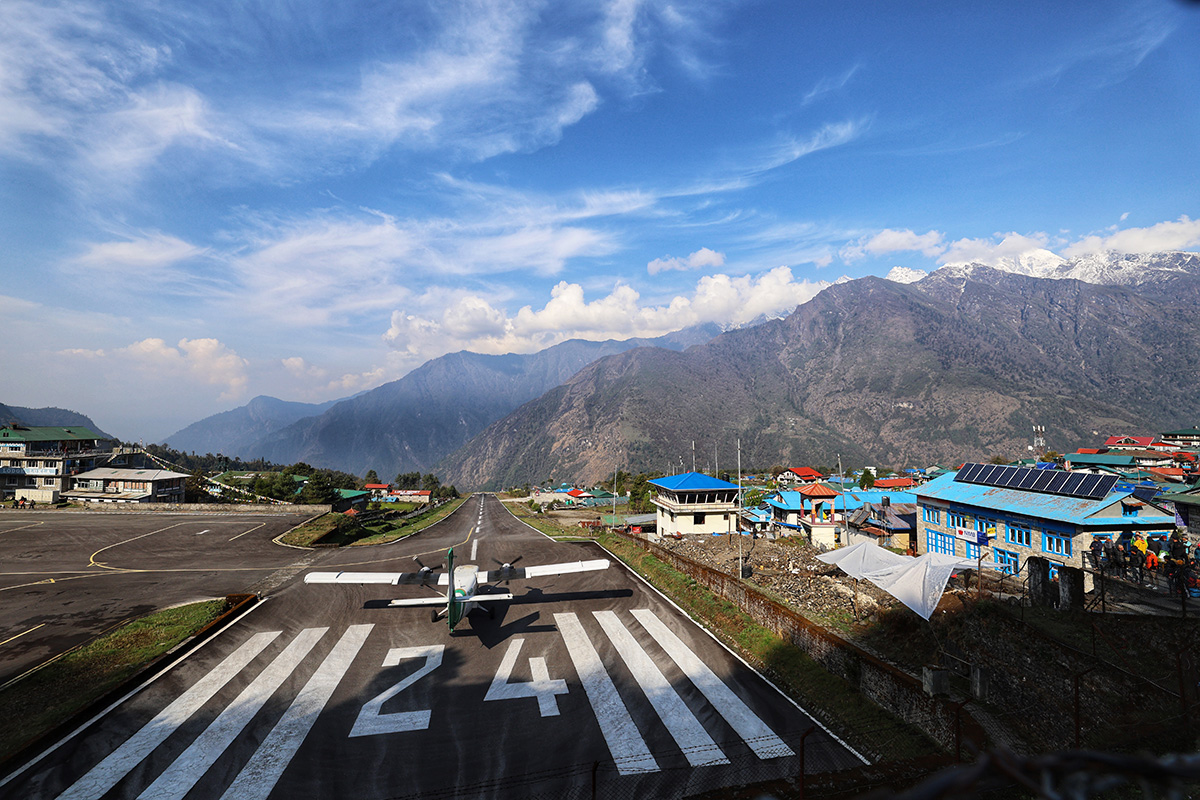
  • Scenic morning flight from Kathmandu to Lukla's Tenzing Hillary Airport.
  • Gentle descent through Sherpa villages and pine forest along the Dudh Koshi River.
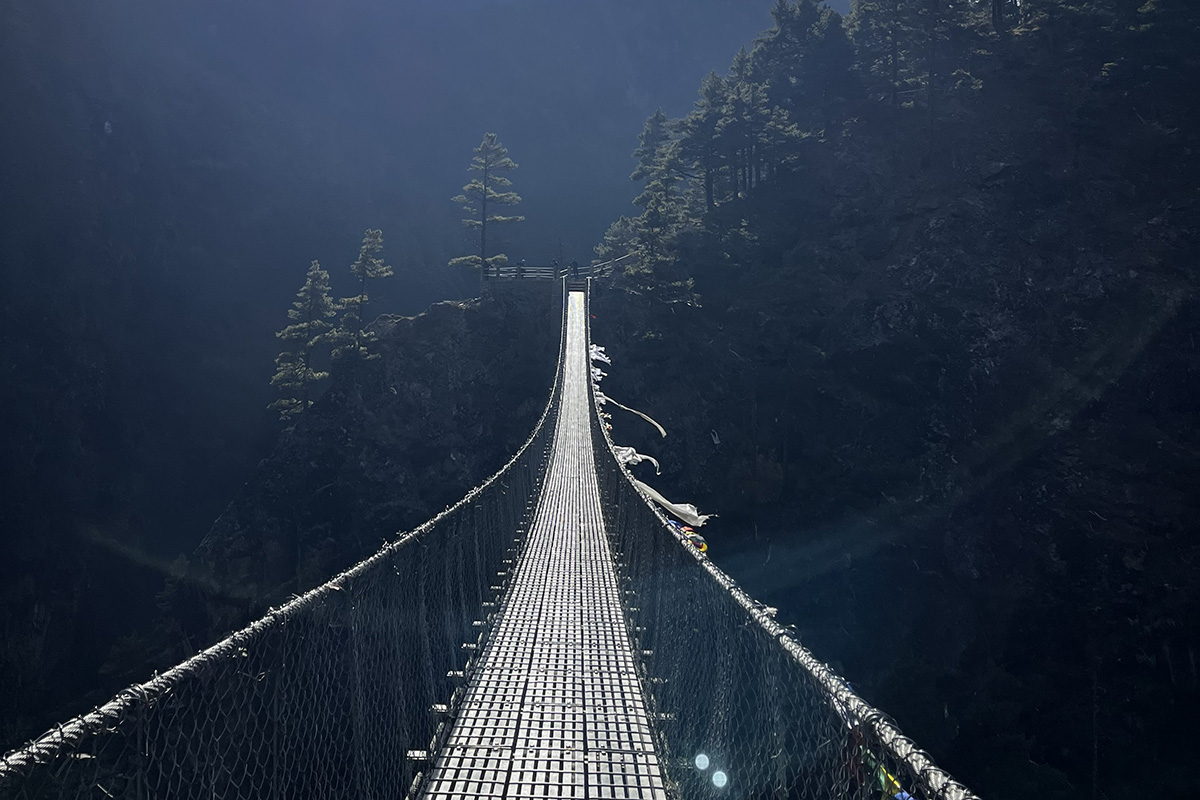
  • First crossings of several small suspension bridges en route.

Phakding marks a gentle first night on the trail, with the real climbing still to come.

2,610 m to 3,440 m, 10 to 11 km, 5 to 6 hours Today brings the first real climb of the trek, ending in the trading hub of the Khumbu.

  • Follow the Dudh Koshi River, crossing prayer-flag-strung suspension bridges.
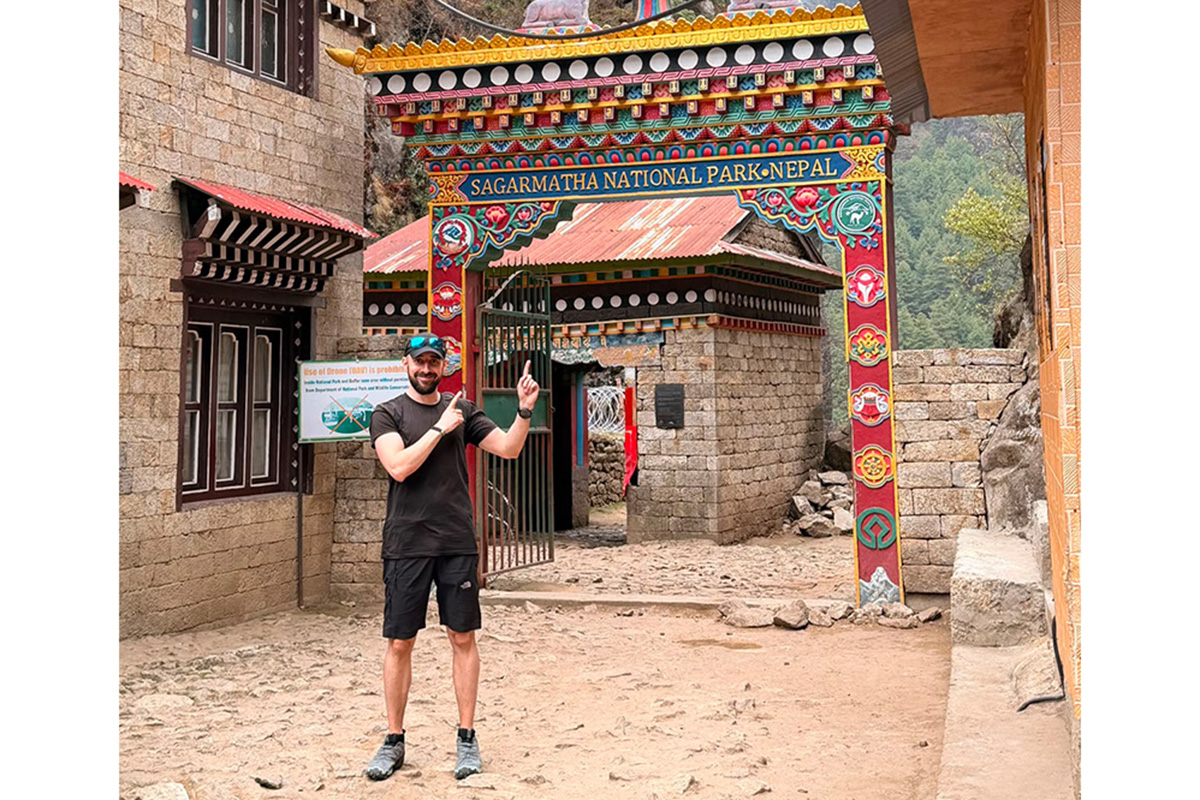
  • Enter Sagarmatha National Park via the Monjo checkpoint.
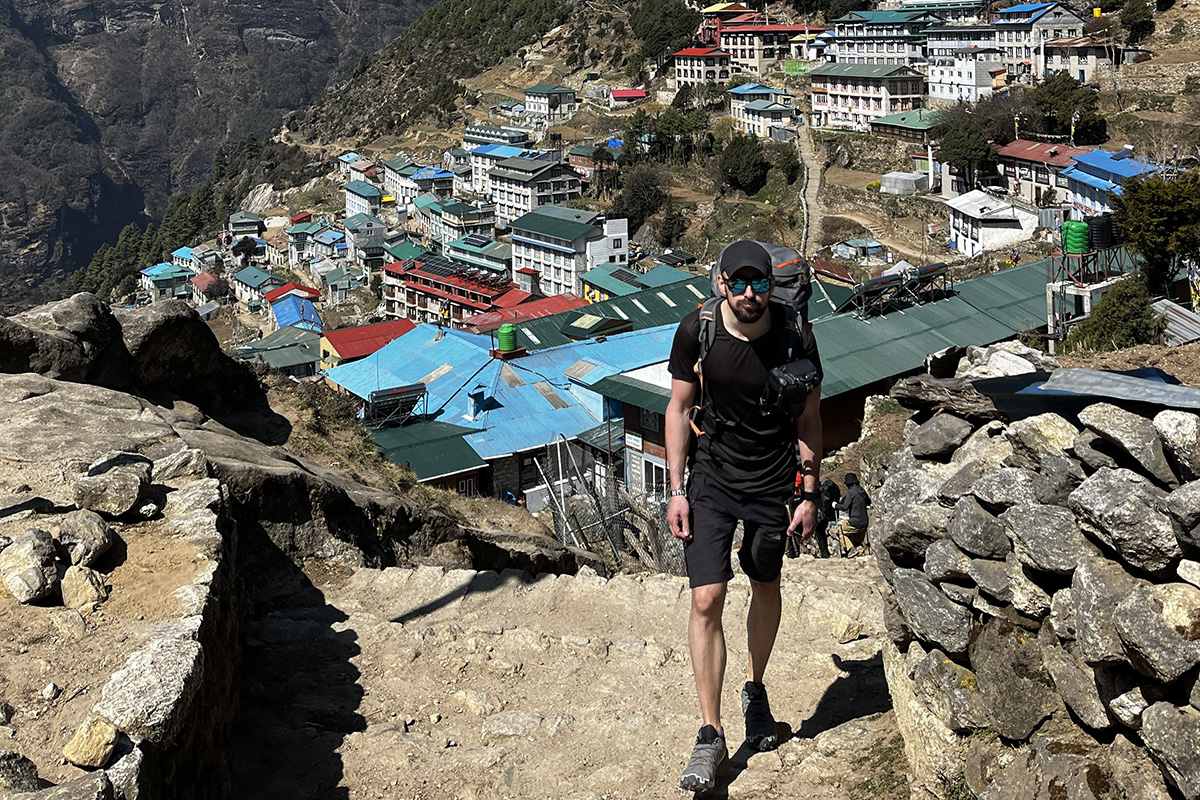
  • Steady uphill through pine and rhododendron forest into Namche Bazaar.

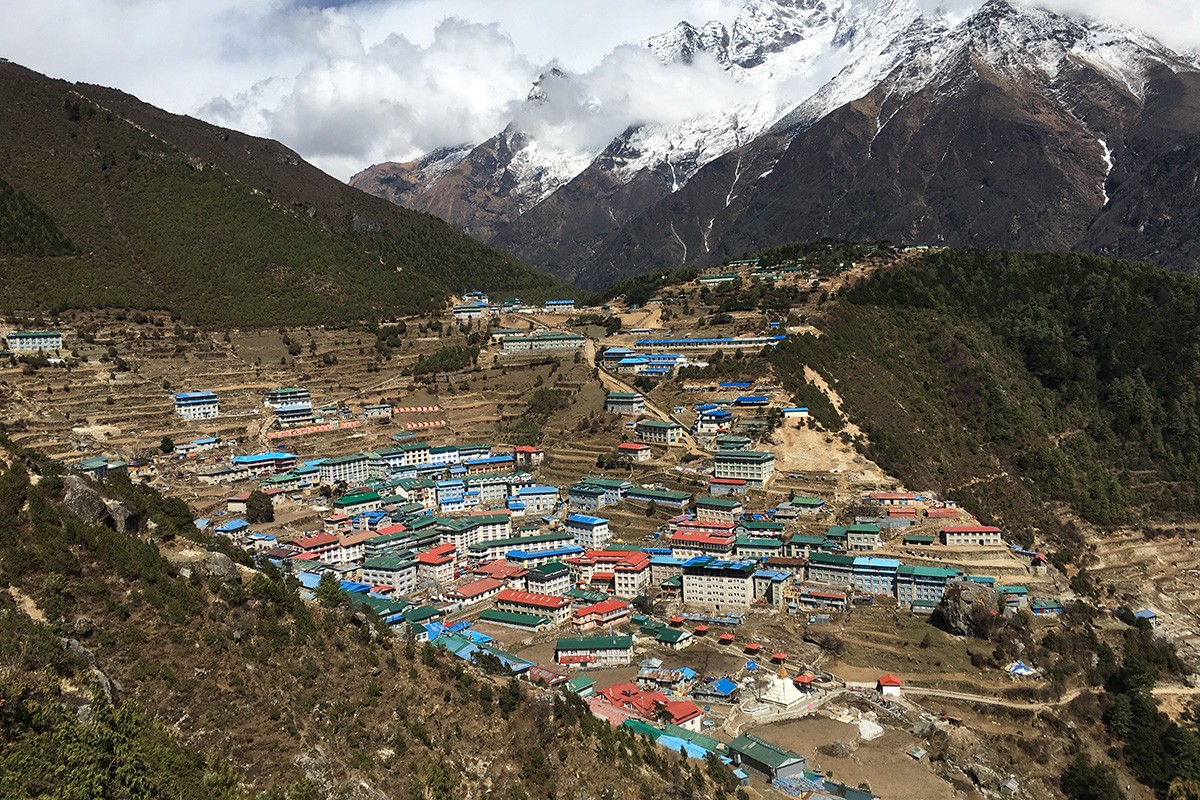
Namche's terraced streets and mountain views make for a well-earned end to a demanding day.

3,440 m, day hike to approximately 3,880 m, 4 to 5 km, 3 to 4 hours The first dedicated rest day gives your body real time to adjust before the trail climbs further.

  • Morning hike to Syangboche and the Everest View Hotel for Everest vistas.
  • Panoramic views of Ama Dablam, Lhotse, Nuptse, and Thamserku on clear days.
  • Return to Namche by early afternoon to explore shops and bakeries.

This short but essential day sets the pace for safe acclimatization through the rest of the trek.

3,440 m to 3,790 m, 6 to 7 km, 3 to 4 hours The route leaves the main EBC trail here, heading toward one of the Khumbu's most storied villages.

  • Gradual climb past Khunde to Khumjung, with traditional stone houses and mani walls.
  • Visit Khumjung Monastery, known for its Yeti folklore relic.
  • See the Khumjung Hillary School, built through Sir Edmund Hillary's Himalayan Trust.

Khumjung offers a quieter, more personal introduction to Sherpa life than the busier trail below.

3,790 m to 3,930 m, 13 to 14 km, 6 to 7 hours A high traversing trail carries the route through Phortse, one of the least visited villages on any EBC itinerary.

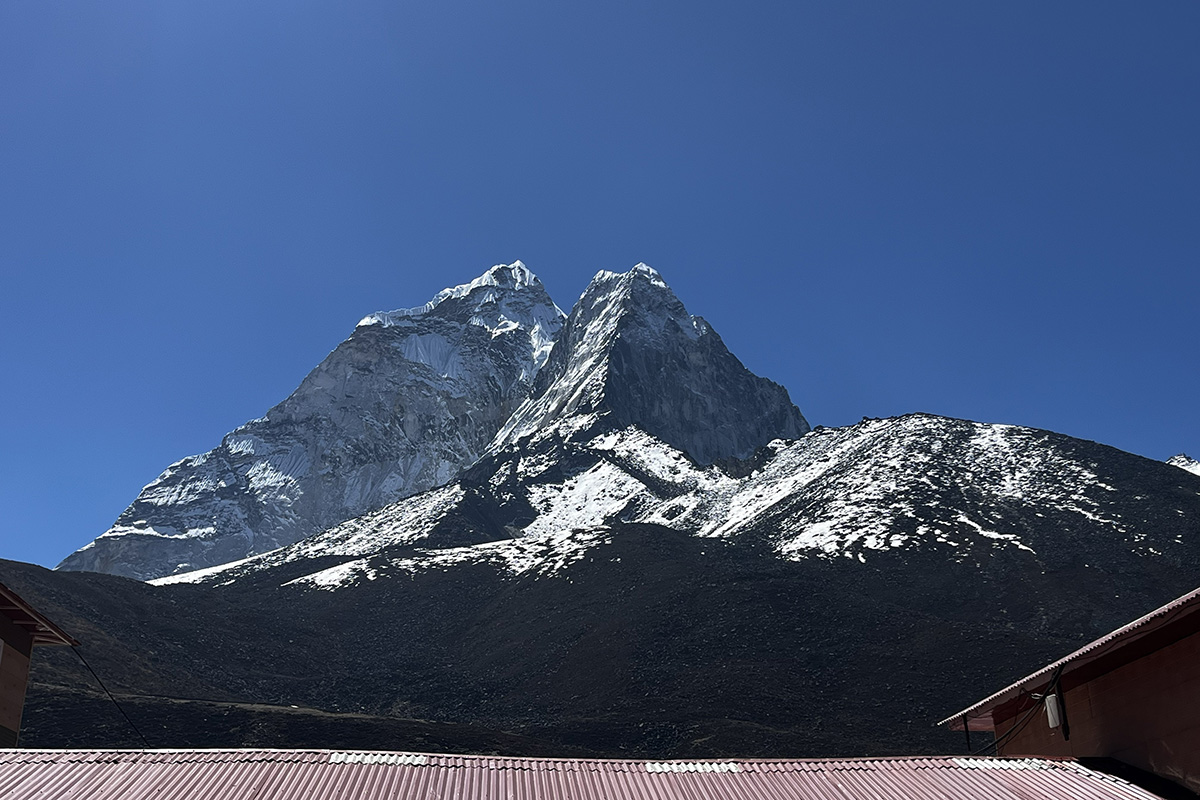
  • Wind through rhododendron and juniper forest with steady Ama Dablam views.
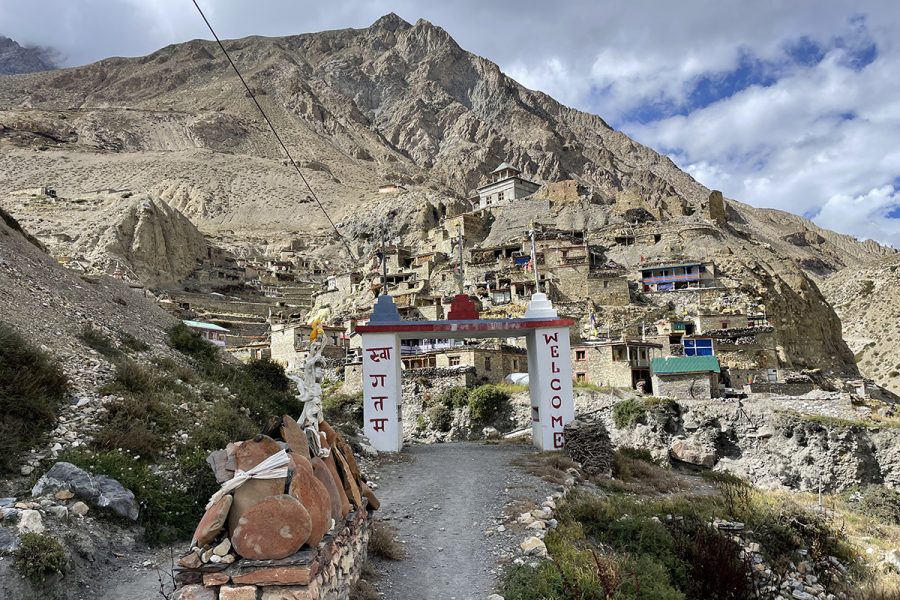
  • Pass through Phortse, a scattering of stone houses on a terrace above the Dudh Koshi.
  • Continue rugged terrain toward Upper Pangboche, away from crowds.

The day's distance is considerable, but the near-total absence of crowds makes it worthwhile.

3,930 m to 4,410 m, 8 to 9 km, 4 to 5 hours The trail rejoins the classic Everest Base Camp route here, climbing into increasingly alpine terrain.

  • Follow the Imja Khola valley as tree cover thins with elevation gain.
  • Enjoy prominent morning views of Ama Dablam, Island Peak, and Lhotse.
  • Approach Dingboche across open, wind-exposed upper Khumbu terrain.

Dingboche's stone-walled fields mark the gateway to the trek's highest and most demanding stages.

4,410 m, day hike to approximately 4,800 to 5,000 m, 4 to 6 km, 3 to 5 hours A second dedicated rest day prepares the body for the altitude still ahead.

  • Gradual hike toward Nagarjun Hill, gaining several hundred meters before returning.
  • Continuous views of Ama Dablam, Lhotse, and Island Peak during the climb.
  • Full health check by guides on every trekker before proceeding higher.

This second acclimatization day meaningfully lowers the risk of altitude illness on the days ahead.

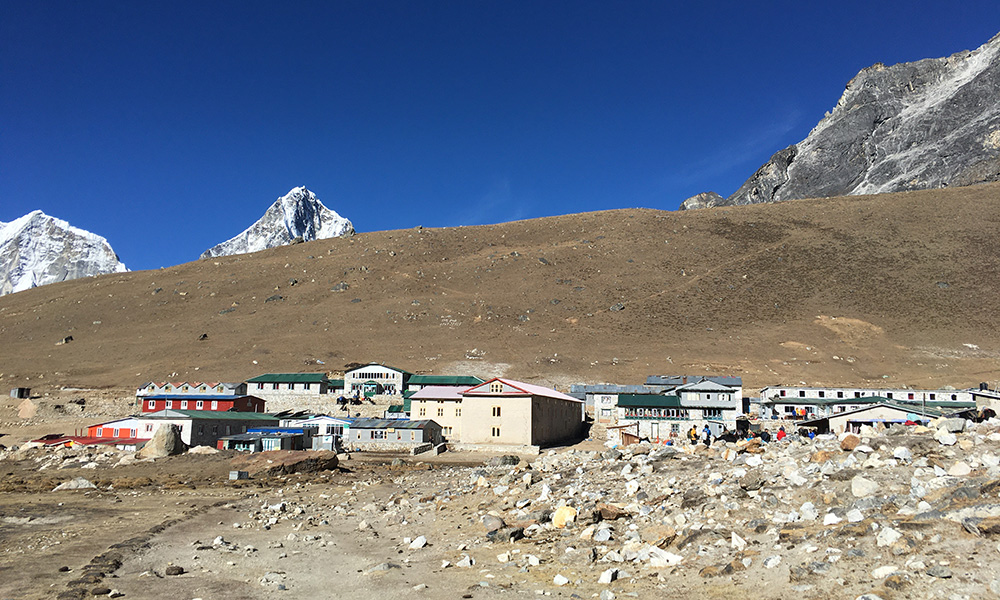
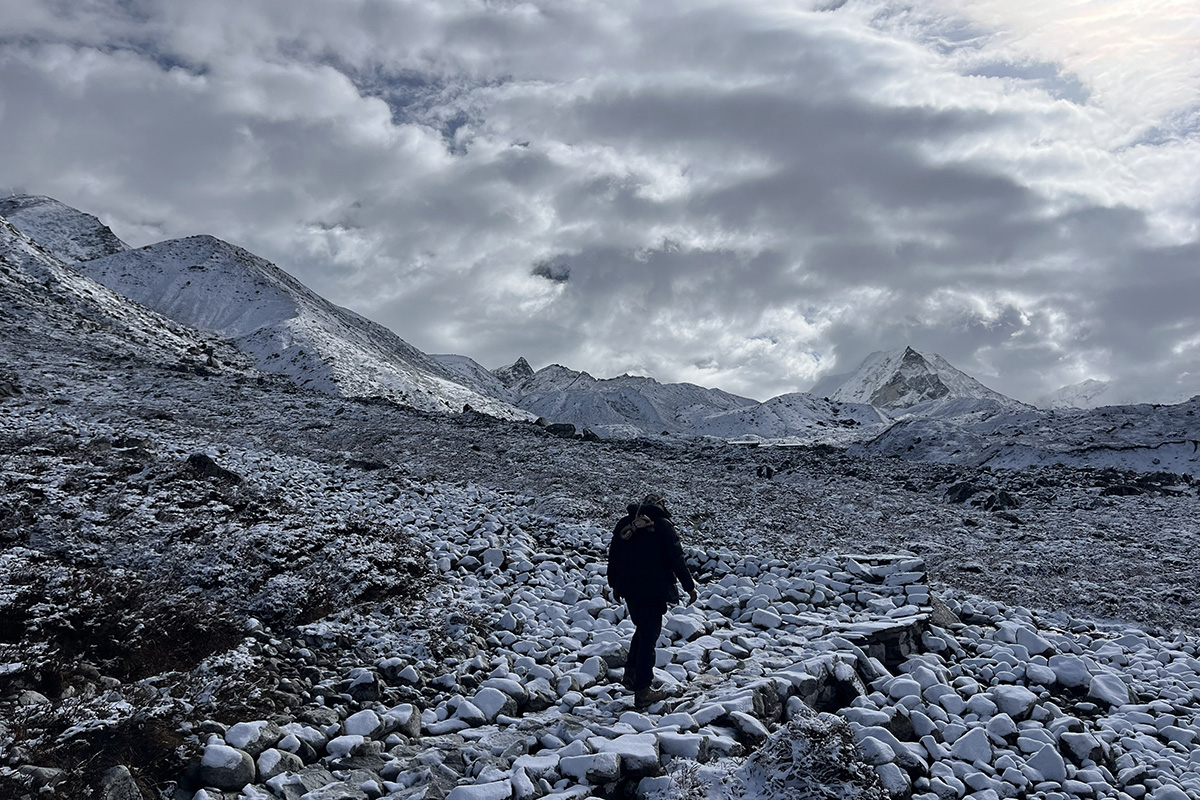
4,410 m to 4,910 m, 11 km, 5 to 6 hours The trail climbs into the high alpine zone, tracing the edge of the Khumbu Glacier moraine.

  • Pass through Thukla, then steep climb to the memorial area for lost climbers.
  • Transition from grassland to bare glacial moraine landscape.
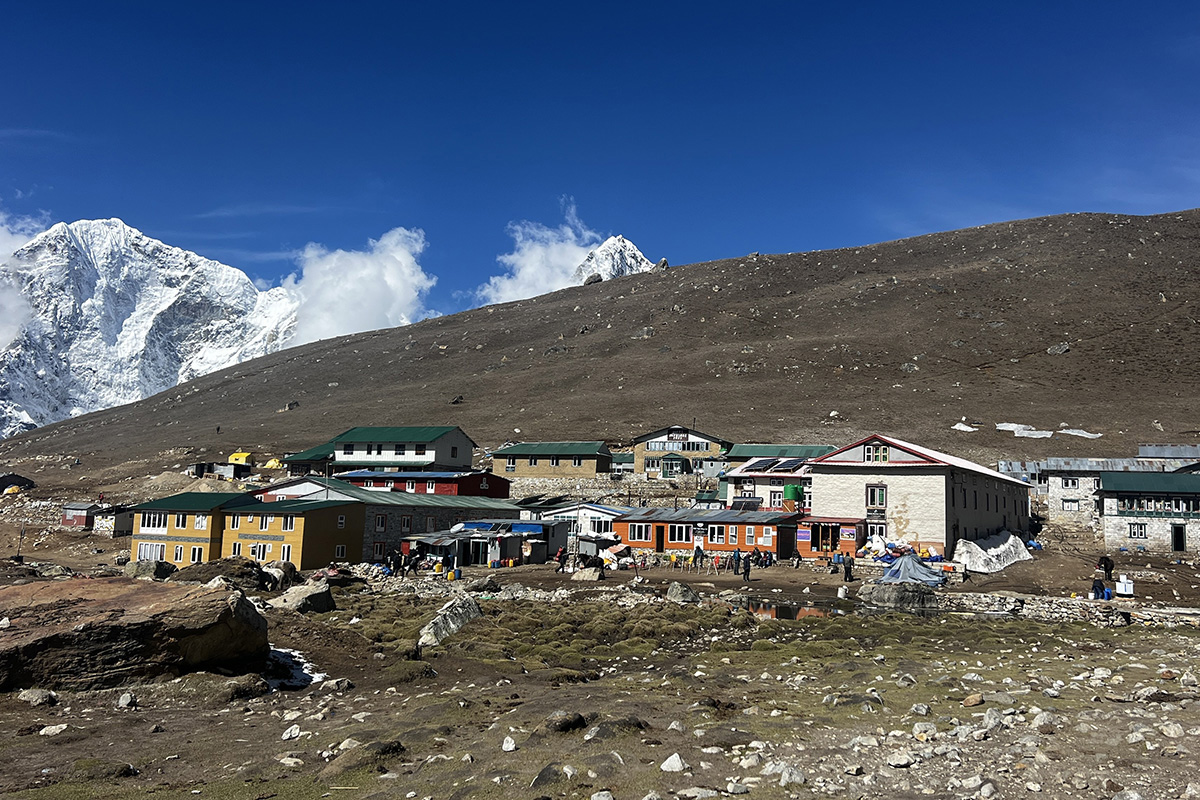
  • Arrive in Lobuche, nestled in a narrow valley flanked by dramatic peaks.

The mood shifts noticeably here, as the trail closes in on Everest Base Camp itself.

Lobuche 4,910 m to Gorak Shep 5,164 m to EBC 5,364 m, 13 km total, 7 to 9 hours This is the day most trekkers picture when they first imagine the trek.

  • Cross rugged glacial moraine to Gorak Shep, the last settlement before Base Camp.
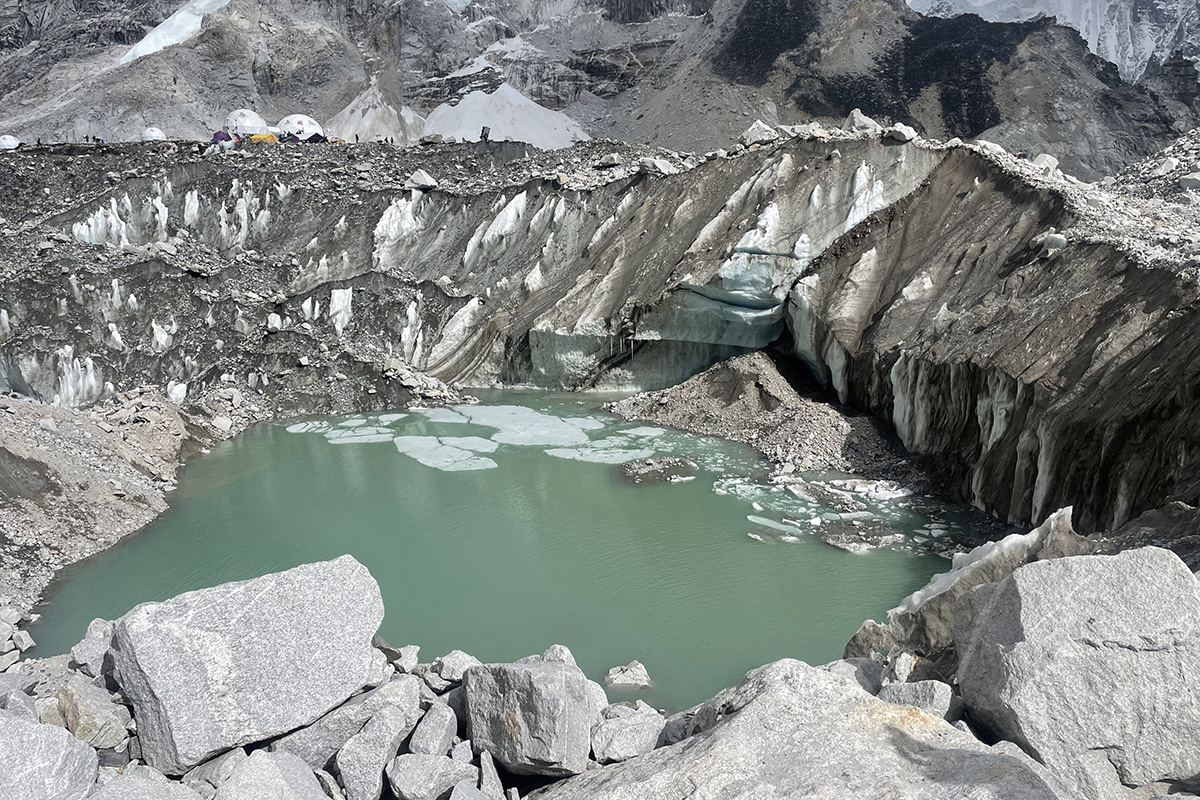
  • Continue across the Khumbu Glacier to Everest Base Camp at 5,364 meters.
  • View the Khumbu Icefall and climbing-season tents at Base Camp.

The group returns to Gorak Shep for the night, already looking ahead to Kalapatthar at dawn.

Kalapatthar 5,545 m, then descend to Pheriche 4,240 m, 12 to 13 km, 7 to 8 hours An early start carries the group to the highest point of the entire trek before sunrise.

  • Pre-dawn climb to Kalapatthar for unobstructed sunrise views of Everest.
  • Breakfast back in Gorak Shep, then downhill through the Khumbu Valley.
  • Welcome descent to Pheriche after two days above 5,000 meters.

Reaching Pheriche marks the psychological turning point of the trek, with the descent now underway.

4,240 m to 3,440 m, 20 km, 7 to 8 hours A long descent retraces familiar ground, this time with the hardest climbing behind you.

  • Pass back through Pangboche and Tengboche toward Namche.
  • Notice warmer air and denser forest cover at lower elevations.
  • Long but gradual downhill grade makes for easier walking than the ascent.

Namche Bazaar offers a comfortable, familiar stop before the final push back to Lukla.

3,440 m to 2,860 m, 18 km, 7 to 8 hours The final trekking day closes the loop, following the Dudh Koshi back toward its starting point.

  • Retrace suspension bridges and riverside path from Day 3.
  • Pass familiar Sherpa villages at a noticeably faster pace.
  • Final climb into Lukla marks the physical end of the trekking route.

A shared meal in Lukla that evening usually turns into a celebration of the distance covered.

Lukla 2,860 m to Kathmandu 1,400 m, 35 to 40 minute flight The final flight closes out the adventure, weather and schedules permitting.

  • Morning flight from Lukla returns the group to Kathmandu in under an hour.
  • Transfer to hotel or directly to the airport, depending on onward plans.
  • Free time in Kathmandu for rest, shopping, or last-minute sightseeing.

The trek ends where it began, with the Khumbu now firmly behind you as a finished journey.

Durations

Multi day

Trip Grade

Moderate to Strenuous

Accommodation

Hotel + Lodge + Tent

Best Season

Autumn
Spring

Frequently asked questions

This route adds a detour through Khumjung and Phortse, two Sherpa villages the standard EBC trail bypasses, before rejoining the classic path near Pangboche.

Yes, provided the itinerary includes proper acclimatization days and the trekker follows a gradual pace under the guidance of an experienced guide. No technical climbing skill is required.

Spring, running from March through May, and autumn, running from September through November, offer the most stable weather and the clearest mountain visibility.

Yes, a licensed guide is mandatory on this route, and this is especially important through the quieter Khumjung and Phortse sections, where trails are less clearly marked.

Both villages have teahouse lodges offering twin-sharing rooms and hygienic meals, though facilities are simpler than in Namche Bazaar.

No, the TIMS card is no longer required for treks in the Khumbu region, since it has been replaced by the Khumbu Pasang Lhamu Rural Municipality fee.

Porters carry a maximum of 20 to 25 kg per trekker, a limit maintained specifically to protect porter health and welfare throughout the journey.

Yes, comprehensive travel insurance covering high-altitude trekking to at least 5,545 meters and emergency helicopter evacuation is required for every trekker.

Khumjung holds a historic monastery and the schools and hospital built through Sir Edmund Hillary's Himalayan Trust, while Phortse offers one of the quietest Sherpa villages left on any EBC route.

A good baseline of cardiovascular fitness helps, since trekkers walk 4 to 9 hours a day on uneven terrain, though no technical climbing background is required.

Tour's Location

Reviews

0/5
Not Rated
(0 Reviews)
Excellent
0
Very Good
0
Average
0
Poor
0
Terrible
0
0 reviews on this Tour - Showing 1 to 0

Write a review

From: $0
0 (0 Reviews)

Owner

Mishek Limbu

Member Since 2026
Information Contact

Email

info@kalapatthartrek.com

Website

https://kalapatthartrek.com/

Phone

‪+977 - 9843648522

Fax

‪+977 - 9843648522

Explore other options