
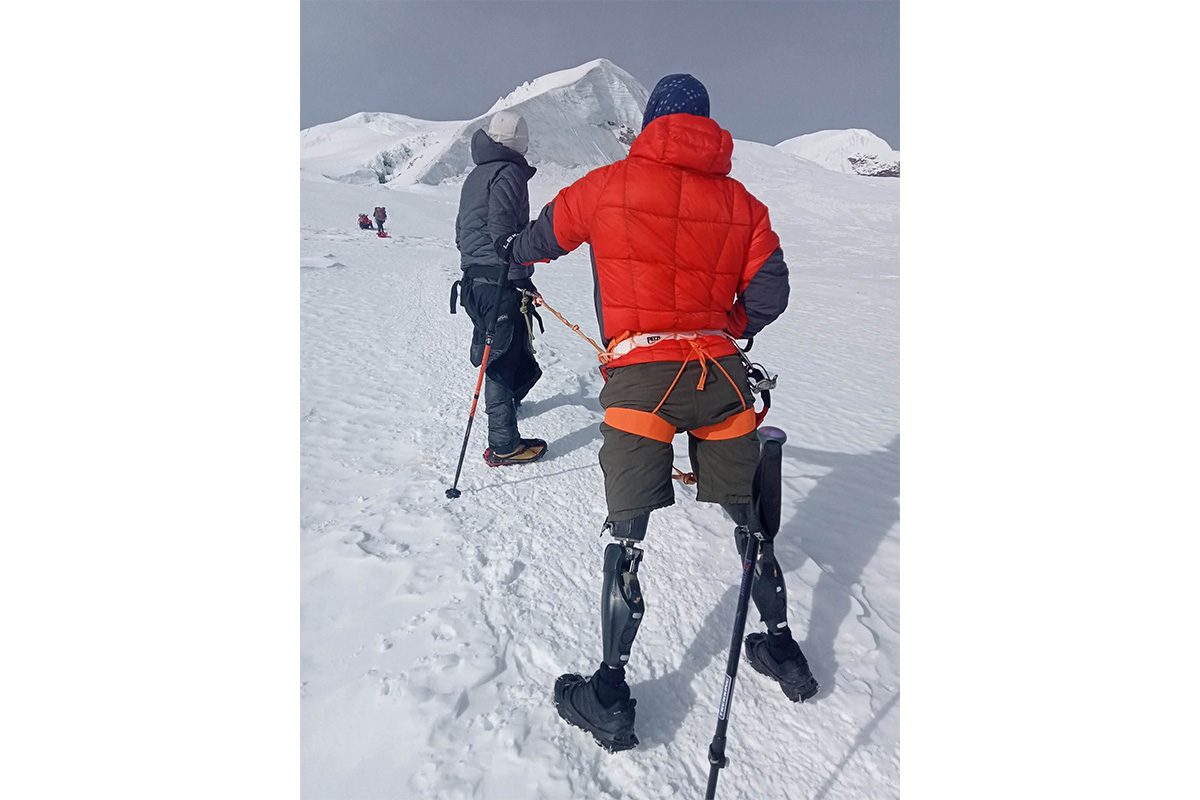

Nepal offers limitless opportunities for trekking, climbing expeditions, and other thrilling activities such as skydiving, paragliding, and jungle safaris. Every year, hundreds of thousands of travelers from around the world visit Nepal to experience its natural beauty and adventurous spirit. Travel and adventure are essential for happiness, and everyone has the right to enjoy these experiences. Tours & Adventure must be accessible to everyone in the world, regardless of physical ability.
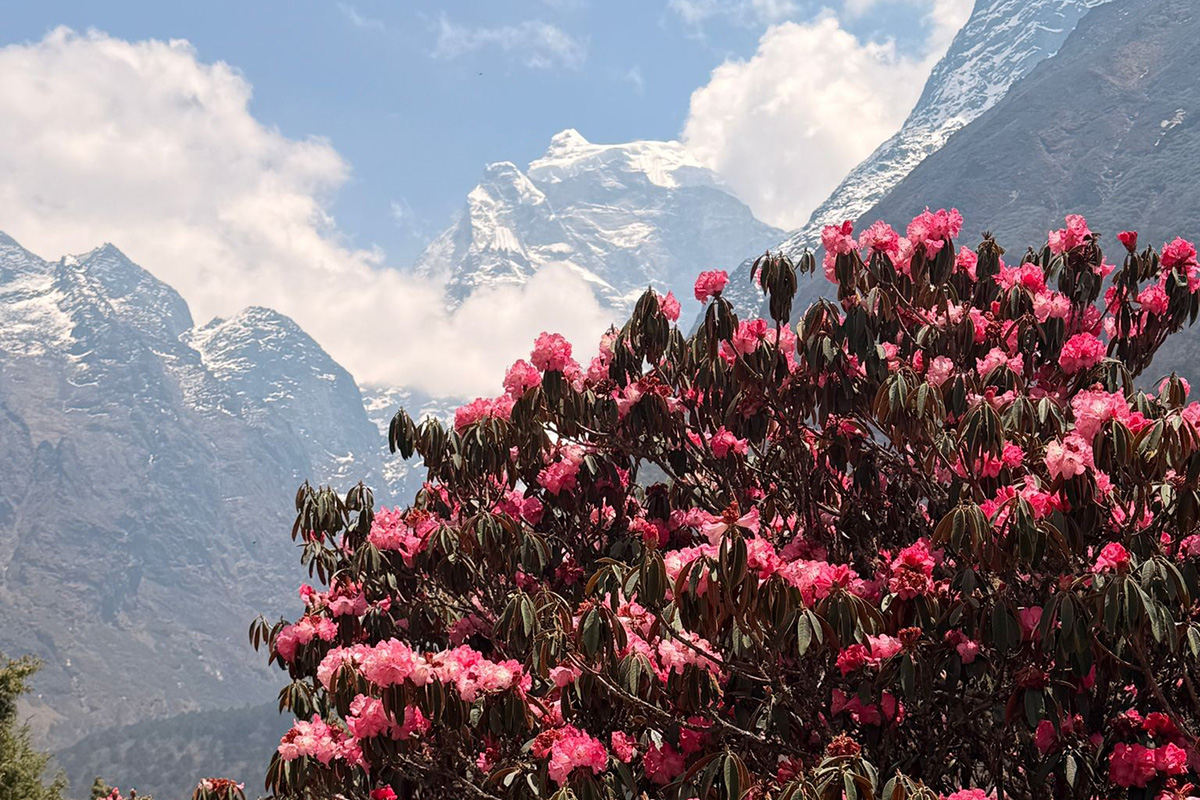
This guide explores how differently abled adventurers can experience the Himalayas, the extraordinary achievements of adaptive climbers, and how inclusive trekking is becoming a reality in Nepal.
The Global View of Disability
According to the World Health Organization, an estimated 1.3 billion people worldwide experience significant disabilities, representing approximately 16 percent of the global population. While disability rates increase with age, a substantial portion of this population includes children and working-age adults.
In the United States alone, as of early 2025, there are approximately 5.5 million veterans with service-connected disabilities. Disability rates among younger veterans under 45 are rising faster than among older cohorts, with roughly 39 percent of post-9/11 veterans reporting a service-connected disability.

You May Also Prefer Reading: People of Nepal: Newar
Millions of people around the world are differently abled, due to birth, accidents, or other circumstances. Many have made remarkable historic contributions to society and deserve the opportunity to explore and experience the world. Their rights and achievements must be acknowledged and celebrated globally.
Extraordinary Achievements in Adaptive Mountaineering
Differently abled individuals have already achieved extraordinary feats in adventure. Mount Everest has been summited by several extraordinary differently abled climbers who have redefined the limits of human resilience. In 1998, Tom Whittaker became the first disabled person in history to reach the summit, climbing on an artificial leg after losing his foot in a car accident nearly two decades earlier.
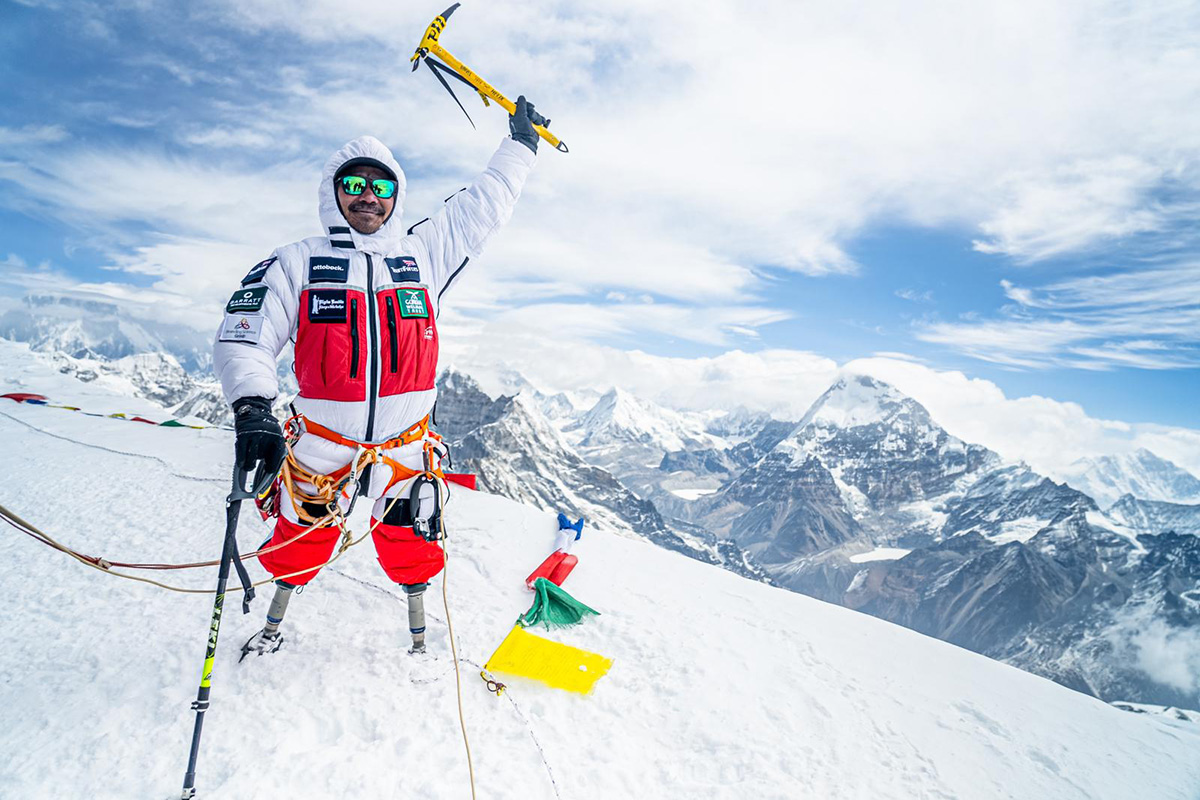
In 2023, Nepali-born Gurkha veteran of the British Army Hari Budha Magar, who lost both legs in Afghanistan in 2010, successfully summited Mount Everest. Many others with disabilities, even with one leg, visual impairments, or other challenges, have accomplished some of the world’s most daring adventures. In 2001, Erik Weihenmayer became the first blind person to reach the summit, showcasing remarkable adaptation and teamwork. Mark Inglis followed in 2006 as the first double amputee to summit with prosthetics, having lost both legs to frostbite years before.
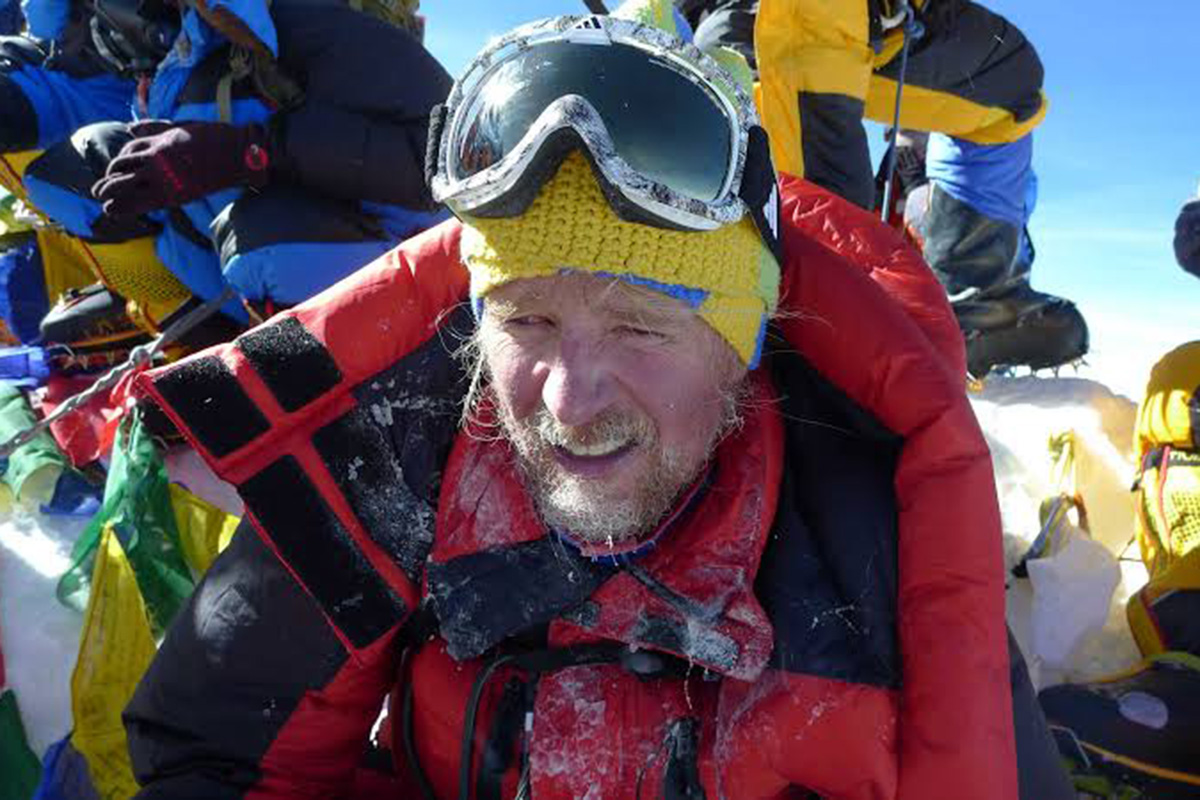
Andy Holzer, blind from birth, became the second blind person to summit Everest in 2017, the first to do so via the northern route from Tibet, and later completed all Seven Summits. Similarly, Arunima Sinha conquered Everest in 2013 after losing a leg, inspiring millions, and in 2018 Xia Boyu reached the peak at age 69, on his fifth attempt, decades after losing both legs below the knee.
Also Read: People of Nepal: Sherpa
Most recently, in May 2026, Russian former paratrooper Rustam Nabiev made history by summiting Everest using only his arms, without prosthetic limbs, after losing both legs in a military barracks collapse in 2015. Nabiev reached the summit on May 20, becoming the first person ever to complete the climb this way, a feat that included nearly 15 hours crossing the Khumbu Icefall by hand alone.
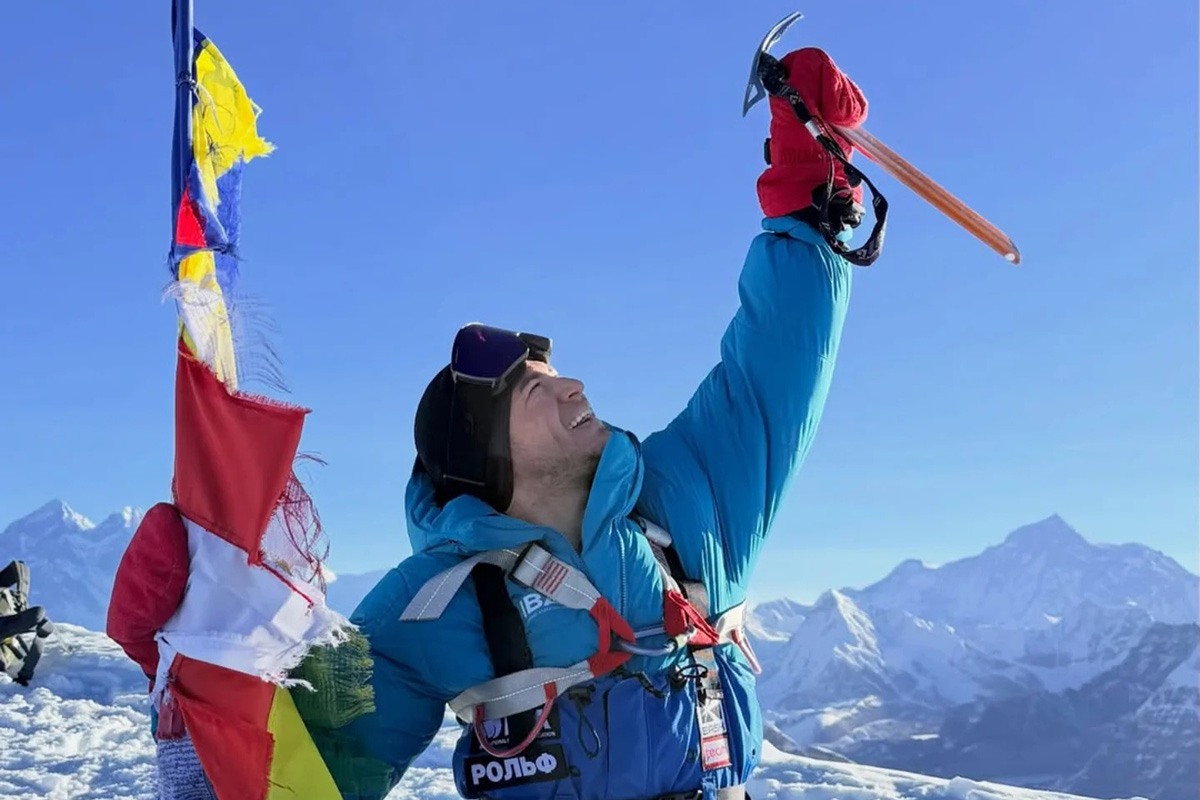
Nabiev had already climbed Mount Elbrus and Manaslu before attempting Everest, and he dedicated the achievement to others facing hardship, calling it a symbol of resilience beyond mountaineering itself.
How Kalapatthar Trek & Expedition Makes Adventure Accessible
When organizing expeditions or treks, it is crucial to consider the unique needs of differently abled participants. With proper planning and support, these adventures are achievable.
- Double or single amputees can trek with additional manpower and logistical support
- Visually impaired or hearing-impaired individuals can climb or trek safely with experienced professional guides
- Even reaching Everest Base Camp can be facilitated with the use of horses or other assistive measures
Our team has hands-on experience in organizing such inclusive expeditions. In April 2023, one of our team leaders successfully guided the world’s largest group of veterans, 90 percent of whom were differently abled, to Everest Base Camp.
Plan Your Own Accessible Himalayan Adventure in Nepal
The climbers above proved that disability isn’t a barrier to reaching some of the most demanding routes on Earth. Reaching Everest Base Camp, or any of Nepal’s more accessible trekking routes, is realistic for far more people than commonly assumed, with the right guides, equipment, and planning behind it.
We, at Kalapatthar Trek & Expedition Pvt. Ltd., believe the Himalayas should welcome every trekker, not just the able-bodied. Our guides take professional care in planning each adaptive journey, considering the smallest daily comforts & full support along the trail. Even if you’re an amputee, a veteran, living with a visual or hearing impairment, or any sort of disability, our team is here to walk beside you, every step of the way. Every trip is supported by dedicated extra manpower, 24/7 medical assistance, and comprehensive backup services, including instant emergency rescue protocols, to ensure maximum safety and comfort throughout the journey.
Safety is prioritized by closely following real-time, professional weather forecasting reports throughout the journey. Recognizing that every adaptive climber has unique needs, we offer fully flexible itineraries, adjusting the pace and route to provide a safe, accessible, and smooth Himalayan experience.
This article honors the historic feats of adaptive adventurers and the organizations working to make the Himalayas accessible to all.
0 Comment