
13 Days
Daily Tour
10 people
___
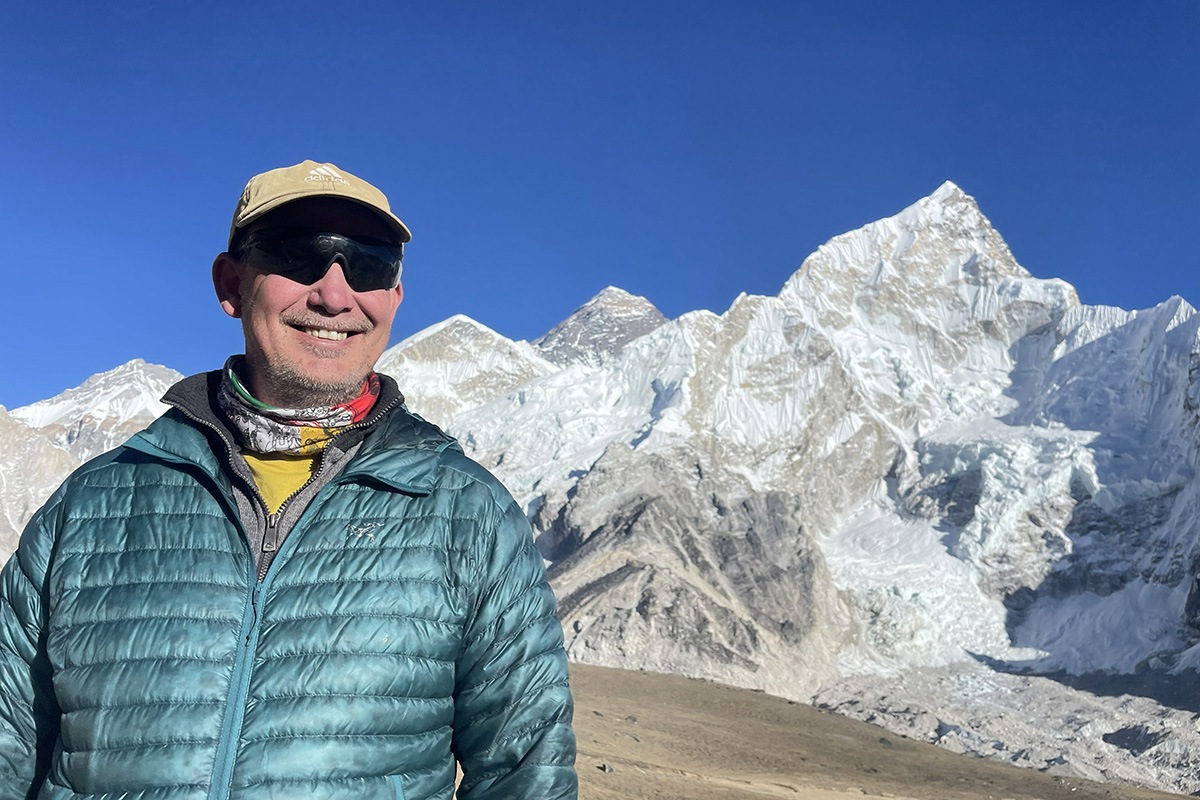
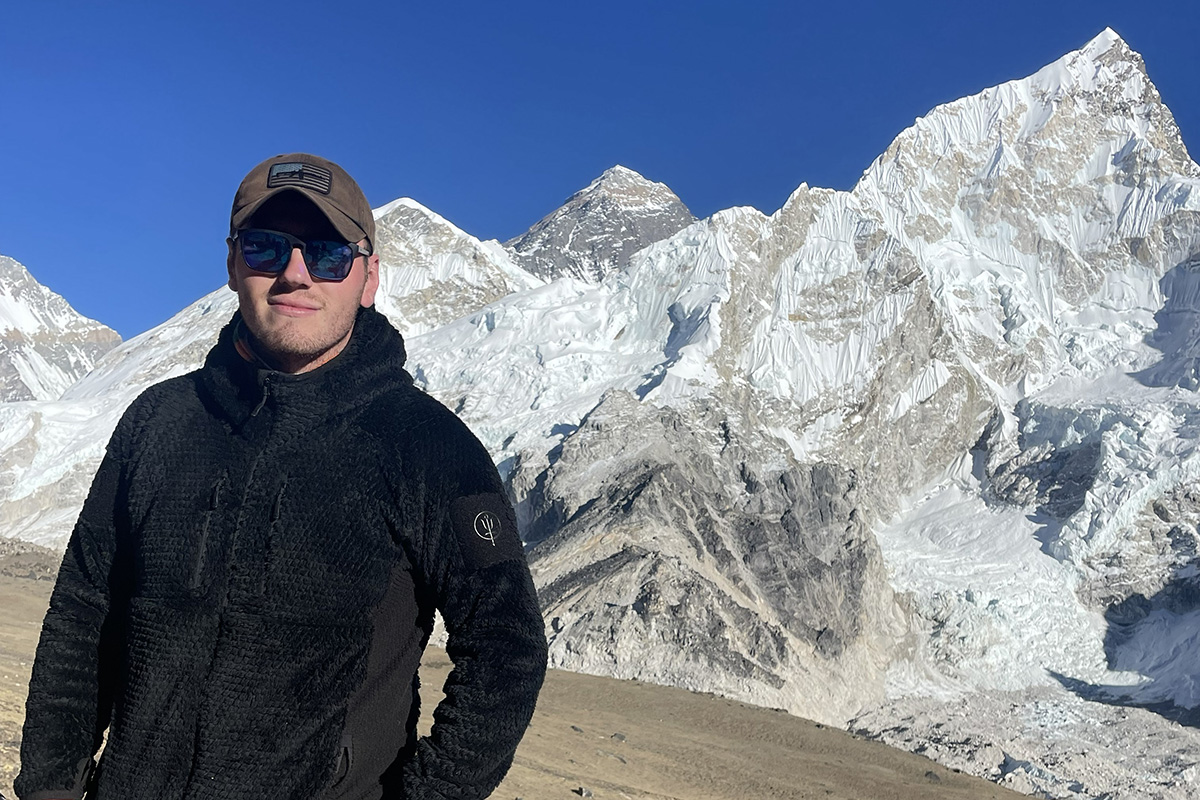
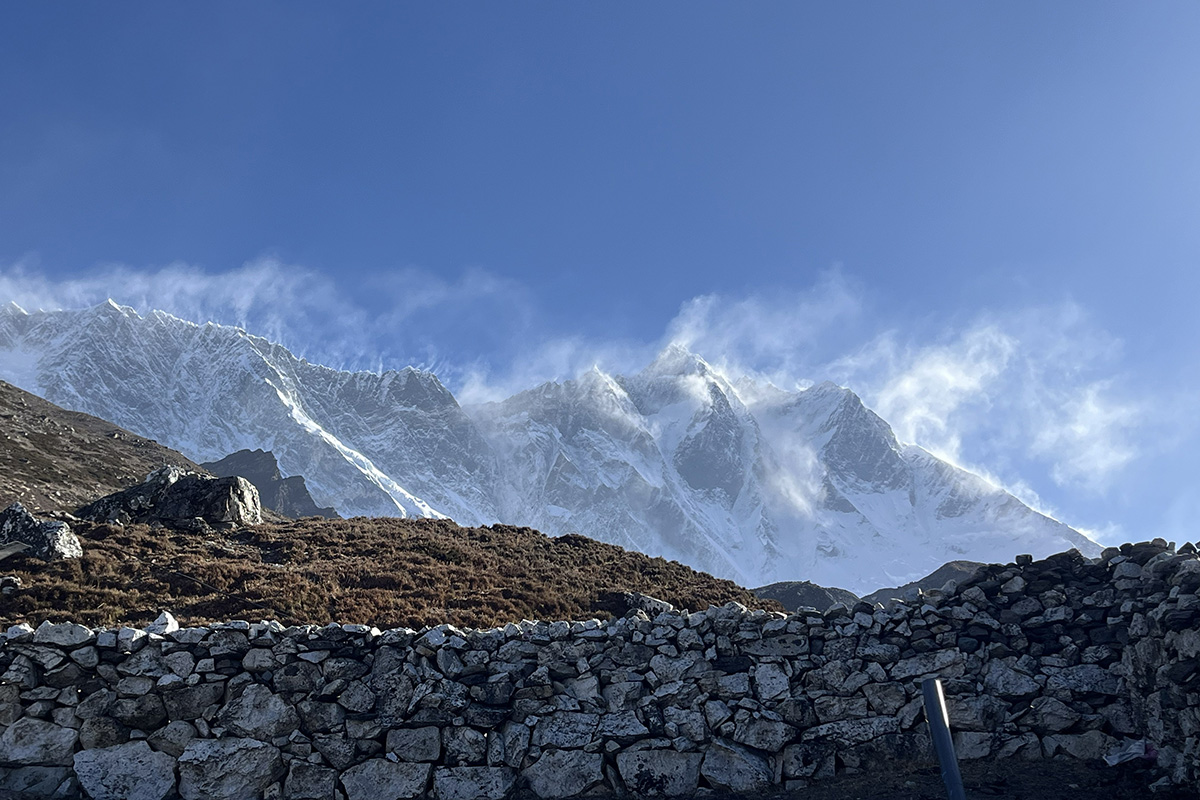
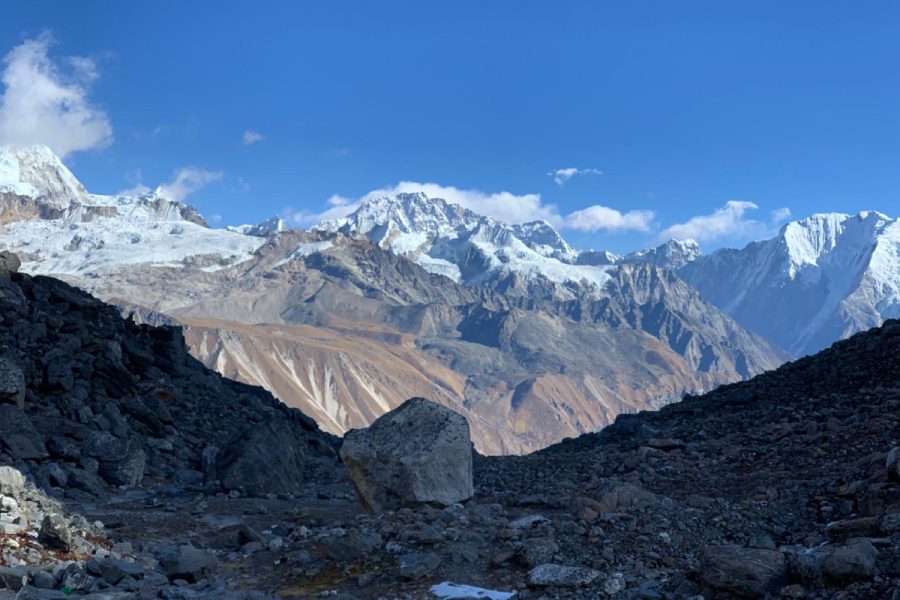
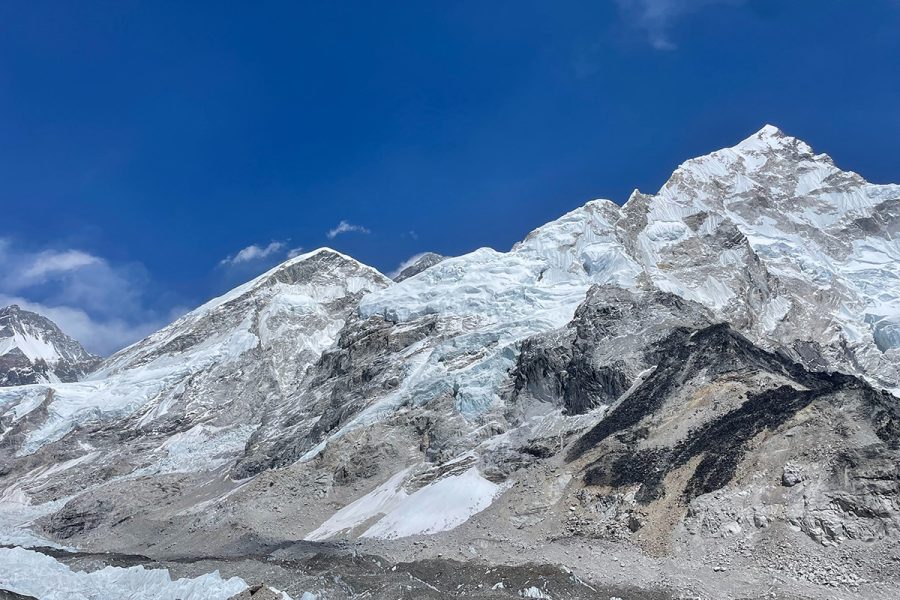
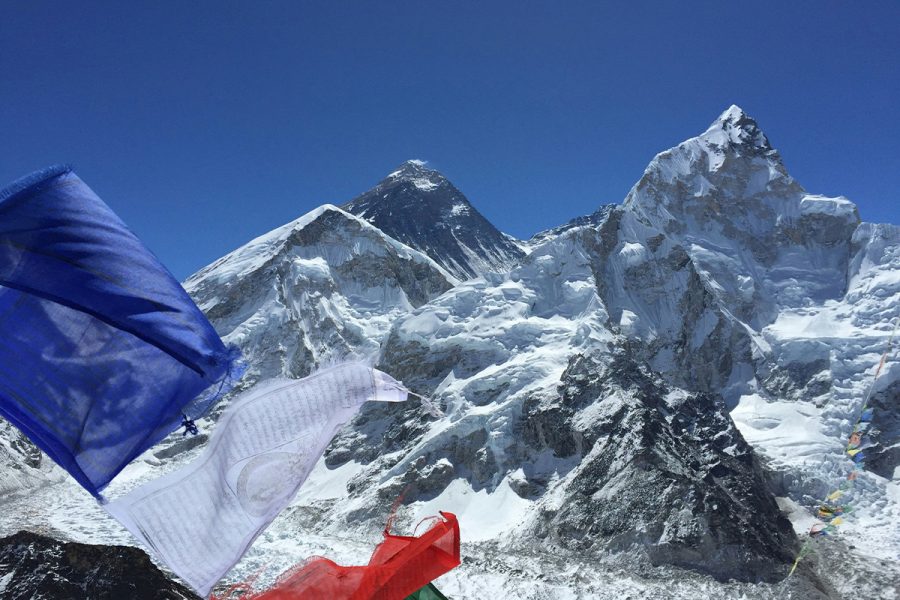
Everest Base Camp sits directly beneath a wall of neighboring peaks, and Nuptse blocks a clear line of sight to the summit from that exact spot. Kalapatthar solves this problem entirely, opening an unobstructed view across Everest, Nuptse, and Changtse from a ridge set at a completely different angle above Gorak Shep.
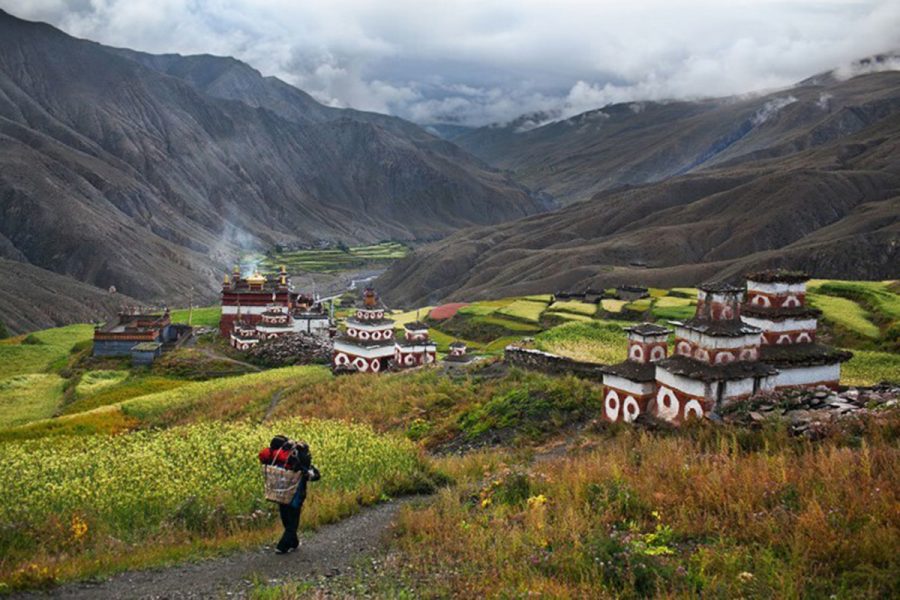
This itinerary follows the classic Everest Base Camp trail for most of its length, then adds a dedicated pre-dawn climb to Kalapatthar as the trip’s final highlight. Along the way, trekkers pass through Sherpa villages that have maintained trade and cultural ties with Tibet for centuries, visiting monasteries, chortens, and mani walls that define daily life across the Khumbu.
Every stage of the route is paced around proper acclimatization rather than speed, with experienced guides monitoring each trekker’s condition daily. The result is a trek built for genuine safety at altitude, not just a checklist of viewpoints.
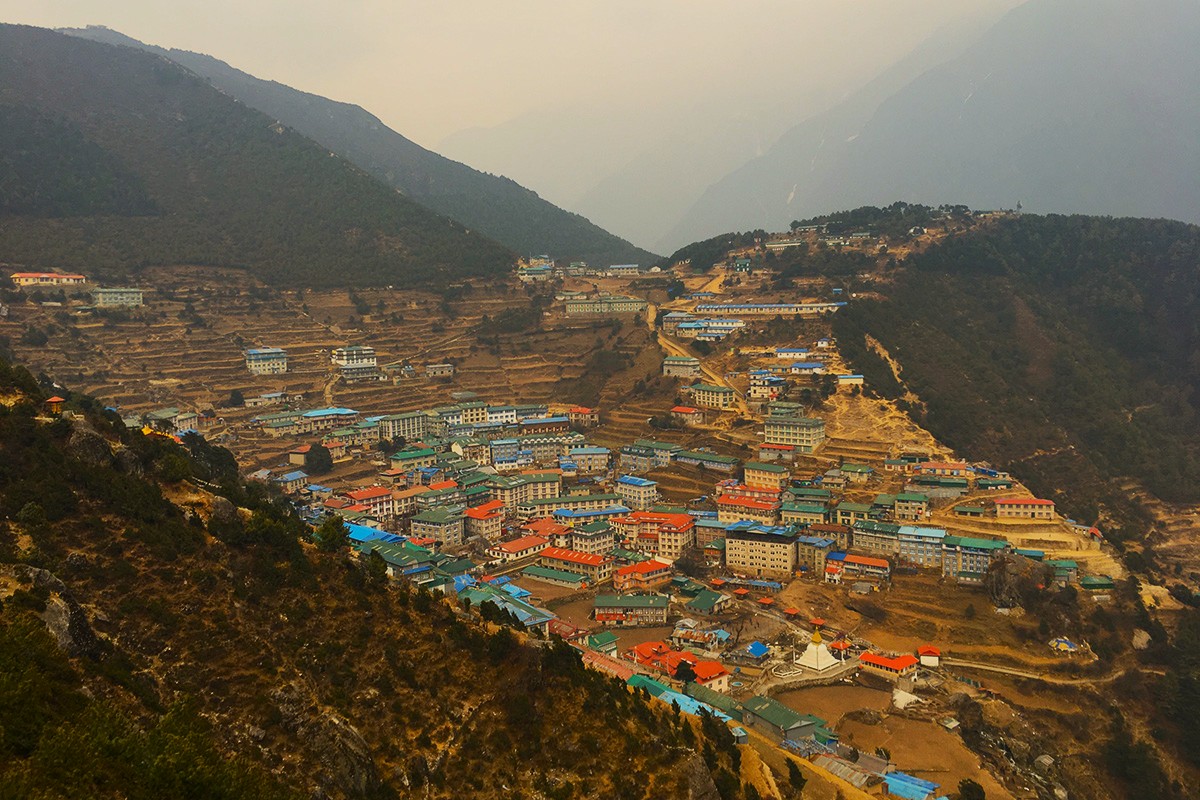
The route begins with a mountain flight into Lukla, then follows the Dudh Koshi River through pine and rhododendron forest toward Namche Bazaar, the main trading hub of the Khumbu region. From Namche, the trail climbs steadily through Tengboche and Pangboche before reaching Dingboche, gaining altitude gradually across alpine terrain shaped by centuries of Sherpa settlement.
Beyond Dingboche, the landscape turns increasingly bare as the trail follows the Khumbu Glacier moraine through Lobuche toward Gorak Shep, the final settlement before Everest Base Camp. From Gorak Shep, trekkers continue to Everest Base Camp itself before making the early morning climb to Kalapatthar for sunrise, then retrace the route back through Namche and Lukla to close the loop.
Kathmandu, 1,400 m Our team welcomes you on arrival and transfers you directly to your 5-star hotel in Kathmandu for check-in and rest. Once settled, we run a detailed trek briefing covering the itinerary, safety procedures, and equipment preparation for the days ahead. Health Check: Initial health assessment and altitude briefing during the welcome meeting.
Lukla 2,860 m to Phakding 2,610 m, 8 km, 3 to 4 hours The mountain flight from Kathmandu to Lukla marks the true start of the adventure, since Lukla functions as the gateway into the Everest region. After landing, the trail carries you through Sherpa villages and forest sections along the Dudh Koshi River toward Phakding. Health Check: Morning health check covering oxygen saturation, pulse rate, and general condition.
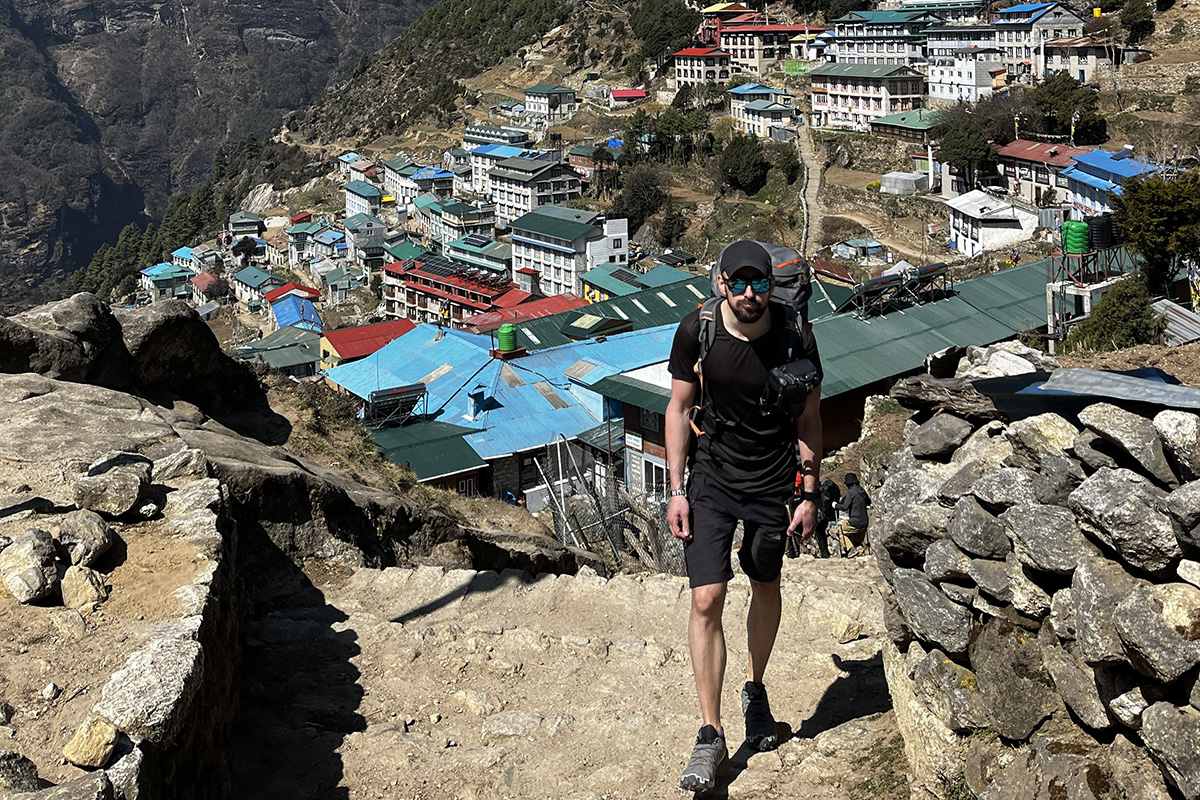
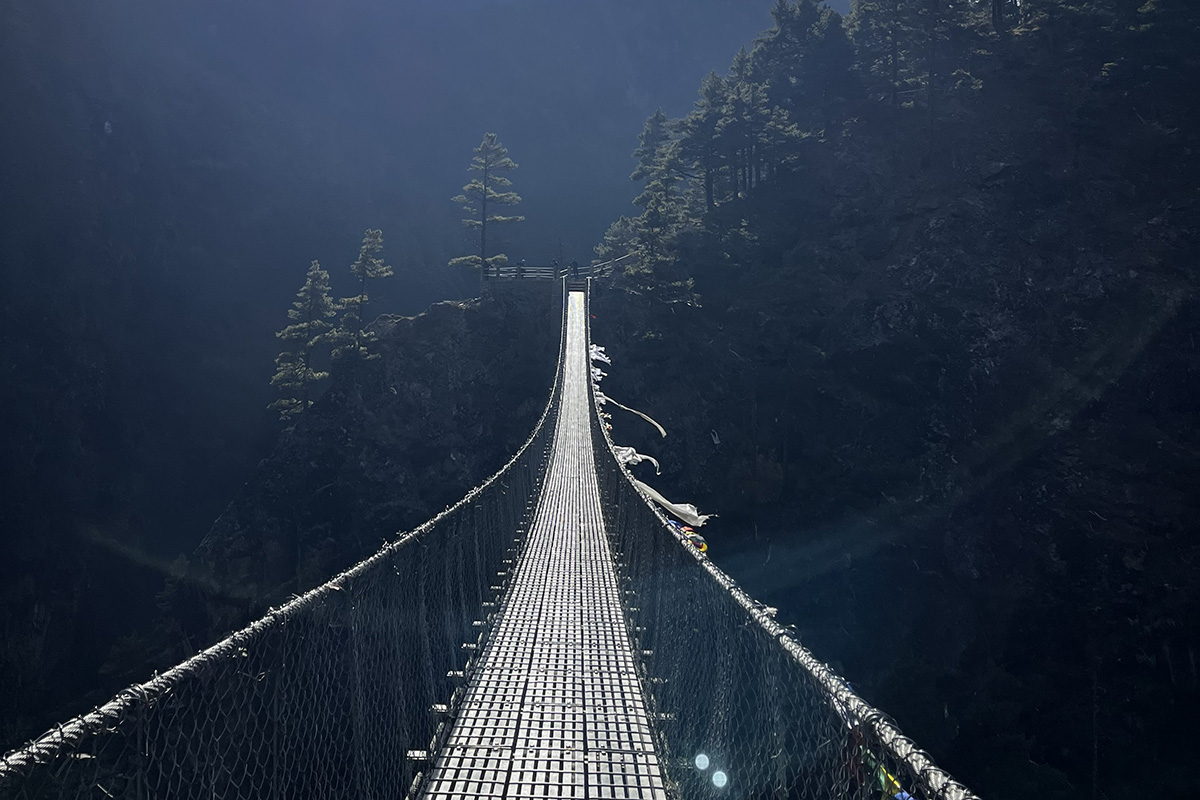
2,610 m to 3,440 m, 10 to 11 km, 5 to 6 hours The trail follows the Dudh Koshi River and crosses several suspension bridges before entering Sagarmatha National Park at the Monjo checkpoint. A steady climb through pine and rhododendron forest brings you into Namche Bazaar, the main trading and cultural center of the Khumbu region. Health Check: Morning health check covering oxygen saturation, pulse rate, and general condition.
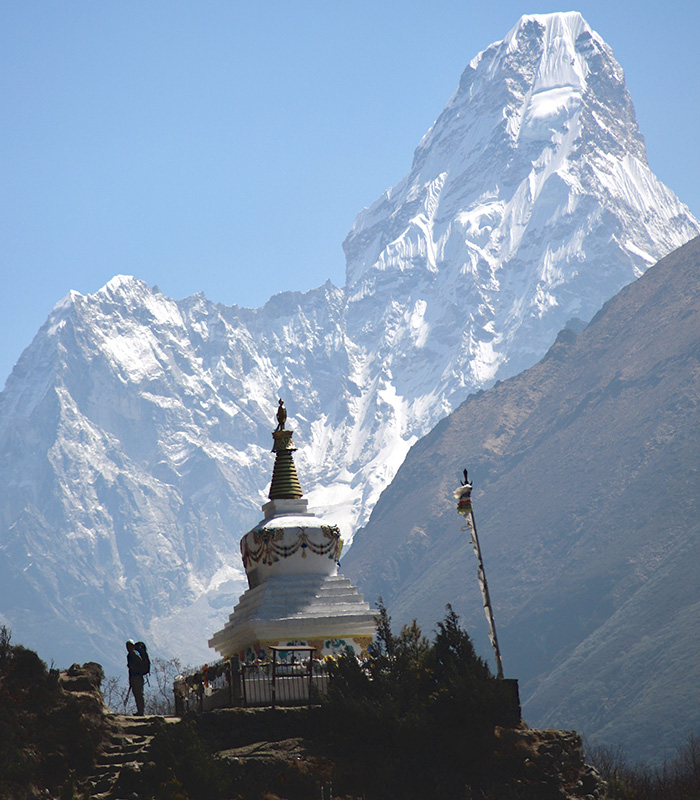
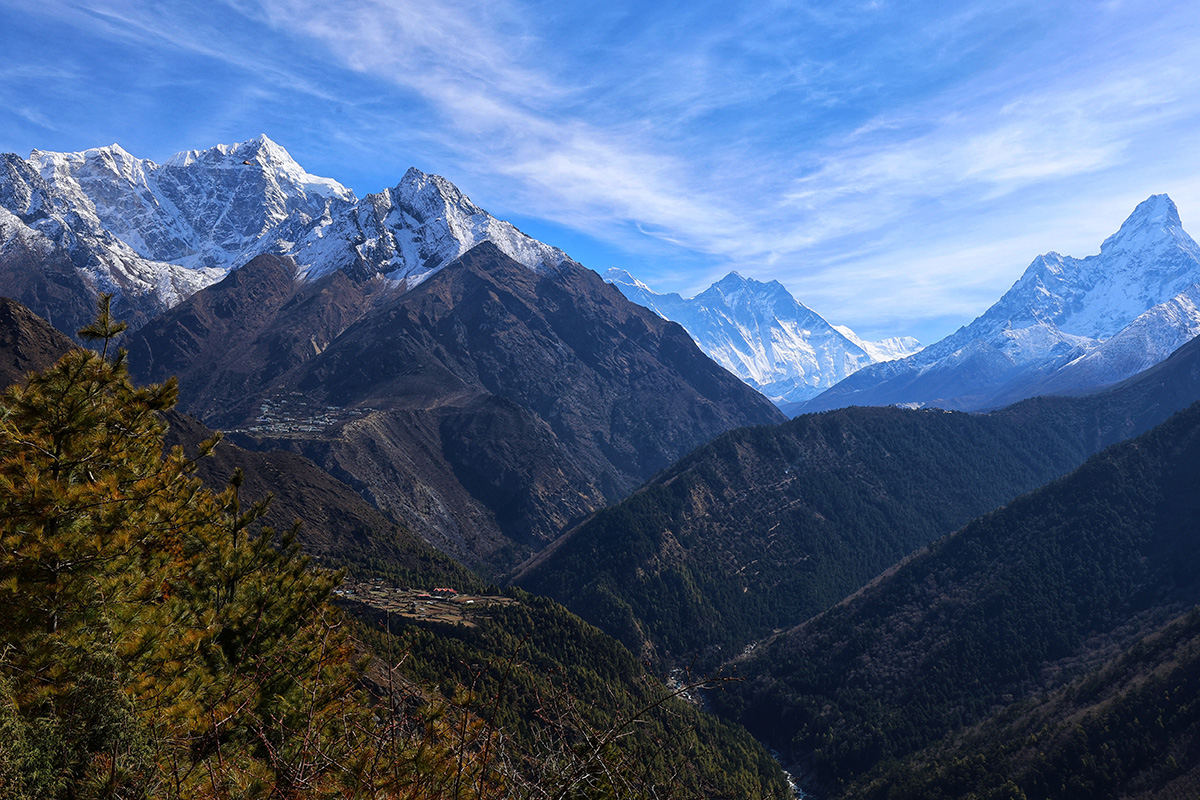
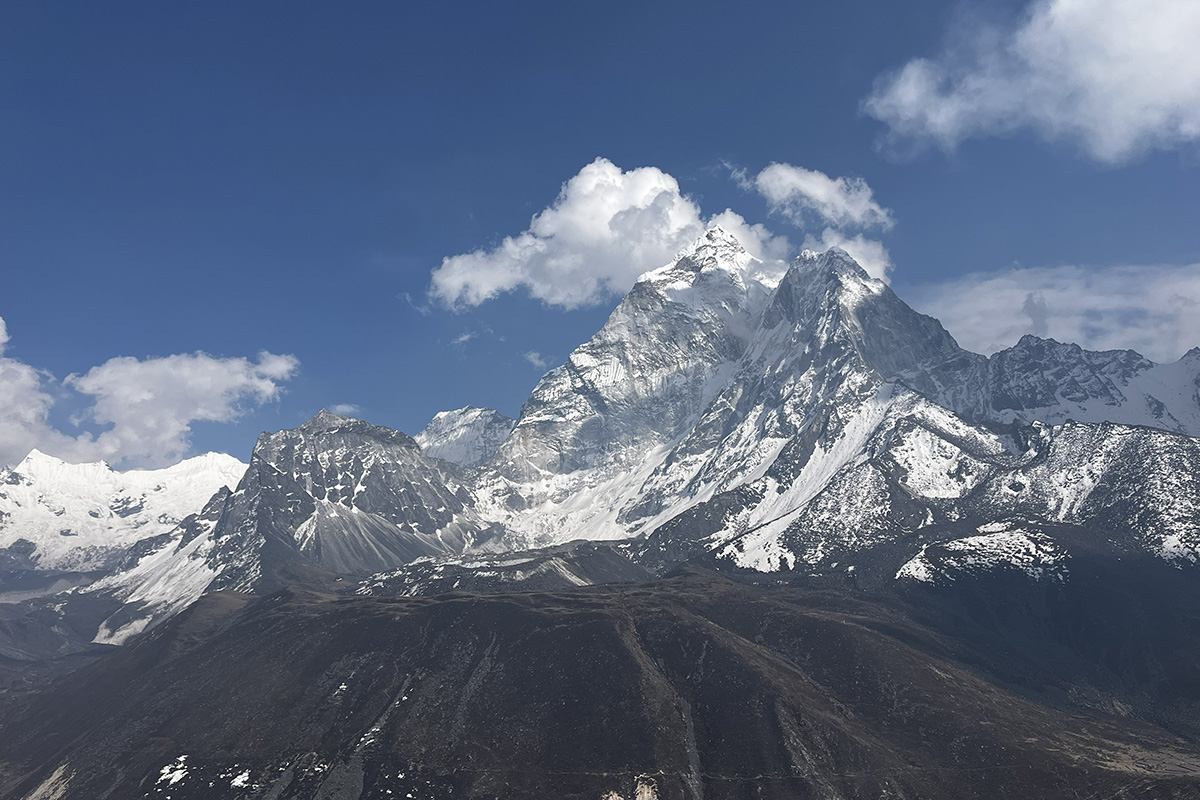
This full day is dedicated to acclimatization rather than distance covered, including a hike toward Syangboche and the Everest View Hotel at roughly 3,880 meters. Everest, Lhotse, Nuptse, Ama Dablam, and Thamserku all become visible before the group returns to Namche for the night. Health Check: Morning health check, with particular attention to early symptoms of altitude illness.
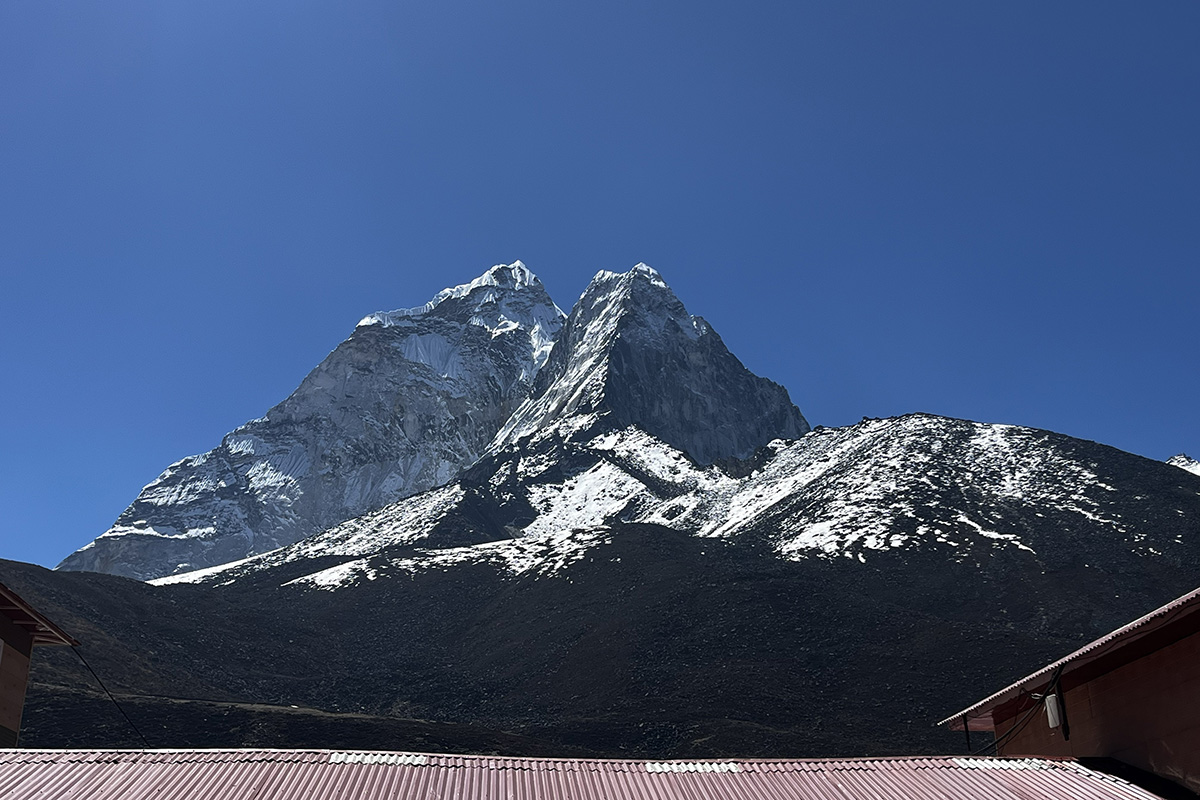
3,440 m to 3,860 m, 10 km, 5 to 6 hours The trail climbs gradually along the hillside, and Everest, Lhotse, Nuptse, and Ama Dablam remain visible for long stretches of the walk. Forest sections and traditional villages lead into Tengboche, home to Tengboche Monastery and one of the most rewarding viewpoints along the route. Health Check: Morning health check covering oxygen saturation, pulse rate, and general condition.
3,860 m to 4,410 m, 11 km, 5 to 6 hours A descent through rhododendron and pine forest brings you to the Imja Khola crossing before the trail continues toward Pangboche. From there, the landscape shifts into alpine terrain as the route climbs steadily toward Dingboche, a settlement surrounded by high Himalayan peaks. Health Check: Morning health check covering oxygen saturation, pulse rate, and general condition.
A second acclimatization day gives the body more time to adjust before the higher stages of the trek begin. A gradual hike toward Nagarjun Hill, reaching approximately 4,800 to 5,000 meters, opens up views of Ama Dablam, Lhotse, and Island Peak before the group descends to Dingboche for the night. Health Check: Morning health check, with particular attention to early symptoms of altitude illness.
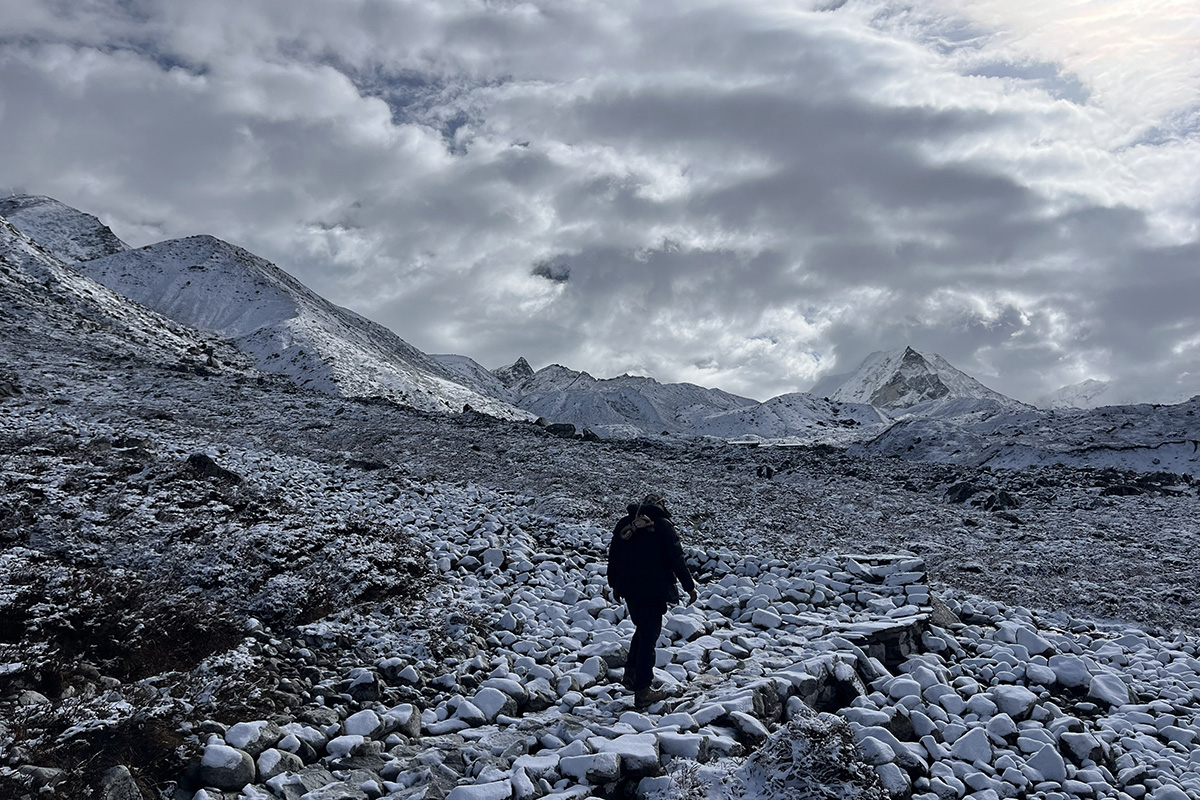
4,410 m to 4,910 m, 11 km, 5 to 6 hours The trail climbs gradually into high alpine terrain as it approaches the Khumbu Glacier moraine. After passing through Thukla and the memorial area honoring climbers lost on Everest, the route continues along the glacial valley into Lobuche. Health Check: Morning health check covering oxygen saturation, pulse rate, and general condition.
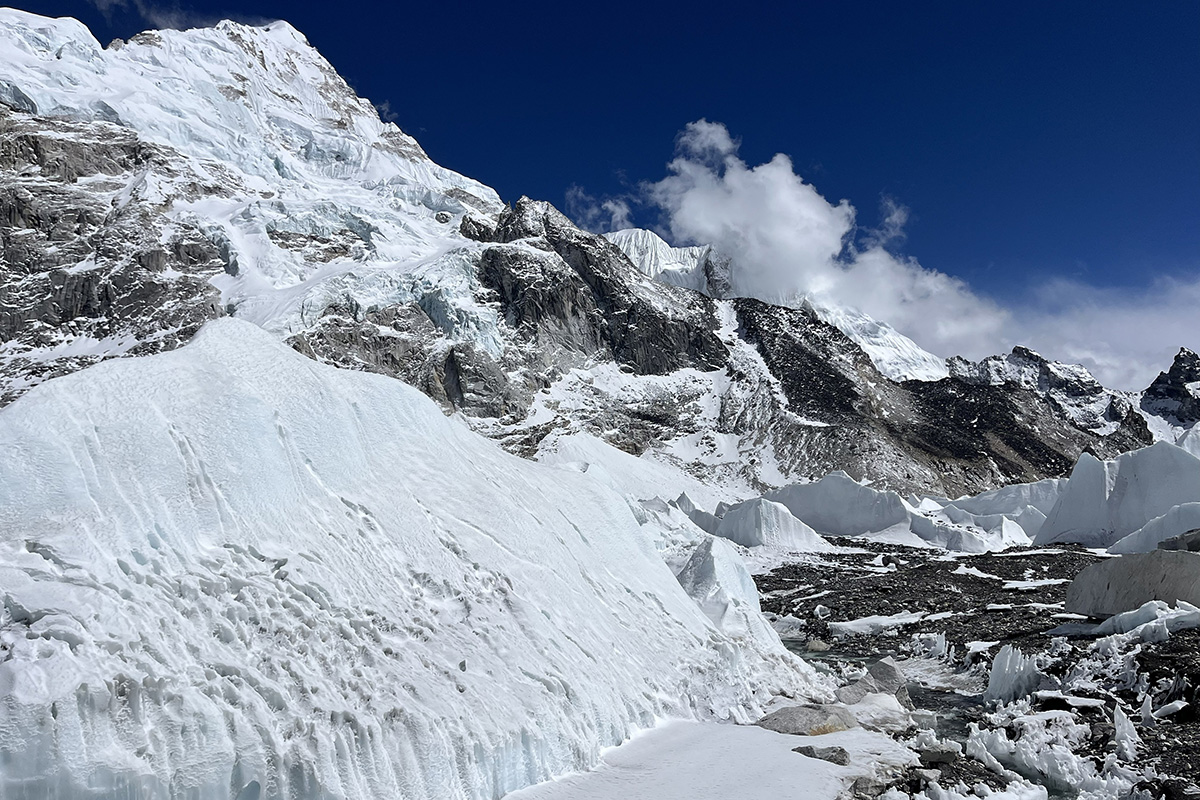
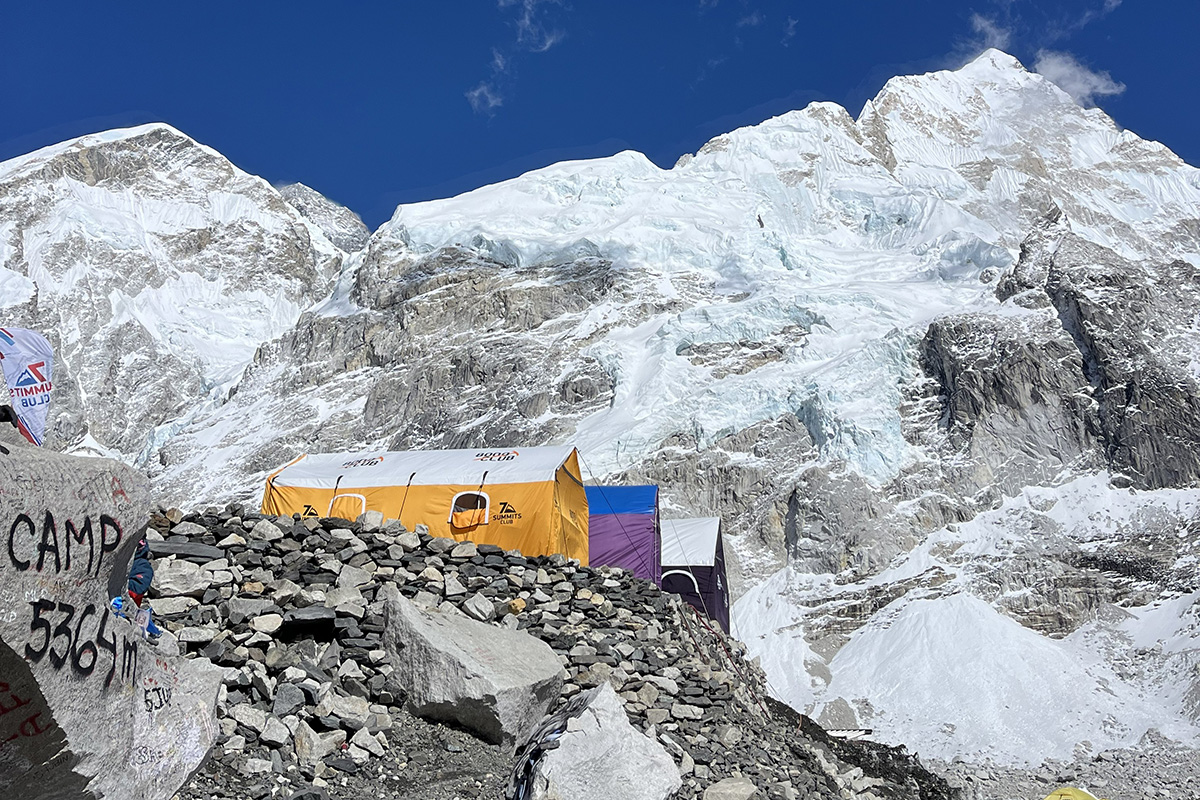
Lobuche 4,910 m to Gorak Shep 5,164 m to EBC 5,364 m, 13 km total, 7 to 9 hours The trail from Lobuche to Gorak Shep passes over rugged glacial moraine before reaching the last settlement before Everest Base Camp. After lunch, the trek continues to Everest Base Camp at 5,364 meters, where the expedition atmosphere and views across the Khumbu Icefall make for one of the trip's defining moments, before the group returns to Gorak Shep for the night. Health Check: Morning health check covering oxygen saturation, pulse rate, and general condition, with an additional check on return to Gorak Shep.
Kalapatthar 5,545 m to Pheriche 4,240 m, 12 to 13 km, 7 to 8 hours An early morning departure carries the group up to Kalapatthar at 5,545 meters in time for sunrise over Everest and the surrounding Himalayan peaks. After returning to Gorak Shep for breakfast, the trail descends through the Khumbu Valley toward Pheriche, where the group spends the night at a considerably lower elevation. Health Check: Pre-dawn health check before the Kalapatthar climb, with a second check on arrival at Pheriche.
4,240 m to 3,440 m, 20 km, 7 to 8 hours The descent retraces familiar ground through villages and forest sections covered earlier in the trek. Passing back through Tengboche, the trail continues downhill toward Namche Bazaar, where the group rests for the night. Health Check: Morning health check covering oxygen saturation, pulse rate, and general condition.
3,440 m to 2,860 m, 18 km, 7 to 8 hours The final trekking day follows the Dudh Koshi River back through familiar Sherpa villages and suspension bridges. A long descent brings the group into Lukla, marking the completion of the Everest Base Camp and Kalapatthar trekking route. Health Check: Morning health check covering oxygen saturation, pulse rate, and general condition.
A morning flight returns the group to Kathmandu, weather and flight schedules permitting. Depending on onward travel plans, the remainder of the day is free for rest, shopping, or sightseeing around the city. Health Check: Final wellness check before departure from Lukla.
Kalapatthar reaches 5,545 meters, higher than Everest Base Camp at 5,364 meters, and this extra elevation is what allows it to clear the ridgeline blocking the Everest summit view from base camp itself.
Yes, provided the itinerary includes proper acclimatization days and the trekker follows a gradual pace under the guidance of an experienced guide. No technical climbing skill is required.
Spring, running from March through May, and autumn, running from September through November, offer the most stable weather and the clearest mountain visibility.
Yes, a licensed guide is mandatory on this route, and checkpoints along the trail verify guide credentials before allowing trekkers to continue.
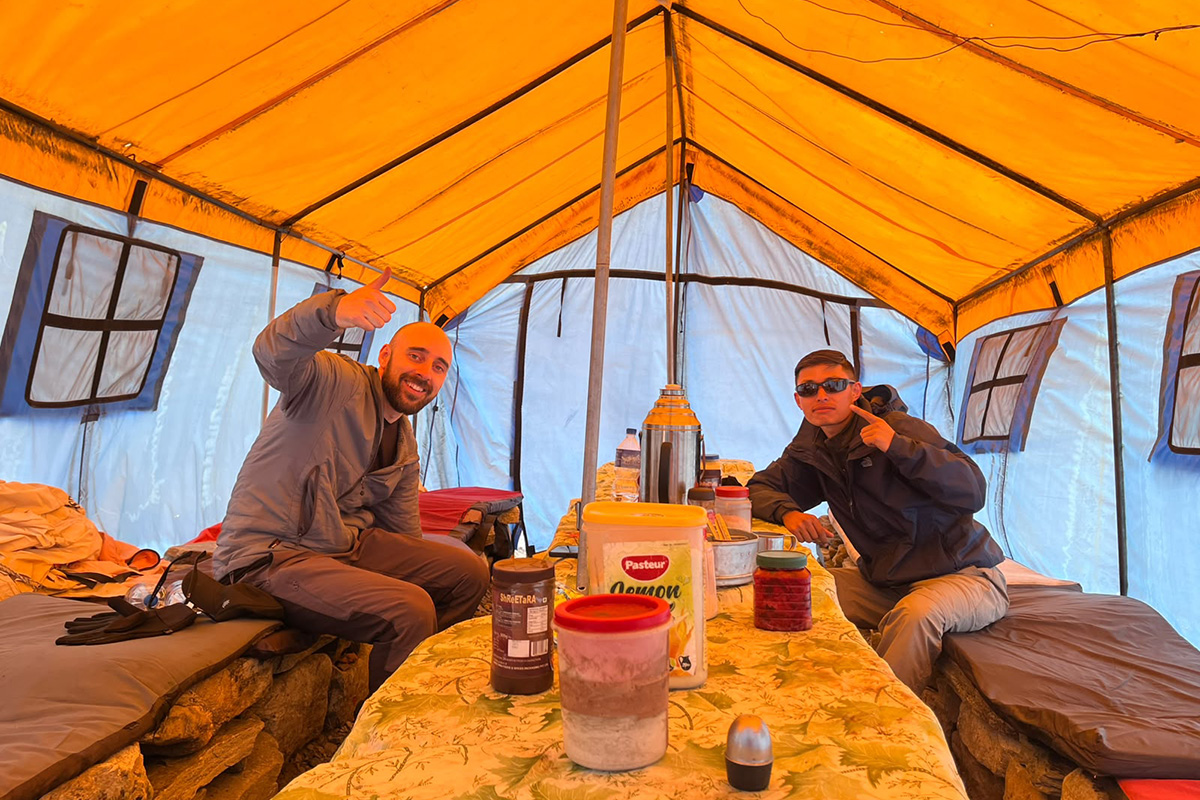
Teahouses and lodges line the entire trail, offering hygienic meals and comfortable twin-sharing rooms, with hot showers and Wi-Fi available at many stops for an extra charge.
No, the TIMS card is no longer required for treks in the Khumbu region, since it has been replaced by the Khumbu Pasang Lhamu Rural Municipality fee collected near Lukla or Monjo.
Porters carry a maximum of 20 to 25 kg per trekker, a limit maintained specifically to protect porter health and welfare throughout the journey.
vel insurance covering high-altitude trekking to at least 5,545 meters and emergency helicopter evacuation is required for every trekker before departure.
Yes, this trek is available as both a private departure and a small group booking, so trekkers can choose the format that fits their schedule and preference.
A good baseline of cardiovascular fitness helps, since trekkers walk 5 to 9 hours a day on uneven terrain, though no technical climbing or mountaineering background is required.

Member Since 2026


Leave a review