Everest Three Pass Trek

0 (0 Reviews)
From:€2,500 €2,375
0
(0 review)
Check
Duration

18 Days

Tour Type

Daily Tour

Group Size

10 people

Languages

___

About this tour

The Everest Three Pass Trek is one of the challenging and adventurous trekking circuits in Nepal’s Himalayan region. It takes you across three high passes above 5,300 meters, Kongma La (5,535m), Cho La (5,420m), and Renjo La (5,360m), while connecting the major valleys of Khumbu, Gokyo, and Everest Base Camp in a complete loop.

This 18-day Everest Three Pass Trek with Kalapatthar is carefully planned to ensure proper acclimatization, safety, and a complete Himalayan experience. From your arrival in Nepal to your return, every day is organized with attention to health, comfort, and immersion in local culture.

Unlike the standard Everest Base Camp trek, which follows the same path in and out, the Three Pass Trek forms a demanding loop through remote terrain, glacier crossings, and high mountain passes. A key highlight of this package is daily health monitoring, including oxygen level checks, pulse rate, and overall condition tracking, helping you trek safely and manage altitude sickness effectively across the most challenging sections of the Khumbu region.

Trek to the World’s Highest Passes

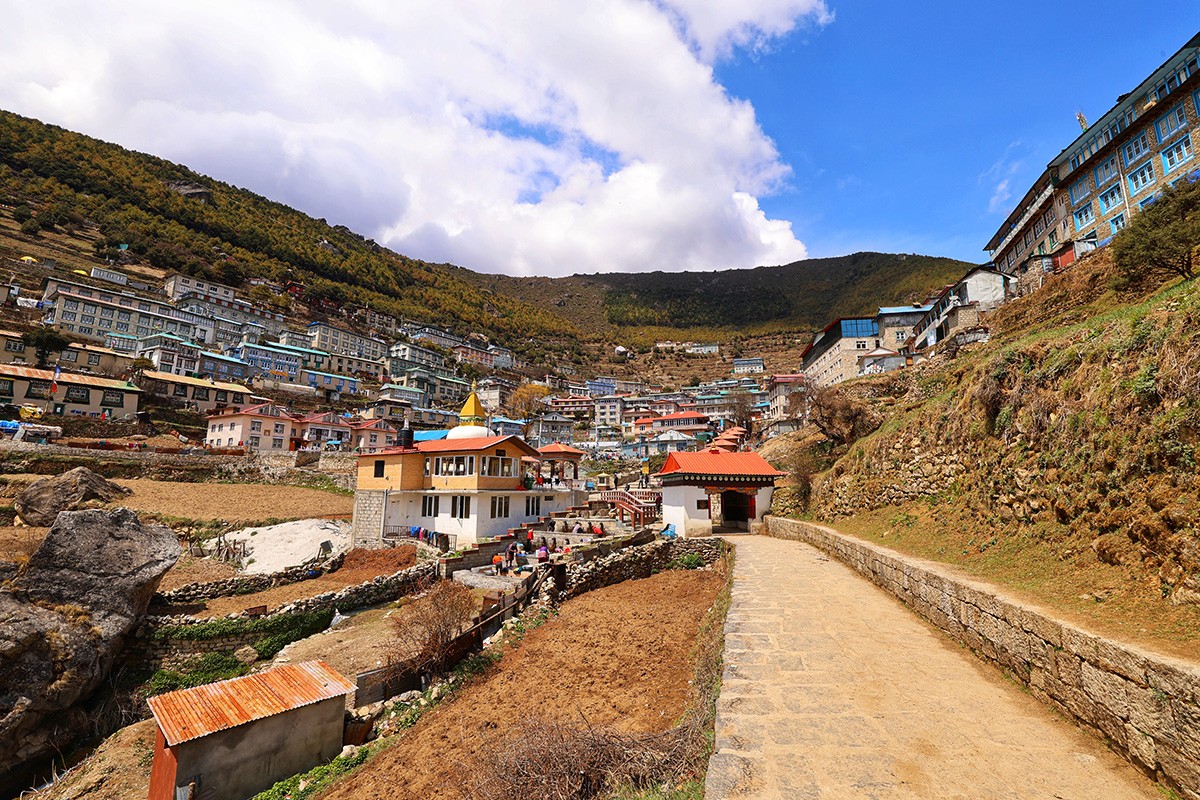
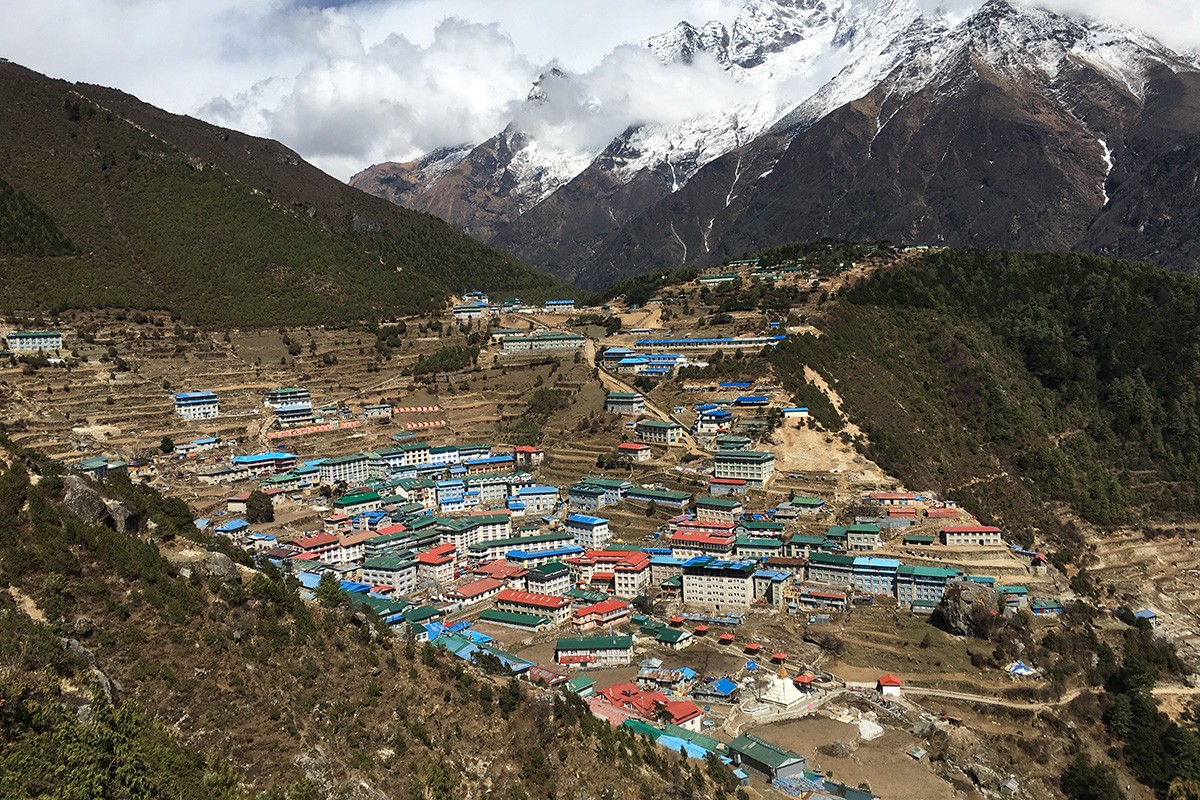
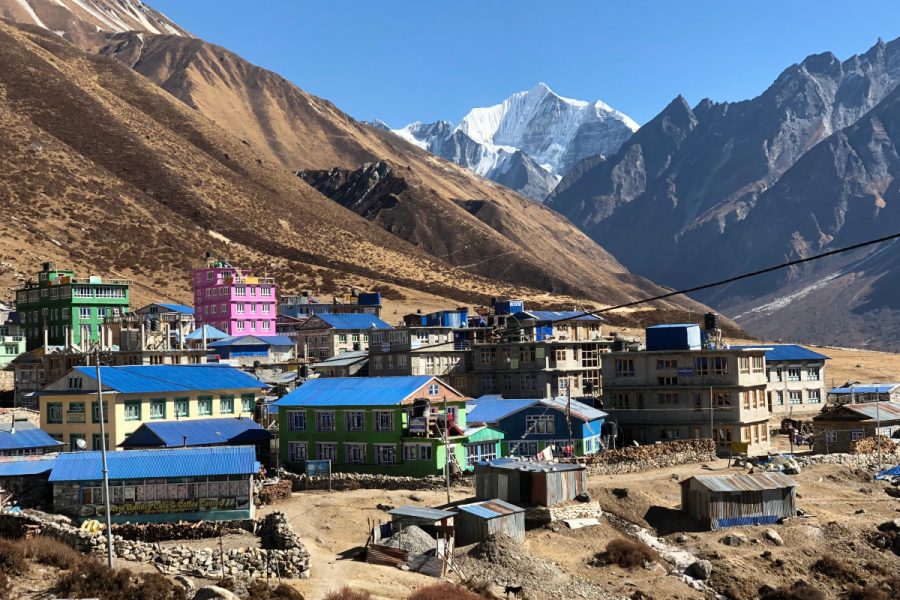
Your journey begins with a panoramic flight to Lukla, followed by a gradual trek along the Dudh Koshi River to Namche Bazaar (3,440m), where you spend a day acclimatizing with a hike to Syangboche and lunch at the Everest View Hotel. The trail continues to Tengboche Monastery for a traditional puja ceremony, then through Pangboche to Dingboche (4,410m), where a second acclimatization day includes a short hike up Nagarjun Hill.

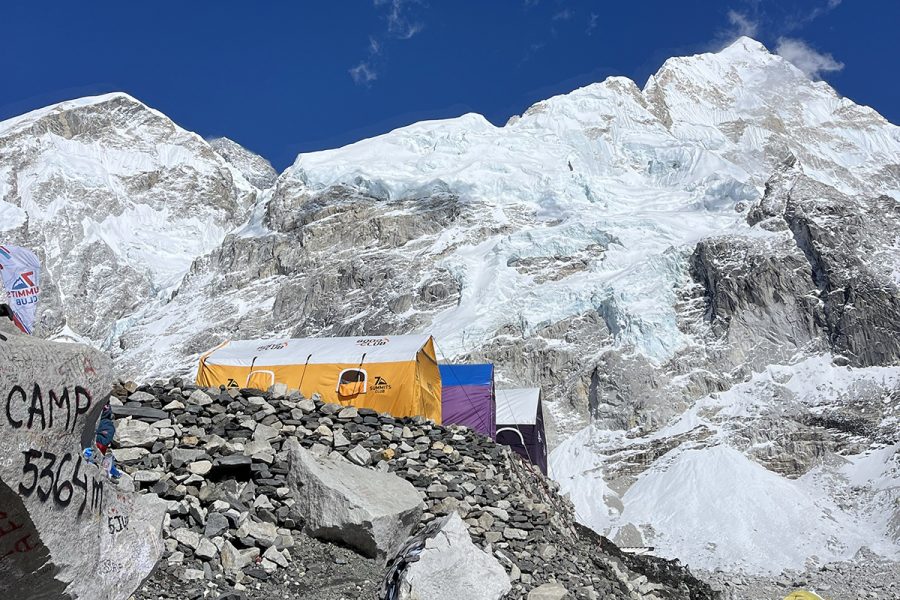
From Dingboche, the route departs from the standard EBC trail, heading to Chhukung before crossing Kongma La, the first and highest pass, and joining the main trail to Lobuche. The next day brings you to Everest Base Camp (5,364m) across the Khumbu Glacier, followed by a sunrise hike up Kala Patthar (5,545m). You then cross Cho La into the Gokyo Valley, exploring its turquoise lakes and climbing Gokyo Ri (5,357m) for views of four 8,000-meter peaks, before crossing the final pass, Renjo La, and descending through remote trails back to Namche and Lukla.

Why Choose Us for Three Pass Trek?

  • Professional & Experienced Guides – Certified trekking guides with 5+ years of Himalayan experience.
  • Safety Comes First – First aid-trained team with daily health monitoring throughout your trek.
  • Premium Accommodation – Carefully selected best hotels and tea houses for comfort and quality.
  • Reliable Weather Updates – Daily forecasts from premium weather sources for safer trekking decisions.
  • Flexible Itineraries – Trek plans adjusted based on your walking pace, health, and weather conditions.
  • Premium Trekking Experience – Personalized service, expert support, and attention to every detail from arrival to departure.
Flora and Fauna of the Everest Three Pass Trek
The trek passes through Sagarmatha National Park, a UNESCO World Heritage Site, known for its diverse ecosystem. Lower sections of the trail feature forests of rhododendron, blue pine, and fir. During spring, rhododendrons bloom in brilliant shades of red, pink, and white, adding vibrant color to the landscape. As you gain altitude, vegetation becomes limited, changing into alpine shrubs, juniper, and eventually barren rocky terrain near the glaciers. Wildlife in the region includes the Himalayan Tahr and Musk Deer, commonly seen at lower and mid elevations. The elusive Snow Leopard also lives here but is rarely spotted. Birdlife includes the Himalayan Monal (Danphe, Nepal's national bird), Snow Pigeon, and Himalayan Griffon. At higher elevations above 4,500 meters, the environment becomes extreme, with glaciers, moraines, and rocky landscapes dominating the scenery. At pas
Everest Three Pass Trek Difficulty
The Everest Three Pass Trek sits at a challenging to strenuous level, ranking among the most demanding teahouse treks in Nepal. Trekkers walk 5 to 7 hours on normal days, while pass crossings can extend to 8 or 10 hours depending on weather and terrain. The main challenges include sustained high altitude with multiple nights above 4,500 m, three demanding pass crossings above 5,300 m, glacier travel on Cho La, and limited facilities in remote sections. Previous high-altitude trekking experience above 4,500 m is strongly recommended, and this route is not suited to beginners.
Best Time for the Everest Three Pass Trek
Spring (March to May) Clear skies, stable weather, and moderate temperatures make this the most comfortable trekking window. Rhododendron forests bloom along the lower trails, April offers balanced temperatures and strong visibility; and May brings longer daylight hours for the high pass crossings. Autumn (September to November) Post-monsoon skies turn crystal clear with dry trails and sharp views of Everest and its neighbouring peaks. October stands out as the peak month for visibility, while November offers quieter trails with colder temperatures. Winter and Monsoon Winter turns extremely cold, with temperatures dropping below -20°C at higher elevations and passes at risk of snow blockage, suited only to well-equipped, experienced trekkers. The monsoon season brings rain, flight delays, and slippery trails, making spring and autumn the recommended windows for this trek.
Permits and Documentation
The Everest Three Pass Trek requires permits arranged through a registered agency like Kalapatthar Trek & Expedition. Kalapatthar processes every permit before departure from Kathmandu at official government rates, with no handling fees added.
  • Sagarmatha National Park Entry Permit costs USD 30 per person and supports conservation and trail maintenance across the park
  • Khumbu Pasang Lhamu Rural Municipality Fee costs USD 20 to 30 per person, collected near Lukla or Monjo
  • A Trekker Information Management System (TIMS) card is arranged where currently required by regulations
Accommodation and Food on the Trek
The package includes three nights in a 5-star Kathmandu hotel, with twin-sharing rooms and attached bathrooms. Along the trail, standard teahouse lodges provide clean, twin-sharing accommodation and genuine Sherpa hospitality throughout the trek. Meals are generously provided, with unlimited food options and unlimited tea and coffee throughout the trekking days. On demanding pass-crossing days, guides carry dry fruits, chocolate, and cookies to keep energy levels high.
Essential Packing List
Clothing
  • Merino wool or synthetic thermal base layers, 2 to 3 sets, for moisture control
  • A fleece jacket for active movement, plus a down jacket rated to at least -15°C
  • A waterproof, windproof hardshell jacket and pants for wind, snow, and rain protection
  • Warm hat, inner and outer gloves, neck gaiter, and a balaclava for extreme cold
  • UV-protected sunglasses with side shields, mandatory for snow glare at altitude
Footwear
  • High-quality waterproof, insulated trekking boots with strong ankle support, broken in before arrival
  • Gaiters are recommended for Cho La Pass and other snow sections
  • 4 to 5 pairs of merino wool trekking socks
Backpack and Load
  • A 60 to 70 litre main backpack, carried by a porter, with a weight limit of 15 kg
  • A 25 to 35 litre daypack for water, snacks, extra layers, and personal essentials
Trekking and Camp Equipment
  • Trekking poles, recommended for descents, balance, and glacier crossings
  • A reliable headlamp with extra batteries for early pass-day starts
  • A minimum 2-litre water capacity, plus a thermos for hot drinks at altitude
  • Water purification tablets or a portable filter for safe drinking water on the trail
  • A power bank of 10,000 to 20,000 mAh for limited charging along the route
  • A sleeping bag rated -15°C to -20°C, plus a liner for warmth and hygiene
Safety and Important Notes
Altitude sickness is common on this trek due to repeated high passes and sustained elevation exposure, and it can affect any trekker regardless of fitness level. Guides monitor oxygen saturation, pulse rate, and temperature twice daily throughout the journey, and the itinerary is paced specifically to support safe acclimatisation. Comprehensive travel insurance covering high-altitude trekking to 5,500 m and emergency helicopter evacuation is mandatory for every trekker. A guide is required for safety and navigation, since remote sections have unclear trails, glacier crossings, and limited facilities beyond Namche Bazaar.

Highlights

  • Cross three high passes above 5,300 m: Kongma La, Cho La, and Renjo La
  • Reach Everest Base Camp (5,364 m) at the foot of the world's highest mountain
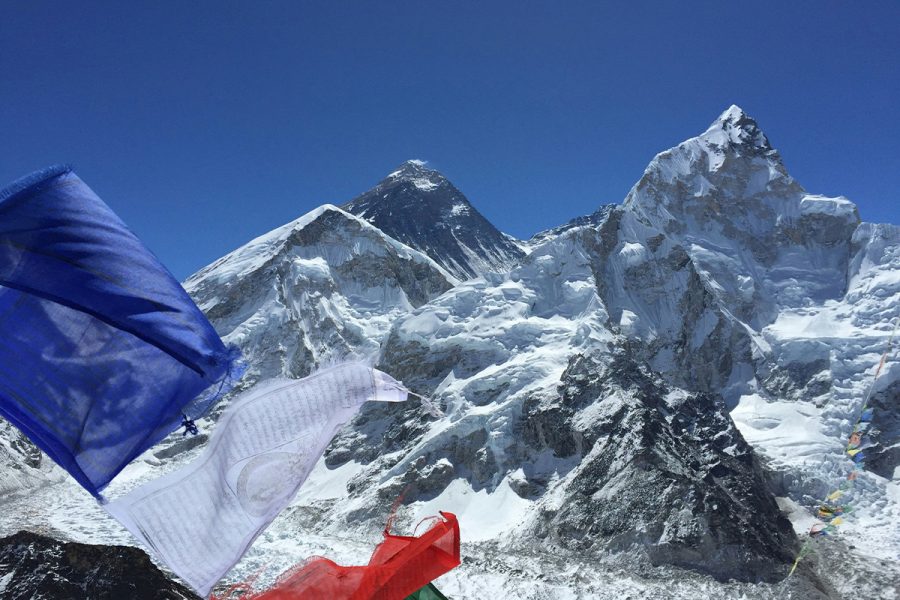
  • Hike to Kala Patthar (5,545 m) for sunrise views across the Everest massif
  • Explore the turquoise Gokyo Lakes and climb Gokyo Ri for four 8,000 m peaks
  • Cross the Ngozumpa Glacier, Nepal's longest at over 36 kilometres
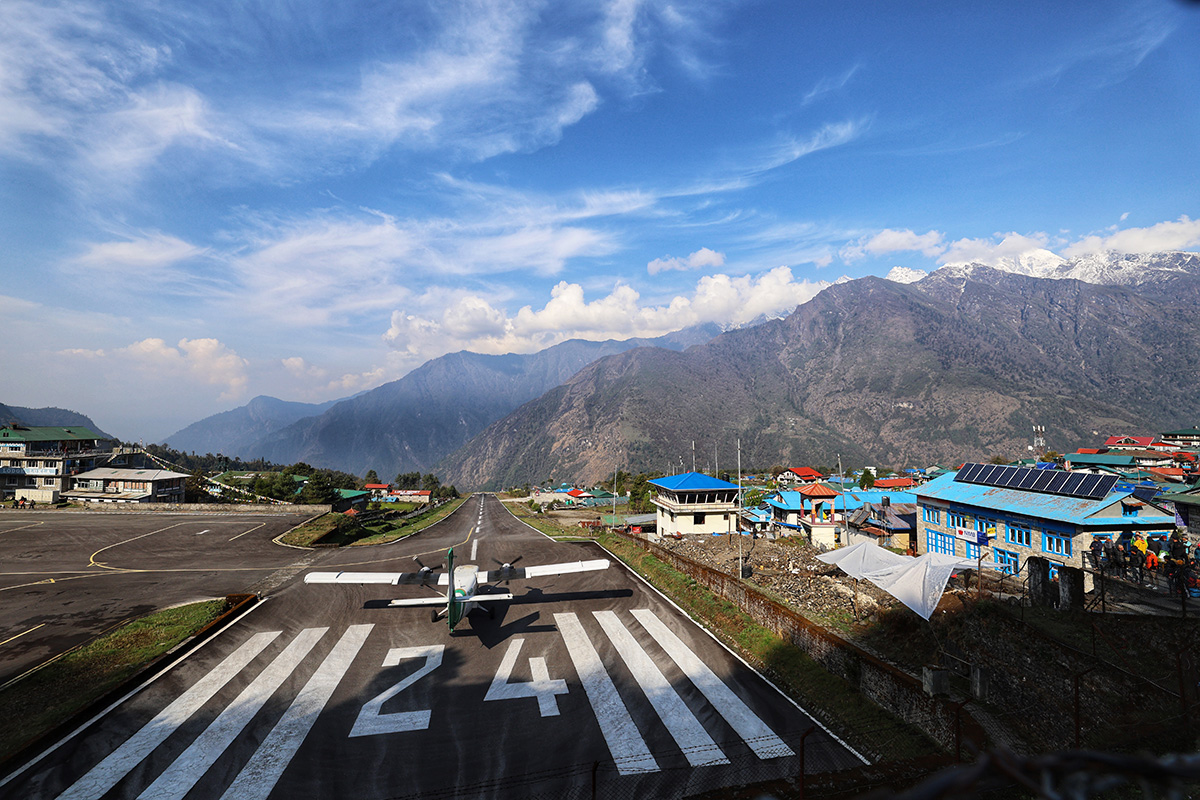
  • Take a dramatic mountain flight to and from Lukla Airport
  • Walk through Sagarmatha National Park, a UNESCO World Heritage Site
  • Experience authentic Sherpa hospitality in remote teahouses along less-crowded trails

Included/Excluded

  • Ground Transportation: All necessary ground transfers as per the itinerary, including private airport pickups/drop-offs in Kathmandu and guided sightseeing tours.
  • Kathmandu Accommodation: Three nights of luxury accommodation in a 5-star hotel in Kathmandu, including daily breakfast.
  • Welcome Dinner: An authentic Nepalese welcome dinner featuring traditional cuisine, live music, and a cultural dance performance, attended by your trekking staff and management team.
  • Sightseeing Tour: A full-day guided tour of Kathmandu’s UNESCO World Heritage Sites, including Swayambhunath (Monkey Temple), Pashupatinath, Kathmandu Durbar Square (Hanuman Dhoka), and Boudhanath Stupa.
  • Professional Guide: A highly experienced, government-licensed trekking guide with 5–7 years of experience specifically in the Everest region. Fluent in communication, certified in first aid, possessing strong leadership skills, and fully trained in emergency management and evacuation protocols.
  • Porter Services: Dedicated porter services to carry personal baggage (maximum weight limit of 20–25 kg per client).
  • Permits & Fees: All required trekking permits, including the Sagarmatha National Park entry fee and local government community permits.
  • Domestic Flights: Round-trip domestic flights between Kathmandu and Lukla for you and your guide, including a generous baggage allowance of up to 30 kg.
  • Meals & Beverages: Three fresh, hygienic, and unlimited multi-course meals per day (breakfast, lunch, and dinner) during the trek. Unlimited tea, coffee, and hot water are also provided throughout the trekking hours.
  • Trek Accommodation: Premium-standard lodge/teahouse accommodation during the trek, featuring clean, comfortable bedrooms with attached bathrooms wherever available.
  • Health & Safety Monitoring: Daily health and oxygen-saturation monitoring, backed by 24/7 on-call medical support from a qualified physician for general or emergency consultations.
  • Communication: Provision of a local SIM card and a mobile phone for seamless communication throughout the trip.
  • First Aid: A comprehensive medical kit stocked with essential first-aid supplies and high-altitude medicines.
  • International Airfare & Visas: International flights to/from Nepal and the Nepal entry visa fee.
  • Personal Gear: Personal trekking apparel, clothing, and specialized gear/equipment.
  • Extra Snacks & Beverages: Alcoholic drinks, bottled water, soft drinks, and personal snacks (such as chocolates, dried fruits, and junk food).
  • Optional Helicopter Transfers: Any optional or premium helicopter flights. These can be arranged upon request at an additional cost.
  • Lodge Amenities: Wi-Fi access, electronic device charging fees, laundry services, and hot showers (wherever applicable at the teahouses).
  • Tips & Bonus: Tips and bonus to the trekking staffs. Recommended $100 for guide and $50 for porter.
  • Unspecified Expenses: Any additional services, activities, or expenses not explicitly listed in the "Services Included" section.

Itinerary

Upon arrival in Nepal, our team will warmly welcome you at the airport and transfer you to your 5-star hotel in Kathmandu. In the evening, enjoy a welcome dinner, team introduction, and a detailed trek briefing covering trail safety, rescue procedures, first aid, emergency contacts, gear checklist, and daily health monitoring. Overnight: 5-star hotel, Kathmandu

Begin with an early 25-35 minute scenic mountain flight to Lukla’s Tenzing-Hillary Airport, then enjoy a comfortable 3-4 hour trek to Phakding through traditional Sherpa settlements alongside the Dudh Koshi River. Unlimited meals included. Morning health check and evening briefing. Overnight: Local lodge, Phakding

Today’s 5-6 hour trek crosses suspension bridges, pine forests, and rivers before reaching Namche Bazaar, the cultural hub of the Khumbu region. Morning health check and daily briefing. Overnight: Local lodge, Namche Bazaar

Proper acclimatization day: hike to Syangboche Airport and the Everest View Hotel for lunch with panoramic Everest views. Visit the Sherpa Museum, then return for a hot shower and clean clothes. Morning health check and evening pulse check. Overnight: Local lodge, Namche Bazaar

A 5-6 hour trek from Namche with gentle and gradual ascents to Tengboche. Enjoy lunch at Phungi Tanga, then attend the evening puja ceremony at Tengboche Monastery, where the Lama offers Khada and blessings. Morning health check and evening briefing. Overnight: Local lodge, Tengboche

Pass through Pangboche village (home to one of the oldest monasteries), cross the Imja River, and ascend to Dingboche. The 5-6 hour trek reveals more alpine, barren landscapes. Morning health check and daily briefing. Overnight: Local lodge, Dingboche

Altitude adjustment day: a 2-3 hour hike to Nagarjun Hill (5,100m), then return to Dingboche for rest, a shower, and fresh clothes. Morning health check and evening briefing. Overnight: Local lodge, Dingboche

A shorter 3-4 hour trek to Chhukung valley offers beautiful views of Ama Dablam and surrounding peaks—your last rest before the challenging pass. Morning health check and daily briefing. Overnight: Local lodge, Chhukung

One of the most challenging days: early start (4:30-5:00 AM) for an 8-10 hour steep climb through rocky moraine to Kongma La (5,535m). Enjoy views of Makalu, Lhotse, and the Everest massif, then descend past glacial lakes to Lobuche. Morning health check and daily briefing. Overnight: Local lodge, Lobuche

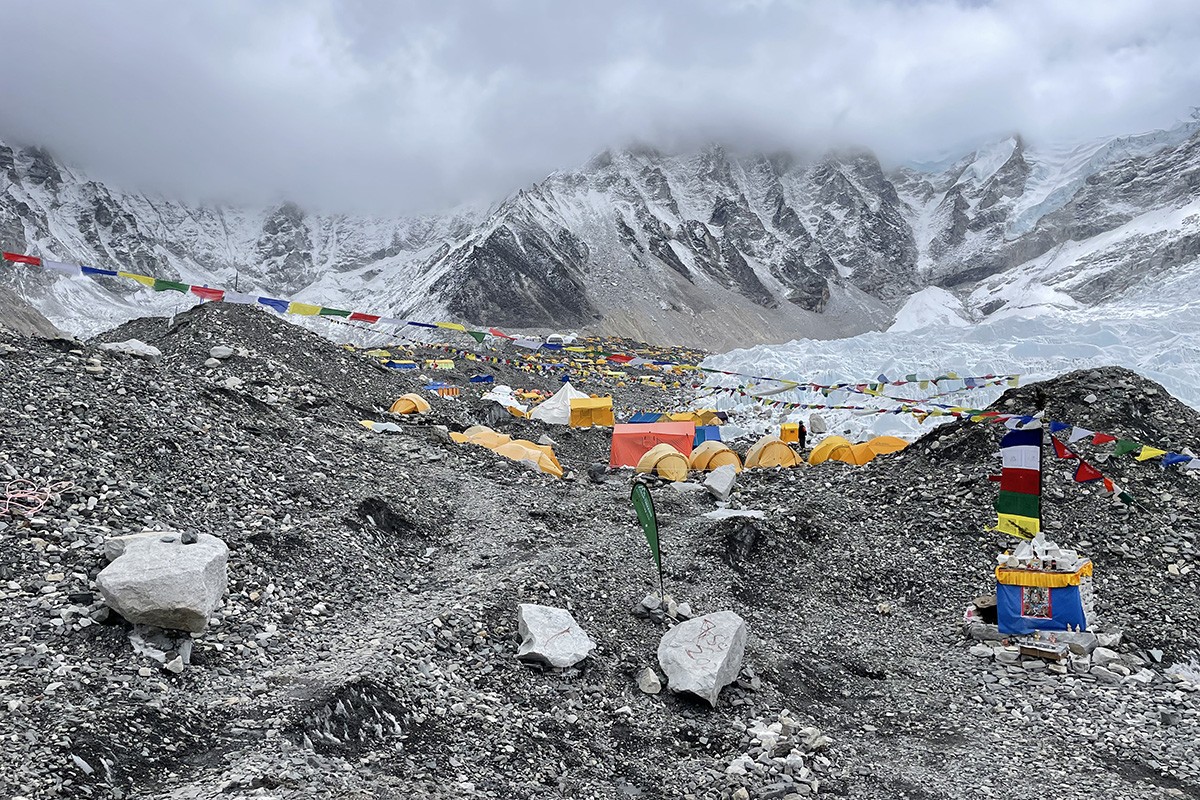
Breakfast at 6:00 AM, depart at 6:30 AM for a 7-8 hour trek across the Khumbu Glacier moraine to EBC. Arrive around 9:00-10:00 AM to witness the Khumbu Icefall, then return to Gorak Shep for lunch. Morning health check and evening health check. Overnight: Local lodge, Gorak Shep

Early morning (4:00 AM) sunrise hike to Kala Patthar for breathtaking Everest views. Descend to Gorak Shep for breakfast, then trek 6-7 hours to Dzongla via Lobuche. Morning health check and daily briefing. Overnight: Local lodge, Dzongla

Early start for a 7-8 hour day: steep climb from Dzongla to Cho La Pass, crossing a small glacier (crampons may be needed). Descend steeply (potentially icy) to the Gokyo side, then cross the Ngozumpa Glacier to Thagnak. Morning health check and daily briefing. Overnight: Local lodge, Thagnak

A 4-5 hour trek along the Ngozumpa Glacier (Nepal’s longest, over 36 km) to the turquoise Gokyo Lakes and Gokyo village. Rest by the sacred Dudh Pokhari (third lake). Morning health check and daily briefing. Overnight: Local lodge, Gokyo

Early morning 3-4 hour round-trip hike to Gokyo Ri for sunrise views of Cho Oyu, Everest, Lhotse, and Makalu. Return to Gokyo for rest, then explore the Gokyo Lakes. Morning health check and daily briefing. Overnight: Local lodge, Gokyo

Early start for golden hour photography on a 7-8 hour trek: steady climb from Gokyo to Renjo La Pass. From the summit, see the Everest massif rising to the east and Cho Oyu to the north, with the Gokyo Lakes shimmering below. Descend steeply to Marlung. Morning health check and daily briefing. Overnight: Local lodge, Marlung

A 6-7 hour descent through rhododendron forest back to Namche. Enjoy a hot shower, clean clothes, and a celebration dinner with your crew. Morning health check and evening briefing. Overnight: Local lodge, Namche Bazaar

Final 6-7 hour trekking day returning to Lukla, followed by a farewell dinner with your crew. Morning health check and evening briefing. Overnight: Local lodge, Lukla

Morning flight to Kathmandu, then transfer to your 5-star hotel. Free afternoon to explore, followed by an optional farewell dinner. Overnight: 5-star hotel, Kathmandu

Durations

Multi day

Trip Grade

Extreme

Walking Per Day

4 - 5 Hours

Accommodation

Hotel + Lodge + Tent

Best Season

Autumn
Spring

Frequently asked questions

The standard itinerary takes 18 days, including arrival and departure. This allows proper acclimatization for three passes above 5,300m.

It is challenging and strenuous. You need previous high-altitude trekking experience (above 4,500m), excellent fitness, and mental toughness. No technical climbing is required, but Cho La involves glacier walking where crampons may be necessary.

The cost varies depending on services, group size, and season. Contact Kalapatthar for detailed pricing, including permits, flights, guide, and teahouse stays.

Yes, hiring a guide is mandatory for safety, navigation across passes, glacier sections, and emergency response. Remote sections have unclear trails. Our guides are licensed, English-speaking, and trained in first aid.

Yes, altitude sickness is very common on this trek due to repeated high passes and sustained altitude exposure. Proper acclimatization, daily health monitoring, and descent options help reduce risks.

Three permits are required: Sagarmatha National Park Entry Permit ($30 USD), Khumbu Pasang Lhamu Rural Municipality Fee ($20-30 USD), and TIMS card (if applicable).

Yes, in major villages like Namche, Tengboche, Dingboche, and Gokyo (pay per charge). On pass days and in remote sections (Lobuche, Dzongla, Thagnak, Marlung), no facilities are available.

The counter-clockwise route (Kongma La → Cho La → Renjo La) is recommended for better acclimatization and natural progression through the valleys.

Tour's Location

Reviews

0/5
Not Rated
(0 Reviews)
Excellent
0
Very Good
0
Average
0
Poor
0
Terrible
0
0 reviews on this Tour - Showing 1 to 0

Write a review

From: €2,500 €2,375
0 (0 Reviews)

Owner

Explore other options