

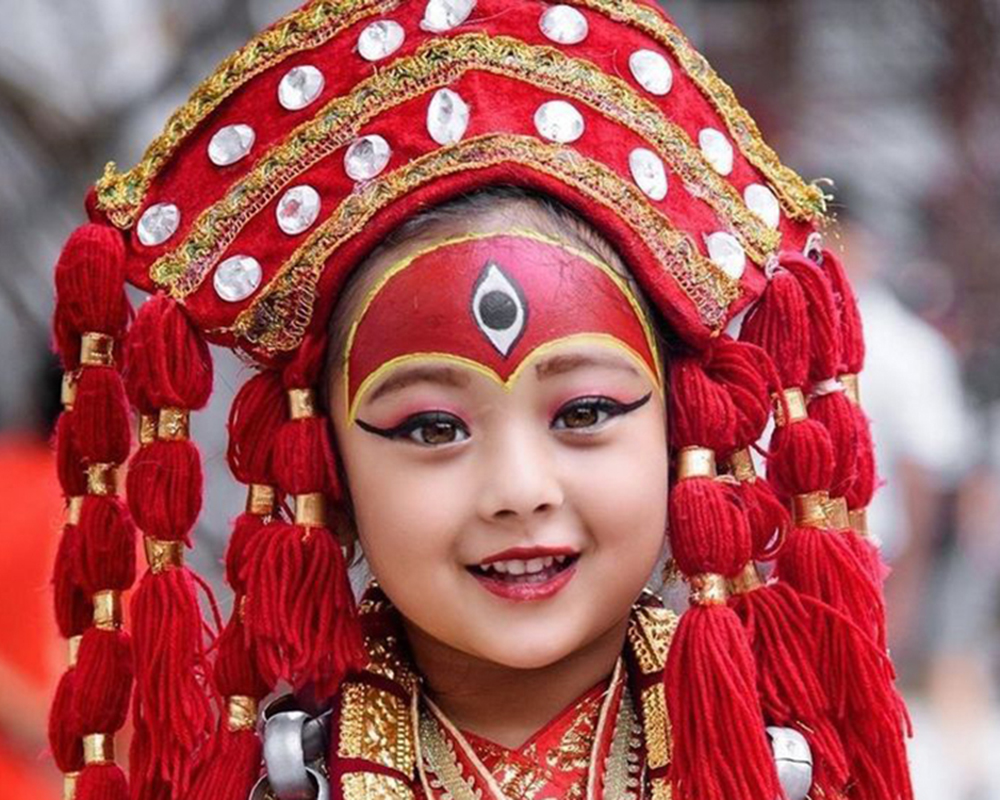

The Newar people are one of the oldest and most influential communities of Nepal. They are the indigenous inhabitants of the Kathmandu Valley and the builders of its cities, temples, festivals, and urban culture. Much of what defines Nepal’s classical civilization today was created, preserved, and passed down by the Newars.
This is a complete and clear guide to the Newar community, written to be easy to read, informative, and highly searchable.
Who Are the Newars of Nepal
The Newars, who call themselves Newa, are a distinct ethnic, linguistic, and cultural group. They have lived in the Kathmandu Valley since ancient times and developed a sophisticated urban civilization that had no parallel in the Himalayan region.
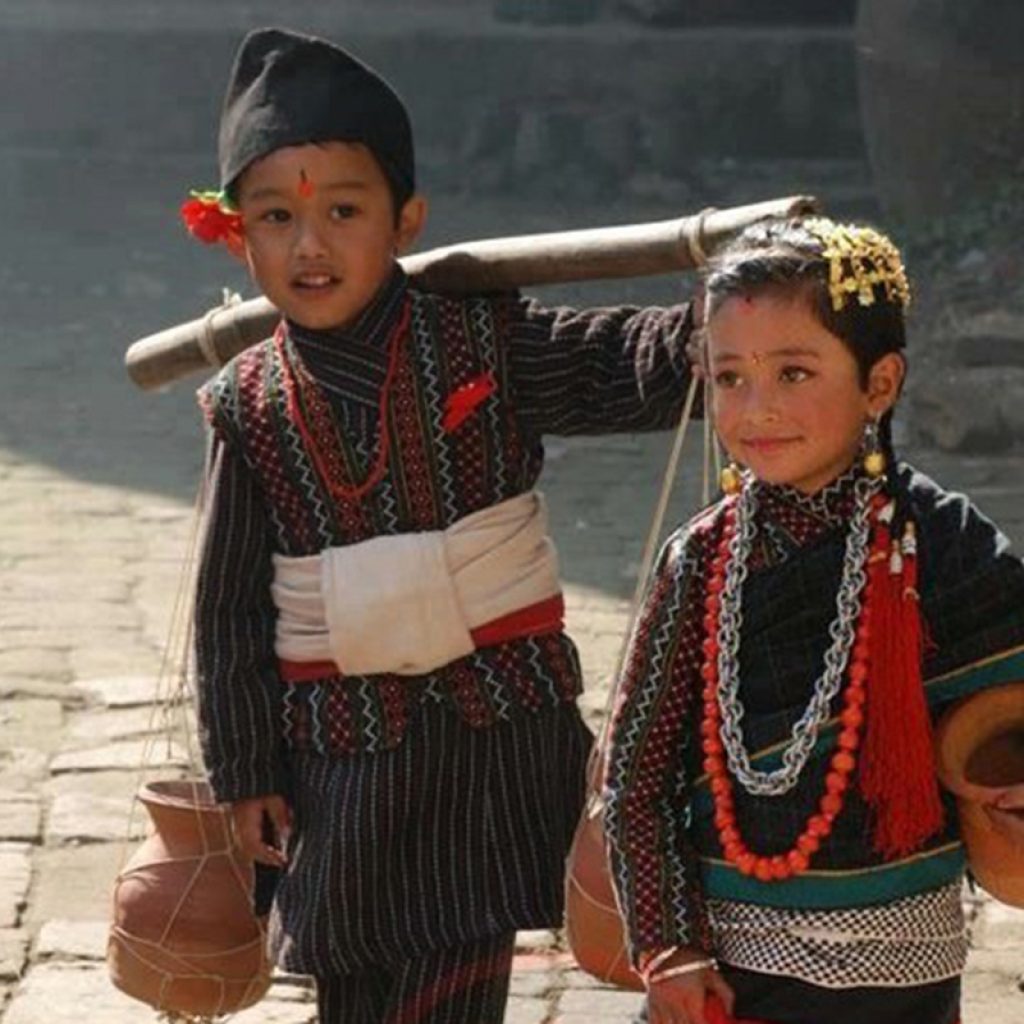
According to Nepal’s 2021 census, the Newar population stands at about 1.34 million, making up roughly 4.6 percent of the total population. Although they are not the largest ethnic group, Newars have played a central role in shaping Nepal’s history, economy, art, and religious life.
Reports from the United Nations Development Programme consistently show that Newars rank among the most socially and economically advanced communities in Nepal.
Origin and Meaning of the Name Newar
The words Nepal, Newar, Newa, and Nepa all come from the same ancient root. Early inscriptions used the word Nepal to describe both the land and its people. Over time, Nepal became the Sanskrit form, while Newar became the commonly spoken form.
Because of this direct historical link, Newars are widely recognized as the indigenous people of the Kathmandu Valley. Their identity developed within an ancient cultural and political region known as Nepal Mandala, long before the modern Nepali state was formed.
A Civilisation Formed Over Centuries
Newar civilization did not emerge from a single origin. It formed gradually through the merging of different groups who settled in the valley over thousands of years. These included Indo-Aryan groups from the south and Tibeto-Burman groups from the north, as well as Kirats, Licchavis, and Mallas.
Rather than remaining separate, these groups adopted a shared language, culture, and way of life. This process created a unified Newar identity rooted in place, tradition, and community.
Newar kingdoms ruled the Kathmandu Valley until 1769, when the region was conquered by the Gorkha Kingdom. Political power shifted, but Newar cultural life remained strong and resilient.
Language: Nepal Bhasa
The common language of the Newars is Nepal Bhasa, also known as Newari. It belongs to the Sino-Tibetan language family and is one of the oldest living languages of South Asia.
Nepal Bhasa has been used for centuries in inscriptions, legal documents, religious texts, poetry, and drama. It once served as the official language of administration and culture in the Kathmandu Valley. Today, it continues to play a central role in preserving Newar identity and heritage.
Religion and Belief System
Newar religious life is defined by the close coexistence of Hinduism and Buddhism. Most Newars follow a unique blend of Newar Hinduism and Newar Buddhism, with strong Tantric traditions in both.
It is common for Newars to worship both Hindu and Buddhist deities. Ganesh is always worshipped first in rituals, regardless of religious affiliation. Sacred sites such as Swayambhunath and Pashupatinath Temple are deeply significant to the community and reflect this shared spiritual world.
Caste and Social Organisation of Newars
Newar society traditionally followed a caste-based system linked to hereditary occupations. Priests, farmers, traders, artisans, musicians, and service groups each played essential roles in sustaining urban life.
Also Read: Dhulikhel: Places to Visit Near Kathmandu
This system supported a highly organized city civilization where religion, economy, and culture were closely connected. In modern times, caste distinctions have weakened, especially in cities, though caste identity still plays a role in rituals and social customs.
Economy and Trade Heritage
Trade, agriculture, and craftsmanship have always been central to Newar life. For centuries, Newar merchants managed trade routes between Tibet and India, exporting rice, metalwork, textiles, and handicrafts.
Newars established market towns across Nepal and beyond the valley. Today, they are active in business, industry, education, public service, and modern professions, while still maintaining strong ties to traditional commerce and crafts.
Art and Architecture
Newars are responsible for most of Nepal’s traditional art and architecture. Their work can be seen in pagoda temples, stupas, royal palaces, monasteries, and residential houses with intricate brickwork and carved wooden windows.
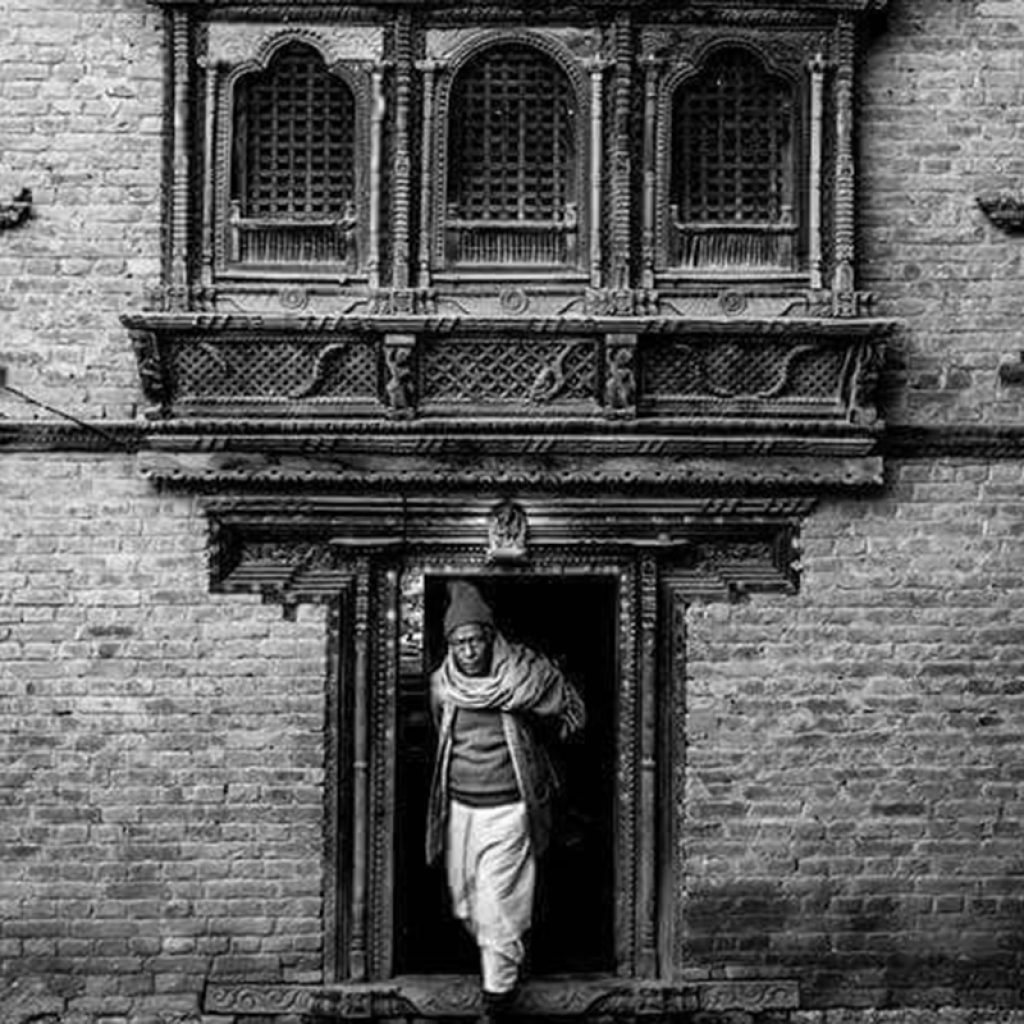
Newar artisans excelled in stone sculpture, metal casting using the lost-wax technique, wood carving, and religious painting such as paubha.
Many monuments in the Kathmandu Valley recognized by UNESCO as World Heritage Sites were built by Newar craftsmen. Their influence also spread to Tibet, China, and Bhutan.
Festivals and Community Life
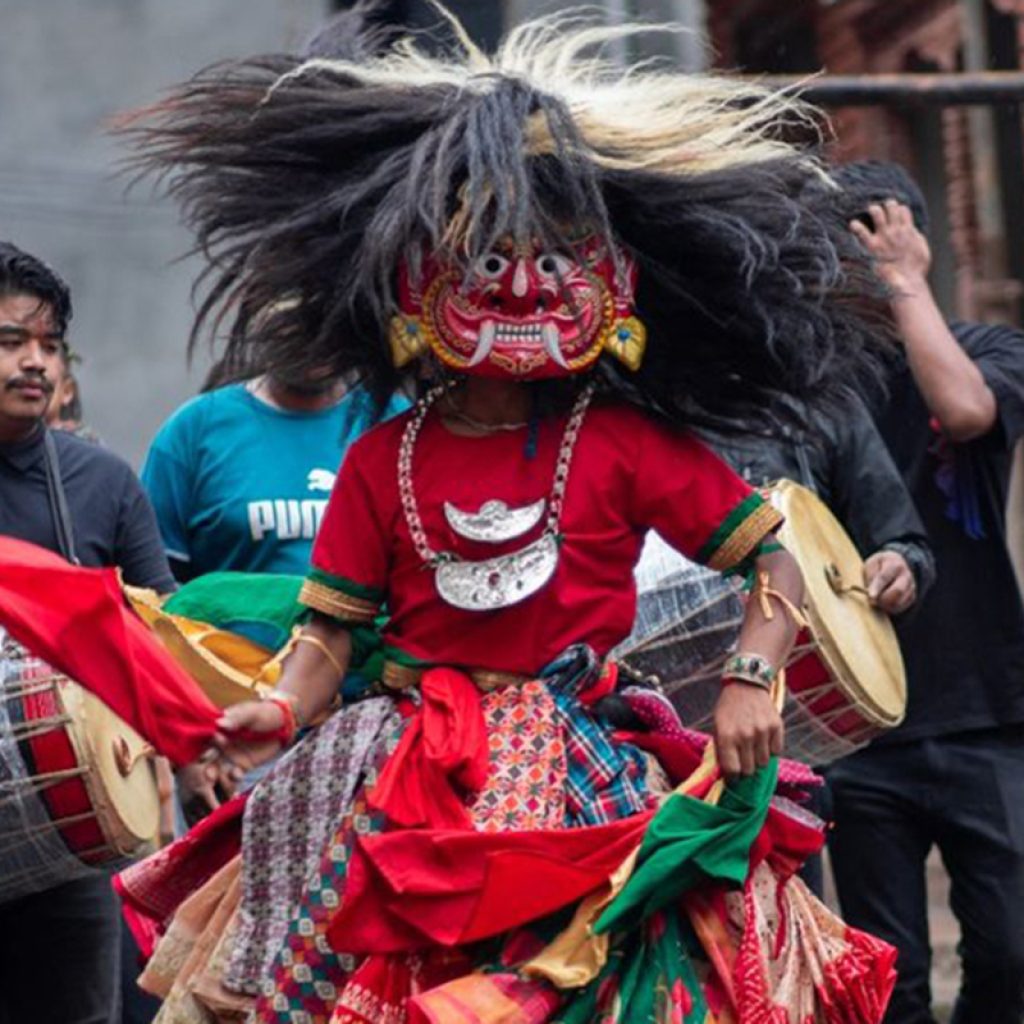
Festivals are at the heart of Newar culture. Throughout the year, towns and cities come alive with chariot processions, masked dances, music, and communal feasts.
Major festivals include Indra Jatra, Biska Jatra, Rato Machhindranath Jatra, Mohani, Swanti, and Sā Pāru (Gai Jatra). These events strengthen community bonds and keep religious and historical traditions alive.
Music and Dance of Newars
Traditional Newar music, often called Dhime Baja, features drums, cymbals, flutes, and trumpets. Music accompanies festivals, rituals, weddings, and funeral processions.
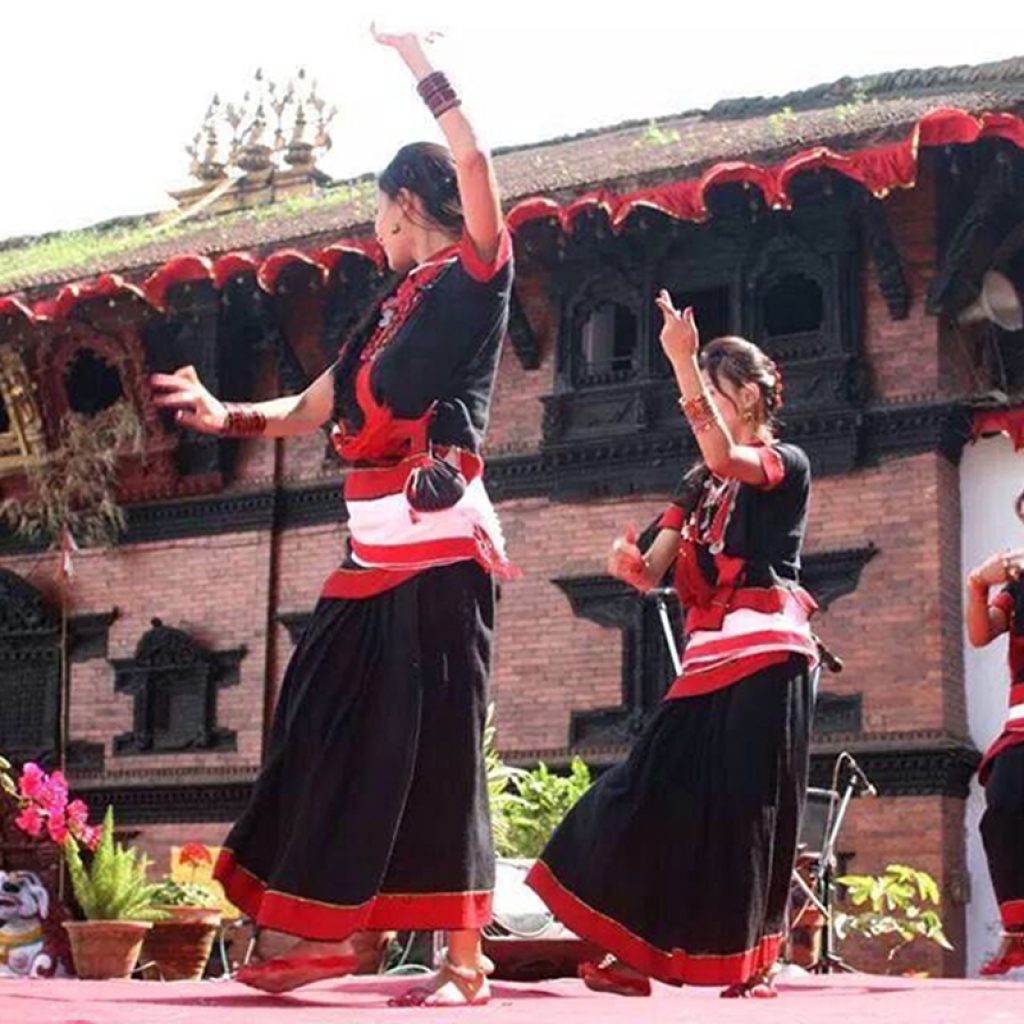
Newar dance includes masked ritual performances, sacred meditative dances, and folk traditions. These art forms continue to be practiced and taught across generations.
Newar Cuisine
Newar cuisine is known for its rich flavors and ritual importance. Food is closely tied to festivals, religious ceremonies, and life-cycle events.
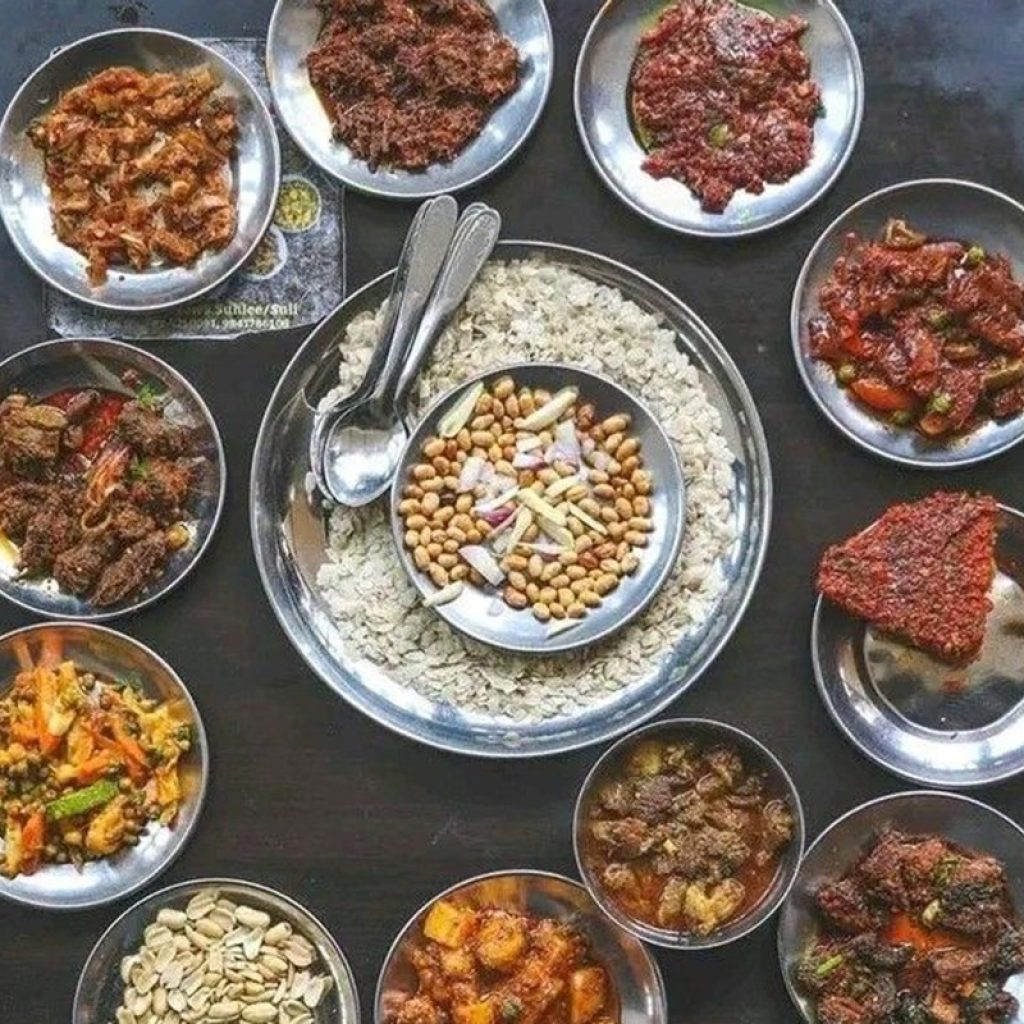
Popular dishes include yomari, kwati, chhoila, wo, and kachila. Meals are traditionally eaten communally, with people seated on mats in orderly rows. Homemade rice beer and distilled liquor are also part of traditional Newar food culture.
Life-Cycle Rituals of Newar
Newars observe detailed rituals from birth to death. These include rice-feeding ceremonies, initiation rites, symbolic marriage rituals for young girls, weddings, old-age celebrations known as Janku, and elaborate funeral practices.
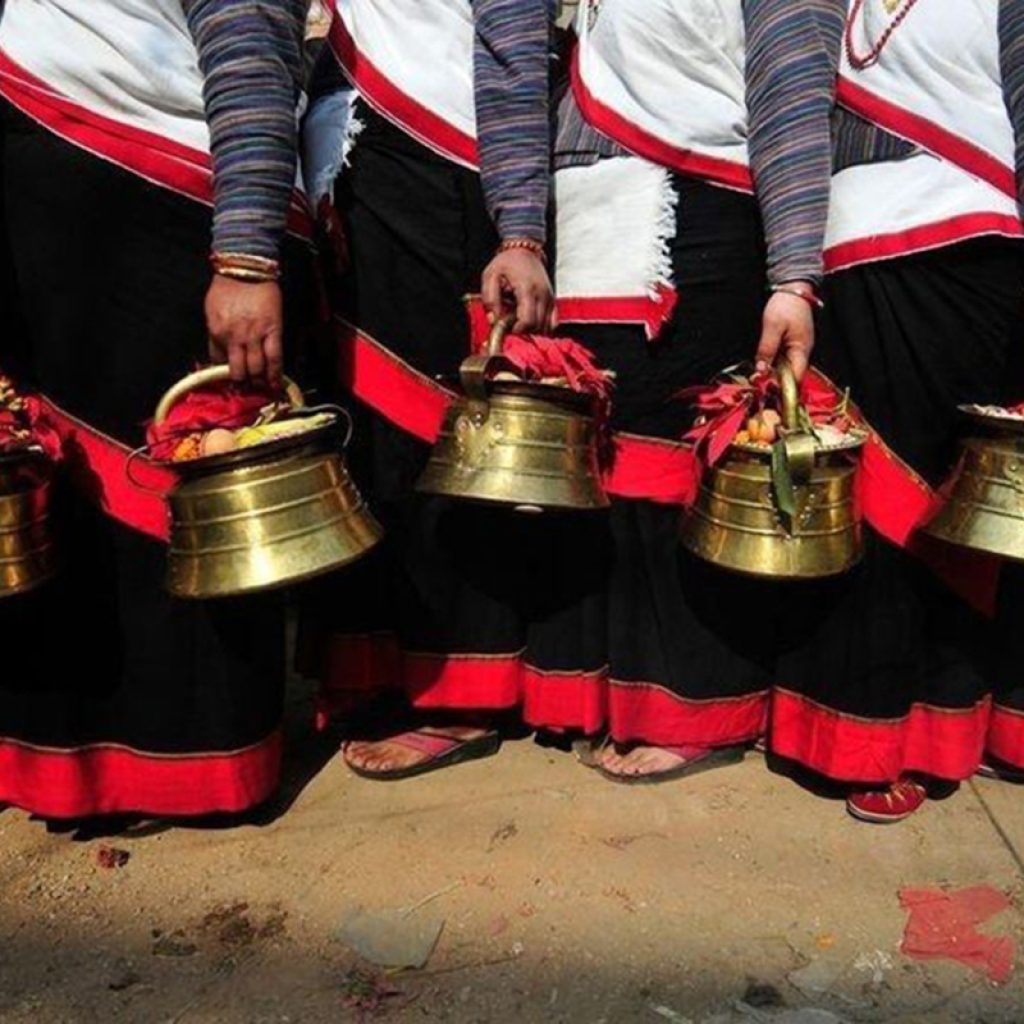
Both Hindu and Buddhist Newars believe these rituals guide individuals through life and prepare the soul for the afterlife.
Newar in the Modern World
Today, Newars live throughout Nepal and in countries such as India, Bhutan, and beyond. Many have migrated to Europe, North America, and other parts of Asia. Despite modern lifestyles and global movement, Newars continue to preserve their language, festivals, religious practices, and cultural identity with strong community pride.
For Further Information and Queries: Do Contact Us
The Newar community forms the cultural foundation of Nepal. Their contributions to language, religion, art, architecture, trade, and urban life have shaped the country for centuries. To understand Nepal’s past and present, one must understand the Newars, the people who built its cities, preserved its traditions, and continue to carry its civilisation forward.
0 Comment