

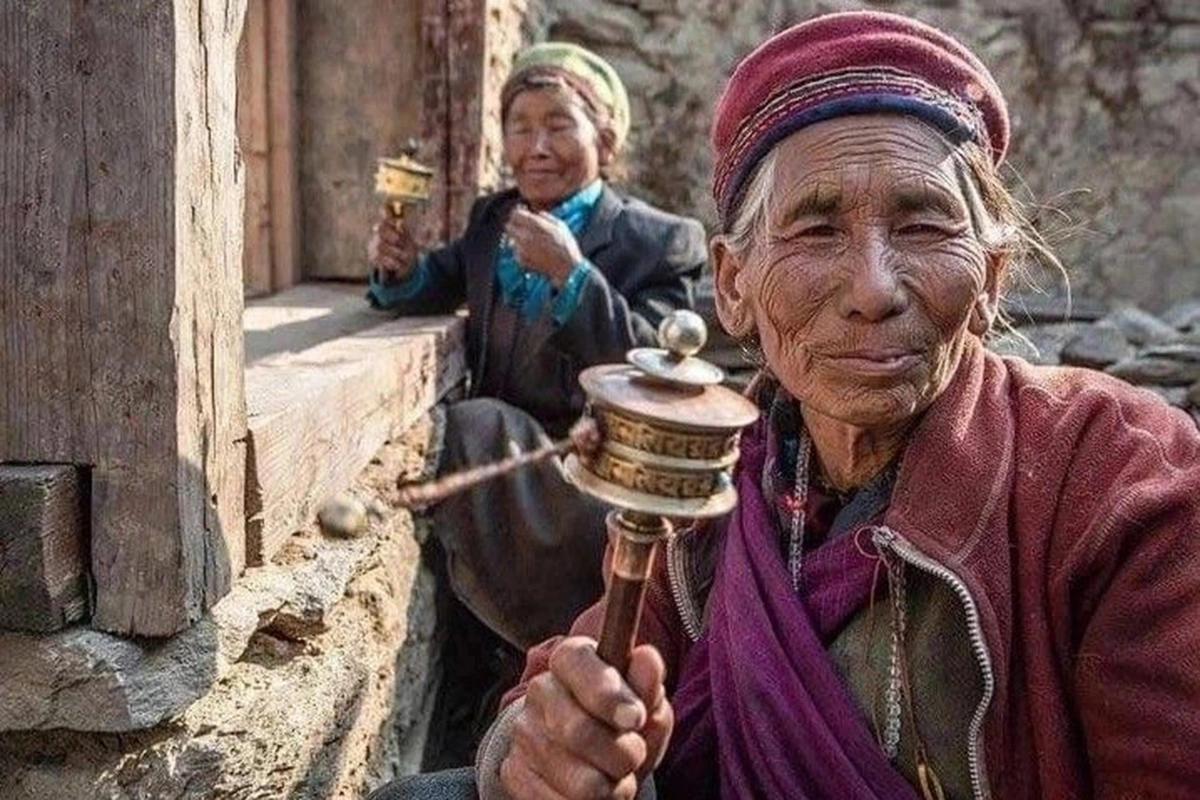

The Tamang people (རྟ་དམག་; Devanagari: तामाङ; tāmāṅ) are one of Nepal’s largest indigenous ethnic groups, with over 1.6 million people according to the 2021 census. They mainly live in the central hilly and Himalayan regions, where they have preserved their unique culture, language, and traditions for generations.
The name “Tamang” comes from the words ‘Ta’ meaning Horse and ‘Mang’ meaning Men, reflecting their historical association with horse trading and animal husbandry. Tamang communities also live in Sikkim, Darjeeling, Kalimpong, and Assam in India, as well as in southern Bhutan. Even while living across different regions, they continue to maintain a strong cultural identity and close ties to their roots.
Most Tamangs follow Buddhism and celebrate festivals like Sonam Lhosar. Their traditions include music, dance, and rituals that reflect their way of life. The Tamang language, part of the Tibeto-Burman family, is one of the most spoken languages in Nepal and plays an important role in the country’s cultural diversity.
Quick Facts About the Tamang Community
- Population: 1.6+ million in Nepal
- Religion: Mainly Buddhism
- Language: Tamang (Tibeto-Burman family)
- Main Regions: Central hills and Himalayan areas
- Major Festival: Sonam Lhosar
- Traditional Instrument: Damphu
Origins and History of the Tamang People
The Tamangs are believed to have mixed origins, with strong Tibetan and local Nepalese ancestry. Research suggests around 59 percent Tibetan and 41 percent Nepalese roots. Historical records mention Tamangs under different names such as Bhote, Lama, Murmi, and Sain. In Tibet, they were known as Rongpa.
In Buddhism, most Tamangs follow the Vajrayana sect, which emphasizes Tantric practices. They have their own priestly tradition, playing a significant role in spiritual and religious activities. Tamang priests often serve as mental healers and practitioners of traditional medicine. Belief in Tantra reflects a deep reverence for nature and the flow of spiritual energy.
Tamang Resistance During Gorkha Expansion
During the 18th-century unification of Nepal, Gorkha rulers attacked the Tamang regions. Local leaders resisted fiercely, especially in Temal, but the Gorkha forces eventually defeated them.
Discover more about: People of Nepal: Bahun
After this, many Tamangs lost their traditional lands, which were given to state officials. This forced migration changed their settlement patterns.
Tamang Involvement in the Sino‑Nepal War
The Tamangs were also involved in the Sino-Nepal War between 1788 and 1792. In China, they are known as the Daman people and have been officially recognized as ethnic Tibetans since 2003.
Sambhu Tamang: Youngest Nepalese Climber to Summit Mount Everest
On May 5, 1973, Sambhu Tamang, a 16-year-old Tamang climber, became the youngest person to reach the summit of Mount Everest. This historic achievement not only set a world record but also highlighted the bravery, skill, and adventurous spirit of Nepalese climbers.
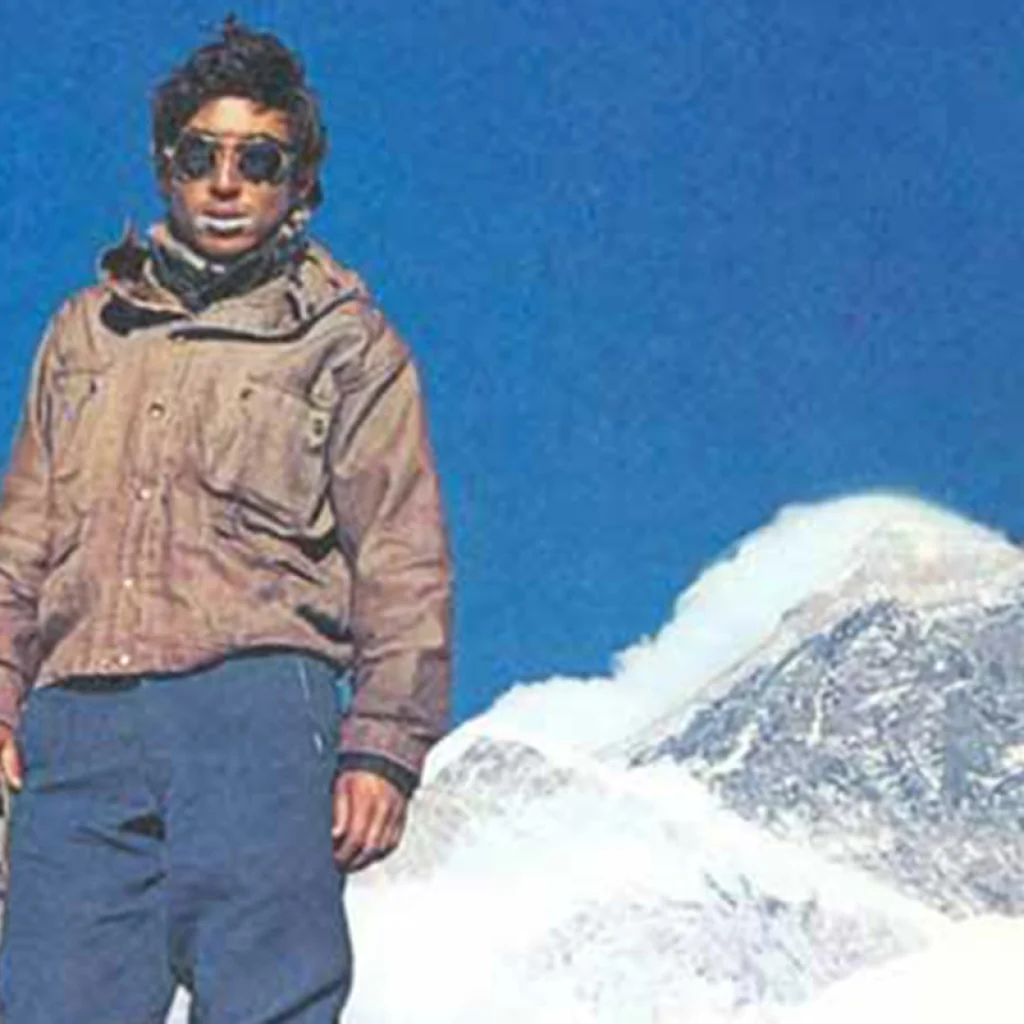
Sambhu Tamang’s success continues to inspire aspiring mountaineers and showcases the significant contributions of the Tamang community to Nepal’s mountaineering legacy.
Where Do Tamangs Live?
In Nepal, Tamangs are mostly found in:
- Ramechhap
- Sindhupalchok
- Nuwakot
- Dhading
- Rasuwa
- Makwanpur
- Chitwan
- Kathmandu Valley
- Lamjung and Gorkha foothills
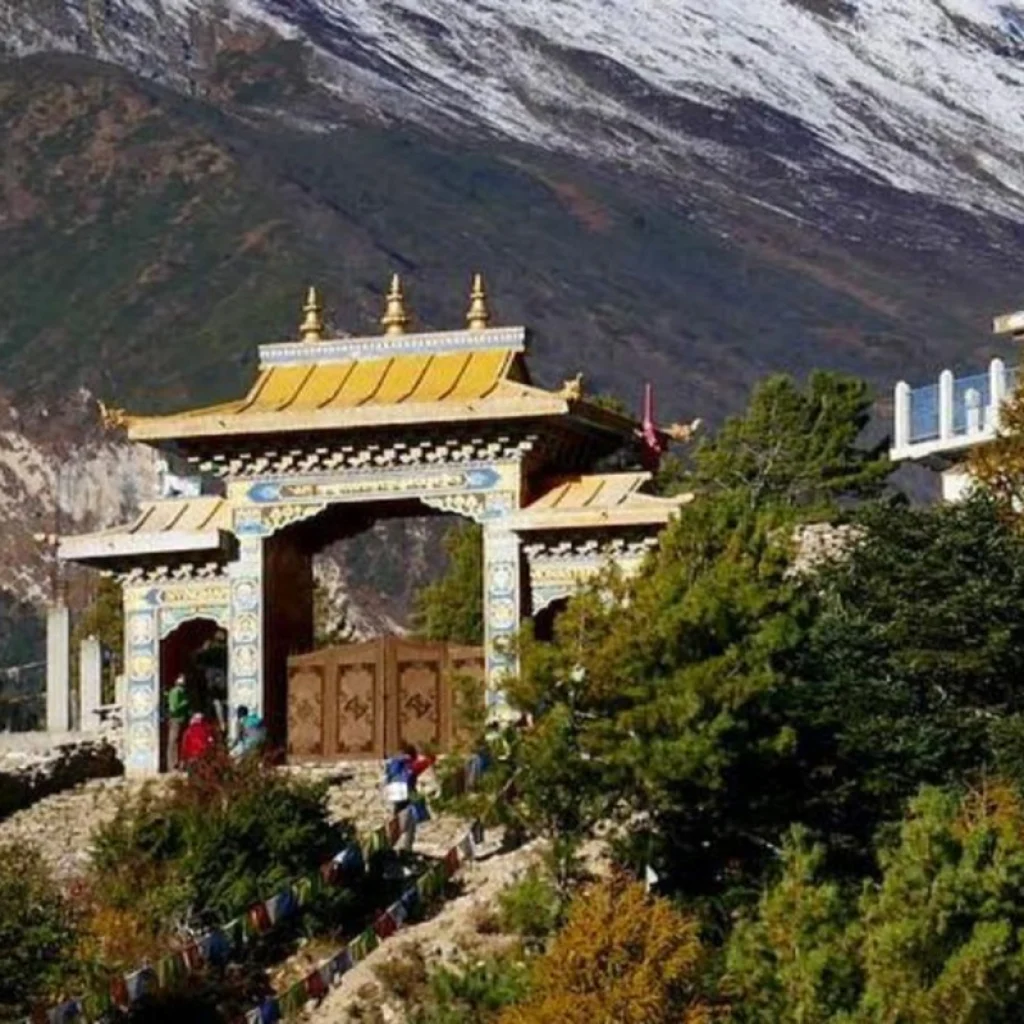
Many Tamangs also live in towns and cities, having migrated for work, education, and business.
In India, Tamangs live in:
- Sikkim
- Darjeeling District
- Kalimpong District
- Assam
In Bhutan, they are found mainly in:
- Tsirang
- Dagana
- Samtse
- Chukha
- Sarpang
- Samdrup Jongkhar
Language and Communication
The Tamang language is a key part of Nepal’s cultural heritage, spoken by over 1.6 million people. The Tamang language belongs to the Tamangic branch of the Sino‑Tibetan family, and people use it across Nepal’s central hills, Himalayan regions, and neighboring areas in India and Bhutan.
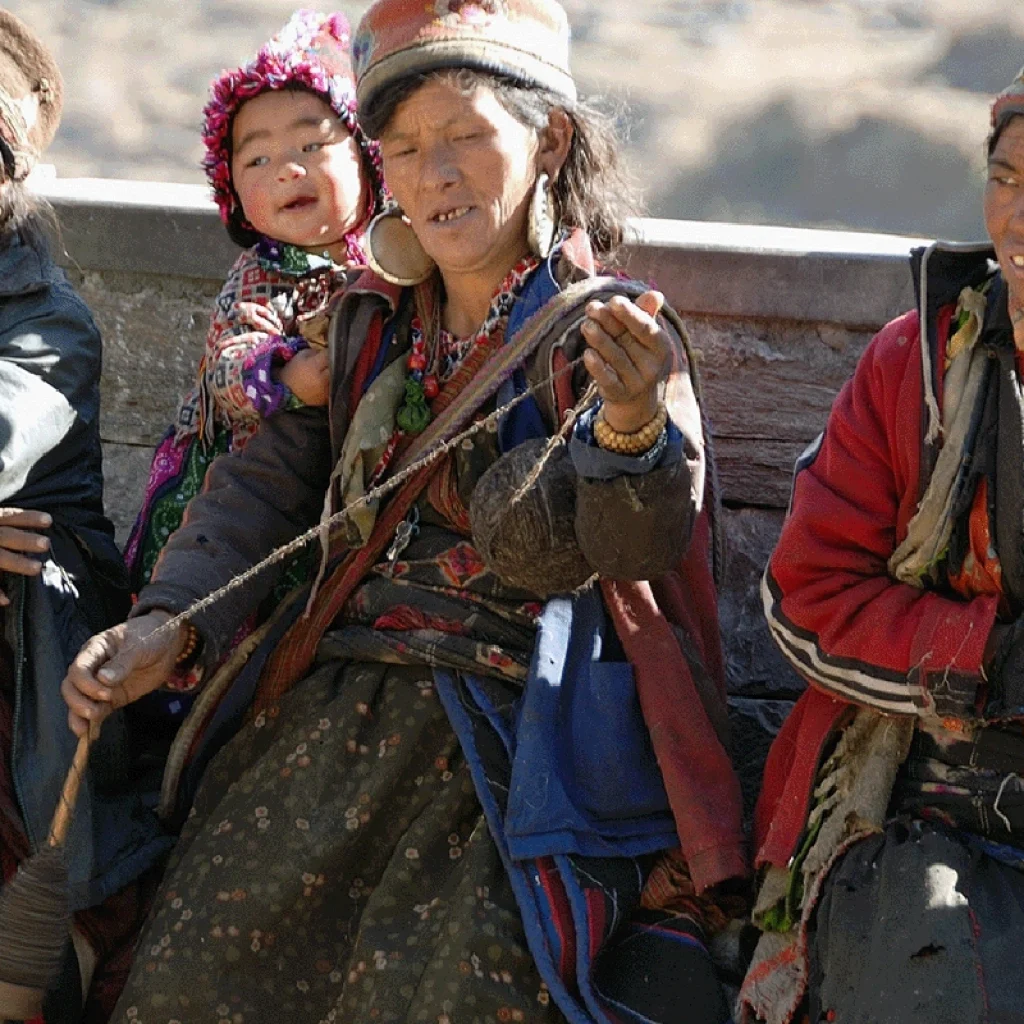
Tamang has five main dialects: Eastern, Western, Southwestern, Northwestern, and Eastern Gorkha Tamang. Regional differences sometimes make it hard for speakers from different areas to understand each other, showing the language’s rich diversity.
It is tonal and follows a subject‑object‑verb (SOV) structure. Tamang is written in both the Tamyig script, similar to Tibetan, and the Devanagari script. Although Nepali dominates schools, media, and government, efforts to teach Tamang, preserve oral traditions, and promote local literature and songs are helping the language thrive.
About the Tamang Traditional Dress
The Tamang traditional dress is an important part of the community’s cultural identity and daily life. While styles vary slightly across regions, their clothing emphasizes comfort, practicality, and connection to heritage. The Tamang dress is worn during everyday activities as well as festivals, weddings, Lhosar (Tamang New Year), and other cultural ceremonies, showcasing social unity and cultural pride.
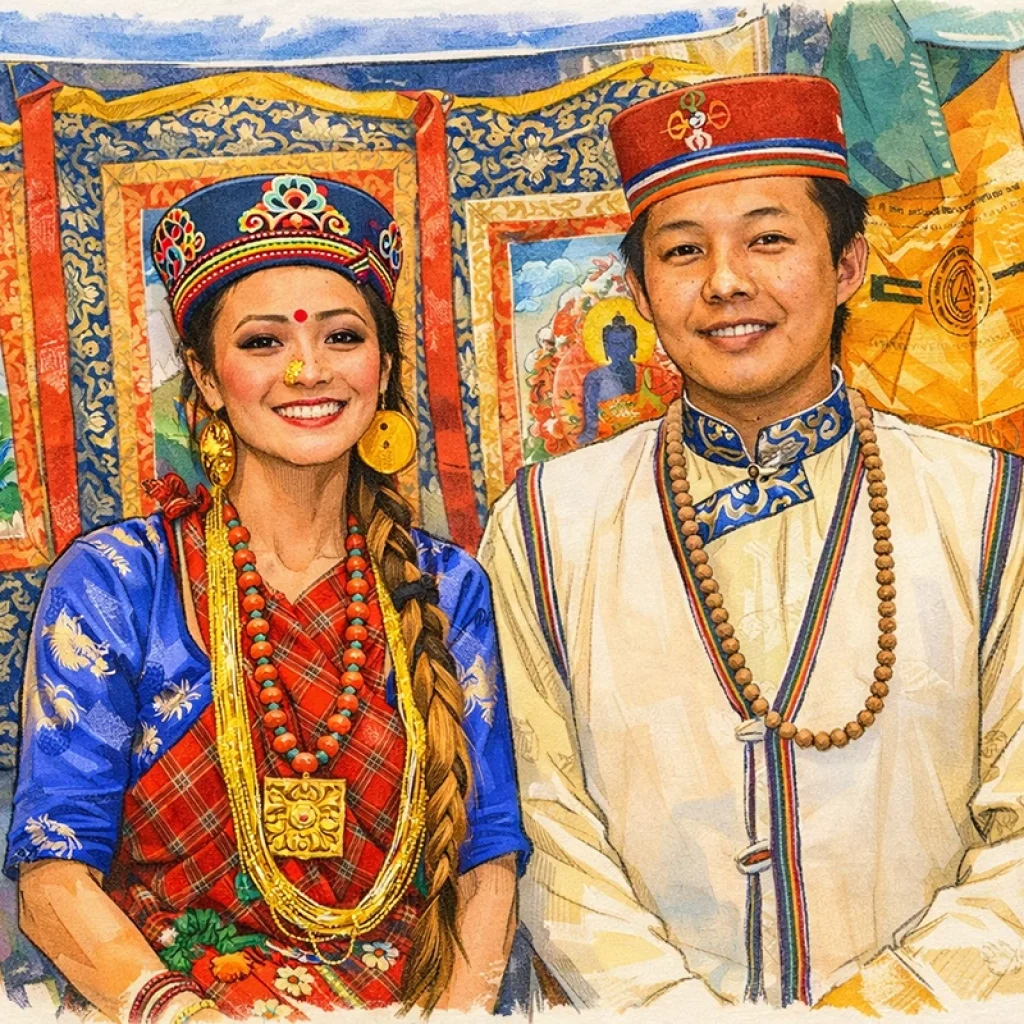
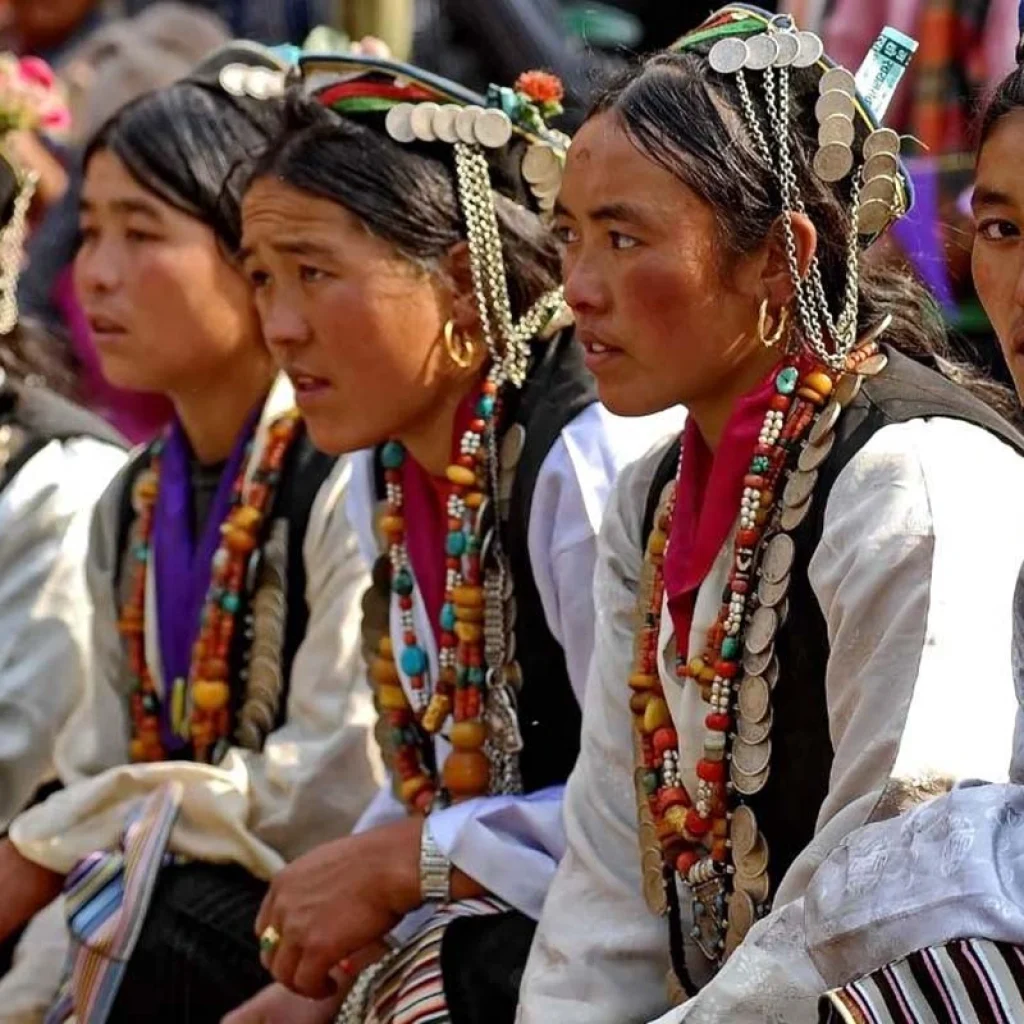
Men typically wear the Ghyiwa or Doma, a tunic-like shirt, with Gyaba or Docha loose trousers, a Patuki or Khadi sash, and a distinct Tamang cap. Women wear the Singa or Tunga, a long, draped garment with a Takto blouse, often paired with a Hangpa shawl and traditional jewelry such as earrings, coin necklaces (gyesupa), and pyakchi head ornaments. This attire highlights the community’s identity and preserves Tamang cultural traditions across generations.
Culture, Beliefs, and Traditions of the Tamang Community
Religion
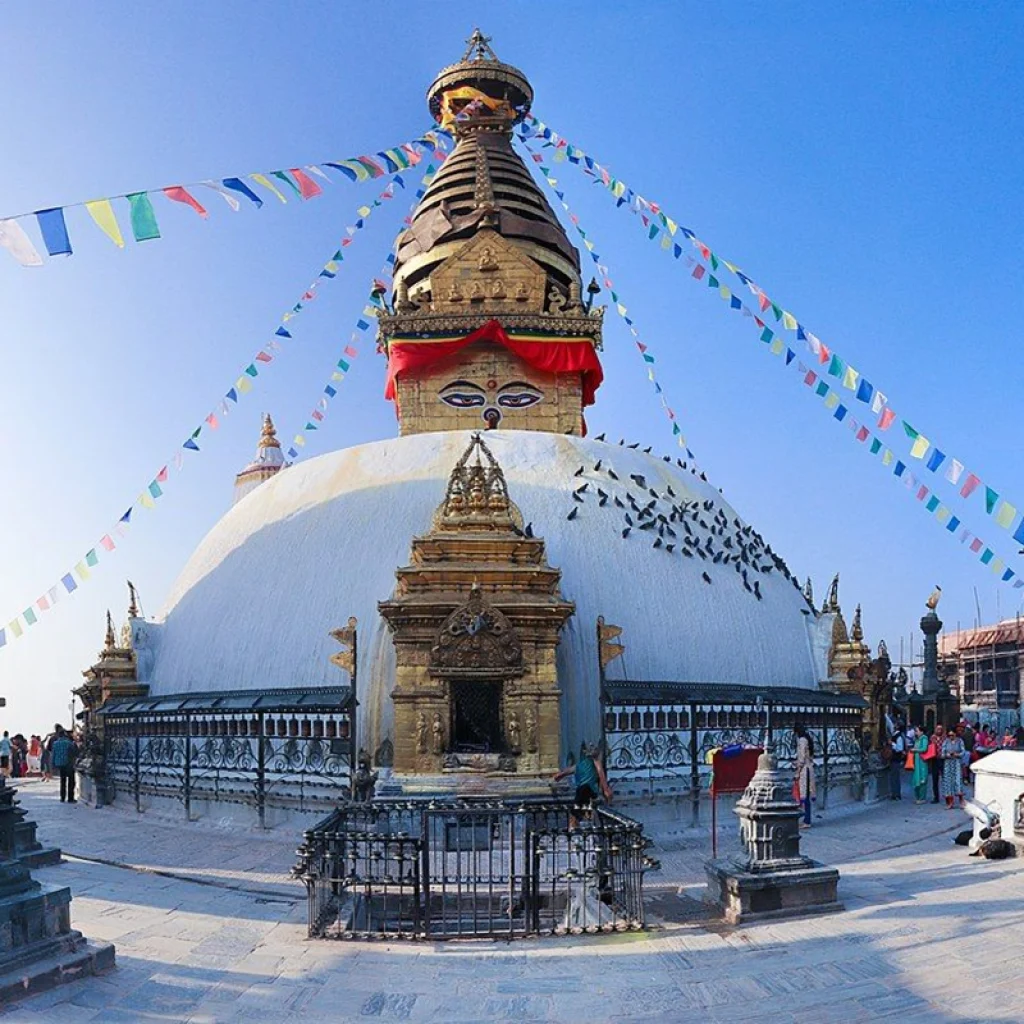
About 87% of Tamangs follow Buddhism, many with Tibetan Buddhist influences. Around 8% follow Hinduism and 3% follow Christianity. Many Tamangs display Buddhist prayer flags and mantra cloths in villages and homes. Religious life is closely linked to community activities and important festivals.
Social Structure
Tamang society is organized into more than 100 sub‑clans. These clans guide social roles, ritual duties, and marriage practices. Clan leaders and elders often play key roles in community decisions.
Music, Dance, and Oral Heritage of the Tamang People
Music and heritage are central to the Tamang identity. These traditions are used to pass knowledge, history, and beliefs from one generation to another.
Tamang Selo
Tamang Selo is the most popular music and dance form. It is performed during festivals, weddings, and gatherings.
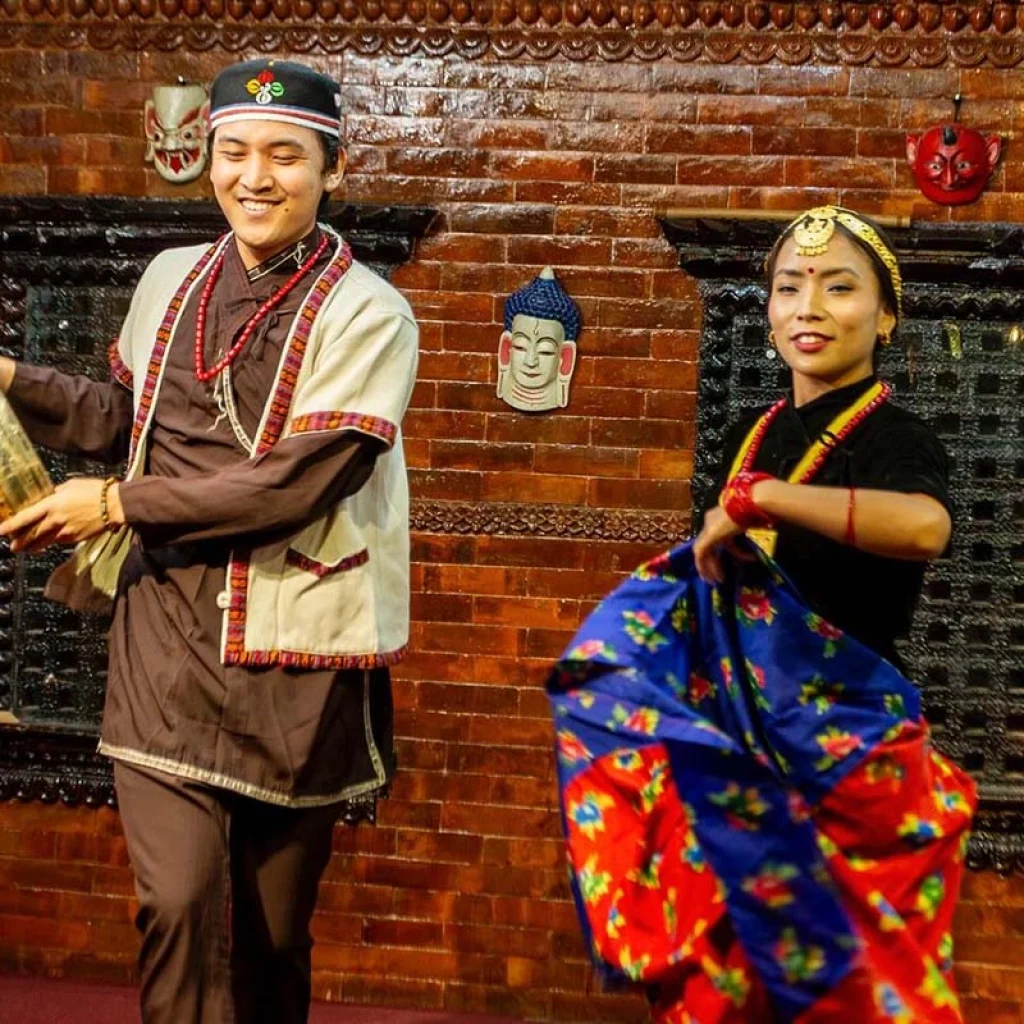
Songs often express love, humor, and daily life. Performances are lively, and lyrics are sometimes created on the spot, making them interactive.
Damphu and Hwai Songs
The damphu, a traditional drum made from wood and goatskin, serves as the main instrument in Tamang music and holds great cultural significance.
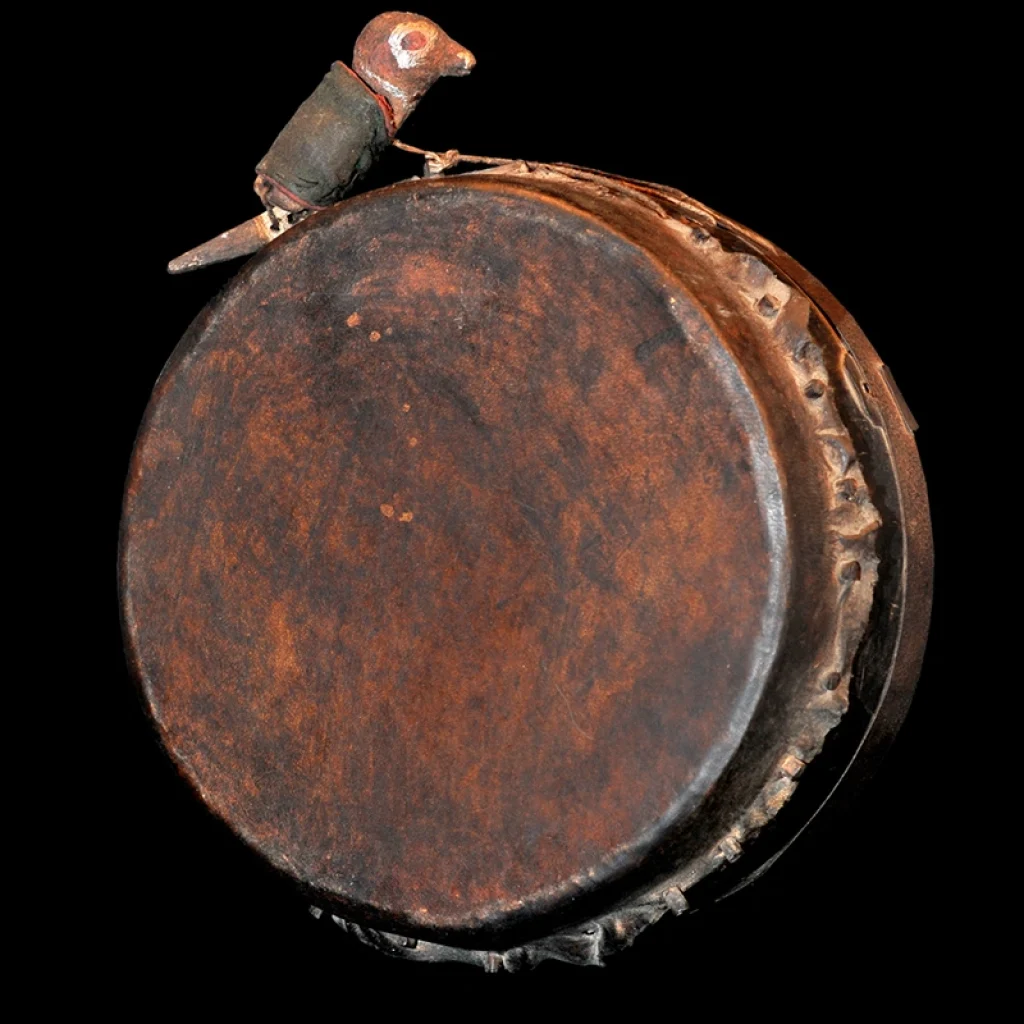
Hwai are ritual songs sung by Tamba, the traditional storytellers. These songs explain origin stories, clan history, and spiritual beliefs, often performed during ceremonies.
Festivals and Special Events of the Tamang People
Festivals play an important role in Tamang life. They bring families and communities together, strengthen cultural identity, and connect religious beliefs with daily life. Through music, rituals, and gatherings, these events help preserve traditions across generations.
Sonam Lhosar
Sonam Lhosar is the most important festival of the Tamang community. It usually falls in the month of Magh (January to February) based on the lunar calendar and marks the Tamang New Year.
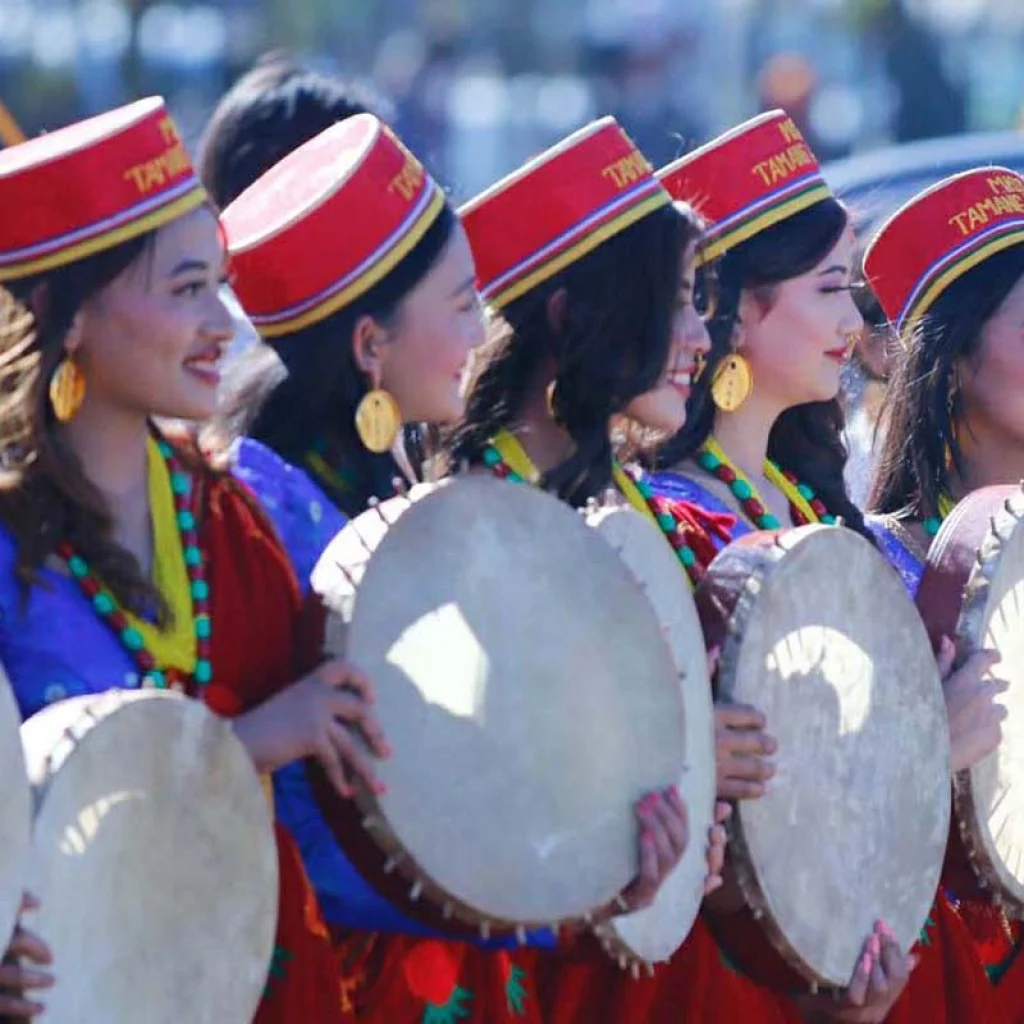
During Sonam Lhosar, people clean their homes, wear traditional dress, and prepare special foods. Families gather to celebrate with music, the Tamang Selo dance, and cultural performances. Monasteries and homes display prayer flags, and people perform rituals to bring peace, prosperity, and good fortune in the coming year.
Each year features an animal from the 12-year cycle, adding cultural and symbolic meaning to the celebration. Sonam Lhosar is not just a festival but a time for renewal, unity, and cultural pride among the Tamang people.
Saga Dawa
Saga Dawa is an important Buddhist festival that honors the birth, enlightenment, and death of Gautam Buddha. It is observed with deep respect and devotion by the Tamang community.
Also Read: People of Nepal: Limbu
During Saga Dawa, people visit monasteries, offer prayers, light butter lamps, and perform acts of kindness. Many believe that good deeds done during this time bring greater spiritual benefits. The festival reflects the strong influence of Buddhism in Tamang life and their focus on compassion, peace, and spiritual growth.
Daily Life and Occupations
Traditionally, Tamangs live in hill and mountain regions and depend on subsistence farming. Common crops include:
- Rice
- Millet
- Maize
- Wheat
- Vegetables
Livestock such as goats, cows, and buffaloes are also part of the household economy, providing milk, meat, and labor for farming.
Many Tamangs today work in towns and cities, engaging in business, government jobs, education, and service industries. Migration for work has increased in recent years, especially to urban centers and abroad, yet many families maintain strong ties to their ancestral villages.
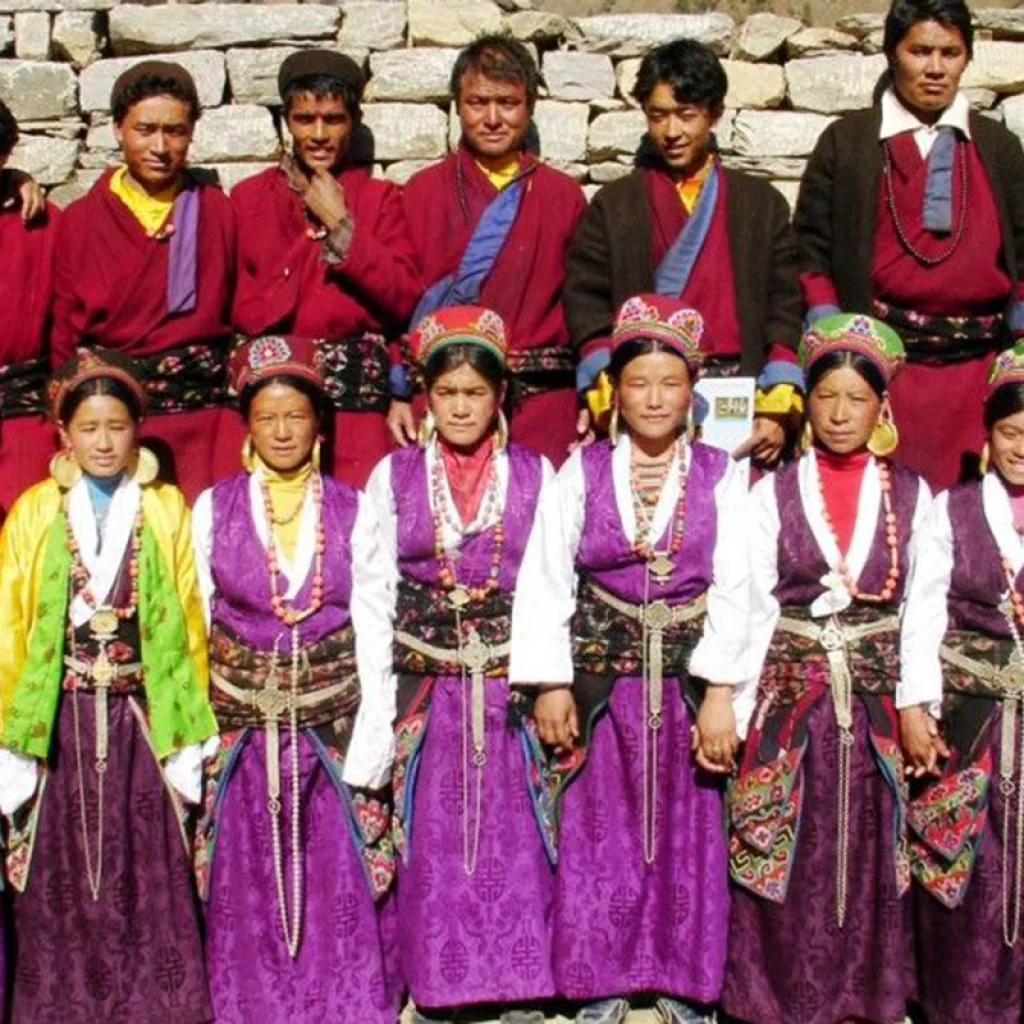
Modern Tamangs balance traditional practices with contemporary lifestyles, celebrating festivals, practicing Buddhism, and participating in community events while also embracing technology, higher education, and new career opportunities.
Social media, mobile communication, and remittances have further shaped their way of life, connecting urban and rural communities more closely than ever before.
Challenges and Language Preservation
The Tamang language and traditions face challenges due to modernization and urban migration. Younger generations often use Nepali more than their native language.
However, efforts are growing:
- Community schools teaching the Tamang
- Cultural programs and festivals
- Social media promoting identity
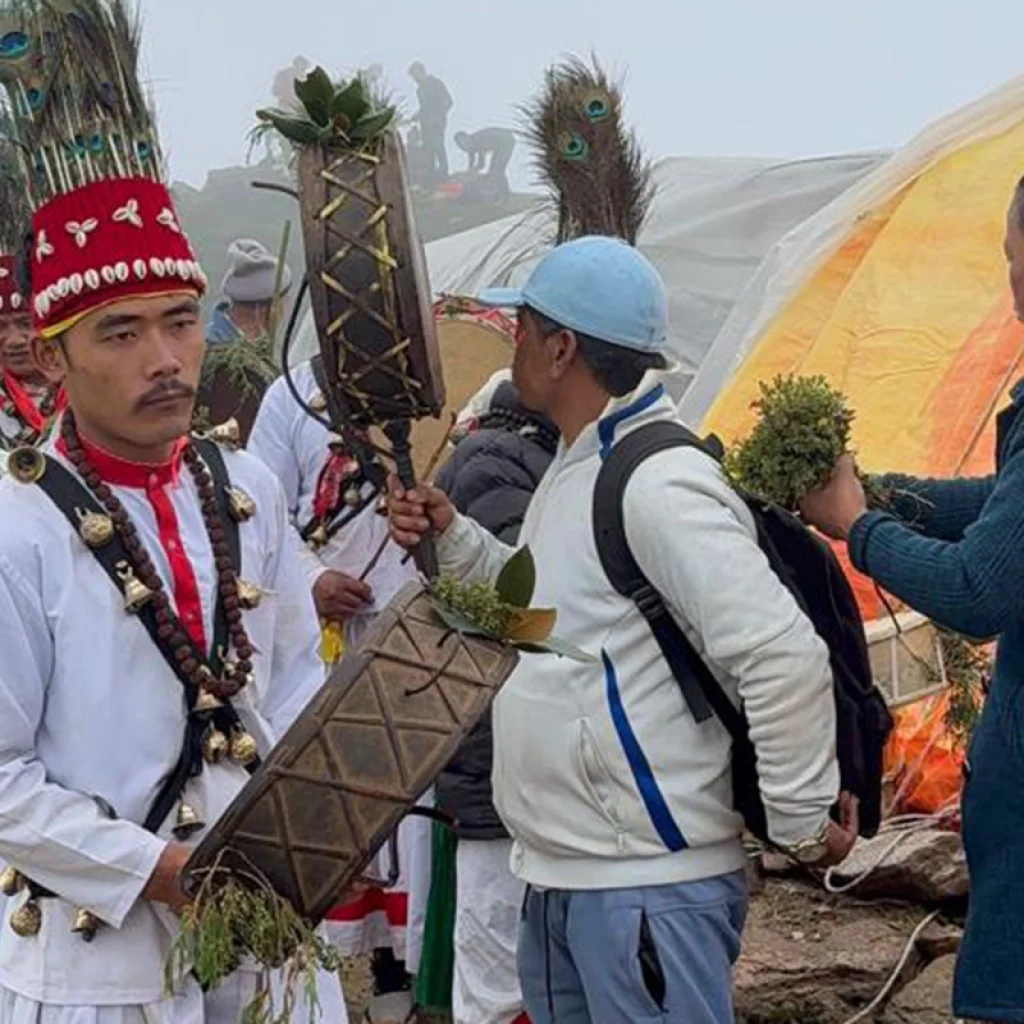
These efforts are helping preserve their culture for the future.
The Lasting Significance of Tamang Culture in Nepal
The Tamang community plays a major role in Nepal’s cultural identity. Their language, festivals, music, and traditions add to the country’s diversity.
Further Information and Queries: Do Contact Us
Their way of life reflects strong community values, connection to nature, and spiritual beliefs. Understanding the Tamangs gives a deeper insight into Nepal’s history and society.
0 Comment