

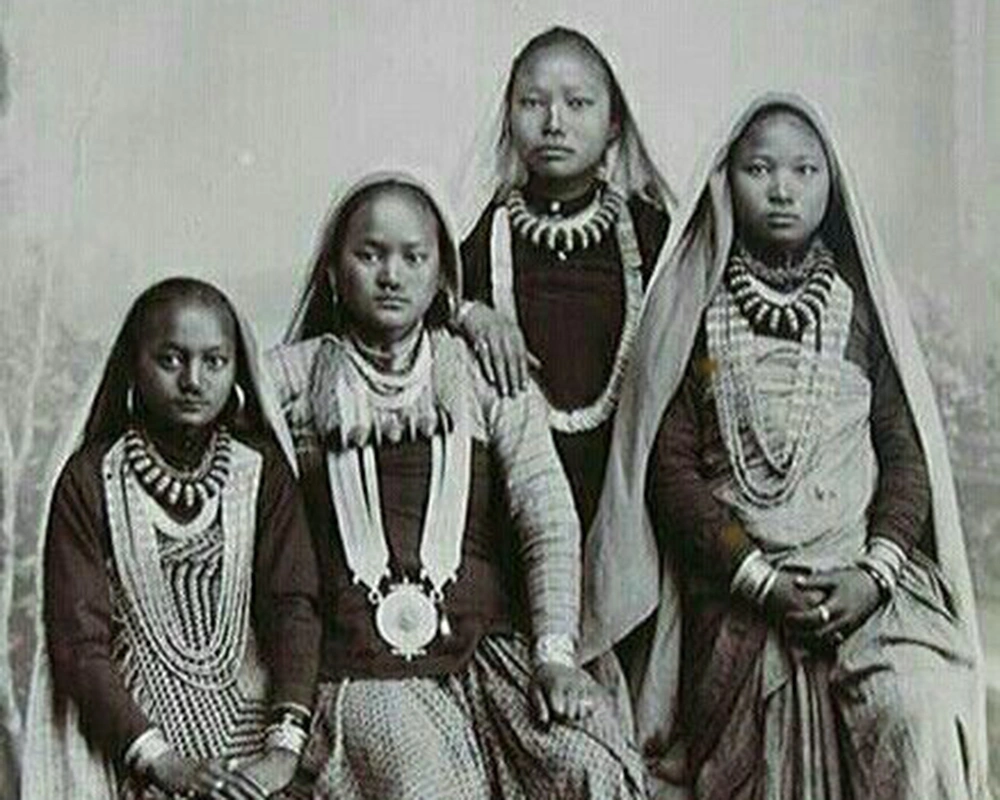

The Limbu people of Nepal, also known as Yakthung, are one of the most unique indigenous communities of the eastern Himalayan region. They mainly live in eastern Nepal, especially in the Limbuwan area, and have preserved a strong identity shaped by their language, traditions, and history. Limbu communities are also found in Sikkim, Darjeeling, and parts of Northeast India, showing their wider cultural presence beyond Nepal.
The Limbu people are known for their rich traditions, close-knit communities, and deep respect for nature. Their ancient oral scripture, called Mundhum, along with their dances and festivals, reflects a lifestyle where spirituality and daily life go hand in hand. Even today, many of their traditions are alive and continue to shape who they are.
Historically, the Limbu were part of the Kirat civilization and later developed their own system called Limbuwan. Even after major political changes like the unification of Nepal, they have managed to preserve their culture, language, and social values. This makes them one of the most important cultural communities in Nepal.
Where Do the Limbu People Live?
The Limbu population is mainly found in eastern Nepal, especially in Koshi Province. Districts such as Panchthar, Taplejung, Tehrathum, Ilam, and Dhankuta have large Limbu communities. These areas are often called Limbuwan, their traditional homeland.
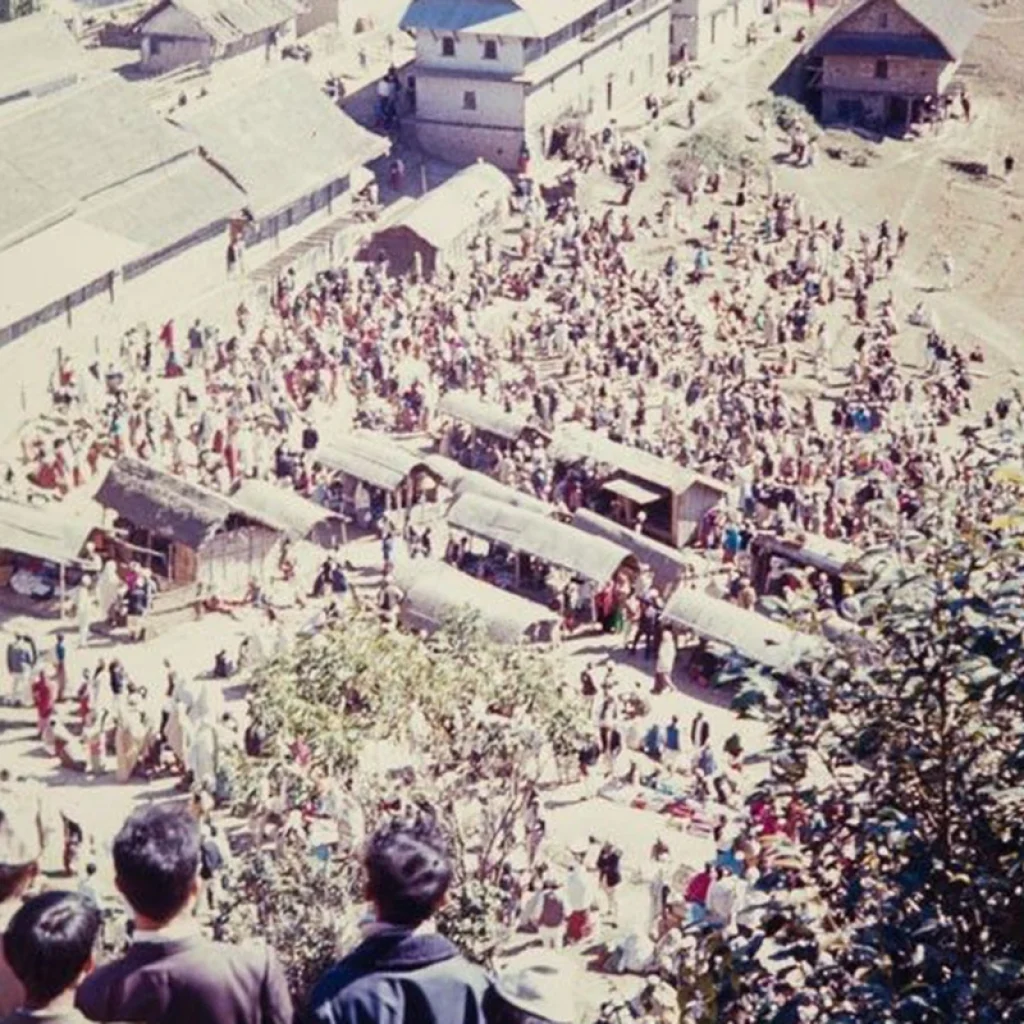
Outside Nepal, Limbu people live in places like Sikkim, Darjeeling, Kalimpong, and Assam. Many have also migrated to countries like the United Kingdom, Hong Kong, and the United States, where they continue to follow their traditions while adjusting to modern life.
History of the Limbu People
The history of the Limbu people goes back to ancient times, even before Indo-Aryan groups came to Nepal. They were part of the Kirat civilization, which once ruled the Kathmandu Valley and eastern hills. Mentions of Kirat warriors can also be found in the Mahabharata.
Before Nepal was unified, the Limbu people lived in an independent region called Limbuwan. It was made up of small kingdoms led by local chiefs known as Subba or Hang. They followed their own laws and practiced the Kipat system, where land was owned by the community.
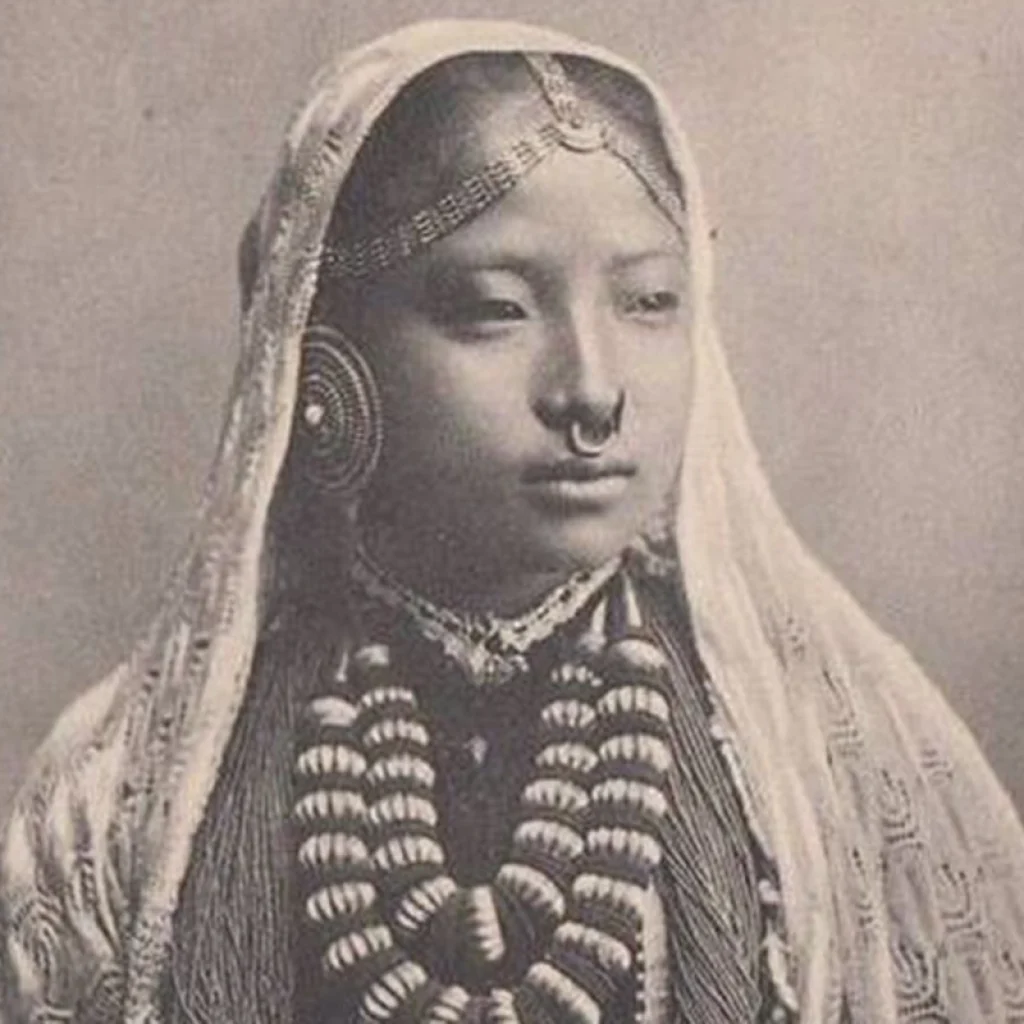
In the late 18th century, Limbuwan became part of Nepal during the unification led by King Prithvi Narayan Shah. At first, the Limbu people were allowed to keep their customs and land rights, but over time these rights became weaker, especially after land reforms in the 20th century.
Limbu Language and Script
The Limbu language, called Yakthungpan, belongs to the Sino-Tibetan family. It is widely spoken in eastern Nepal and the nearby areas of India. There are different dialects such as Phedape, Chhathare, Tambarkhole, and Panthare.
One distinctive feature of Limbu culture is its script, known as the Sirijunga script. King Sirijunga developed it and was later revived by Te-ongsi Sirijunga Xin Thebe. This script plays an important role in protecting their language and identity.
Today, efforts are being made to teach and promote the Limbu language among younger generations both in Nepal and abroad.
Culture and Traditional Life
Limbu culture is closely connected to tradition, social rules, and respect for nature. The community is divided into clans, and marriage within the same clan is not allowed. Women have an important and respected role in the family and society.
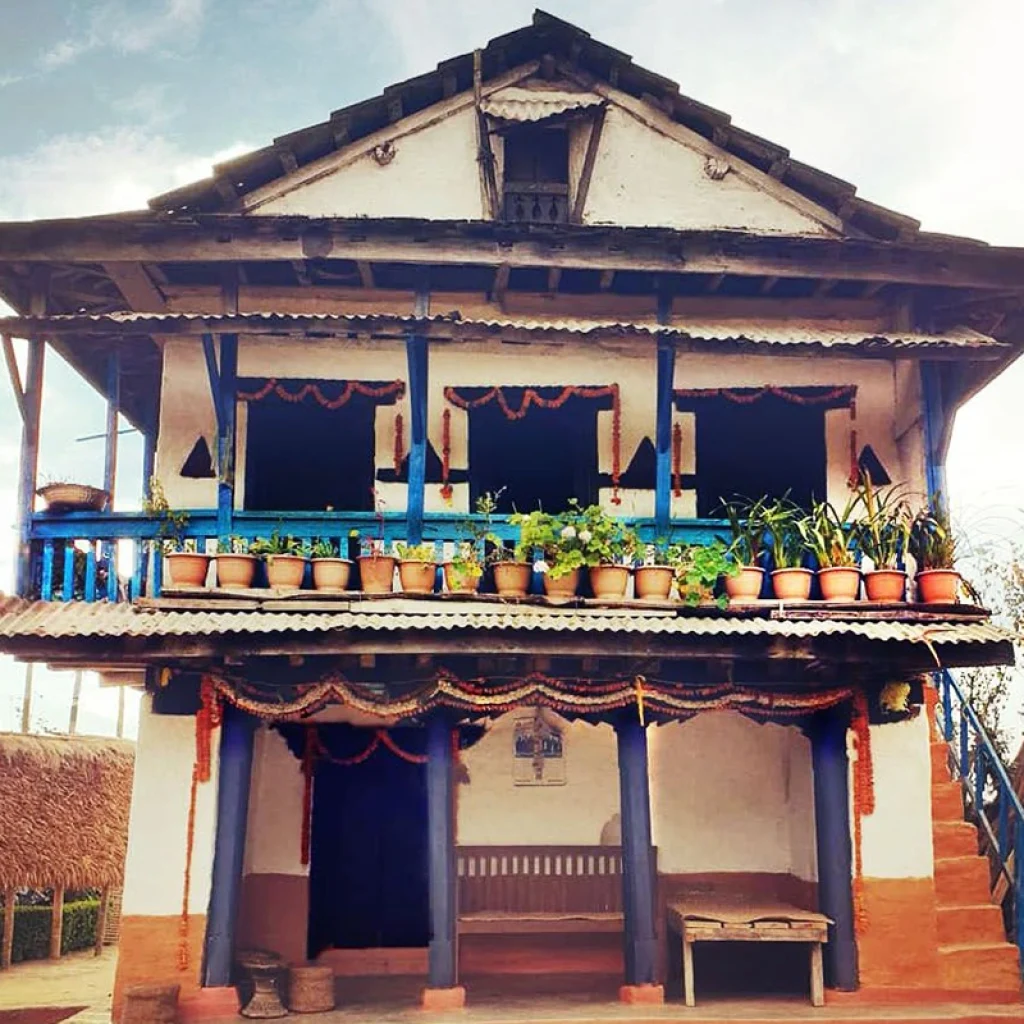
Traditional Limbu houses also reflect their beliefs. The central pillar of the house is considered sacred and linked to the goddess Yuma. Many rituals and offerings are performed around this pillar.
Even with modern changes, many Limbu families still follow their traditions, especially during festivals and important life events.
Religion and Beliefs
The Limbu people follow a traditional belief system called Yuma Samyo, based on the Mundhum. This belief focuses on nature, ancestors, and spiritual balance.
Discover more about: People of Nepal: Bahun
Yuma is the main goddess in their belief system. Religious ceremonies are led by priests such as Phedangma, Yeba, and Samba. These rituals are important during events like birth, marriage, and death.
Some Limbu people follow Hinduism or Christianity today, but many still continue their traditional beliefs.
Festivals, Dance, and Music
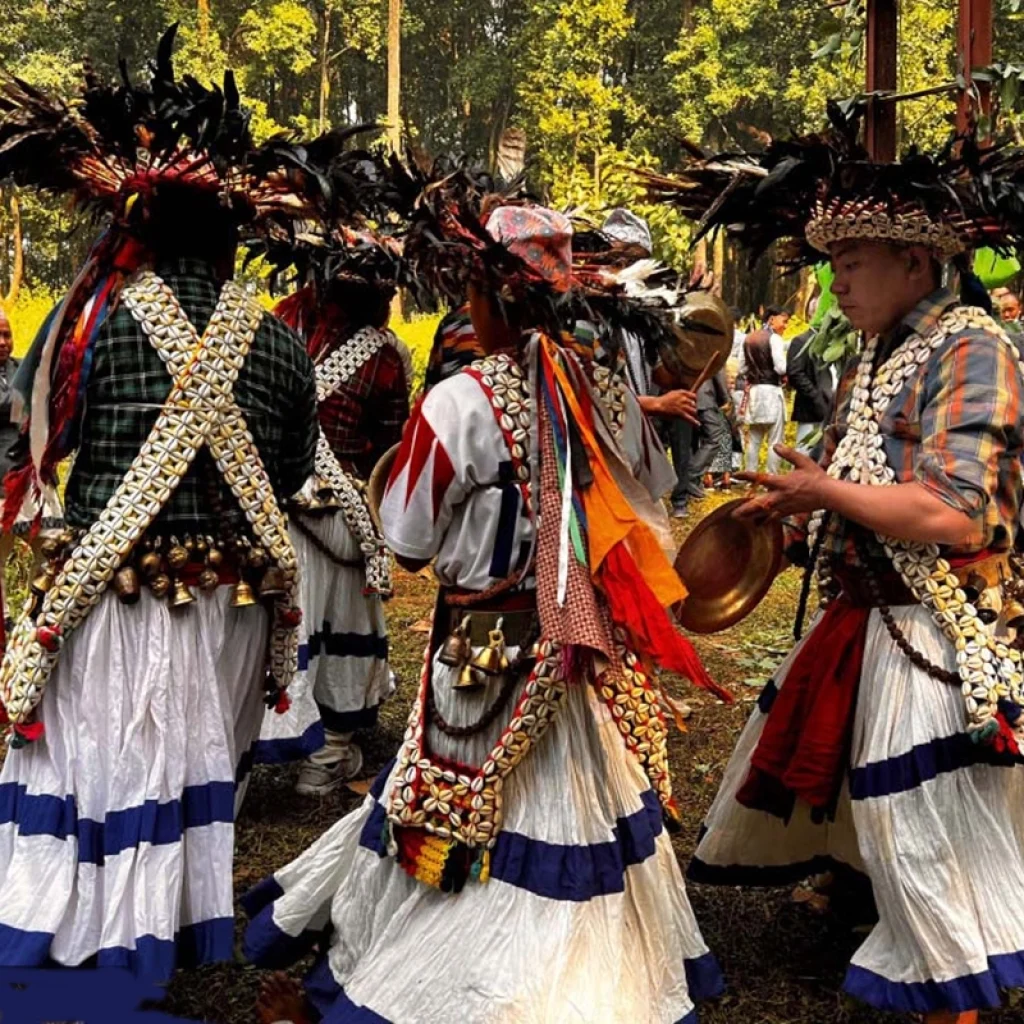
Festivals are a big part of Limbu life. They bring people together through music, dance, and rituals. One of the most popular dances is Chyabrung or Kelang, performed with drums and energetic movements.
Yalakma, also known as the rice harvest dance, is performed during farming seasons and celebrations. These dances often show daily life, nature, and community values.
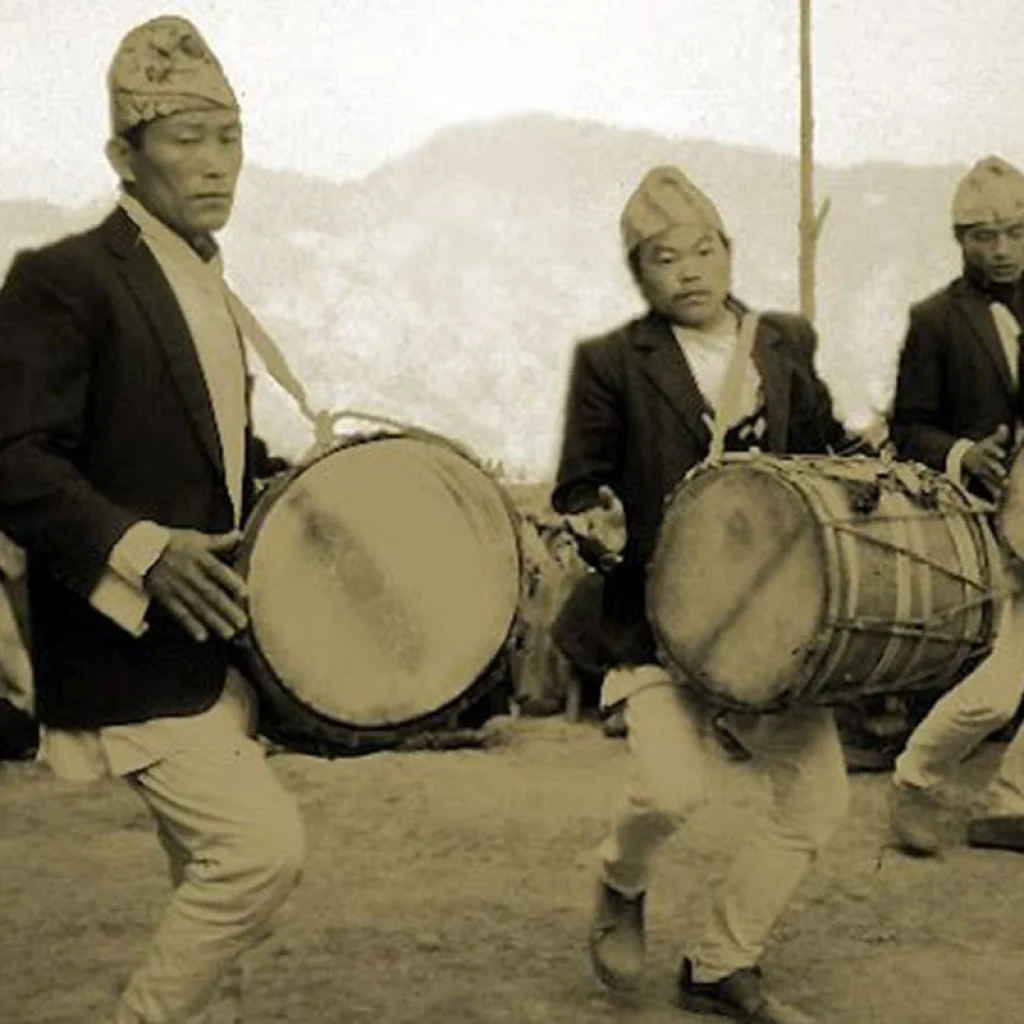
Songs like Palam are also very important. They express emotions, stories, and traditions, and are often sung during gatherings and festivals.
Food and Traditional Cuisine of Limbu People
Limbu food is simple and natural, based on local farming. Common foods include rice, millet, maize, and vegetables, along with fermented dishes.
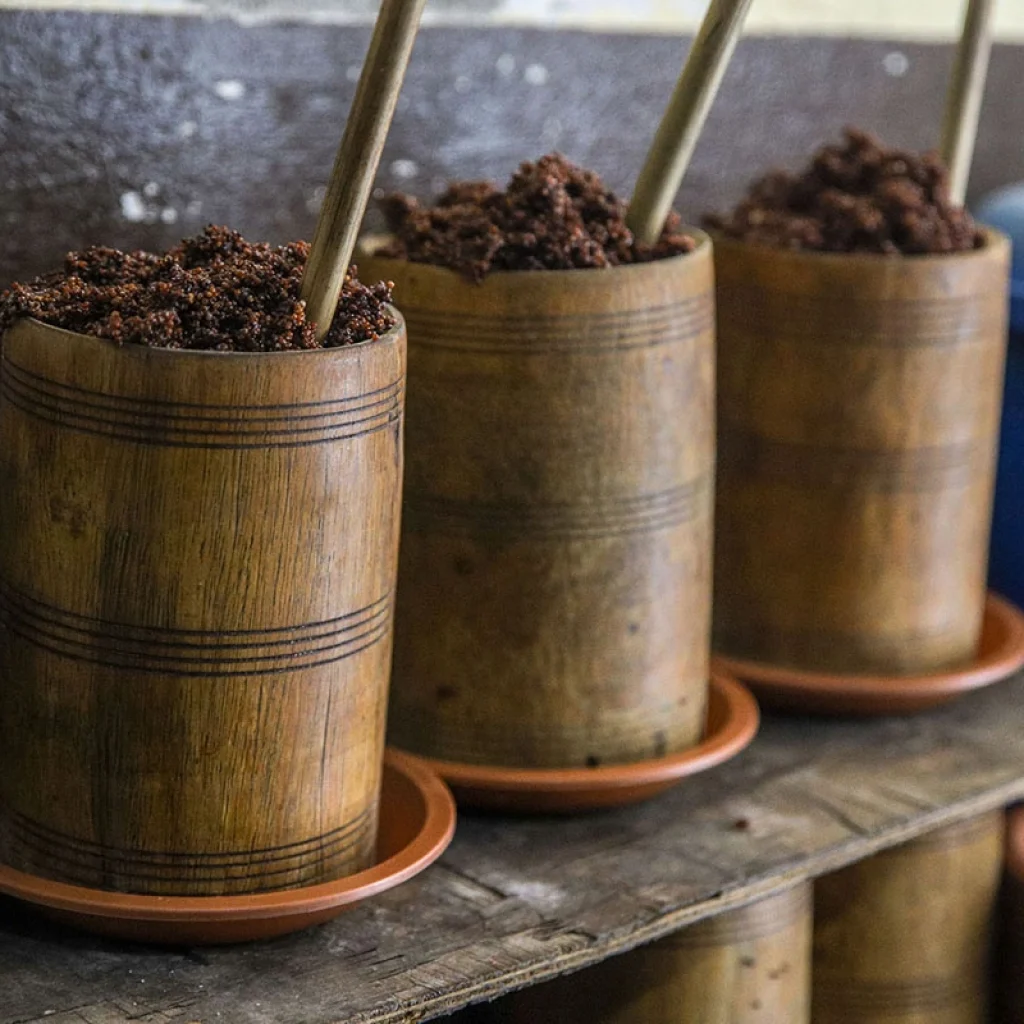
Popular items include kinema, gundruk, yangben, and pork dishes. Tongba, a fermented millet drink, is an important part of social life and hospitality.
Food is also used in rituals and festivals, where it is offered to ancestors and shared among family members.
Occupation and Modern Life
In the past, the Limbu people mainly depended on farming. They grew crops like rice, millet, and maize. Cardamom farming is still an important source of income in eastern Nepal.
Today, many Limbu people work in different fields such as education, government jobs, business, and foreign employment. They are also well known for serving in the British Gurkha Army, Indian Army, and Nepal Army.
Younger generations are now exploring careers in tourism, media, and technology. Even with these changes, many still stay connected to their culture and traditions.
Why Limbu Culture Still Matters Today
Limbu culture is an important part of Nepal’s diversity, and its value goes beyond what is often discussed. One unique aspect is their traditional system of self-governance in Limbuwan, which reflects early forms of local democracy and community-based decision-making.
Another important feature is the Kipat land system, a rare form of communal land ownership that emphasized shared responsibility and collective identity. Although it no longer exists in practice, it remains a powerful symbol of unity and indigenous rights.
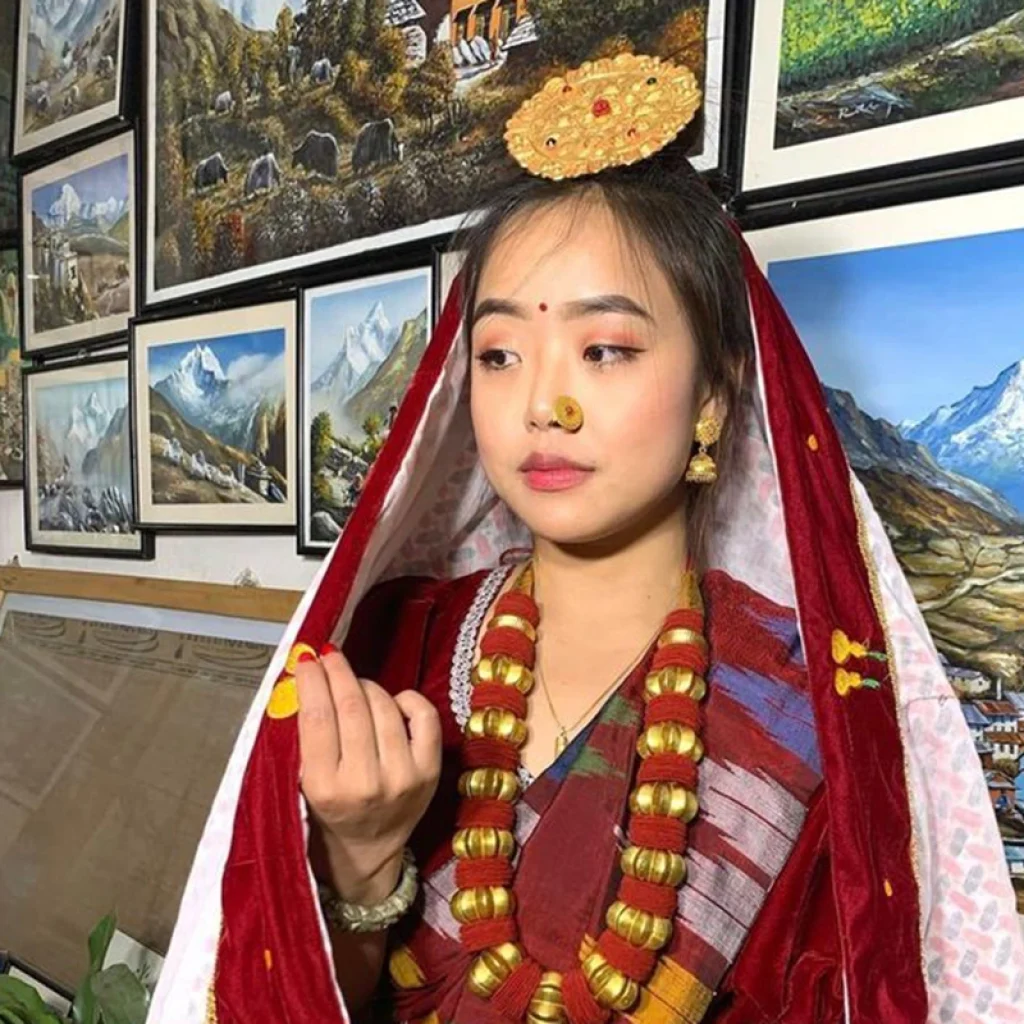
Limbu culture also holds rich genealogical traditions, where families carefully preserve ancestral lineages and oral histories across generations. This helps maintain a strong sense of belonging and identity within the community.
You may also prefer reading: People of Nepal: Rai
In recent years, Limbu youth and organizations have been actively promoting their culture through literature, digital media, and cultural activism. These efforts are helping revive interest in traditions and ensuring that their heritage continues to grow in modern society.
These lesser-known aspects highlight how the Limbu community contributes not just culturally, but also socially and historically, making their heritage deeply meaningful even today.
To Summarize the Limbu People & their Culture
The Limbu people of Nepal are a strong and ancient community with a timeless history and culture. Their journey from ancient times to the modern world shows how they have adapted while still protecting their identity.
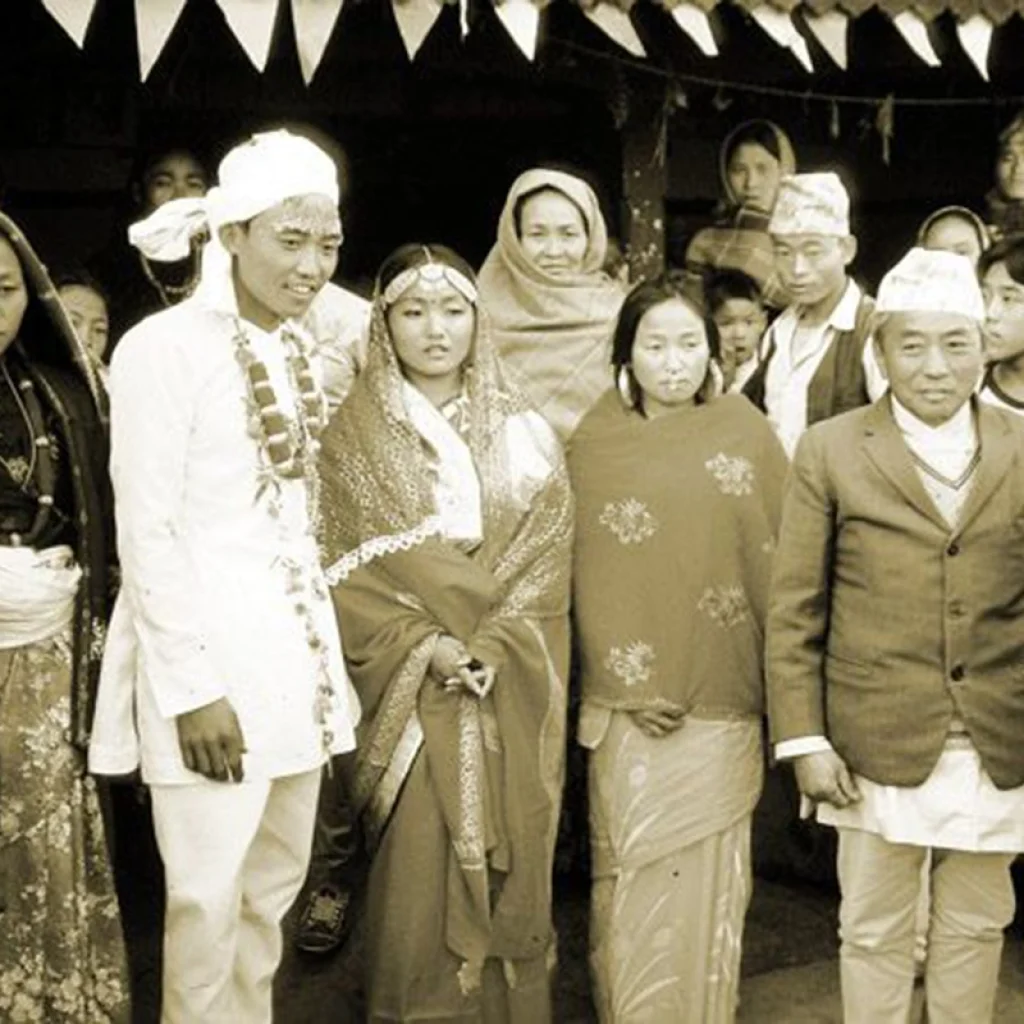
As Nepal continues to develop, understanding and respecting communities like the Limbu becomes even more important. Their way of life teaches us about nature, community, and tradition.
Further Information and Queries: Do Contact Us
Have you ever seen a Limbu dance, tried Tongba, or listened to a Palam song? If not, exploring their culture can be a beautiful and meaningful experience. Their story is still alive and continues to inspire.
0 Comment