Skip to content
Upper Mustang Trek
Upper Mustang Trek

Upper Mustang Trek

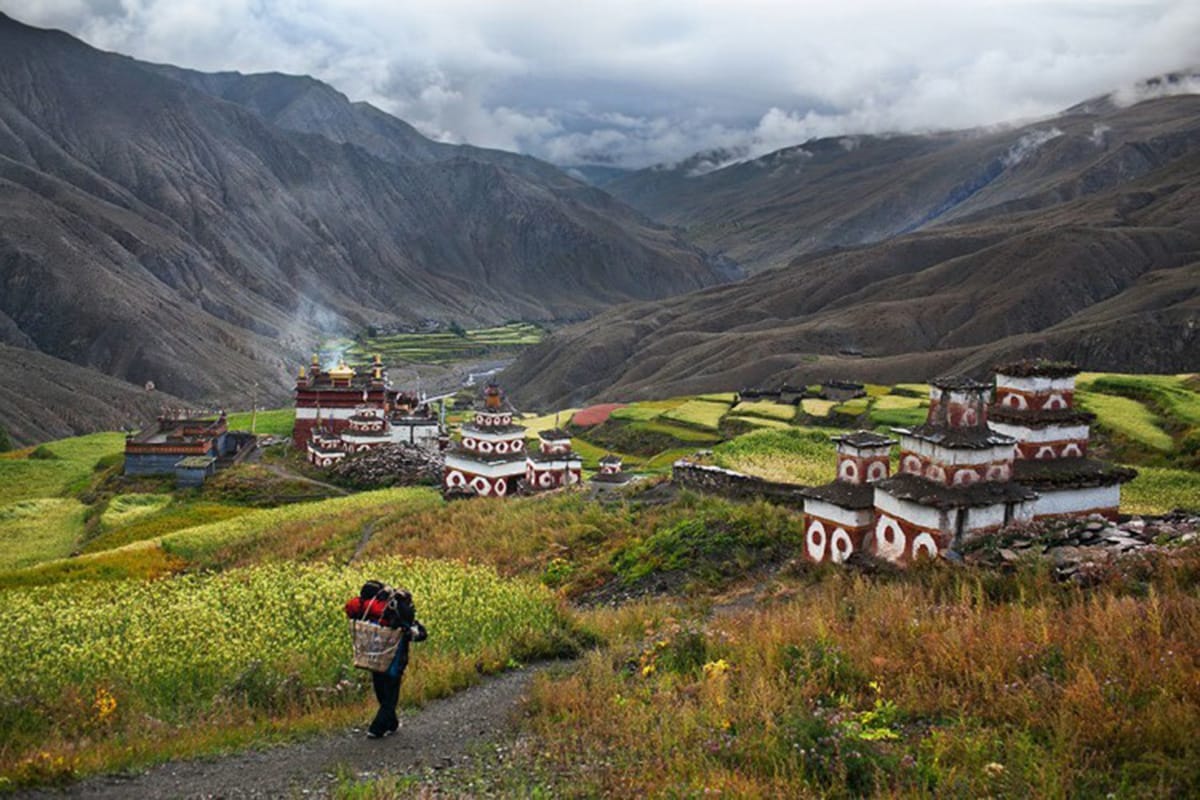
Upper Mustang Trek with Kalapatthar Trek & Expedition carries you into the high-altitude desert north of the Annapurna and Dhaulagiri ranges, reaching Lo Manthang at 3,840 meters, the walled capital of the former Kingdom of Lo.

View packages
from$3,000$2,660per person
Duration14 days
Max altitude3,840 m
GradeStrenuous
Best seasonSpring & Autumn
The trip

Upper Mustang Trek

This itinerary is planned around full permit processing, experienced local guides, and a schedule that balances daily trekking distances with real time for cultural exploration. A full day set aside in Lo Manthang lets you visit its monasteries, royal palace, and surrounding cave systems without rushing between sites. Two reserve days are built into the schedule as well, covering weather delays on the Jomsom flight or an extra rest day if conditions call for it.

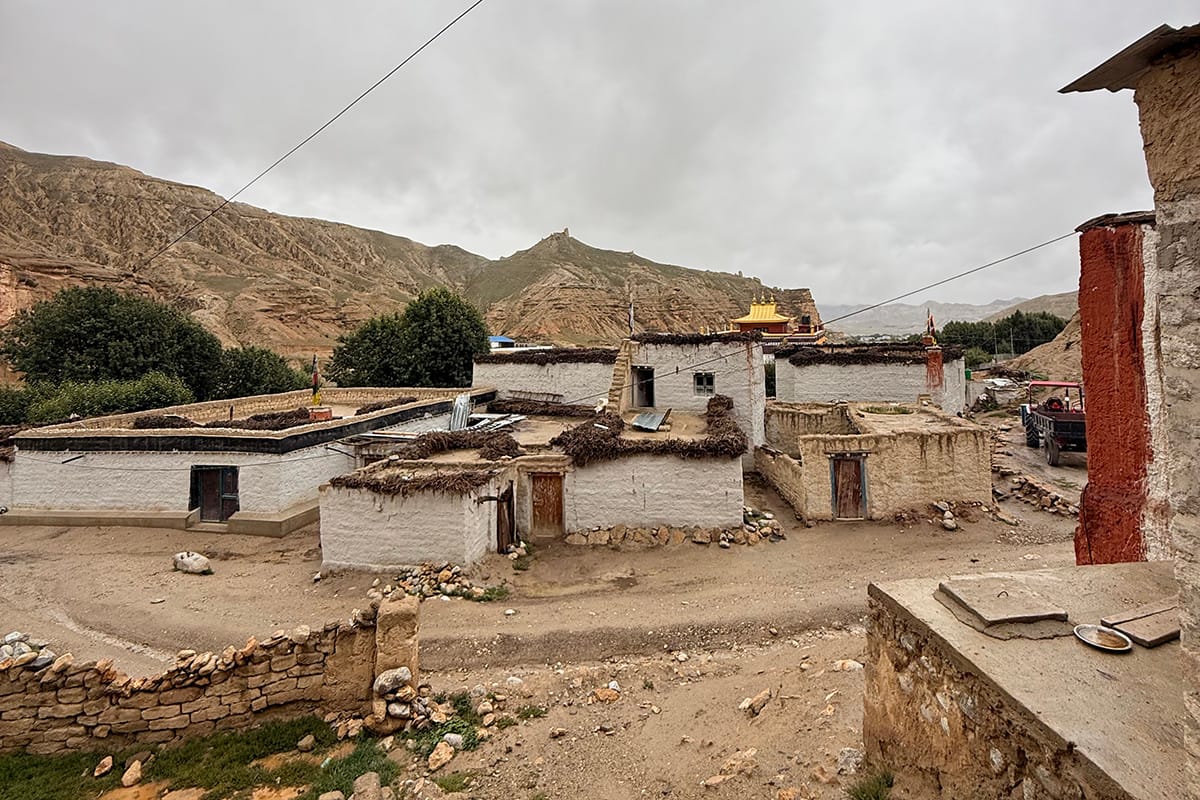
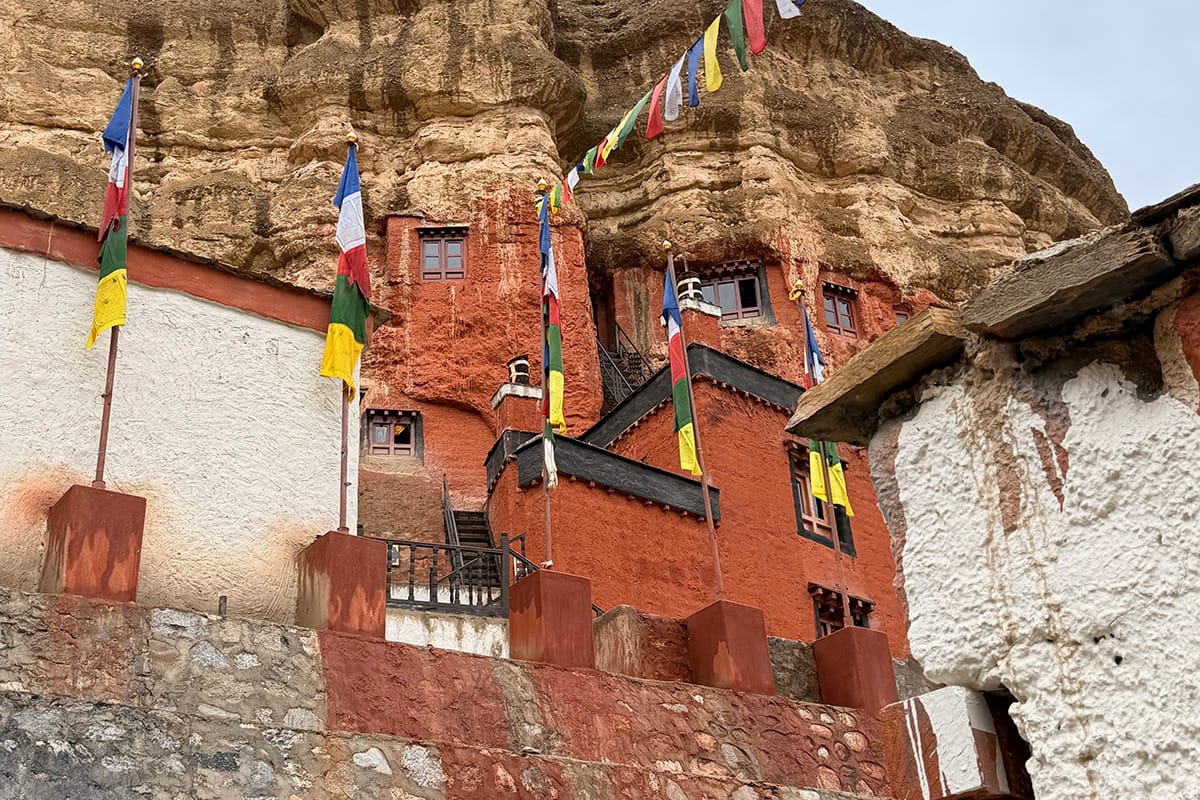
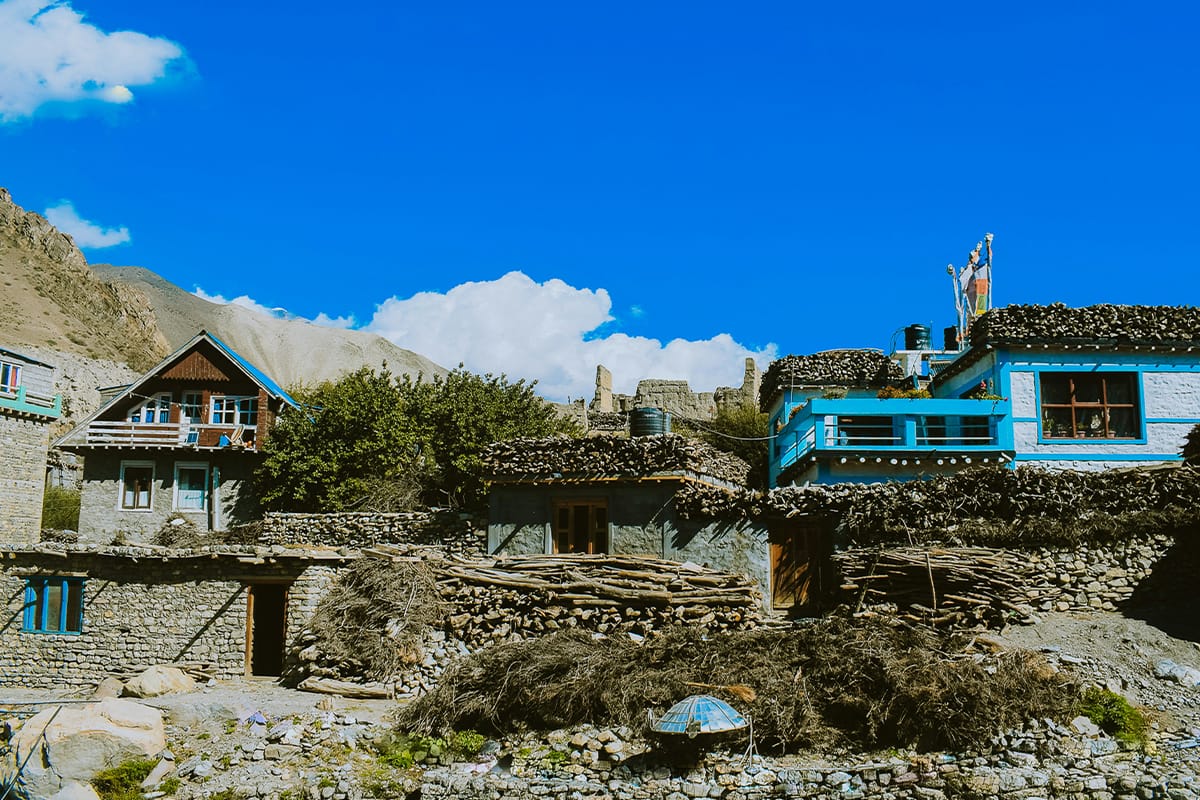
Along the trail, the living culture of the Lo-pa people remains largely unchanged after five centuries, with active monasteries, carved mani walls, and stone houses defining daily life in villages like Ghami and Charang. Daily wellness checks from your guide track your oxygen saturation, pulse rate, and temperature throughout the higher sections of the route, supporting safe travel through this remote corner of Nepal.

The Trail Through Upper Mustang

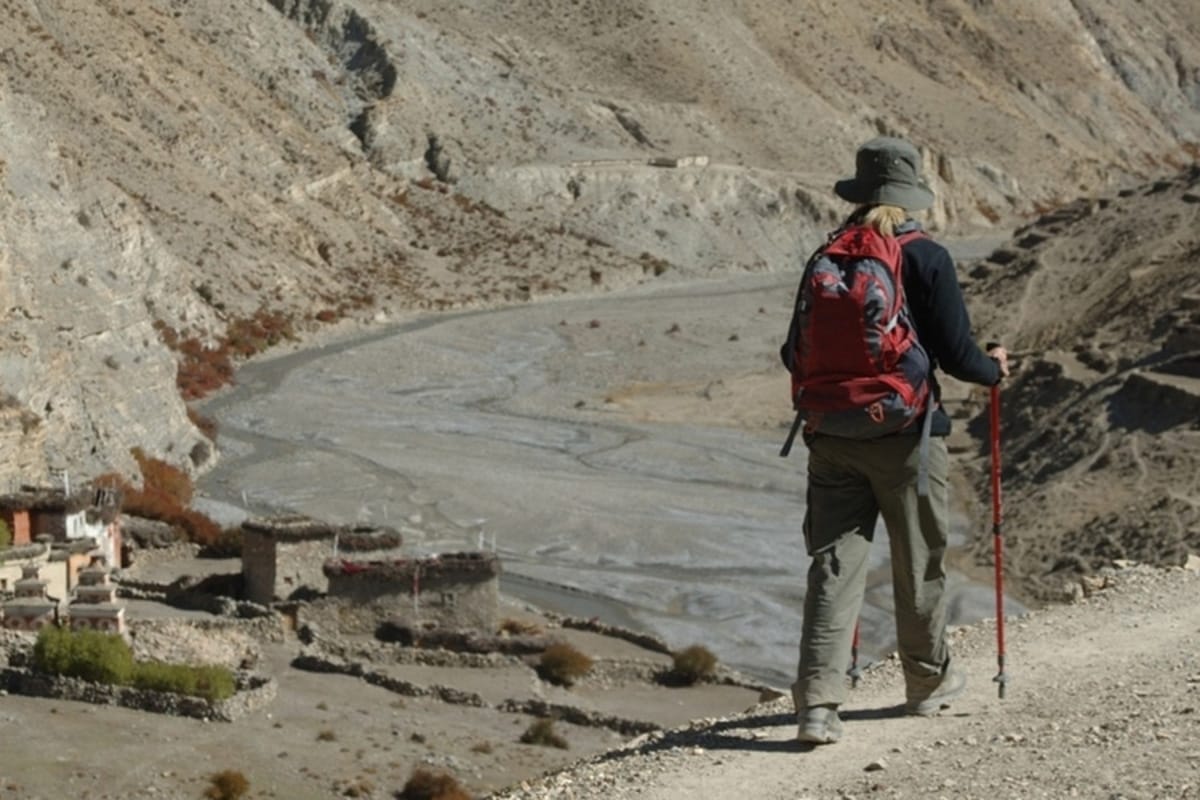
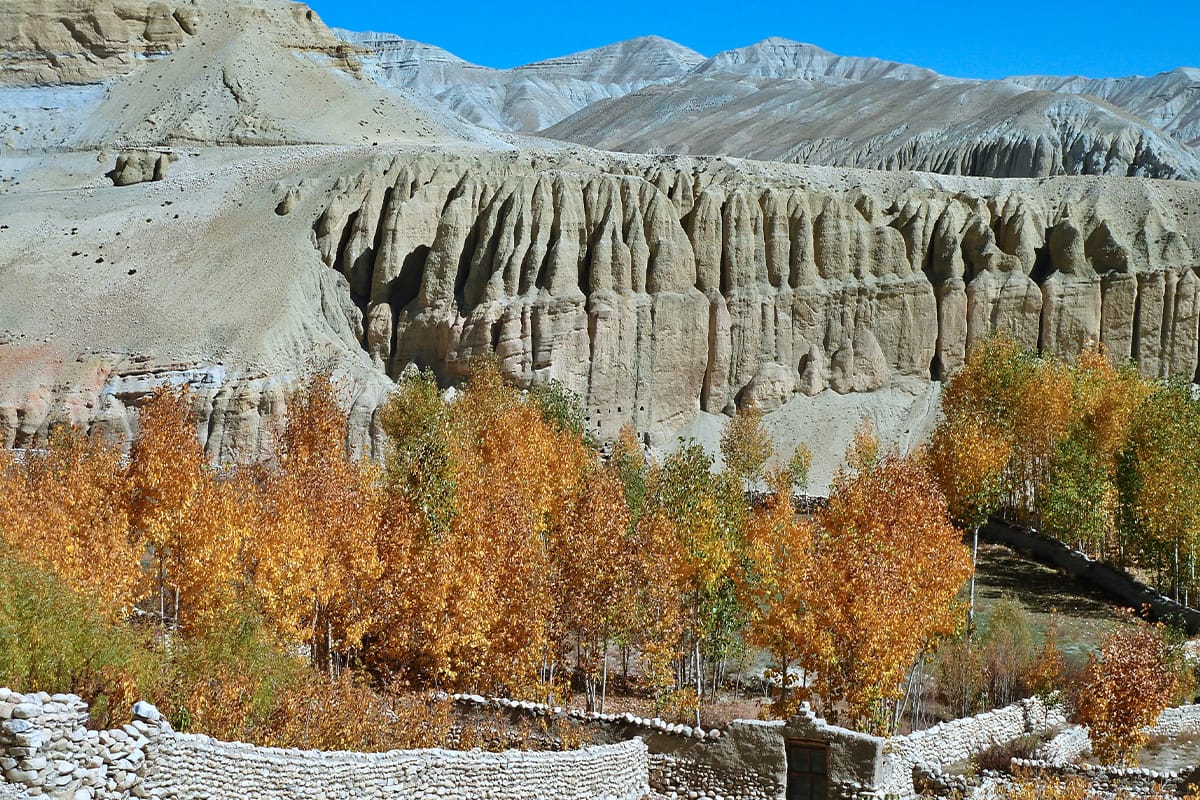
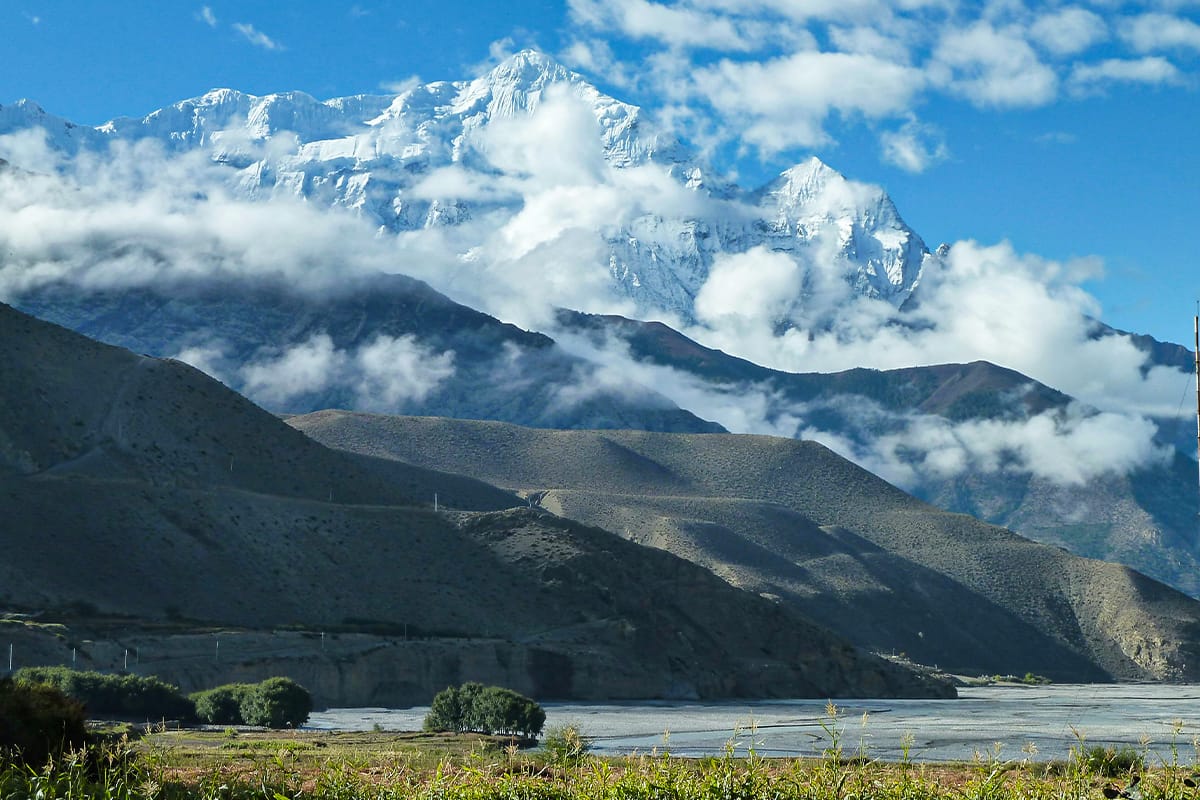
Flights carry you from Kathmandu to Pokhara and then on to Jomsom, where the trek proper begins along the Kali Gandaki River toward Kagbeni, the gateway village into the restricted zone. From there, the trail climbs steadily through Chele, Geling, and Charang, crossing the Nyi La Pass near 4,020 meters before reaching the open plateau that leads to Lo Manthang.

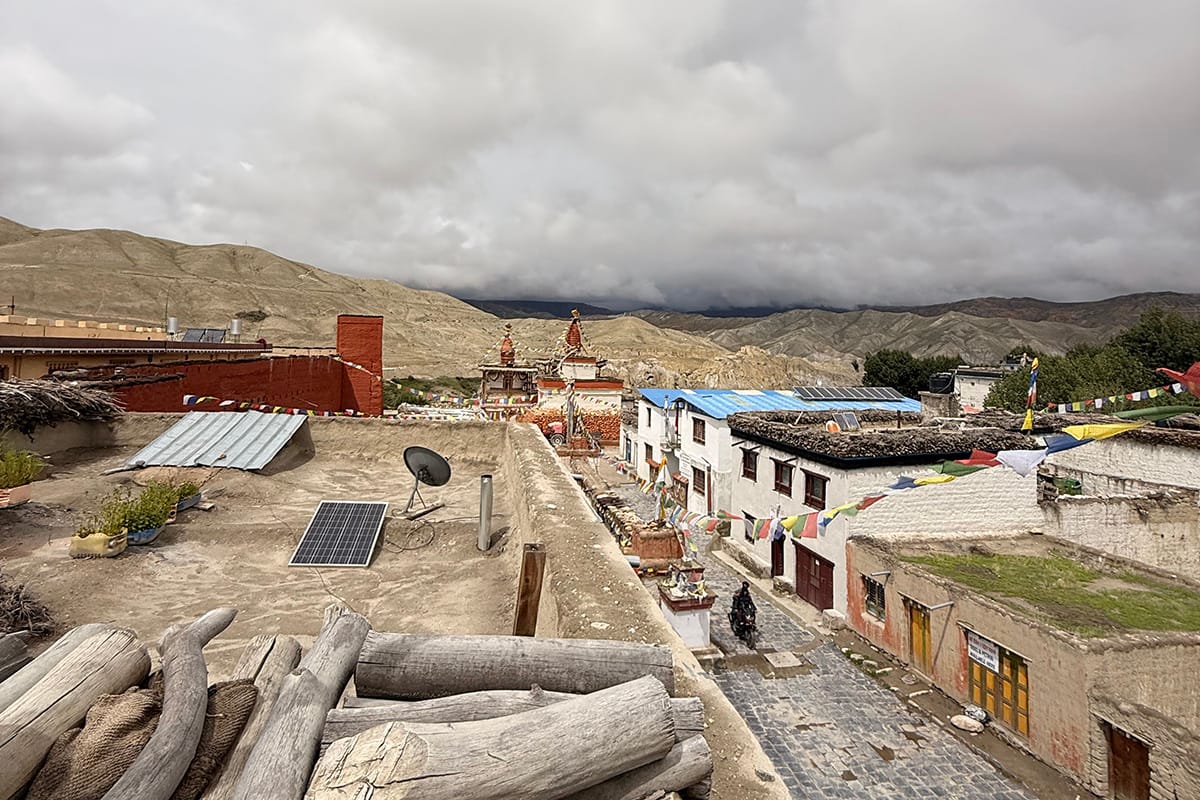
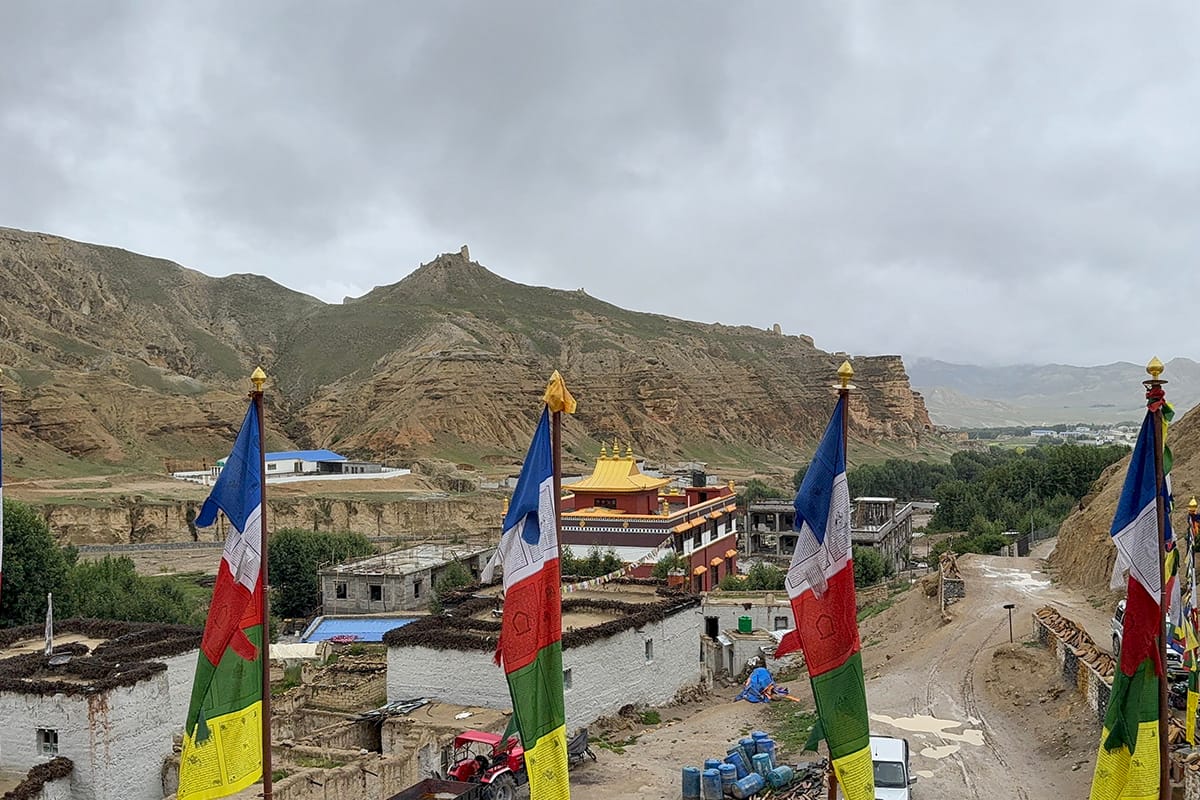
The walled city of Lo Manthang, former capital of the Kingdom of Lo, sits at 3,840 meters in the high-altitude desert of Upper Mustang, Nepal.
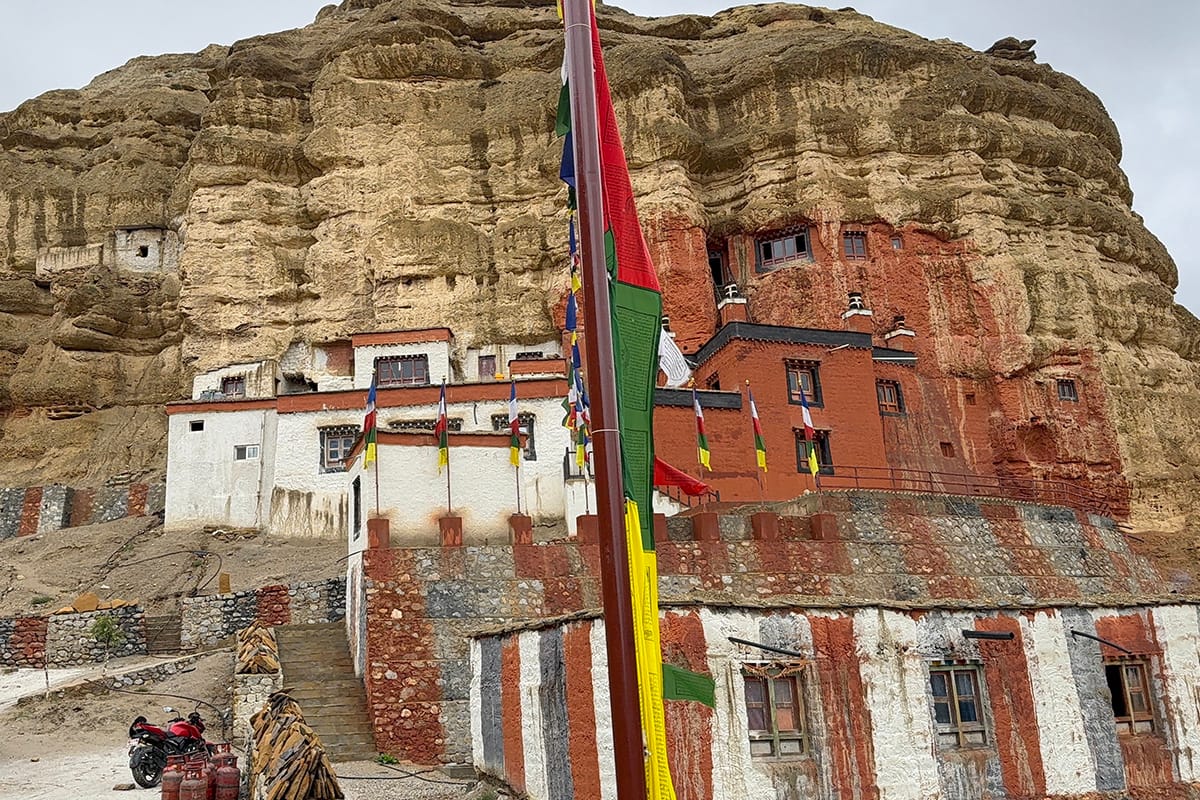
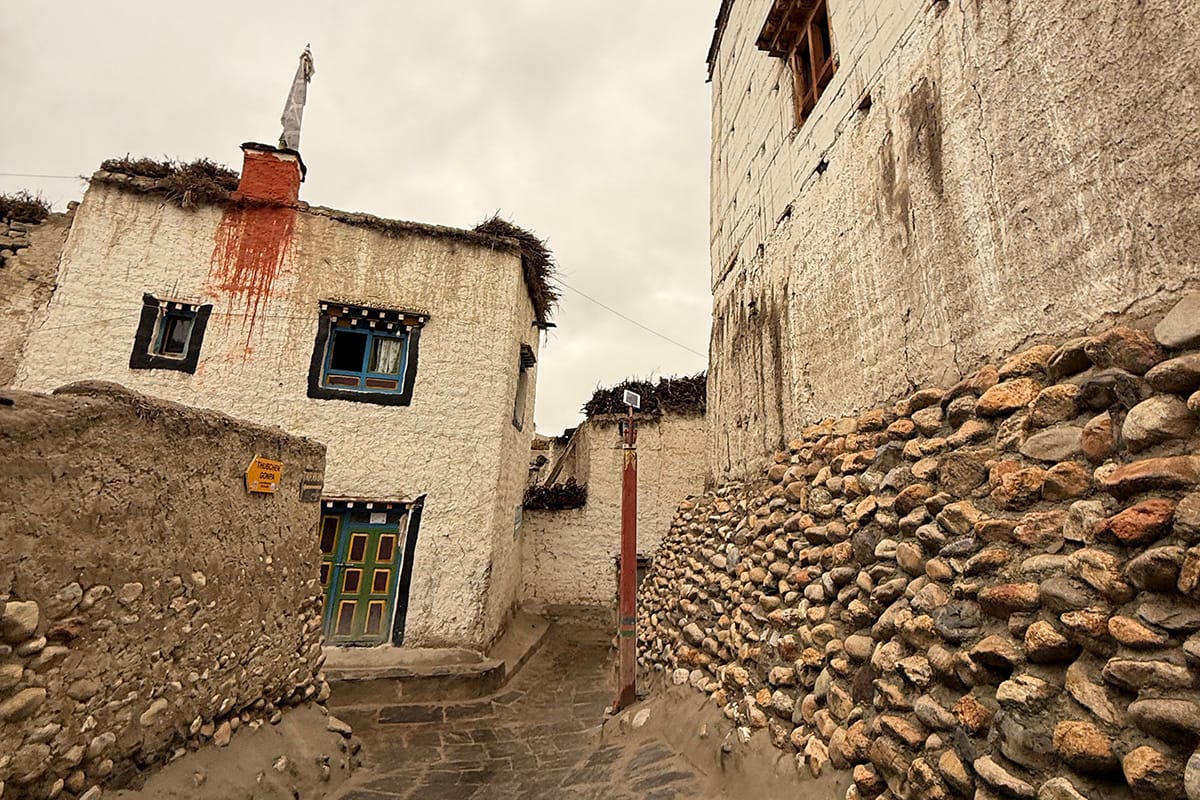
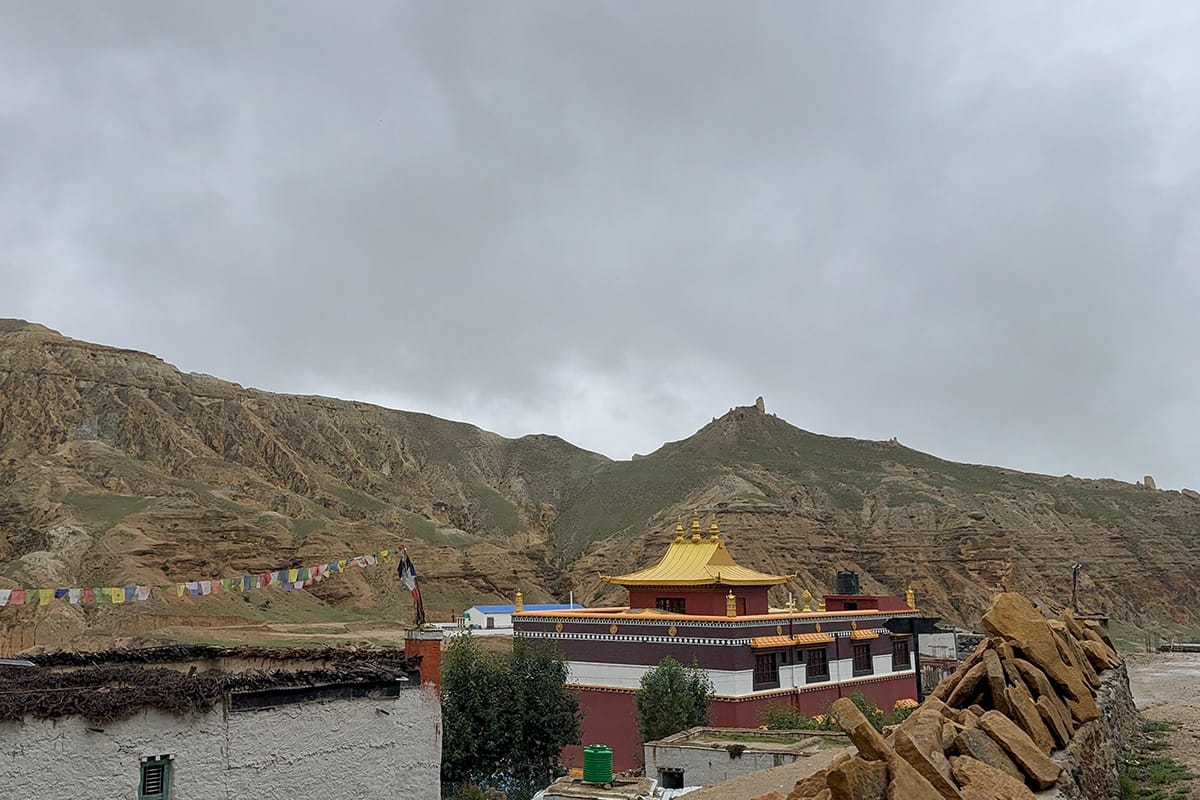
Lo Manthang itself sits enclosed by ancient walls, with a functioning royal palace and active monasteries including Jampa and Thubchen still central to daily life in the city. A full exploration day here allows time to walk its lanes, visit the monasteries, and take in the surrounding cave systems carved into nearby cliffs.

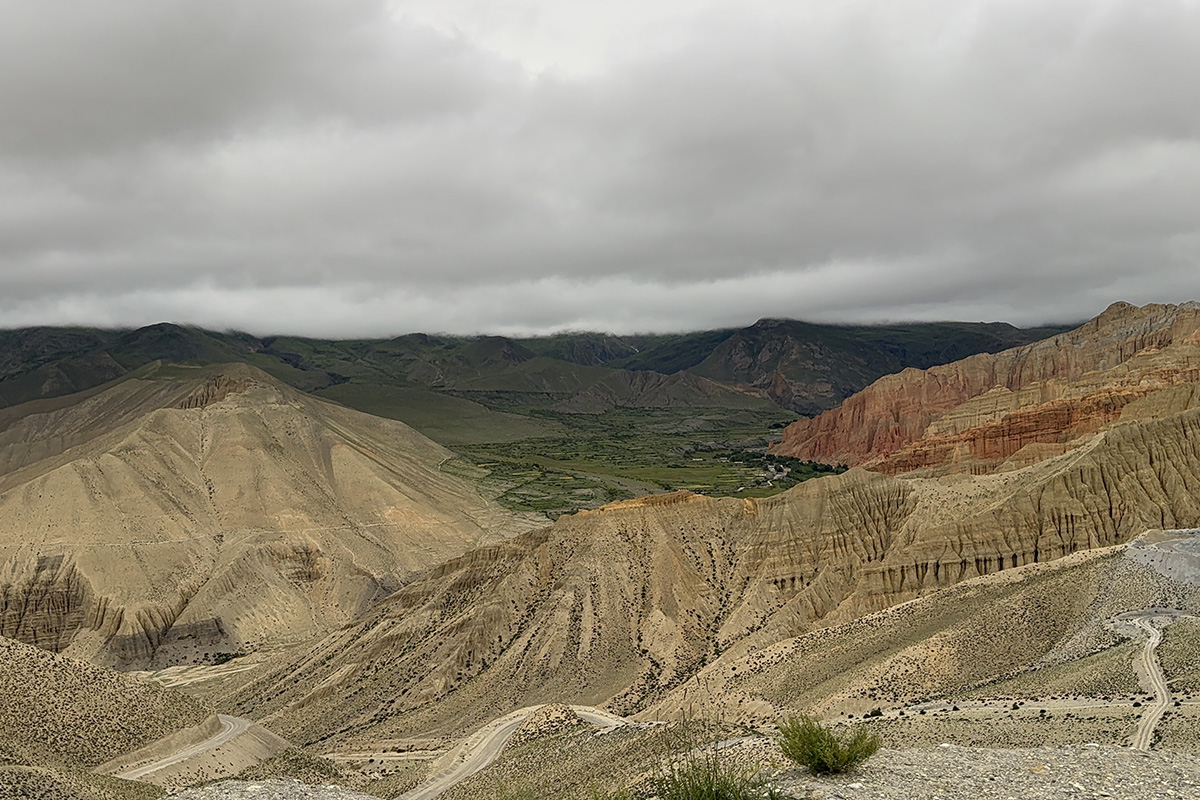
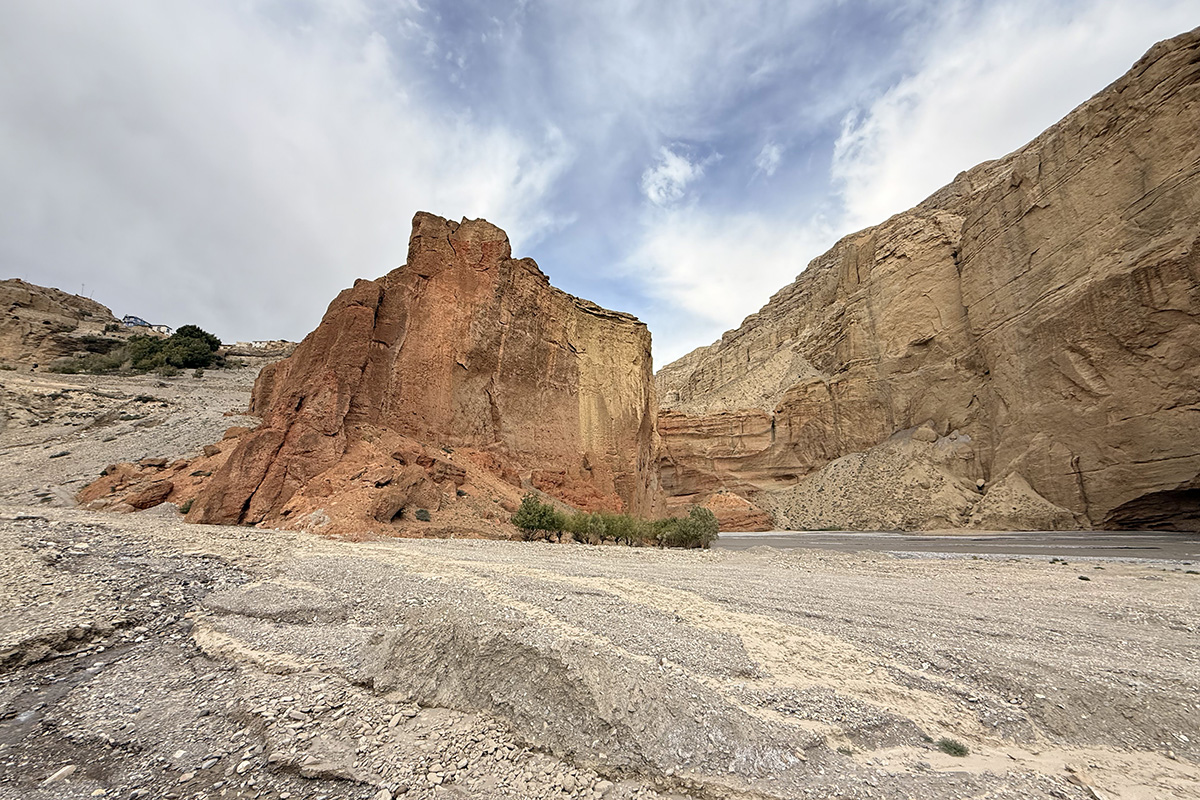
The return route follows an alternate path south through Drakmar and Ghami, descending back into the Kali Gandaki drainage toward Chhusang and Jomsom, where flights carry you back through Pokhara to Kathmandu. Every stage of the journey unfolds in the wide, arid landscape that defines Upper Mustang.

5.0268 reviews

I couldn't have chosen a better company for my Everest Base Camp Trek. Our guide Suman was knowledgeable, friendly, and always happy to share information about the mountains and local culture, while our porter worked incredibly hard with a smile every day. The service we received was excellent, especially considering the reasonable price. It was truly outstanding value for money.

Camille Moreau 🇺🇸March 2026Read review

Mingma Tashi Sherpa was an amazing leader during our Himlung Himal Expedition. He is strong, experienced, and always looked after every team member, making sure we stayed safe and had the best chance of reaching the summit. I highly recommend him to anyone planning to climb Himlung Himal because he is a reliable, dedicated, and professional guide who makes the expedition much easier and more successful.

Jackson Brooks 🇦🇺March 2026Read review

Himlung was my first expedition above 7,000 metres, and I couldn't have chosen a better team. Base Camp was far beyond my expectations, the three-day climbing training gave me real confidence on the fixed ropes, and the Sherpa team was outstanding throughout.

Mark Reynolds 🇬🇧June 2026Read review
Unforgettable Tsum Valley Trek

To the best and professional team in the Himalaya. I want to say thank you for all the perfect organization. My Trip to Tsum Valley was lifetime memorable because of best guide and good organization. Thank you again.If anyone want quality trip with best services meet Kalapatthar Trek & Adventure team in Kathmandu.

Ursula W 🇩🇪March 2026Read review
Read all our reviews on Tripadvisor

Highlights

  • Cross three high passes above 5,000 m: Kang La, Saldang La, and Jeng La
  • Visit Shey Phoksundo Lake, Nepal's deepest at 145 m, framed by dramatic cliffs
  • Explore the 11th-century Crystal Monastery at Shey Gompa, the spiritual heart of Upper Dolpo
  • Trek through Shey Phoksundo National Park, Nepal's largest protected area
  • Experience the ancient Bon religion firsthand at Dho Tarap, its primary living centre
  • Walk a stark high desert plateau of ochre earth, wind-carved ridges, and open sky
  • Spot blue sheep and Himalayan marmots along the remote upper valley trails
  • Visit Dolpo-pa villages shaped by yak herding and seasonal migration
  • Descend through ancient juniper groves and traditional stone villages below Jeng La
  • Cross the Kanjiroba range viewpoints between Saldang and Yangze Gompa
Day by day

Itinerary

Altitude profileSleeping altitudeHigh point
01,0002,0003,0004,0005,0003,840 m
Day 1Day 14
  1. Arrive at Tribhuvan International Airport and transfer to your hotel in Kathmandu. The evening includes a welcome dinner, team introduction, and a full trek briefing covering permits, flight schedules, and health protocols. Your guide performs an initial wellness check, recording your baseline oxygen saturation, pulse rate, and temperature. Overnight at a hotel.

    Altitude
    1,400 m
    Overnight
    Hotel
    Health Check
    Evening Welcome

This tried and tested itinerary may change for weather or safety, your guide always decides on the day, never the schedule.

Details

What your place covers

Included

  • Ground Transportation All necessary ground transfers as per the itinerary, including private airport pickups/drop-offs in Kathmandu and guided sightseeing tours.
  • Kathmandu Accommodation Three nights of luxury accommodation in a 5-star hotel in Kathmandu, including daily breakfast (B&B).
  • Welcome Dinner An authentic Nepalese welcome dinner featuring traditional cuisine, live music, and a cultural dance performance, attended by your trekking staff and management team.
  • Sightseeing Tour A full-day guided tour of Kathmandu’s UNESCO World Heritage Sites, including Swayambhunath (Monkey Temple), Pashupatinath, Kathmandu Durbar Square (Hanuman Dhoka), and Boudhanath Stupa.
  • Professional Guide A highly experienced, government-licensed trekking guide with 5–7 years of experience specifically in the Upper Mustang Region. Fluent in communication, certified in first aid, possessing strong leadership skills, and fully trained in emergency management and evacuation protocols.
  • Porter Services Dedicated porter services to carry personal baggage (maximum weight limit of 20–25 kg per client).
  • Permits & Fees All required trekking permits, including Restricted Area permit annapurna Conservation Area permit and TIMS card.
  • Meals & Beverages Three time fresh, hygienic, and unlimited multi-course meals per day (breakfast, lunch, and dinner) during the trek. Unlimited tea, coffee, and hot water are also provided throughout the trekking hours.
  • Trek Accommodation Premium-standard lodge/teahouse accommodation during the trek, featuring clean, comfortable bedrooms with attached bathrooms wherever available.
  • Communication Provision of a local SIM card and a mobile phone for seamless communication throughout the trip.
  • First Aid A comprehensive medical kit stocked with essential first-aid supplies and high-altitude medicines.

Not included

  • International Airfare & Visas International flights to/from Nepal and the Nepal entry visa fee.
  • Personal Gear Personal trekking apparel, clothing, and specialized gear/equipment.
  • Extra Snacks & Beverages Alcoholic drinks, bottled water, soft drinks, and personal snacks (such as chocolates, dried fruits, and junk food).
  • Optional Helicopter Transfers Any optional or premium helicopter flights. These can be arranged upon request at an additional cost.
  • Lodge Amenities Wi-Fi access, electronic device charging fees, laundry services, and hot showers (wherever applicable at the teahouses).
  • Tips & Bonus Tips and bonus to the trekking staffs. Recommended $150 for guide and $100 for porter.
  • Unspecified Expenses Any additional services, activities, or expenses not explicitly listed in the "Services Included" section.
Secure your place

Choose your package

Most popular
Package A

Standard

$3,000Save 11%$2,660USD
per person
  • Everything listed under “What’s included”
  • Fixed-departure or private dates
  • Pay in full or secure with a deposit

Looking for something more exclusive, or want it built around your own dates? Message us on WhatsApp or email info@kalapatthartrek.com

Secure payment, powered by StripeVISAAMEX PayG Paystripe
Cancellation and payment terms

Your deposit secures your place and is used immediately to book permits, flights and lodges. The balance is due 30 days before departure. Deposits are refundable in full within 14 days of payment.

Prabhat Adhikari
Talk to our expertPrabhat AdhikariFounder & Managing Director
  • Professional & Experienced Guides – Certified trekking guides with 5-7+ years of experience.
  • Safety Comes First – First aid-trained team with daily health monitoring throughout your trek.
  • Premium Accommodation – Carefully selected best hotels and tea houses for comfort and quality.
Before you go

Practical info

Flora and Fauna

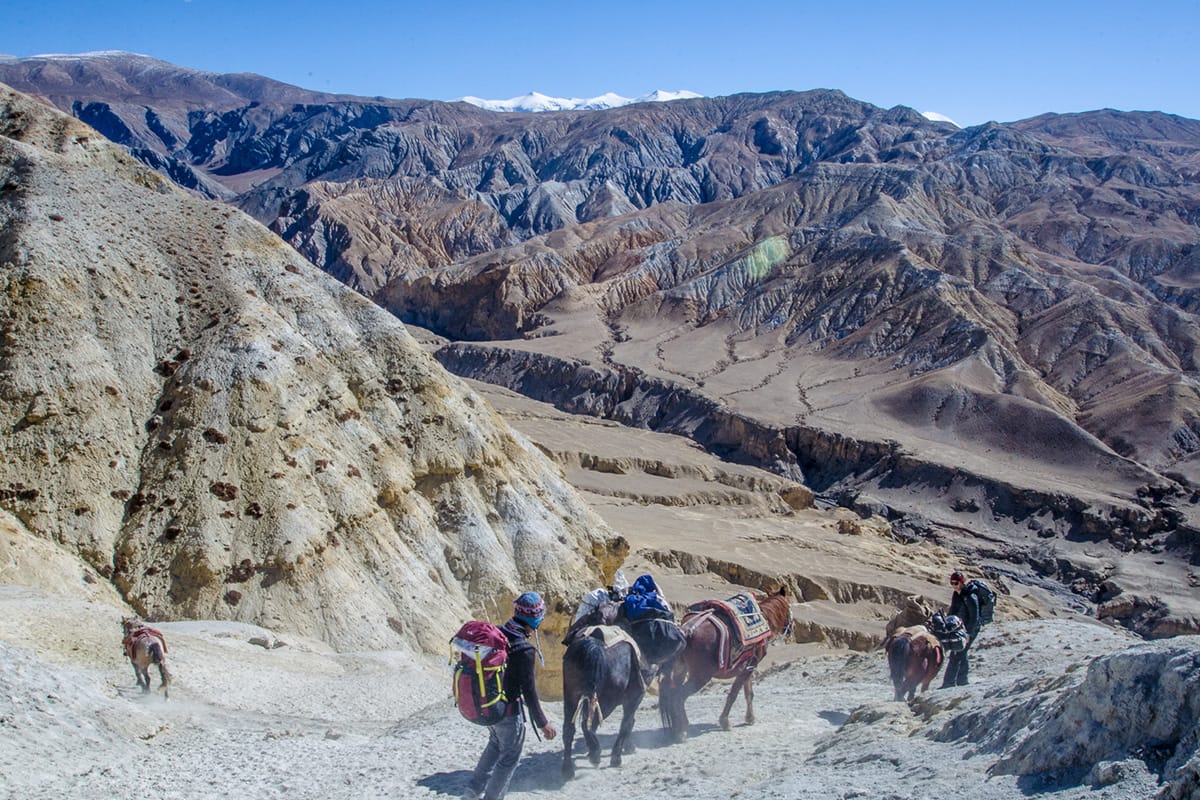
Vegetation across Upper Mustang stays sparse, shaped by the dry, cold, and windy conditions of a high-altitude rain shadow zone. Lower sections near Kagbeni and Jomsom support patches of buckwheat, barley, and apple orchards in narrow, irrigated valley floors, while thorny shrubs and drought-resistant grasses dominate the mid and upper trail sections. Above 3,000 meters, isolated juniper and tamarisk trees appear in sheltered ravines near Ghami and Charang, giving way to cushion plants and lichen on the exposed plateau approaching Lo Manthang. Wildlife here adapts well to the cold, dry terrain of the trans-Himalayan zone. Tibetan wolves, Himalayan foxes, and occasional snow leopards have been recorded above 3,500 meters, though sightings remain uncommon. Blue sheep appear more regularly on the rocky slopes near Lo Manthang, while Himalayan griffon vultures and Tibetan snowcocks ride the thermal currents above the canyon walls throughout the upper valley.

Best Time for the Upper Dolpo Trek

Spring (March to May): Brings mild daytime temperatures and generally stable weather across the high plateau. The Tiji Festival in Lo Manthang, held annually in May, draws visitors specifically for its masked dances and rituals, and trails stay dry and accessible from March onward. 

Summer and monsoon (June to August): remain genuinely viable here, since Upper Mustang sits in the rain shadow of the Annapurna and Dhaulagiri ranges. While the rest of Nepal receives heavy rainfall, this region stays largely dry, drawing fewer trekkers to its trails during these months. 

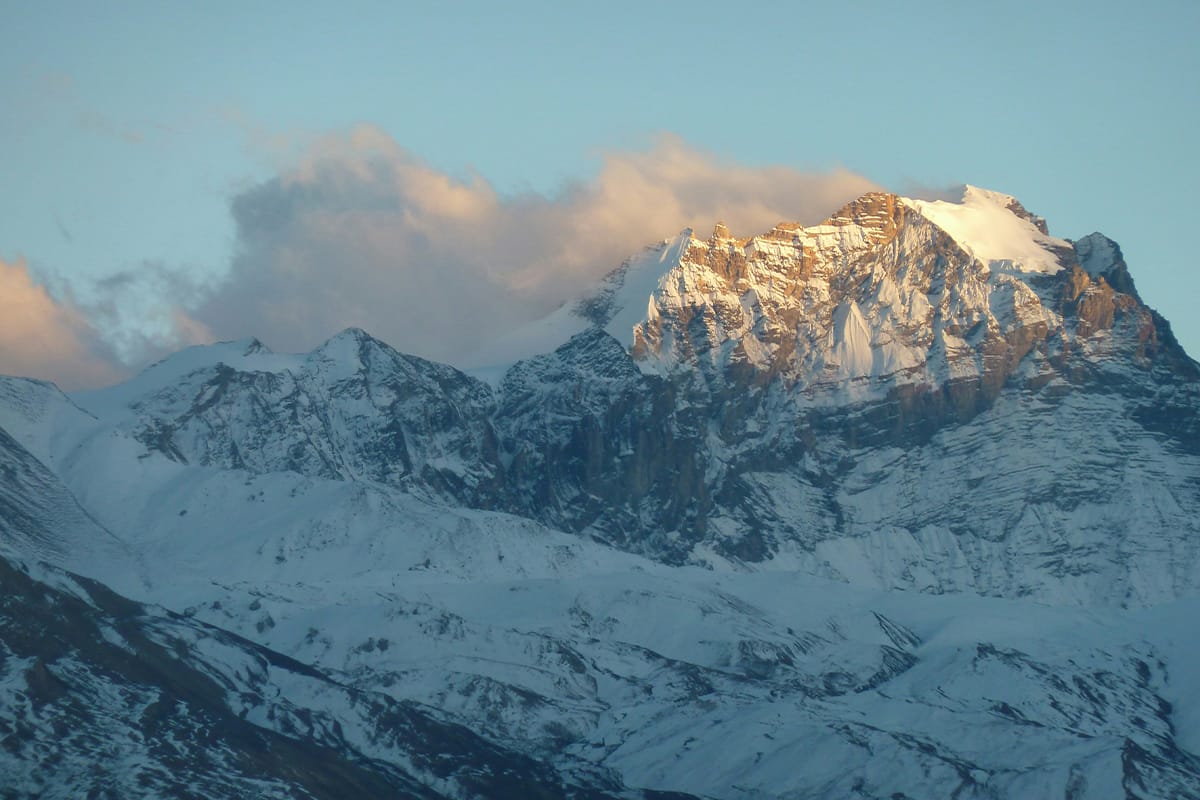
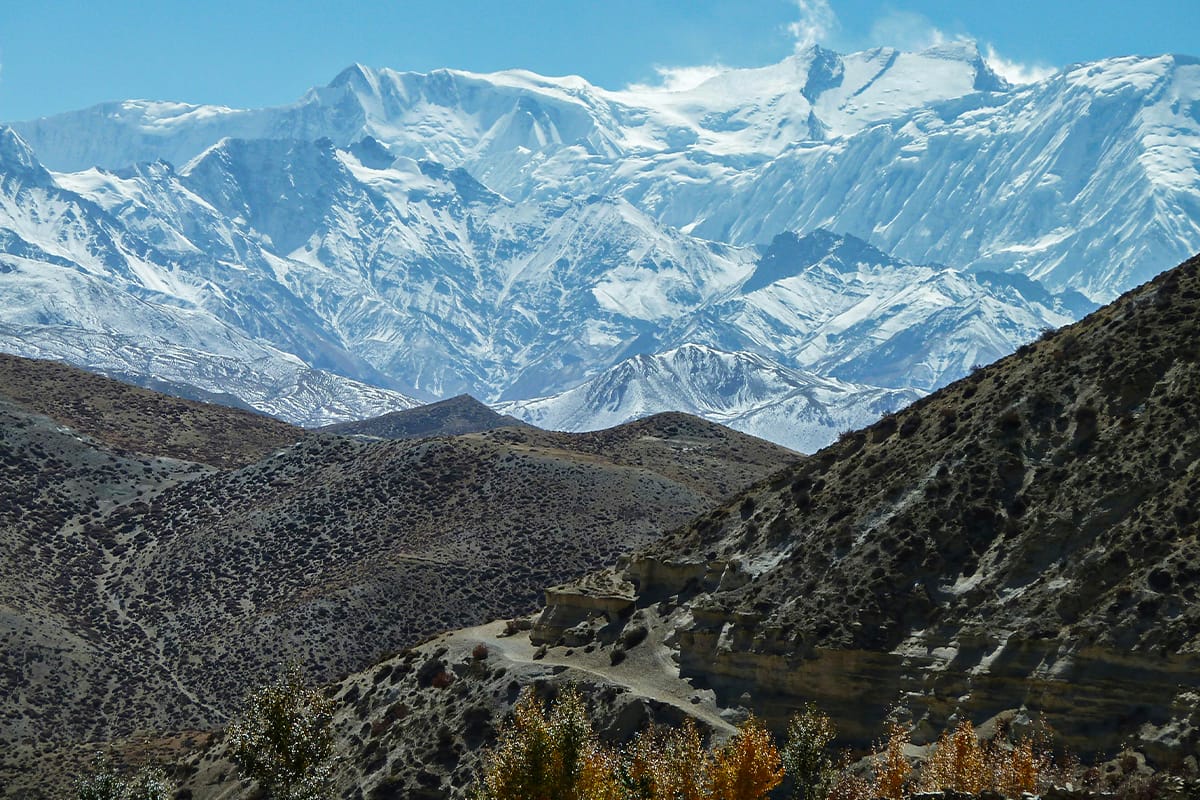
Autumn (September to November): stands as the most popular season, with the clearest skies and strongest visibility of the Annapurna and Dhaulagiri ranges from the Kali Gandaki valley. October in particular offers ideal conditions across the entire route, with comfortable days and cold but manageable nights above 3,500 meters. 

Winter (December to February): brings cold temperatures and strong winds, with nighttime readings at Lo Manthang dropping well below minus 10 degrees Celsius. Reduced teahouse availability during this period makes it a season best suited to experienced cold-weather trekkers only.

Trek Difficulty

This trek carries a moderate rating, accessible to trekkers with reasonable fitness and no prior high-altitude experience required. Daily trekking distances run 10 to 18 kilometers, with walking times averaging 5 to 7 hours on well-defined trails through open desert terrain that avoids the steep staircases common in other Nepal treks. The main physical demands come from strong headwinds in the Kali Gandaki valley, particularly during the afternoon hours between Jomsom and Kagbeni, along with the steady daily distances across exposed high-altitude trail. No technical sections, glacier crossings, or passes above 4,100 meters appear anywhere on this route, keeping it more manageable than most restricted-area treks in Nepal. Prior trekking experience helps but remains far from mandatory, since the open terrain allows flexible pacing across most days of the journey.

Permits and Documentation

Two separate permits are required before this trek can depart from Jomsom, and Kalapatthar processes both in full before departure from Kathmandu at official government rates, with no added handling fees.


  • Upper Mustang Restricted Area Permit (RAP): USD 500 per person for the first 10 days, with an additional USD 50 per person per day beyond that
  • Annapurna Conservation Area Permit (ACAP): NPR 3,000 per person, covering the full length of the route including the approach through Kagbeni
  • A licensed, registered guide is mandatory for entry into the restricted zone, and independent trekking here remains strictly prohibited

Accommodation and Food on the Trek

Hotel stays in Kathmandu and Pokhara, on a twin-sharing basis with breakfast included, frame the flight days on either end of the trek. Along the trail, teahouses and basic guesthouses provide the overnight stops, with more developed facilities in Lo Manthang, Kagbeni, and Ghami compared to the smaller intermediate villages between Chele and Charang. Dal bhat remains the most widely available meal across the entire route, alongside local specialities such as tsampa, thukpa, and momos in Lo Manthang and the upper valley villages. Meals run generously throughout the trekking days, with unlimited portions served alongside tea and coffee at every stop.

Essential Packing List

Clothing

  • One waterproof, windproof shell jacket with a hood, needed for strong afternoon winds in the Kali Gandaki valley
  • One insulated jacket rated to at least -10°C for cold mornings and evenings above 3,000 meters
  • A fleece mid layer for the moderate cold typical of the middle section of each trekking day
  • Moisture-wicking long-sleeved shirts in merino wool or synthetic fabric, three sets for daily rotation
  • Thermal base layer leggings for the coldest nights at Lo Manthang and Charang

Footwear

  • Waterproof trekking boots with strong ankle support, broken in well before the trek begins
  • Lightweight sandals or camp shoes for wearing around teahouses and during the Lo Manthang exploration day
  • 4 to 5 pairs of wool or synthetic trekking socks, with spares for longer trekking days

Backpack and Load

  • A main duffel carried by a porter, with a weight limit of 15 kg per trekker
  • A daypack for water, snacks, extra layers, and personal essentials carried throughout each day

Health and Safety

  • A basic first aid kit with blister plasters, antiseptic cream, and pain relievers included
  • SPF 50 or higher sunscreen applied each morning to all exposed skin at altitude
  • Lip balm with SPF protection against the dry, cold, and windy conditions of the upper valley
  • Wet wipes and hand sanitiser for hygiene at teahouses where running water is limited

Trekking Equipment

  • Trekking poles with adjustable length and rubber tips, useful on the long daily sections of rocky, uneven desert trail
  • A headlamp with spare batteries, needed for early morning starts and for navigating teahouse interiors after dark
  • A reusable water bottle with at least two litres of capacity, carried throughout each day on the trail
  • Water purification tablets for treating tap water at teahouses along the route
  • A power bank of at least 10,000 mAh, since electricity is available at most stops but outlets remain limited
  • A sleeping bag rated to minus 10 degrees Celsius, needed for the cold nights in the upper valley
  • A dust buff or scarf to cover the nose and mouth during the windiest sections of the Kali Gandaki valley
  • A trekking map or offline GPS app, useful for tracking progress across the open plateau terrain
  • Duct tape and a small repair kit, handy for quick fixes to gear or footwear on the trail

Safety and Important Notes

Altitude on this route tops out at 3,840 meters in Lo Manthang, with the Nyi La Pass briefly touching 4,020 meters on the trail between Geling and Charang. Guides conduct morning wellness checks covering oxygen saturation, pulse rate, and temperature across the middle stretch of the trek, watching closely for any signs of altitude-related illness before continuing the day's plan. Comprehensive travel insurance covering helicopter evacuation from remote areas of the Mustang region is mandatory, with proof of coverage required during your Day 1 briefing in Kathmandu. Responsible travel matters throughout this culturally sensitive restricted area, so plan to minimize waste, avoid single-use plastics, and always ask permission before photographing people or religious sites.

Cancellation & refunds

Cancellations must be submitted in writing. Because the company incurs immediate operational costs upon booking, cancellation fees are enforced based on the timeline below:

2(a) 45+ Days Before Departure: A fee of 25% of the total trip cost will be retained. The remaining balance will be refunded, minus Nepal Rastra Bank processing fees. Alternatively, this refund can be credited toward a future trip with Kalapatthar Trek & Expedition.

2(b) 25 to 44 Days Before Departure: A cancellation fee ranging from 40% to 50% of the total trip cost will apply. The remaining balance will be processed as per clause 2(a).

2(c) 8 to 24 Days Before Departure: A cancellation fee ranging from 60% to 70% of the total trip cost will apply. The remaining balance will be processed as per clause 2(a).

2(d) Within 7 Days or After Trip Commencement: No refunds are available for cancellations made less than a week before departure or once the trip has started. Clients are responsible for the full cost of the trip, including any unused services.

Note: We highly recommend purchasing comprehensive travel cancellation insurance to protect your investment against unforeseen emergencies.

Payment & deposit

To guarantee proper preparation, logistics, and safety, clients must book their trip at least three months prior to departure. Payment must be fulfilled according to the following schedule:

Initial Deposit: A 25% non-refundable deposit is required at the time of booking to secure permits, domestic flights, hotels, and staff allocations.

Second Installment: An additional 25% of the total cost is due one month before departure.

Final Balance: The remaining 50% must be settled prior to your arrival in Nepal .

Online payments are processed securely by Stripe. Card details never touch our servers.

Required documents

Clients must provide a passport copy, a passport-sized photograph, and completed registration forms upon booking. For expeditions exceeding 7,000 meters, documentation detailing your previous high-altitude and mountaineering experience is mandatory. Kalapatthar Trek & Expedition is not responsible for trip delays or permit denials resulting from missing or delayed documentation.

Travel insurance

Comprehensive travel insurance is a mandatory prerequisite for joining any of our trips. Your policy must explicitly cover:

  • High-altitude medical treatment and personal accidents.
  • Emergency helicopter evacuation, search, and rescue.
  • Trip interruption, flight cancellations, and baggage loss.

While our team will coordinate emergency logistics and paperwork, Kalapatthar Trek & Expedition assumes no financial liability for costs incurred during a rescue. All expenses not covered by your insurance provider are your sole responsibility. Please note that air evacuations can be limited by weather and regional restrictions.

Note: You can consult our team for finding the perfect travel insurance company. Our team can suggest you the best travel insurance company.

Read our full insurance guide →

FAQ

Frequently asked questions

Still unsure? Ask us anything, a real person replies.

How long is the Upper Mustang Trek?

This Kalapatthar package runs for 14 days in total, including flight days and a full exploration day in Lo Manthang. The trekking section covers approximately 118 kilometres over 10 active trail days through the restricted zone.

How difficult is the Upper Mustang Trek?

The trek is rated Moderate, with daily walking times of 5 to 7 hours on well-defined trails through open desert terrain. The maximum altitude of 3,840 m at Lo Manthang does not require extensive acclimatisation for most healthy adults, and there are no technical sections or high passes above 4,100 m.

Do I need a guide for the Upper Mustang Trek?

Yes, a licensed guide is legally required to obtain and use the Upper Mustang Restricted Area Permit. Trekking without a registered guide inside the restricted zone is not permitted and results in permit cancellation at checkpoints, with possible deportation from the region.

What permits are required, and how much do they cost?

Two permits are required: the Upper Mustang Restricted Area Permit at USD 500 per person for 10 days, and the Annapurna Conservation Area Permit at NPR 3,000 per person. Kalapatthar Trek & Expedition processes both permits before the trek departs from Kathmandu at official government rates.

When is the best time to trek Upper Mustang?

Autumn (September to November) and Spring (March to May) are the two primary seasons, with October and April offering the most stable conditions and clearest views. Upper Mustang is also one of the few Nepal trekking routes that remains viable during the June to August monsoon period due to its rain shadow location north of the Annapurna range.

What is the maximum altitude on this trek?

The highest overnight point is Lo Manthang at 3,840 m. The highest point on the trail is the Nyi La Pass at approximately 4,020 m, crossed on Day 6 between Geling and Charang, which offers views of the Tibetan Plateau on clear days.

What accommodation is available on the trail?

Accommodation is in locally owned teahouses and basic guesthouses with twin-sharing rooms and shared bathroom facilities at most stops. Facilities in Lo Manthang and Kagbeni are more developed than in the smaller intermediate villages between Chele and Charang, where options are basic but clean.

What food is available along the route?

Dal bhat, tsampa porridge, thukpa noodle soup, and momos are the most widely available options across the trek, reflecting the Tibetan cultural character of the region. Food variety is best in Lo Manthang and Kagbeni, and more limited in the smaller villages between Chele and Charang.

What is the Nyi La Pass altitude?

The highest point on the Upper Mustang Trek is Nyi La Pass at approximately 4,020 m, crossed on Day 6 between Geling and Charang. The pass offers clear views north toward the Tibetan plateau and south toward the Annapurna and Dhaulagiri ranges on clear days.

Can I do this trek during the monsoon season?

Yes, Upper Mustang lies in the rain shadow of the Annapurna and Dhaulagiri ranges, making it one of the few Nepal treks that remains viable during the June to August monsoon period. The region stays largely dry with only occasional light showers while the rest of Nepal receives heavy rainfall.

How do I book this trek with Kalapatthar?

Contact Kalapatthar Trek & Expedition Pvt. Ltd. directly with your preferred travel dates and group size to receive a personalised quote and full pre-departure support. Our team handles all permits, flights, guide assignments, and logistics from your arrival in Kathmandu to your final departure.

Are the Jomsom flights reliable?

Jomsom flights are weather-dependent and operate only in the early morning before wind conditions make the airstrip unsafe, typically before 9 AM. Kalapatthar builds 2 reserve days into the schedule for weather delays and advises trekkers to carry comprehensive travel insurance covering flight disruptions.

Your team

The people beside you on the trail

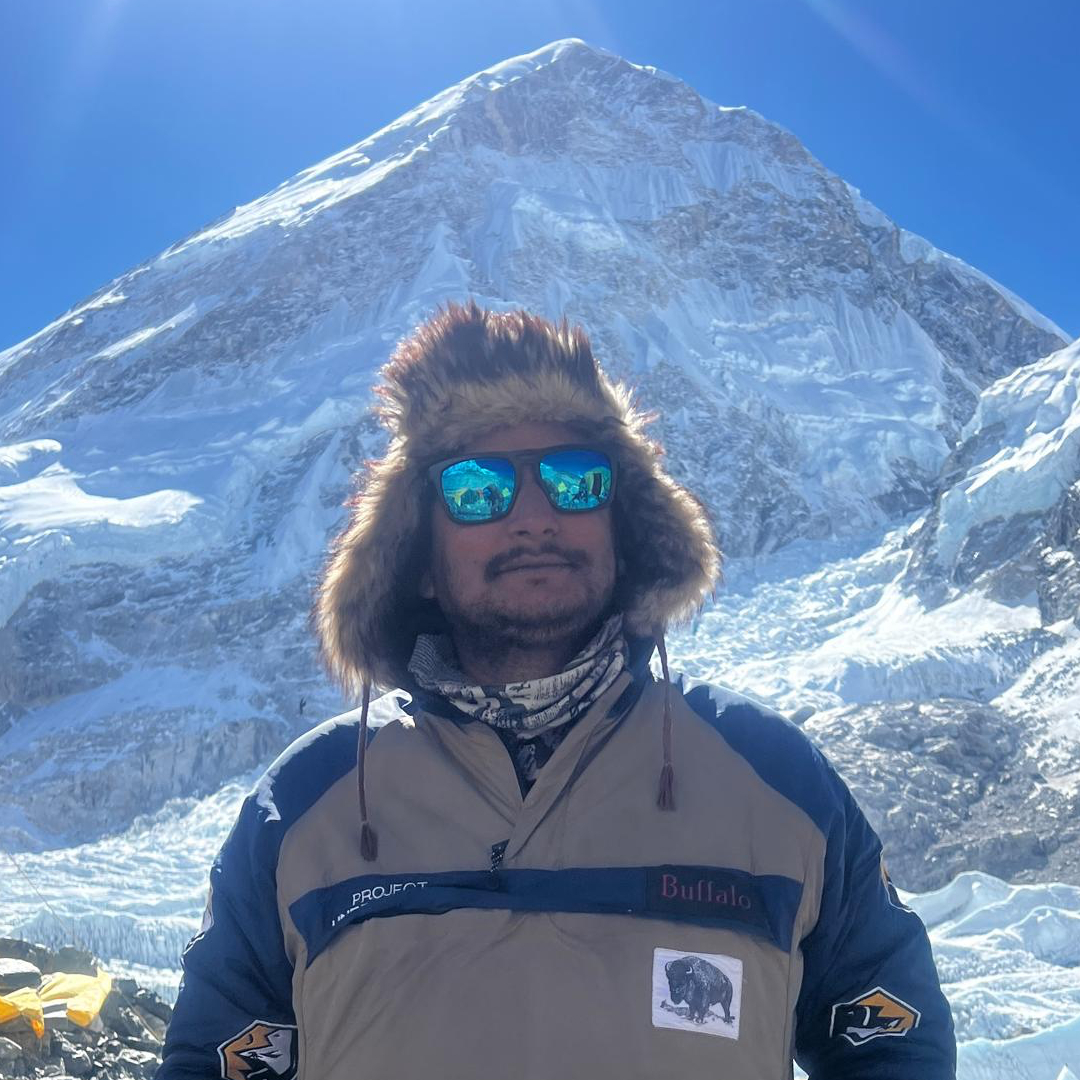
Itung Thebe

Itung Thebe 🇳🇵

Trekking Guide3+ years · Everest Base Camp, Annapurna Base Camp
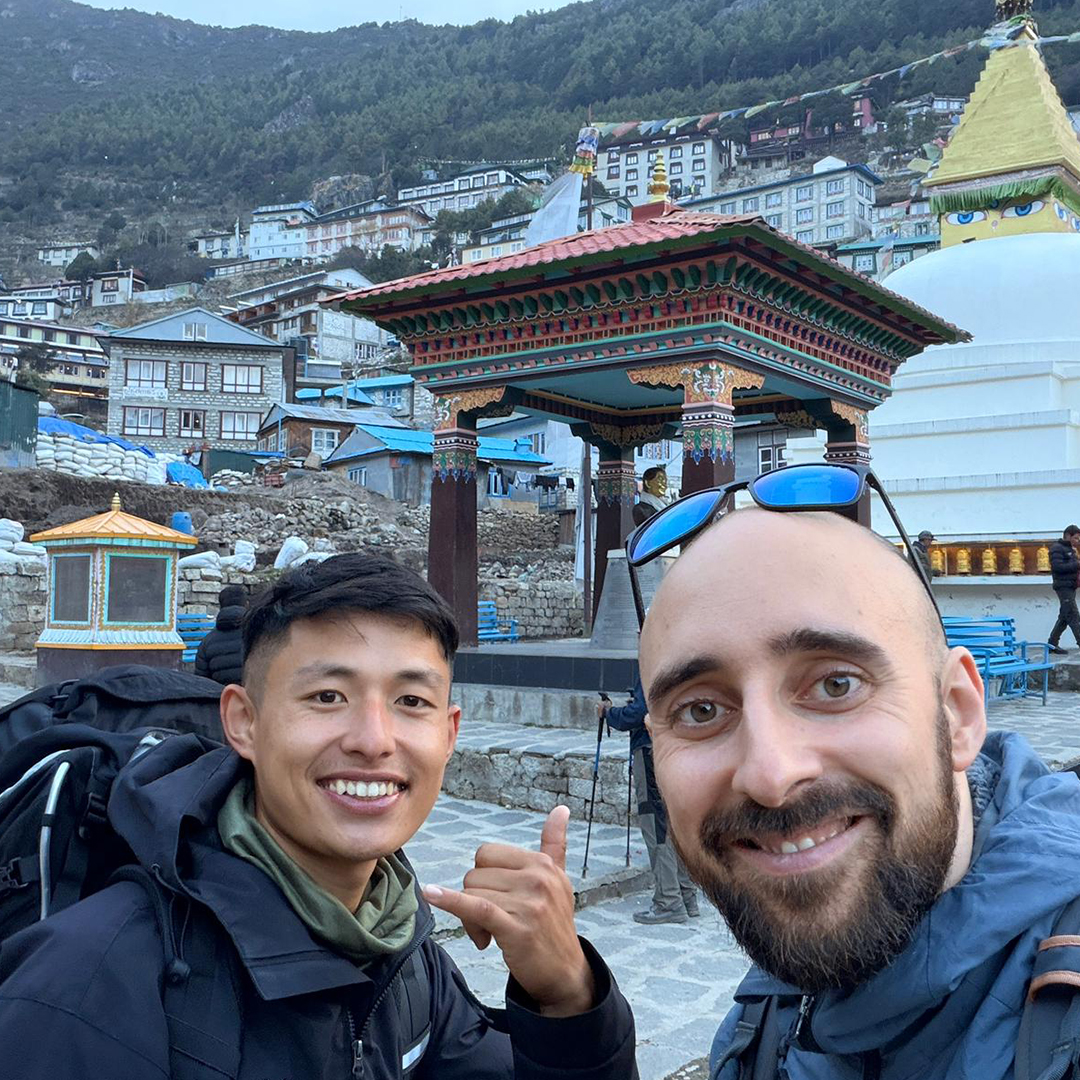
Bikas Rai

Bikas Rai 🇳🇵

Trekking Guide5+ years · Everest Base Camp, Annapurna Base Camp, Langtang Valley
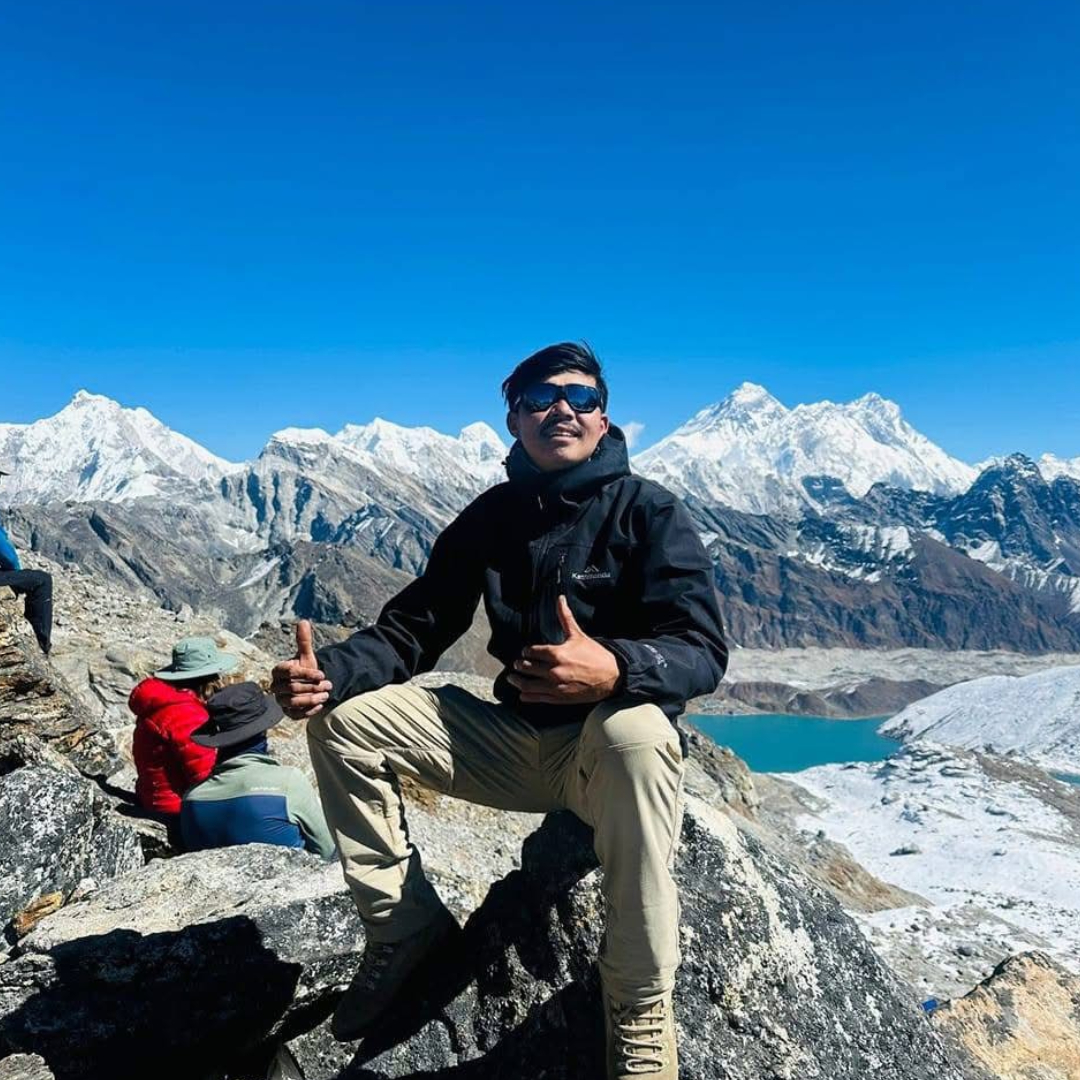
Rustam Khulal

Rustam Khulal 🇳🇵

Tour & Trekking Guide5+ years · Everest Base Camp, Annapurna Base Camp
From our clients

From the people we've climbed with

I couldn't have chosen a better company for my Everest Base Camp Trek. Our guide Suman was knowledgeable, friendly, and always happy to share information about the mountains and local culture, while our porter worked incredibly hard with a smile every day. The service we received was excellent, especially considering the reasonable price. It was truly outstanding value for money.

Camille Moreau 🇺🇸Everest Base Camp Trek · March 2026
Verified traveller

Mingma Tashi Sherpa was an amazing leader during our Himlung Himal Expedition. He is strong, experienced, and always looked after every team member, making sure we stayed safe and had the best chance of reaching the summit. I highly recommend him to anyone planning to climb Himlung Himal because he is a reliable, dedicated, and professional guide who makes the expedition much easier and more successful.

Jackson Brooks 🇦🇺Himlung Himal · March 2026
Verified traveller

Himlung was my first expedition above 7,000 metres, and I couldn't have chosen a better team. Base Camp was far beyond my expectations, the three-day climbing training gave me real confidence on the fixed ropes, and the Sherpa team was outstanding throughout.

Mark Reynolds 🇬🇧Himlung Himal · June 2026
Verified traveller

To the best and professional team in the Himalaya. I want to say thank you for all the perfect organization. My Trip to Tsum Valley was lifetime memorable because of best guide and good organization. Thank you again.If anyone want quality trip with best services meet Kalapatthar Trek & Adventure team in Kathmandu.

Ursula W 🇩🇪Tsum Valley Trek · March 2026
Verified traveller
Your adventure

Ready to take on the challenge?

from$2,660pp
View packages