Skip to content
Manaslu Expedition
8,000 m Expedition

Manaslu Expedition

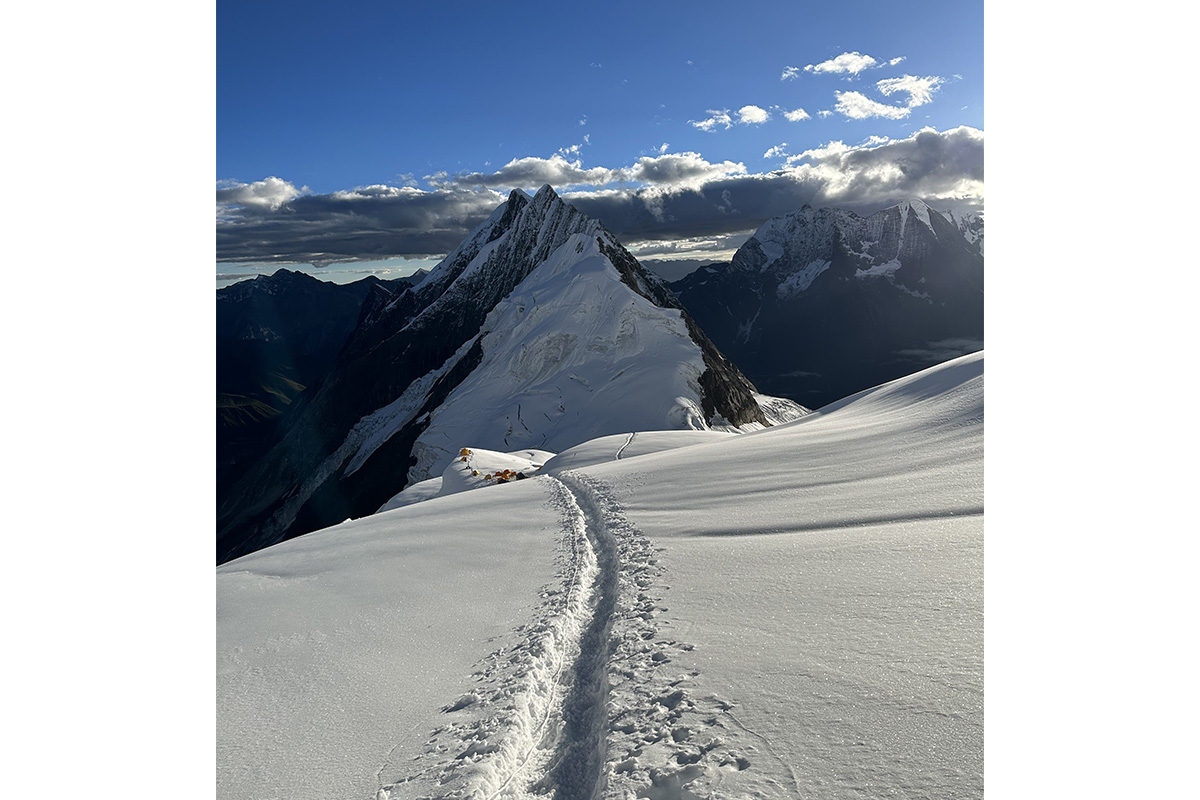
Set in the Gorkha region of north-central Nepal, the Mount Manaslu Expedition climbs to a summit of 8,163 metres, the eighth-highest peak in the…

View packages
from$1,500$1,425per person
Duration38 days
Max altitude8,163 m
GradeExtreme
Best seasonSpring & Autumn
The trip

Manaslu Expedition

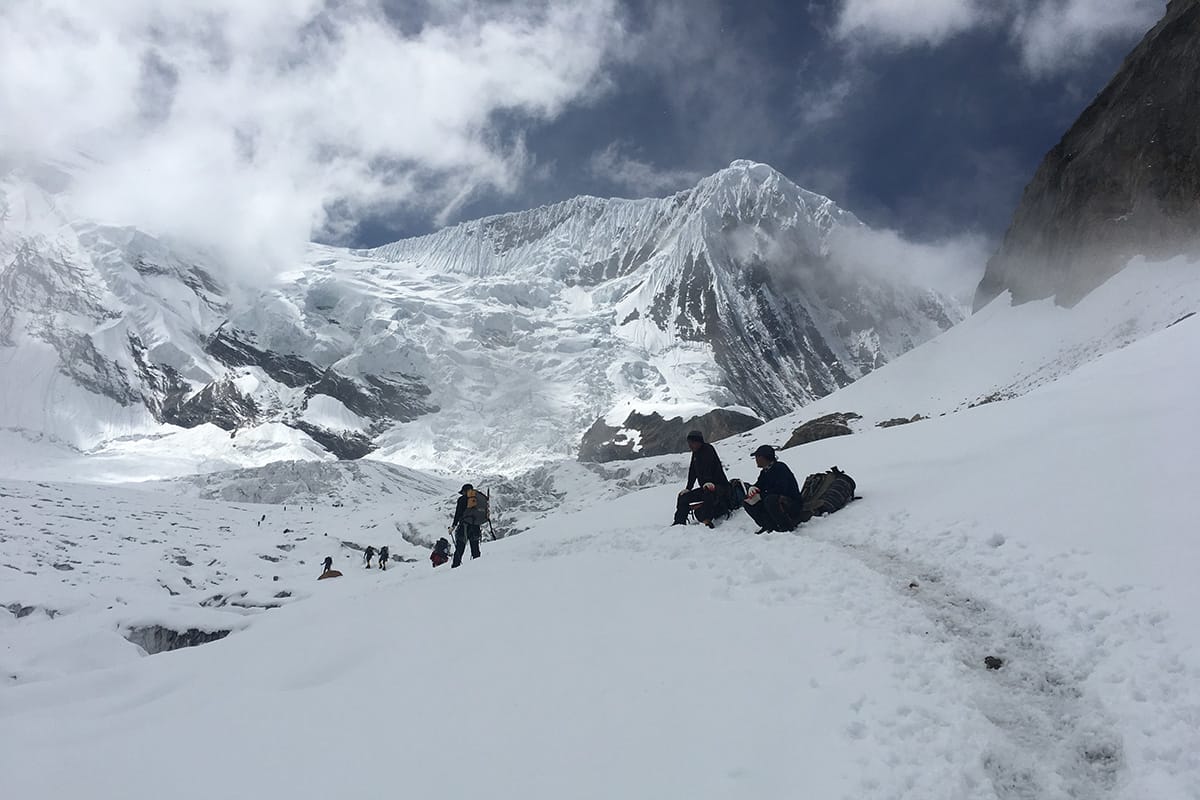
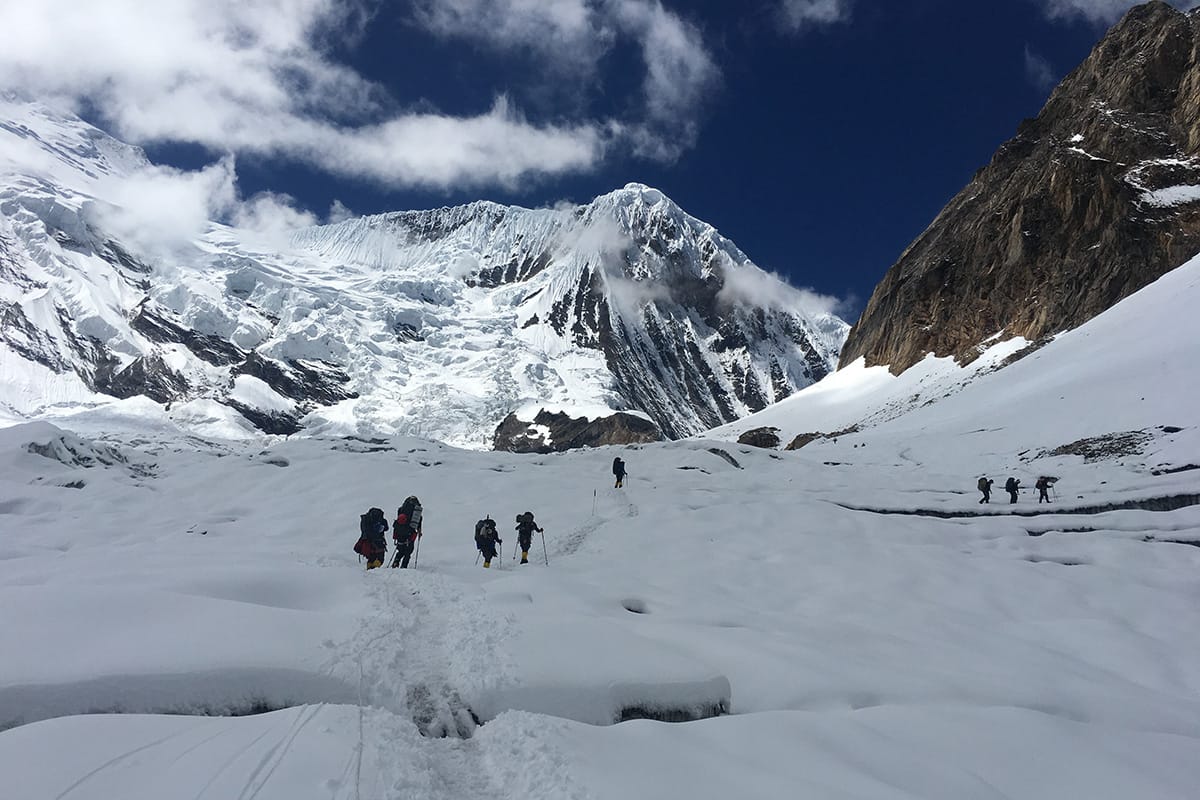
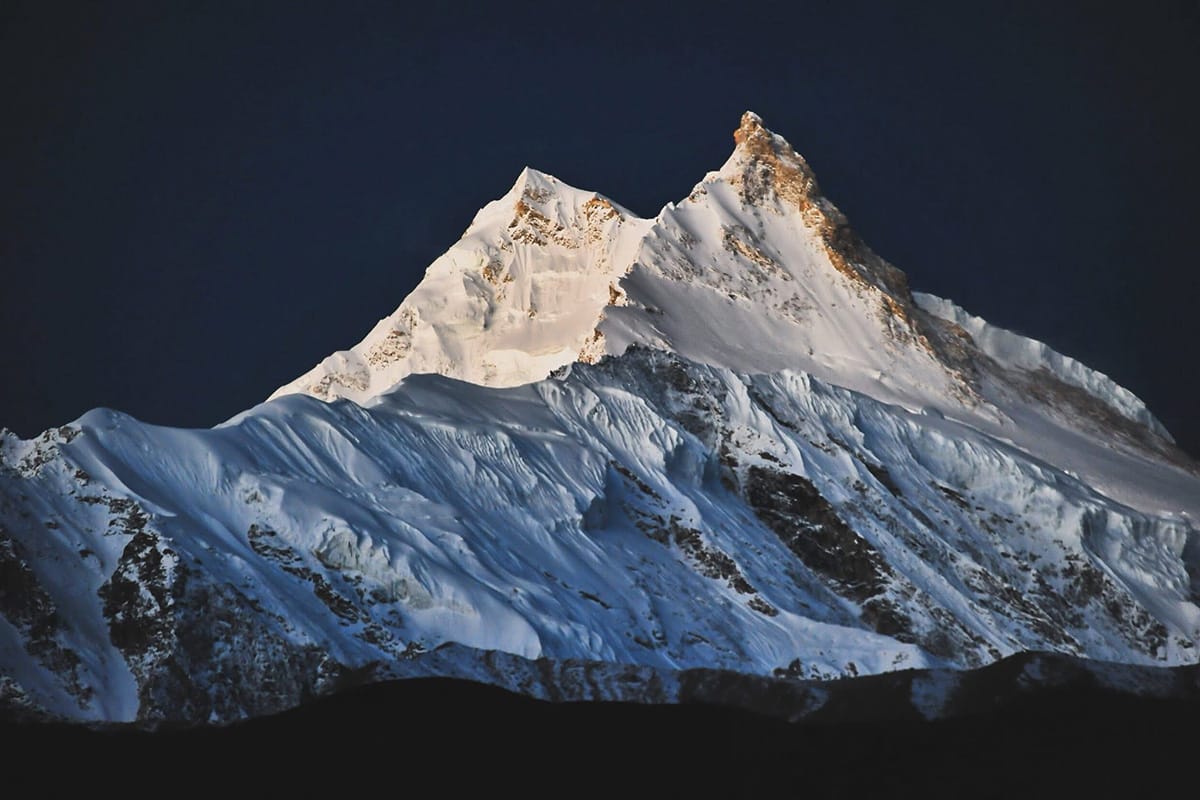
Manaslu rises in the Mansiri Himal range, 64 kilometres east of Annapurna in the Gorkha district. Its name derives from the Sanskrit word Manasa, meaning intellect or soul, earning it the title “Mountain of the Spirit.” Toshio Imanishi of Japan and Gyalzen Norbu Sherpa completed the first successful ascent on 9 May 1956, marking the first 8,000 m summit achieved by an Asian expedition team.

Kalapatthar Trek & Expedition leads this climb with IFMGA/UIAGM-certified guides and a Sherpa team experienced across multiple 8,000 m summits. The itinerary features a structured acclimatisation rotation through Camps I, II, and III, with a certified high-altitude doctor stationed at Base Camp providing round-the-clock medical care throughout the expedition. This fully guided, permit-inclusive package covers 38 days in the Gorkha region.

5.0268 reviews

I couldn't have chosen a better company for my Everest Base Camp Trek. Our guide Suman was knowledgeable, friendly, and always happy to share information about the mountains and local culture, while our porter worked incredibly hard with a smile every day. The service we received was excellent, especially considering the reasonable price. It was truly outstanding value for money.

Camille Moreau 🇺🇸March 2026Read review

Mingma Tashi Sherpa was an amazing leader during our Himlung Himal Expedition. He is strong, experienced, and always looked after every team member, making sure we stayed safe and had the best chance of reaching the summit. I highly recommend him to anyone planning to climb Himlung Himal because he is a reliable, dedicated, and professional guide who makes the expedition much easier and more successful.

Jackson Brooks 🇦🇺March 2026Read review

Himlung was my first expedition above 7,000 metres, and I couldn't have chosen a better team. Base Camp was far beyond my expectations, the three-day climbing training gave me real confidence on the fixed ropes, and the Sherpa team was outstanding throughout.

Mark Reynolds 🇬🇧June 2026Read review
Unforgettable Tsum Valley Trek

To the best and professional team in the Himalaya. I want to say thank you for all the perfect organization. My Trip to Tsum Valley was lifetime memorable because of best guide and good organization. Thank you again.If anyone want quality trip with best services meet Kalapatthar Trek & Adventure team in Kathmandu.

Ursula W 🇩🇪March 2026Read review
Read all our reviews on Tripadvisor

Highlights

  • Summit Mount Manaslu at 8,163 m, the eighth-highest mountain on the entire planet
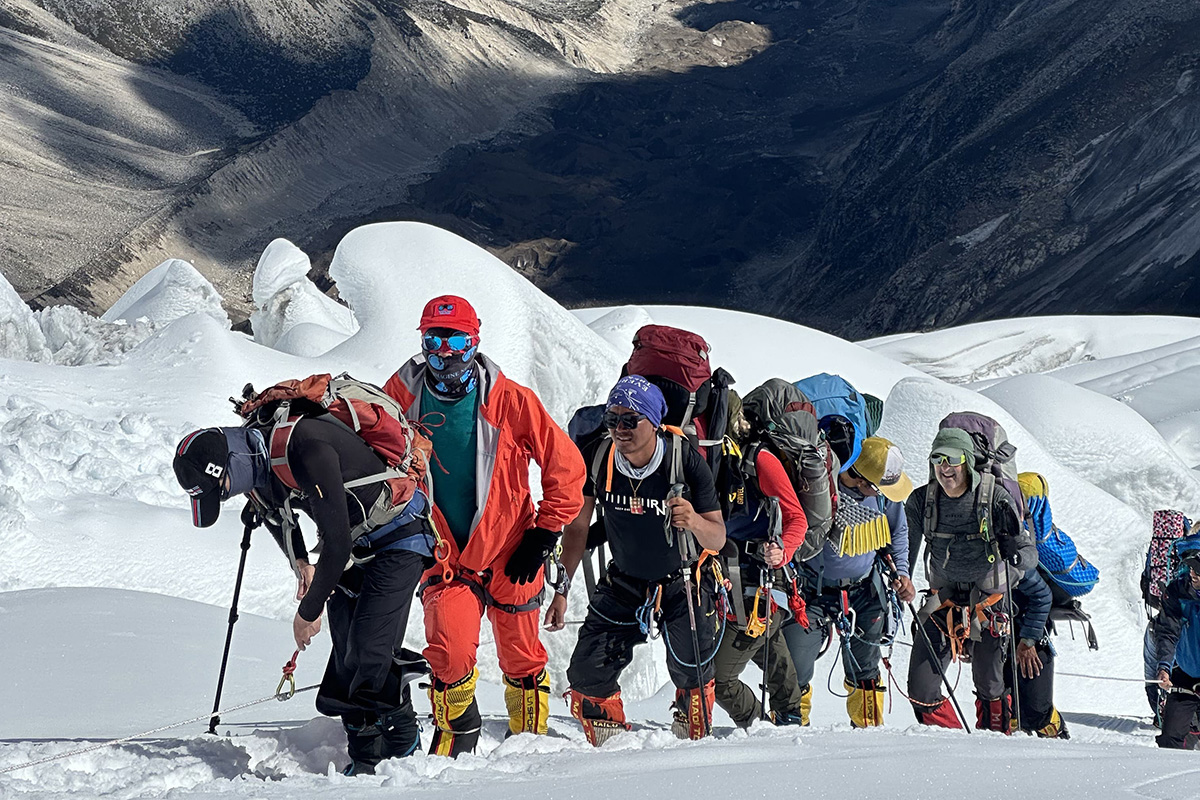
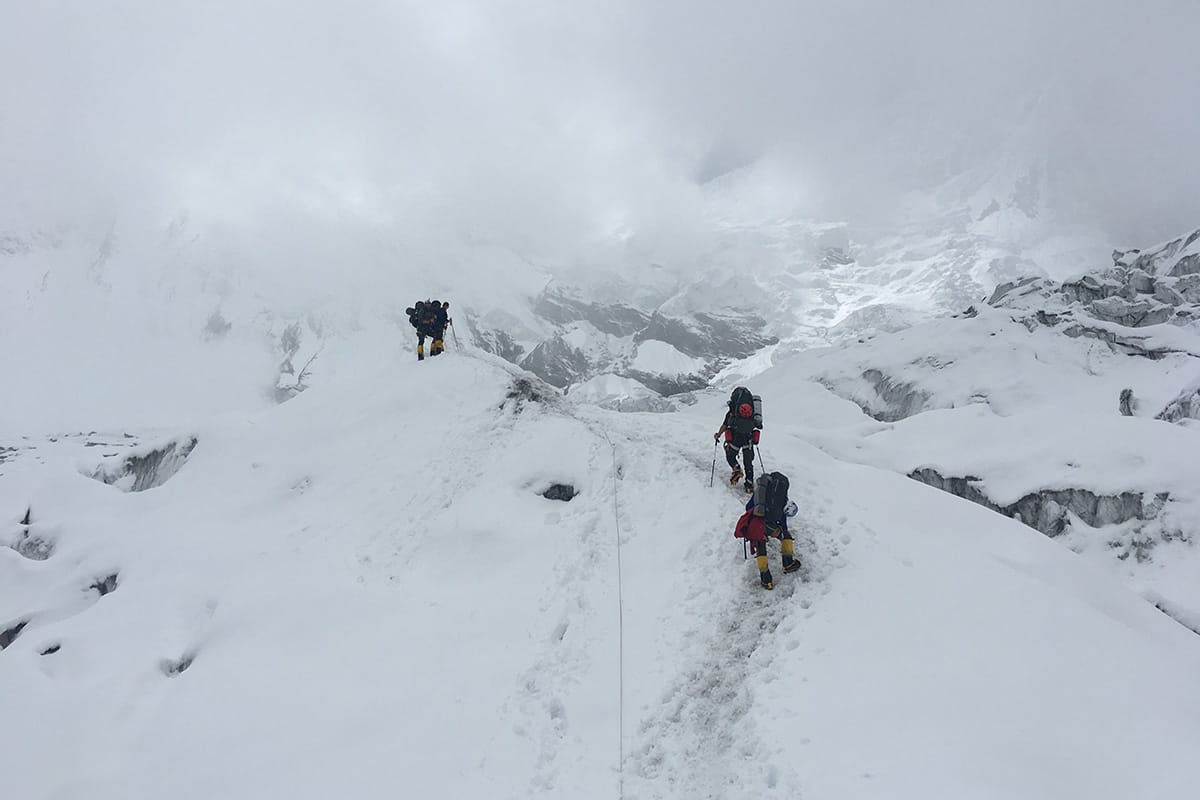
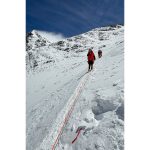
  • Climb the Northeast Face route through four high camps, featuring steep snow slopes and fixed ropes
  • Complete a structured rotation with three acclimatisation climbs through Camp I, Camp II, and Camp III
  • View Annapurna I, Himalchuli, Ganesh Himal, and the Tibetan plateau in a wide panorama from the summit
  • Trek through the remote Manaslu region, visiting traditional villages including Namrung, Lho, and Samagaun
  • Pass through the Manaslu Conservation Area, home to snow leopards, red pandas, and over 110 bird species
Day by day

Itinerary

Altitude profileSleeping altitudeHigh point
01,0002,0003,0004,0005,0006,0007,0008,0009,0008,163 m
Day 1Day 38
  1. Arrive at Tribhuvan International Airport and transfer to your 5-star hotel in Thamel by private luxury Land Cruiser with the Kalapatthar team. The evening includes a traditional Nepali welcome dinner with cultural dance and live music, full expedition briefing covering permits, climbing safety protocols, and the gear checklist. Your guide conducts the first health check covering oxygen saturation, pulse rate, temperature, and general baseline condition.

    Altitude
    1,400 m
    Overnight
    5-Star Hotel
    Health Check
    Evening Welcome

This tried and tested itinerary may change for weather or safety, your guide always decides on the day, never the schedule.

Details

What your place covers

Included

  • Ground Transportation all airport transfers and private ground transportation are included as per the detailed itinerary schedule
  • Kathmandu Accommodation four nights of five-star hotel accommodation in Kathmandu on a bed and breakfast basis
  • Welcome Dinner traditional Nepali welcome dinner on Day 1 with cultural dance, live music, and a full briefing
  • Satellite Communication satellite phone access at Base Camp for emergency communication and scheduled calls home to family
  • Permits all required permits, including climbing royalty, restricted area permit, conservation area permit, TIMS card, and garbage deposit
  • Insurance comprehensive insurance coverage for all Nepali expedition staff, including guides, Sherpas, and the kitchen crew
  • Expedition Leader an IFMGA/UIAGM certified expedition leader with a minimum of eight years of Himalayan climbing experience
  • Sherpa Support one-to-one Sherpa support on summit day, with additional Sherpas available as required by conditions
  • Rotation Schedule a structured rotation with three acclimatisation climbs through Camp I, Camp II, and Camp III
  • Technical Training a three-day technical training programme at Base Camp covering fixed rope ascent and oxygen system use
  • Trekking Services full approach trek logistics, including teahouse accommodation and three-course meals from Soti Khola to Base Camp
  • Base Camp Facilities luxury camp with personal dome tents, a dining tent, kitchen tent, toilet tent, and shower tent
  • Base Camp Catering all meals daily throughout the expedition, served with unlimited portions plus unlimited tea and coffee
  • Hot Showers facilities remain available at Base Camp throughout the entire 38-day expedition schedule each day
  • Power Supply 24/7 solar and generator power supply at Base Camp for devices, medical equipment, and heating
  • Wi-Fi 24-hour connectivity at Base Camp for communication, weather monitoring, and emergency coordination needs daily
  • Medical Support a fully equipped medical camp staffed by a certified high-altitude doctor with oxygen and evacuation support
  • Health Monitoring twice-daily health checks, including oxygen saturation, pulse rate, and temperature monitoring for every climber
  • Weather Forecasting daily professional Himalayan weather forecasts support safe rotation climbs and accurate summit timing decisions
  • High Camp Support comprehensive support at Camp I through Camp IV, including tents, meals, and supplemental oxygen
  • Oxygen System a standard allocation of bottled oxygen is provided for the summit push and emergency reserves
  • Climbing Equipment complete technical climbing equipment, including crampons, ice axe, harness, jumar, fixed ropes, and ice screws
  • Complimentary Gear a high-altitude down suit rated for minus 40 degrees Celsius and a four-season sleeping bag
  • Contingency Days three reserve days built into the schedule provide weather contingency and multiple summit attempt windows
  • Emergency Support evacuation planning and helicopter rescue coordination are included as standard in every Kalapatthar expedition package
  • Completion Certificate a Manaslu Expedition completion certificate issued at the conclusion of the full 38-day journey

Not included

  • International airfare to and from Kathmandu, along with all associated airport taxes and departure fees
  • Nepal visa fee, obtainable on arrival at Tribhuvan International Airport for 30 or 90-day stays
  • Travel and mountaineering insurance covering high-altitude climbing above 8,200 m and emergency helicopter evacuation
  • Personal trekking and climbing gear beyond the complimentary down suit and sleeping bag rental provided
  • Meals in Kathmandu other than the included breakfasts and the welcome dinner held on Day 1
  • Personal expenses, including teahouse hot showers, battery charging, trail Wi-Fi access, and laundry services
  • Additional supplemental oxygen bottles beyond the standard allocation are available at cost directly from Kalapatthar
  • Additional costs arising from weather delays, flight cancellations, or any personal itinerary changes made
  • Helicopter rescue and emergency evacuation costs, which must be covered by your personal travel insurance
  • Tips for the expedition leader, climbing Sherpas, porters, kitchen staff, and the Base Camp crew
  • Summit bonus for the lead climbing Sherpa and expedition leader, both optional and a customary practice
  • Alcoholic beverages, bottled soft drinks, and personal snacks beyond the standard included meal plan
Secure your place

Choose your package

Most popular
Package A

Standard

$1,500Save 5%$1,425USD
per person
  • Everything listed under “What’s included”
  • Fixed-departure or private dates
  • Pay in full or secure with a deposit

Looking for something more exclusive, or want it built around your own dates? Message us on WhatsApp or email info@kalapatthartrek.com

Secure payment, powered by StripeVISAAMEX PayG Paystripe
Cancellation and payment terms

Your deposit secures your place and is used immediately to book permits, flights and lodges. The balance is due 30 days before departure. Deposits are refundable in full within 14 days of payment.

Prabhat Adhikari
Talk to our expertPrabhat AdhikariFounder & Managing Director
  • Certified IFMGA/UIAGM mountain guides work alongside Sherpas holding multiple 8,000 m summits to their name
  • A structured rotation schedule with three acclimatisation climbs through Camp I, II, and III is included
  • A three-day technical training programme runs at Base Camp under expert Sherpa supervision each rotation
Before you go

Practical info

Flora and Fauna of the Mount Manaslu

Subtropical Zone (Below 2,000 m)

The trek begins in a subtropical forest along the Budhi Gandaki River valley below 2,000 m. Bamboo, sal, and chir pine line the trail between Soti Khola and Jagat at lower elevations. Orchids, ferns, and mosses grow in dense patches near river crossings and waterfalls on the trail. The Himalayan monal, Nepal's national bird, displays iridescent plumage on forest slopes during spring months. Langur monkeys move through the canopy in small groups between Machha Khola and Jagat.

Temperate Zone (2,000 m to 3,500 m)

Climbing higher, juniper, birch, oak, and rhododendron replace the subtropical species near Namrung and Lho. Himalayan tahr are commonly spotted on rocky slopes above the tree line in this same stretch. The elusive snow leopard lives in these mid-elevation forests, though sightings remain extremely rare here. Blue sheep, known locally as bharal, graze on alpine pastures between Lho and Samagaun.

Alpine Zone (3,500 m to 5,000 m)

Above 3,500 m, trees vanish entirely, replaced by alpine scrub and hardy grasses near Base Camp. The Manaslu Conservation Area protects 1,663 square kilometres of diverse mountain habitat across the region. Himalayan griffon vultures circle above the valleys here, and Tibetan snowcocks call from alpine meadows nearby.

The Death Zone (Above 5,000 m)

The death zone begins at 5,000 m, where nothing grows except lichen on exposed rock. Permanent snowfields of the Manaslu glacier system dominate the entire landscape above this elevation. This ice feeds into the Budhi Gandaki River valley far below the climbing route. Birdlife at this altitude is limited to the occasional griffon vulture near the route on summit day.

Expedition Difficulty

Overall Rating

The Manaslu Expedition carries an Extreme rating, the highest classification used across our programmes. This climb demands prior high-altitude experience above 7,000 m and proven proficiency with fixed ropes. Daily climbing times average 5 to 8 hours on technical terrain throughout the 38-day expedition. The summit push stands as the most demanding day of the entire 38-day schedule.

Most Demanding Sections

The fixed rope sections above Camp III at 6,800 m present the greatest technical challenge on the route. These steep snow slopes reach 40 to 50 degrees, demanding steady footing and efficient jumar technique. The traverse from Camp III to Camp IV involves exposed ridge climbing with real avalanche risk. From there, the summit push from Camp IV at 7,400 m follows a defined ridge line with fixed ropes. Climbers need steady pacing and highly efficient oxygen use in this extreme, thin mountain air.

Recommended Training

Kalapatthar Trek & Expedition recommends at least six months of intensive preparatory training before departure. This training should include high-intensity cardiovascular work and structured strength training three times weekly. Prior high-altitude experience above 7,000 m is mandatory before attempting this Extreme-rated Himalayan expedition. The structured rotation through Camp I, II, and III is designed to build this adaptation.

Best Time to Visit Manaslu

Autumn (September to October)

Autumn is the primary and most recommended season for the Manaslu Expedition. Post-monsoon conditions bring stable weather and clear skies across the Gorkha region, with October standing out as the strongest month for cold but predictable mountain weather. Daytime temperatures at Base Camp range from 5°C to 10°C, dropping to minus 20°C to minus 30°C at the summit.

Spring (March to May)

Spring is the secondary climbing season, offering milder temperatures but less stable weather due to jet stream activity over the Himalaya. Rhododendron forests bloom at lower elevations along the Budhi Gandaki Valley approach. Daytime temperatures at Base Camp range from 8°C to 12°C, dropping to minus 15°C to minus 25°C at the summit.

Monsoon (June to August)

Heavy daily rainfall and unstable snow conditions define the summer monsoon. Persistent cloud cover obscures mountain views, and fixed rope sections become hazardous from wet ice and poor visibility. Kalapatthar Trek & Expedition does not schedule departures during this season.

Winter (December to February)

Winter climbing is not recommended due to extreme cold, deep unconsolidated snow, and sustained high winds battering the exposed Northeast Face. Temperatures at Camp IV drop to minus 30°C to minus 40°C, and teahouses in the region reduce services or close entirely. Kalapatthar does not offer winter departures under any circumstances.

Permits and Documentation For Mount Manaslu Expedition

The Manaslu Expedition requires five separate permits obtained through a registered agency like Kalapatthar Trek & Expedition. Independent climbing is not permitted on Manaslu, and every climber must travel with a licensed guide.

Kalapatthar processes all permits before departure from Kathmandu at official government rates with no handling fees.

  • Manaslu Climbing Royalty costs USD 1,800 for autumn, USD 1,500 for spring, and USD 900 for winter
  • Manaslu Restricted Area Permit costs USD 100 per week in autumn or USD 75 per week otherwise
  • Manaslu Conservation Area Permit costs NPR 3,000 per person and supports trail maintenance and conservation
  • A Trekker Information Management System card is required for all trekkers entering the Manaslu Conservation Area
  • A garbage deposit of USD 500 per team is required and refundable upon returning all waste
  • A licensed climbing guide holding IFMGA or UIAGM certification is legally required for the summit attempt

Accommodation and Food on the Manaslu Expedition

Accommodation changes four times between Kathmandu and the summit of Mount Manaslu during the journey. The expedition begins with four nights in a 5-star hotel in Kathmandu, breakfast included daily. The approach trek from Soti Khola to Samagaun then uses teahouse accommodation with twin-sharing rooms.

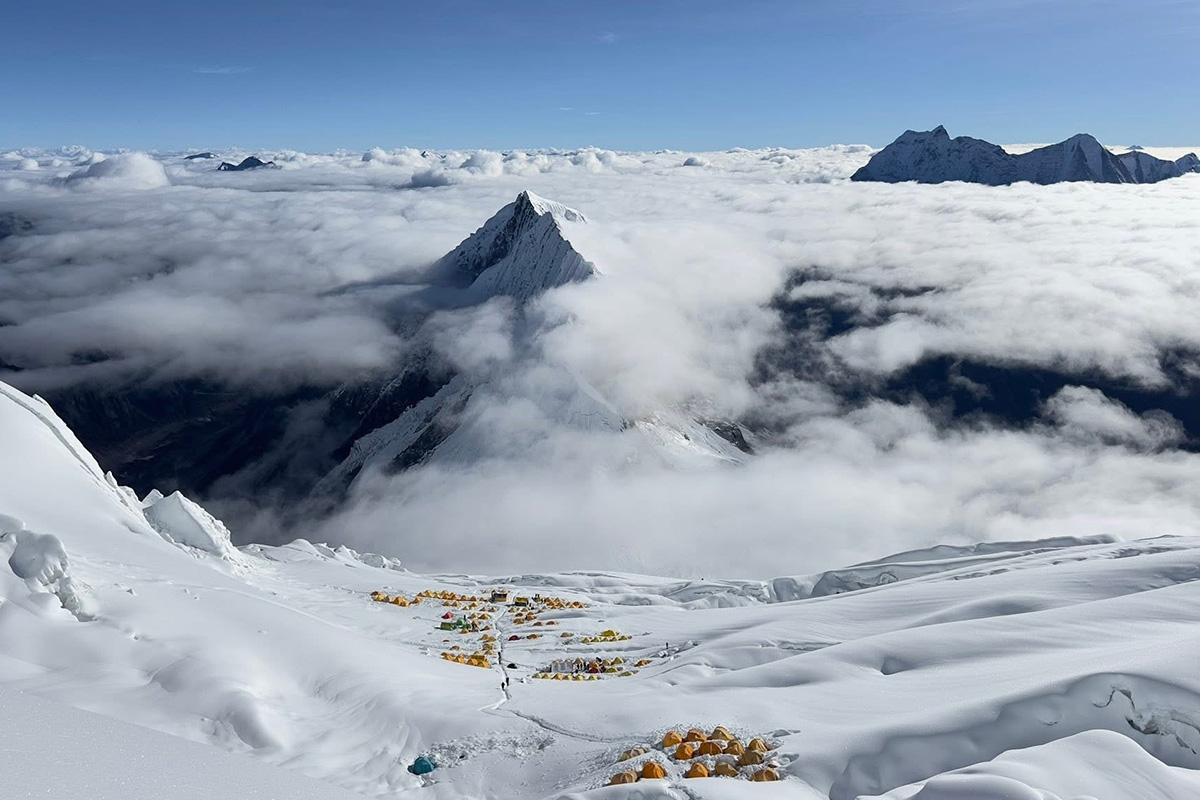
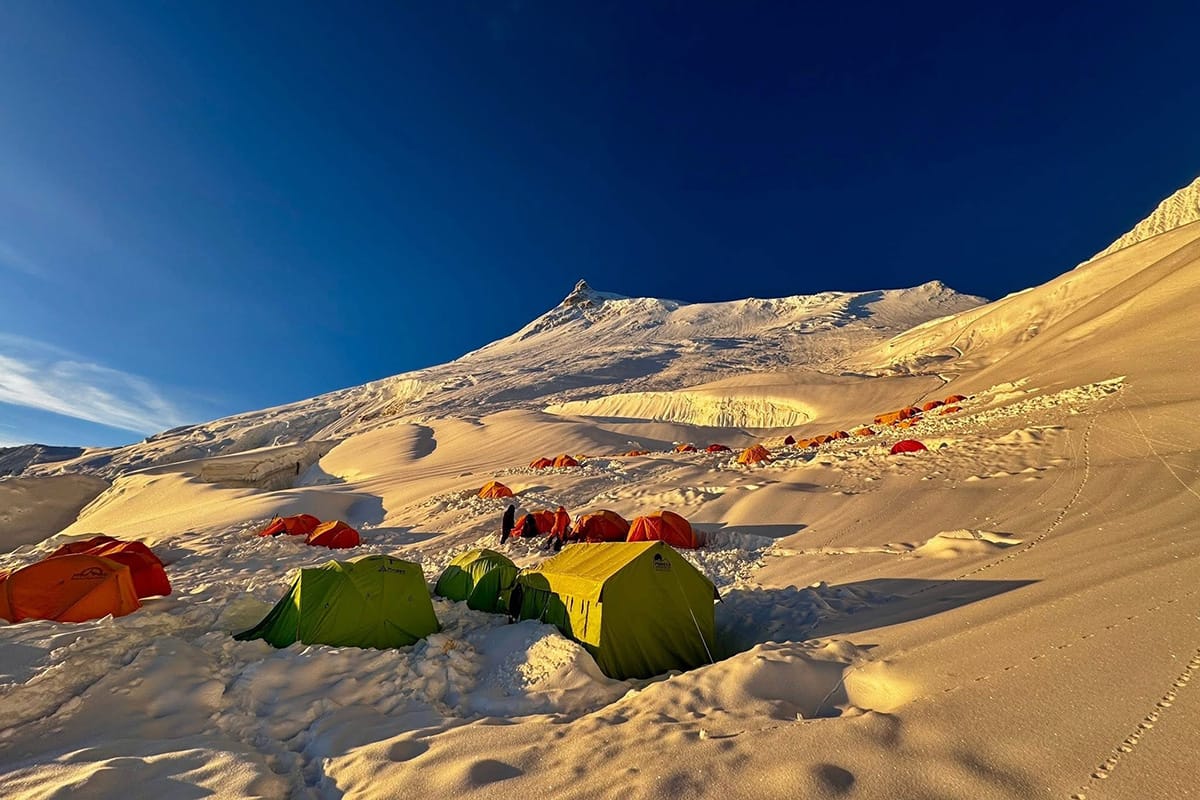
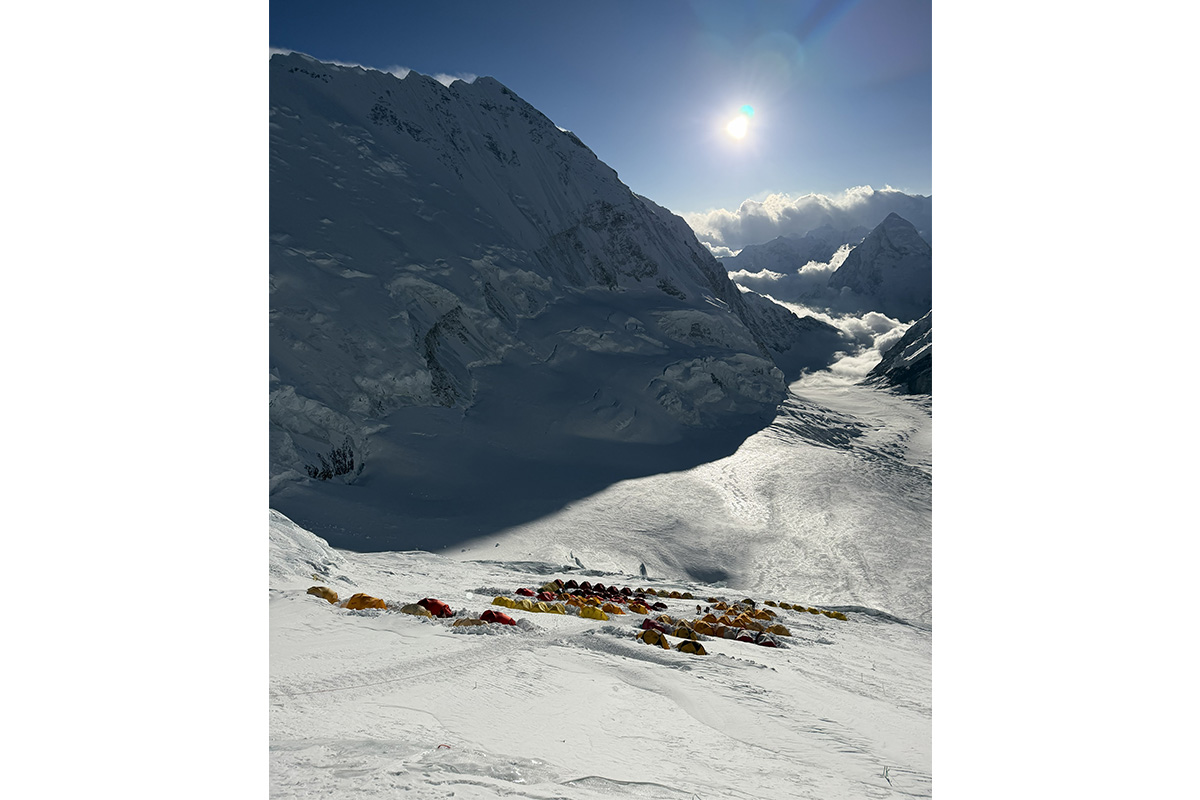
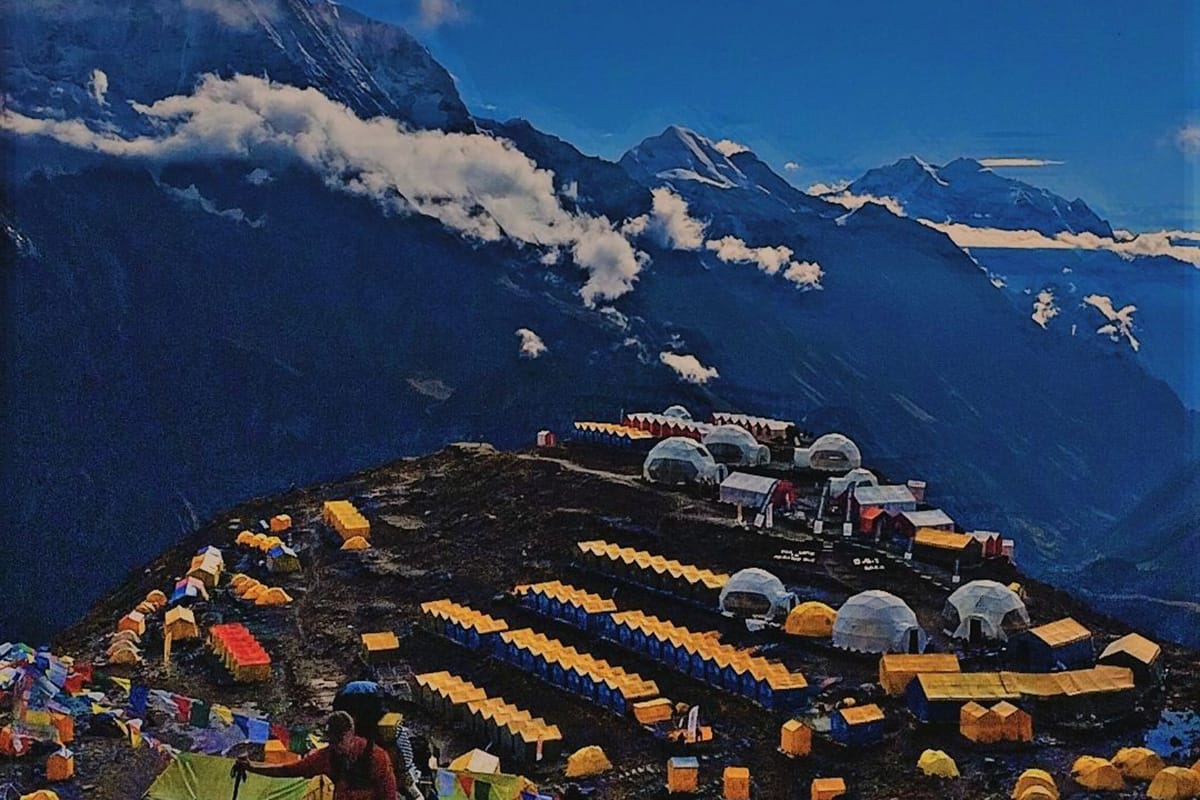
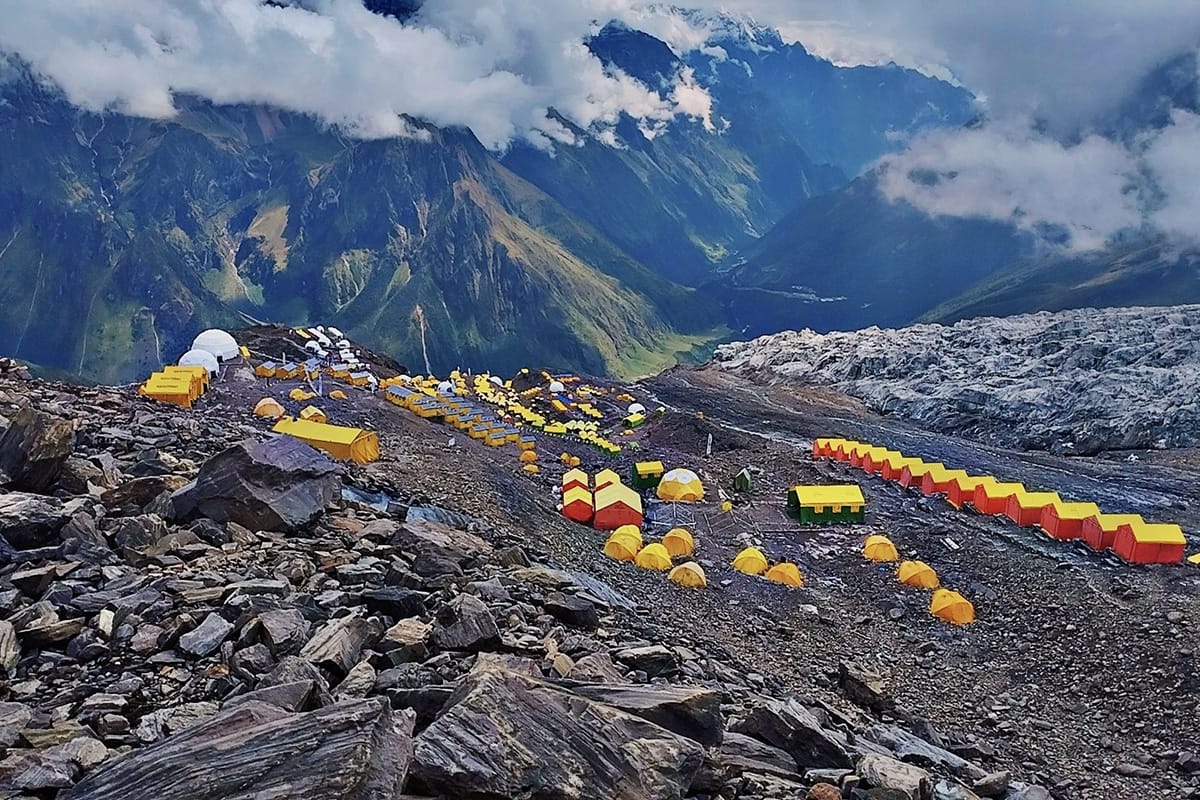
At 4,800 m, a luxury Base Camp is built to Kalapatthar's full 8,000 m expedition standard. Personal dome sleeping tents feature heated bedding and full amenities for every member of the team. A dedicated dining tent, kitchen tent, toilet tent, and hot showers support daily camp life. The site runs on 24/7 solar and generator power, with reliable Wi-Fi throughout the stay. A fully equipped medical facility, staffed by a certified doctor, provides continuous support throughout the climb. Above Base Camp, fully equipped expedition tents stand at Camp I, Camp II, Camp III, and Camp IV.

The Kalapatthar kitchen team prepares three fresh meals daily at Base Camp for every climber. Unlimited snacks, dry fruits, biscuits, fresh fruit, tea, and coffee are available between meals. Teahouses along the approach serve dal bhat, fried rice, noodle soups, pasta, and egg-based meals. Full hygienic kitchen service operates at all high camps, with vegetarian options available on request.

Packing List

Clothing
  • One waterproof hardshell jacket and matching trousers rated to a minimum 20,000 mm water column
  • One high-altitude down suit rated for minus 40 degrees Celsius, available as a complimentary rental from Kalapatthar
  • One insulated down jacket rated for minus 20 degrees Celsius for Base Camp and high camp use
  • One fleece jacket or synthetic mid-layer for approach trekking and general Base Camp use each day
  • Three moisture-wicking long-sleeved base layer tops in merino wool or synthetic fabric, with no cotton permitted
  • Two pairs of softshell trekking trousers plus two pairs of hardshell climbing pants for technical terrain
  • Two pairs of thermal base layer bottoms for cold nights at Base Camp and every high camp
  • Five to six pairs of wool or synthetic expedition socks, plus two pairs of summit-weight liners
  • One balaclava and one warm beanie covering the ears for summit day and cold camp nights
  • Three pairs of thin liner gloves, two pairs of insulated waterproof gloves, and one pair of overmitts
Footwear
  • One pair of high-altitude double boots rated for minus 40 degrees Celsius, compatible with step-in crampons
  • One pair of waterproof trekking boots, broken in for at least 100 kilometres before arrival in Nepal
  • One pair of lightweight camp shoes or sandals for Base Camp evenings and warm rest days
  • One pair of gaiters for glacier sections and high-altitude snow terrain found above Base Camp

Climbing Equipment (Provided by Kalapatthar Trek & Expedition)

  • 12-point steel crampons compatible with your double boots for glacier and summit slope sections
  • Ice axe of 60 to 70 cm length for balance and self-arrest above Camp II
  • Climbing harness with adjustable leg loops for all fixed rope sections from Camp I to the summit
  • Jumar or ascender for climbing fixed ropes on the steep sections found above Camp III
  • Two locking carabiners and two non-locking carabiners for rope attachment and essential safety backups
  • Climbing helmet for protection from falling ice and rock on the Northeast Face route
  • 120 cm and 240 cm sewn slings for anchor connection and safety backups at every high camp
  • Prusik loops for emergency self-rescue on fixed ropes if the situation ever requires it
  • Fixed ropes, snow stakes, and ice screws were managed and installed by the Kalapatthar Sherpa team throughout
Gear and Equipment
  • One four-season sleeping bag rated for minus 30 degrees Celsius, available as a complimentary rental from Kalapatthar
  • Trekking poles with adjustable length and snow baskets for the approach trek and glacier terrain
  • One headlamp with a minimum 300 lumens output and spare batteries for the pre-dawn summit start
  • Two-litre insulated water bottle plus a thermos for hot drinks on the morning of summit day
  • Water purification tablets or a filter bottle for teahouse water during the approach trek
  • One power bank with at least 20,000 mAh capacity for use above Samagaun village
  • Glacier goggles with Category 4 UV protection and full side shields for snow glare protection
Health and Hygiene
  • Sunscreen with SPF 50 or higher applied every morning to all exposed skin above 4,000 m
  • Lip balm with SPF protection for dry, cold conditions and summit day wind exposure
  • A comprehensive first aid kit with bandages, blister plasters, pain relievers, and personal prescription medications
  • Diamox for altitude sickness prevention, if recommended by your doctor, is typically started at Samagaun
  • Wet wipes and hand sanitiser for hygiene before every meal throughout the 38-day expedition
  • Toilet paper in sealed zip lock bags for use above the teahouse facilities at every high camp

Safety and Important Notes

Altitude Sickness

AMS can affect any climber regardless of age or fitness, and risk applies above 4,000 m on this 8,163 m summit. Guides and the expedition doctor run twice-daily oxygen saturation, pulse, and temperature checks from Samagaun through the summit push and descent. Immediate descent is mandatory, no exceptions, if

HAPE/HACE symptoms

appear. Rotation through Camp I, II, and III builds acclimatization before the summit push.

Travel Insurance

Comprehensive travel insurance covering high-altitude mountaineering above 8,200 m, including helicopter evacuation and medical treatment in the remote Manaslu region, is mandatory. Proof of coverage must be shown to the expedition leader at the Day 1 briefing; no insurance, no participation.

Physical Preparation

Start structured training at least six months out, focusing on cardiovascular endurance, leg strength, and load-bearing capacity at altitude, interval training, long-distance running, weighted stair climbing, and strength training 3-4x weekly. Prior high-altitude experience above 7,000 m is mandatory for this Extreme-rated climb; a 6,000-7,000 m summit within two years significantly boosts success odds.

Responsible Mountaineering

The Manaslu Conservation Area requires minimal waste at every stage. Single-use plastics are banned throughout the 38-day journey, and all non-biodegradable waste must be carried out from Base Camp and high camps. Kalapatthar Trek & Expedition follows strict Leave No Trace principles, backed by a refundable garbage deposit system.

Cancellation & refunds

Cancellations must be submitted in writing. Because the company incurs immediate operational costs upon booking, cancellation fees are enforced based on the timeline below:

2(a) 45+ Days Before Departure: A fee of 25% of the total trip cost will be retained. The remaining balance will be refunded, minus Nepal Rastra Bank processing fees. Alternatively, this refund can be credited toward a future trip with Kalapatthar Trek & Expedition.

2(b) 25 to 44 Days Before Departure: A cancellation fee ranging from 40% to 50% of the total trip cost will apply. The remaining balance will be processed as per clause 2(a).

2(c) 8 to 24 Days Before Departure: A cancellation fee ranging from 60% to 70% of the total trip cost will apply. The remaining balance will be processed as per clause 2(a).

2(d) Within 7 Days or After Trip Commencement: No refunds are available for cancellations made less than a week before departure or once the trip has started. Clients are responsible for the full cost of the trip, including any unused services.

Note: We highly recommend purchasing comprehensive travel cancellation insurance to protect your investment against unforeseen emergencies.

Payment & deposit

To guarantee proper preparation, logistics, and safety, clients must book their trip at least three months prior to departure. Payment must be fulfilled according to the following schedule:

Initial Deposit: A 25% non-refundable deposit is required at the time of booking to secure permits, domestic flights, hotels, and staff allocations.

Second Installment: An additional 25% of the total cost is due one month before departure.

Final Balance: The remaining 50% must be settled prior to your arrival in Nepal .

Online payments are processed securely by Stripe. Card details never touch our servers.

Required documents

Clients must provide a passport copy, a passport-sized photograph, and completed registration forms upon booking. For expeditions exceeding 7,000 meters, documentation detailing your previous high-altitude and mountaineering experience is mandatory. Kalapatthar Trek & Expedition is not responsible for trip delays or permit denials resulting from missing or delayed documentation.

Travel insurance

Comprehensive travel insurance is a mandatory prerequisite for joining any of our trips. Your policy must explicitly cover:

  • High-altitude medical treatment and personal accidents.
  • Emergency helicopter evacuation, search, and rescue.
  • Trip interruption, flight cancellations, and baggage loss.

While our team will coordinate emergency logistics and paperwork, Kalapatthar Trek & Expedition assumes no financial liability for costs incurred during a rescue. All expenses not covered by your insurance provider are your sole responsibility. Please note that air evacuations can be limited by weather and regional restrictions.

Note: You can consult our team for finding the perfect travel insurance company. Our team can suggest you the best travel insurance company.

Read our full insurance guide →

FAQ

Frequently asked questions

Still unsure? Ask us anything, a real person replies.

How long is the Manaslu Expedition?

This Kalapatthar Trek & Expedition package runs for 38 days, including arrival and preparation in Kathmandu, the approach trek, high camp rotation schedule, summit climb with three reserve days, and return to Kathmandu with hotel nights at both ends.

How difficult is this expedition?

The expedition is rated Extreme (8,000m Expedition) and requires prior high-altitude mountaineering experience above 7,000 m, as well as demonstrated proficiency with fixed rope climbing and oxygen systems. The route involves fixed ropes, steep snow slopes of 40 to 50 degrees, and climbing in the death zone above 8,000 m.

Do I need prior 8,000 m experience?

Prior high-altitude mountaineering experience above 7,000 m is mandatory for this expedition. Previous experience on peaks such as Cho Oyu, Manaslu, or Shishapangma is highly recommended before attempting Everest or similar 8,000 m peaks.

What is the maximum altitude on this expedition?

The highest point is the summit of Manaslu at 8,163 m, the eighth highest mountain in the world. Camp IV at 7,400 m is the highest overnight camp on the expedition.

Is altitude sickness a risk on this expedition?

Yes, altitude sickness, including AMS, HAPE, and HACE is a serious risk at altitudes above 8,000 m in the death zone. Kalapatthar provides a certified high-altitude doctor at Base Camp throughout the expedition, and guides conduct twice-daily health monitoring with immediate descent protocols for any serious symptoms. Supplemental oxygen is mandatory above 7,000 m.

What permits are required for this expedition?

Five permits are required: the Manaslu climbing royalty (USD 1,800 autumn or USD 1,500 spring), Manaslu Restricted Area permit, Manaslu Conservation Area permit at NPR 3,000, TIMS card, and a garbage deposit of USD 500. All are processed by Kalapatthar at official rates.

Is a guide legally required?

Yes, a licensed climbing guide with IFMGA or UIAGM certification is legally required for any Manaslu summit attempt. Kalapatthar provides IFMGA/UIAGM certified expedition leaders as standard on this package.

What accommodation is available on the expedition?

Accommodation is a 5-star hotel in Kathmandu for four nights, quality teahouses on the approach trek, luxury dome tents with heated bedding at Base Camp, and fully equipped insulated expedition tents at Camp I, Camp II, Camp III, and Camp IV.

What food is available during the expedition?

Three-course freshly prepared meals are served daily at Base Camp with unlimited snacks, fruits, tea, and coffee. Full hygienic kitchen service is provided at all high camps. Dal bhat, pasta, fried rice, noodle soups, and Tibetan bread are available at teahouses on the approach. Vegetarian requirements are accommodated with advance notice.

Is travel insurance mandatory?

Yes, comprehensive travel insurance covering high-altitude mountaineering above 8,200 m and emergency helicopter evacuation is mandatory for this expedition. Proof of valid insurance must be presented to the expedition leader at the Day 1 briefing. Participation is not permitted without confirmed coverage.

Is Wi-Fi available during the expedition?

24-hour Wi-Fi is available at Base Camp throughout the expedition. Some teahouses on the approach offer Wi-Fi for a small fee, but connectivity is not available at Camp I, Camp II, Camp III, or Camp IV.

What wildlife might I see on the expedition?

Blue sheep and Himalayan tahr are commonly seen near Samagaun, red pandas live in the lower bamboo forests of the Manaslu Conservation Area, and snow leopards are documented but very rarely sighted in the region.

Can climbers without previous 8,000 m experience attempt this?

Manaslu is widely regarded as the best training peak for Everest, making it suitable for climbers stepping up from 7,000 m peaks without prior 8,000 m experience. However, prior high-altitude experience above 7,000 m is mandatory.

How far in advance should I book this expedition?

Booking six to eight months in advance is strongly recommended for the autumn peak season when permits, IFMGA guides, Sherpa teams, and logistics must be arranged well ahead of departure.

What is the summit success rate?

Based on Himalayan Database records and expedition operator data from 2015 to 2025, the overall success rate for Manaslu on professionally guided expeditions is approximately 65 to 75 per cent. Autumn (September to October) sees rates of 70 to 80 per cent while spring (March to May) averages 60 to 70 per cent. Proper acclimatisation, fitness level, weather conditions, and use of supplemental oxygen are the primary factors.

How do I book this expedition with Kalapatthar Trek & Expedition?

Contact Kalapatthar Trek & Expedition Pvt. Ltd. directly with your preferred travel dates, group size, and any special requirements to receive a personalised quote and full pre-departure support from the expedition team.

What is the success rate for first-time 8,000 m climbers on Manaslu?

Manaslu has the highest success rate among the fourteen 8,000 m peaks for first-time climbers, with approximately 70 to 80 per cent of well-prepared individuals reaching the summit in good weather conditions.

How much supplemental oxygen is provided, and how is it used?

The expedition includes a standard allocation of 4 to 5 oxygen bottles per climber, used at a flow rate of 2 to 3 litres per minute from Camp III at 6,800 m to the summit and back.

What happens if I need to descend early due to altitude sickness or injury?

Kalapatthar has a clear descent protocol where any climber showing signs of HAPE or HACE is immediately escorted down by a guide or Sherpa, with helicopter evacuation available from Base Camp if needed.

Are there any age restrictions or medical requirements for this expedition?

Climbers must be at least 18 years old with no upper age limit, but a comprehensive medical examination including ECG and chest X-ray is required before the expedition start date.

Your team

The people beside you on summit day

Prabhat Adhikari

Prabhat Adhikari 🇳🇵

Founder & Managing Director12+ years
Nima Tashi Sherpa

Nima Tashi Sherpa 🇳🇵

Climbing Sherpa / Guide15+ years · Everest, Manaslu, Himlung
Ngima Sherpa

Ngima Sherpa 🇳🇵

Climbing Sherpa / High-altitude Guide15+ years · Everest, Himlung, Island Peak
Taraman Tamang

Taraman Tamang 🇳🇵

High-altitude Climbing Guide10 years · Everest, Manaslu, Gasherbrum I & II
R.D Tamang

R.D Tamang 🇳🇵

Climbing Guide10+ years · Everest, Himlung
From our clients

From the people we've climbed with

I couldn't have chosen a better company for my Everest Base Camp Trek. Our guide Suman was knowledgeable, friendly, and always happy to share information about the mountains and local culture, while our porter worked incredibly hard with a smile every day. The service we received was excellent, especially considering the reasonable price. It was truly outstanding value for money.

Camille Moreau 🇺🇸Everest Base Camp Trek · March 2026
Verified traveller

Mingma Tashi Sherpa was an amazing leader during our Himlung Himal Expedition. He is strong, experienced, and always looked after every team member, making sure we stayed safe and had the best chance of reaching the summit. I highly recommend him to anyone planning to climb Himlung Himal because he is a reliable, dedicated, and professional guide who makes the expedition much easier and more successful.

Jackson Brooks 🇦🇺Himlung Himal · March 2026
Verified traveller

Himlung was my first expedition above 7,000 metres, and I couldn't have chosen a better team. Base Camp was far beyond my expectations, the three-day climbing training gave me real confidence on the fixed ropes, and the Sherpa team was outstanding throughout.

Mark Reynolds 🇬🇧Himlung Himal · June 2026
Verified traveller

To the best and professional team in the Himalaya. I want to say thank you for all the perfect organization. My Trip to Tsum Valley was lifetime memorable because of best guide and good organization. Thank you again.If anyone want quality trip with best services meet Kalapatthar Trek & Adventure team in Kathmandu.

Ursula W 🇩🇪Tsum Valley Trek · March 2026
Verified traveller
Your adventure

Ready to take on the challenge?

from$1,425pp
View packages