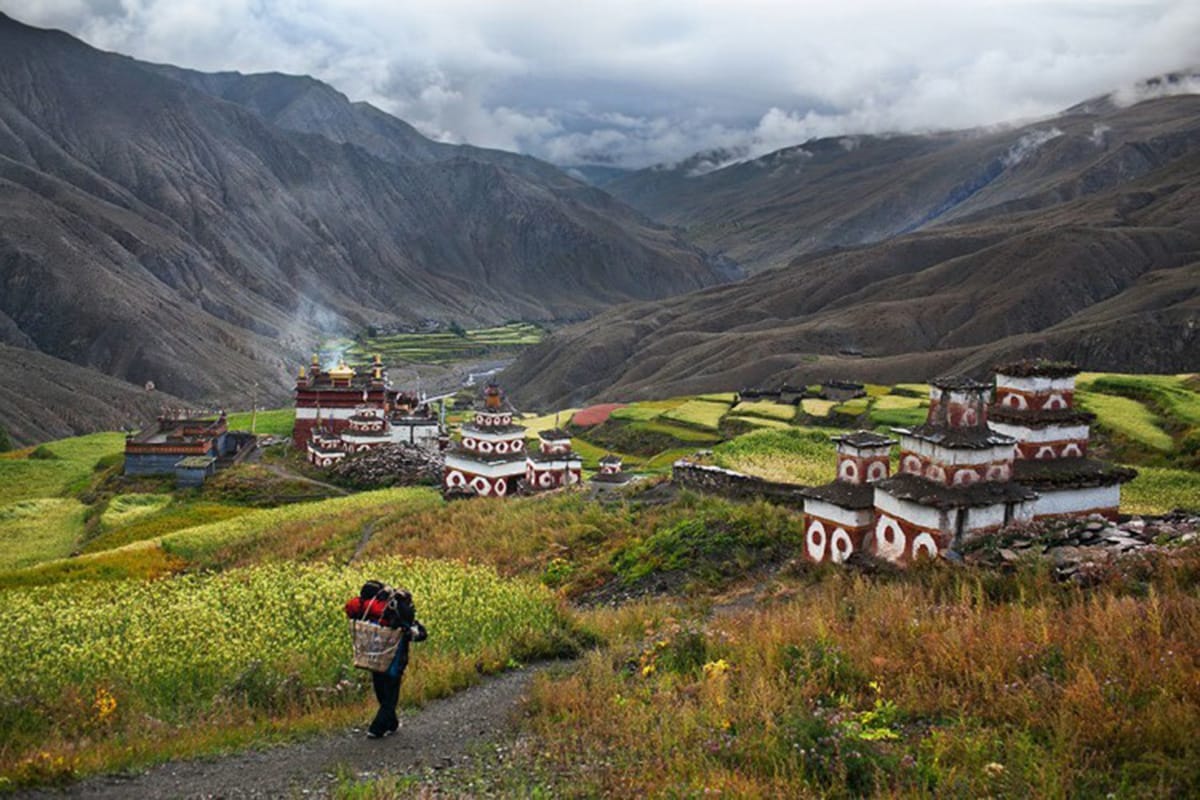
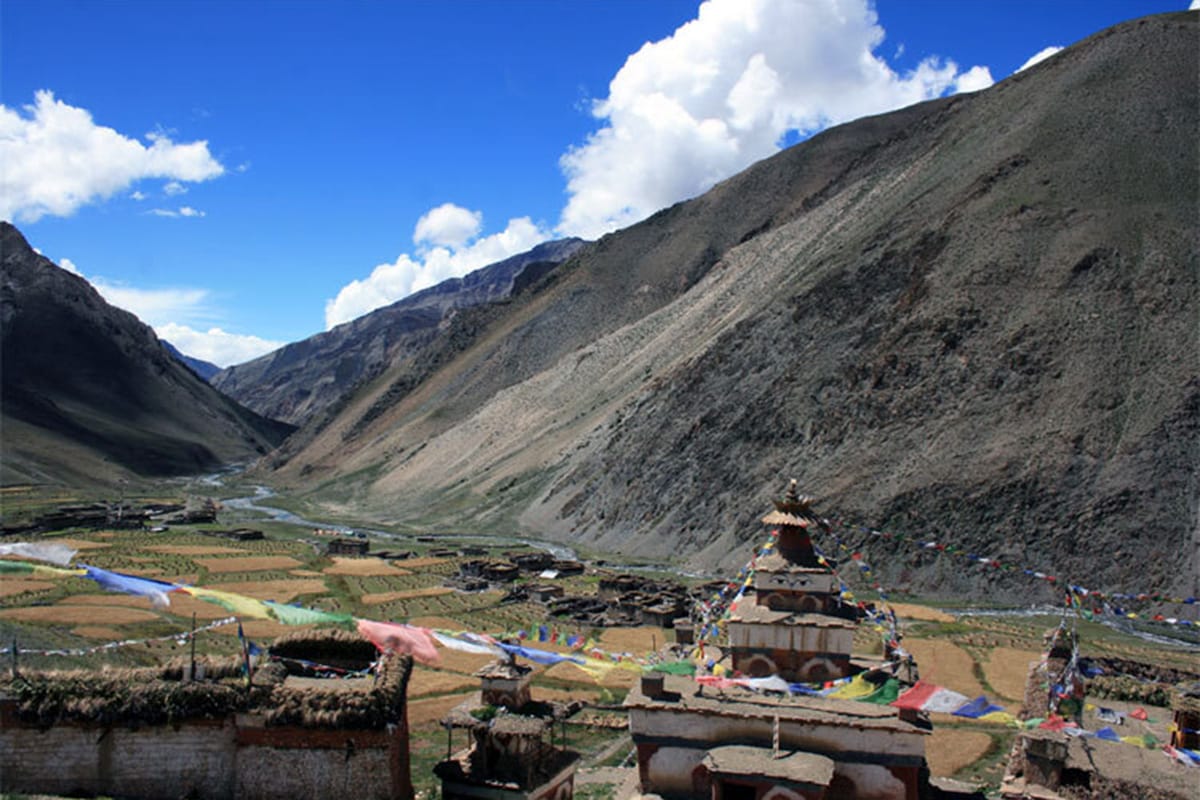
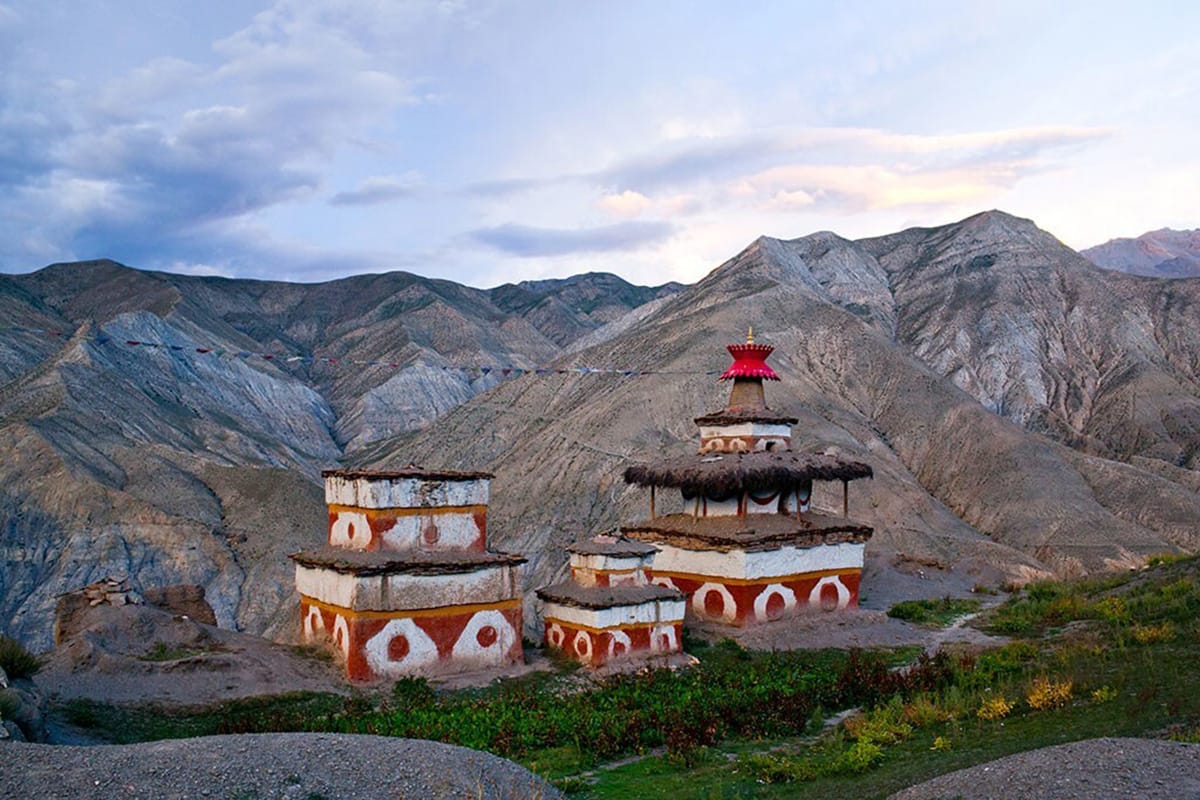
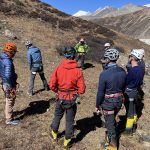
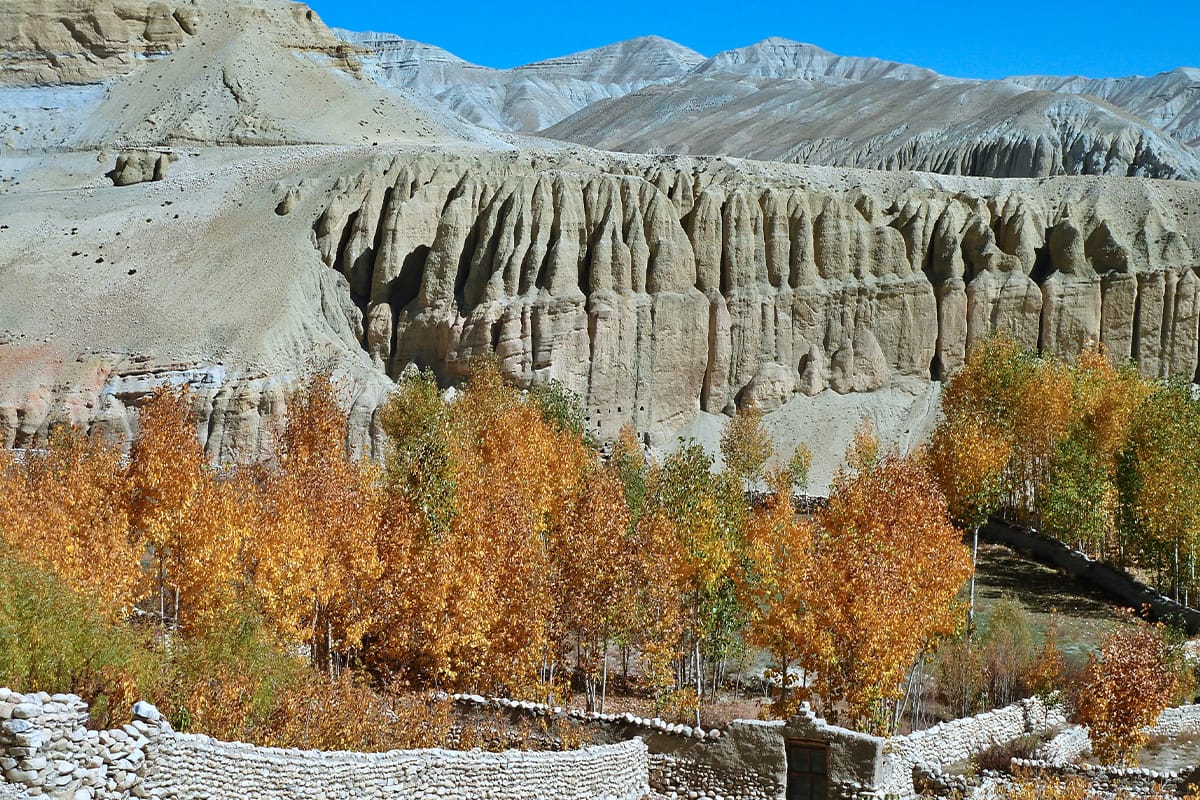
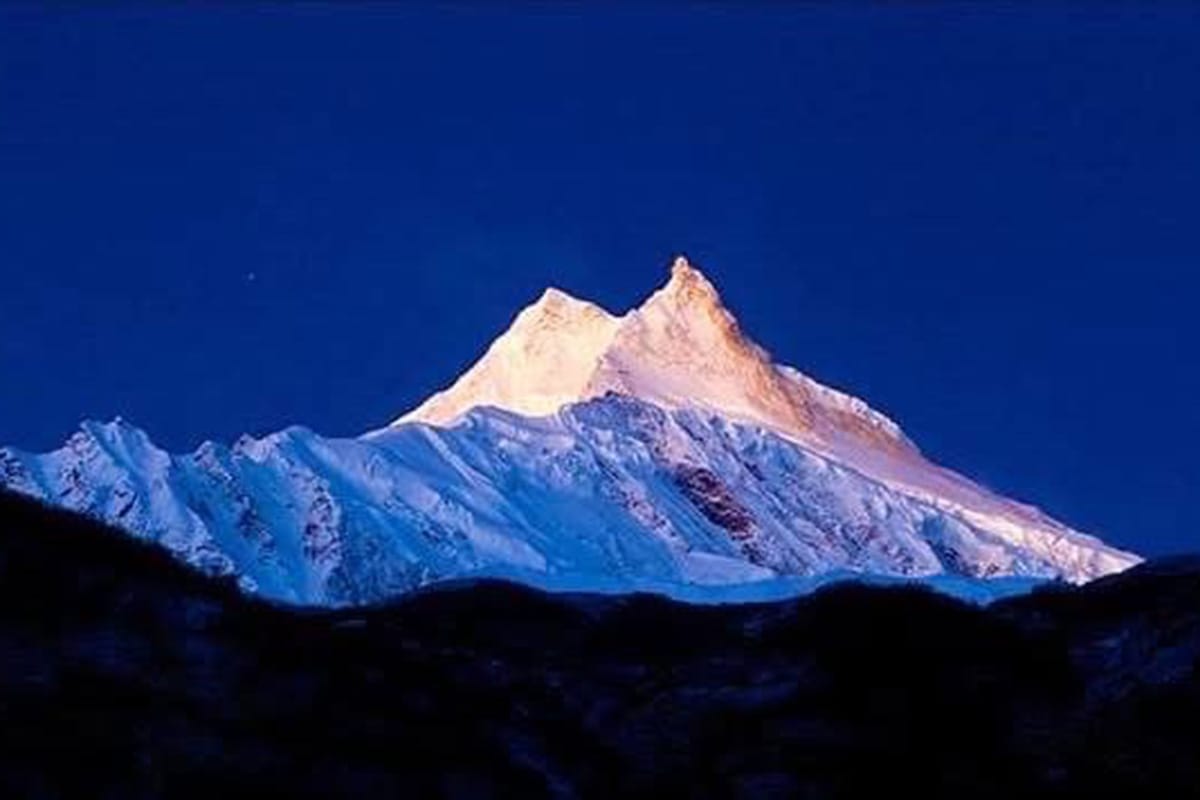
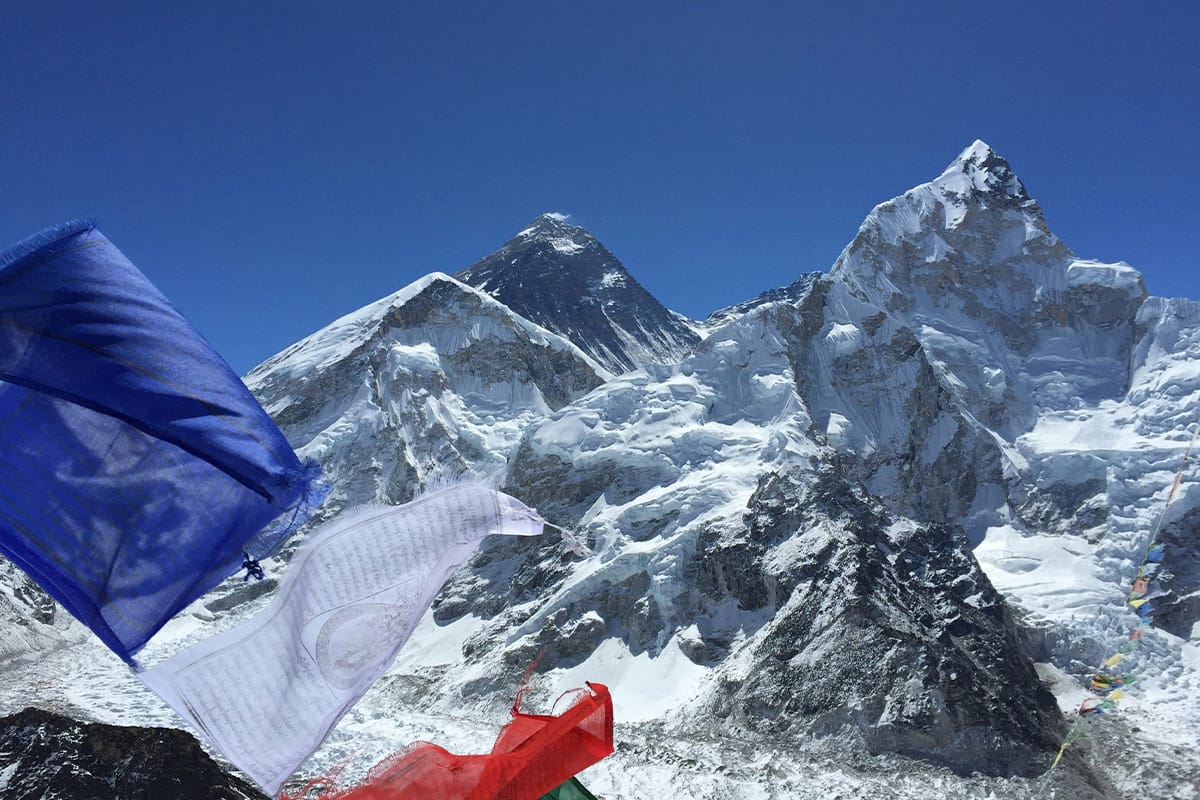
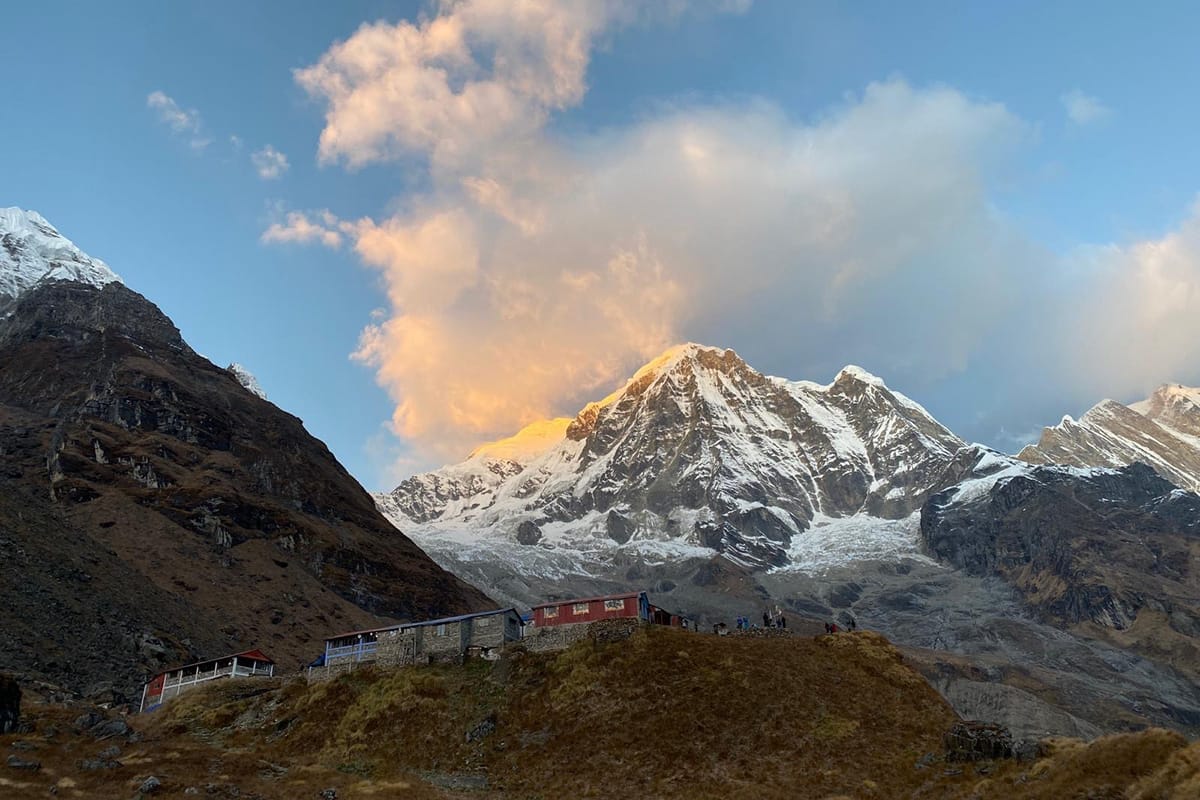
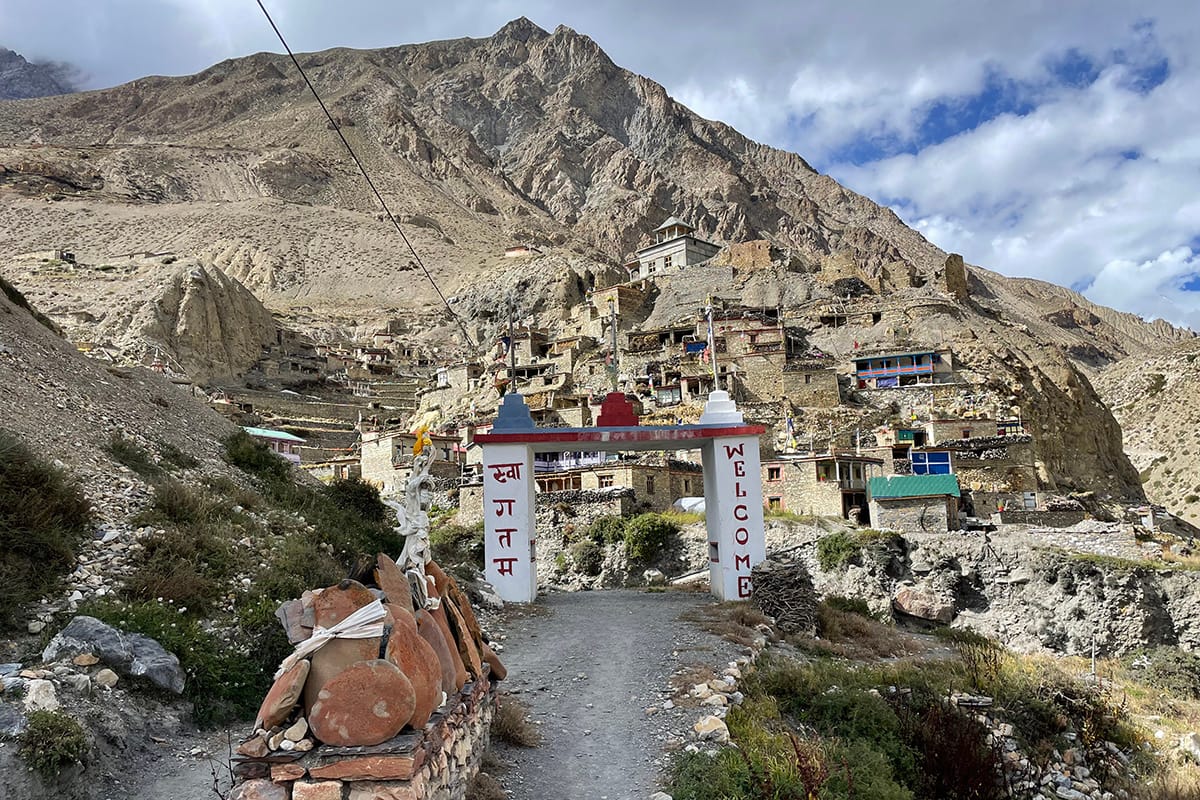
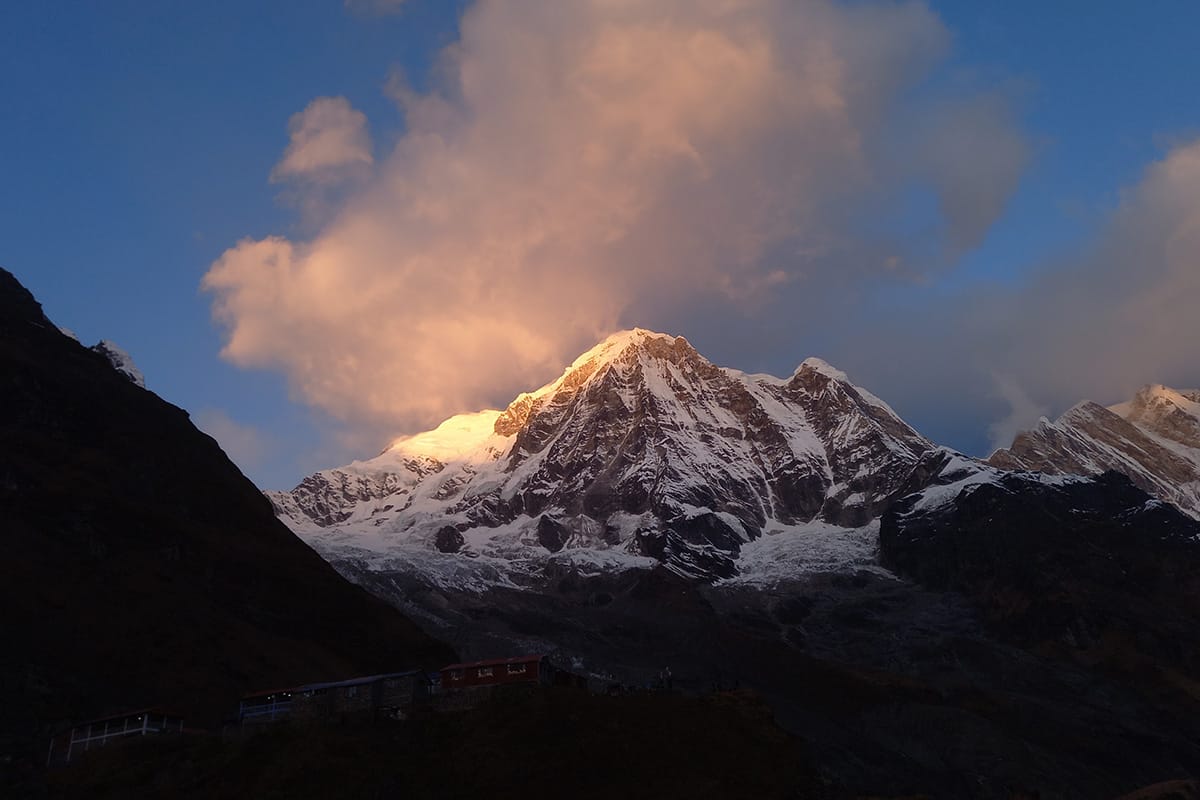
Fewer than 200 foreign trekkers enter this region each year, making it one of Nepal’s least visited trekking areas. This fully supported expedition with our Kalapatthar team combines experienced guides, complete permit handling, camping logistics, and domestic flights across more than 200 km of remote Himalayan wilderness.
This route requires prior high-altitude trekking experience and strong physical fitness, with 6 to 8 hours of walking daily across rocky, exposed terrain. Long, teahouse-free stretches through the upper valley make this one of the last genuine wilderness routes remaining in the Himalayas.
The Upper Dolpo Trek Experience
The journey begins with flights from Kathmandu to Nepalgunj and onward to Juphal, from where the route travels north through Shey Phoksundo National Park into the Upper Dolpo restricted zone. Trekkers move through remote villages including Ringmo, Namgung, Saldang, Yangze Gompa, Tokyu, and Dho Tarap while crossing three major Himalayan passes.
The trail combines teahouse accommodation in larger settlements with fully supported camping through isolated sections, required between Ringmo and Namgung where no permanent lodges exist for more than 80 km. These camping sections come fully staffed with kitchen crew, dining tents, and toilet facilities.
Why Choose Us
Professional & Experienced Guides – Certified trekking guides with 5+ years of Himalayan experience.
Safety Comes First – First aid-trained team with daily health monitoring throughout your trek.
Premium Accommodation – Carefully selected best hotels and tea houses for comfort and quality.
Reliable Weather Updates – Daily forecasts from premium weather sources for safer trekking decisions.
Flexible Itineraries – Trek plans adjusted based on your walking pace, health, and weather conditions.
Premium Trekking Experience – Personalized service, expert support, and attention to every detail from arrival to departure.
5.0268 reviews
I couldn't have chosen a better company for my Everest Base Camp Trek. Our guide Suman was knowledgeable, friendly, and always happy to share information about the mountains and local culture, while our porter worked incredibly hard with a smile every day. The service we received was excellent, especially considering the reasonable price. It was truly outstanding value for money.
Mingma Tashi Sherpa was an amazing leader during our Himlung Himal Expedition. He is strong, experienced, and always looked after every team member, making sure we stayed safe and had the best chance of reaching the summit. I highly recommend him to anyone planning to climb Himlung Himal because he is a reliable, dedicated, and professional guide who makes the expedition much easier and more successful.
Himlung was my first expedition above 7,000 metres, and I couldn't have chosen a better team. Base Camp was far beyond my expectations, the three-day climbing training gave me real confidence on the fixed ropes, and the Sherpa team was outstanding throughout.
To the best and professional team in the Himalaya. I want to say thank you for all the perfect organization. My Trip to Tsum Valley was lifetime memorable because of best guide and good organization. Thank you again.If anyone want quality trip with best services meet Kalapatthar Trek & Adventure team in Kathmandu.
Your guide performs an initial wellness check, recording your baseline oxygen saturation, pulse rate, and temperature. Arrive at Tribhuvan International Airport and transfer to your hotel in Kathmandu with the Kalapatthar team. The evening includes a welcome dinner, team introduction, and a full trek briefing covering permits, flights, trail conditions, and altitude safety protocols. Overnight at a hotel.
Altitude
1,400 m
Overnight
Hotel
Health Check
Evening Welcome
Your guide conducts a morning wellness check covering oxygen saturation, pulse rate, and temperature before breakfast. Day 2 is reserved for permit processing at government offices, a full gear check, and any remaining equipment purchases in Thamel. Kalapatthar Trek & Expedition handles the Upper Dolpo RAP at USD 500, the Shey Phoksundo National Park fee at NPR 3,000, and the Lower Dolpo RAP at USD 40 on this day. Early rest is strongly recommended before the early morning flight to Nepalgunj. Evening health check conducted. Overnight at a hotel.
Altitude
1,400 m
Overnight
Hotel
Health Check
Morning + Evening
Your guide conducts a morning wellness check covering oxygen saturation, pulse rate, and temperature before breakfast. Take the morning flight from Kathmandu to Nepalgunj, the regional hub for flights into the remote western districts of Nepal. The afternoon is free to rest and complete any remaining gear preparations before the high-altitude journey begins. Evening health check conducted. Overnight at a hotel in Nepalgunj.
Altitude
150 m
Overnight
Hotel
Transport
Flight 1 hr
Health Check
Morning + Evening
Your guide conducts a morning wellness check covering oxygen saturation, pulse rate, and temperature before breakfast. Take the early morning flight from Nepalgunj to Juphal, a 45-minute mountain flight with views of distant Himalayan peaks on a clear morning. From Juphal, the trail descends through terraced fields and small settlements to Dunai, the administrative headquarters of Dolpa District. Register your Shey Phoksundo National Park permit at the Dunai checkpoint. An evening health check is conducted. Overnight at a teahouse.
Altitude
2,140 m
Walking time
3-4 hrs
Distance
8 km
Overnight
Teahouse
Transport
Flight 45 min
High point
2,475 m
Descent
-335 m
Health Check
Morning + Evening
Your guide conducts a morning wellness check covering oxygen saturation, pulse rate, and temperature before breakfast. The trail follows the Thuli Bheri River valley northward through increasingly remote terrain, passing through the villages of Kalagau and Laina. The landscape transitions from agricultural terraces and scattered forest to deeper river gorge terrain with rocky cliffs and suspension bridges. Evening health check conducted. Overnight at a teahouse.
Altitude
2,670 m
Walking time
5-6 hrs
Distance
12 km
Overnight
Teahouse
Ascent
+530 m
Health Check
Morning + Evening
Your guide conducts a morning wellness check covering oxygen saturation, pulse rate, and temperature before breakfast. The trail climbs steadily out of the river gorge and into the lower reaches of Shey Phoksundo National Park. Pass through Suligad village and several yak grazing areas before reaching the flat meadow of Samduka, a key rest point between Chhepka and Ringmo. Evening health check conducted. Overnight at a teahouse.
Altitude
3,080 m
Walking time
5-6 hrs
Distance
10 km
Overnight
Teahouse
Ascent
+410 m
Health Check
Morning + Evening
Your guide conducts a morning wellness check covering oxygen saturation, pulse rate, and temperature before breakfast. This is the most scenic day of the first week, with the trail climbing above the treeline before dropping into the Ringmo village area above the lake. The first full view of Shey Phoksundo Lake appears from the ridge, with its striking turquoise colour visible from a considerable distance. Arrive at Ringmo by late afternoon with time to walk to the lakeshore before dinner. Evening health check conducted. Overnight at a teahouse.
Altitude
3,610 m
Walking time
6-7 hrs
Distance
14 km
Overnight
Teahouse
Ascent
+530 m
Health Check
Morning + Evening
Your guide conducts a morning wellness check covering oxygen saturation, pulse rate, and temperature before breakfast. A full rest and acclimatisation day at Shey Phoksundo Lake is essential preparation for the altitudes above 5,000 metres ahead. Optional hikes include the waterfall at the lake outlet or the ridge above Ringmo for an elevated view of the full lake. Explore the village of Ringmo, home to the Dolpo-pa people who practice a mix of Tibetan Buddhism and the Bon religion. Evening health check conducted. Overnight at a teahouse.
Altitude
3,610 m
Overnight
Teahouse
Optional Hike
Ridge Above Ringmo
Health Check
Morning + Evening
Your guide conducts a morning wellness check covering oxygen saturation, pulse rate, and temperature before breakfast. The trail follows the western shore of Shey Phoksundo Lake for the morning section before turning north into the Phoksundo Khola valley. The landscape becomes progressively more barren as the trail leaves the lake area, with rocky terrain and wide sightlines to the surrounding peaks. This is the first night of camping, as no teahouses exist beyond the lake area until Namgung several days ahead. Evening health check conducted. Overnight at camp.
Altitude
3,630 m
Walking time
4-5 hrs
Distance
10 km
Overnight
Camp
Ascent
+20 m
Health Check
Morning + Evening
Your guide conducts a morning wellness check covering oxygen saturation, pulse rate, and temperature before breakfast. A steadily ascending day follows the Phoksundo Khola valley north toward Shey Gompa, crossing several small streams and open plateau terrain. Shey Gompa, also called the Crystal Monastery, was established in the 11th century and stands at 4,200 metres below Crystal Mountain. The monastery is surrounded by mani walls and prayer flags, marking it as one of the most significant religious sites in western Nepal. Evening health check conducted. Overnight at a teahouse.
Altitude
4,200 m
Walking time
5-6 hrs
Distance
12 km
Overnight
Teahouse
Ascent
+570 m
Health Check
Morning + Evening
Your guide conducts a morning wellness check covering oxygen saturation, pulse rate, and temperature before breakfast. A full rest and acclimatisation day at Shey Gompa is the most critical preparation step before the Kang La Pass crossing. Visit the monastery building and its ancient Buddhist paintings, and learn about the Shey Mela festival held at this site every twelve years. Drink plenty of water and attend the evening briefing on the Kang La Pass crossing, covering departure time, route conditions, and safety protocols. Evening health check conducted. Overnight at a teahouse.
Altitude
4,200 m
Overnight
Teahouse
Health Check
Morning + Evening
Your guide conducts a morning wellness check covering oxygen saturation, pulse rate, and temperature before breakfast. This is the hardest day of the trek. Depart Shey Gompa between 4 and 5 AM with headlamps and full cold-weather layers, as temperatures at the pass can drop below minus 10 degrees Celsius. The ascent to Kang La at 5,360 m gains over 1,100 metres on rocky, exposed terrain with almost no vegetation. Descend steeply to Namgung, a small village with a few teahouses and traditional Tibetan-influenced architecture. Evening health check conducted after the demanding pass crossing day. Overnight at a teahouse.
Altitude
4,430 m
Walking time
8-10 hrs
Distance
14 km
Overnight
Teahouse
High point
5,360 m
Ascent
+1,160 m
Descent
-930 m
Health Check
Morning + Evening
Your guide conducts a morning wellness check covering oxygen saturation, pulse rate, and temperature before breakfast. A descending day follows the Namgung Khola valley northward to Saldang, one of the larger villages in Upper Dolpo. The trail passes through open plateau terrain with scattered juniper and wide views of the Kanjiroba range to the west. Saldang is home to several hundred Dolpo-pa people who practice a mix of Tibetan Buddhism and the Bon religion. Evening health check conducted. Overnight at a teahouse.
Altitude
3,770 m
Walking time
5-6 hrs
Distance
12 km
Overnight
Teahouse
Descent
-660 m
Health Check
Morning + Evening
Your guide conducts a morning wellness check covering oxygen saturation, pulse rate, and temperature before breakfast. A demanding day crosses Saldang La Pass at 5,200 metres, the second major pass of the trek. The ascent from Saldang gains over 1,400 metres on rocky, exposed terrain with no shade or wind shelter on the upper sections. From the pass, the views include the Dolpo plateau to the south and the Tibetan border region to the north. Evening health check conducted. Overnight at a teahouse.
Altitude
4,960 m
Walking time
7-8 hrs
Distance
14 km
Overnight
Teahouse
High point
5,200 m
Ascent
+1,430 m
Descent
-240 m
Health Check
Morning + Evening
Your guide conducts a morning wellness check covering oxygen saturation, pulse rate, and temperature before breakfast. A long day follows the valley southward from Yangze Gompa, with terrain shifting from high plateau to deeper valley. The path passes through open grazing land with scattered yak herds and occasional small herder camps. Sibu is a small settlement at 4,500 metres with a few teahouses and a camping area used as a base before the final pass crossing. Evening health check conducted. Overnight at a teahouse.
Altitude
4,500 m
Walking time
6-7 hrs
Distance
16 km
Overnight
Teahouse
Descent
-460 m
Health Check
Morning + Evening
Your guide conducts a morning wellness check covering oxygen saturation, pulse rate, and temperature before breakfast. A shorter positioning day places the group close to the base of Jeng La Pass for crossing the following morning. The trail ascends steadily through rocky terrain and the broad Tarap Valley, a major grazing ground for yaks and dzopkyos. Jeng La Phedi is a camping area with no teahouse facilities, so arrive early, rest fully, and sleep early before the pre-dawn start. Evening health check conducted. Overnight at camp.
Altitude
4,900 m
Walking time
4-5 hrs
Distance
8 km
Overnight
Camp
Ascent
+400 m
Health Check
Morning + Evening
Your guide conducts a morning wellness check covering oxygen saturation, pulse rate, and temperature before breakfast. Depart Jeng La Phedi between 4 and 5 AM with headlamps and full cold-weather layers for the final high pass crossing. The ascent to Jeng La at 5,090 metres takes approximately two hours on steep, rocky terrain with significant exposure on the final approach. Descend through ancient juniper groves to Tokyu Gaon, a traditional village with a monastery and several teahouses at the valley floor. Evening health check conducted. Overnight at a teahouse.
Altitude
4,200 m
Walking time
6-7 hrs
Distance
12 km
Overnight
Teahouse
High point
5,090 m
Ascent
+190 m
Descent
-890 m
Health Check
Morning + Evening
Your guide conducts a morning wellness check covering oxygen saturation, pulse rate, and temperature before breakfast. A shorter day follows the Tarap Valley southward to Dho Tarap, the largest settlement in Upper Dolpo and the primary centre of the Bon religion in Nepal. Dho Tarap is home to an active Bon community with a functioning monastery, traditional stone houses, and a school serving children from across the upper valley. The afternoon is free to explore the village and visit the Bon monastery. Evening health check conducted. Overnight at a teahouse.
Altitude
4,040 m
Walking time
3-4 hrs
Distance
8 km
Overnight
Teahouse
Descent
-160 m
Health Check
Morning + Evening
Your guide conducts a morning wellness check covering oxygen saturation, pulse rate, and temperature before breakfast. The longest descent of the trek drops over 1,800 metres from Dho Tarap to Tarakot through progressively more vegetated terrain. Juniper and pine replace the sparse high-plateau ground cover as subtropical forest and agricultural terraces appear along the lower valley. Tarakot is an old fort settlement with a ruined historic fort above the village and several teahouses for overnight stays. Evening health check conducted. Overnight at a teahouse.
Altitude
2,280 m
Walking time
7-8 hrs
Distance
24 km
Overnight
Teahouse
Descent
-1,760 m
Health Check
Morning + Evening
Your guide conducts a morning wellness check covering oxygen saturation, pulse rate, and temperature before breakfast. The final full trekking day follows the Thuli Bheri River valley southward back to Dunai, where the trek permit was first registered. The terrain is green and well vegetated compared to the upper Dolpo plateau, with pine forest and active agricultural terraces. Arrive at Dunai by late afternoon for a final teahouse night, with time for a hot shower and laundry. Evening health check conducted. Overnight at a teahouse.
Altitude
2,140 m
Walking time
5-6 hrs
Distance
14 km
Overnight
Teahouse
Descent
-140 m
Health Check
Morning + Evening
Your guide conducts a morning wellness check covering oxygen saturation, pulse rate, and temperature before breakfast. The final short trekking section retraces the Day 4 descent in reverse, climbing 335 metres back up to the Juphal airstrip. Arrive at Juphal by late morning for the flight to Nepalgunj, which must depart before mid-afternoon to avoid afternoon winds. Arrive in Nepalgunj in the early evening for a final group dinner marking the completion of the Upper Dolpo circuit. Evening health check conducted. Overnight at a hotel in Nepalgunj.
Altitude
150 m
Walking time
3-4 hrs
Distance
8 km
Overnight
Hotel
Transport
Flight 45 min
High point
2,475 m
Ascent
+335 m
Health Check
Morning + Evening
Your guide conducts a morning wellness check covering oxygen saturation, pulse rate, and temperature before breakfast. Take the morning flight from Nepalgunj back to Kathmandu, a one-hour flight over the Terai lowlands with views of the Manaslu and Annapurna ranges on a clear morning. Arrive at Tribhuvan International Airport between 10 and 11 AM, depending on flight schedules. The trek officially concludes on arrival in Kathmandu, and a farewell dinner with the Kalapatthar team is available on request. Overnight at a hotel in Kathmandu.
Altitude
1,400 m
Overnight
Hotel
Transport
Flight 1 hr
Health Check
Morning
This tried and tested itinerary may change for weather or safety, your guide always decides on the day, never the schedule.
Details
What your place covers
Included
Ground Transportation All necessary ground transfers as per the itinerary, including private airport pickups/drop-offs in Kathmandu and guided sightseeing tours.
Kathmandu Accommodation Three nights of luxury accommodation in a 5-star hotel in Kathmandu, including daily breakfast (Bed & Breakfast).
Welcome Dinner An authentic Nepalese welcome dinner featuring traditional cuisine, live music, and a cultural dance performance, attended by your trekking staff and management team.
Sightseeing Tour A full-day guided tour of Kathmandu’s UNESCO World Heritage Sites, including Swayambhunath (Monkey Temple), Pashupatinath, Kathmandu Durbar Square (Hanuman Dhoka), and Boudhanath Stupa.
Professional Guide A highly experienced, government-licensed trekking guide with 5–7 years of experience specifically in the Upper Dolpo Region. Fluent in communication, certified in first aid, possessing strong leadership skills, and fully trained in emergency management and evacuation protocols.
Porter Services Dedicated porter services to carry personal baggage (maximum weight limit of 20–25 kg per client).
Permits & Fees All required trekking permits, including the Restricted Area permit, Shey Phoksundo National park and local permit and TIMS card.
Meals & Beverages Three fresh, hygienic, and unlimited multi-course meals per day (breakfast, lunch, and dinner) during the trek. Unlimited tea, coffee, and hot water are also provided throughout the trekking hours.
Trek Accommodation Premium-standard lodge/teahouse accommodation during the trek, featuring clean, comfortable bedrooms with attached bathrooms wherever available.
Communication Provision of a local SIM card and a mobile phone for seamless communication throughout the trip.
First Aid A comprehensive medical kit stocked with essential first-aid supplies and high-altitude medicines.
Not included
International Airfare & Visas International flights to/from Nepal and the Nepal entry visa fee.
Personal Gear Personal trekking apparel, clothing, and specialized gear/equipment.
Extra Snacks & Beverages Alcoholic drinks, bottled water, soft drinks, and personal snacks (such as chocolates, dried fruits, and junk food).
Optional Helicopter Transfers Any optional or premium helicopter flights. These can be arranged upon request at an additional cost.
Lodge Amenities Wi-Fi access, electronic device charging fees, laundry services, and hot showers (wherever applicable at the teahouses).
Tips & Bonus Tips and bonus to the trekking staffs. Recommended $150 for guide and $100 for porter.
Unspecified Expenses Any additional services, activities, or expenses not explicitly listed in the "Services Included" section.
Your deposit secures your place and is used immediately to book permits, flights and lodges. The balance is due 30 days before departure. Deposits are refundable in full within 14 days of payment.
Talk to our expertPrabhat AdhikariFounder & Managing Director
Licensed Nepali operator, registered with the Government of Nepal
Our own certified guides and Sherpa team on every trip
Upper Dolpo sits inside the Himalayan rain shadow, and much of the route crosses high-altitude cold desert with sparse vegetation compared to Nepal's wetter trekking regions. The lower approach through Shey Phoksundo National Park holds pockets of forest and grazing land, giving way to open plateau and rocky terrain as the trail climbs toward the passes.
The entire route lies within Shey Phoksundo National Park, Nepal's largest protected area and documented snow leopard habitat, though sightings remain extremely rare. Blue sheep are regularly spotted on rocky slopes near the high passes, and Himalayan marmots are common around their burrows along the upper valley trails.
Best Time for the Upper Dolpo Trek
Spring (April to May)
Spring brings stable conditions, moderate temperatures, and clear pass crossings before summer cloud cover develops. This window offers comfortable daytime temperatures and reliable weather across all three high passes.
Summer and Monsoon (June to August)
Unlike most of Nepal, Upper Dolpo stays highly trekkable through the monsoon, since it sits fully inside the Himalayan rain shadow behind Dhaulagiri. This makes it one of the country's few genuine summer trekking destinations, with dry trails and clear skies while the rest of Nepal receives heavy rainfall.
Autumn (September to October)
Autumn stands as the most popular season, with dry trails, excellent mountain visibility, and stable weather throughout. October delivers the clearest views of the surrounding peaks alongside comfortable daytime temperatures for the high passes.
Winter (November to March)
Winter trekking is not recommended, with deep snow, extreme cold, and passes frequently blocked from November through March. Nighttime temperatures drop well below minus 15 degrees Celsius, making safe passage across the high route unreliable.
Trek Difficulty
The Upper Dolpo Trek is rated challenging and designed for experienced trekkers with prior high-altitude exposure. The route holds 14 consecutive days above 3,500 m and 10 consecutive days above 4,000 m, crossing three major passes above 5,000 m with long walking days averaging 6 to 8 hours on rocky, exposed terrain.
Remote camping sections have no evacuation infrastructure, and the rocky terrain demands good balance and strong knees throughout. Trekkers should already be comfortable on multi-day Himalayan routes before attempting Upper Dolpo, and prior experience above 5,000 m is strongly recommended.
Permits and Documentation
Three separate permits are required before the trek can depart from Juphal. Kalapatthar processes every permit in full before departure from Kathmandu, at official government rates with no additional handling fees.
Upper Dolpo Restricted Area Permit costs USD 500 for the first 10 days inside the restricted zone, with each additional day costing USD 50 per person
Lower Dolpo Restricted Area Permit costs USD 40 per person for the approach and exit sections through Lower Dolpo
Shey Phoksundo National Park Entry Fee costs NPR 3,000, approximately USD 23, per person for the full duration within the park
A licensed guide is legally mandatory for entry, with permits checked at multiple points including Ringmo and Dunai
Accommodation and Food on the Trek
Accommodation combines basic teahouses in larger villages, including Juphal, Dunai, Chhepka, Ringmo, Namgung, Saldang, Dho Tarap, and Tarakot, with fully supported camping through the remote stretch between Ringmo and Namgung. Twin-sharing rooms and shared facilities are standard at teahouse stops along the route.
On camping sections, the Kalapatthar kitchen team prepares fresh meals daily, including pasta, noodle soup, vegetable curry, oatmeal, eggs, bread, and hot drinks made with purified water. At teahouses, dal bhat, Tibetan thukpa, tsampa, momos, pasta, and soups remain widely available throughout the lower and middle sections of the route.
Essential Packing List
Clothing
One waterproof, windproof shell jacket with a hood, needed for strong afternoon winds in the Kali Gandaki valley
One insulated jacket rated to at least -10°C for cold mornings and evenings above 3,000 meters
A fleece mid layer for the moderate cold typical of the middle section of each trekking day
Moisture-wicking long-sleeved shirts in merino wool or synthetic fabric, three sets for daily rotation
Thermal base layer leggings for the coldest nights at Lo Manthang and Charang
Footwear
Waterproof trekking boots with strong ankle support, broken in well before the trek begins
Lightweight sandals or camp shoes for wearing around teahouses and during the Lo Manthang exploration day
4 to 5 pairs of wool or synthetic trekking socks, with spares for longer trekking days
Backpack and Load
A main duffel carried by a porter, with a weight limit of 15 kg per trekker
A daypack for water, snacks, extra layers, and personal essentials carried throughout each day
Health and Safety
A basic first aid kit with blister plasters, antiseptic cream, and pain relievers included
SPF 50 or higher sunscreen applied each morning to all exposed skin at altitude
Lip balm with SPF protection against the dry, cold, and windy conditions of the upper valley
Wet wipes and hand sanitiser for hygiene at teahouses where running water is limited
Trekking Equipment
A sleeping bag rated to -15°C or lower, essential for camping nights above 4,000 m
Trekking poles with rubber tips and adjustable length for the rocky descents from all three passes
A headlamp with spare batteries for the early starts on Kang La, Saldang La, and Jeng La
A reusable water bottle with at least 2 litre capacity, plus water purification tablets
A power bank with at least 20,000 mAh capacity, since charging is extremely limited above Ringmo
Sunglasses with Category 3 or 4 UV protection for the intense sun across the open plateau
Safety and Important Notes
This route reaches 5,360 m at Kang La Pass, with two further passes above 5,000 m at Saldang La and Jeng La. Guides conduct morning wellness checks covering oxygen saturation, pulse rate, and temperature from the first trekking day through the last, and any sign of HAPE or HACE means immediate descent, without exception. Comprehensive travel insurance covering helicopter evacuation from remote areas up to 5,500 m is mandatory, with proof shown to your guide during the Day 1 briefing in Kathmandu.
Training should begin at least three months before departure, focused on walking 6 to 8 hours daily on varied terrain with a weighted pack, alongside stair climbing and cardiovascular work four to five times weekly. Upper Dolpo is a culturally and ecologically sensitive region, so trekkers should carry out all waste, avoid single-use plastics, respect local Bon traditions, and always ask permission before photographing people or religious sites.
Cancellation & refunds
Cancellations must be submitted in writing. Because the company incurs immediate operational costs upon booking, cancellation fees are enforced based on the timeline below:
2(a) 45+ Days Before Departure: A fee of 25% of the total trip cost will be retained. The remaining balance will be refunded, minus Nepal Rastra Bank processing fees. Alternatively, this refund can be credited toward a future trip with Kalapatthar Trek & Expedition.
2(b) 25 to 44 Days Before Departure: A cancellation fee ranging from 40% to 50% of the total trip cost will apply. The remaining balance will be processed as per clause 2(a).
2(c) 8 to 24 Days Before Departure: A cancellation fee ranging from 60% to 70% of the total trip cost will apply. The remaining balance will be processed as per clause 2(a).
2(d) Within 7 Days or After Trip Commencement: No refunds are available for cancellations made less than a week before departure or once the trip has started. Clients are responsible for the full cost of the trip, including any unused services.
Note: We highly recommend purchasing comprehensive travel cancellation insurance to protect your investment against unforeseen emergencies.
Payment & deposit
To guarantee proper preparation, logistics, and safety, clients must book their trip at least three months prior to departure. Payment must be fulfilled according to the following schedule:
Initial Deposit: A 25% non-refundable deposit is required at the time of booking to secure permits, domestic flights, hotels, and staff allocations.
Second Installment: An additional 25% of the total cost is due one month before departure.
Final Balance: The remaining 50% must be settled prior to your arrival in Nepal .
Online payments are processed securely by Stripe. Card details never touch our servers.
Required documents
Clients must provide a passport copy, a passport-sized photograph, and completed registration forms upon booking. For expeditions exceeding 7,000 meters, documentation detailing your previous high-altitude and mountaineering experience is mandatory. Kalapatthar Trek & Expedition is not responsible for trip delays or permit denials resulting from missing or delayed documentation.
Travel insurance
Comprehensive travel insurance is a mandatory prerequisite for joining any of our trips. Your policy must explicitly cover:
High-altitude medical treatment and personal accidents.
Emergency helicopter evacuation, search, and rescue.
Trip interruption, flight cancellations, and baggage loss.
While our team will coordinate emergency logistics and paperwork, Kalapatthar Trek & Expedition assumes no financial liability for costs incurred during a rescue. All expenses not covered by your insurance provider are your sole responsibility. Please note that air evacuations can be limited by weather and regional restrictions.
Note: You can consult our team for finding the perfect travel insurance company. Our team can suggest you the best travel insurance company.
Still unsure? Ask us anything, a real person replies.
How difficult is the Upper Dolpo Trek?
The trek is rated Challenging and suitable only for trekkers with prior high-altitude trekking experience above 5,000 metres. You will spend 10 consecutive days above 4,000 metres and cross three passes above 5,000 metres.
What is the highest point on this trek?
The highest point is Kang La Pass at 5,360 metres, with Saldang La at 5,200 metres and Jeng La at 5,090 metres as the other high points on the route.
Do I need a guide for the Upper Dolpo Trek?
Yes, a licensed guide is legally required for the Upper Dolpo Restricted Area Permit. Trekking without a registered guide in this region is not permitted and results in permit cancellation at checkpoints.
Is camping mandatory on this trek?
Yes, several sections between Ringmo and Namgung have no teahouses for more than 80 kilometres, requiring fully supported camping with kitchen staff and dining tents.
Can Upper Dolpo be trekked during the monsoon?
Yes, Upper Dolpo lies inside the Himalayan rain shadow and remains one of Nepal's best monsoon trekking destinations, with dry trails while the rest of Nepal receives heavy rainfall.
What permits are required, and how much do they cost?
Three permits are required: the Upper Dolpo RAP at USD 500 for 10 days, the Lower Dolpo RAP at USD 40, and the Shey Phoksundo National Park entry fee at NPR 3,000 (approximately USD 23).
What is the maximum group size for this trek?
Kalapatthar caps group sizes at 8 trekkers to ensure guides can provide focused attention and respond quickly to any changes in health or trail conditions.
What kind of meals are provided on the camping sections?
The Kalapatthar kitchen team prepares a varied daily menu including pasta, noodle soups, vegetable curries, oatmeal porridge, eggs, bread, and hot drinks, all cooked fresh with purified water.
How reliable are the flights to Juphal?
The Nepalgunj to Juphal flights are weather-dependent and operate only in clear conditions, typically in the early morning hours. Kalapatthar builds 2 reserve days into the schedule for weather delays.
What insurance do I need for this trek?
You must carry travel and trekking insurance covering high-altitude trekking above 5,500 metres and emergency helicopter evacuation, as rescue costs can exceed USD 5,000 to 10,000.
How far in advance should I book this trek?
Given the restricted nature of this trek and the limited number of trekkers permitted each year, advance booking of at least three to six months is strongly recommended for all departure windows.
What is the Bon religion, and where can I experience it?
The Bon religion is a pre-Buddhist spiritual tradition that predates Tibetan Buddhism by several centuries, and you can experience it in Dho Tarap, the primary living centre of Bon culture in Nepal.
How much does the helicopter evacuation cost if needed?
Helicopter evacuation from Upper Dolpo can cost between USD 5,000 and USD 10,000 depending on the location, which is why comprehensive travel insurance covering high-altitude rescue is mandatory for this trek.
What is the Shey Mela festival mentioned in the itinerary?
The Shey Mela festival is a once-every-twelve-years religious celebration held at Shey Gompa, attracting Dolpo-pa people from across the region for prayers, rituals, and cultural gatherings at the Crystal Monastery.
How do I book this trek with Kalapatthar Trek & Expedition?
Contact Kalapatthar Trek & Expedition Pvt. Ltd. directly with your preferred travel dates and group size to receive a personalised quote and full pre-departure support, including permit processing, flight bookings, and gear guidance.
Your team
The people beside you on the trail
Prabhat Adhikari 🇳🇵
Founder & Managing Director12+ years
Nima Tashi Sherpa 🇳🇵
Climbing Sherpa / Guide15+ years · Everest, Manaslu, Himlung
Ngima Sherpa 🇳🇵
Climbing Sherpa / High-altitude Guide15+ years · Everest, Himlung, Island Peak
Taraman Tamang 🇳🇵
High-altitude Climbing Guide10 years · Everest, Manaslu, Gasherbrum I & II
R.D Tamang 🇳🇵
Climbing Guide10+ years · Everest, Himlung
Gallery
See it for yourself
From our clients
From the people we've climbed with
I couldn't have chosen a better company for my Everest Base Camp Trek. Our guide Suman was knowledgeable, friendly, and always happy to share information about the mountains and local culture, while our porter worked incredibly hard with a smile every day. The service we received was excellent, especially considering the reasonable price. It was truly outstanding value for money.
Camille Moreau 🇺🇸Everest Base Camp Trek · March 2026
Verified traveller
Mingma Tashi Sherpa was an amazing leader during our Himlung Himal Expedition. He is strong, experienced, and always looked after every team member, making sure we stayed safe and had the best chance of reaching the summit. I highly recommend him to anyone planning to climb Himlung Himal because he is a reliable, dedicated, and professional guide who makes the expedition much easier and more successful.
Jackson Brooks 🇦🇺Himlung Himal · March 2026
Verified traveller
Himlung was my first expedition above 7,000 metres, and I couldn't have chosen a better team. Base Camp was far beyond my expectations, the three-day climbing training gave me real confidence on the fixed ropes, and the Sherpa team was outstanding throughout.
Mark Reynolds 🇬🇧Himlung Himal · June 2026
Verified traveller
To the best and professional team in the Himalaya. I want to say thank you for all the perfect organization. My Trip to Tsum Valley was lifetime memorable because of best guide and good organization. Thank you again.If anyone want quality trip with best services meet Kalapatthar Trek & Adventure team in Kathmandu.
The Everest Base Camp Trek stands as Nepal’s most iconic Himalayan adventure, carrying trekkers to the foot of the world’s highest mountain. The route…
The Annapurna Base Camp Trek leads into the Annapurna Sanctuary, a high-altitude glacial basin enclosed by peaks above 6,000 m in the Gandaki Province…