
16 Days
Daily Tour
10 people
___
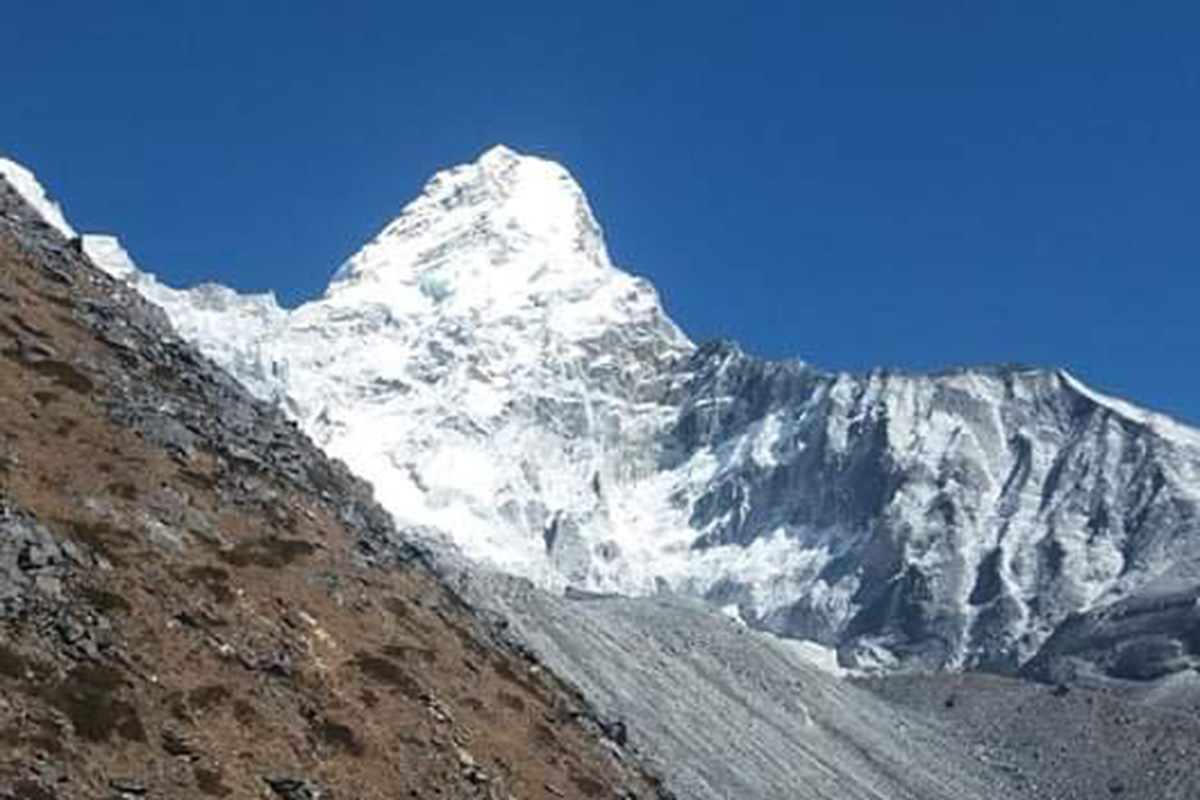
Lobuche East first fell to climbers on April 25, 1984, when Neilson and Ang Gyalzen Sherpa reached its 6,119-meter summit via the southwest ridge, two years before anyone attempted the mountain’s steeper east face. This trip pairs the well-known walk to Everest Base Camp at 5,364 meters with a technical push up one of the more approachable 6,000-meter peaks in the Khumbu. Sherpa villages and monastery visits carry you through the first half of the journey, before glacier terrain and a genuinely steep summit ridge take over for the second.
Lobuche sits directly beside the Khumbu Glacier, giving climbers a close view of the same icefall that Everest expeditions navigate each spring. This itinerary sets aside a dedicated training session at Lobuche High Camp, where rope handling, crampon practice, and ice axe technique get real hands-on attention before the summit push begins.
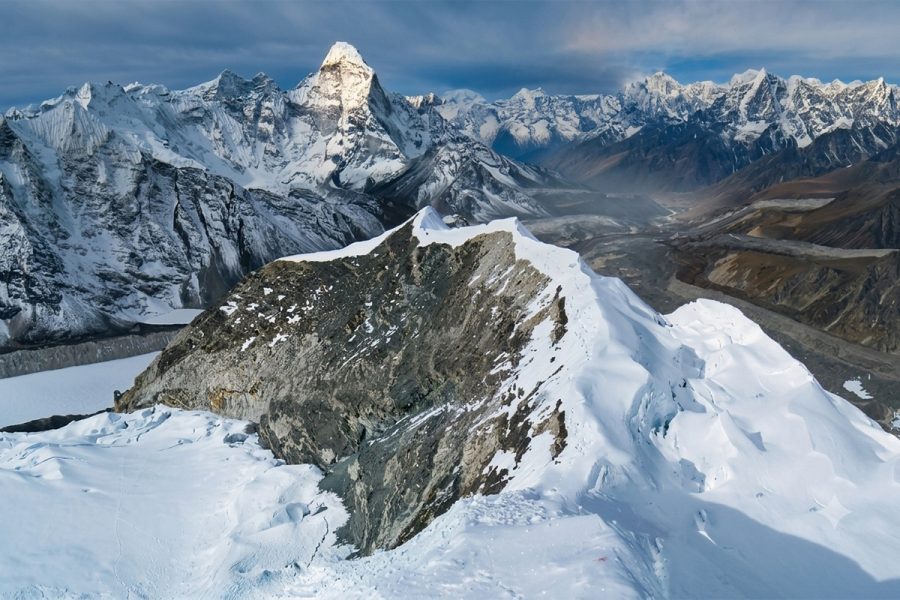
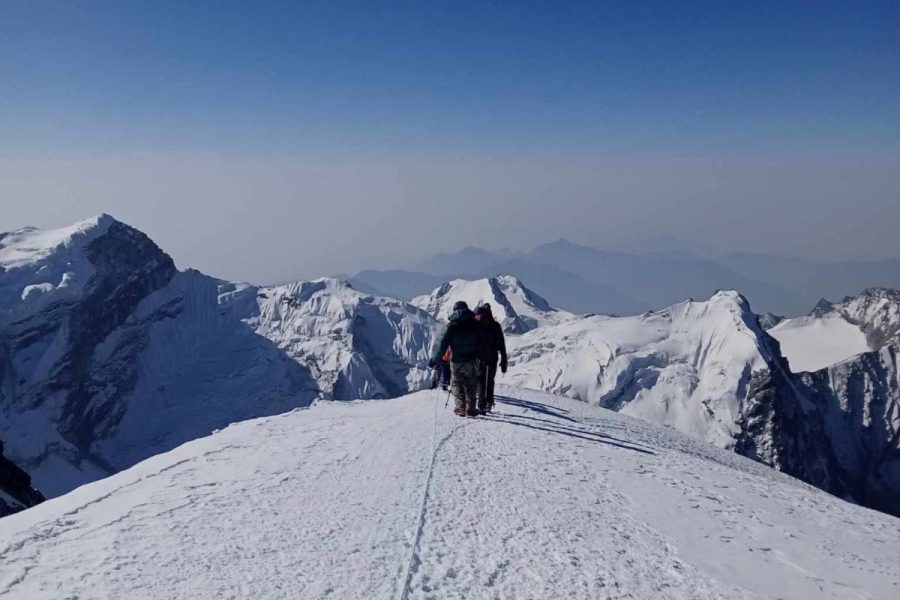
Licensed climbing guides holding Nepal Mountaineering Association certification manage this trip from Kathmandu through the summit and back, with daily health monitoring tracking your oxygen saturation, pulse rate, and temperature throughout. From the summit itself, Everest, Lhotse, Makalu, Cho Oyu, and Kanchenjunga all come into view on a clear day.
The trip opens with a flight to Lukla, then settles into the well-worn Everest trail through Namche Bazaar, Tengboche, and Dingboche, with two rest days built in to let your body catch up with the altitude. Past Lobuche village, the trail reaches Everest Base Camp itself, following the Khumbu Glacier moraine before a pre-dawn climb up Kala Patthar rewards you with sunrise over Everest, Lhotse, and Nuptse.
From Lobuche, the trail leaves the main EBC route entirely and climbs toward Lobuche High Camp, where rocky and glacial terrain replaces the familiar trekking trail. A dedicated training session here covers the technical skills needed for the steep slopes ahead before the summit push itself.
After the summit, the route retraces its steps back through Pangboche and Namche Bazaar to Lukla, closing out a trip that pairs the classic Everest trail with genuine introductory mountaineering.
Your journey begins the moment you step off the plane at Tribhuvan International Airport, where the Kalapatthar team greets you and transfers you by private vehicle to your five-star hotel in the heart of Thamel. That evening brings a welcome dinner where you meet your guide and fellow climbers for the first time, followed by a full expedition briefing covering permits, climbing safety protocols, and a careful review of your gear checklist.
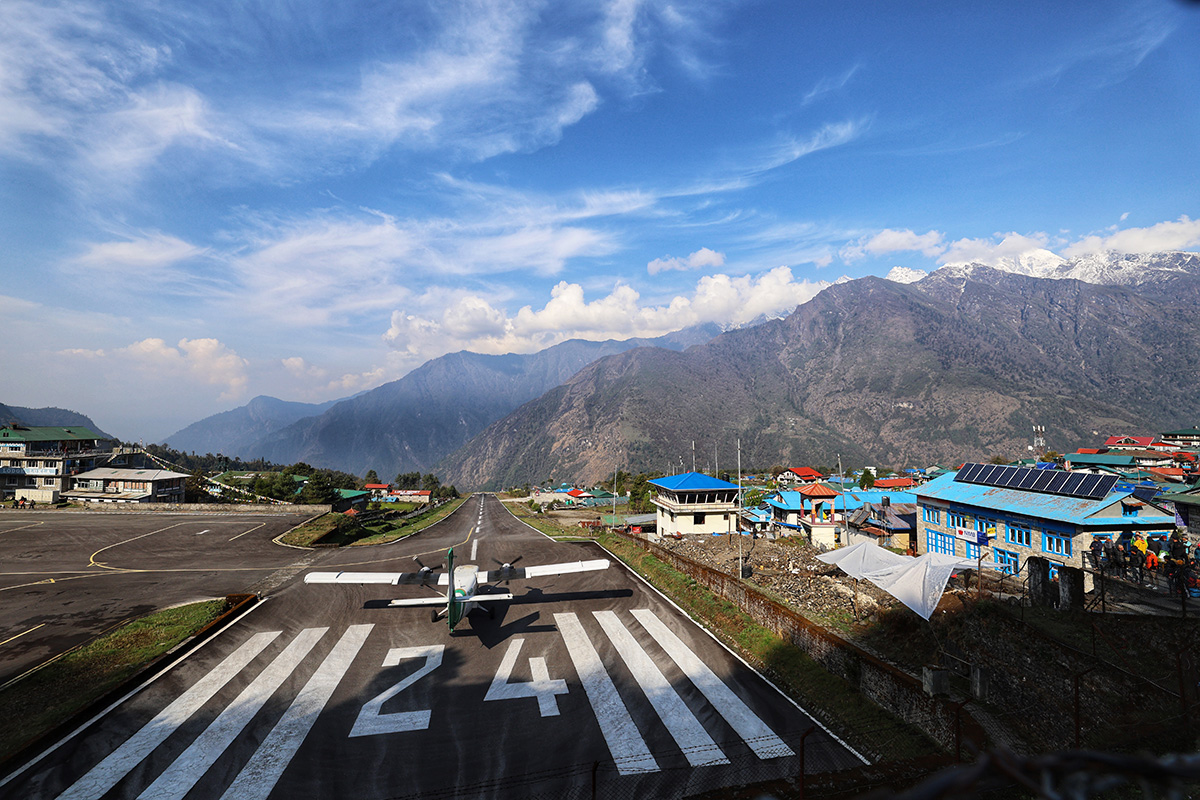
The adventure properly begins with an early morning flight to Lukla, a short 35-minute hop that carries sweeping views of the Himalayan range on a clear day. From Lukla, the trail eases you into the journey with a gentle descent along the Dudh Koshi River, winding through pine forest and small Sherpa settlements before reaching Phakding.
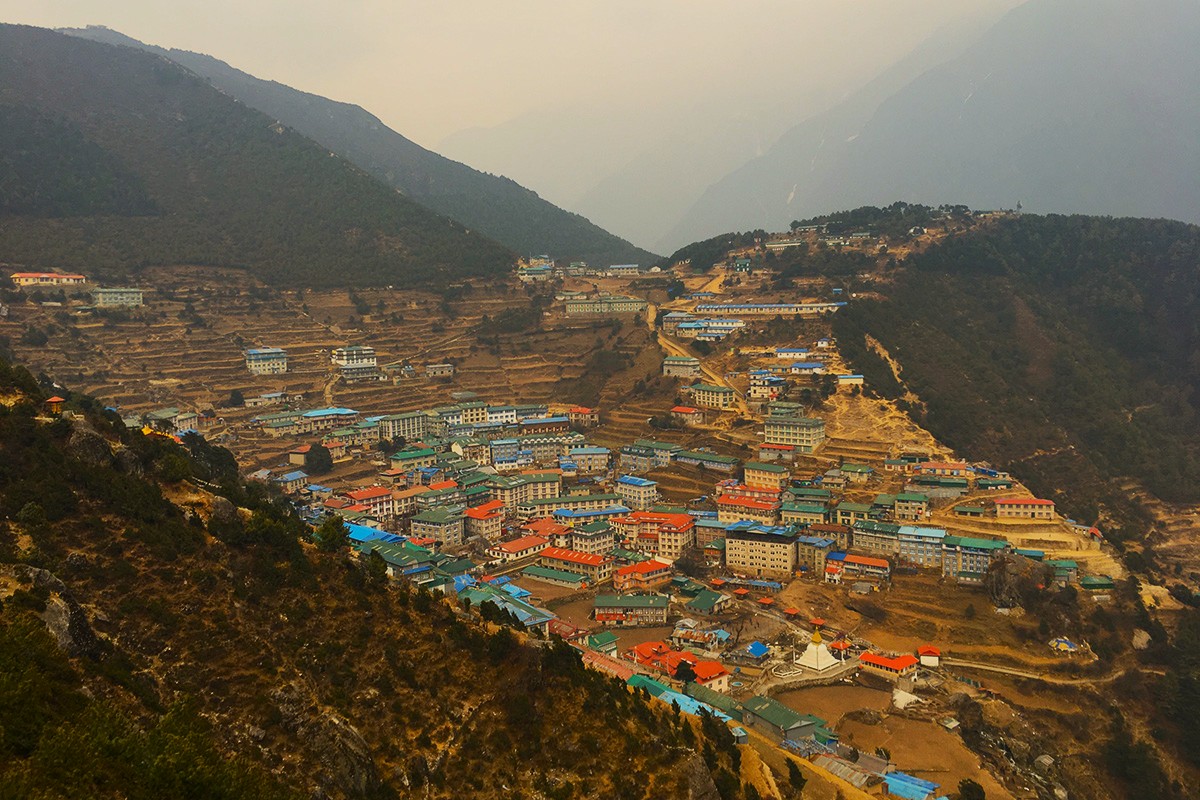
Today delivers your first real test of the trip, crossing the Dudh Koshi on a series of high suspension bridges before passing through the national park gate at Monjo. A steep two to three hour climb then carries you up to Namche Bazaar, the legendary Sherpa capital of the Khumbu.
This rest day matters more than it might seem, giving your body real time to adjust before the altitude climbs further. Your guide opens the morning with a health check and an altitude lecture covering the symptoms, prevention, and treatment of AMS.
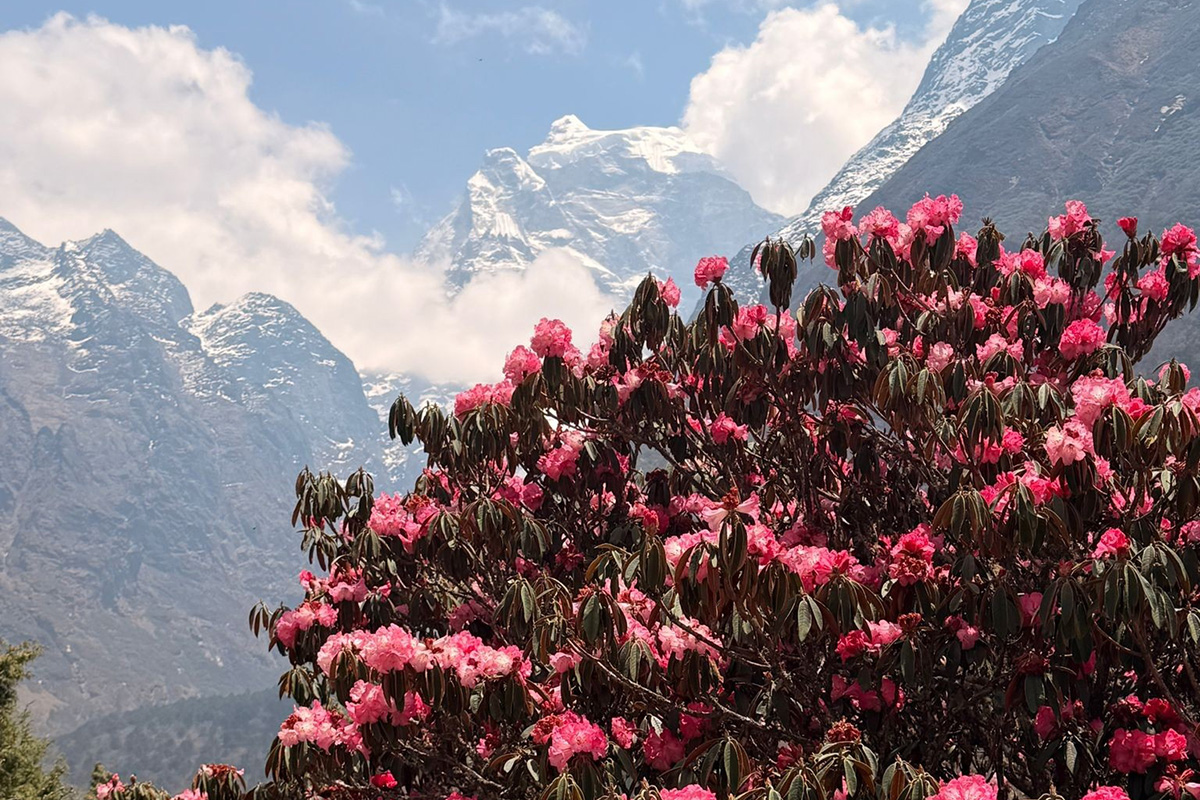
The trail eases along a gentle contour before dropping to the Dudh Koshi at Phunki Tenga, then climbs steadily through rhododendron and pine forest into Tengboche, home to the most significant monastery in the Khumbu.
Descending through rhododendron forest, the trail crosses the Imja River and climbs into Pangboche before opening into wide alpine meadows and yak pastures, with Ama Dablam a constant companion on your right.
A second acclimatization day gives your body the time it needs before the trek pushes toward Everest Base Camp and the Lobuche Peak climb ahead. After a morning health check, an optional hike up Nagarjun Hill delivers a genuinely wide panorama.
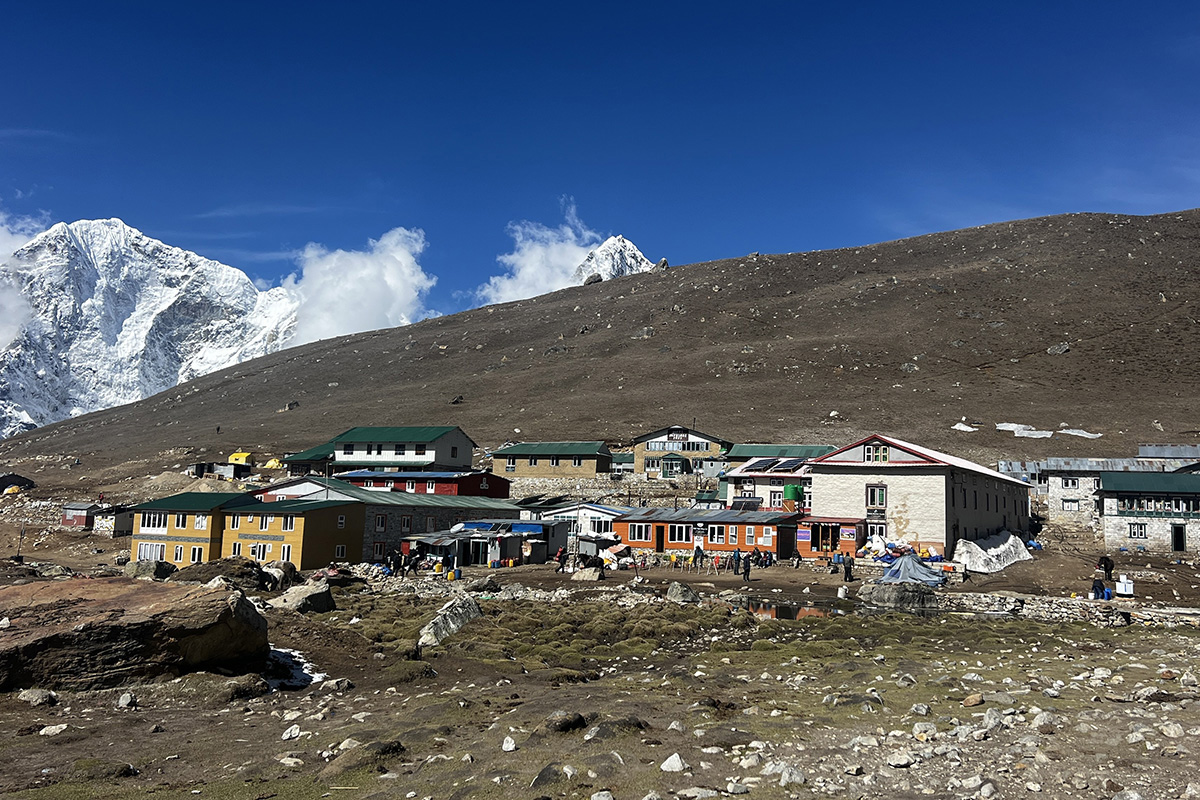
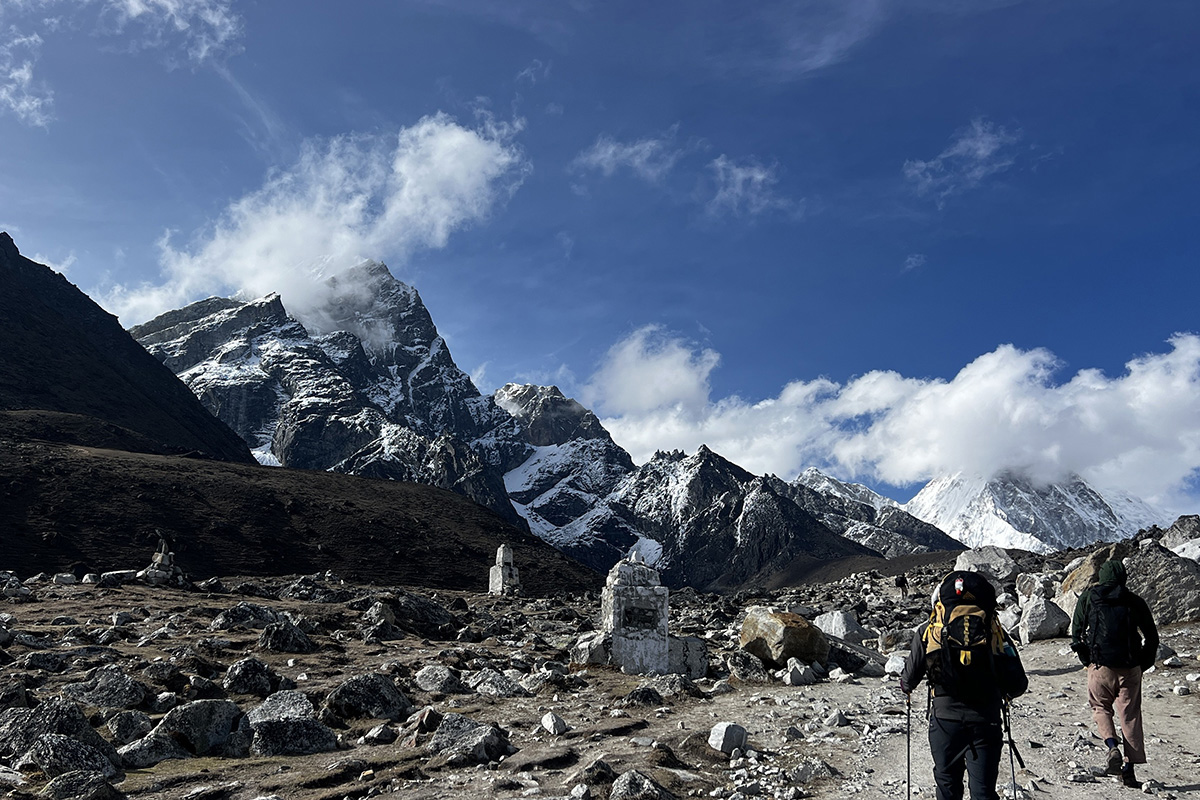
The trail climbs gradually into the alpine zone, passing the sobering memorial stupas built for climbers lost on Everest, their stone cairns and prayer flags marking names both famous and unknown.
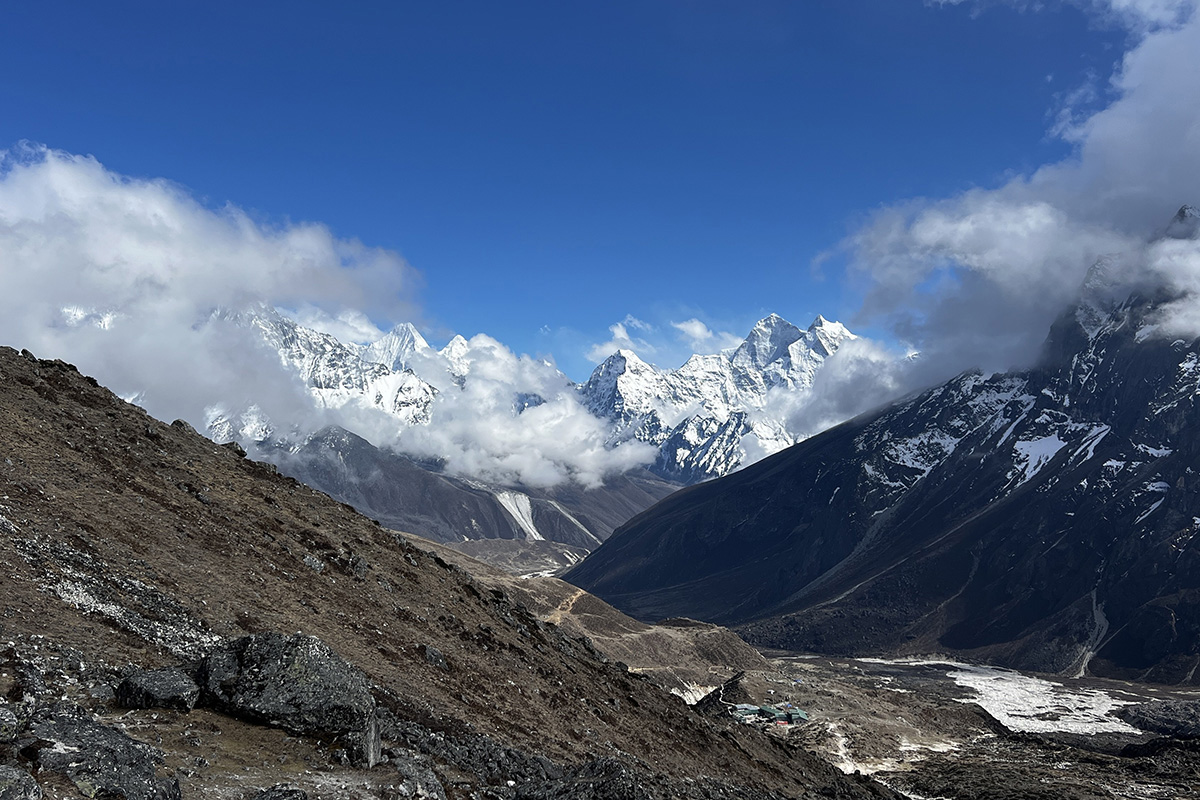
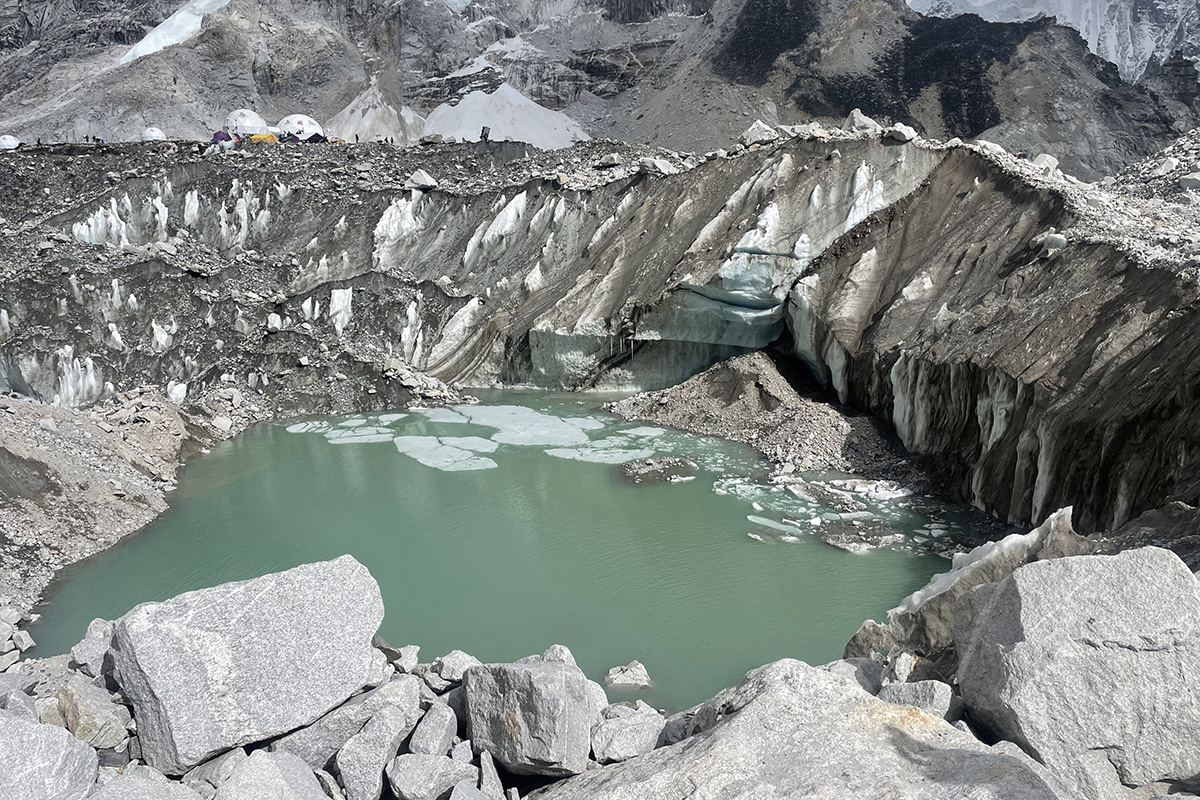
An early start carries you along the Khumbu Glacier moraine, weaving past ice seracs and crevasses on the three to four hour approach to Everest Base Camp itself. Standing at the foot of the Khumbu Icefall, in the exact spot where Everest expeditions pitch their camps each spring, is a moment that tends to stay with people long after the trip ends.
A 4 AM wake-up call kicks off the two- to three-hour climb to Kala Patthar, the highest viewpoint on the route accessible without a climbing permit. Watching sunrise turn Everest, Lhotse, and Nuptse into glowing gold peaks above the Khumbu Glacier is widely considered the single best view of the entire trip.
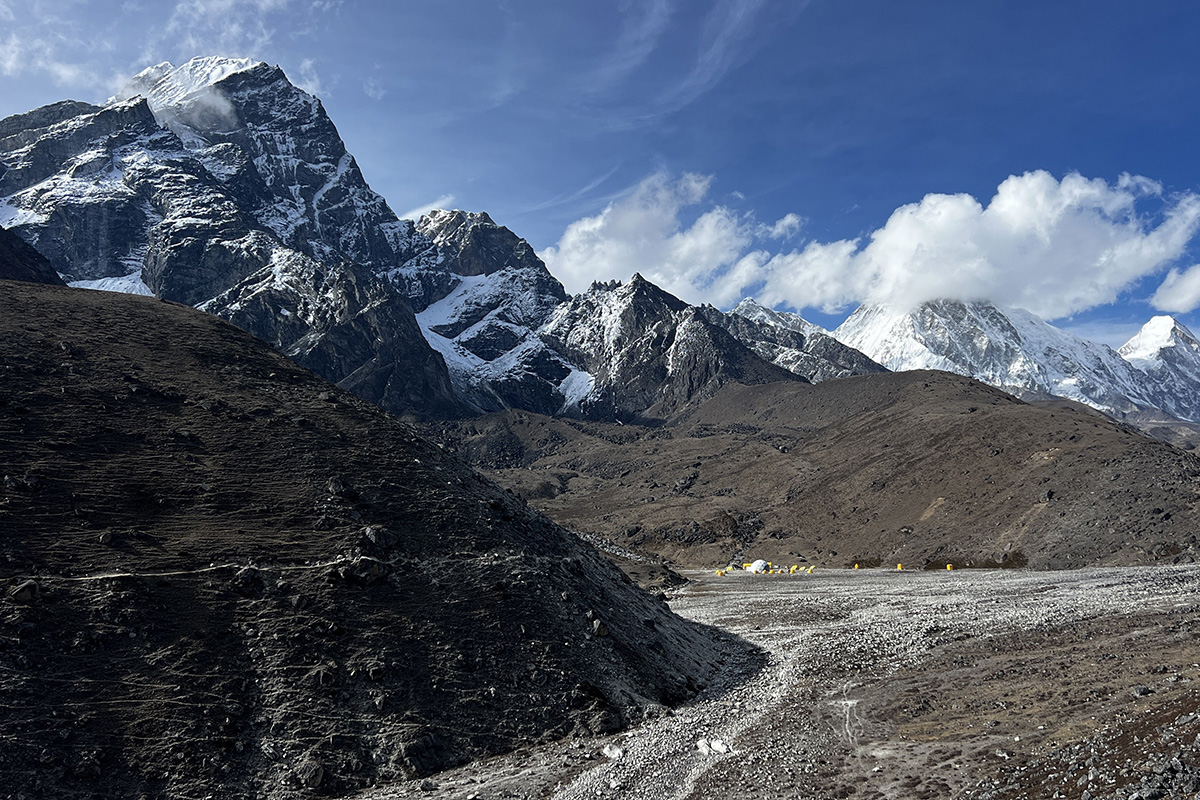
The trail leaves the main EBC route and climbs steeply toward Lobuche High Camp on rocky and glacial terrain, with the Khumbu Glacier spreading out below as the landscape shifts noticeably. Once camp is set, your climbing guide leads a training session covering crampon use, rope handling, and jumar ascent practice.
A 1 AM wake-up and a light breakfast set the stage for departure at 2 AM sharp. The first two to three hours cross rocky moraine before reaching the glacier itself, where crampons go on and the rope team forms for the technical section ahead. The real challenge comes at the summit ridge, a steep 45 to 60 degree face climbed on fixed ropes using your jumar over roughly 200 vertical meters.
Built in as a buffer against weather delays, this day serves as a backup summit window if conditions prevented the climb on Day 12. If the summit was successful, the group instead continues down the Khumbu Valley to Pangboche.
The trail descends through rhododendron forest past Tengboche Monastery once more, crossing the Dudh Koshi before climbing back into Namche Bazaar. A hot shower and a proper meal feel well earned here.
The final trekking day retraces familiar ground, descending steeply from Namche down to the Dudh Koshi valley at Phakding before continuing along the river past Sherpa villages and suspension bridges to Lukla.
A final short flight carries you from Lukla back to Kathmandu, with the Himalayan range visible below on a clear morning. The afternoon is yours to rest, explore Thamel, or simply reflect on the summit before your Kalapatthar completion certificate is presented.
This Kalapatthar package runs for 16 days total, covering arrival, the trekking section, the technical climb, and your return flight to Kathmandu.
The trip is rated strenuous and technical, with daily walking of 4 to 8 hours and a summit push that includes a genuine fixed-rope climb above 6,000 meters.
Prior high-altitude trekking experience above 5,000 meters is strongly recommended, but technical climbing experience is not required, since training is provided at Lobuche High Camp.
The Lobuche East summit at 6,119 meters is the highest point, with Kala Patthar at 5,545 meters and Everest Base Camp at 5,364 meters as the other major milestones along the way.
Yes, altitude sickness becomes a genuine risk above 4,000 meters, and this trip reaches 6,119 meters. Guides run twice-daily health checks and follow strict descent protocols if symptoms appear.
Three permits are required: the Sagarmatha National Park Permit at NPR 3,000, the Khumbu Municipality Permit at NPR 2,000, and the Lobuche Peak Climbing Permit, which runs USD 175 to USD 350 depending on season.
Yes, a licensed climbing guide holding Nepal Mountaineering Association certification is legally required for any Lobuche East summit attempt.
Accommodation runs as teahouses up to Lobuche village, followed by full camping support at Lobuche High Camp with two-person tents, a dining tent, and a kitchen tent.
Dal bhat, fried rice, and Tibetan bread remain available at teahouses along the trekking section, while the Kalapatthar kitchen team prepares all meals at High Camp using fresh supplies.
Yes, comprehensive travel insurance covering high-altitude climbing above 6,000 meters and emergency helicopter evacuation is mandatory before departure.
Wi-Fi remains available at most teahouses up to Dingboche for a small fee, but connectivity disappears entirely at Gorakshep, Lobuche, and High Camp.
This trip is not recommended for complete beginners, since the altitude, technical summit ridge, and remote location demand real physical preparation beforehand, even with training provided.
Booking three to four months ahead is strongly recommended for spring and autumn departures, when permits, climbing guides, and teahouses need to be arranged well in advance.
Well-prepared, properly acclimatized climbers following this itinerary see a summit success rate of roughly 85 to 90 percent in good weather conditions.
Contact Kalapatthar Trek & Expedition Pvt. Ltd. directly with your preferred travel dates and group size to receive a personalized quote and full pre-departure support.

Member Since 2026
Leave a review