25 Days
Specific Tour
100 people
___
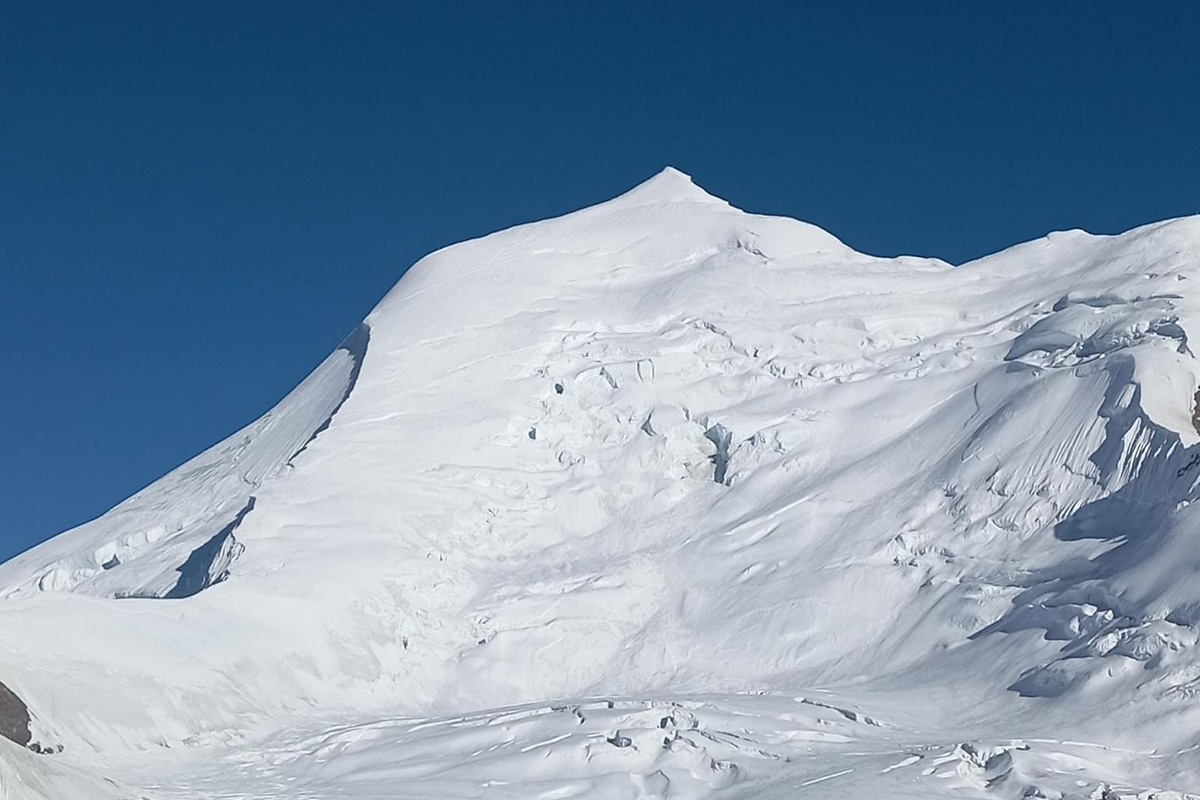
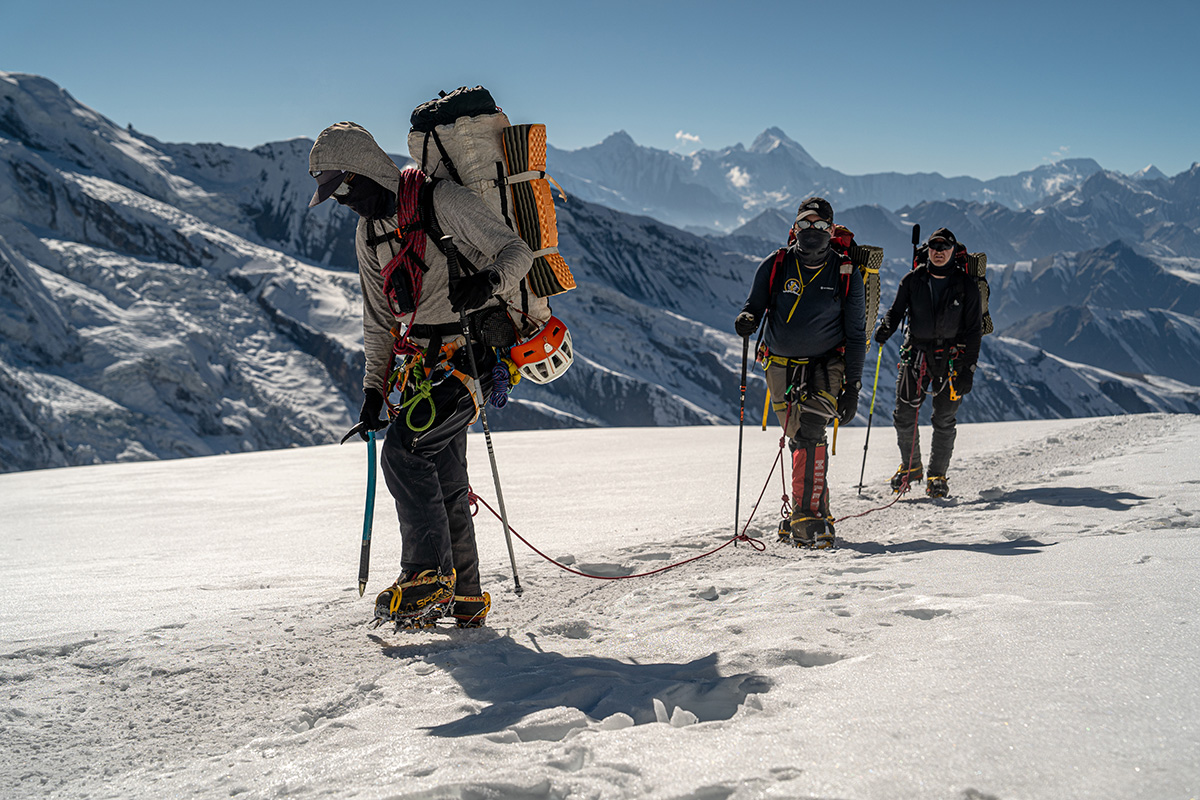
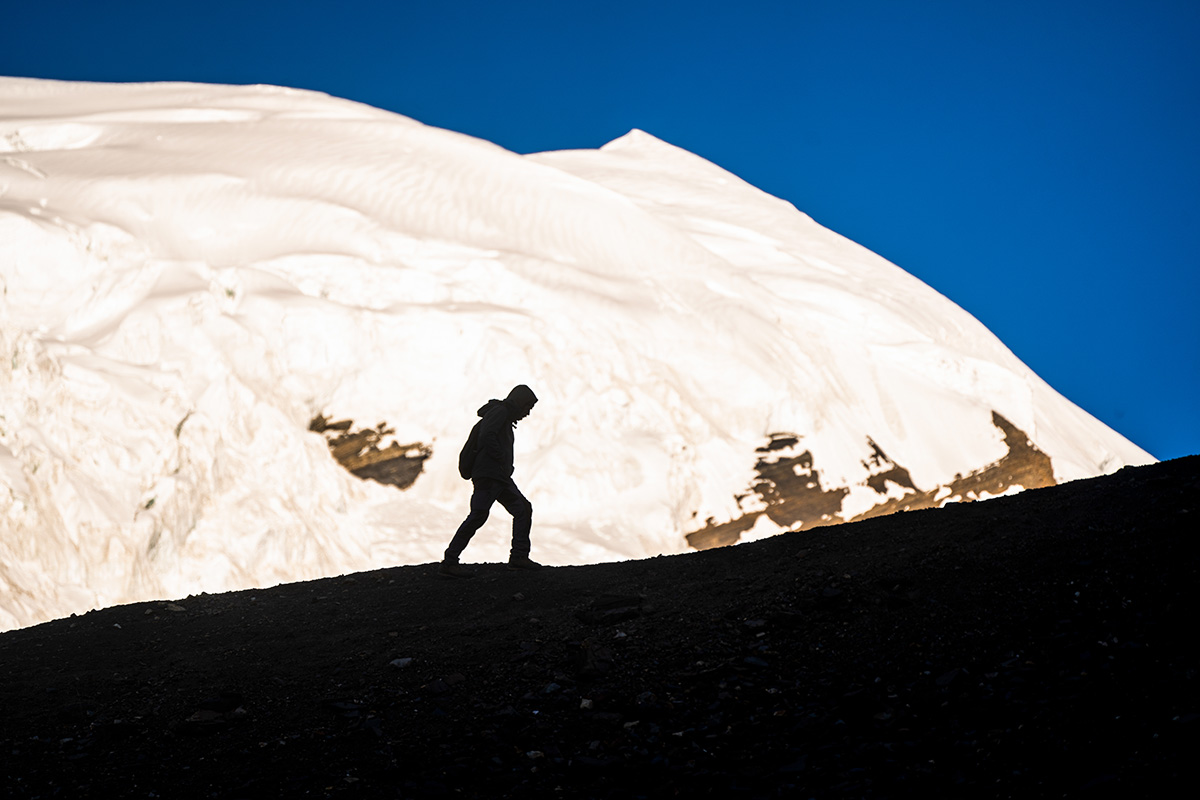
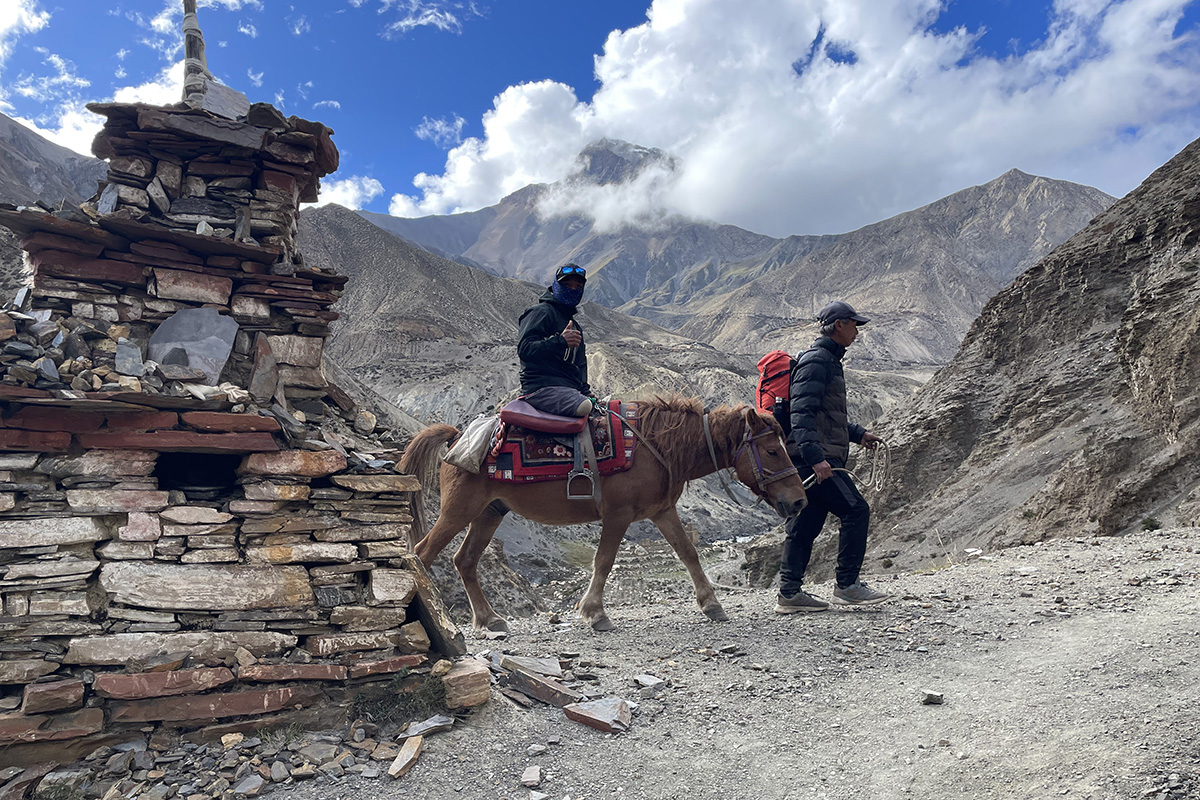
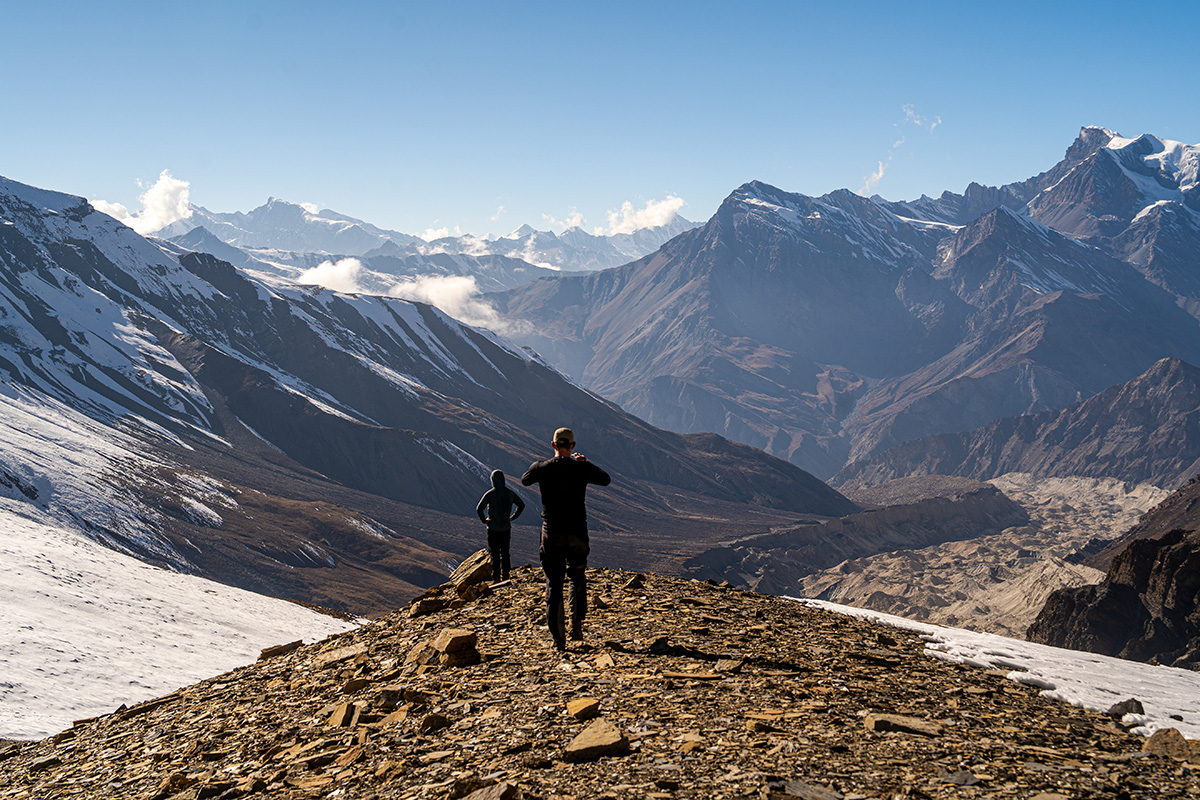
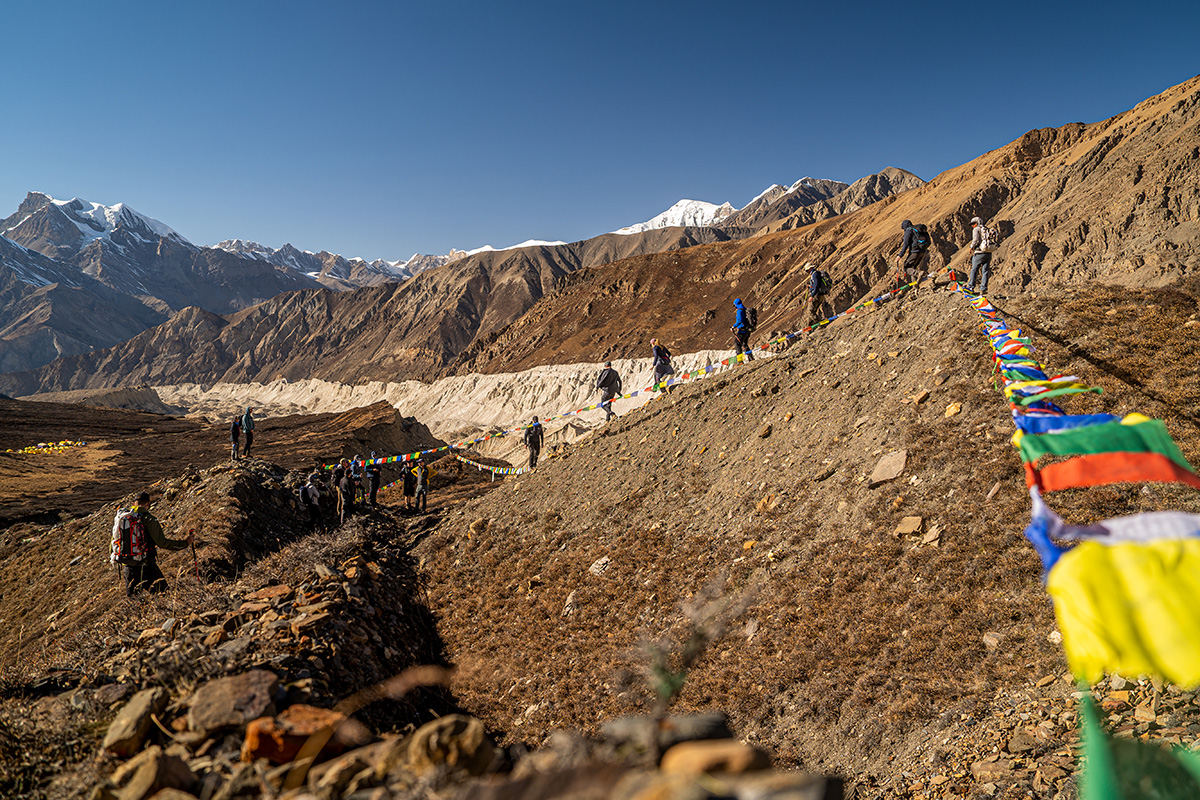
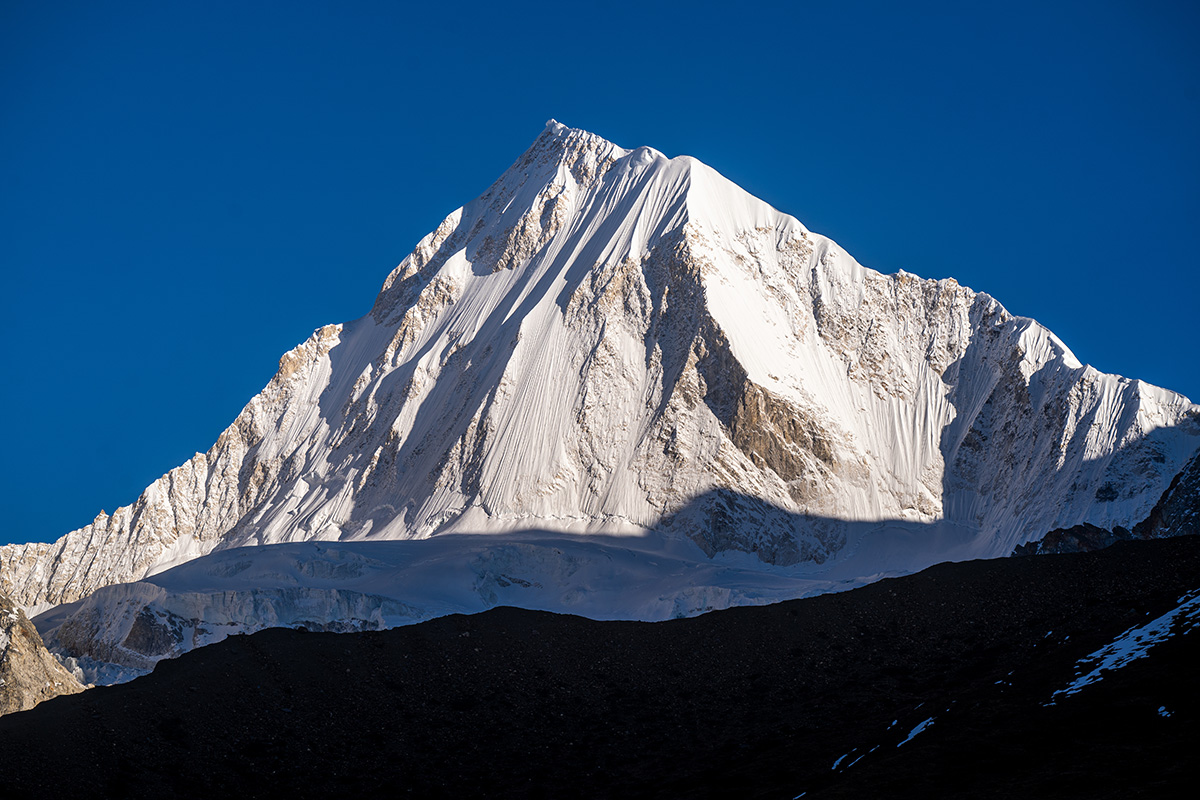
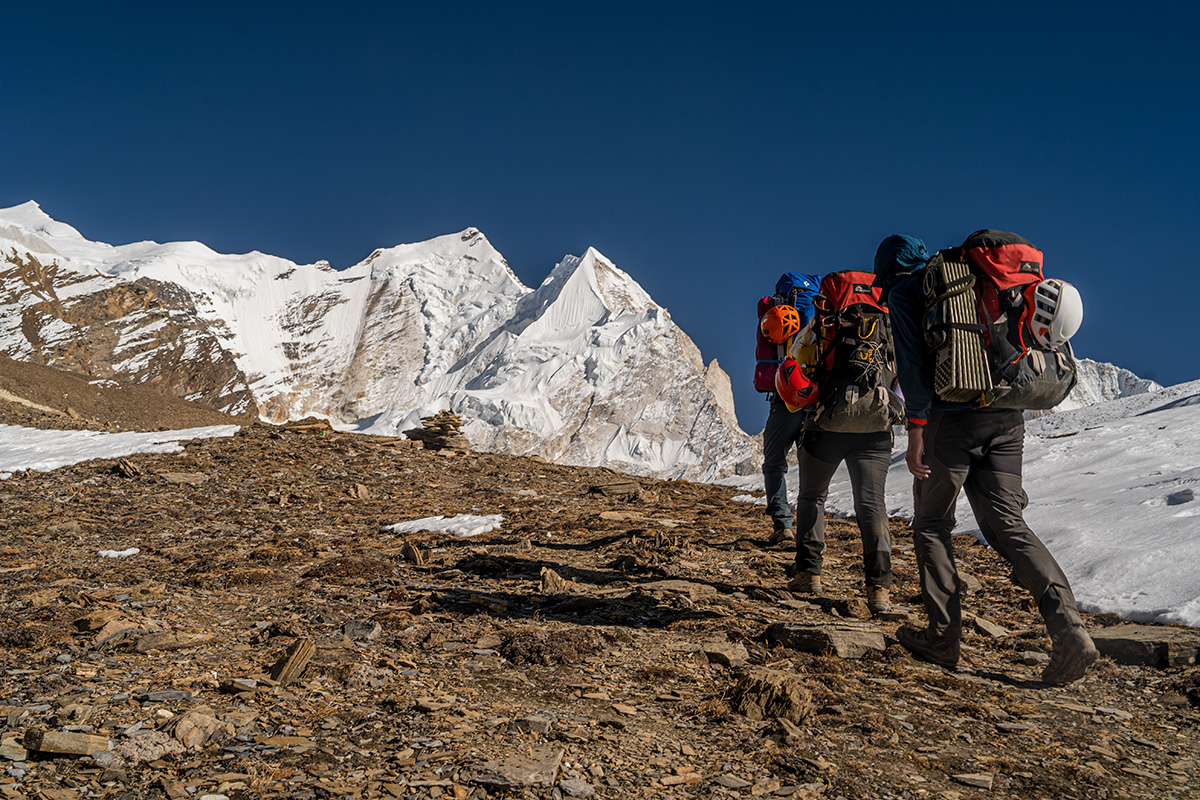
The Himlung Himal Expedition is a 25-day high-altitude mountaineering expedition in the remote Nar-Phu Valley of Nepal’s Annapurna region, reaching a maximum altitude of 7,126 m at the summit of Himlung Himal. The route follows a restricted and rarely visited corridor through the Annapurna Conservation Area near the Tibetan border before joining the climbing route to Base Camp and the high camps above. Climbers experience a progressive shift from ancient Tibetan-influenced villages and high alpine terrain to glaciers, fixed rope sections, and the exposed snow ridge leading to the summit.
Himlung Himal stands at 7,126 m and is one of Nepal’s most accessible and achievable 7,000-metre peaks, making it widely regarded as an ideal introductory 7,000 m expedition and an outstanding preparation climb for 8,000 m peaks. The mountain was first climbed in 1992 by a Japanese expedition via the northwest ridge and offers a well-defined climbing route with stable conditions compared to more technical Himalayan objectives.
Kalapatthar Trek & Expedition manages this climbing expedition with IFMGA/UIAGM-certified expedition leaders and a dedicated team of high-altitude Sherpas who have summited Everest and multiple 8,000 m peaks. The itinerary includes a three-day technical training programme at Base Camp at 4,850 m covering fixed rope techniques, crampon use, ice axe skills, and jumar ascent practice before the summit push. A certified high-altitude doctor is stationed at Base Camp throughout the expedition with full medical facilities and 24-hour health monitoring for every climber.
This Himlung Himal Expedition package by Kalapatthar Trek & Expedition Pvt. Ltd. is a fully guided, permit-inclusive 25-day expedition in the restricted Nar-Phu Valley of north-central Nepal. The route covers the approach trek from Koto at 2,600 m to the summit of Himlung Himal at 7,126 m, including a comprehensive three-day Base Camp training programme and three reserve days built into the schedule for weather contingency. This expedition combines remote Himalayan valley trekking with serious high-altitude mountaineering on one of Nepal’s finest 7,000 m peaks.
Lower elevations below 3,000 m along the approach from Besisahar to Koto feature forests of pine, oak, rhododendron, and bamboo with dense undergrowth of ferns and mosses near river crossings. Birdlife in this zone includes the Himalayan monal, Nepal’s national bird, displaying iridescent green, red, and blue plumage on forested slopes during spring months. The Annapurna Conservation Area protects over 1,200 species of flowering plants across this lower region. Langur monkeys are occasionally spotted moving through the forest canopy between Besisahar and Koto during early morning hours.
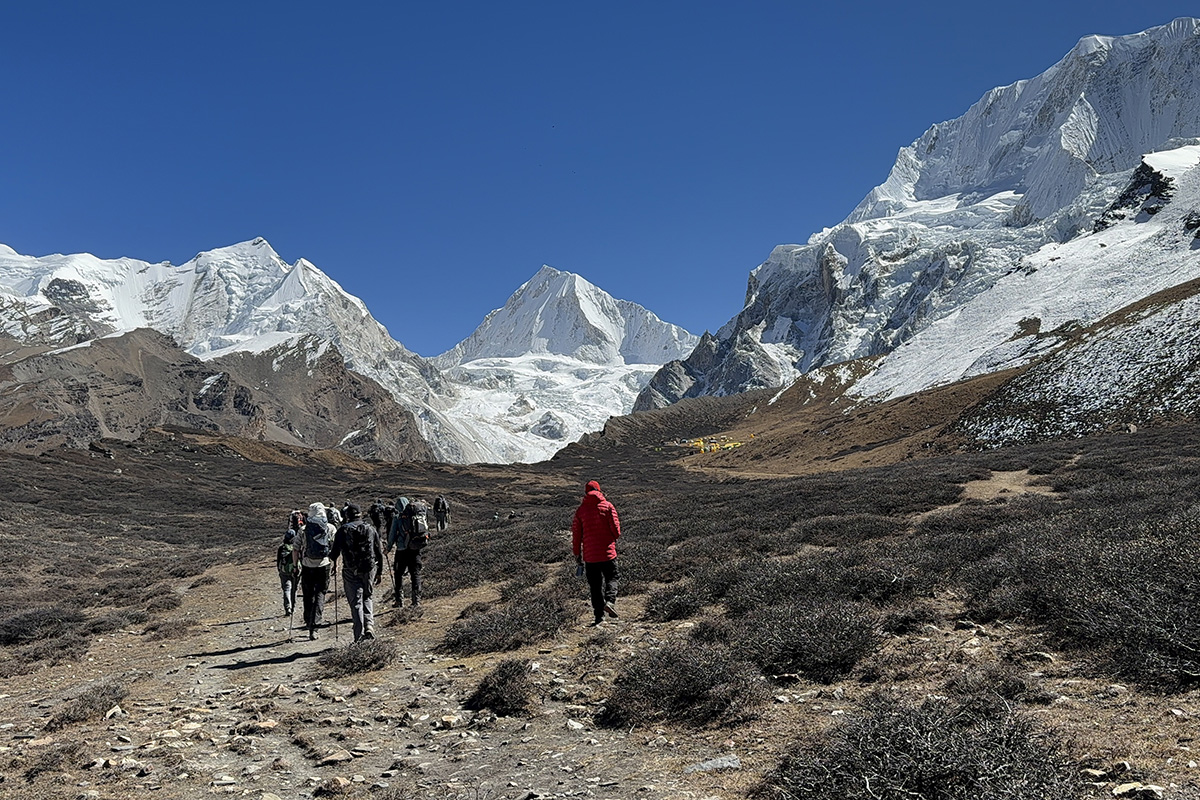
Between 3,000 m and 4,500 m, the vegetation transitions to juniper, birch, and dwarf shrubs as the trail climbs through the Nar-Phu Valley toward Phu Gaon and Base Camp. Himalayan tahr are commonly spotted on rocky slopes above the tree line near Kyang and Phu Gaon during early morning and late afternoon hours. The elusive snow leopard is documented in the upper reaches of the Nar-Phu Valley at higher elevations, though sightings are extremely rare. Blue sheep, also called bharal, are frequently seen on the steep cliff faces and alpine grasslands throughout the restricted valley.
Between 4,500 m and 5,500 m, vegetation disappears almost entirely, replaced by alpine scrub, hardy grasses, and scattered juniper near Base Camp at 4,850 m and the lower glacier approaches. Himalayan griffon vultures circle above the valley on thermal currents, and alpine choughs follow climbing teams for food scraps near Base Camp and the lower mountain. The Annapurna Conservation Area protects 39 species of mammals in this high-altitude zone.
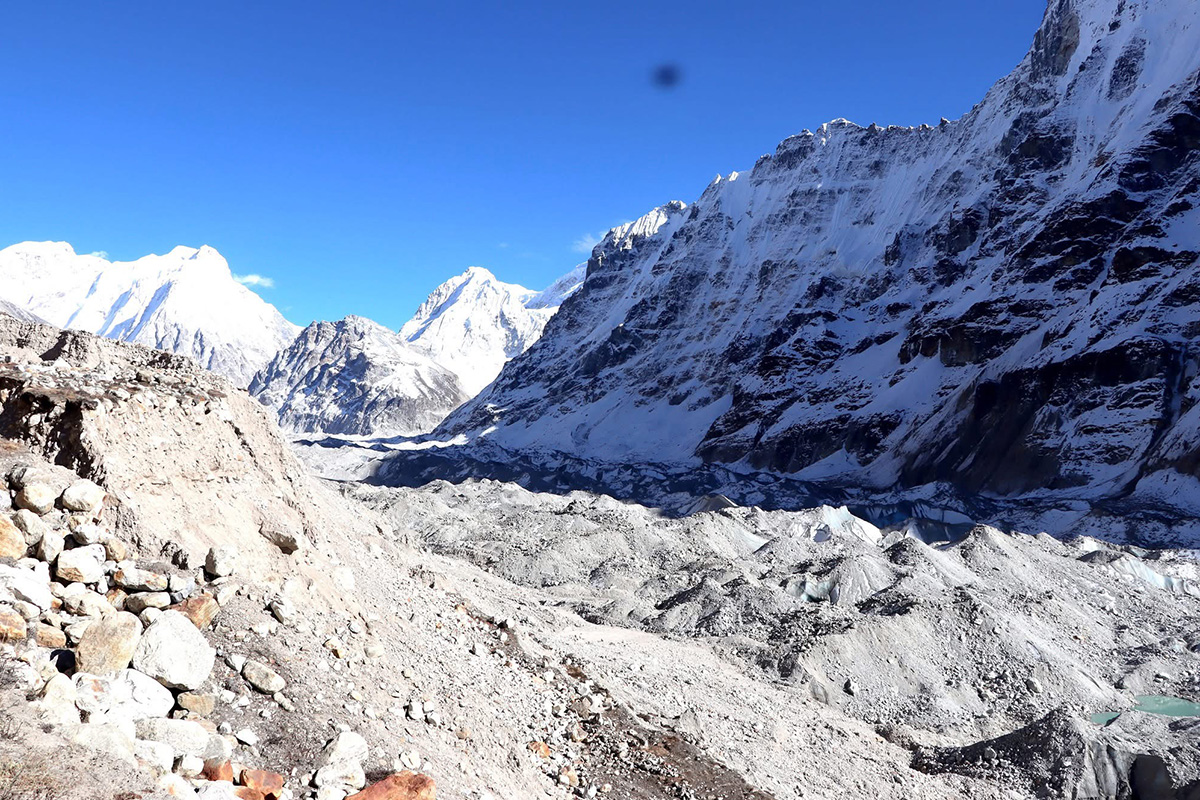
Above 5,500 m to the summit at 7,126 m, vegetation disappears entirely, leaving only rocky moraine, scree slopes, and permanent snowfields. The Himlung Glacier system above Base Camp is a significant glacial feature feeding into the Nar-Phu Valley watershed below. No wildlife is documented above 6,000 m, though Himalayan griffon vultures are occasionally observed soaring at extreme altitudes on summit days.
The Himlung Himal Expedition is rated Advanced and requires excellent physical fitness, prior high-altitude experience above 5,500 m, and the ability to acquire and apply basic mountaineering skills during the three-day Base Camp training programme. Daily walking times average 5 to 7 hours on remote mountain trails, rocky moraine, and glacier terrain during the approach, with climbing days requiring 4 to 6 hours of sustained effort on technical glacier and snow terrain. The maximum altitude of 7,126 m at the Himlung Himal summit carries a serious risk of Acute Mountain Sickness that demands proper acclimatisation, careful health monitoring, and strict adherence to the descent protocol.
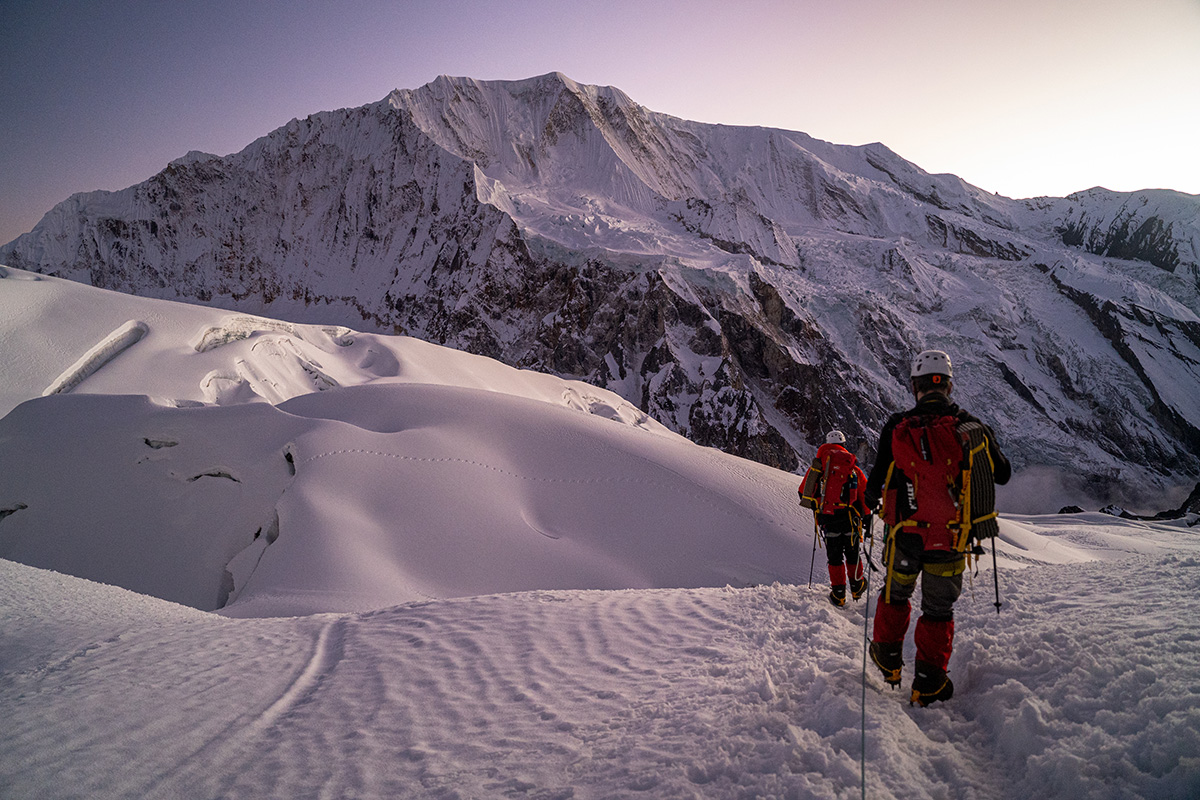
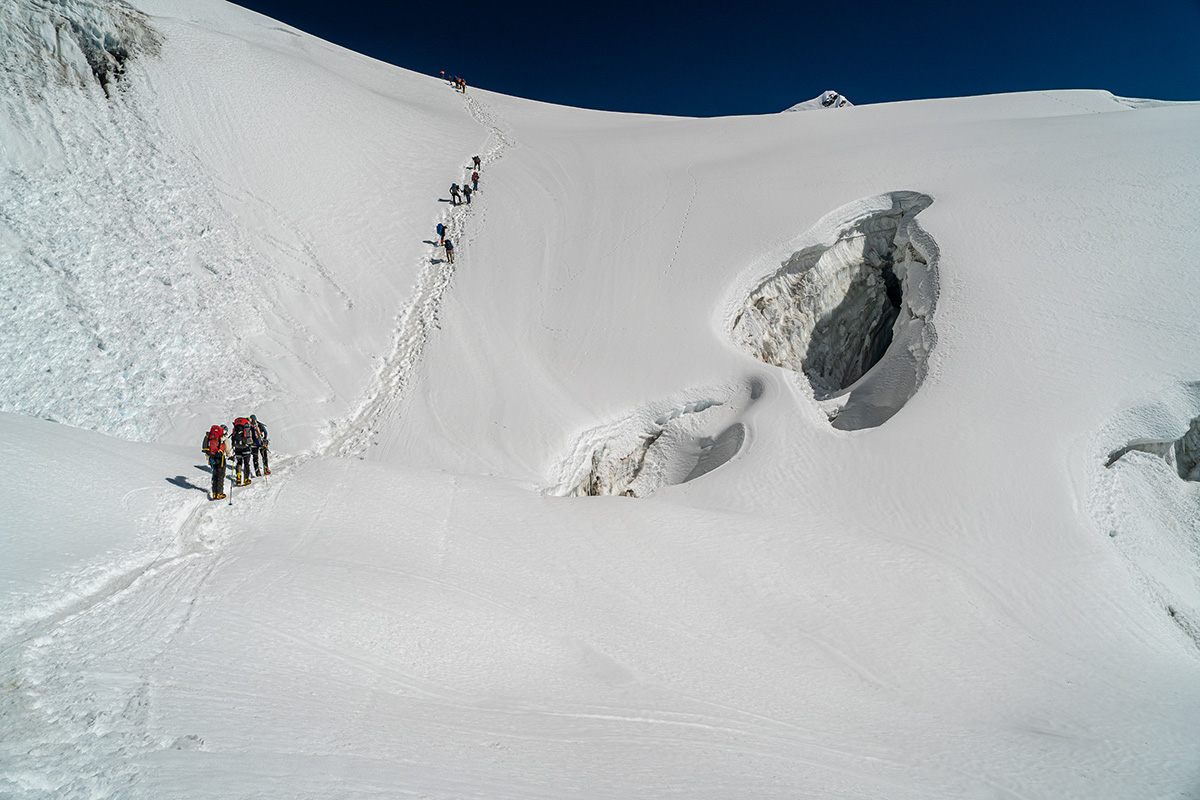
The most physically demanding sections are the move from Camp II to Camp III, climbing from 6,000 m to 6,350 m over 3 to 4 hours on steep glacier terrain with fixed ropes, and the summit push from Camp III at 6,350 m to the summit at 7,126 m, taking 10 to 14 hours round trip with sustained snow ridge climbing at extreme altitude. Three reserve days built into the schedule provide weather contingency and additional rest periods for optimal summit timing.
Kalapatthar Trek & Expedition recommends at least three months of intensive preparatory training before departure, including regular stair climbing with a weighted pack of at least 10 kg, long-distance running, and cardiovascular training for 5 to 6 hours per week.
Spring is the primary and most recommended season for the Himlung Himal Expedition. Stabilising jet stream conditions through late April and May create reliable summit windows, and improving temperatures make the glacier and ridge sections more manageable. Rhododendron forests bloom at lower elevations during the approach through the Nar-Phu Valley. Daytime temperatures at Base Camp range from 0 to 8 degrees Celsius while temperatures at the summit drop to minus 20 to minus 30 degrees Celsius. Spring offers the highest summit success rates at approximately 75 to 80 per cent.
The summer monsoon brings heavy daily rainfall, unstable snow conditions on the glacier, and significant risk of avalanche and rockfall on the upper mountain. Cloud cover persistently obscures mountain views, and the fixed rope sections above 6,000 m become hazardous due to wet ice and poor visibility. Kalapatthar Trek & Expedition does not offer scheduled departures during the monsoon season for this expedition.
Post-monsoon autumn is the second-best season with dry trails, clear skies, and strong mountain visibility from Base Camp and the high camps. October is the most reliable single month for autumn attempts with consistent weather and stable snow conditions on the upper mountain. Daytime temperatures at Base Camp range from minus 2 to 6 degrees Celsius while temperatures at the summit drop to minus 25 to minus 35 degrees Celsius. Autumn summit success rates average approximately 65 to 75 per cent.
Winter climbing is not recommended for this expedition due to extreme cold, deep unconsolidated snow on the glacier and summit ridge, and sustained high winds above 6,000 m. Temperatures at the summit drop to minus 35 to minus 45 degrees Celsius during the coldest months, making the ascent dangerous and the risk of frostbite extremely high. The teahouses in the Nar-Phu Valley reduce services or close entirely from December through February. Kalapatthar strongly advises against winter departures for this expedition.
The Himlung Himal Expedition requires five separate permits obtained through a registered agency like Kalapatthar Trek & Expedition. Independent climbing is not permitted on Himlung Himal, and all climbers must travel with a licensed climbing guide holding IFMGA or UIAGM certification. Kalapatthar processes all permits before departure from Kathmandu at official government rates with no handling fees added.
Accommodation throughout the expedition covers four distinct phases: five nights in a 5-star hotel in Kathmandu with attached bathrooms and breakfast included, teahouse accommodation on the approach trek from Koto to Phu Gaon with twin sharing rooms and basic meals, luxury Base Camp with personal dome sleeping tents featuring heated bedding and full amenities, and fully equipped expedition tents at Camp I, Camp II, and Camp III on the upper mountain.
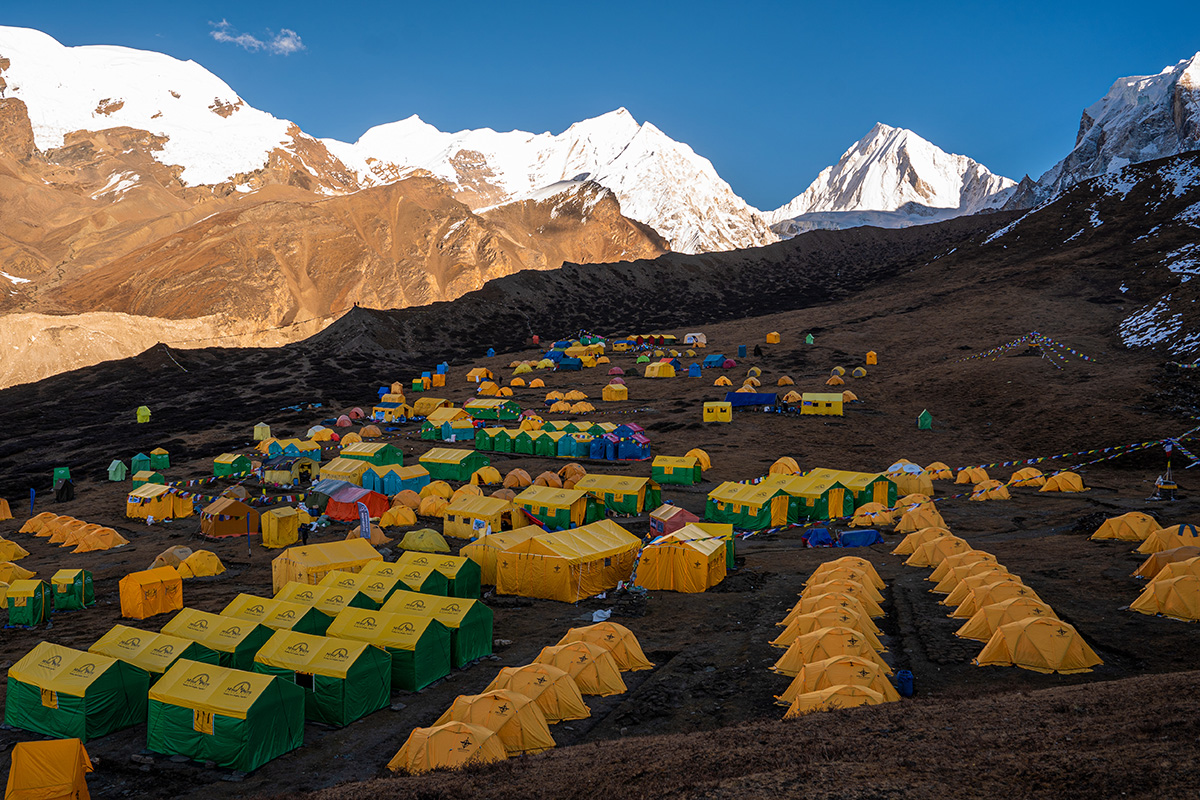
Base Camp is established to the same standard as Kalapatthar’s Everest expedition program with spacious personal dome sleeping tents with heated bedding, a dedicated dining tent, a fully equipped kitchen tent, a toilet tent, hot shower facilities, 24/7 solar and generator power supply, and 24-hour Wi-Fi connectivity. A fully equipped medical facility with a certified high-altitude doctor provides continuous health support throughout the expedition.
All meals at Base Camp are freshly prepared by the Kalapatthar kitchen team, with three courses daily, including unlimited snacks, dried fruit, biscuits, fresh fruit, tea, and coffee. Dal bhat, fried rice, noodle soups, pasta, Tibetan bread, pancakes, oatmeal, and egg-based meals are available at teahouses during the approach trek. Full hygienic kitchen service is provided at all high camps by the Kalapatthar support team. Vegetarian requirements can be accommodated with advance notice to Kalapatthar Trek & Expedition.
Acute Mountain Sickness can affect any climber regardless of age, fitness level, or prior Himalayan experience at altitudes above 4,000 m, and this expedition reaches 7,126 m at the Himlung Himal summit. Kalapatthar Trek & Expedition guides and the expedition doctor conduct twice-daily oxygen saturation, pulse rate, and temperature checks for every climber from Base Camp at 4,850 m through the summit push and descent. If High Altitude Pulmonary Edema or High Altitude Cerebral Edema symptoms appear at any point on the mountain, immediate descent is mandatory with no exceptions under any circumstances. Three reserve days built into the schedule allow for additional acclimatisation if needed.
Comprehensive travel insurance covering high-altitude mountaineering above 7,200 m, emergency helicopter evacuation, and medical treatment is mandatory for all climbers on this expedition. Proof of valid insurance covering these specific requirements must be presented to the expedition leader at the Day 1 briefing in Kathmandu. Participation is not permitted without confirmed coverage that includes helicopter rescue to a minimum of 7,200 m elevation and medical evacuation from the remote Nar-Phu Valley restricted area.
Climbers should begin a structured fitness programme a minimum of three months before departure with a focus on cardiovascular endurance, leg strength, and load-bearing capacity at altitude. A recommended training schedule includes 5 to 6 hours of cardiovascular exercise four times per week including stair climbing with a weighted pack of at least 10 kg, long-distance running, and cycling. Prior high-altitude mountaineering experience above 5,500 m is strongly recommended, and at least one expedition to a 6,000 m peak in the two years before the Himlung attempt significantly improves success probability.
The Nar-Phu Valley is a restricted protected area where climbers must minimise waste and avoid all single-use plastics throughout the 25-day journey. All non-biodegradable waste must be carried out from high camps and Base Camp. Kalapatthar Trek & Expedition follows strict Leave No Trace principles on all expeditions and maintains a refundable garbage deposit system to ensure responsible and clean climbing practices on Himlung Himal.
Kalapatthar Trek & Expedition Pvt. Ltd. employs IFMGA or UIAGM certified guides with summits on Everest, Lhotse, Manaslu, and other 8,000 m peaks. Every expedition leader has at least eight years of experience above 7,000 m and holds current wilderness medicine qualifications. A certified high-altitude doctor is stationed at Base Camp throughout the expedition.
Before moving above Base Camp, you complete a three-day technical training programme at 4,850 m. You learn crampon technique, ice axe use, fixed rope ascent with jumar, rappel descent, and high-altitude safety procedures. Sherpa support is 1:1 on summit day, with additional assistants as needed. Small group sizes ensure personalised attention. Three reserve days built into the schedule maximise your summit opportunity.
All five required permits, including the Himlung Himal climbing royalty, Nar-Phu restricted area permit, Annapurna Conservation Area permit, TIMS card, and garbage deposit, are processed by Kalapatthar before departure from Kathmandu at official government rates with no handling fees added. All ground transportation from Kathmandu to Koto and the return drive to Kathmandu is arranged as part of the package.
Emergency evacuation planning and helicopter rescue coordination are included in every Kalapatthar package, with the expedition leader trained to initiate rescue procedures from any point on this remote route.
Arrive at Tribhuvan International Airport and transfer to your 5-star hotel in Thamel by private luxury Land Cruiser with the Kalapatthar team. The evening includes a traditional Nepali welcome dinner with cultural dance and live music, full expedition briefing covering permits, climbing safety protocols, and the gear checklist. Your guide conducts the first health check covering oxygen saturation, pulse rate, temperature, and general baseline condition.
Permit processing, equipment check, and final briefing with the full guide and Sherpa team. Gear distribution, including complimentary high-altitude down suit and four-season sleeping bag rental. Medical team conducts baseline health assessments. Free afternoon for rest or Kathmandu sightseeing.
A private jeep covers the 65-kilometre drive from Besisahar to Koto along a rough road following the Marsyangdi River valley. The road passes through Tal, Dharapani, and Chame before arriving at Koto at 2,600 m, the entry point to the Nar-Phu Valley. Register your Annapurna Conservation Area Permit and Nar-Phu Restricted Area Permit at the Koto checkpoint on arrival. Overnight at a teahouse with an evening health check conducted by your guide.
Enter the restricted Nar-Phu Valley through dramatic cliffs and high canyon terrain. Pine and rhododendron forests give way to open alpine grasslands as the valley narrows. Meta at 3,560 m is the first settlement inside the restricted zone with basic teahouse accommodation. Overnight at teahouse with evening health check.
Gradual ascent along the Phu Khola River through high mountain landscapes with ancient stone walls and juniper forests. First views of distant snow peaks appear above the valley rim. Kyang at 3,740 m is a small settlement with basic teahouse facilities. Overnight at teahouse with evening health check.
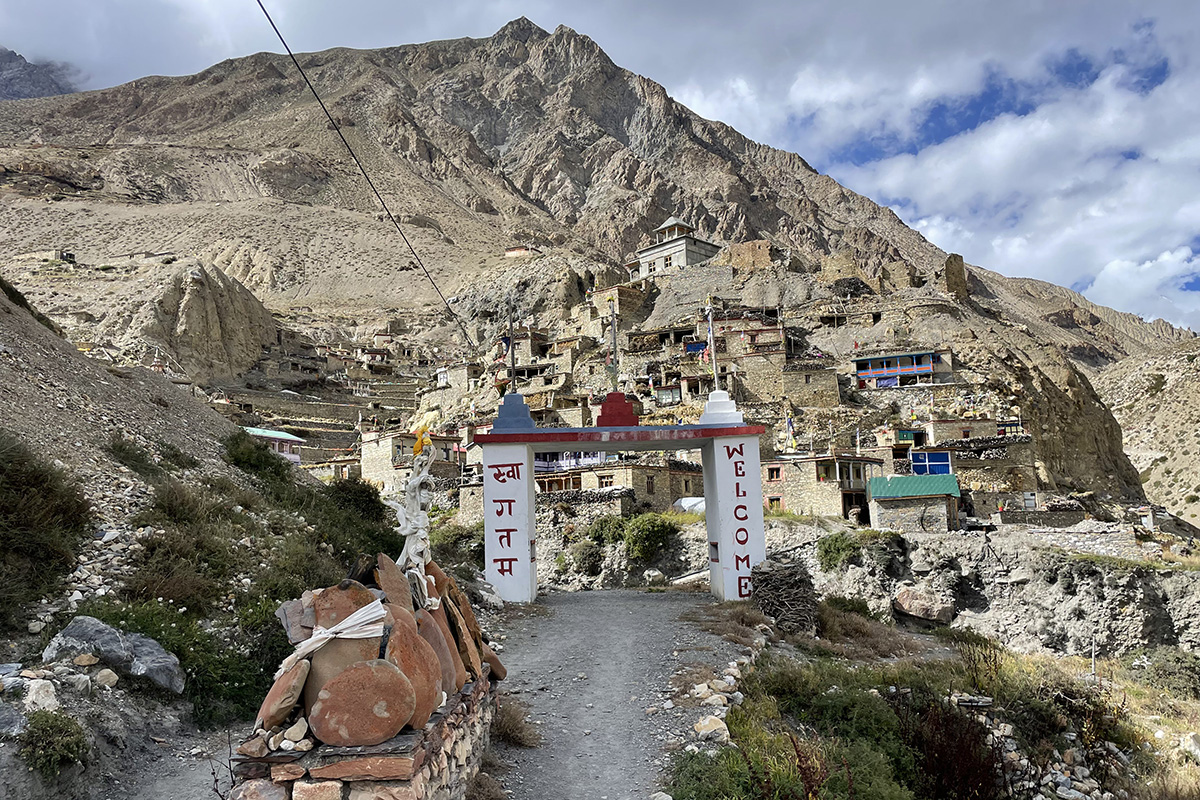
Arrive at Phu Gaon, one of the highest permanently inhabited villages in Nepal, with ancient stone architecture, active monasteries, and traditional Tibetan-influenced culture. Blue sheep and Himalayan tahr are commonly seen on the cliffs above the village. Overnight at a teahouse with evening health check and oxygen saturation monitoring begin.
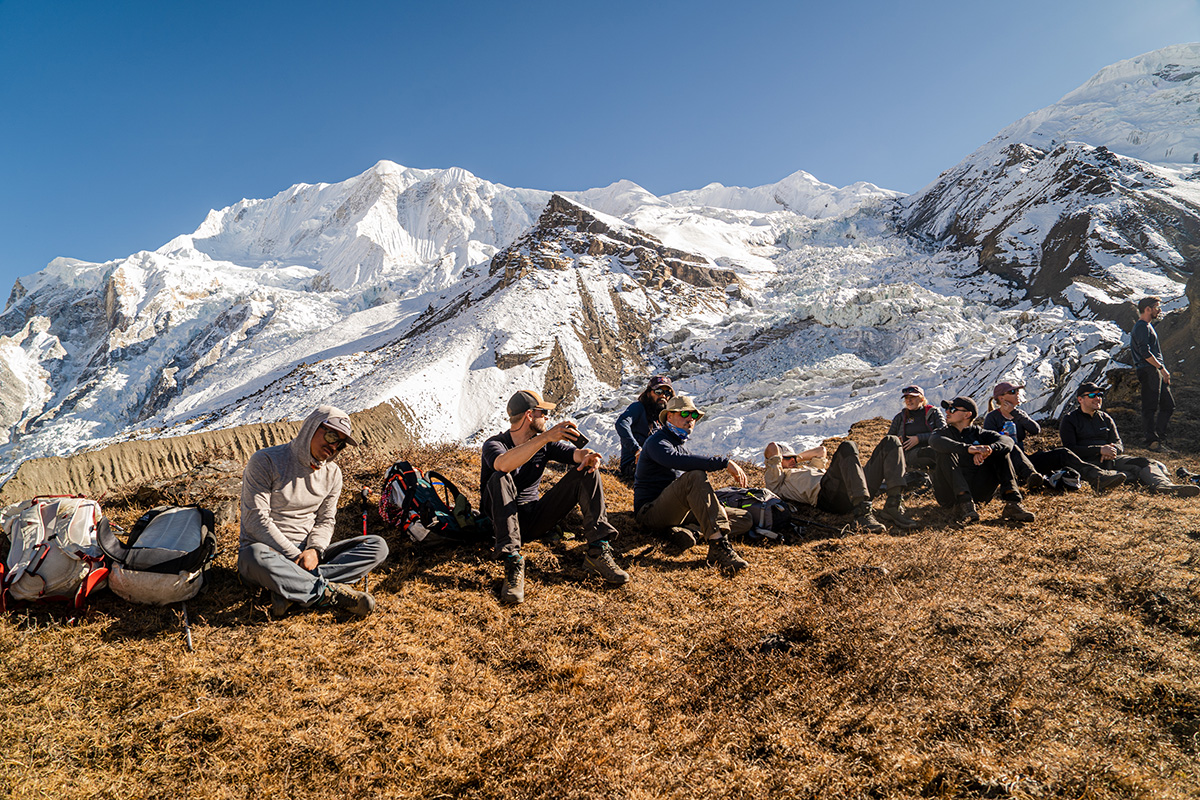
Dedicated acclimatisation day with a short hike to 4,400 m to 4,600 m above the village for altitude adaptation. The medical team conducts morning and evening health checks with careful attention to oxygen saturation levels. Equipment review and expedition team briefing on the route above Base Camp. Overnight at teahouse.
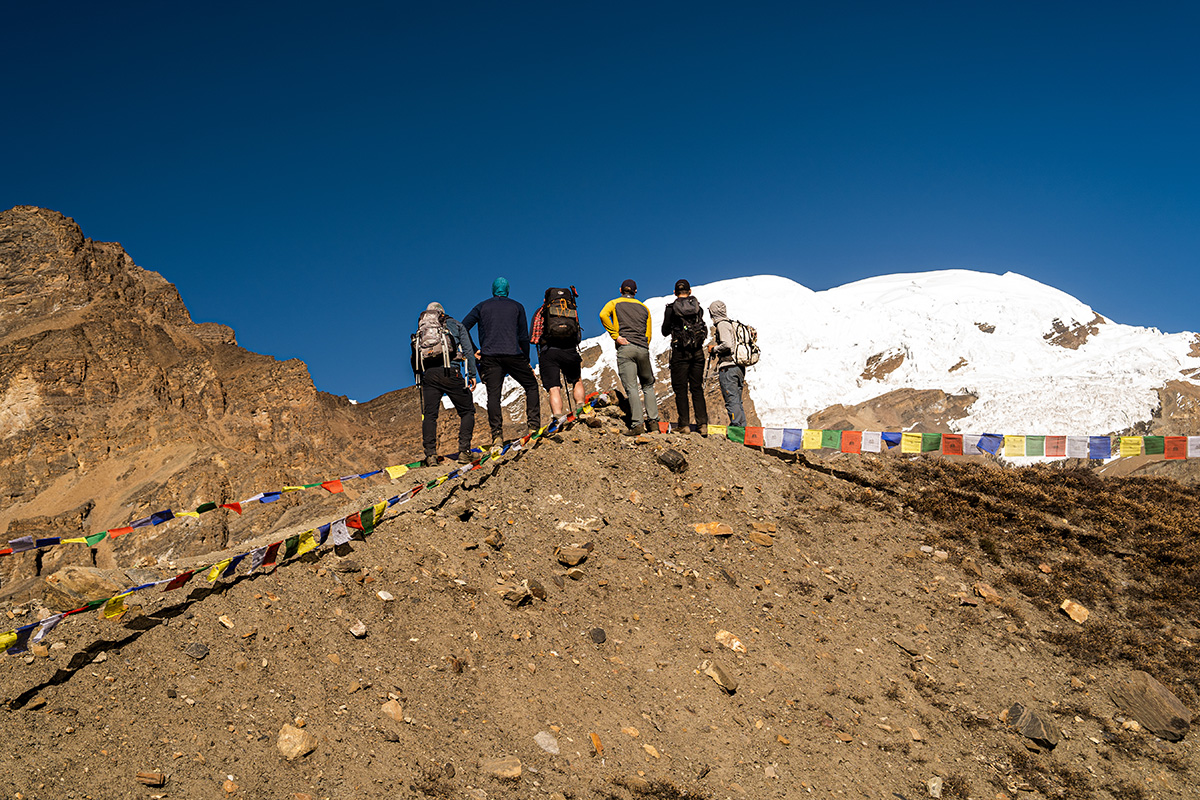
Final approach to Base Camp with the full Himlung massif coming into view ahead. Arrival and complete establishment of Base Camp, including personal dome sleeping tents with heated bedding, a dining tent, a kitchen tent, a medical facility, a hot shower tent, a toilet tent, solar and generator power, and Wi-Fi connectivity. Twice-daily health monitoring begins. Overnight at Base Camp.
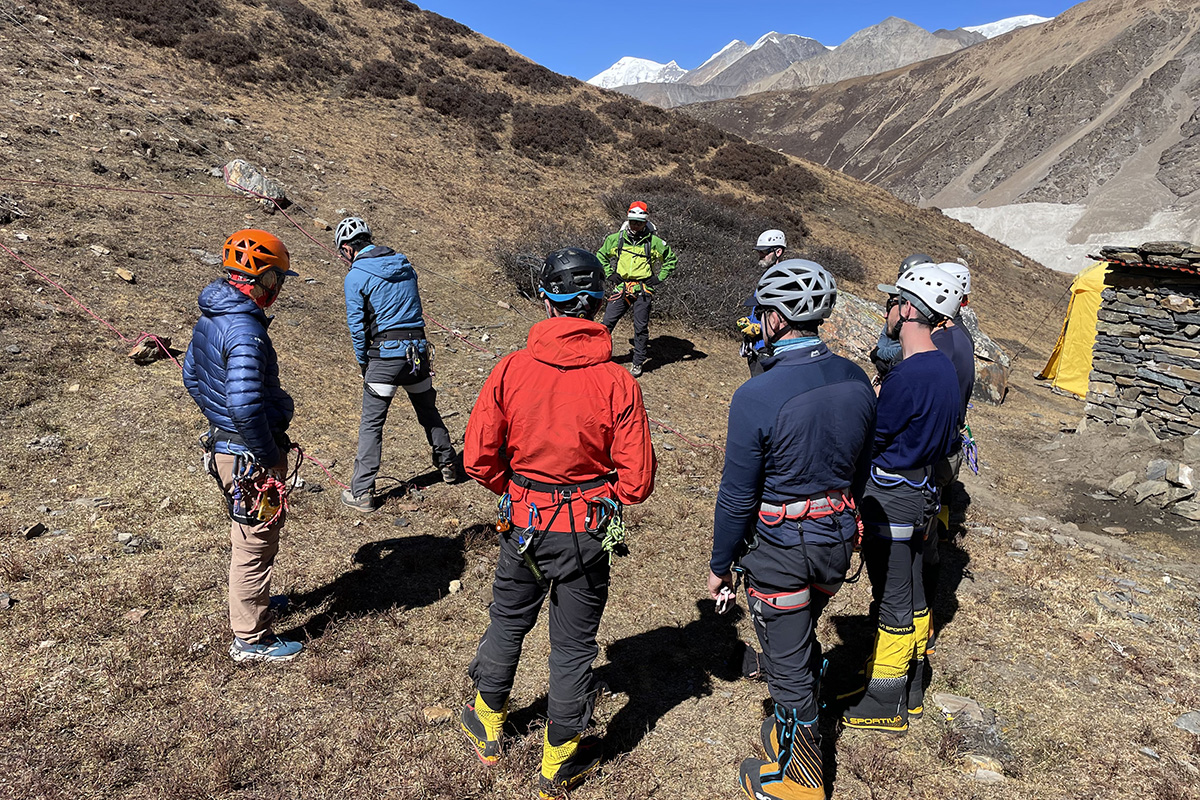
First day of the three-day technical training programme conducted by the IFMGA-certified expedition leader and senior Sherpa team. The morning session covers crampon technique, ice axe use, and self-arrest practice on a safe snow slope above Base Camp. The afternoon session focuses on glacier movement fundamentals and crevasse hazard awareness. 24-hour medical support active throughout. Evening health check.
Second training day focusing on fixed rope techniques, jumar ascent practice on a steep snow slope, rappel descent training, and team rope management procedures. Focus on high-altitude safety protocols and emergency response. Daily weather forecast briefing from the Himalayan Meteorology Service. Evening health check with oxygen saturation monitoring.
Final training day with consolidation of all techniques and an optional acclimatisation hike to 5,100 m to 5,200 m above Base Camp. The medical team clears all climbers for the Camp I move based on health assessment results. Complete equipment check and oxygen system review. Guide team briefing on the Camp I route and high mountain protocols.
First move up the mountain across rocky moraine and initial glacier terrain to Camp I at 5,450 m. Camp I is fully established on a firm snow platform by the Sherpa team. Overnight at Camp I with an evening health check. Return to Base Camp is possible if any climber requires additional acclimatisation time.
Rest and acclimatisation day at Camp I. Short reconnaissance hike toward Camp II to assess route conditions and identify fixed rope sections. Medical monitoring continues with twice-daily checks. Return to Base Camp for recovery is available for any climber showing early AMS symptoms.
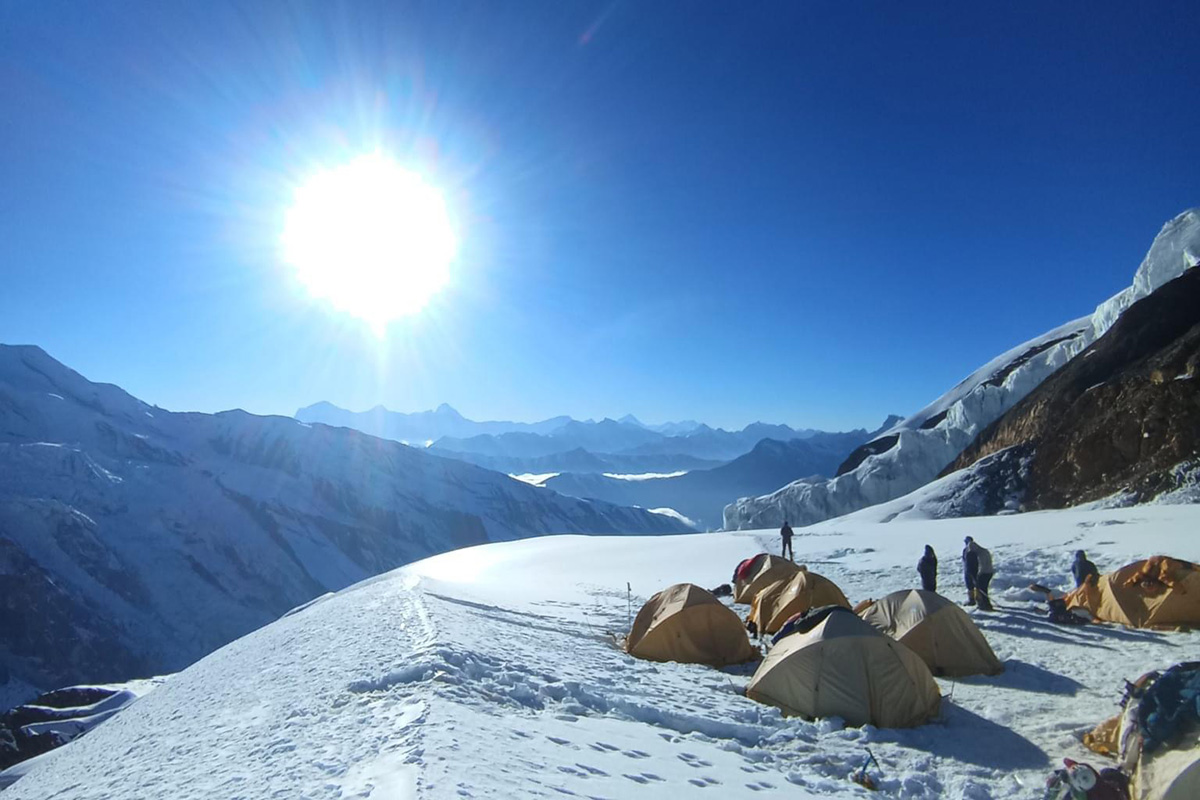
Steeper glacier section with fixed rope climbing leads to Camp II at 6,000 m. Significant altitude gain requires steady pacing and close health monitoring. Camp II is fully equipped with insulated tents, hygienic meals from the kitchen team, and sleeping oxygen support available. An evening health check with careful attention to oxygen saturation and early HAPE indicators.
High camp preparation day for the summit push. Mixed terrain with a steep snow ridge and fixed rope sections leads to Camp III at 6,350 m. Final summit briefing by the expedition leader covering route details, timing, emergency procedures, and weather forecast for summit day. Oxygen system check and final gear preparation. Overnight at Camp III with early rest for the 1:00 AM wake-up.
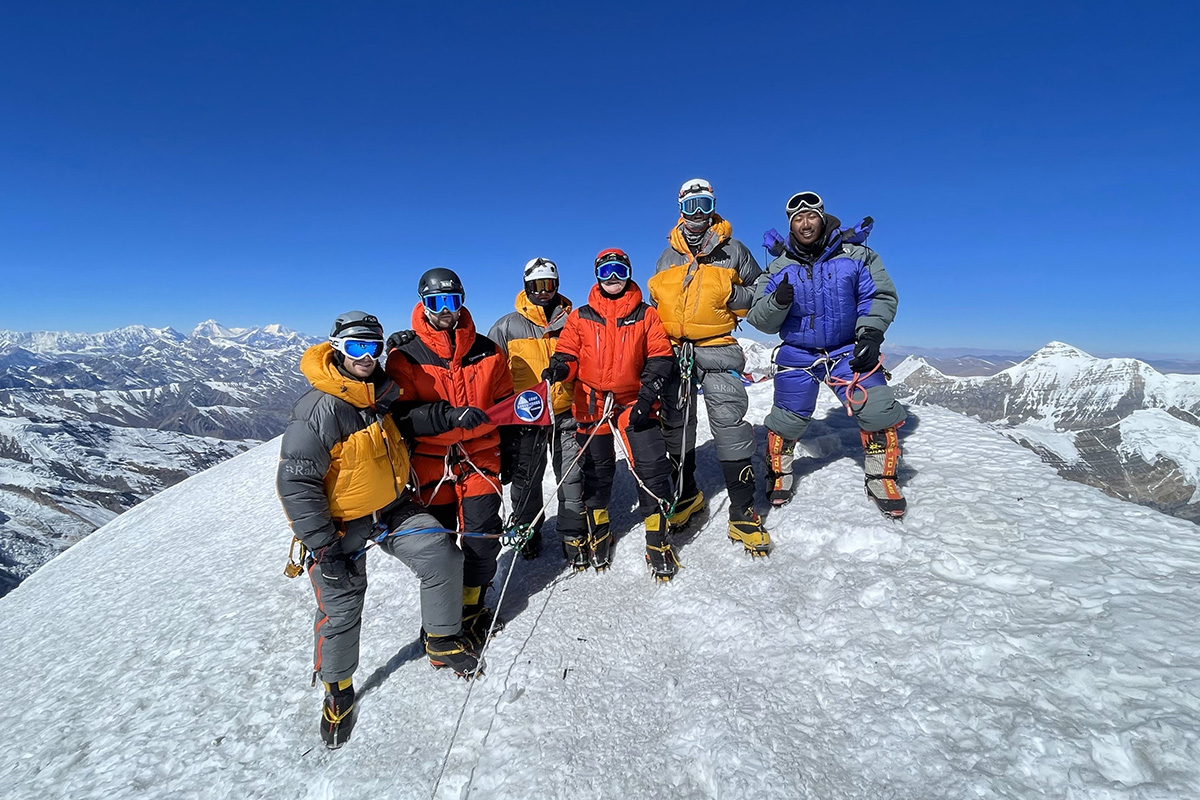
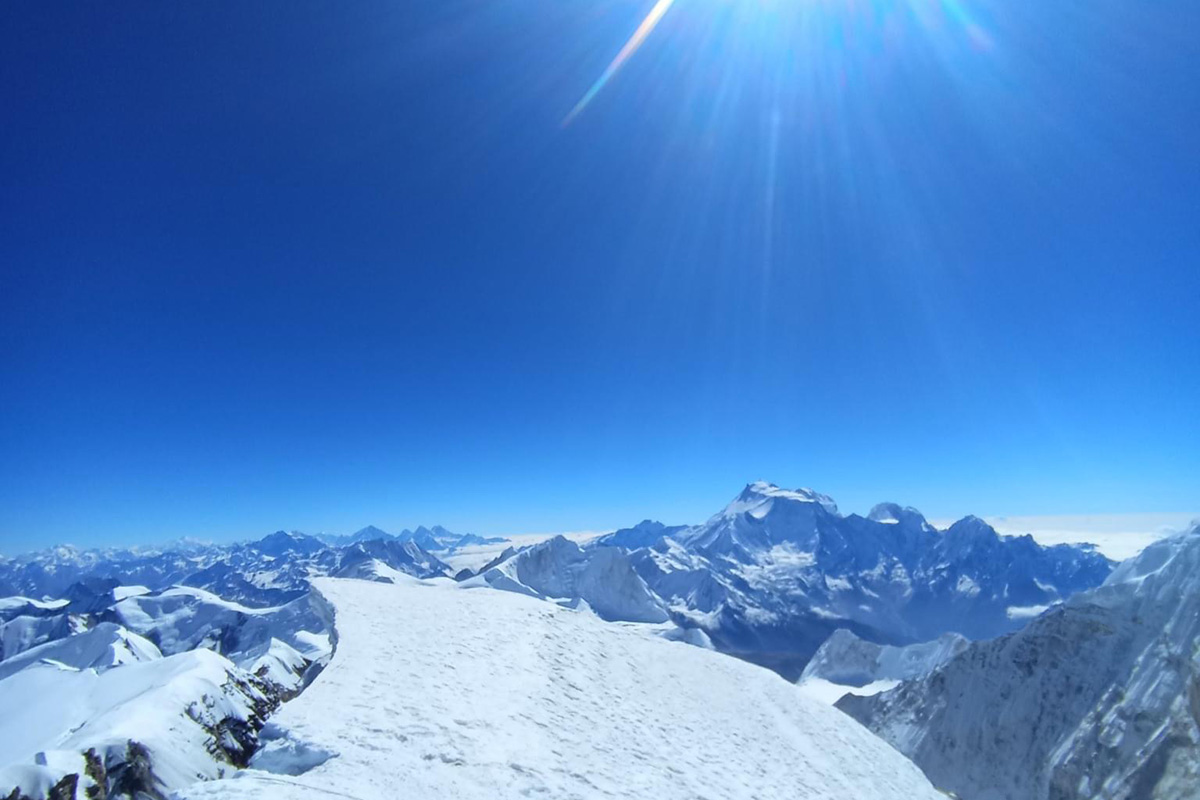
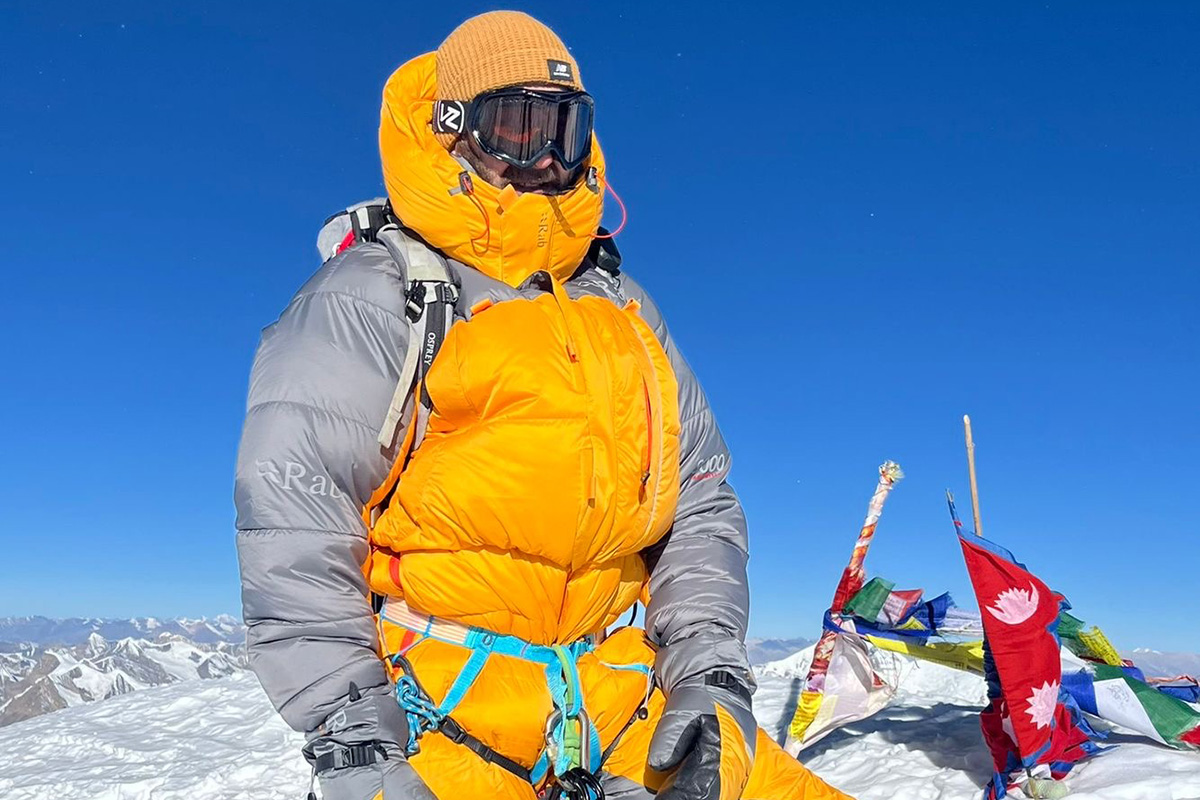
Wake at 1:00 AM for a light breakfast and final gear check before starting the climb from 1:30 AM to 2:00 AM. The route ascends steep snow slopes and a defined ridgeline with fixed ropes toward the summit at 7,126 m. Reach the summit in approximately 6 to 8 hours, with Annapurna I at 8,091 m, Manaslu at 8,163 m, Dhaulagiri at 8,167 m, and Kang Guru at 6,981 m visible in a wide 360-degree panorama. Spend 15 to 20 minutes on the summit for photos and rest before beginning the careful descent. Descend to Camp III or Camp II depending on group condition and weather. Evening health check conducted after the demanding summit day.
This day serves as a weather contingency day if the summit attempt on Day 17 is not possible due to high winds or storms. If the summit was successfully completed, this day is used for additional rest at Camp II or for descent to Base Camp. Your guide will assess the group's condition and weather forecast before making any decisions. Overnight at Camp II or Base Camp with an evening health check conducted.
Careful descent from Camp II or III to Camp I, taking 4 to 6 hours depending on starting point. Retrace the climbing route through fixed rope sections and glacier terrain. Evening health check conducted with focus on recovery from the high altitude summit push.
Descend from Camp I to Base Camp, taking 4 to 5 hours on rocky moraine and glacier terrain. Arrive at Base Camp and settle back into the full-service camp with hot showers and proper meals. Evening health check conducted.
Full rest day at Base Camp for recovery, gear sorting, and celebration with the support team. Complete rest with light activities only. Medical team conducts final health assessments. Overnight at Base Camp.
The trail descends from Base Camp through Phu Gaon, Kyang, and Meta back to Koto at 2,600 m. The long descent of over 2,200 meters requires careful pacing and trekking poles to protect your knees on the rocky trail. Pass through the ancient Tibetan-style village of Phu Gaon one final time before exiting the Nar-Phu Valley. Overnight at a teahouse with an evening health check conducted.
A private jeep covers the drive from Koto back to Besisahar along the rough road following the Marsyangdi River valley. The drive takes 7 to 8 hours with stops for lunch and rest along the way through the lower hills. Arrive in Besisahar in the late afternoon and check into a basic hotel with a proper bed and hot shower. Overnight at a teahouse or basic hotel with shared facilities, and an evening health check is conducted.
Depart Besisahar by private jeep for the 6 to 7-hour drive back to Kathmandu along the Prithvi Highway. The road follows the Trishuli River through terraced hillsides and small towns before reaching the Kathmandu Valley. Arrive in Kathmandu with the afternoon free for rest, souvenir shopping in Thamel, or arranging onward travel. Your Kalapatthar completion certificate is issued, and the expedition officially concludes with a hotel night included for your final evening.
The Kalapatthar Trek & Expedition team arranges a private vehicle airport transfer for your international departure flight. Transfer to Tribhuvan International Airport for your flight home with the memories of summiting Himlung Himal at 7,126 m, one of Nepal's most achievable and successful 7,000 m peaks.
This Kalapatthar Trek & Expedition package runs for 25 days total, including arrival and preparation in Kathmandu, the approach trek through the Nar-Phu Valley, Base Camp training, the climbing phase with three reserve days, descent, and return to Kathmandu with hotel nights at both ends.
The expedition is rated Advanced with daily walking times of 5 to 7 hours on the approach and 4 to 6 hours on climbing days, reaching 7,126 m at the Himlung Himal summit. Good physical fitness, prior high-altitude experience above 5,500 m, and the ability to apply technical climbing skills after the Base Camp training programme are all required.
Prior technical climbing experience is helpful but not required. A structured three-day technical training programme at Base Camp at 4,850 m covers all required techniques before any climber moves above Base Camp. Prior high-altitude trekking or climbing experience above 5,500 m is strongly recommended.
The highest point is the summit of Himlung Himal at 7,126 m, making it one of the highest trekking-category peaks in Nepal. Camp III at 6,350 m is the highest overnight camp on the expedition.
Yes, altitude sickness, including AMS, HAPE, and HACE, is a genuine risk at altitudes above 4,000 m on any expedition reaching 7,126 m. Kalapatthar provides a certified high-altitude doctor at Base Camp throughout the expedition, and guides conduct twice-daily health monitoring with immediate descent protocols for any serious symptoms.
Five permits are required: the Himlung Himal climbing royalty payable to the Nepal Mountaineering Association, the Nar-Phu Valley restricted area permit from the Department of Immigration, the Annapurna Conservation Area permit at NPR 3,000, the TIMS card from the Nepal Tourism Board, and a garbage deposit. All are processed by Kalapatthar at official rates.
Yes, a licensed climbing guide with IFMGA or UIAGM certification is legally required for any Himlung Himal summit attempt. Independent climbing is not permitted. Kalapatthar provides IFMGA/UIAGM-certified expedition leaders as standard on this package.
Accommodation is a 5-star hotel in Kathmandu for five nights, quality teahouses on the approach trek, luxury dome tents with heated bedding at Base Camp, and fully equipped insulated expedition tents at Camp I, Camp II, and Camp III.
Three-course freshly prepared meals are served daily at Base Camp with unlimited snacks, fruits, tea, and coffee. Full hygienic kitchen service is provided at all high camps. Dal bhat, pasta, fried rice, noodle soups, Tibetan bread, and egg-based meals are available at teahouses on the approach. Vegetarian requirements are accommodated with advance notice.
Yes, comprehensive travel insurance covering high-altitude mountaineering above 7,200 m and emergency helicopter evacuation is mandatory for this expedition. Proof of valid insurance must be presented to the expedition leader at the Day 1 briefing. Participation is not permitted without confirmed coverage.
24-hour Wi-Fi is available at Base Camp throughout the expedition. Some teahouses on the approach in the Nar-Phu Valley offer Wi-Fi for a small fee, but connectivity is not available at Camp I, Camp II, or Camp III.
Blue sheep and Himalayan tahr are frequently seen on the cliffs and slopes of the Nar-Phu Valley. The snow leopard is documented in the upper valley, though sightings are extremely rare. Himalayan monal, the national bird of Nepal, is common in the lower forested sections of the approach.
This expedition is not recommended for climbers without prior high-altitude experience above 5,500 m. The three-day Base Camp training covers technical skills but cannot prepare a climber for the physiological and psychological demands of 7,000 m altitude without prior exposure.
Booking four to six months in advance is strongly recommended for spring and autumn seasons when permits, IFMGA guides, Sherpa teams, and logistics must be arranged well ahead of departure.
Based on Himalayan Database records and expedition operator data from 2015 to 2025, the overall success rate for Himlung Himal on professionally guided expeditions is approximately 70 to 80 per cent. Spring from April to May sees rates of 75 to 80 per cent, while autumn from September to October averages 65 to 75 per cent. Proper acclimatisation, fitness level, and weather conditions are the primary factors.
Contact Kalapatthar Trek & Expedition Pvt. Ltd. directly with your preferred travel dates, group size, and any special requirements to receive a personalised quote and full pre-departure support from the expedition team.
The three-day technical training programme at Base Camp covers crampon technique, ice axe use, fixed rope ascent with jumar, rappel descent, and high-altitude safety procedures before any climber moves above Base Camp.
The expedition includes a standard allocation of 3 to 4 oxygen bottles per climber, used at a flow rate of 2 litres per minute from Camp II at 6,000 m to the summit and back.
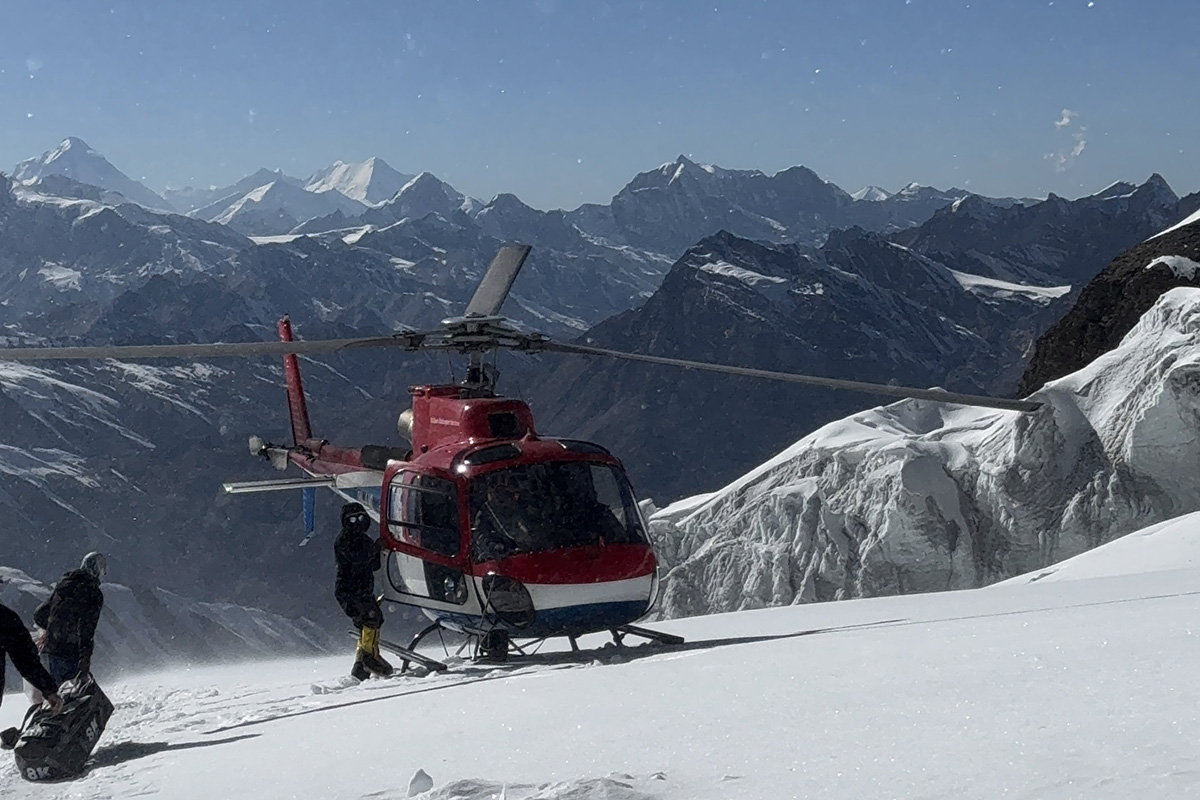
Kalapatthar has a clear descent protocol where any climber showing signs of HAPE or HACE is immediately escorted down by a guide or Sherpa, with helicopter evacuation available from Base Camp if needed.
Climbers must be at least 18 years old with no upper age limit, but a comprehensive medical examination including ECG, chest X-ray, and blood tests is required before the expedition start date.
Himlung Himal has one of the highest success rates among 7,000 m peaks for first-time climbers, with approximately 70 to 80 per cent of well-prepared individuals reaching the summit in good weather conditions.
Leave a review