from 0 review
12 Days
Daily Tour
10 people
___
Gosaikunda Lake to Langtang Valley Trek is a combined journey that offers both a spiritual pilgrimage and an unforgettable Himalayan trekking experience. Gosaikunda is a sacred alpine lake located at an altitude of 4,380 meters, attracting hundreds of thousands of Hindu and Buddhist pilgrims each year, along with trekkers and travelers from around the world. The route connects the holy Gosaikunda Lake with the scenic Langtang Valley via the high-altitude Laurebina La Pass at 4,610 meters, creating a diverse and rewarding circuit through Langtang National Park.
This 12-day Gosaikunda Lake to Langtang Valley Trek with Kalapatthar is carefully planned to ensure proper acclimatization, safety, and a complete Himalayan experience. From your arrival in Nepal to your return, every day is organized with attention to health, comfort, and immersion in local culture. The route is beautifully designed to showcase a diverse range of experiences, from spiritual exploration to natural adventure, passing through rich biodiversity zones filled with medicinal herbs, alpine plants, and vibrant rhododendron forests.
Unlike a standard Langtang Valley trek, this itinerary forms a complete circuit that introduces traditional Tamang villages, sacred alpine lakes, and a high mountain pass crossing. A key feature of this package is daily health monitoring, including oxygen level checks, pulse rate tracking, and temperature readings, ensuring that you can safely progress through high-altitude sections, including Laurebina La Pass.
Surrounded by the majestic Himalayan range, the journey provides stunning views of snow-capped peaks, glacial landscapes, and pristine mountain scenery. The combination of cultural depth, natural diversity, and altitude challenge makes this route one of the most balanced and rewarding trekking experiences in Nepal.
Last Updated: April 2026, for Spring 2026 and Autumn 2026 departures
Your journey begins with a scenic drive from Kathmandu to Dhunche, passing through the lush Trishuli River valley and traditional hillside villages. The road climbs through terraced farmland and dense forests, offering glimpses of Ganesh Himal on clear days. From Dhunche, the trail follows the Langtang Khola through thick subtropical forests of rhododendron, pine, and bamboo before branching toward the sacred Gosaikunda Lake.
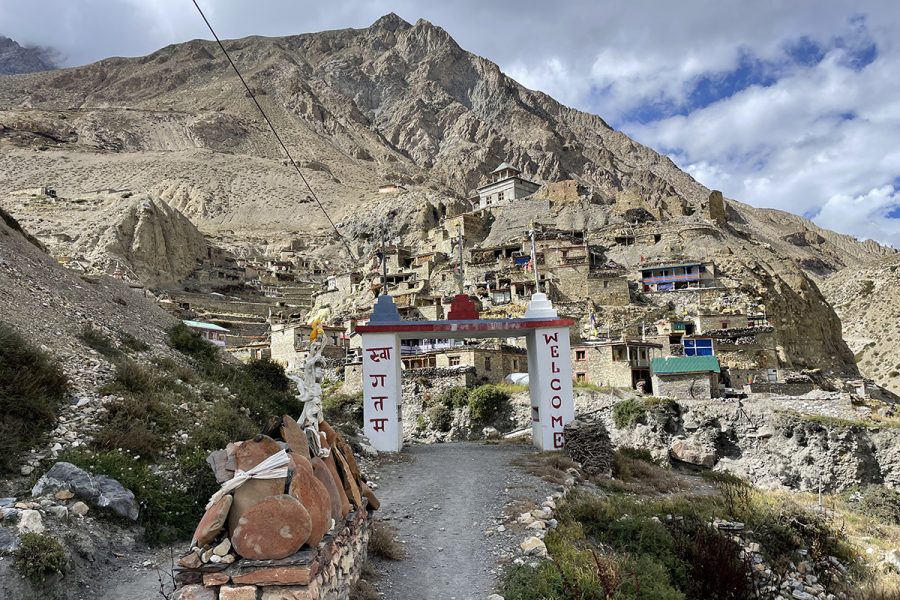
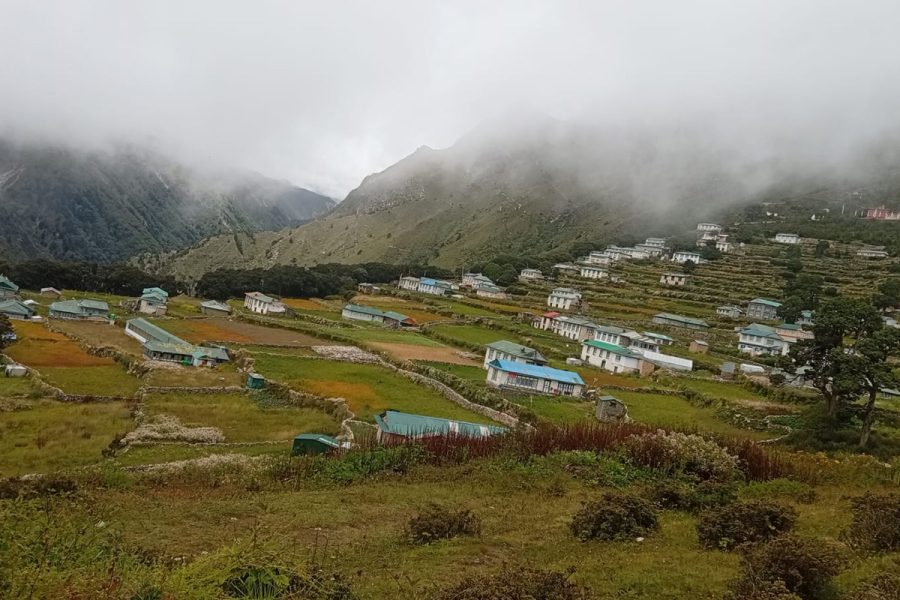
The region is home to the Tamang people, whose language, architecture, food, and religious practices bear strong Tibetan influence. The trail passes through Thulo Syabru, a traditional Tamang village with narrow alleys and stone houses, and Sing Gompa (also known as Chandanbari), a small settlement with a monastery and cheese factory known for its medicinal herbs.
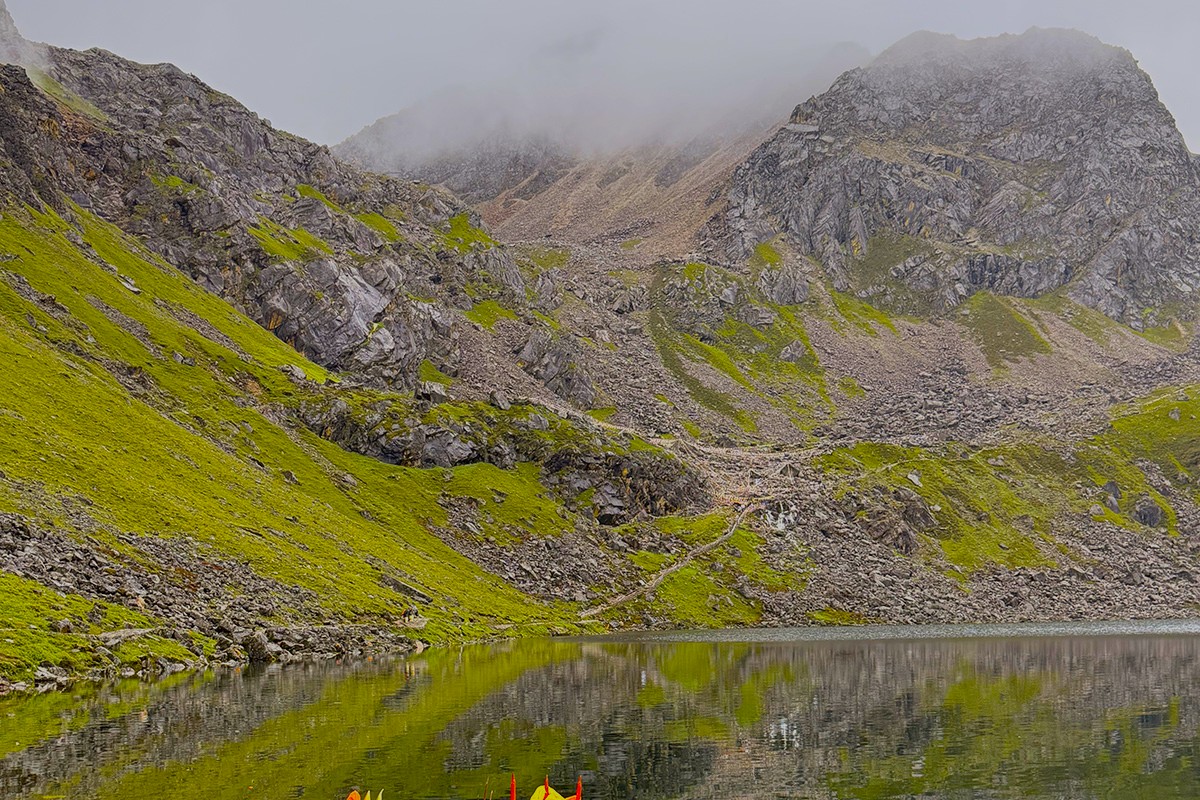
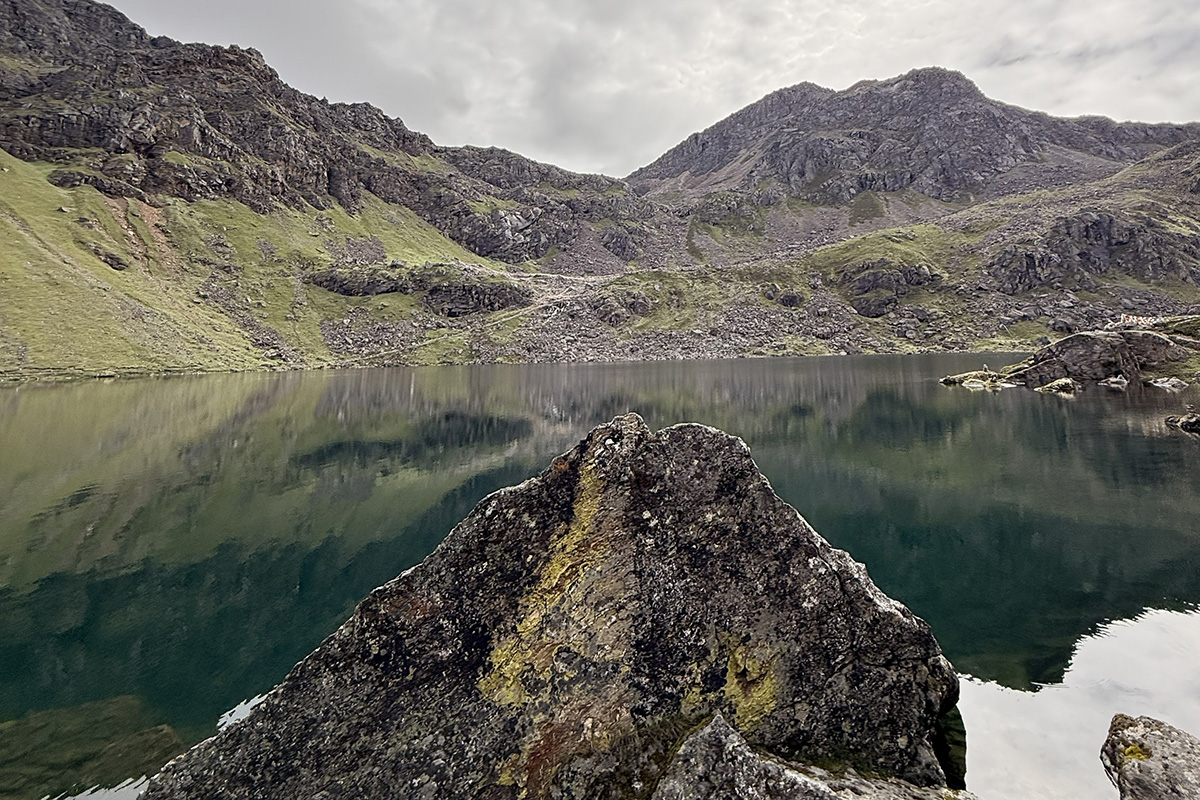
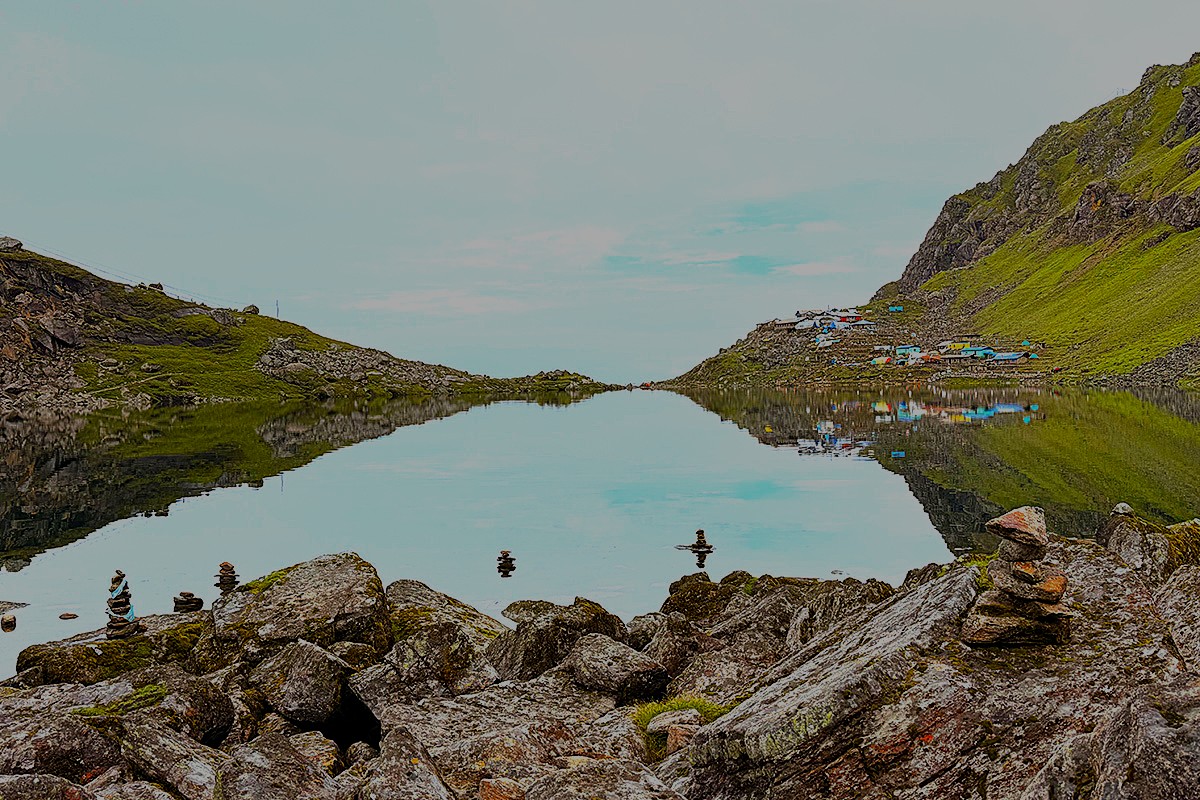
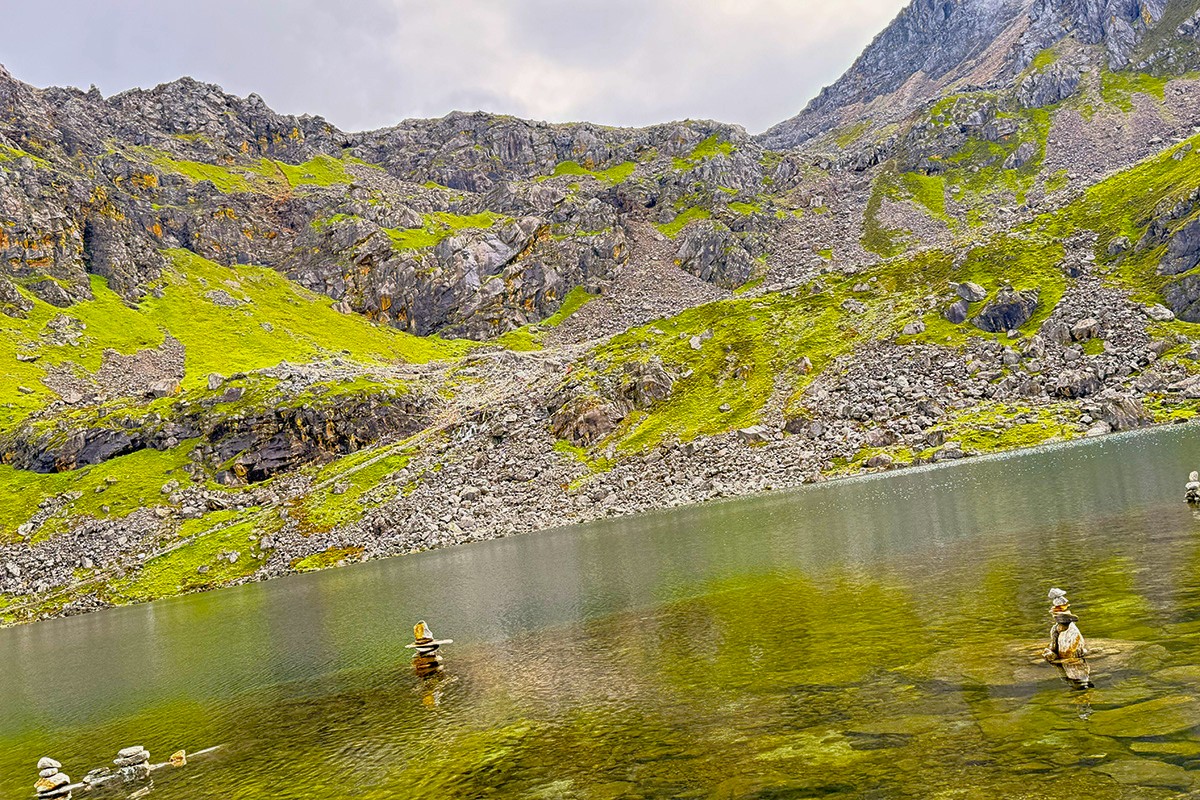
Continuing upward, you will reach Gosaikunda at 4,380 meters, a complex of alpine lakes including Saraswati Kunda and Bhairab Kunda. Gosaikunda is associated with Lord Shiva in Hindu tradition and is the center of the annual Janai Purnima festival in August, drawing tens of thousands of pilgrims who bathe in its sacred waters, believing it cleanses sins and brings salvation.
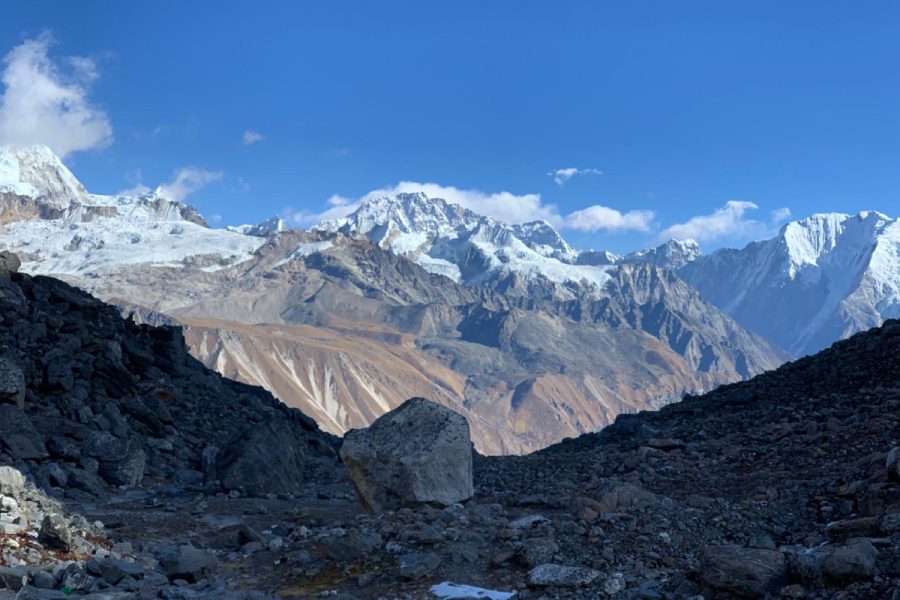
From Gosaikunda, the route crosses the high ridge via Laurebina La Pass at 4,610 meters. The pass crossing is the physical and emotional centerpiece of the trek, offering dramatic views spanning both zones. From the top, the panorama includes Langtang Lirung to the north and the Ganesh Himal range to the south and west.
The descent leads into the Langtang Valley, where you will explore Kyanjin Gompa at 3,870 meters, the spiritual and cultural heart of the Langtang Valley. You will visit the ancient monastery and the local yak cheese factory. An optional hike to Kyanjin Ri at 4,773 meters or Tserko Ri at 4,984 meters offers stunning panoramic views of Langtang Lirung (7,227m), Gangchempo (6,778m), Ganesh Himal, and other surrounding peaks. The journey concludes with a trek back to Syabrubesi and a scenic drive to Kathmandu.
The Gosaikunda Lake to Langtang Valley Trek passes through three distinct geographic and cultural zones: the Langtang Valley, the Laurebina La high ridge, and the Gosaikunda plateau. Each zone has its own unique character, from glaciated alpine terrain to ancient volcanic landscapes.
Gosaikunda is one of the highest freshwater lake systems in Nepal and is revered by both Hindus and Buddhists. According to Hindu mythology, Lord Shiva created the lake when he pierced a glacier with his trident to obtain water to quench his thirst after consuming poison. Pilgrims bathe in its sacred waters during the Janai Purnima festival, believing it cleanses sins and brings salvation.
Also View: Everest Base Camp Trek via Kalapatthar Trek & Expedition Pvt. Ltd.
Langtang Valley is often called the “Valley of Glaciers” due to its dramatic glacial landscapes. The valley was severely affected by the 2015 earthquake, which destroyed the original Langtang village. The community has since rebuilt on safer ground, and the ruins of the old village have been preserved as a memorial. Trekking here carries a dimension of witness to survival and rebuilding.
The route crosses the Laurebina La Pass at 4,610 meters, connecting the Langtang watershed with the Gosaikunda plateau. The pass is the most challenging day of the trek, requiring an early alpine start and proper preparation for potential weather changes.
Langtang National Park is home to over 1,000 species of flowering plants, including the rare blue Himalayan poppy, which blooms during the monsoon season. The park also hosts diverse wildlife, including red pandas, Himalayan black bears, langurs, and over 250 species of birds.
The trek passes through Langtang National Park, Nepal’s first Himalayan national park, known for its rich biodiversity.
Lower elevations (1,400m to 2,500m): Subtropical forests of rhododendron, blue pine, oak, and bamboo. During spring, rhododendrons bloom in brilliant shades of red, pink, and white. Wildlife includes langur monkeys, Himalayan black bears, and occasional red pandas.
Mid elevations (2,500m to 3,500m): Temperate forests transitioning to alpine shrubs and juniper. Birdlife includes the Himalayan Monal (Danphe, Nepal’s national bird), snow pigeons, and Himalayan griffons. Musk deer and Himalayan thar are commonly seen.
Higher elevations (above 3,500m): Alpine meadows, juniper scrub, and barren rocky terrain near the pass. The rare blue Himalayan poppy (Meconopsis grandis) blooms at elevations between 3,200 and 4,000 meters during July. Medicinal herbs such as yarsagumba (caterpillar fungus) are collected by local communities in this zone.
At Gosaikunda and the Laurebina La Pass, the environment becomes extreme with glacial lakes, rocky moraines, and panoramic mountain views. You may see blue sheep (bharal) navigating the steep cliffs.
The Gosaikunda Lake to Langtang Valley Trek is considered moderate to challenging. Trekkers walk 5 to 7 hours daily under normal conditions, while the Laurebina La Pass crossing day can extend up to 7 to 8 hours depending on weather and the route.
Key difficulty factors:
Previous trekking experience (above 3,500m) is recommended but not mandatory. First-time trekkers with good fitness and proper acclimatization can complete this trek successfully. No technical climbing skills are required, but good physical fitness and sure-footedness are essential.
The best time for the Gosaikunda Lake to Langtang Valley Trek is:
Spring (March to May): Clear skies, stable weather, and moderate temperatures make trekking comfortable. Rhododendron forests bloom in vibrant colors, adding dramatic beauty to the lower trails. Wildlife is more active, and birds are plentiful. April is particularly favorable due to balanced temperatures and excellent visibility. Laurebina La Pass is generally accessible. This is ideal for scenic views, photography, and cultural experiences.
Autumn (September to November): Post-monsoon months bring crystal-clear skies, dry trails, and stunning panoramic views of Langtang Lirung, Ganesh Himal, and the surrounding peaks. October is the peak month with the best visibility, while November offers quieter trails with colder temperatures. Stable weather makes it perfect for photography and pass crossings.
You May Also Prefer Reading: People of Nepal: Limbu
Winter (December to February) is quieter but extremely cold, with temperatures dropping below -10°C at higher elevations. Laurebina La Pass may be snow-blocked, and some teahouses may close. Only recommended for experienced trekkers with proper gear.
Monsoon (June to August) brings lush green landscapes, blooming flowers, including the rare blue Himalayan poppy, and dramatically fewer trekkers on the trails. However, heavy rain, leeches at lower altitudes, and a higher risk of landslides make this suitable only for experienced trekkers with flexibility. This is the best time for botanists and nature photographers.
Packing for the Gosaikunda Lake to Langtang Valley Trek directly affects your safety, performance, and overall experience. This route reaches altitudes above 4,600 meters at Laurebina La Pass and includes diverse terrain from subtropical forests to alpine meadows, where weather conditions shift rapidly.
A structured packing system ensures you stay warm, dry, and efficient across long trekking days, forest trails, and exposed high passes.
Your clothing must adapt to constant temperature variation, from warm lower valleys to freezing winds above 4,000 meters.
Base Layer (Moisture Management): Thermal tops and bottoms are made from merino wool or high-quality synthetic fabric. Merino wool performs best due to moisture control and odor resistance. Carry 2 to 3 sets to rotate and maintain dryness.
Mid Layer (Insulation): A fleece jacket for active movement and a down jacket rated to at least -10°C. The fleece regulates body heat while trekking, while the down jacket becomes essential in the morning, evening, and during the Laurebina La Pass crossing.
Outer Layer (Protection): Waterproof and windproof hardshell jacket and pants. High-altitude wind exposure can drop perceived temperatures quickly, even on clear days. This layer protects against snow, rain, and wind chill, especially on the exposed sections of Laurebina La Pass.
Warm hat or beanie, inner thermal gloves plus waterproof outer gloves, neck gaiter or buff. At high passes like Laurebina La, exposed skin becomes vulnerable within minutes. Proper coverage is essential.
Sunglasses: UV-protected sunglasses with side shields are mandatory. Snow reflection at altitude can cause snow blindness within hours, especially on the pass.
Trekking Boots: High-quality, waterproof, insulated boots with strong ankle support. You will cover long distances on rocky, uneven, and potentially icy terrain. Break them in before arrival to avoid blisters.
Gaiters: Recommended for Laurebina La Pass and any snow sections. They prevent snow, debris, and moisture from entering your boots.
Socks: 4 to 5 pairs of merino wool trekking socks. Wool maintains warmth even when damp and reduces friction during long walking hours.
Main Duffel (60–70L): Carried by a porter. Stores clothing, sleeping bag, and bulk gear. Weight limit: 15 kg.
Daypack (25–35L): Carried by you daily. Should include water, snacks, extra layers, camera, personal essentials, medications, and toilet paper. Comfort and fit are critical due to long trekking hours.
Personal First Aid Kit: Include blister care, pain relief, and basic antiseptics. Your guide carries advanced medical supplies, but personal access matters.
Diamox (Acetazolamide): Consult a doctor before use. Helps prevent altitude sickness when used correctly.
Sun Protection: SPF 50+ sunscreen and lip balm are essential. UV exposure increases significantly with altitude.
Hygiene Supplies: Hand sanitizer and wet wipes are necessary due to limited facilities.
Personal Medication: Carry sufficient quantities in your daypack. Do not rely on availability in trekking regions.
Trekking Poles: Highly recommended for the Langtang trek. They help reduce strain on your knees during long descents and steep sections while also improving balance on uneven trails and pass crossings.
Headlamp: A headlamp is required for early morning starts and low-light conditions, especially on Laurebina La Pass day. Many sections of the trek begin before sunrise, making a reliable headlamp essential. Always carry extra batteries, as cold temperatures can drain power more quickly at high altitudes.
Water System: You should carry a minimum water capacity of 2 liters throughout the trek. Both bottles and hydration bladders work well. A thermos is also strongly recommended, as hot water or tea helps maintain body warmth in cold conditions.
Water Purification: Safe drinking water is essential on the trail. Use water purification tablets or a portable filtration system before drinking any tap or stream water. Untreated water is not safe and can lead to illness.
Camera and Batteries: Cold temperatures at high altitude drain batteries much faster than normal. Carry extra batteries and keep them stored close to your body inside inner pockets to preserve their charge. This ensures your equipment remains functional during key moments, including sunrise at Kyanjin Ri and Gosaikunda Lake.
Power Bank (10,000–20,000 mAh): A power bank is essential due to limited and often costly charging facilities in teahouses. Electricity is not always reliable in remote villages, and charging options become scarce at higher elevations.
Sleeping Bag (-10°C to -15°C rated): A high-quality sleeping bag is essential. As you gain altitude, temperatures drop significantly, especially at night in places above 3,500 meters like Kyanjin Gompa and Gosaikunda. Teahouse blankets are often thin and not enough to keep you warm.
Sleeping Bag Liner: A liner provides extra insulation and helps maintain hygiene by keeping your sleeping bag cleaner throughout the trek.
Passport: Your passport must have a minimum validity of 6 months from your date of entry into Nepal. Keep it safely stored in a waterproof pouch.
Passport Photos (4–6 copies): Needed for trekking permits. Carrying them in advance helps avoid delays.
Travel Insurance: Comprehensive travel insurance is mandatory. It must specifically cover high-altitude trekking up to 5,000 meters and include emergency helicopter evacuation.
Cash (Nepalese Rupees): Carry sufficient cash before starting the trek. Needed for daily expenses such as charging devices, WiFi, hot showers, bottled water, snacks, and tips. ATMs are not available on the trail.
Rental Option in Kathmandu: Down jackets and sleeping bags are available for rent in Kathmandu. Inspect rental items for quality and warmth before use.
The Gosaikunda Lake to Langtang Valley Trek is more than just a journey. It is a complete Himalayan adventure that combines spiritual pilgrimage, forest trekking, high mountain passes, and authentic Tamang culture in a single circuit.
With Kalapatthar Trek & Expedition Pvt. Ltd., you will trek safely and comfortably, supported by experienced guides, proper acclimatization planning, and daily health monitoring every morning before breakfast. Between villages and high passes, your guide ensures you stay energized with unlimited food and beverages throughout the trek. Stay in traditional teahouses, experience the hospitality of Tamang and Tibetan Buddhist communities, and witness the sacred waters of Gosaikunda.
If you are looking for a route that offers spiritual depth, cultural richness, and diverse Himalayan scenery without the crowds of Everest or Annapurna, this trek is the one best option for you & your team in Nepal.
Book your Gosaikunda Lake to Langtang Valley Trek today with us. Contact Us to take the first step toward experiencing the sacred lakes and majestic valleys of Nepal’s Langtang region.
Upon arrival in Nepal, our team will warmly welcome you at the airport and transfer you to your 5-star hotel in Kathmandu. In the evening, you will join a welcome dinner, team introduction, and a detailed trek briefing. The briefing includes detailed information about the trail, safety measures, rescue procedures, first aid support, emergency contact, gear checklist, and daily health monitoring procedures. A pulse check measuring oxygen, temperature, and heartbeat, along with an overall health check and feedback, is conducted in the evening. You will receive unlimited breakfast during your hotel stay.
This day is dedicated to final preparations. You will have a full-day guided sightseeing tour of Kathmandu's UNESCO World Heritage Sites, including Swayambhunath Stupa (Monkey Temple), Boudhanath Stupa, Pashupatinath Temple, and Patan Durbar Square. In the afternoon, there will be a final gear check and trek preparation session. A morning health check will be conducted before breakfast. Unlimited breakfast is included at your 5-star hotel.
You will take a scenic 7 to 9-hour drive from Kathmandu to Dhunche, the headquarters of Rasuwa district. The journey follows the Trishuli River, passing through lush hills, terraced farmlands, and traditional villages. You will see the Ganesh Himal range on clear days. Dhunche is a small town serving as the gateway to the Langtang and Gosaikunda routes.
A morning health check will be conducted before breakfast. Unlimited breakfast, lunch, and dinner are included throughout the day.
You will begin your trek after breakfast. The trail climbs steadily through dense forests of rhododendron, oak, and bamboo. You will pass through small Tamang settlements and enjoy views of the Ganesh Himal range. Thulo Syabru is a traditional Tamang village with narrow alleys, stone houses, and a beautiful monastery. You will walk for 5 to 6 hours. A morning health check will be conducted before breakfast. Unlimited breakfast, lunch, and dinner are included. A daily briefing will be conducted in the evening.
The trail continues through forests of rhododendron and juniper, with occasional views of Langtang Lirung and Ganesh Himal. Sing Gompa, also known as Chandanbari, is a small settlement with a monastery and a cheese factory. This area is known for its medicinal herbs and is a good place to spot Himalayan birds and red pandas. You will walk for 4 to 5 hours. A morning health check will be conducted before breakfast. Unlimited breakfast, lunch, and dinner are included. A daily briefing will be conducted in the evening.
One of the most spiritual days of the trek. The trail climbs steadily through alpine meadows and past several small lakes before reaching the sacred Gosaikunda Lake. The turquoise waters of Gosaikunda are surrounded by rocky hills and offer stunning reflections of the surrounding peaks. According to Hindu mythology, Lord Shiva created this lake. You will also see the nearby Saraswati Kunda and Bhairab Kunda. You will walk for 5 to 6 hours. A morning health check will be conducted before breakfast. Unlimited breakfast, lunch, and dinner are included. A daily briefing will be conducted in the evening.
This is the most challenging day of the trek. An early start is required around 5:00 AM. You will make a steep climb from Gosaikunda to Laurebina La Pass at 4,610 meters. From the summit, the panorama spans both zones: north toward Langtang Lirung and the Tibetan plateau, south and west toward the Ganesh Himal range. The descent is steep and potentially icy, leading to Phedi for lunch, then continuing to the village of Ghopte nestled in the forest. You will walk for 7 to 8 hours, depending on the weather and group pace. A morning health check will be conducted before breakfast. Unlimited breakfast, lunch, and dinner are included. A critical health check will also be conducted after the pass crossing.
The trail follows a ridge with beautiful views of the surrounding valleys and peaks. You will pass through rhododendron forests and small settlements. The terrain is a mix of ascents and descents as you make your way toward Tharepati, a small settlement on a ridge with panoramic mountain views. You will walk for 5 to 6 hours. A morning health check will be conducted before breakfast. Unlimited breakfast, lunch, and dinner are included. A daily briefing will be conducted in the evening.
The trail descends through the Helambu region, passing through traditional Sherpa and Tamang villages. The landscape becomes more domesticated, with terraced fields and stone houses. Kutumsang is a large village with several teahouses, offering beautiful views of the surrounding hills. You will walk for 5 to 6 hours. A morning health check will be conducted before breakfast. Unlimited breakfast, lunch, and dinner are included. A daily briefing will be conducted in the evening.
You will trek through forests and along ridges connecting to the Langtang Valley. The trail passes through several small villages and offers beautiful views of Langtang Lirung. You will rejoin the main Langtang Valley trail and arrive at a teahouse in the valley. You will walk for 6 to 7 hours. A morning health check will be conducted before breakfast. Unlimited breakfast, lunch, and dinner are included. A daily briefing will be conducted in the evening.
Today is dedicated to exploration. You will take a short hike to Kyanjin Gompa, the spiritual and cultural heart of the Langtang Valley. You will visit the ancient monastery and the local yak cheese factory. If the weather permits and you have enough energy, you can hike to Kyanjin Ri at 4,773 meters or Tserko Ri at 4,984 meters for stunning panoramic views of Langtang Lirung (7,227m), Gangchempo (6,778m), and other surrounding peaks. The afternoon is free to explore the glacier or relax at the teahouse. The hike takes 3 to 4 hours round trip to Kyanjin Ri, or 5 to 6 hours for Tserko Ri. A morning health check will be conducted before breakfast. Unlimited breakfast, lunch, and dinner are included. An evening briefing will be conducted.
Your final trekking day. You will descend through the Langtang Valley, retracing the trail past Lama Hotel to Syabrubesi. The walk is almost entirely downhill through beautiful forests. From Syabrubesi, you will take a private vehicle back to Kathmandu, celebrating the completion of your journey. You will walk for 6 to 7 hours, followed by a 7 to 9-hour drive. A morning health check will be conducted before breakfast. Unlimited breakfast and lunch are included. An evening celebration and final health check will also be conducted. Upon arrival in Kathmandu, you will be transferred to your 5-star hotel. An evening farewell dinner with the team is optional if you are departing the next day.
The standard itinerary takes 12 days, including arrival and departure. This allows proper acclimatization for both the Gosaikunda Lake and the crossing of Laurebina La Pass.
It is moderate to challenging due to the altitude and the Laurebina La Pass crossing. Previous trekking experience at altitude (above 3,500m) is recommended but not mandatory. Good physical fitness is essential.
Yes, hiring a guide is mandatory for safety, navigation across Laurebina La Pass, and emergency response. Remote sections can have unclear trails. Our guides are licensed, English-speaking, and trained in first aid.
Yes, altitude sickness can occur above 3,500 meters, especially at Gosaikunda (4,380m) and Laurebina La Pass (4,610m). Proper acclimatization, daily health monitoring every morning before breakfast, and descent options help reduce risks.
The Langtang National Park Entry Permit is required, costing approximately $30 USD for foreign nationals. The TIMS card was previously required but has been phased out as of 2025, though trekkers should confirm current requirements before departure.
The best times are spring (March to May) and autumn (September to November). Spring offers blooming rhododendrons and stable weather. Autumn provides crystal-clear skies and excellent mountain views.
Approximately 85 to 90 percent of trekkers complete the full circuit. Most incomplete attempts are due to altitude sickness on the Laurebina La Pass day or time constraints.
Yes, the annual Janai Purnima festival (full moon in August) draws tens of thousands of pilgrims to Gosaikunda. This is a unique cultural experience, but teahouses become very crowded, and advance booking is essential.
Yes, with proper preparation. The Langtang Valley section is moderate and good for beginners. However, the Laurebina La Pass crossing is challenging. First-time trekkers should ensure good fitness.
You will stay in a 5-star hotel in Kathmandu for 2 nights (twin-sharing, breakfast included). Airport pick-up and drop-off by private vehicle are included.
Leave a review