
⚡ Instant confirmation
Everest Base Camp Trek
Duration: 15 daysBooking openMondayMar 15, 2027MondayMar 29, 2027
€1,710
10 LEFTseats available
Book nowOpen for Booking

15 days
Daily Tour
10 people
___
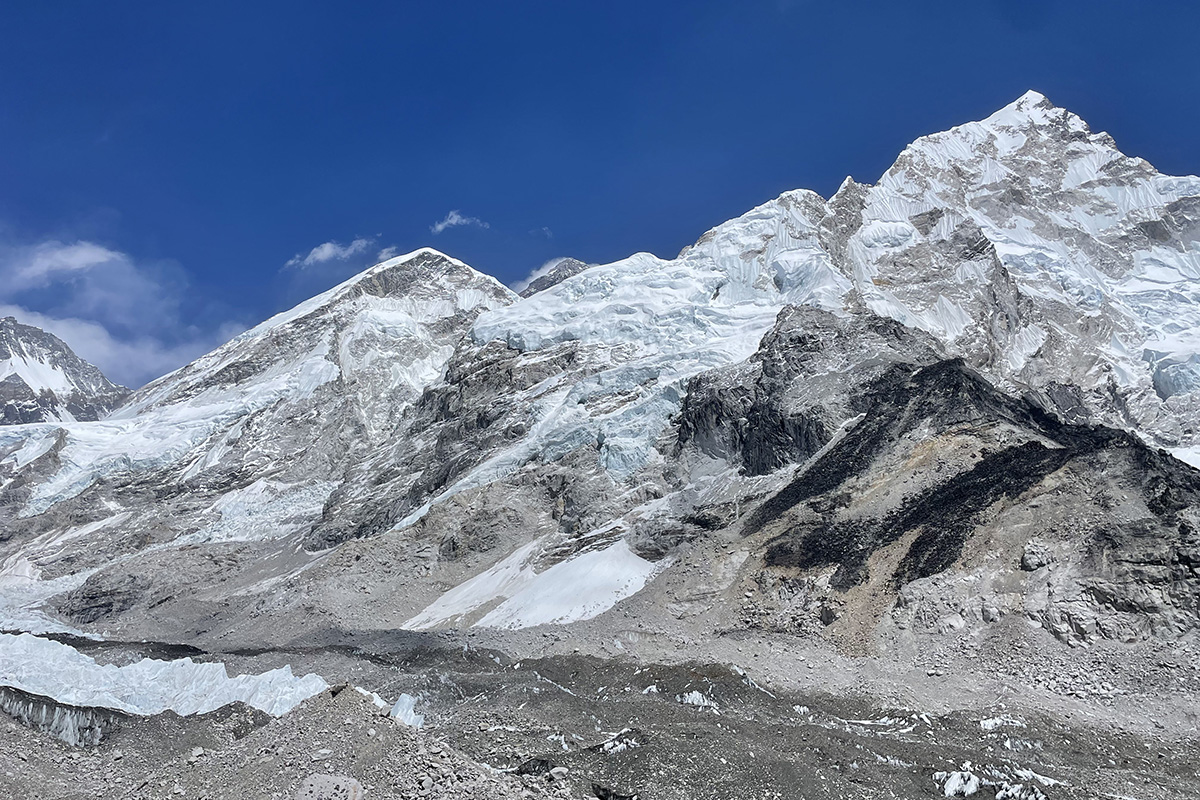
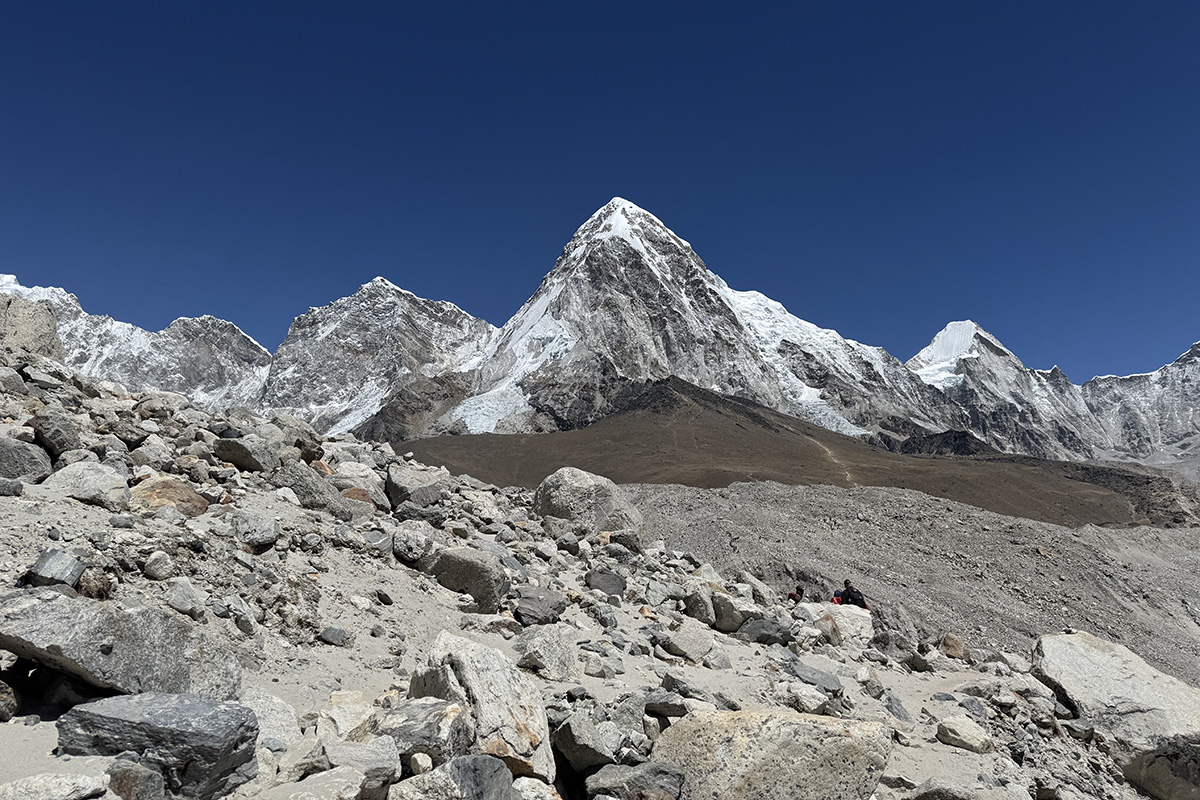
The Everest Base Camp Trek stands as Nepal’s most iconic Himalayan adventure, carrying trekkers to the foot of the world’s highest mountain. The route brings you to the base of Mount Everest (8,848.86 meters) and includes a hike to Kala Patthar (5,545 meters), the best vantage point in the region for a clear, unobstructed view of the summit.
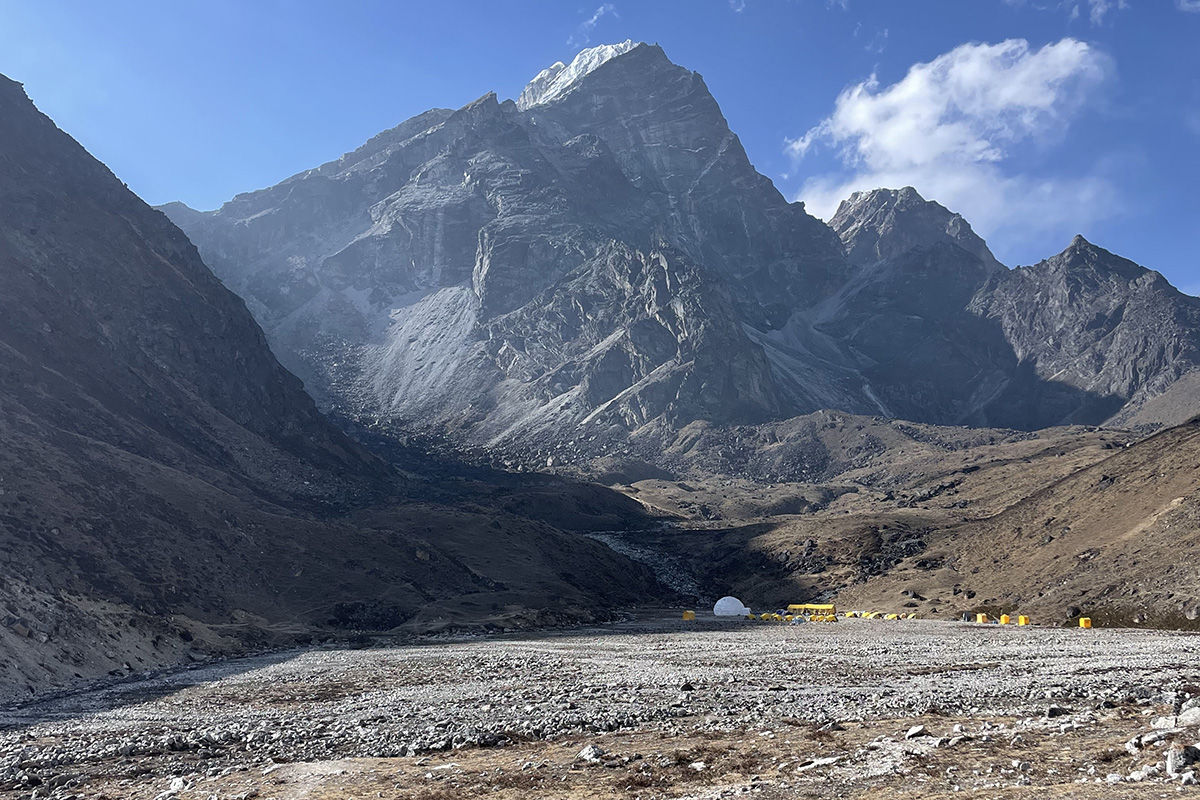
This 15-day journey with Kalapatthar is built around proper acclimatization, safety, and a complete Himalayan experience from your arrival in Nepal to your return flight home. The trek follows the South Base Camp route at 5,364 meters, chosen deliberately over the Tibet approach for its better-maintained trails, more comfortable teahouse stays, and closer connection to Sherpa life along the way.
Each evening, your guide walks you through the next day’s plan and route before you set out, so nothing on the trail catches you off guard. A defining feature of this package is daily health monitoring, tracking oxygen levels, pulse rate, and overall condition, helping you trek safely and manage altitude sickness effectively throughout the journey.
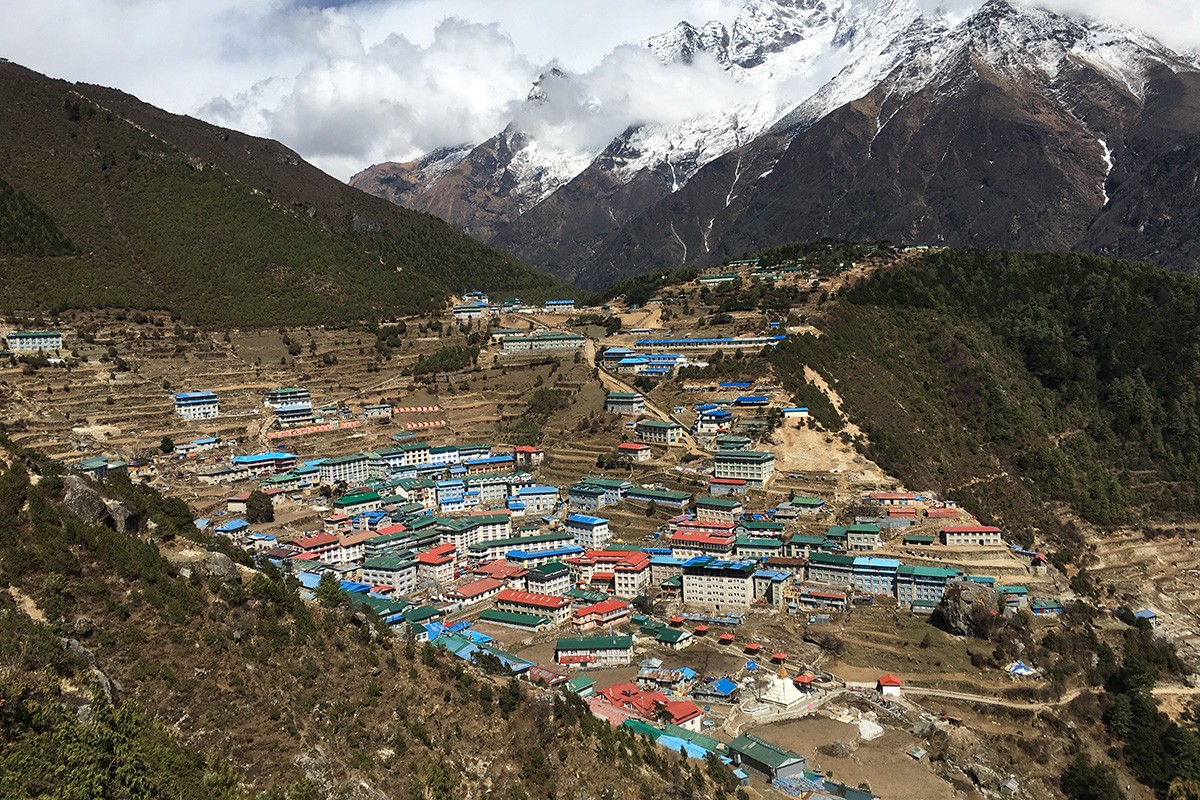
Your journey begins with a scenic flight to Lukla Airport, followed by a gradual trek through the Khumbu region. The trail follows the Dudh Koshi River and leads to Namche Bazaar (3,440m), the region’s main hub, where you spend a day acclimatizing. During this time, you hike to Syangboche and visit the Everest View Hotel for lunch, enjoying panoramic views of Everest and surrounding Himalayan peaks.
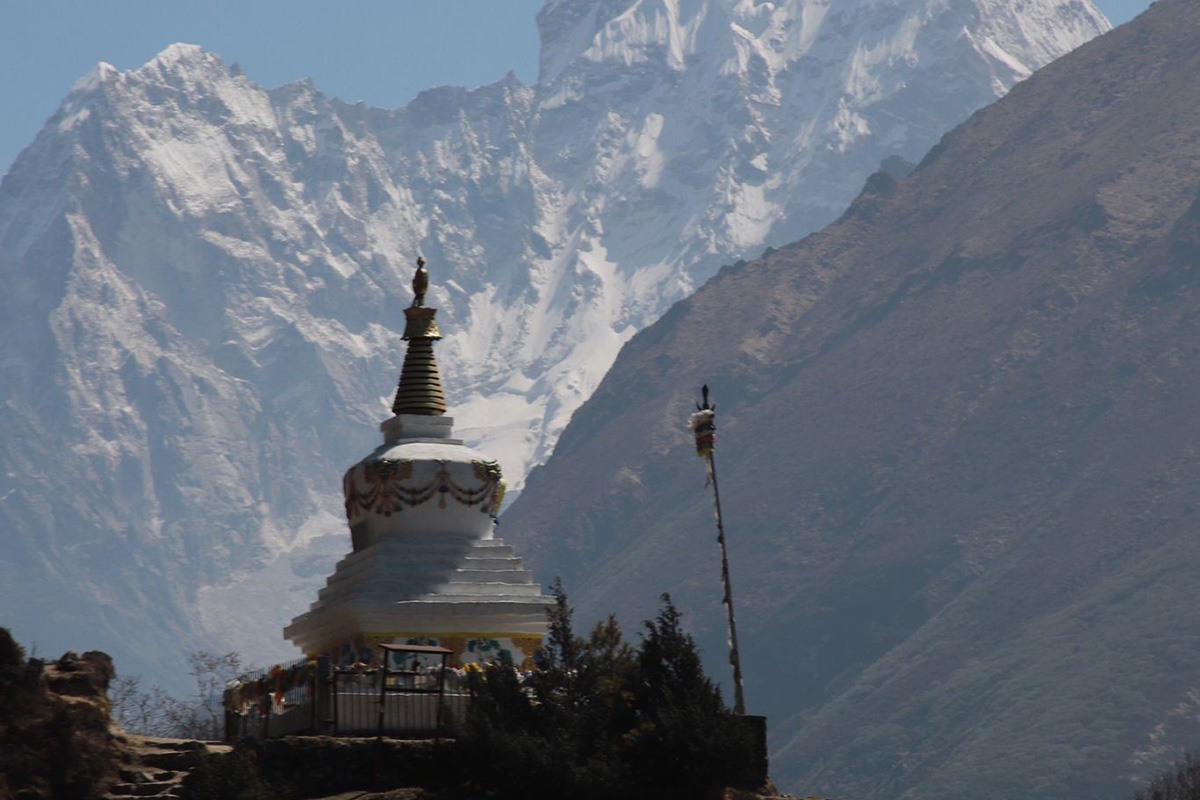
The trek continues to Tengboche Monastery, where you attend a traditional puja ceremony for blessings and a safe journey ahead. From there, the trail passes through Upper Pangboche, home to one of the oldest monasteries and spiritual centers in the region.
After reaching Dingboche (4,260m), a rest day includes a short hike to Nagarjun Hill to help with acclimatization. The trail then becomes more rugged as you move through Lobuche to Gorakshep. From Gorakshep, you hike to Kala Patthar to catch a stunning sunset view of Everest, one of the most memorable moments of the trek.
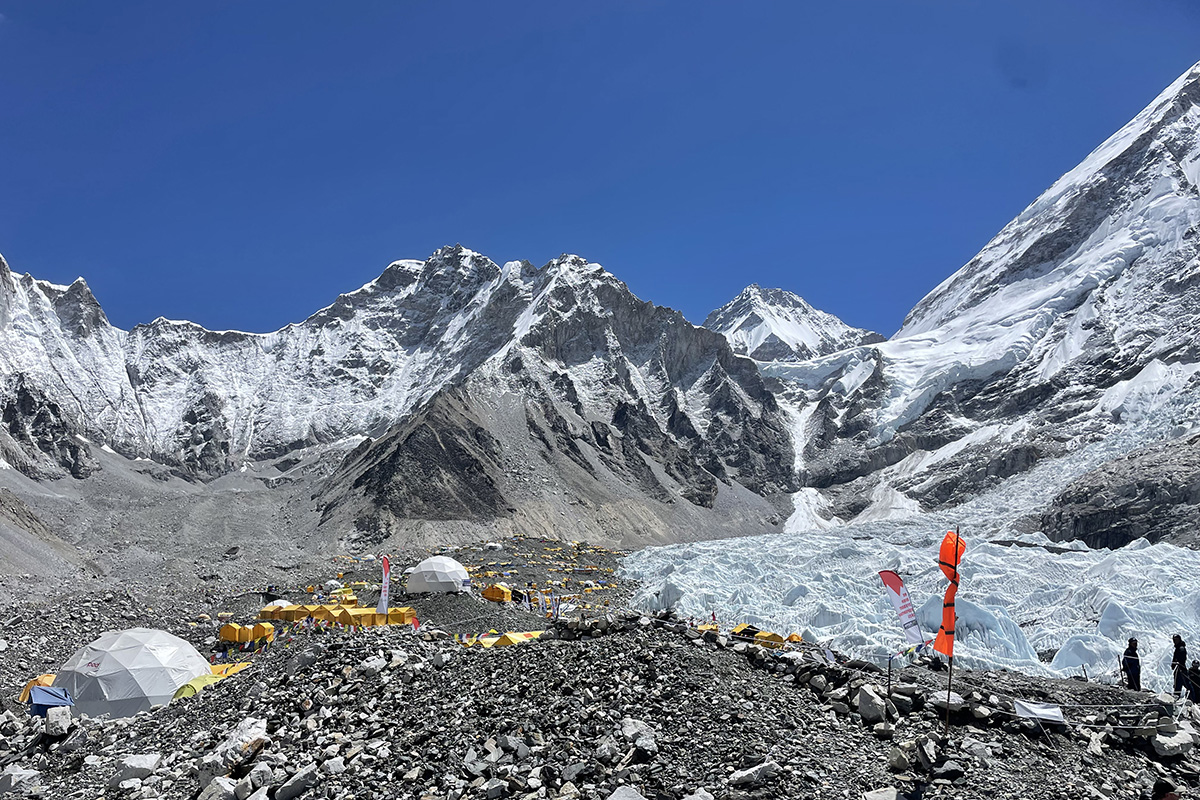
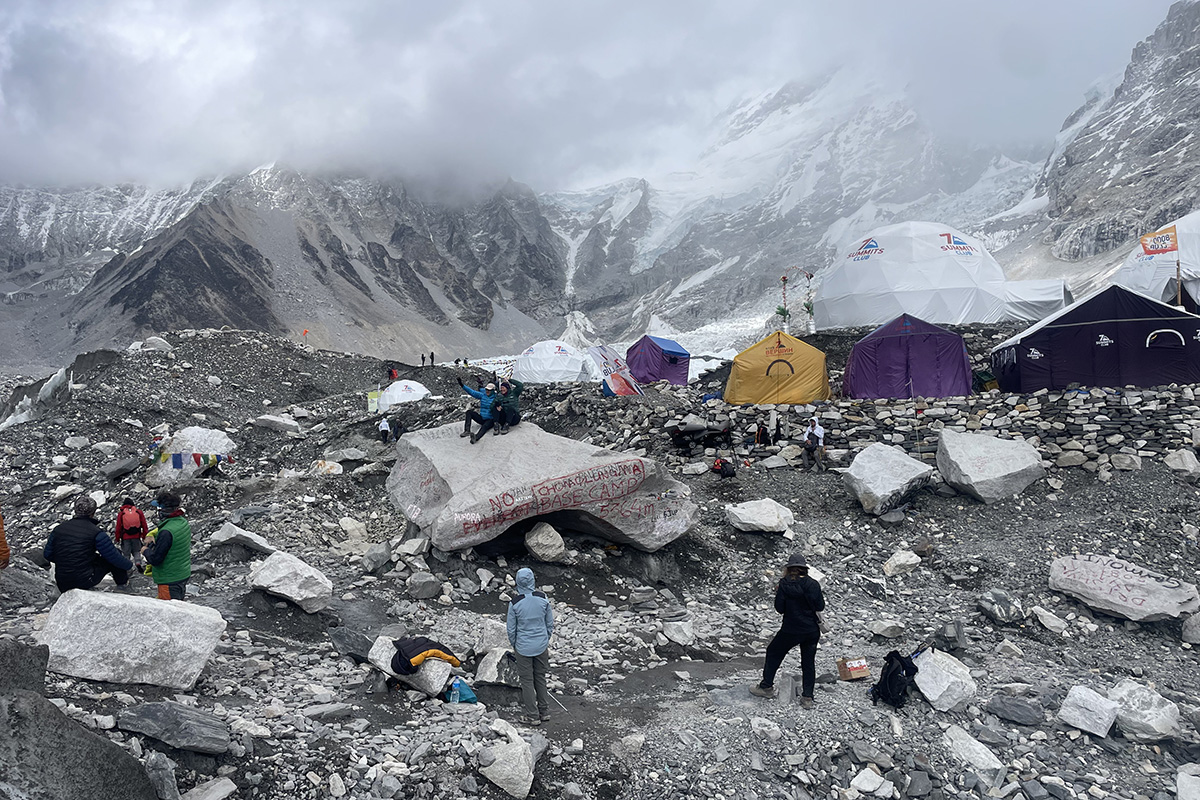
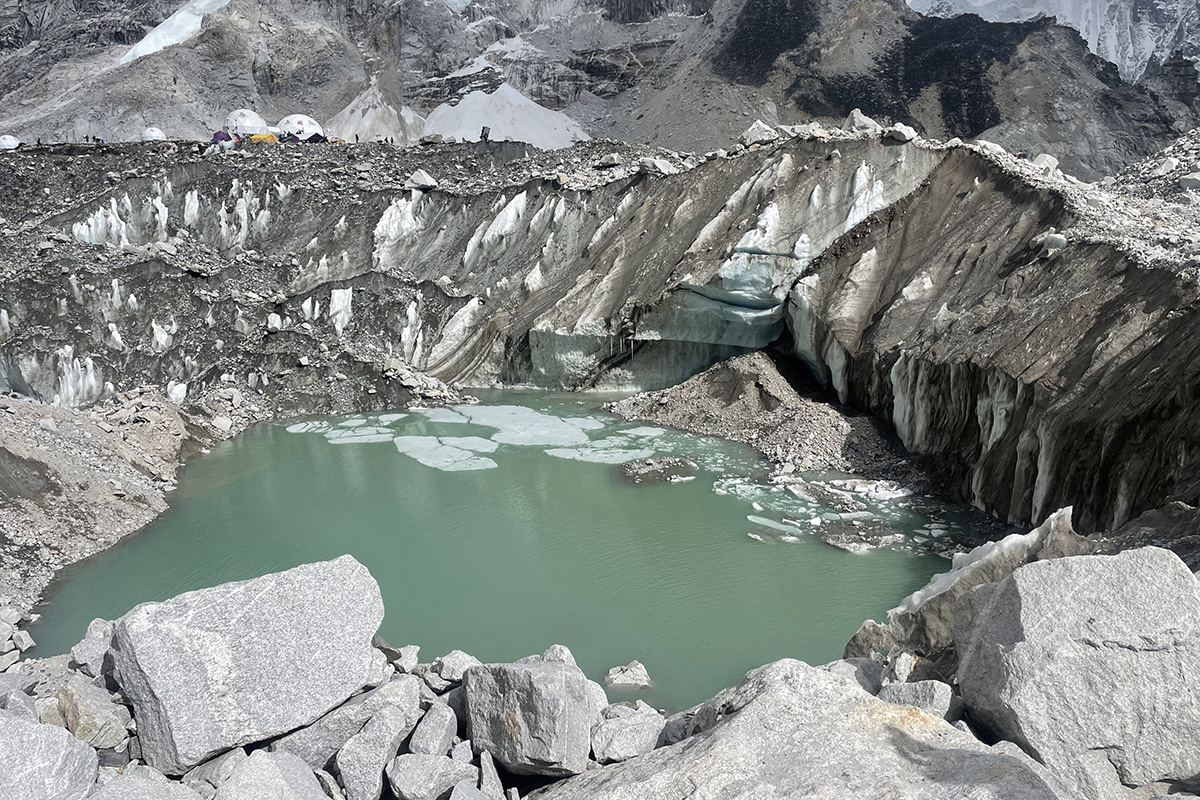
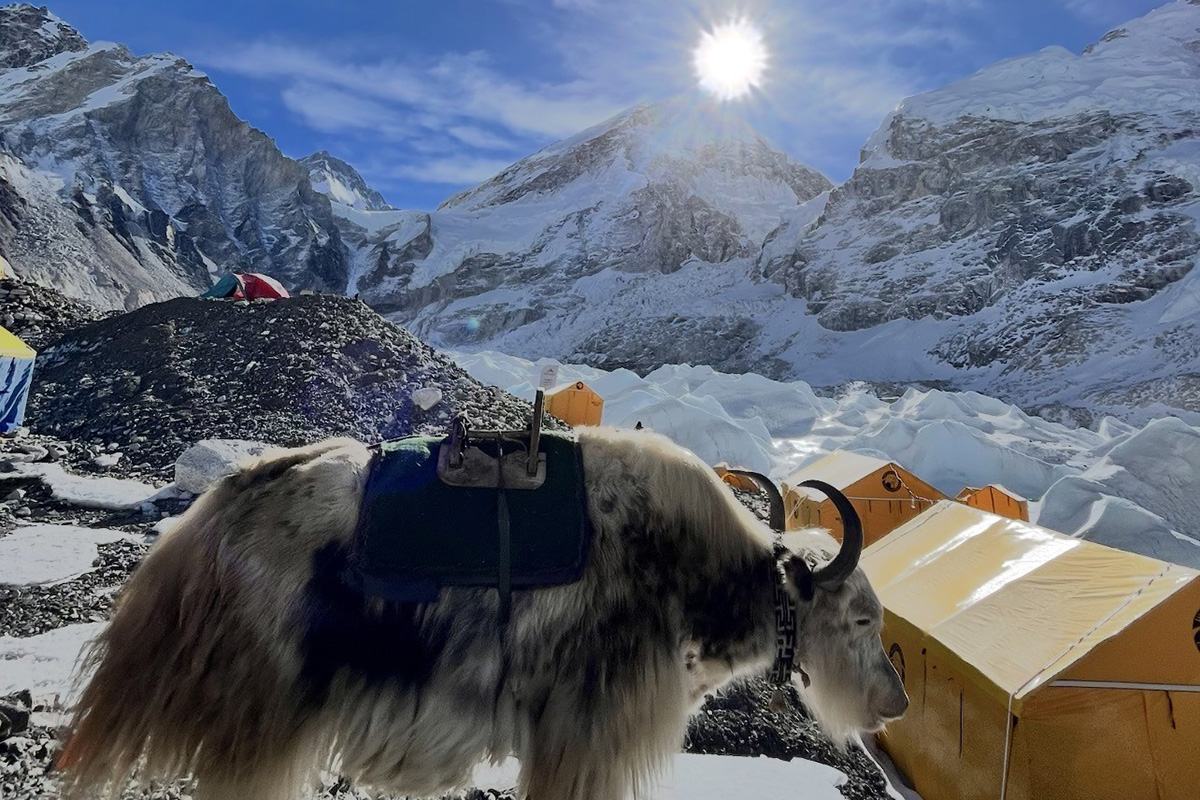
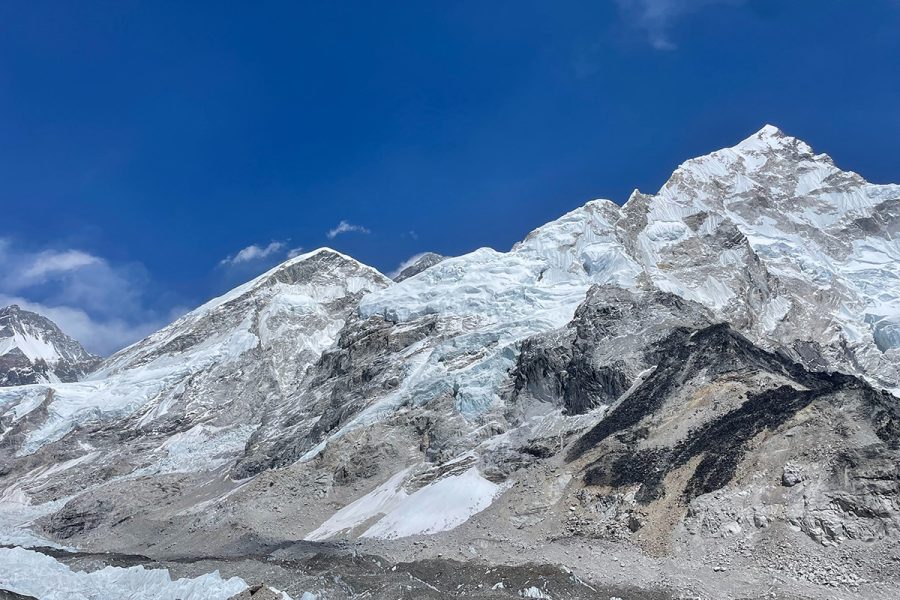
The next morning, you trek to Everest Base Camp (5,364m), walking over glacial terrain and witnessing the iconic landscape of the Khumbu Glacier before beginning your descent.
The Everest Base Camp trek attracts around 30,000 to 40,000 trekkers every year, making it one of the busiest trekking routes in the Himalayas. One unique feature is that the base camp sits on the Khumbu Glacier, which is constantly moving. Because of this, the exact location of the camp can shift over time.
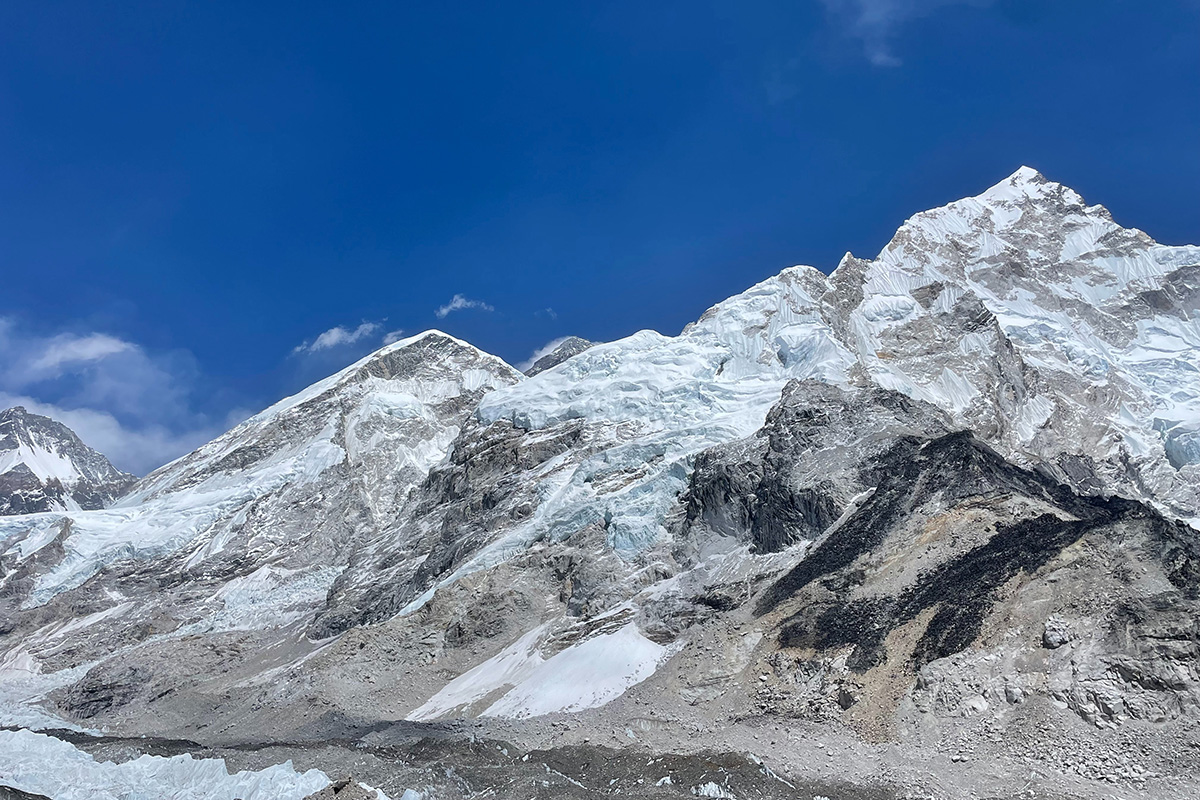
Despite being at the base of Mount Everest, the summit is not clearly visible from base camp. Trekkers instead hike to Kala Patthar for the best views.
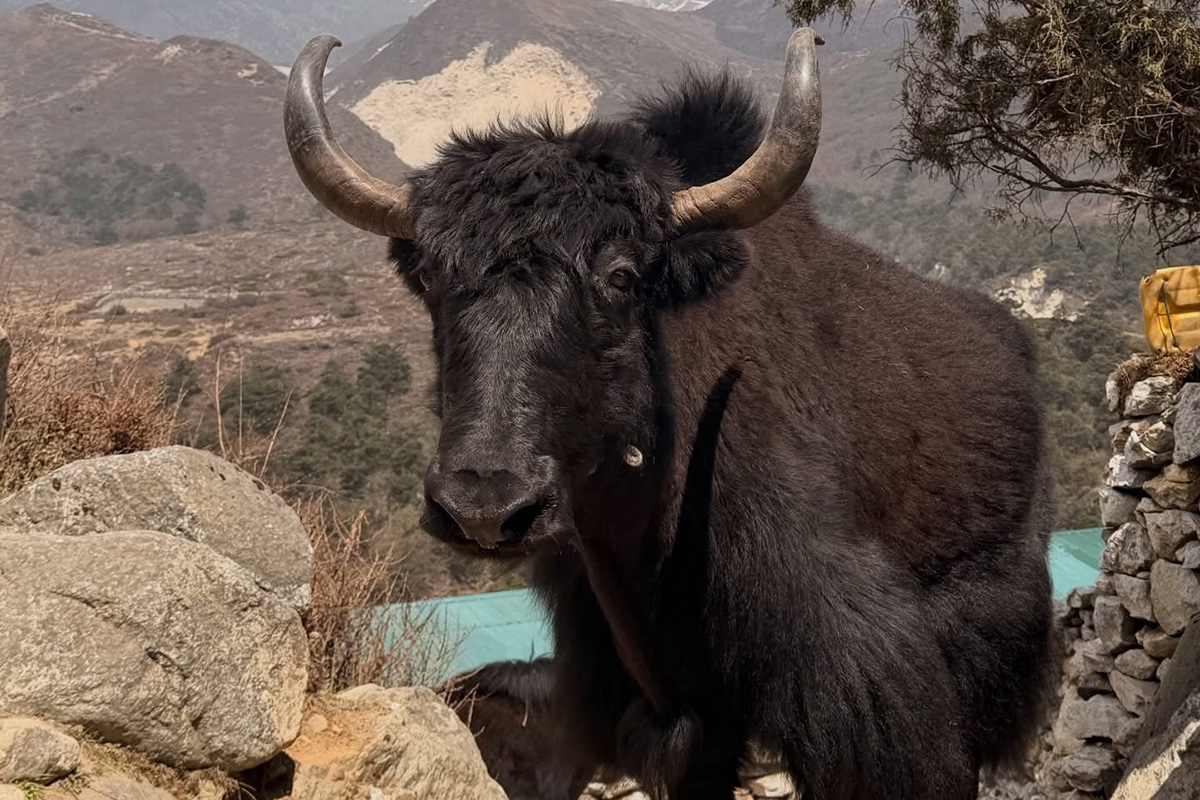
There are no roads leading to the Everest region. Trekkers fly into Lukla Airport, and all supplies are carried by porters and yaks. The route has been used since the 1950s by the First Everest expeditions and remains the main access point for climbers.
Although the trek reaches high altitude, it does not require technical climbing skills. However, proper acclimatization is essential to safely complete the journey.

Airport pickup, hotel transfer, welcome dinner, and full trek briefing.
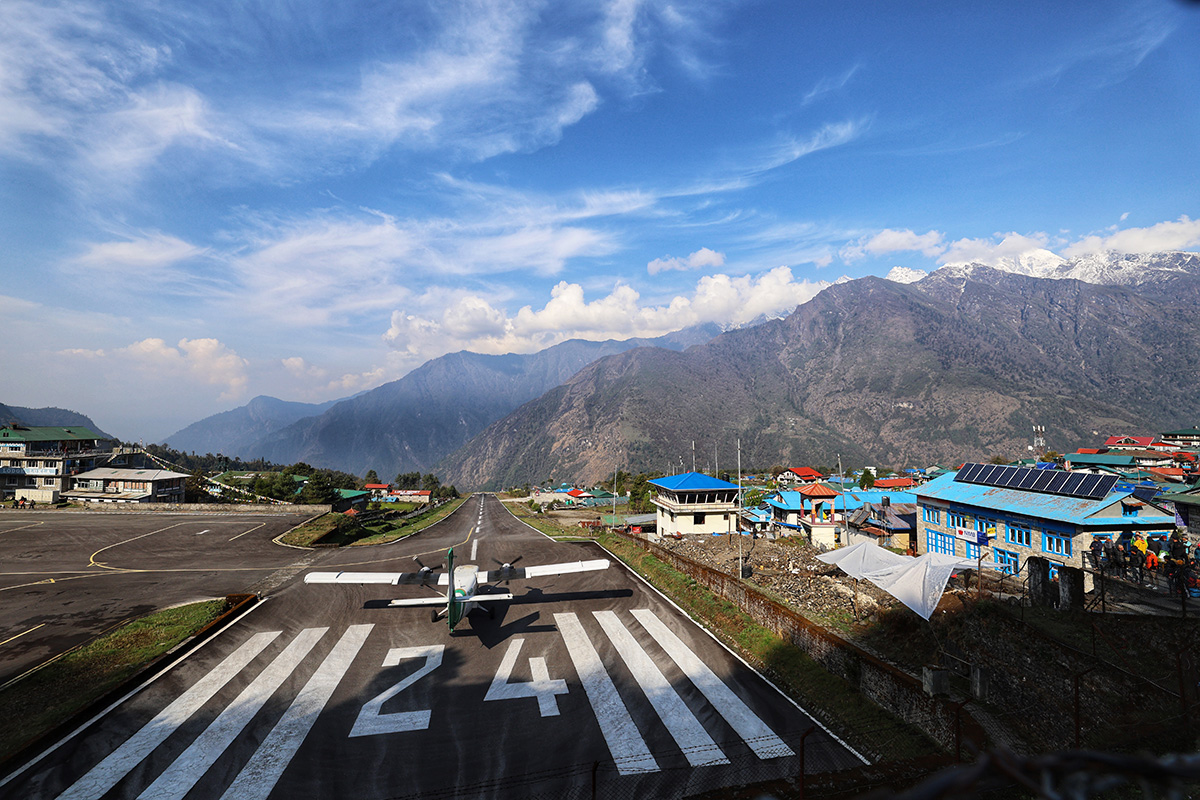
Begin the journey with an early flight to Lukla, followed by a comfortable trek to Phakding through traditional Sherpa settlements and alongside the Dudh Koshi River.
Today’s trail continues through suspension bridges, pine forests, and river crossings before reaching Namche Bazaar, the main trading and cultural hub of the Khumbu region.
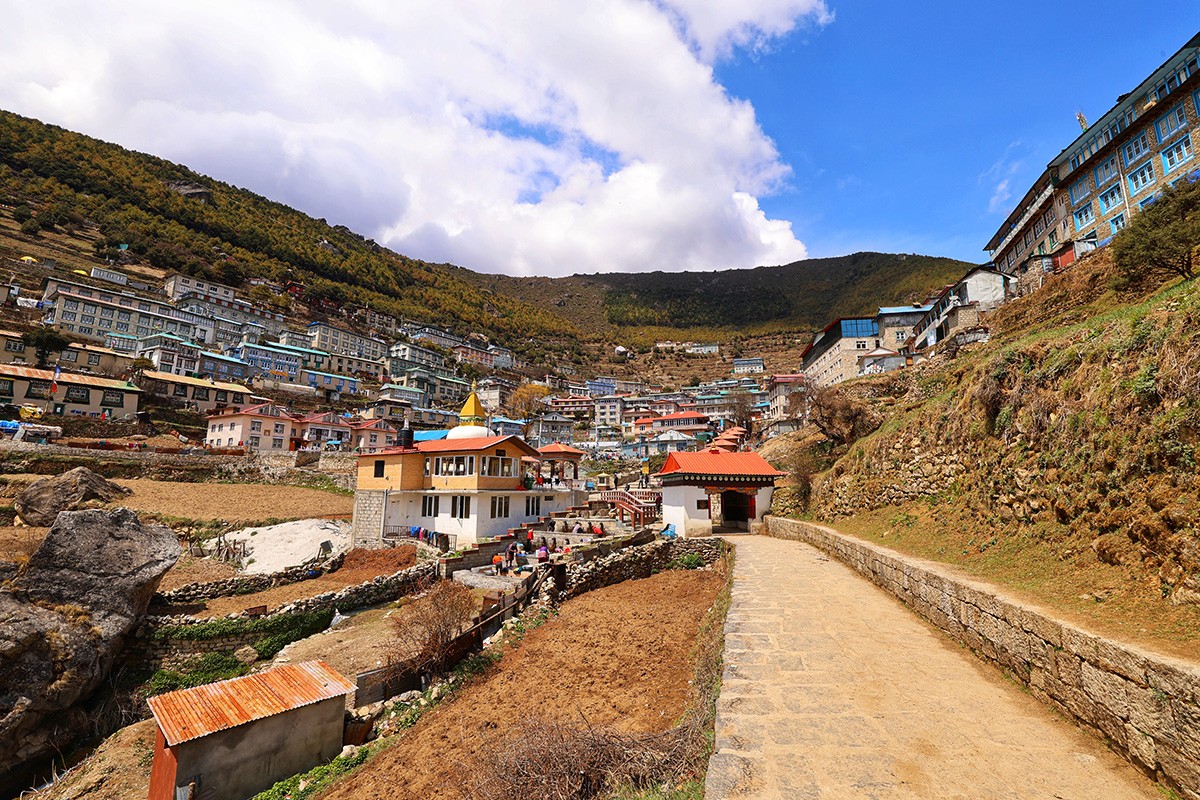
This day is carefully planned for proper acclimatization.
The trail from Namche begins with a comfortable and gentle section before gradually ascending toward Tengboche. The final stretch includes a steeper uphill climb to Tengboche Hill.
A shorter trekking day with beautiful Himalayan scenery and strong cultural significance.
Continue deeper into the high Himalayan landscape.
This day is dedicated to altitude adjustment.
The trail now enters more rugged alpine terrain.
One of the most important days of the trek.
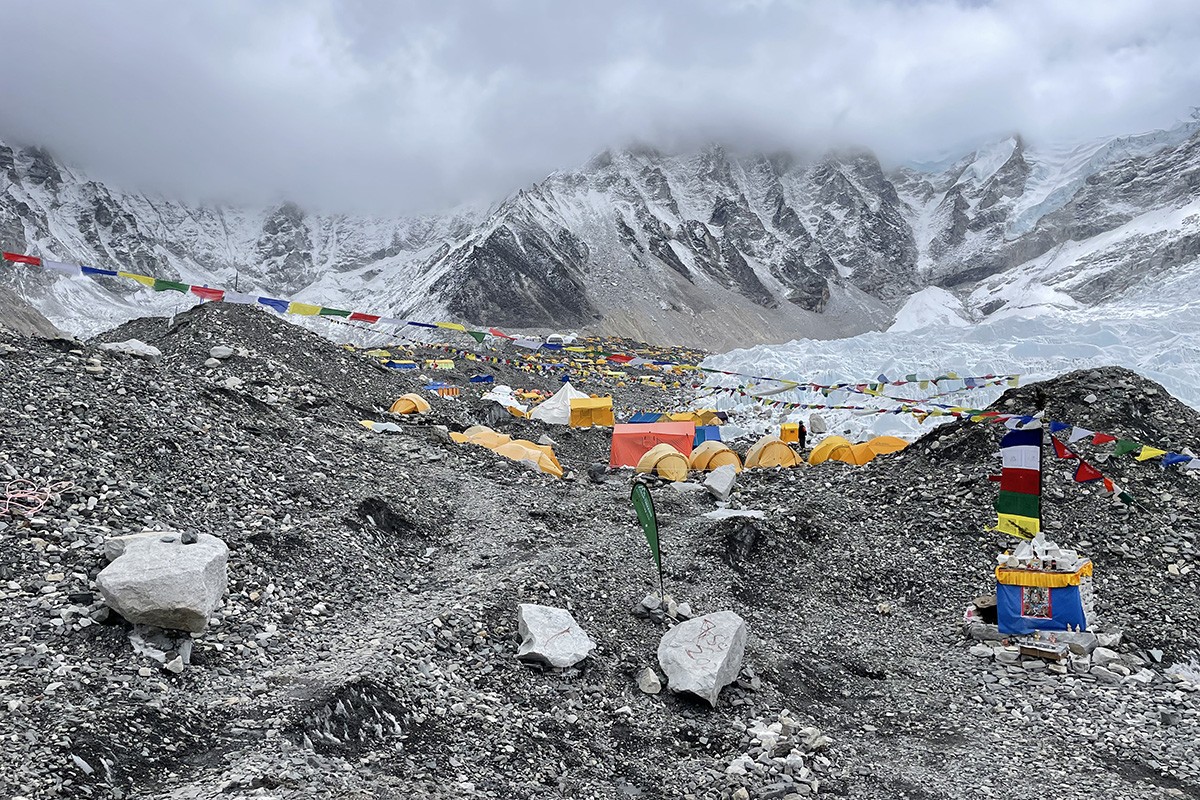
Today is the main highlight of the journey.
The day begins with a morning briefing by our professional trekking guide, covering the trail route, walking duration, altitude change, weather conditions, and important safety considerations for the day. A morning health check including oxygen saturation, pulse rate, temperature, and overall physical condition assessment will be conducted before breakfast.
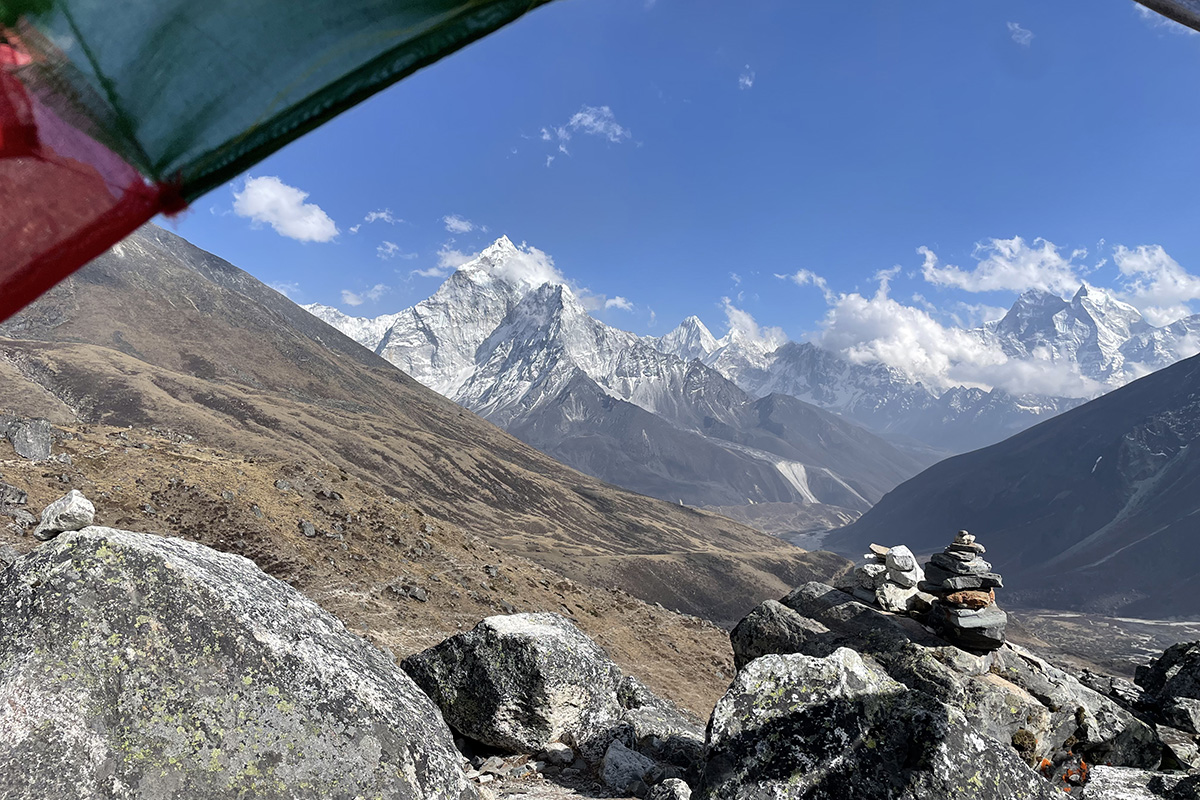
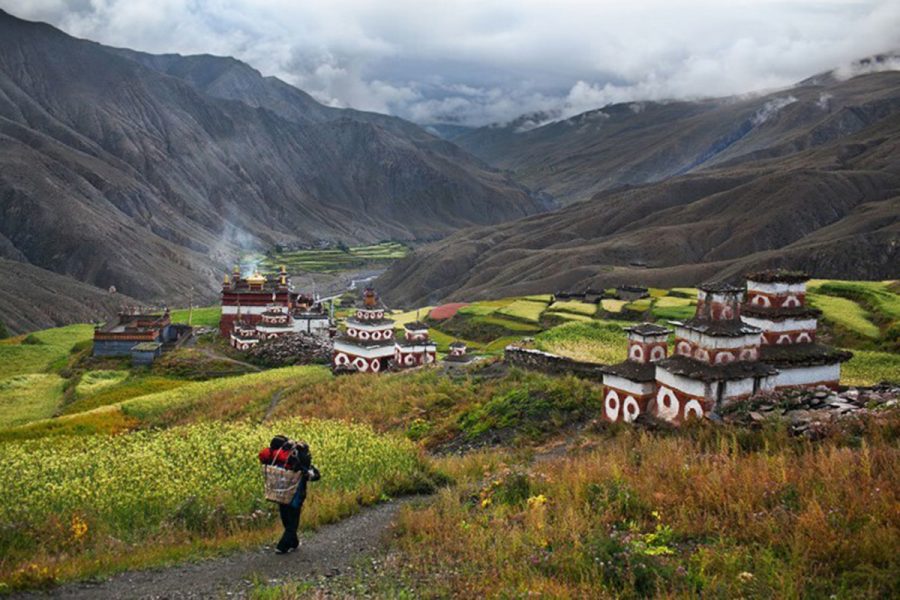
After breakfast, begin the descent from Pheriche through open alpine landscapes and traditional Sherpa settlements. The trail offers excellent views of Ama Dablam, Thamserku, and surrounding Himalayan peaks as you gradually descend toward Deboche or Tengboche.
The route passes through Pangboche and continues through forested sections before reaching the overnight stop.
Duration: 5–6 hours
Altitude: Approx. 3,820m (Deboche) / 3,860m (Tengboche)
Meals: Breakfast, lunch, and dinner included with unlimited food options, tea, and coffee throughout the day
The morning starts with the daily guide briefing and health monitoring session, ensuring every trekker is physically ready for the day’s descent.
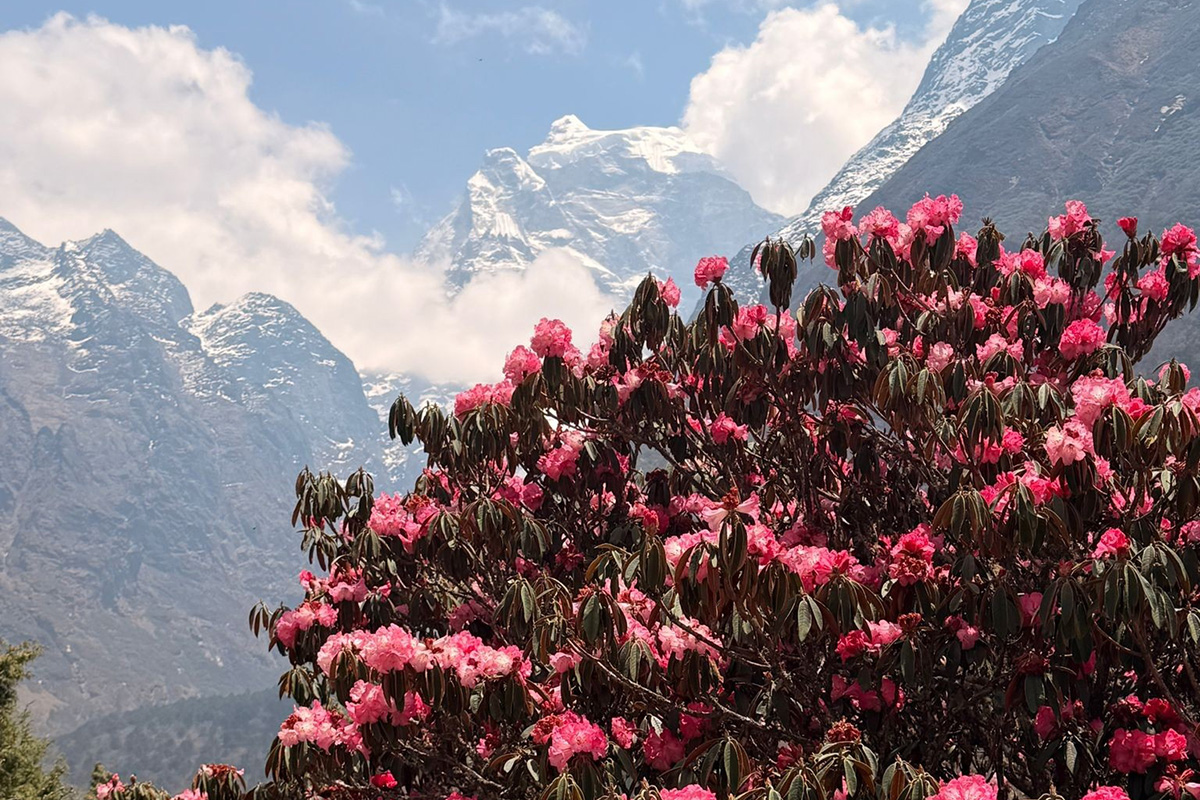
Today’s route continues through Phungi Tanga and gradually climbs back toward Namche Bazaar. The trail passes through rhododendron forest, suspension bridges, and scenic river sections.
Upon arrival, you will have time to relax, freshen up, and explore Namche Bazaar.
Duration: 5–6 hours
Altitude: 3,440m
Meals: Breakfast, lunch, and dinner included with unlimited food choices and unlimited tea and coffee
Begin the day with a morning safety briefing and complete pulse check, including oxygen level, heartbeat, and overall wellness review before breakfast.
This is the final trekking day of the journey. The trail follows the Dudh Koshi River through Monjo, Jorsalle, and Phakding before the final gradual ascent to Lukla.
This day often feels especially rewarding as the team reflects on the successful completion of the Everest Base Camp Trek.
A small team gathering and farewell dinner can be arranged in the evening.
Duration: 6–7 hours
Altitude: 2,860m
Meals: Breakfast, lunch, and dinner included with unlimited meal options, tea, and coffee
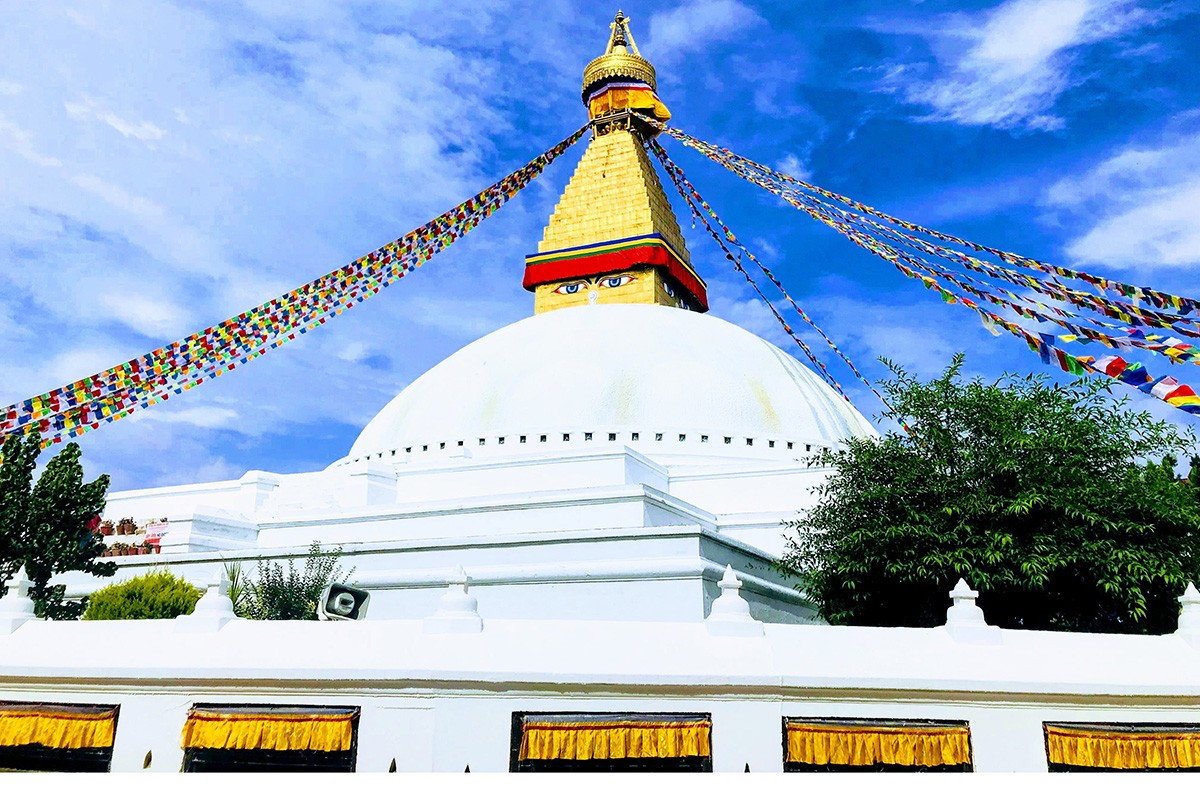
The final day begins with a morning health check and trip completion briefing before heading to Lukla Airport.
Take an early morning flight back to Kathmandu. Upon arrival, our team will transfer you to a 5 Star hotel.
The rest of the day can be used for rest, shopping, or optional sightseeing in Kathmandu.
Flight Duration: 30–35 minutes
Meals: Breakfast included with multiple food options before departure
Accommodation: Hotel in Kathmandu
The standard Everest Base Camp Trek takes 12 to 14 days, but this package is designed as a 15-day itinerary to allow better acclimatization, safety checks, and a more comfortable trekking experience.
The trek is considered moderate to challenging, mainly because of the high altitude. No technical climbing is required, but good physical fitness and proper acclimatization are essential.
The highest point of the journey is Kala Patthar (5,545m), which offers one of the best close-up views of Mount Everest, especially during sunrise and sunset.
Yes, altitude sickness can occur during the Everest Base Camp Trek. This itinerary includes rest days, acclimatization hikes, and daily health checks to reduce the risk.
The package includes Lukla flights, permits, guide support, accommodation, meals, health monitoring, a welcome dinner, and Kathmandu sightseeing.

Member Since 2026
Leave a review