
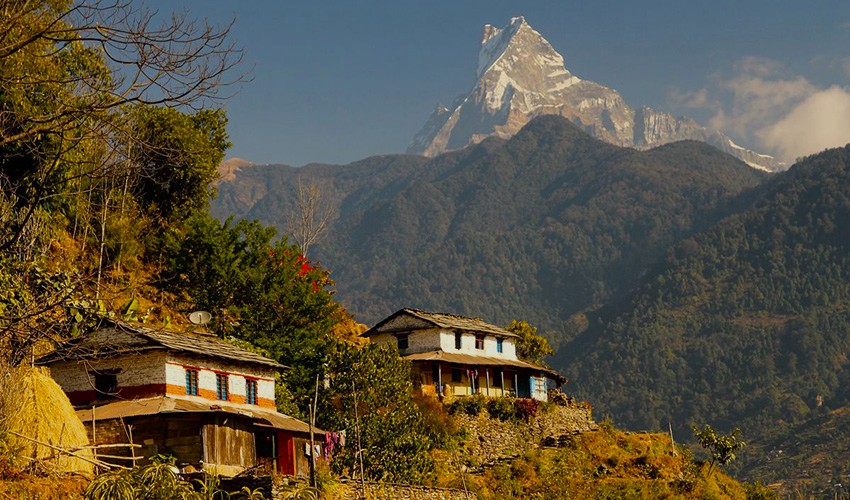

India and Nepal share a bond unlike any other two nations in the world. An open border, shared cultural roots, and an intertwined history of traditions connect both countries closely. For the devout, Nepal is a heavenly abode where sacred pilgrimages become lifelong dreams. For younger travelers, it offers Himalayan vistas and untouched nature within easy reach. When summer heat scorches Indian cities, Nepal’s cool mountain breezes provide a week-long escape to relax and recharge.
This guide covers everything an Indian traveler needs to plan that trip, from entry requirements to currency, food, transport, and a full breakdown of where to go.
How to Reach Nepal from India by Flight or Road
Indian tourists can enter Nepal through both flights and road transportation. Delhi to Kathmandu is the busiest India-Nepal air route, with weekly departures running well into the dozens depending on the season, operated primarily by IndiGo, Air India, and Nepal Airlines. Among these, IndiGo and Nepal Airlines tend to offer the more budget-friendly fares.
Beyond Delhi, Kathmandu’s Tribhuvan International Airport connects directly to several other major Indian cities, including Mumbai, Kolkata, and Bengaluru, primarily served by Air India, IndiGo, and Nepal Airlines.
Indian travelers can also enter Nepal via six major land border crossings. The most commonly used checkpoints for tourists are Sunauli in Uttar Pradesh, Raxaul in Bihar, and Kakarvitta in West Bengal.
Do Indians Need a Visa for Nepal in 2026
Indian citizens do not require a visa or any entry permit to enter Nepal, under the terms of the 1950 Indo-Nepal Treaty of Peace and Friendship. Travelers only need an original Passport or Voter ID card for identification. One detail worth flagging clearly: Aadhaar cards are not accepted as valid travel documents for entry into Nepal, except for children under 15 and adults over 65. Carrying a passport remains the safest option, particularly for air travel.
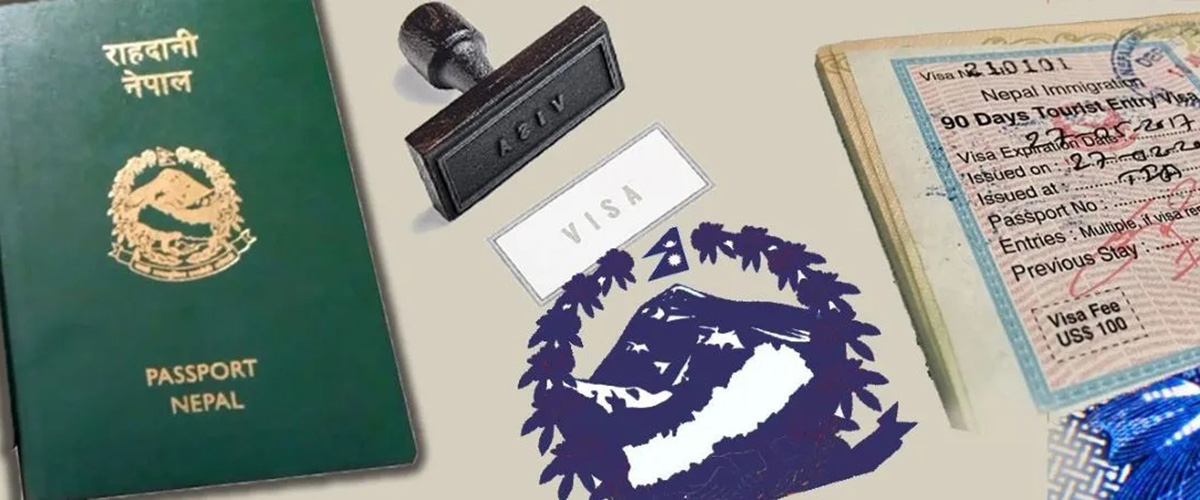
Vehicles crossing by road require a separate digital permit. As of May 2026, Nepal’s Department of Customs launched a fully online Temporary Import of Vehicle (TIV) system, replacing the older paper-based Bhansar process. Travelers can now enter vehicle details and pay the required fee through the Nepal Customs portal in advance, then present the QR code generated by email at the border checkpoint for entry.
Best Nepal Itinerary for Indian Travelers, 7 to 10 Days
Nepal is home to eight of the world’s 14 highest peaks, the eight-thousanders, along with a sacred sanctuary considered the earthly home of Lord Shiva. Thousands of Indian pilgrims travel here annually to seek blessings at revered sites, while adventure tourists come for world-class trekking, mountaineering, and outdoor sports.
For a classic 7 to 10 day route, the journey begins in Kathmandu. Over two days, travelers can cover Pashupatinath, the reclining Vishnu statue at Budhanilkantha, Swayambhunath, and Patan Durbar Square. From there, a 5-day mountain circuit leads toward Muktinath Temple, with a stop along the way at Manakamana Temple, a Shakti Peeth reached by cable car.
Also Read: Dhulikhel: Places to Visit Near Kathmandu
This route naturally continues to Pokhara, the region’s main hub for relaxation and adventure sports including paragliding, bungee jumping, and canyoning, with an optional detour to the hilltop town of Bandipur. Travelers with extra time can extend the loop into Upper Mustang to explore its restricted-region culture and centuries-old Tibetan heritage. Together, this route covers Himalayan scenery, spiritual pilgrimage, and outdoor adventure in a single trip.
Nepal Currency Guide for Indian Tourists
Indian currency is widely used in Nepal, though not accepted everywhere. It’s recommended to exchange money into Nepalese Rupees right at the border rather than waiting until reaching a city, since border rates tend to be better. Indian debit cards, especially from major banks like SBI, also work for ATM withdrawals across the country.
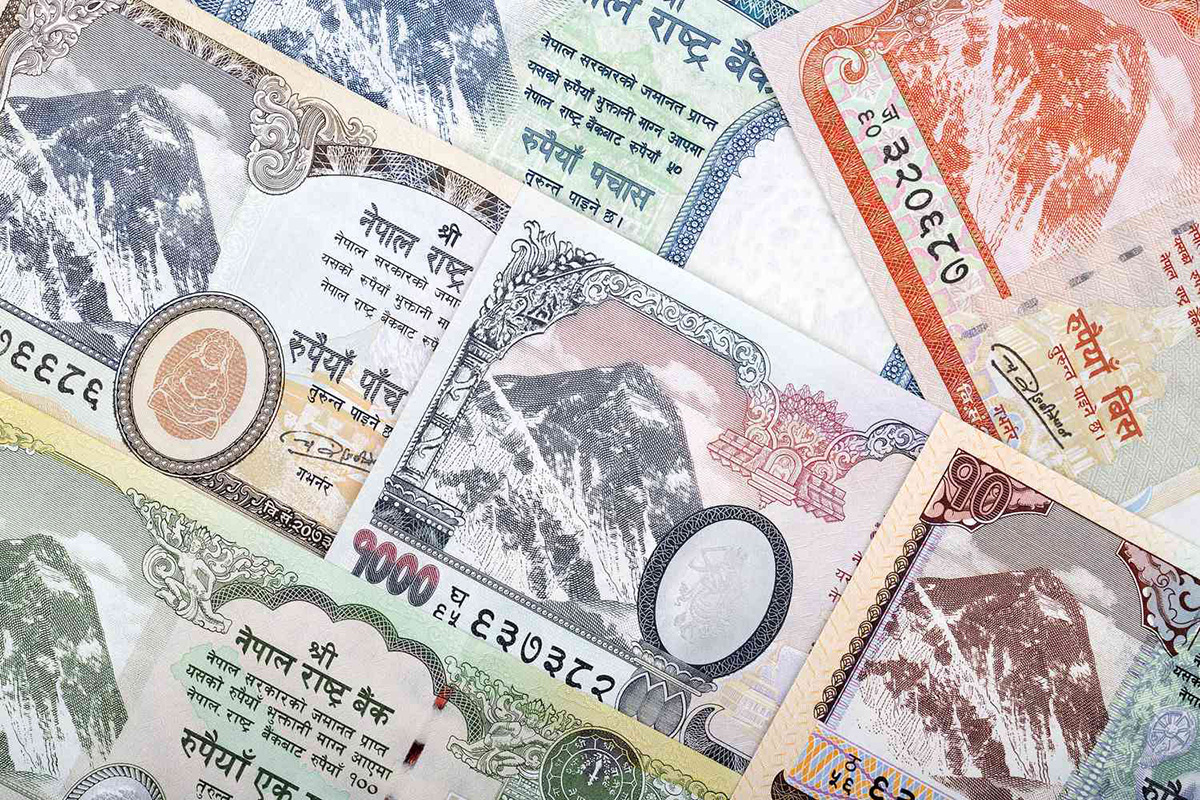
For digital payments, Indian UPI apps including PhonePe, Google Pay, Paytm, and BHIM can scan and pay via Nepalese QR codes. This works specifically through merchant QR codes on the Fonepay network, Nepal’s largest payment gateway, made possible through a direct integration between India’s UPI system and Fonepay. It’s worth noting this currently works one direction only, Indian travelers paying Nepali merchants, not the reverse.
What to Eat in Nepal, a Food Guide for Indian Travelers
Nepali and Indian cuisines share considerable overlap, with both built around the traditional Thali set known as Dal-Bhat-Tarkari. Nepal brings its own aromatic spices and flavor profile to the table, and staples like roti and paratha are available in nearly every hotel and restaurant across the country.
A Thakali Thali is worth trying for any Indian traveler, since it’s Nepal’s most recognized style of Thali, built around an authentic Dal-Bhat experience served with locally made achar (pickles). Dal-Bhat is commonly served with locally available meats such as chicken, goat, pork, or buffalo, with additional meat options available depending on the region.
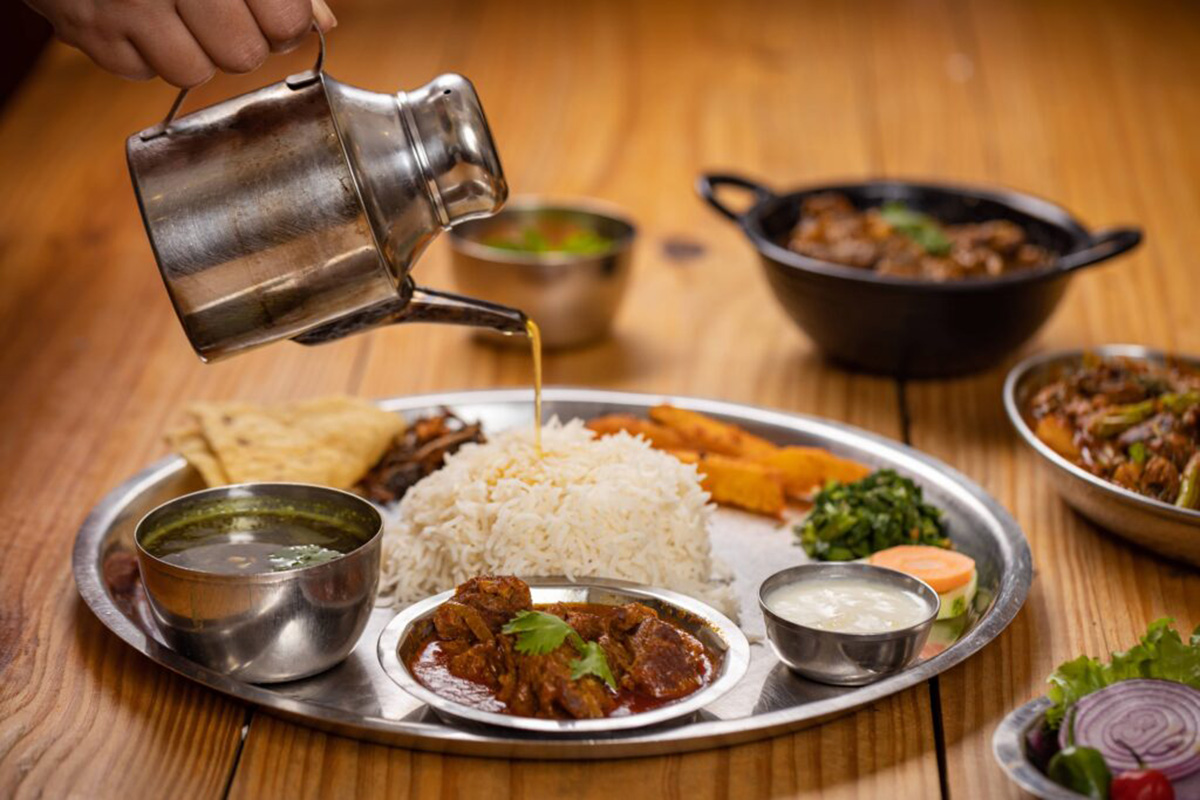
Vegetarian travelers will find the food scene easy to navigate, with dedicated vegetarian restaurants common in Kathmandu and Pokhara, and standard restaurants everywhere carrying clearly marked vegetarian options. Dining out is affordable: a full day of three-course meals runs around NPR 1,200 to 1,400 (roughly INR 750 to 875), while a cup of milk tea costs NPR 50 to 75.
Nepal Transportation Guide, Bus Fares and Vehicle Hire Costs
Getting around Nepal is straightforward and affordable. Bus fares from Kathmandu to Pokhara run NPR 1,000 to 1,400 per person, depending on the service standard, and Pokhara is also reachable by a short flight from Kathmandu.
For groups of 5 to 7 people heading to Muktinath, Mustang, or Pokhara, hiring a Mahindra Scorpio is a popular option, typically costing NPR 13,500 to 15,000 per day. This gives the flexibility to stop at places like Manakamana and Bandipur on the way to Pokhara, or at several points along the road to Muktinath, something fixed-route buses don’t allow.
Do You Need a Guide in Nepal
Indian travelers generally find Nepal easy to navigate, almost like visiting a second home, since most Nepalese people understand and speak Hindi. For classic leisure routes covering Kathmandu, Pokhara, Chitwan, Lumbini, and Muktinath, a professional guide isn’t required.
That changes for the Himalayan trekking regions or remote areas far from the capital. For any high-altitude trekking, Nepal’s official regulations require hiring a licensed guide through a registered travel agency, arranged easily on arrival in Thamel (Kathmandu) or Pokhara.
Language Barrier in Nepal for Indian Tourists
Language is rarely an issue for Indian tourists in Nepal, since most Nepalese people understand and speak Hindi well enough for comfortable everyday communication. Indian travelers will also find they can follow a fair amount of spoken Nepali, since both Hindi and Nepali share the Devanagari script and the same Varnamala alphabet system, along with a large shared vocabulary that mostly differs only in pronunciation.
Navigating Nepal linguistically feels similar to traveling through Indian hill stations like Darjeeling or Uttarakhand.
Nepal Culture and Religion Guide for Indian Travelers
Nepal is a deeply spiritual nation, with 81.2 percent of the population following Hinduism, 8.2 percent Buddhism, and roughly 3.4 percent following the indigenous Kirat and Bon faiths combined, according to the 2021 national census. Altogether, more than 92 percent of the population shares Sanatani and broader dharmic roots. Nepal’s cultural fabric overlaps closely with Indian traditions, and both countries celebrate many of the same major festivals, including Maghe Sankranti, Holi, Krishna Janmashtami, Ram Navami, Dashain (Vijayadashami), and Deepawali.
Related Articles: People of Nepal: Bahun
Despite its compact geography, Nepal is home to 142 distinct ethnic groups, each with its own customs and dialects, per the 2021 census. These groups remain bound by a shared national language, Nepali, and a common hospitality culture built on the philosophy of Atithi Devo Bhava, meaning the guest is God.
Best Places to Visit in Kathmandu Valley
Kathmandu Valley holds seven UNESCO World Heritage Sites, including ancient temples, royal palaces, and sacred Buddhist stupas, all within a compact area.
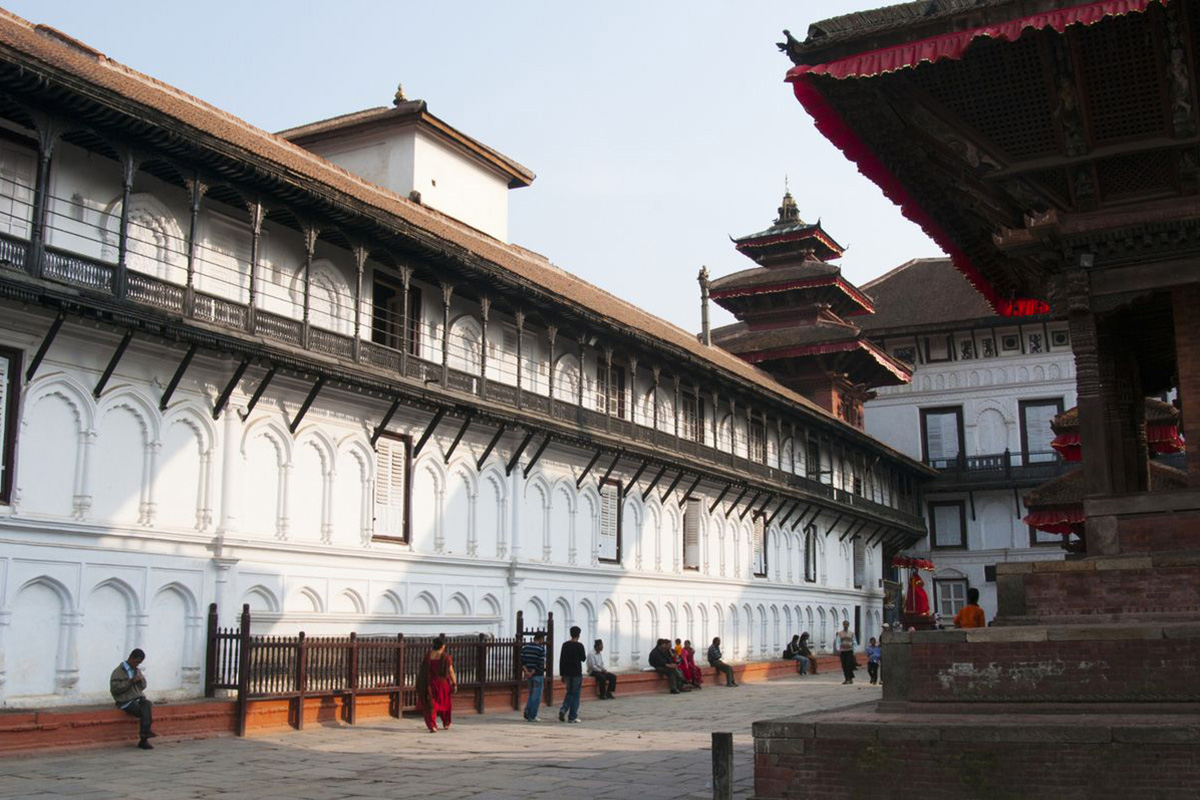
1. Hanuman Dhoka Durbar Square
The historic and spiritual heart of Kathmandu, this royal palace complex showcases pagoda temples, courtyards, and museums from the Malla and Shah dynasties. Visitors can see the residence of the Living Goddess Kumari and the stone statue of Kal Bhairav, one of the largest in Nepal.
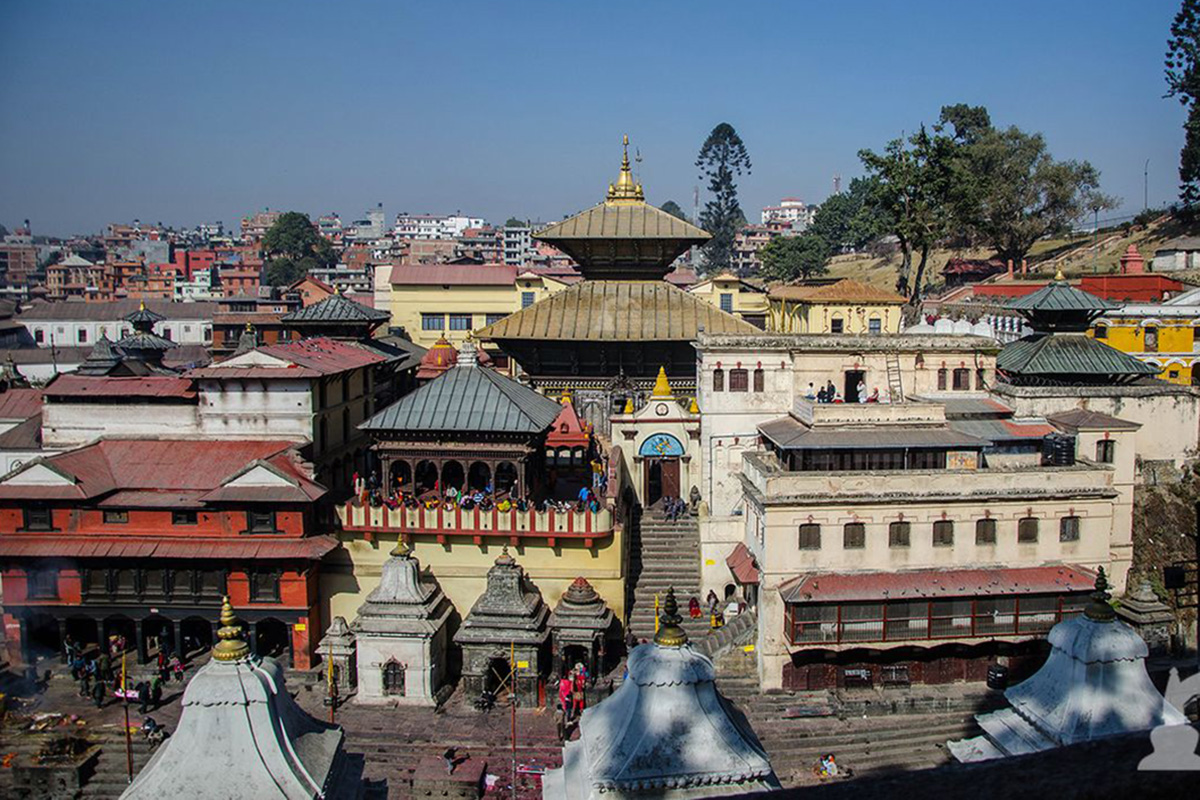
2. Pashupatinath Temple
Nepal’s holiest Hindu temple, dedicated to Lord Shiva on the banks of the Bagmati River. Pilgrims, sadhus, and priests gather daily for worship, and visitors can observe traditional Hindu cremation ceremonies at the river ghats. The main shrine is restricted to Hindus.
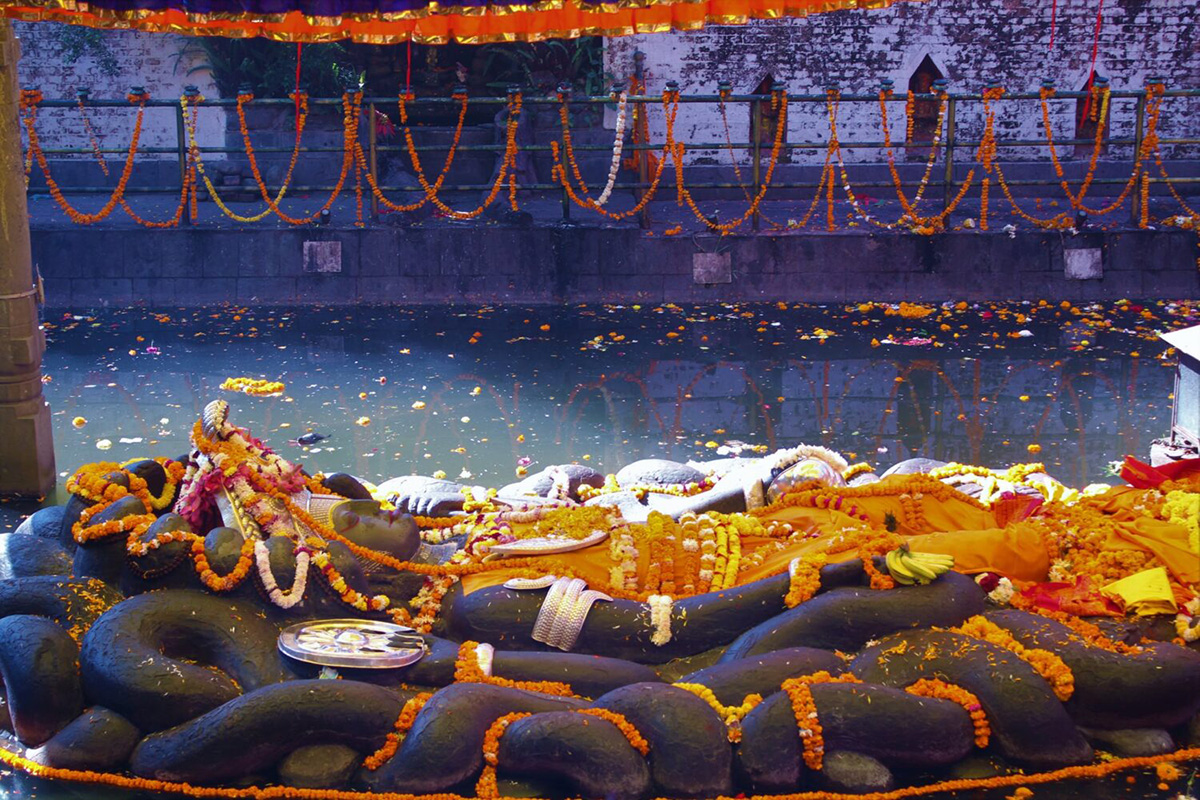
3. Budhanilkantha Temple
Home to a large reclining statue of Lord Vishnu carved from a single block of black stone, floating on a sacred pond and dating back to the Licchavi period. The temple is believed to protect the Kathmandu Valley.
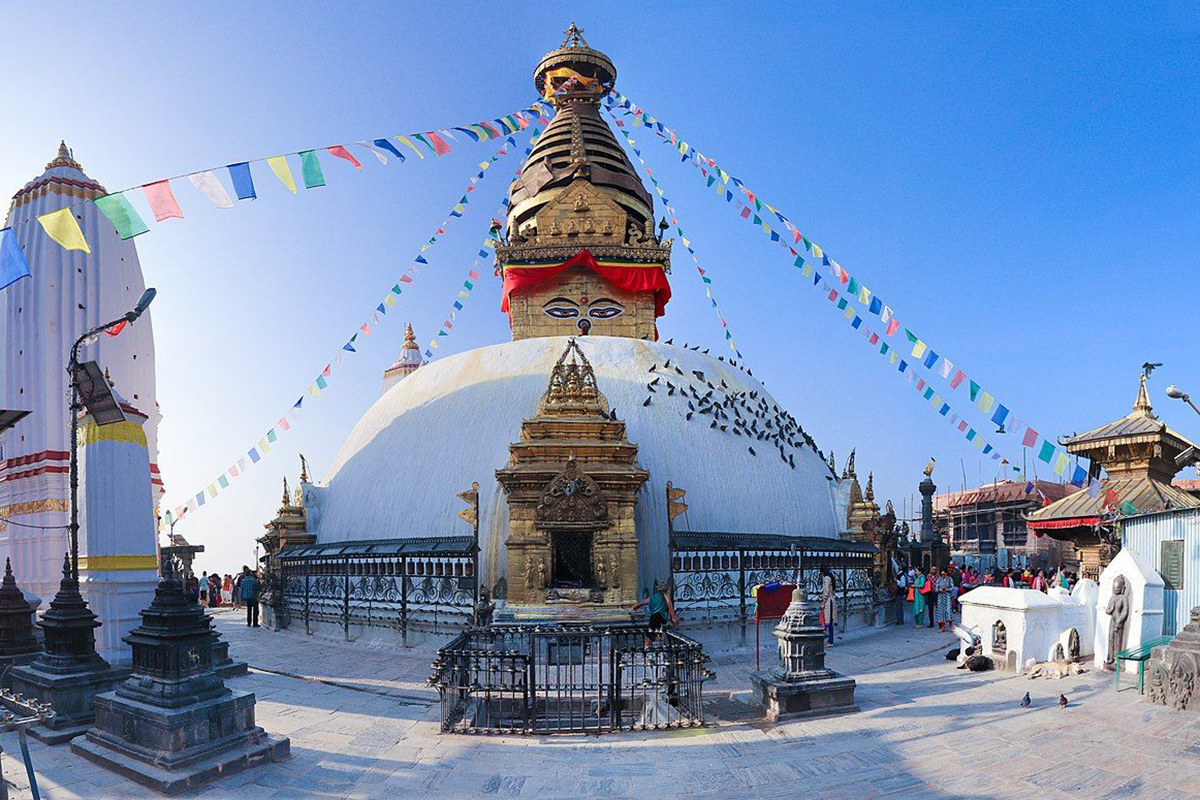
4. Swayambhunath Stupa
Also known as the Monkey Temple, one of Nepal’s oldest Buddhist sites, perched on a hill overlooking Kathmandu Valley. The stupa reflects a long history of harmony between Buddhism and Hinduism.
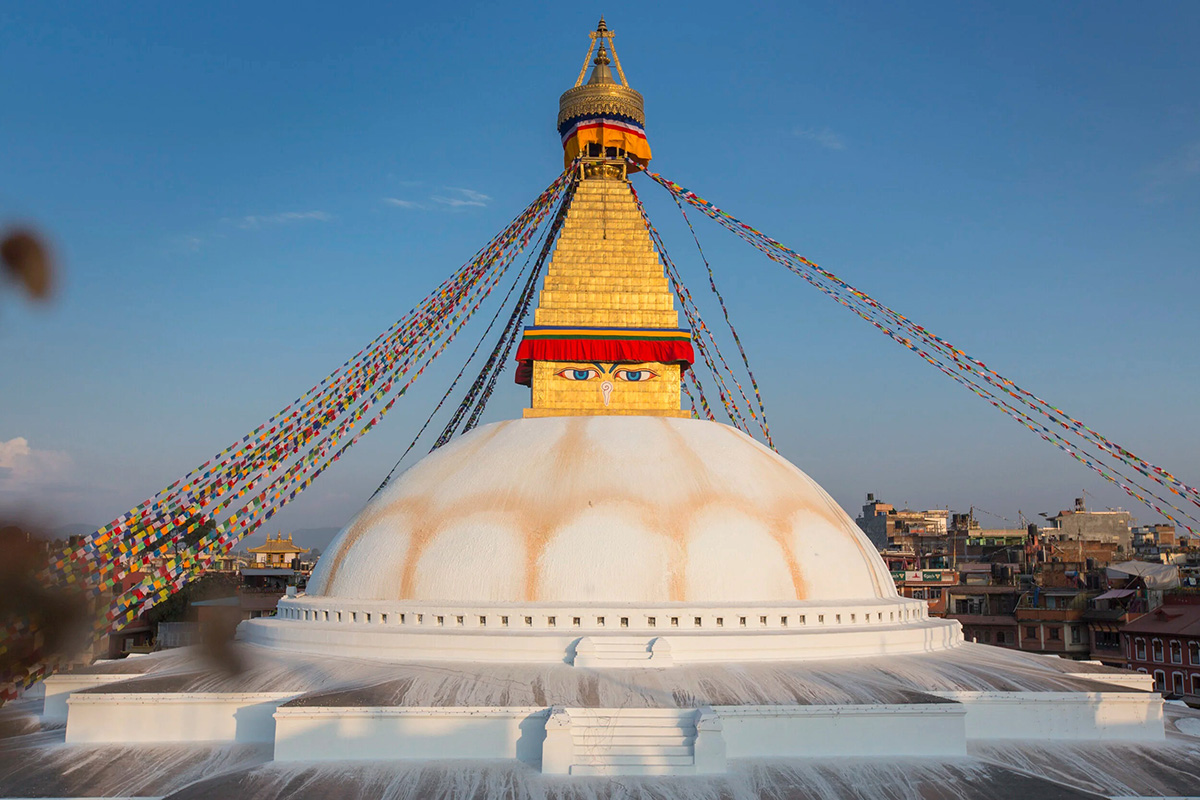
5. Boudhanath Stupa
One of the largest spherical stupas in the world and the center of Tibetan Buddhism in Nepal. Monasteries, prayer wheels, and cafes surround the white dome, and evening prayers fill the area with chanting and butter lamp offerings.
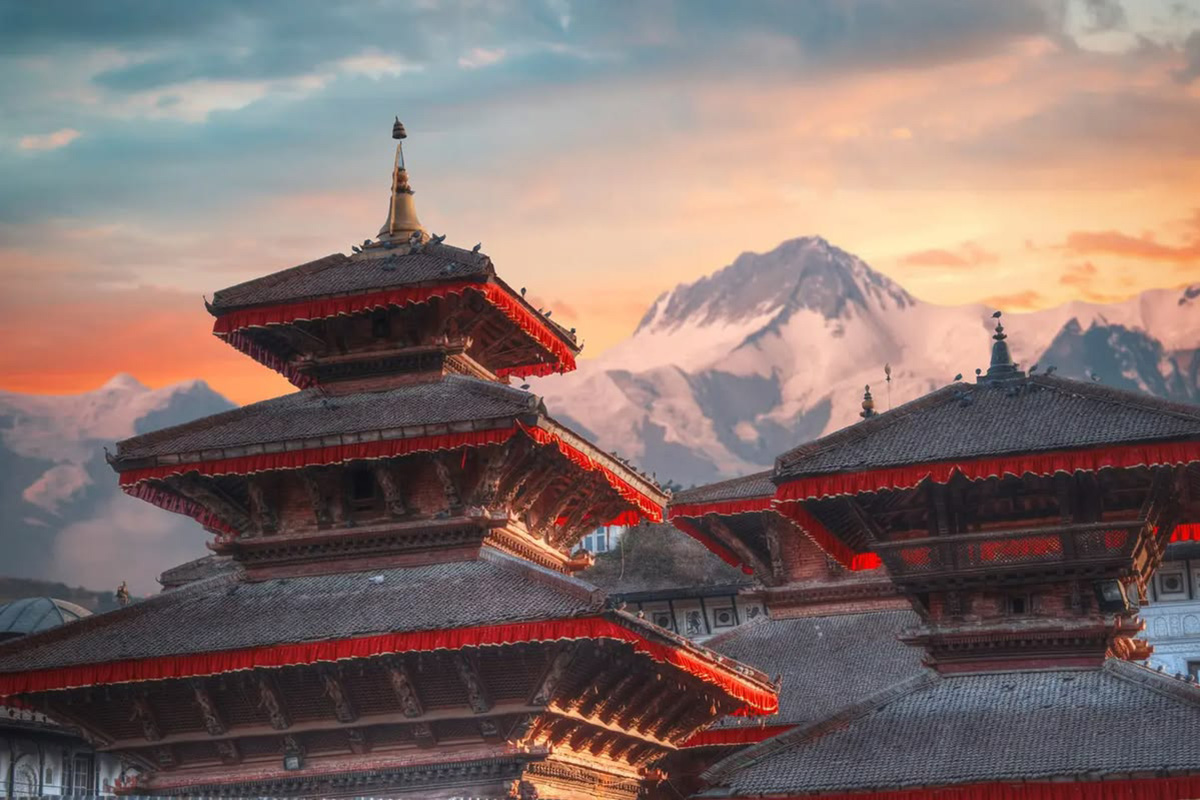
6. Patan Durbar Square
A showcase of Newari architecture in Lalitpur, one of the oldest cities in the valley, known for stone carvings, woodwork, and tiered temples from the Malla kingdom. The Patan Museum inside holds bronze statues and historical artifacts.
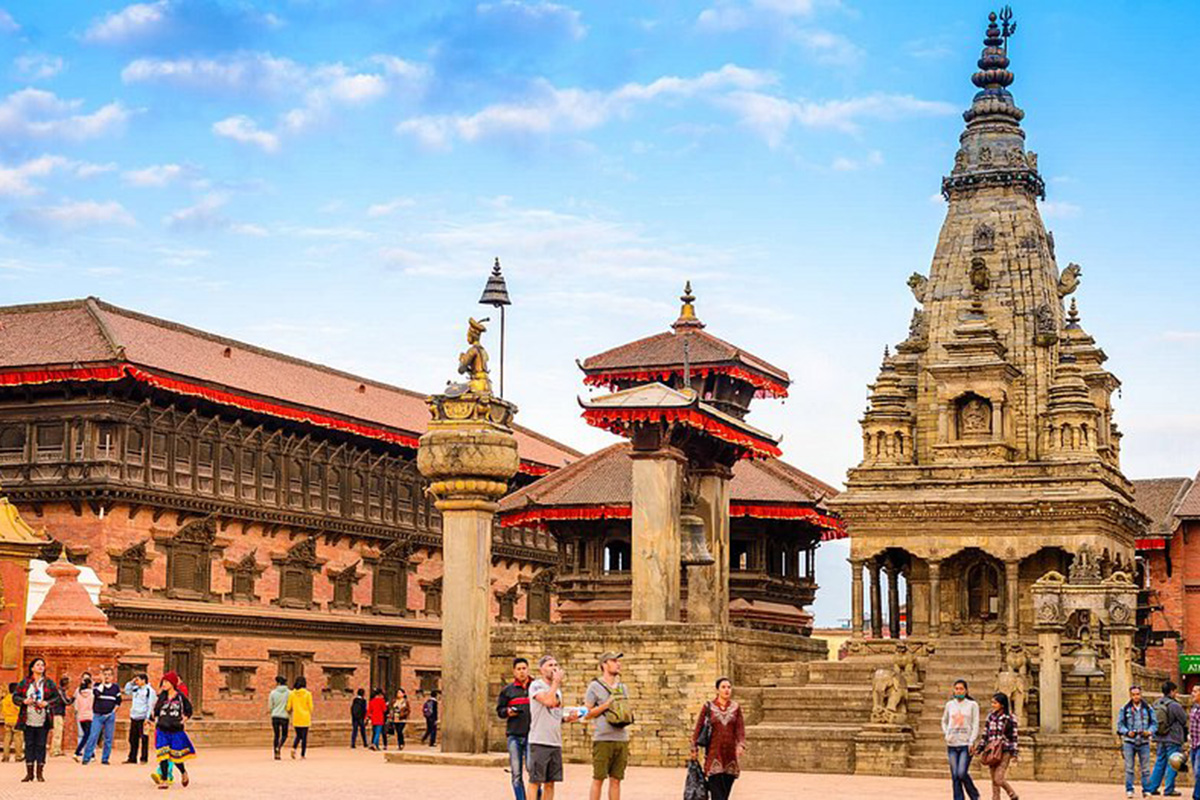
7. Bhaktapur Durbar Square
Preserves a medieval atmosphere through wood and stone carvings, the 55-Window Palace, and Nyatapola Temple. Narrow alleys lead past potters’ squares, workshops, and ancient water spouts, with fewer vehicles than central Kathmandu.
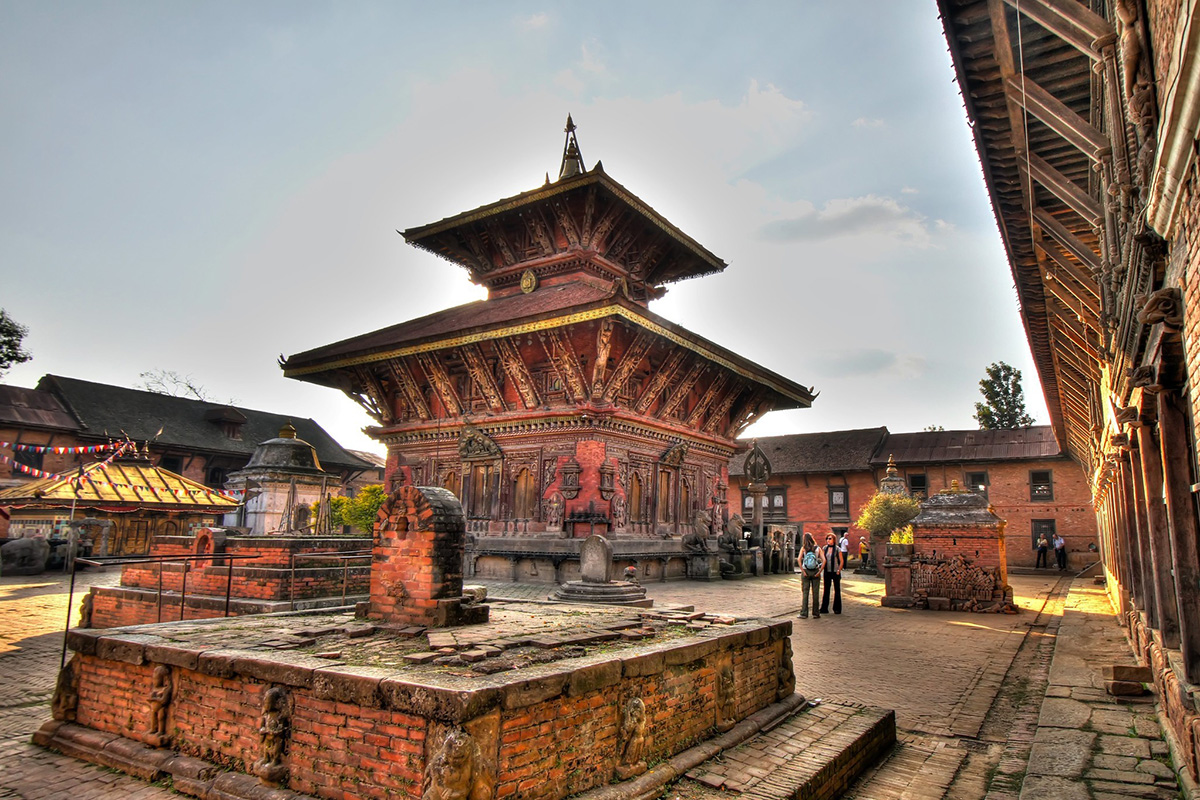
8. Changu Narayan Temple
Nepal’s oldest Hindu temple, dedicated to Lord Vishnu on a ridge overlooking the valley. Stone inscriptions and sculptures here date back to the Licchavi era, some to the 4th century.
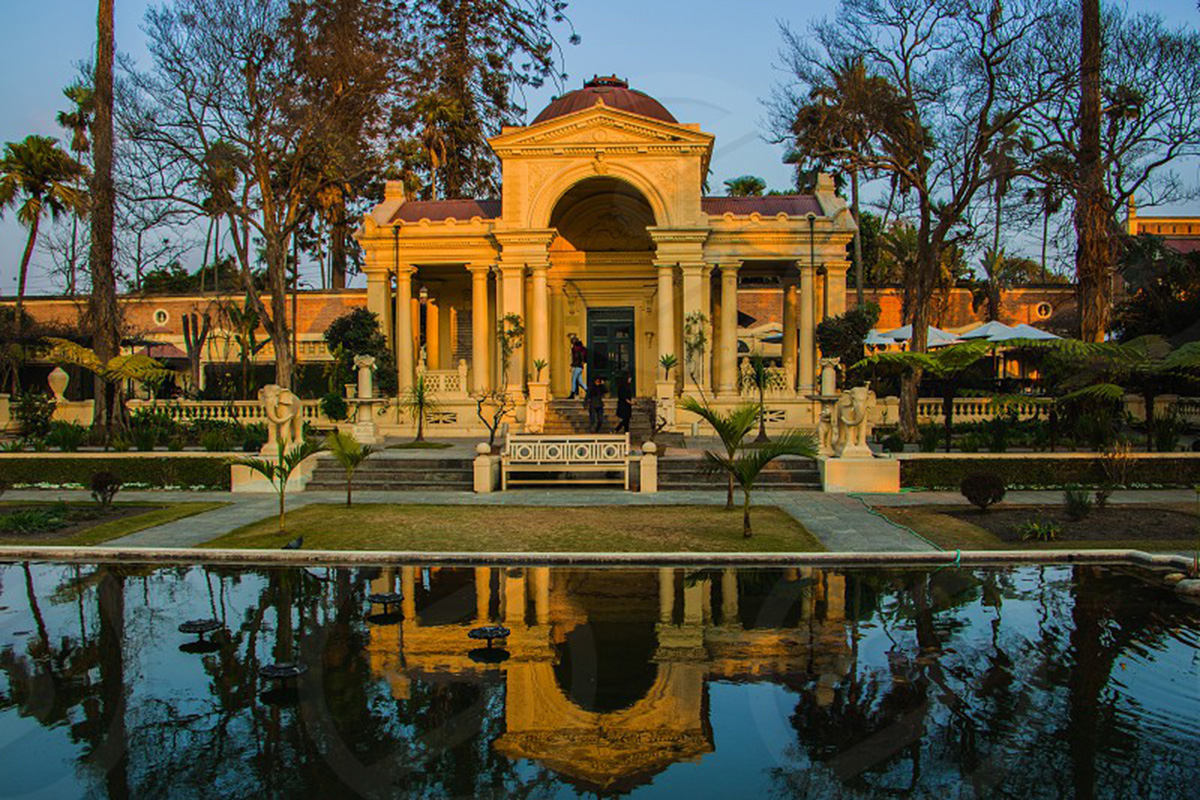
9. Garden of Dreams
A restored neo-classical garden near Thamel, built in the 1920s as a private retreat. Pavilions, fountains, and landscaped greenery offer a quiet escape from the city, along with a small café.
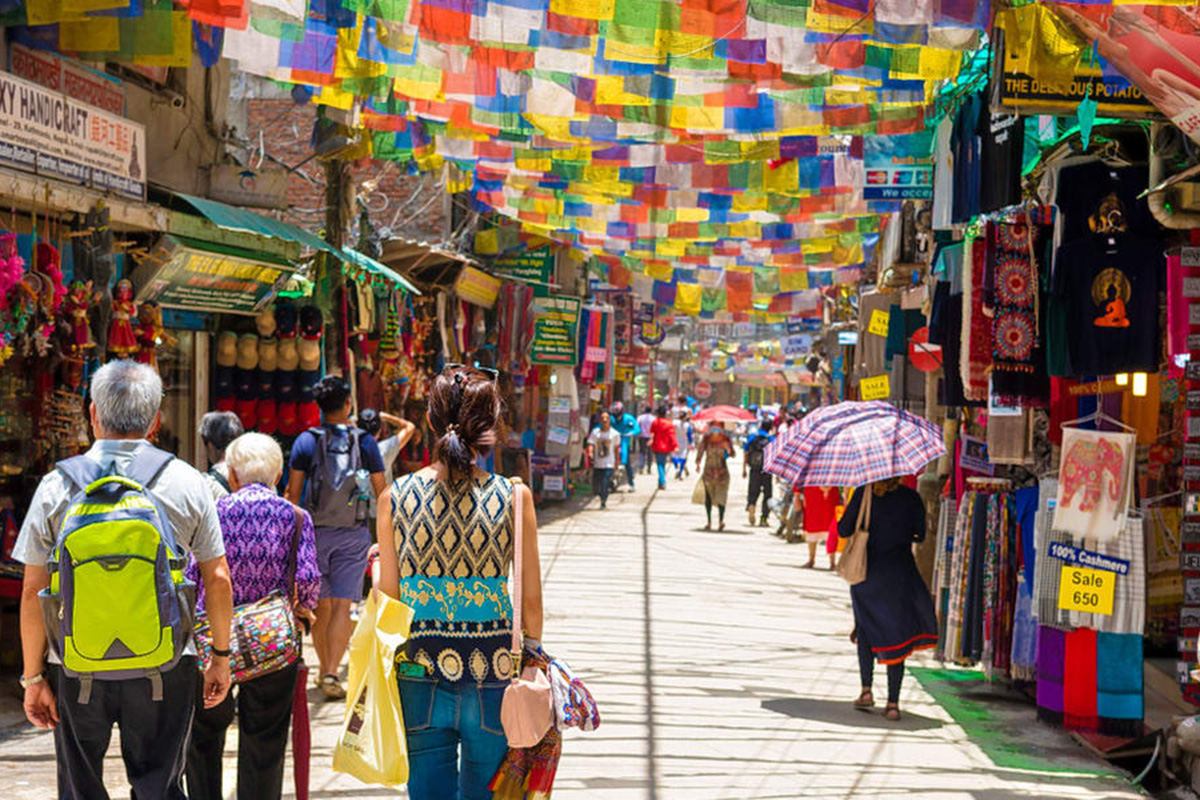
10. Thamel
Kathmandu’s main tourist hub, packed with hotels, restaurants, trekking shops, and nightlife venues. As the starting point for most Himalayan adventures, it stays busy day and night with street vendors and international cafes.
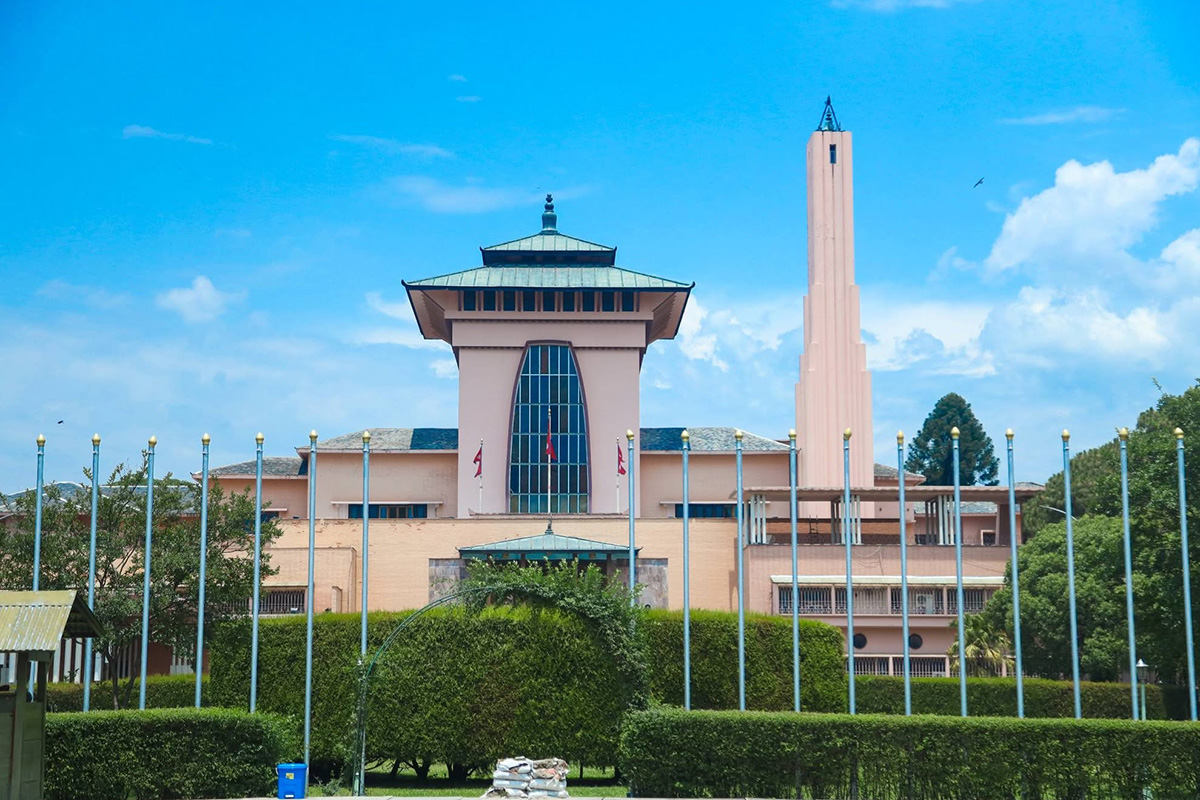
11. Narayanhiti Palace Museum
The former residence of the Shah dynasty until Nepal became a federal republic in 2008. Visitors can explore preserved royal halls and state rooms that provide context for Nepal’s political transformation.
12. Chandragiri Hills
A viewpoint on the valley’s southwestern rim, reached by cable car, with views of Ganesh Himal, Manaslu, and on clear days, Mount Everest. The hilltop also holds the sacred Bhaleshwor Mahadev Temple.
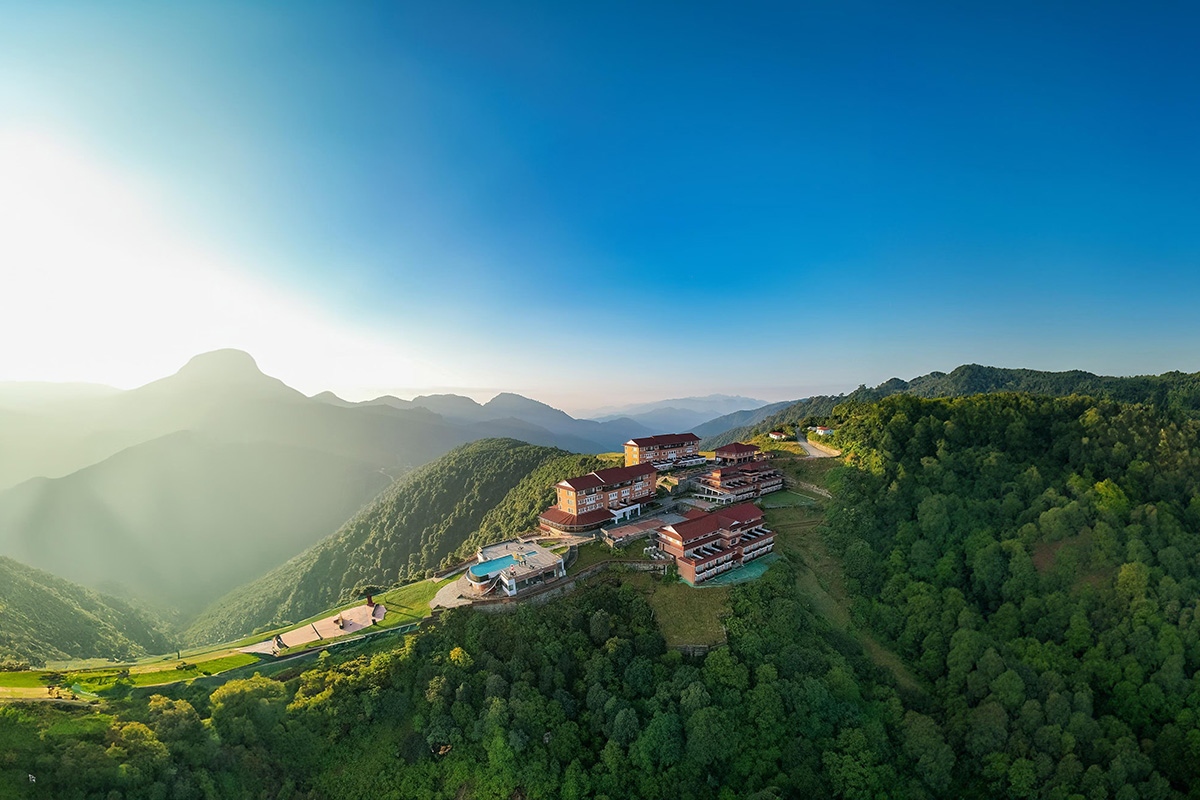
13. Kopan Monastery
A Buddhist learning center on a hilltop, founded in the 1970s and affiliated with the Gelug school of Tibetan Buddhism. Known for meditation retreats, its grounds offer valley views framed by prayer flags.
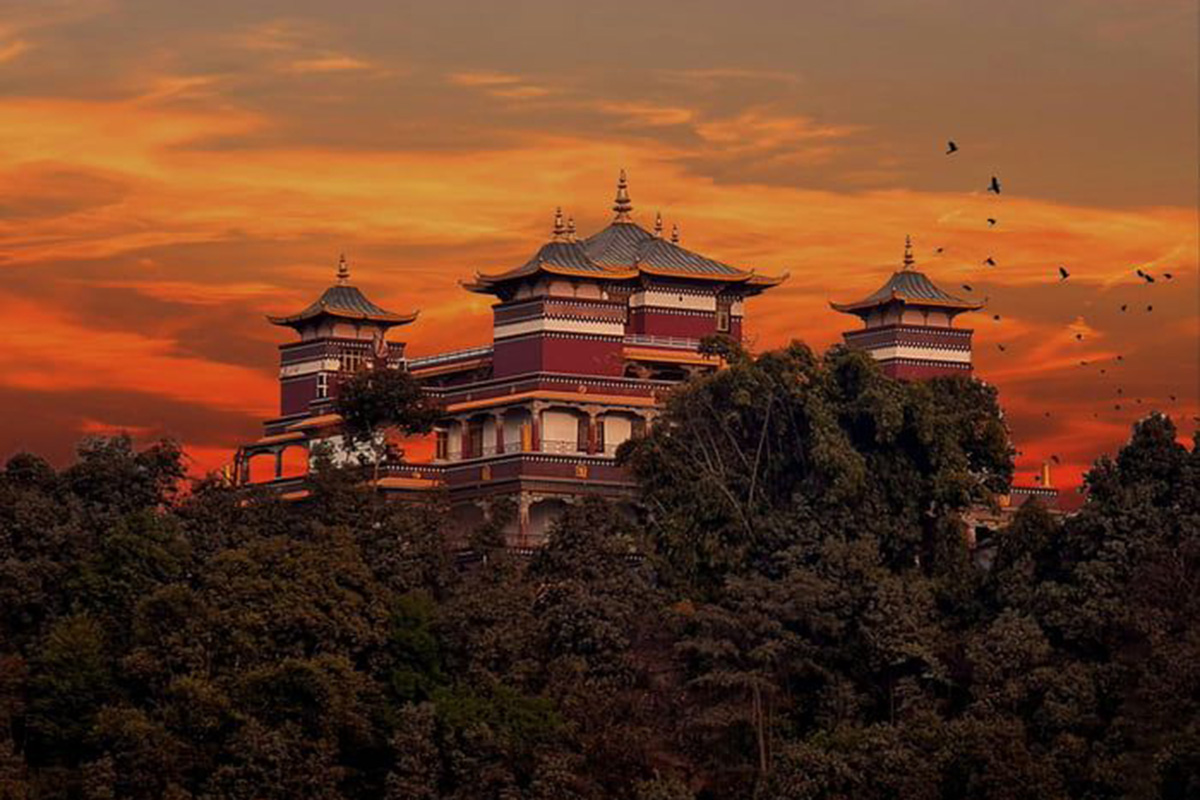
14. Dakshinkali Temple
An important Shakti shrine dedicated to the goddess Kali, set in a forested gorge near Pharping. The temple is especially active on Tuesdays and Saturdays, when devotees gather for prayers and offerings.
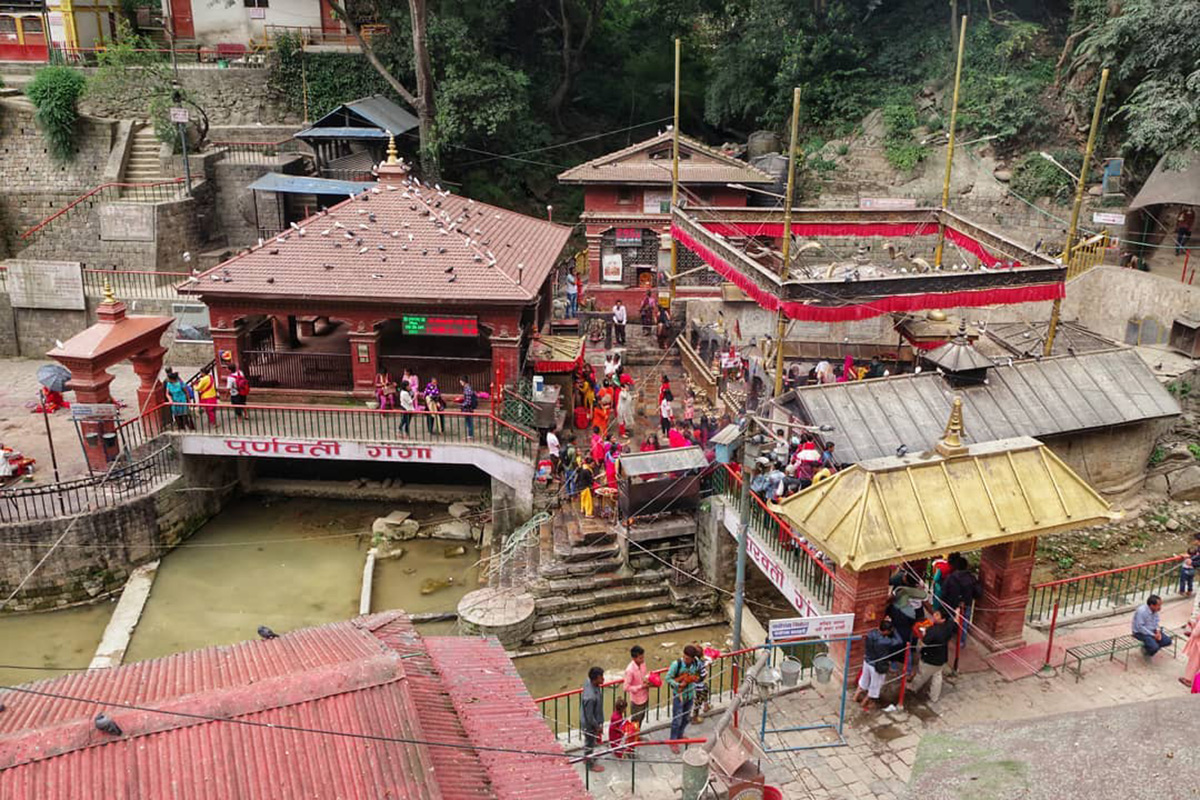
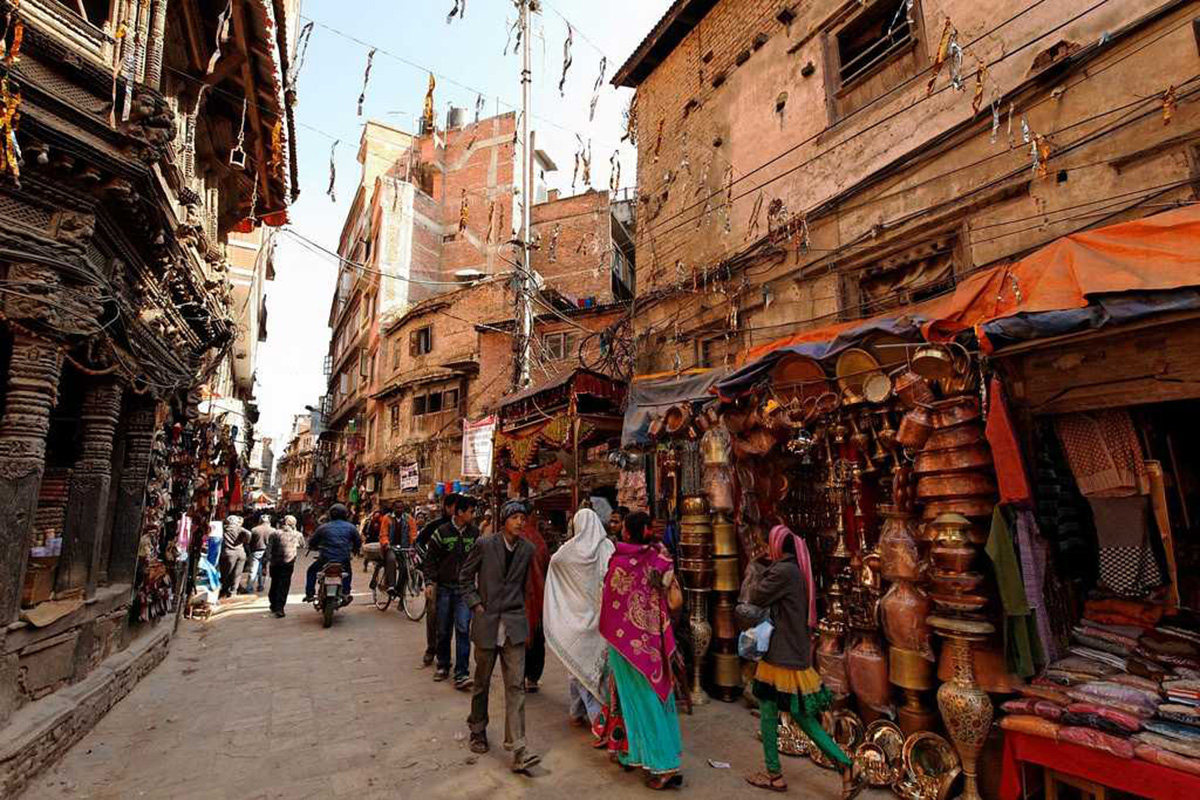
15. Asan Bazaar
One of Kathmandu’s oldest and busiest markets, sitting at the intersection of several old trade routes. Vendors sell vegetables, spices, and religious items, with the Annapurna Temple at the heart of the square.
You May Also Prefer Reading: Sanga: Places to Visit Near Kathmandu
Best Places to Visit Outside Kathmandu
Beyond Kathmandu, Nepal holds sacred temples, lakeside cities, and striking mountain landscapes that round out a complete itinerary.
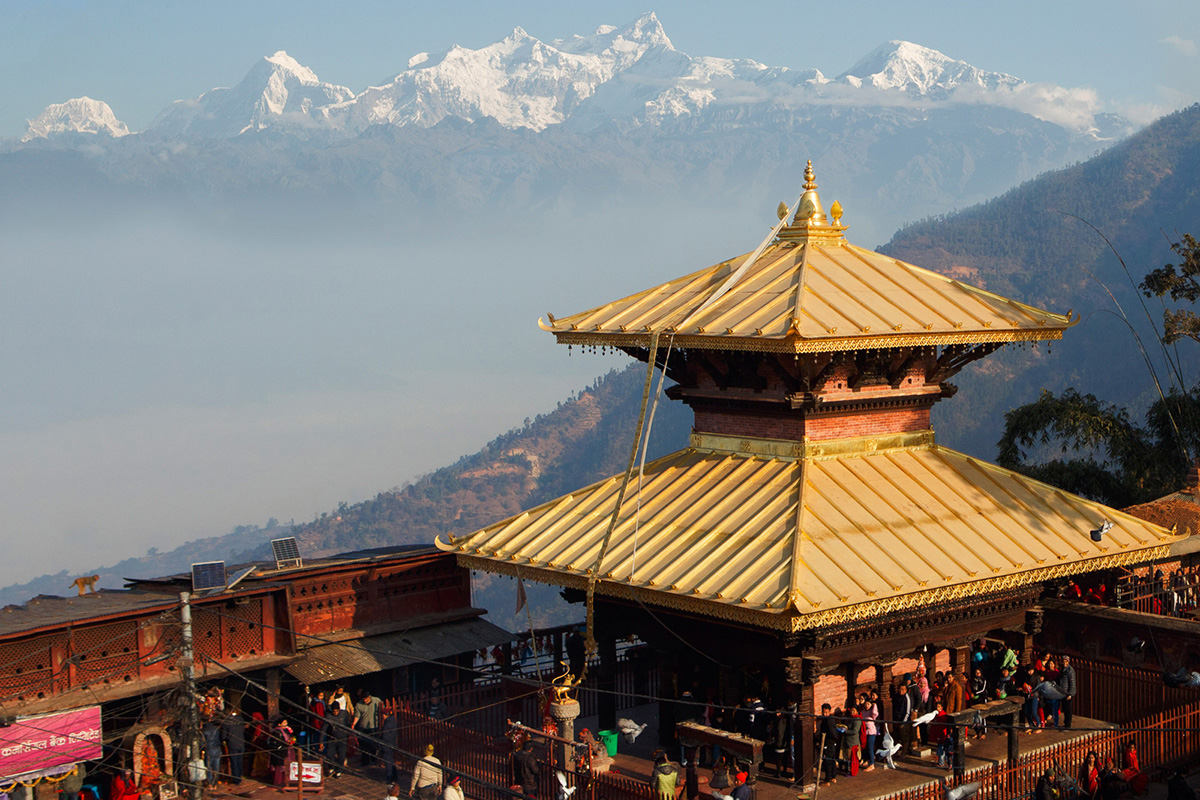
1. Manakamana Temple
A revered Hindu pilgrimage site in Gorkha district, dedicated to Goddess Bhagwati and believed to fulfill devotees’ wishes. A cable car carries pilgrims up the hill with views of the rivers and hills below, drawing large crowds during festivals.
2. Bandipur
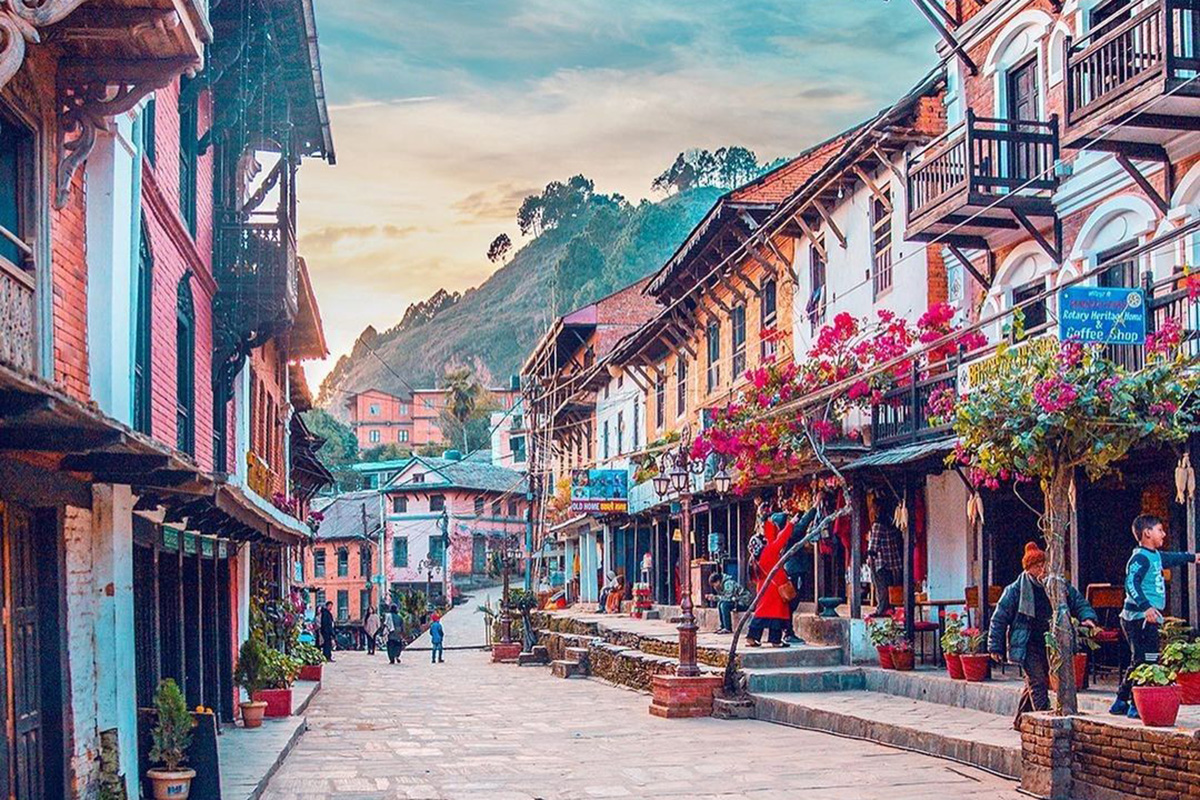
A well-preserved hilltop town reflecting traditional Newari culture and architecture. Once a trading post, it now offers stone-paved streets, heritage houses, and clear views of the Annapurna and Manaslu ranges at sunrise.
3. Pokhara
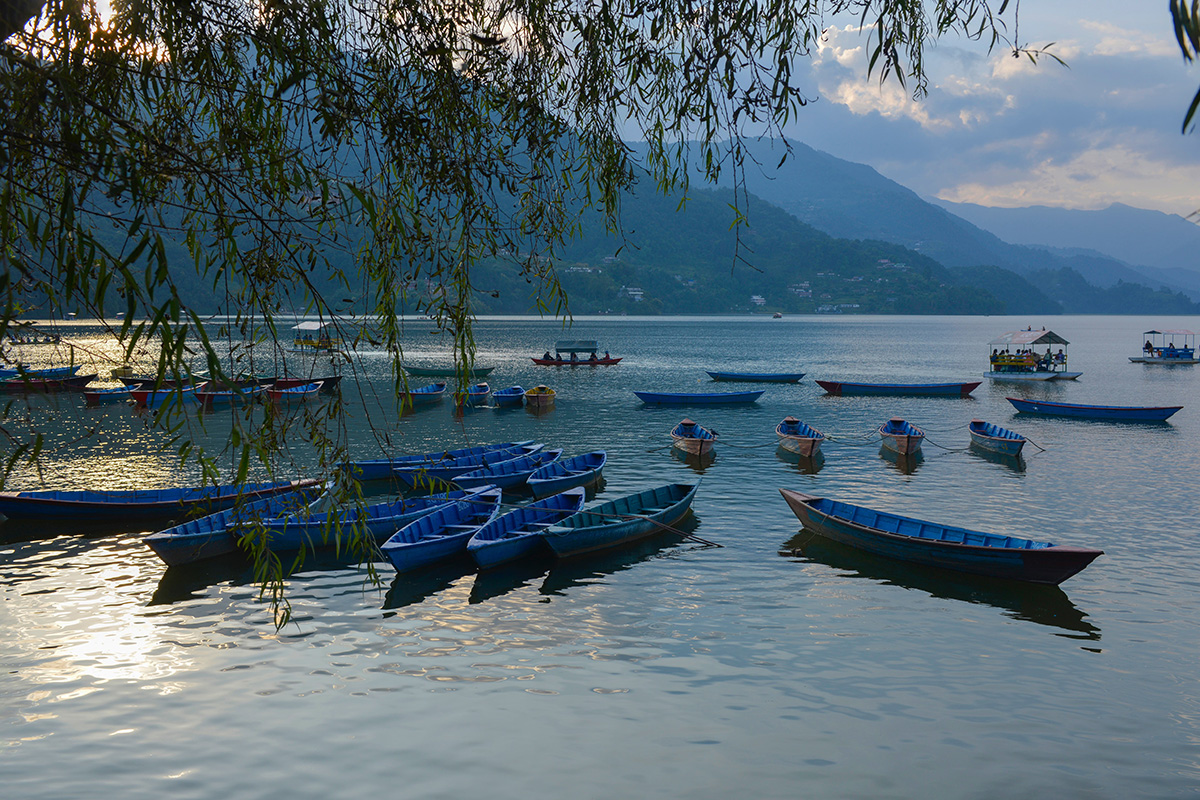
Nepal’s leading tourist destination, set beside Phewa Lake beneath the Annapurna range. The city combines mountain views, adventure sports, and lakeside walks, and serves as the gateway to Annapurna trekking routes.
4. Muktinath Temple
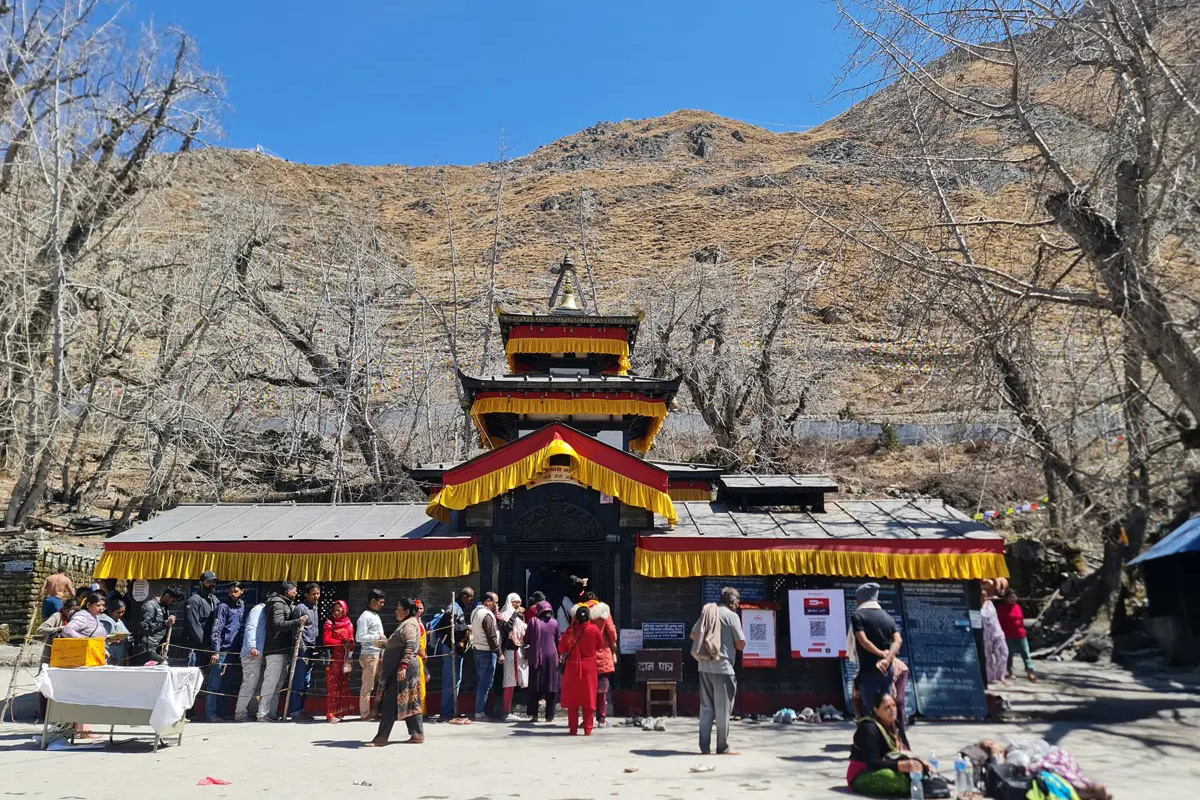
A pilgrimage site sacred to both Hindus and Buddhists, sitting at roughly 3,760 to 3,800 meters in the high Himalayas of Mustang. Dedicated to Lord Vishnu, the temple is known for its 108 water spouts and an eternal flame, symbolizing moksha, or liberation.
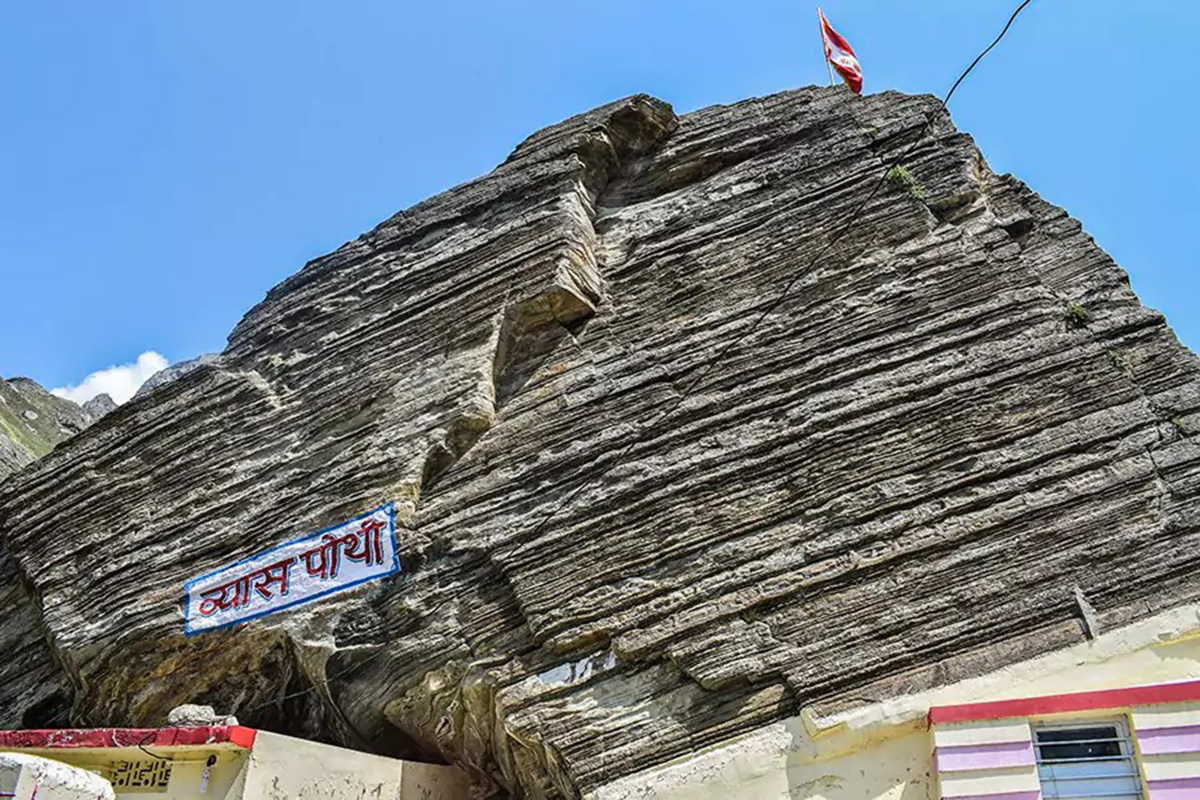
5. Vyas Gufa
A sacred cave near Damodar Kunda in Upper Mustang, believed to be the meditation site of Sage Vyas, author of the Mahabharata. Its remote, rugged setting draws pilgrims on the demanding Himalayan route to reach it.
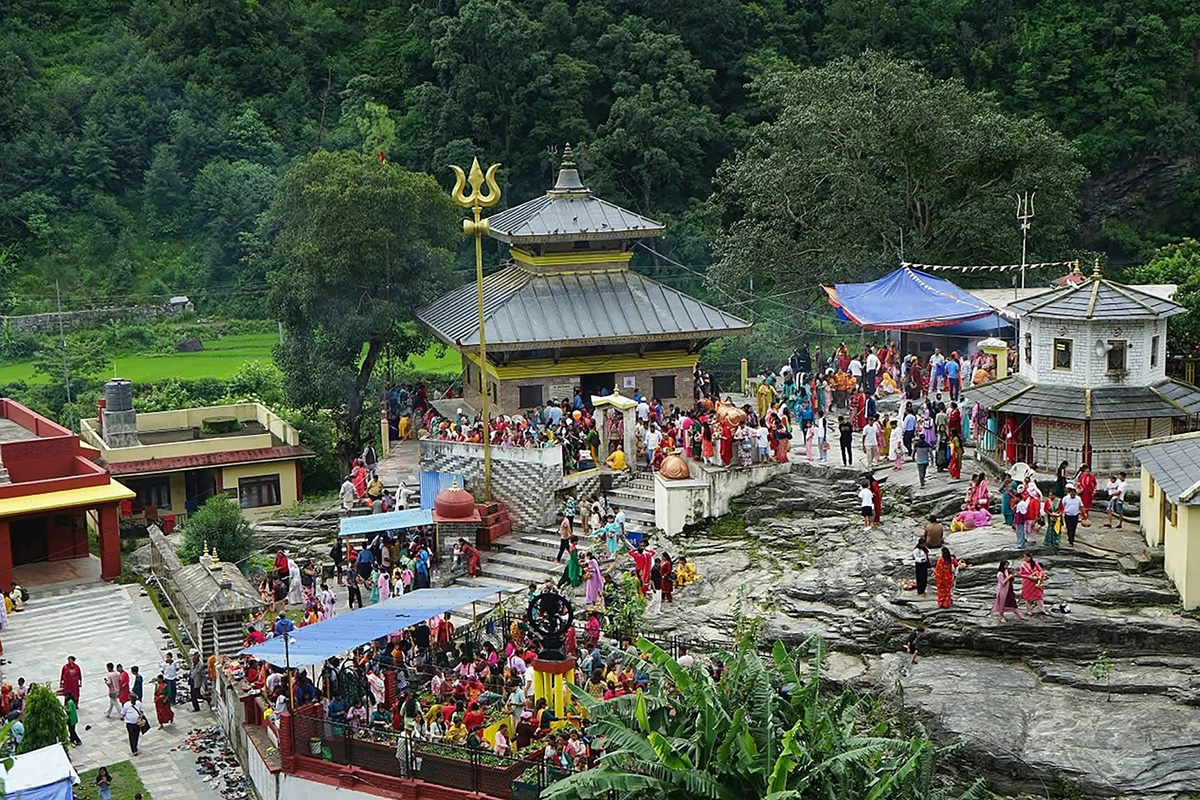
6. Galeshwar Mahadev
An ancient Shiva temple set on a rock in the middle of the Kali Gandaki River. Local tradition holds that the Shivalinga here emerged naturally and is worshipped without flower or leaf offerings.
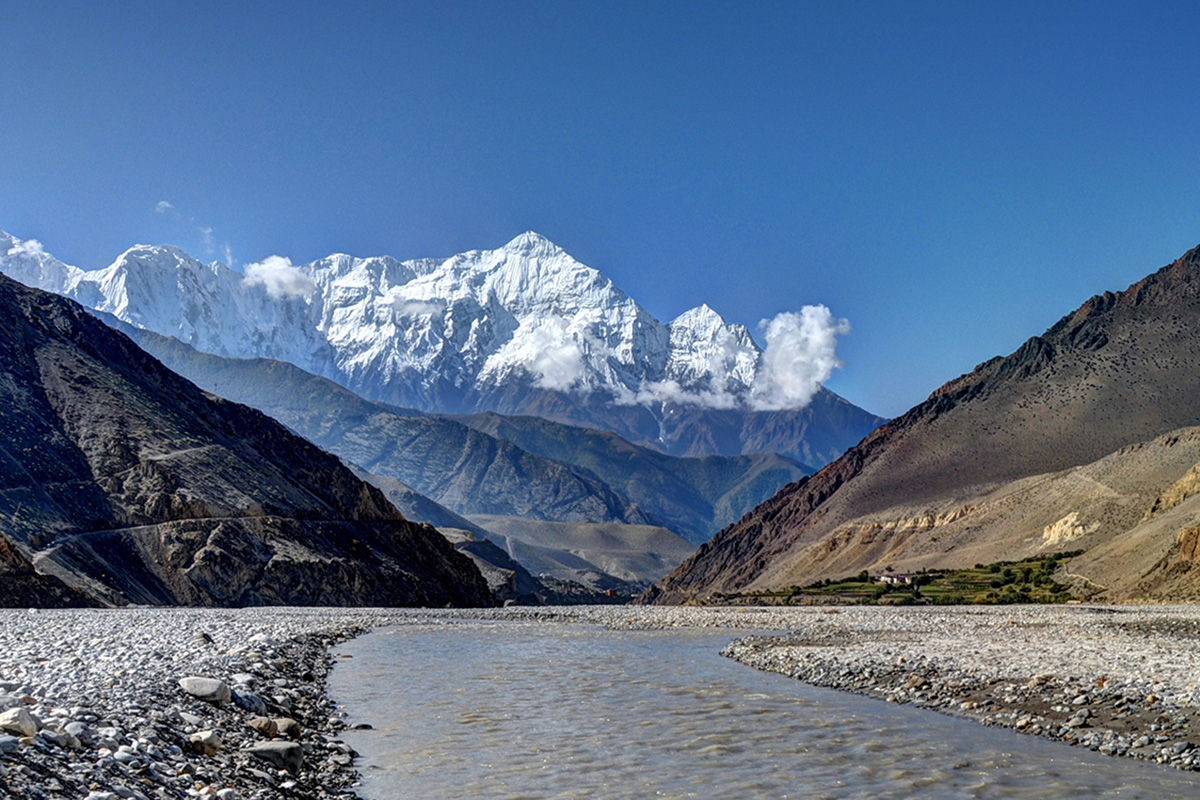
7. Kali Gandaki River
One of Nepal’s most sacred rivers, known for Shaligram stones, fossil ammonites considered living representations of Lord Vishnu and found only here. The river also carves through one of the world’s deepest gorges.
Other Articles: Trekking in Nepal: The Complete 2026 Guide to Routes, Permits, and Planning
Quick Tips for Indian Travelers in Nepal
| Tip | Details |
| Carry valid ID | Original Passport or Voter ID required; Aadhaar is not accepted for entry |
| Exchange currency at the border | Better rates than in the cities |
| Use UPI when possible | Works on merchant QR codes via the Fonepay network |
| Try Thakali Thali | Nepal’s most recognized authentic meal |
| Hire a vehicle for groups | More flexible and cost-effective for 5 to 7 people |
| Learn basic Nepali greetings | Namaste is universally understood |
| Respect local customs | Remove shoes before entering temples |
| Book high-altitude treks with licensed guides | Required under Nepal’s trekking regulations |
| Register vehicles online in advance | Use the Nepal Customs TIV portal to skip border queues |
Best Time to Visit Nepal from India, Season by Season
Nepal’s four seasons each offer a different experience, and the right one depends on what the trip is built around.
Autumn (September to November) is peak season, offering the most reliable weather for trekking and mountain views. The monsoon rains clear the air, leaving crisp skies, though trails and prices both run higher during this window.
Spring (March to May) brings warmer temperatures and blooming rhododendrons across the hills. This also marks the climbing season for high-altitude expeditions, so popular trails see heavier traffic.
Winter (December to February) offers quieter trails and clear mountain views, though temperatures drop sharply at higher elevations. Lower-elevation treks remain accessible, making this a strong option for budget travelers and wildlife spotting in the Terai.
Monsoon (June to August) brings heavy rainfall and limited mountain visibility across most of the country. The rain-shadow regions of Upper Mustang, Dolpo, and Nar Phu Valley stay dry and accessible through this period, offering a quieter alternative with unique landscapes.
Choose a season based on what matters most for the trip, whether that’s trekking conditions, culture, wildlife, or budget, since each comes with its own trade-offs.
No, Indian citizens do not need a visa for Nepal under the 1950 Indo-Nepal Treaty of Peace and Friendship. A valid Indian passport or Voter ID card is sufficient for entry, though Aadhaar cards are not accepted except for children under 15 and adults over 65.
7 to 10 days covers a complete route, including Kathmandu’s temples and heritage squares, a mountain circuit toward Muktinath, and time in Pokhara for adventure sports. Extending to Upper Mustang adds a few more days for travelers with extra time.
Yes, Indian UPI apps like PhonePe, Google Pay, Paytm, and BHIM work at merchant QR codes on Nepal’s Fonepay network. This currently works one direction only, Indian travelers paying Nepali merchants, not the reverse.
Daily food costs run NPR 1,200 to 1,400 for three meals, while transport varies by mode: buses between Kathmandu and Pokhara cost NPR 1,000 to 1,400 per person, and a private Scorpio for a group runs NPR 13,500 to 15,000 per day. Flights and accommodation vary widely by season and comfort level.
Autumn (September to November) offers the clearest skies and most reliable trekking weather, though it’s also the busiest and most expensive season. Spring (March to May) is a close second, with blooming rhododendrons and good visibility.
Not for standard leisure routes covering Kathmandu, Pokhara, Chitwan, Lumbini, and Muktinath. High-altitude trekking regions require a licensed guide by law, arranged through a registered travel agency in Thamel or Pokhara.
Yes, most Nepalese people understand and speak Hindi well enough for everyday conversation. Nepali and Hindi also share the Devanagari script and a large common vocabulary, making the language barrier minimal for Indian travelers.
Yes, but every vehicle needs a Temporary Import of Vehicle (TIV) permit, fully digitized since May 2026. Travelers can register vehicle details and pay online in advance, then present the QR code at the border instead of completing paperwork on arrival.
A Thakali Thali is the essential dish, Nepal’s most recognized style of Dal-Bhat, served with locally made achar and a choice of meats. Vegetarian options are widely available in Kathmandu and Pokhara.
Sunauli (Uttar Pradesh), Raxaul (Bihar), and Kakarvitta (West Bengal) are the most commonly used of Nepal’s six major land crossings, chosen based on which is closest to the traveler’s starting point in India.
No, Nepal remains relatively affordable, with meals, local transport, and budget accommodation priced similarly to or slightly below equivalent options in India. Costs rise mainly around trekking permits, guided treks, and adventure activities in Pokhara.
0 Comment