
22 Days
Daily Tour
10 people
___
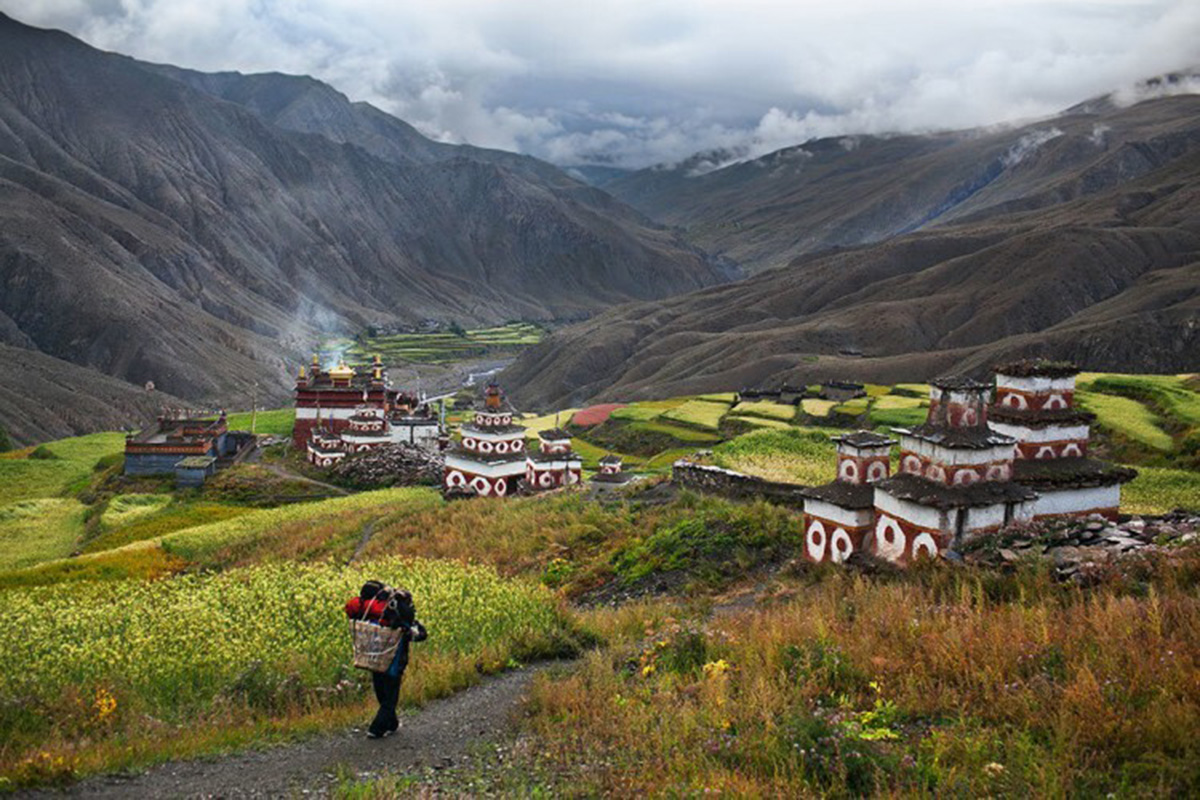
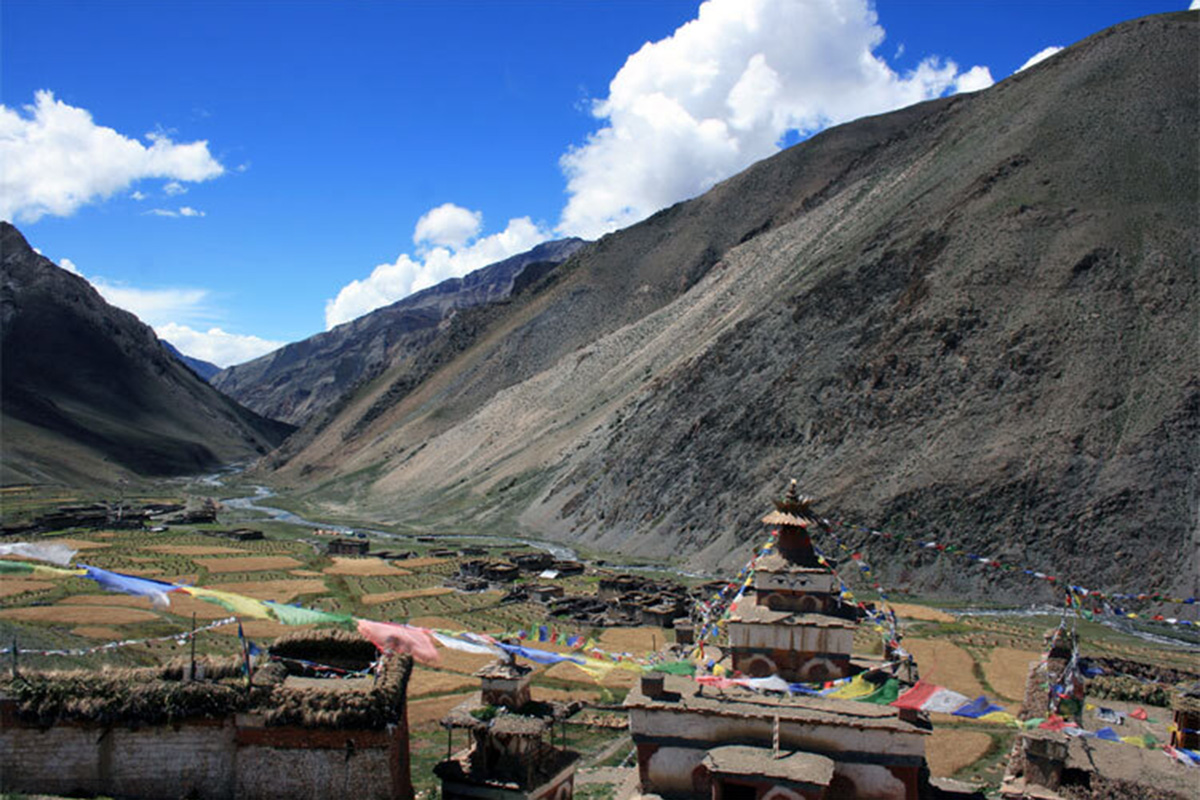
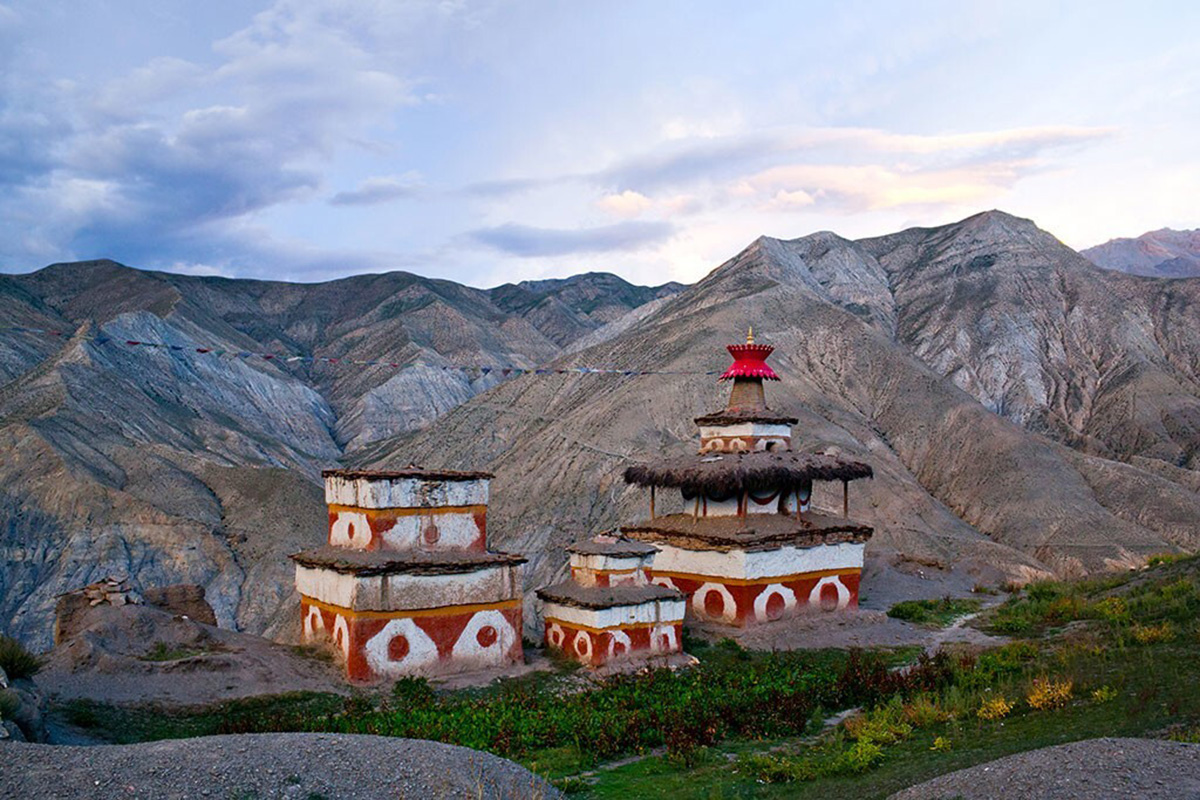
Upper Dolpo remains one of Nepal’s most isolated trekking regions, sealed behind the Dhaulagiri massif and opened to outside visitors only in 1989. Upper Dolpo Trek walks through ancient Bon villages, crosses three Himalayan passes above 5,000 m, and takes in the dramatic landscape surrounding Shey Phoksundo Lake.
Fewer than 200 foreign trekkers enter this region each year, making it one of Nepal’s least visited trekking areas. This fully supported expedition with our Kalapatthar team combines experienced guides, complete permit handling, camping logistics, and domestic flights across more than 200 km of remote Himalayan wilderness.
This route requires prior high-altitude trekking experience and strong physical fitness, with 6 to 8 hours of walking daily across rocky, exposed terrain. Long, teahouse-free stretches through the upper valley make this one of the last genuine wilderness routes remaining in the Himalayas.
The journey begins with flights from Kathmandu to Nepalgunj and onward to Juphal, from where the route travels north through Shey Phoksundo National Park into the Upper Dolpo restricted zone. Trekkers move through remote villages including Ringmo, Namgung, Saldang, Yangze Gompa, Tokyu, and Dho Tarap while crossing three major Himalayan passes.
The trail combines teahouse accommodation in larger settlements with fully supported camping through isolated sections, required between Ringmo and Namgung where no permanent lodges exist for more than 80 km. These camping sections come fully staffed with kitchen crew, dining tents, and toilet facilities.
Your guide performs an initial wellness check, recording your baseline oxygen saturation, pulse rate, and temperature. Arrive at Tribhuvan International Airport and transfer to your hotel in Kathmandu with the Kalapatthar team. The evening includes a welcome dinner, team introduction, and a full trek briefing covering permits, flights, trail conditions, and altitude safety protocols. Overnight at a hotel.
Your guide conducts a morning wellness check covering oxygen saturation, pulse rate, and temperature before breakfast. Day 2 is reserved for permit processing at government offices, a full gear check, and any remaining equipment purchases in Thamel. Kalapatthar Trek & Expedition handles the Upper Dolpo RAP at USD 500, the Shey Phoksundo National Park fee at NPR 3,000, and the Lower Dolpo RAP at USD 40 on this day. Early rest is strongly recommended before the early morning flight to Nepalgunj. Evening health check conducted. Overnight at a hotel.
Your guide conducts a morning wellness check covering oxygen saturation, pulse rate, and temperature before breakfast. Take the morning flight from Kathmandu to Nepalgunj, the regional hub for flights into the remote western districts of Nepal. The afternoon is free to rest and complete any remaining gear preparations before the high-altitude journey begins. Evening health check conducted. Overnight at a hotel in Nepalgunj.
Your guide conducts a morning wellness check covering oxygen saturation, pulse rate, and temperature before breakfast. Take the early morning flight from Nepalgunj to Juphal, a 45-minute mountain flight with views of distant Himalayan peaks on a clear morning. From Juphal, the trail descends through terraced fields and small settlements to Dunai, the administrative headquarters of Dolpa District. Register your Shey Phoksundo National Park permit at the Dunai checkpoint. An evening health check is conducted. Overnight at a teahouse.
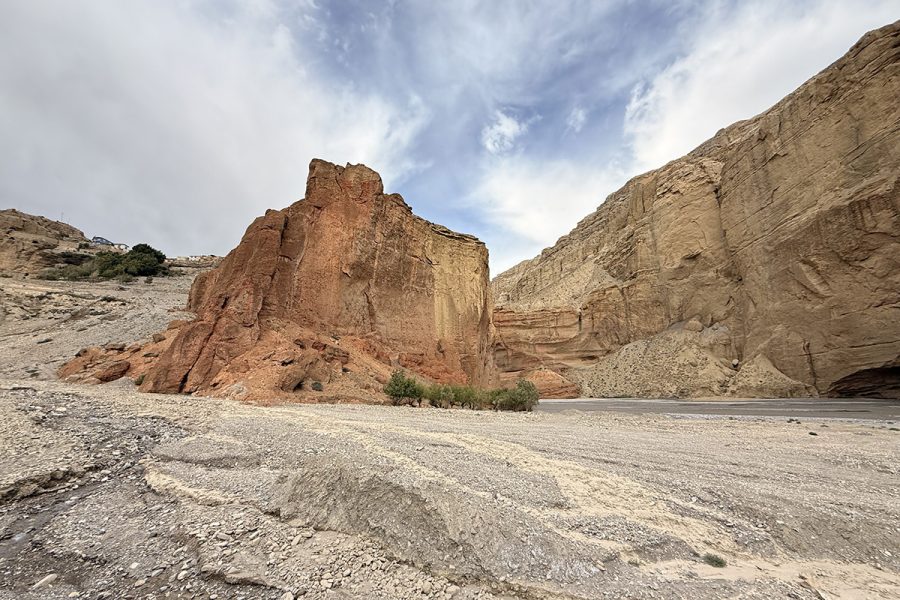
Your guide conducts a morning wellness check covering oxygen saturation, pulse rate, and temperature before breakfast. The trail follows the Thuli Bheri River valley northward through increasingly remote terrain, passing through the villages of Kalagau and Laina. The landscape transitions from agricultural terraces and scattered forest to deeper river gorge terrain with rocky cliffs and suspension bridges. Evening health check conducted. Overnight at a teahouse.
Your guide conducts a morning wellness check covering oxygen saturation, pulse rate, and temperature before breakfast. The trail climbs steadily out of the river gorge and into the lower reaches of Shey Phoksundo National Park. Pass through Suligad village and several yak grazing areas before reaching the flat meadow of Samduka, a key rest point between Chhepka and Ringmo. Evening health check conducted. Overnight at a teahouse.
Your guide conducts a morning wellness check covering oxygen saturation, pulse rate, and temperature before breakfast. This is the most scenic day of the first week, with the trail climbing above the treeline before dropping into the Ringmo village area above the lake. The first full view of Shey Phoksundo Lake appears from the ridge, with its striking turquoise colour visible from a considerable distance. Arrive at Ringmo by late afternoon with time to walk to the lakeshore before dinner. Evening health check conducted. Overnight at a teahouse.
Your guide conducts a morning wellness check covering oxygen saturation, pulse rate, and temperature before breakfast. A full rest and acclimatisation day at Shey Phoksundo Lake is essential preparation for the altitudes above 5,000 metres ahead. Optional hikes include the waterfall at the lake outlet or the ridge above Ringmo for an elevated view of the full lake. Explore the village of Ringmo, home to the Dolpo-pa people who practice a mix of Tibetan Buddhism and the Bon religion. Evening health check conducted. Overnight at a teahouse.
Your guide conducts a morning wellness check covering oxygen saturation, pulse rate, and temperature before breakfast. The trail follows the western shore of Shey Phoksundo Lake for the morning section before turning north into the Phoksundo Khola valley. The landscape becomes progressively more barren as the trail leaves the lake area, with rocky terrain and wide sightlines to the surrounding peaks. This is the first night of camping, as no teahouses exist beyond the lake area until Namgung several days ahead. Evening health check conducted. Overnight at camp.
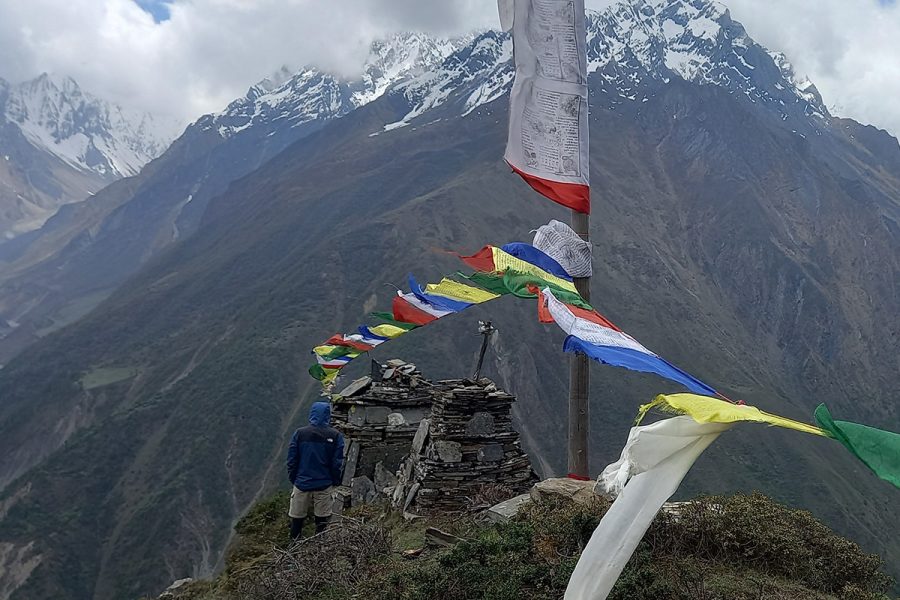
Your guide conducts a morning wellness check covering oxygen saturation, pulse rate, and temperature before breakfast. A steadily ascending day follows the Phoksundo Khola valley north toward Shey Gompa, crossing several small streams and open plateau terrain. Shey Gompa, also called the Crystal Monastery, was established in the 11th century and stands at 4,200 metres below Crystal Mountain. The monastery is surrounded by mani walls and prayer flags, marking it as one of the most significant religious sites in western Nepal. Evening health check conducted. Overnight at a teahouse.
Your guide conducts a morning wellness check covering oxygen saturation, pulse rate, and temperature before breakfast. A full rest and acclimatisation day at Shey Gompa is the most critical preparation step before the Kang La Pass crossing. Visit the monastery building and its ancient Buddhist paintings, and learn about the Shey Mela festival held at this site every twelve years. Drink plenty of water and attend the evening briefing on the Kang La Pass crossing, covering departure time, route conditions, and safety protocols. Evening health check conducted. Overnight at a teahouse.
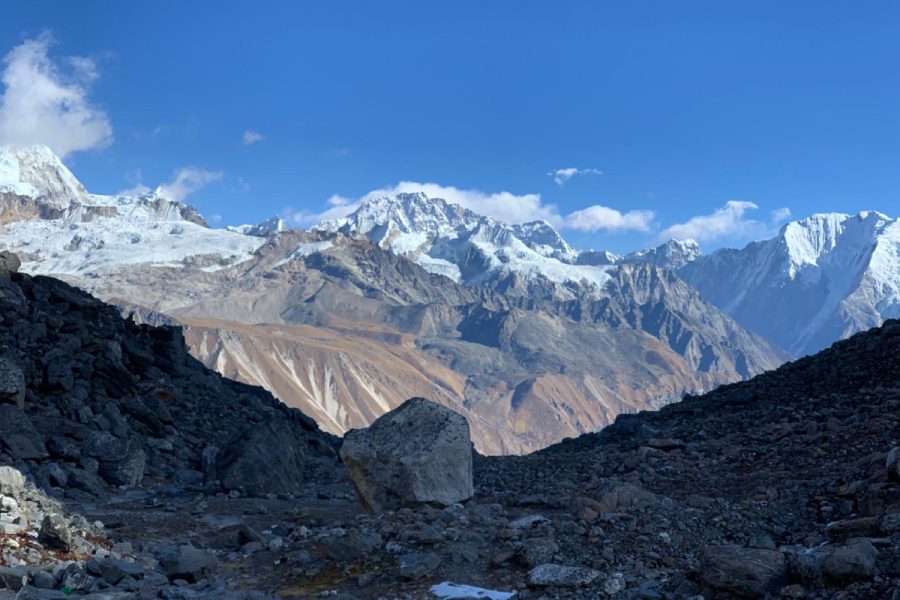
Your guide conducts a morning wellness check covering oxygen saturation, pulse rate, and temperature before breakfast. This is the hardest day of the trek. Depart Shey Gompa between 4 and 5 AM with headlamps and full cold-weather layers, as temperatures at the pass can drop below minus 10 degrees Celsius. The ascent to Kang La at 5,360 m gains over 1,100 metres on rocky, exposed terrain with almost no vegetation. Descend steeply to Namgung, a small village with a few teahouses and traditional Tibetan-influenced architecture. Evening health check conducted after the demanding pass crossing day. Overnight at a teahouse.
Your guide conducts a morning wellness check covering oxygen saturation, pulse rate, and temperature before breakfast. A descending day follows the Namgung Khola valley northward to Saldang, one of the larger villages in Upper Dolpo. The trail passes through open plateau terrain with scattered juniper and wide views of the Kanjiroba range to the west. Saldang is home to several hundred Dolpo-pa people who practice a mix of Tibetan Buddhism and the Bon religion. Evening health check conducted. Overnight at a teahouse.
Your guide conducts a morning wellness check covering oxygen saturation, pulse rate, and temperature before breakfast. A demanding day crosses Saldang La Pass at 5,200 metres, the second major pass of the trek. The ascent from Saldang gains over 1,400 metres on rocky, exposed terrain with no shade or wind shelter on the upper sections. From the pass, the views include the Dolpo plateau to the south and the Tibetan border region to the north. Evening health check conducted. Overnight at a teahouse.
Your guide conducts a morning wellness check covering oxygen saturation, pulse rate, and temperature before breakfast. A long day follows the valley southward from Yangze Gompa, with terrain shifting from high plateau to deeper valley. The path passes through open grazing land with scattered yak herds and occasional small herder camps. Sibu is a small settlement at 4,500 metres with a few teahouses and a camping area used as a base before the final pass crossing. Evening health check conducted. Overnight at a teahouse.
Your guide conducts a morning wellness check covering oxygen saturation, pulse rate, and temperature before breakfast. A shorter positioning day places the group close to the base of Jeng La Pass for crossing the following morning. The trail ascends steadily through rocky terrain and the broad Tarap Valley, a major grazing ground for yaks and dzopkyos. Jeng La Phedi is a camping area with no teahouse facilities, so arrive early, rest fully, and sleep early before the pre-dawn start. Evening health check conducted. Overnight at camp.
Your guide conducts a morning wellness check covering oxygen saturation, pulse rate, and temperature before breakfast. Depart Jeng La Phedi between 4 and 5 AM with headlamps and full cold-weather layers for the final high pass crossing. The ascent to Jeng La at 5,090 metres takes approximately two hours on steep, rocky terrain with significant exposure on the final approach. Descend through ancient juniper groves to Tokyu Gaon, a traditional village with a monastery and several teahouses at the valley floor. Evening health check conducted. Overnight at a teahouse.
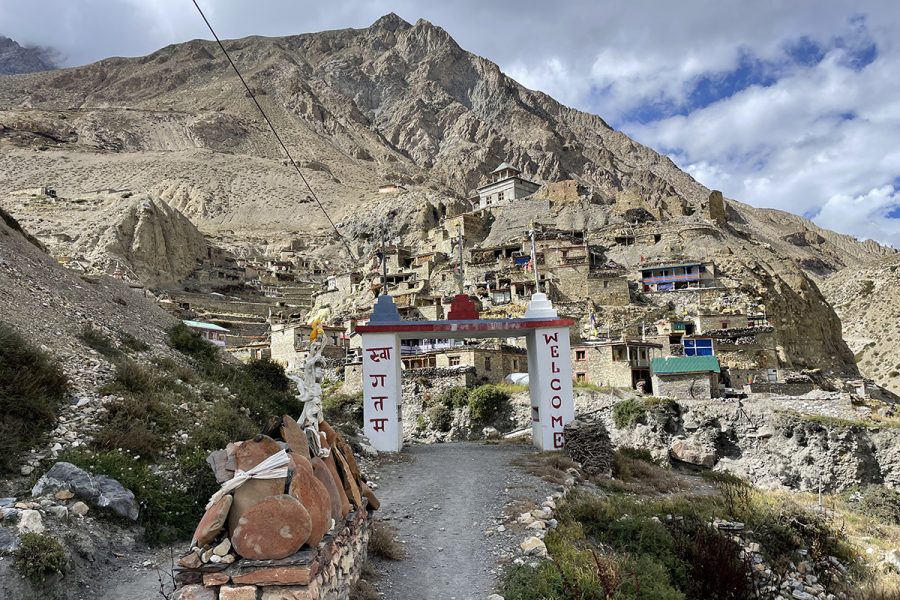
Your guide conducts a morning wellness check covering oxygen saturation, pulse rate, and temperature before breakfast. A shorter day follows the Tarap Valley southward to Dho Tarap, the largest settlement in Upper Dolpo and the primary centre of the Bon religion in Nepal. Dho Tarap is home to an active Bon community with a functioning monastery, traditional stone houses, and a school serving children from across the upper valley. The afternoon is free to explore the village and visit the Bon monastery. Evening health check conducted. Overnight at a teahouse.
Your guide conducts a morning wellness check covering oxygen saturation, pulse rate, and temperature before breakfast. The longest descent of the trek drops over 1,800 metres from Dho Tarap to Tarakot through progressively more vegetated terrain. Juniper and pine replace the sparse high-plateau ground cover as subtropical forest and agricultural terraces appear along the lower valley. Tarakot is an old fort settlement with a ruined historic fort above the village and several teahouses for overnight stays. Evening health check conducted. Overnight at a teahouse.
Your guide conducts a morning wellness check covering oxygen saturation, pulse rate, and temperature before breakfast. The final full trekking day follows the Thuli Bheri River valley southward back to Dunai, where the trek permit was first registered. The terrain is green and well vegetated compared to the upper Dolpo plateau, with pine forest and active agricultural terraces. Arrive at Dunai by late afternoon for a final teahouse night, with time for a hot shower and laundry. Evening health check conducted. Overnight at a teahouse.
Your guide conducts a morning wellness check covering oxygen saturation, pulse rate, and temperature before breakfast. The final short trekking section retraces the Day 4 descent in reverse, climbing 335 metres back up to the Juphal airstrip. Arrive at Juphal by late morning for the flight to Nepalgunj, which must depart before mid-afternoon to avoid afternoon winds. Arrive in Nepalgunj in the early evening for a final group dinner marking the completion of the Upper Dolpo circuit. Evening health check conducted. Overnight at a hotel in Nepalgunj.
Your guide conducts a morning wellness check covering oxygen saturation, pulse rate, and temperature before breakfast. Take the morning flight from Nepalgunj back to Kathmandu, a one-hour flight over the Terai lowlands with views of the Manaslu and Annapurna ranges on a clear morning. Arrive at Tribhuvan International Airport between 10 and 11 AM, depending on flight schedules. The trek officially concludes on arrival in Kathmandu, and a farewell dinner with the Kalapatthar team is available on request. Overnight at a hotel in Kathmandu.
The trek is rated Challenging and suitable only for trekkers with prior high-altitude trekking experience above 5,000 metres. You will spend 10 consecutive days above 4,000 metres and cross three passes above 5,000 metres.
The highest point is Kang La Pass at 5,360 metres, with Saldang La at 5,200 metres and Jeng La at 5,090 metres as the other high points on the route.
Yes, a licensed guide is legally required for the Upper Dolpo Restricted Area Permit. Trekking without a registered guide in this region is not permitted and results in permit cancellation at checkpoints.
Yes, several sections between Ringmo and Namgung have no teahouses for more than 80 kilometres, requiring fully supported camping with kitchen staff and dining tents.
Yes, Upper Dolpo lies inside the Himalayan rain shadow and remains one of Nepal's best monsoon trekking destinations, with dry trails while the rest of Nepal receives heavy rainfall.
Three permits are required: the Upper Dolpo RAP at USD 500 for 10 days, the Lower Dolpo RAP at USD 40, and the Shey Phoksundo National Park entry fee at NPR 3,000 (approximately USD 23).
Kalapatthar caps group sizes at 8 trekkers to ensure guides can provide focused attention and respond quickly to any changes in health or trail conditions.
The Kalapatthar kitchen team prepares a varied daily menu including pasta, noodle soups, vegetable curries, oatmeal porridge, eggs, bread, and hot drinks, all cooked fresh with purified water.
The Nepalgunj to Juphal flights are weather-dependent and operate only in clear conditions, typically in the early morning hours. Kalapatthar builds 2 reserve days into the schedule for weather delays.
You must carry travel and trekking insurance covering high-altitude trekking above 5,500 metres and emergency helicopter evacuation, as rescue costs can exceed USD 5,000 to 10,000.
Given the restricted nature of this trek and the limited number of trekkers permitted each year, advance booking of at least three to six months is strongly recommended for all departure windows.
The Bon religion is a pre-Buddhist spiritual tradition that predates Tibetan Buddhism by several centuries, and you can experience it in Dho Tarap, the primary living centre of Bon culture in Nepal.
Helicopter evacuation from Upper Dolpo can cost between USD 5,000 and USD 10,000 depending on the location, which is why comprehensive travel insurance covering high-altitude rescue is mandatory for this trek.
The Shey Mela festival is a once-every-twelve-years religious celebration held at Shey Gompa, attracting Dolpo-pa people from across the region for prayers, rituals, and cultural gatherings at the Crystal Monastery.
Contact Kalapatthar Trek & Expedition Pvt. Ltd. directly with your preferred travel dates and group size to receive a personalised quote and full pre-departure support, including permit processing, flight bookings, and gear guidance.

Member Since 2026
Leave a review