

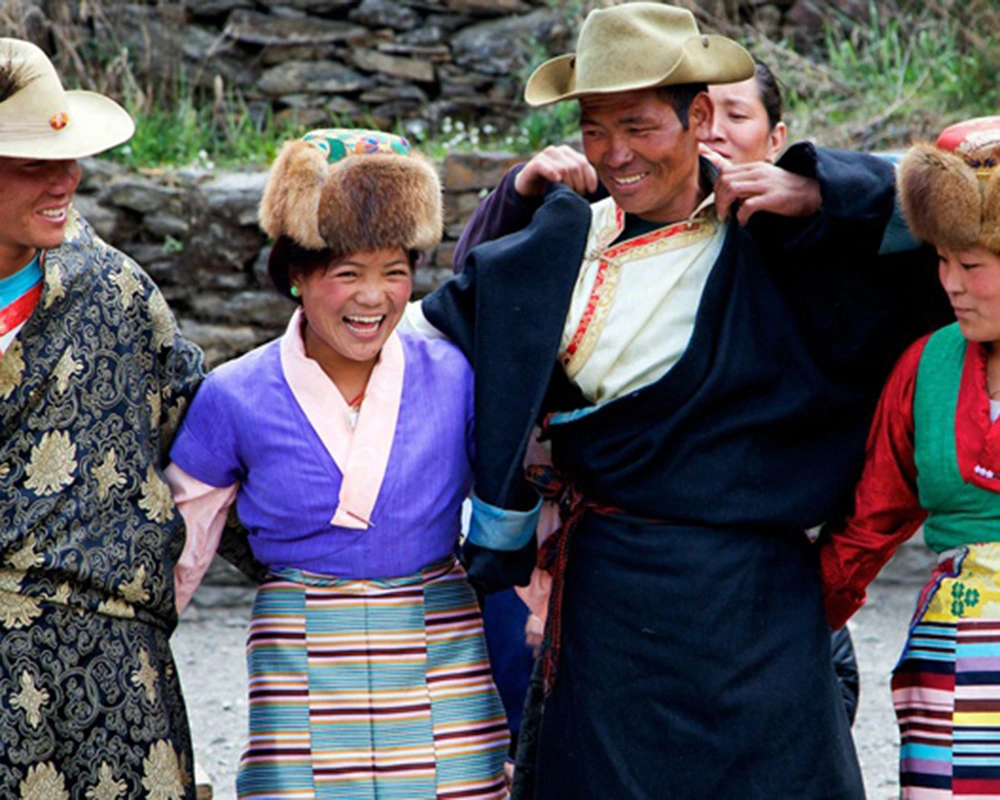

The Sherpa people in Nepal are globally recognized for their extraordinary mountaineering skills, deep-rooted traditions, and resilient high-altitude lifestyle. Native to the sky-high Himalayas, primarily in the Solukhumbu, Sankhuwasabha, and Taplejung districts, the Sherpa people have built a remarkable culture that thrives in extreme conditions.
The Sherpa people’s contribution to Nepal’s trekking and mountaineering legacy is unparalleled. From guiding climbers on Mount Everest to managing high-altitude expeditions, they ensure the safety and success of thousands of adventurers every year. Beyond mountaineering, Sherpas also play a key role in preserving sacred Buddhist practices, traditional festivals, and village life, maintaining a delicate balance between modern challenges and age-old customs.
Moreover, the Sherpa people are not only adventurers but also custodians of a rich heritage, lively festivals, and spiritual wisdom. Their language, rituals, and social structures provide a fascinating insight into life in the high Himalayas, offering travelers a unique perspective on Nepal’s diverse cultural life and leaving an unforgettable impression of the people who call these mountains home.
Origins and Migration of the Sherpa People
The word Sherpa derives from the Tibetan terms Shar, meaning east, and Pa, meaning people. This name highlights their migration from eastern Tibet to the highlands of Nepal. Historical accounts and oral traditions trace Sherpa migration through the Ü and Tsang regions of Tibet to the Khumbu region, where they settled centuries ago.
Over time, four main clans, Minyakpa, Thimmi, Lamas Sherwa, and Chawa, became the foundation of the Sherpa social structure. These clans gradually expanded into more than 20 subgroups, forming a strong and organized community in the high Himalayan regions.
The Sherpa people established a significant presence in the Solukhumbu and surrounding districts. They preserved Tibetan customs while incorporating local Nepali practices, maintaining autonomy, and developing a distinct cultural identity that continues to define them today.
Clans and Social Structure of Sherpa People
Sherpa society is traditionally organized into clans, each responsible for social roles, rituals, and decision-making within the community. Elders and clan leaders guide marriages, ceremonies, and village matters, ensuring the continuity of cultural values.
Furthermore, Sherpa families emphasize collective living, community cooperation, and respect for elders, making social cohesion a defining feature of their culture.
Sherpa People’s Way of Living in the High Himalayas
Living above 2,000 meters in the harsh terrain of the Himalayas, the Sherpa people rely on subsistence farming, terrace cultivation, and livestock. Common crops include barley, potatoes, millet, and vegetables, while yaks, cows, and goats provide dairy, meat, and labor.
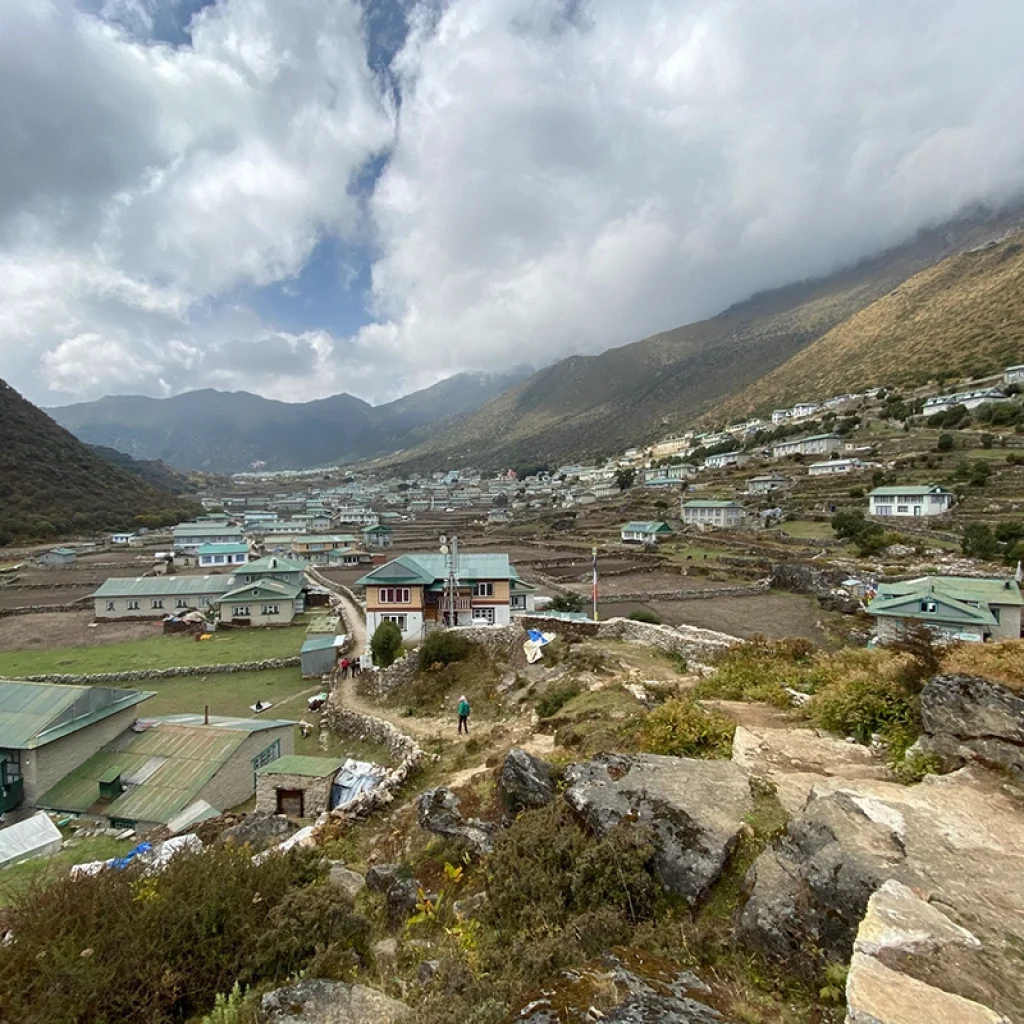
Life in the high Himalayas has made Sherpas into resilient, adaptive, and resourceful individuals. Families often help each other build homes, maintain terraces, and organize communal events. Their daily lives reflect a balance between survival in extreme environments and cultural preservation.
Religion and Spiritual Life of Sherpa People
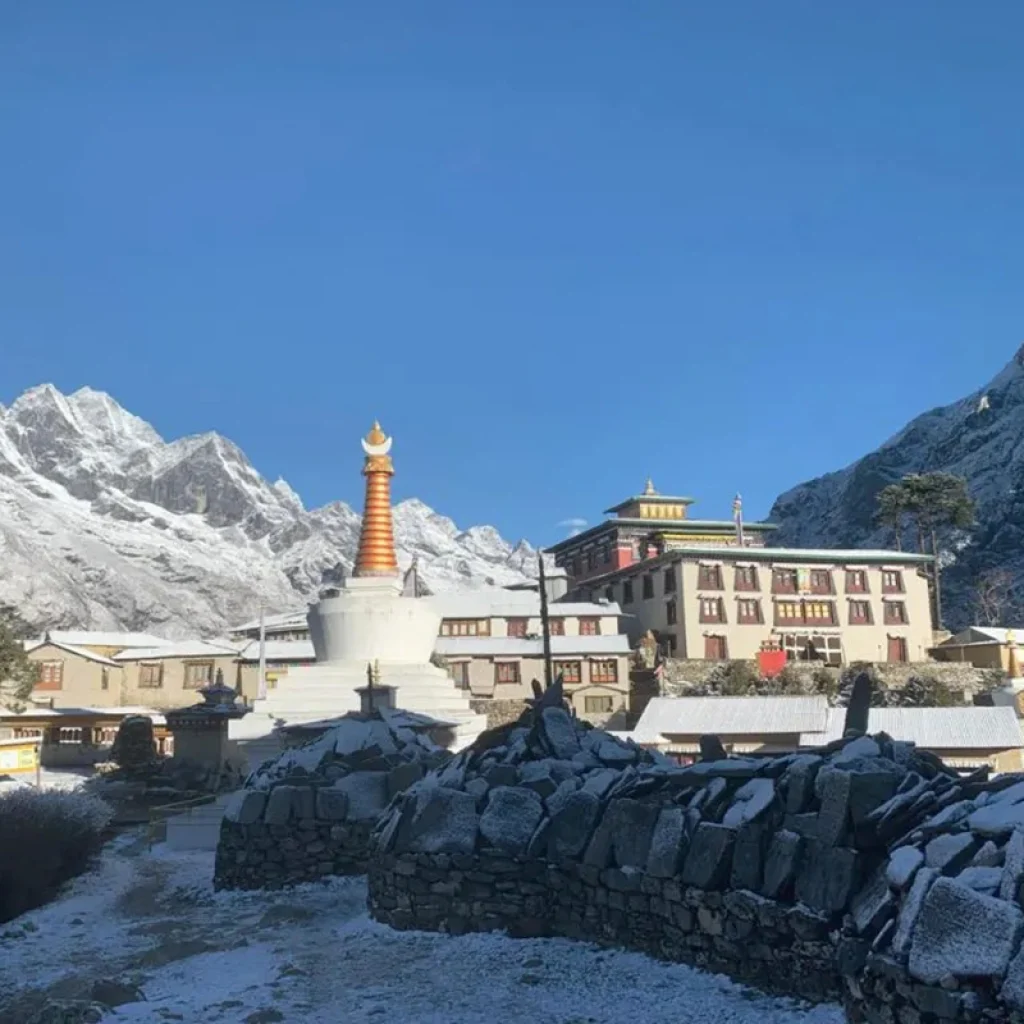
Sherpa religious practices are deeply intertwined with Tibetan Buddhism, primarily the Nyingma school. Monasteries or gompas, such as the famous Tengboche monastery, serve as spiritual, educational, and cultural centers. Sherpas also respect the Bön tradition, incorporating shamanistic rituals and nature worship.
We also recommend reading: People of Nepal: Tamang
Mountains are sacred in Sherpa belief; Mount Everest is called Chomolungma, “Mother of the World,” and other peaks have protective deities. Before expeditions, Sherpas perform rituals that require permission from these spirits. Consequently, travellers in the region can witness a unique view of spirituality and daily life, giving a glimpse into the sacred worldview of the Sherpa people.
Traditional Trade Practices of the Sherpa People
Historically, Sherpas engaged in trade between Nepal and Tibet, exchanging salt, wool, and other essential goods. These trade practices reinforced their economic stability and strengthened cultural ties with neighboring regions.
Furthermore, Sherpas adapted to modern trade and tourism, becoming integral to Nepal’s trekking and mountaineering economy.
Mountaineering Skills of the Sherpa People
The Sherpa people are legendary in the mountaineering world. Known for their exceptional stamina, high-altitude adaptation, and climbing expertise, they have assisted explorers and climbers on Himalayan peaks for decades.
Tenzing Norgay, a Sherpa, famously became one of the first two humans to summit Mount Everest in 1953. Sherpa guides carry heavy loads, set up camps, and navigate treacherous terrains such as the Khumbu Icefall, often at great personal risk.
Their genetic adaptation to high altitudes, including superior oxygen efficiency, contributes to their extraordinary performance in extreme conditions. Every Everest and Himalayan trek owes its success in part to the skill and dedication of Sherpa guides.
High-Altitude Adaptation of Sherpa People
The Sherpa People are naturally adapted to life at extreme altitudes, which gives them a significant advantage in the high Himalayas. Scientific studies have shown that many Sherpas carry a unique genetic trait known as the EPAS1 gene. This allows their bodies to use oxygen more efficiently, even in areas where oxygen levels are very low.
Sherpas experience less fatigue, better endurance, and improved performance at elevations above 5,000 meters. Unlike most climbers, their bodies do not need to produce excessive hemoglobin, which helps them avoid altitude-related illnesses. This natural adaptation is one of the key reasons behind their success in high-altitude mountaineering.
Traditional Clothing and Housing of Sherpa People
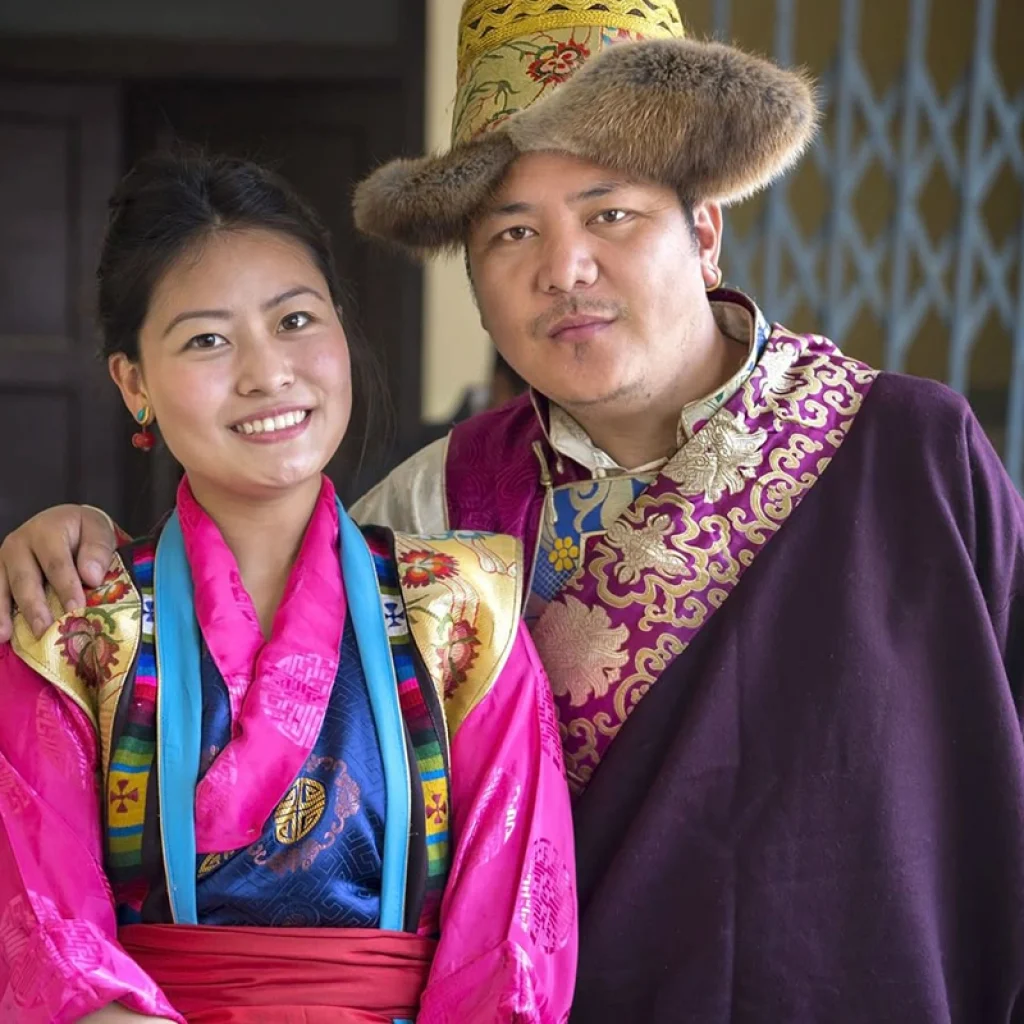
Men wear the chuba, a long woolen robe tied with a sash called kara, while women wear tongkok dresses with colorful aprons and silver accessories. These garments are practical for high-altitude climates and also reflect their cultural identity.
Sherpa houses are traditionally stone-built with sloping roofs and communal spaces. Families often assist each other in constructing new homes, ensuring space for deities, humans, and animals. Roof smoke vents, indoor composting toilets, and shrine rooms showcase their adaptation to harsh environments while also maintaining spiritual practices.
Social Gatherings and Hospitality
Community gatherings play a central role in Sherpa life. Festivities involve singing, dancing, and feasting, where guests are seated according to status. Hospitality is a valued cultural trait, often reciprocated by neighboring families. Yangdzi, the tradition of influencing cooperation through hosting, exemplifies the importance of relationships in Sherpa society.
Folklore and Mythic Traditions
Sherpas have a rich oral tradition, including myths, legends, and stories passed through generations. Hwai songs and tales often recount clan histories, spiritual beliefs, and natural phenomena. These traditions not only entertain but also preserve moral lessons, cultural wisdom, and community identity.
Mani Rimdu Festival of Sherpa People
Mani Rimdu is one of the most important and spectacular festivals celebrated by the Sherpa People in the Everest region. Held at monasteries such as Tengboche Monastery, this festival brings together monks and local communities for a series of spiritual rituals, masked dances, and prayers.
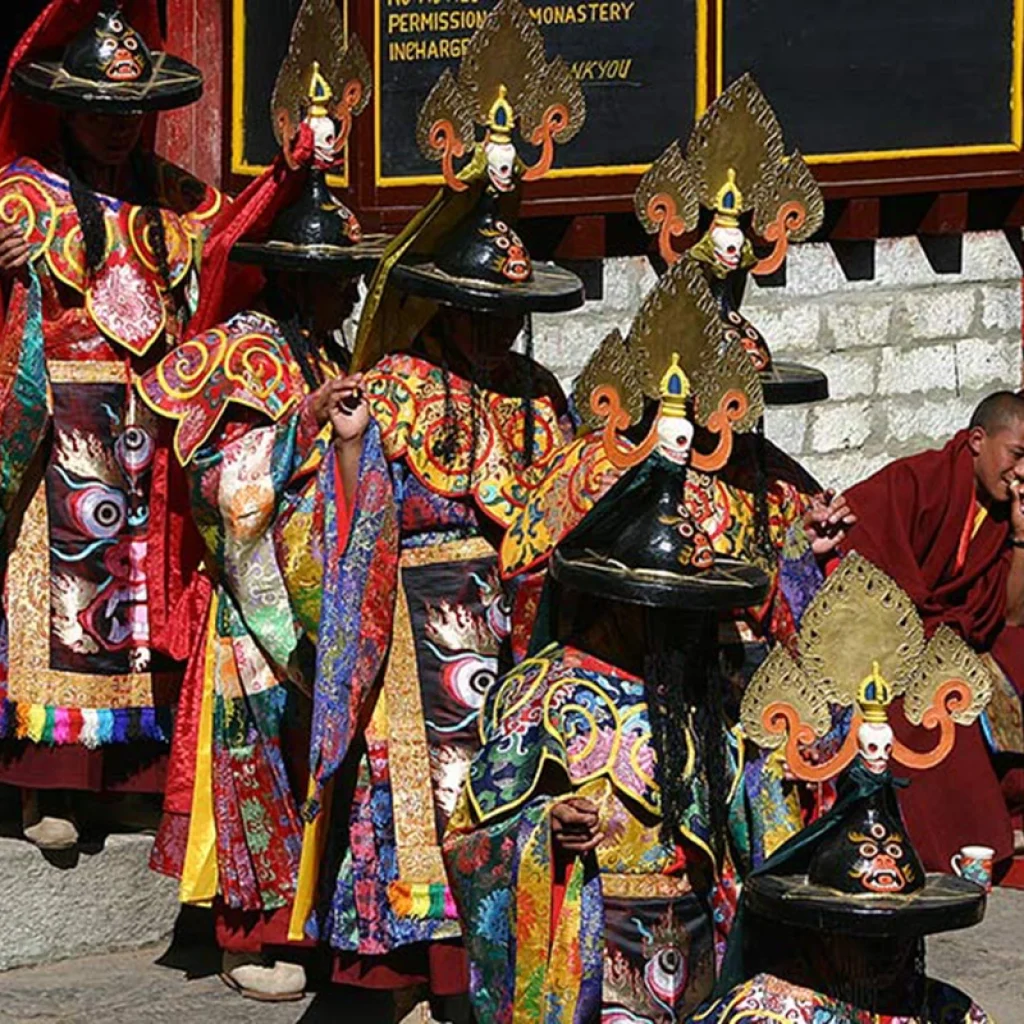
The festival represents the victory of Buddhism over negative forces and is believed to bring blessings, protection, and harmony to the community. For trekkers visiting the Khumbu region, witnessing Mani Rimdu offers a rare opportunity to experience authentic Sherpa culture and spiritual traditions in a powerful and memorable way.
Traditional Food of the Sherpa People
Food plays an essential role in the daily life of the Sherpa People, especially in the challenging environment of the Himalayas. Their diet is designed to provide warmth, strength, and energy for high-altitude living. Common meals include thukpa, a native noodle soup, tsampa made from roasted barley flour, and butter tea known as “Su Cha”.
Continue exploring with our guides: People of Nepal: Limbu
Potatoes are a staple food in the Khumbu region and are often served in different forms, such as Rildok and Alu Roti. “Rildok”, a traditional Sherpa dish made from mashed potatoes shaped into balls and served with chutney or soup, is especially popular in high-altitude regions. Alu Roti is a filling flatbread made with spiced potato stuffing, commonly eaten for energy during long working days in the mountains.
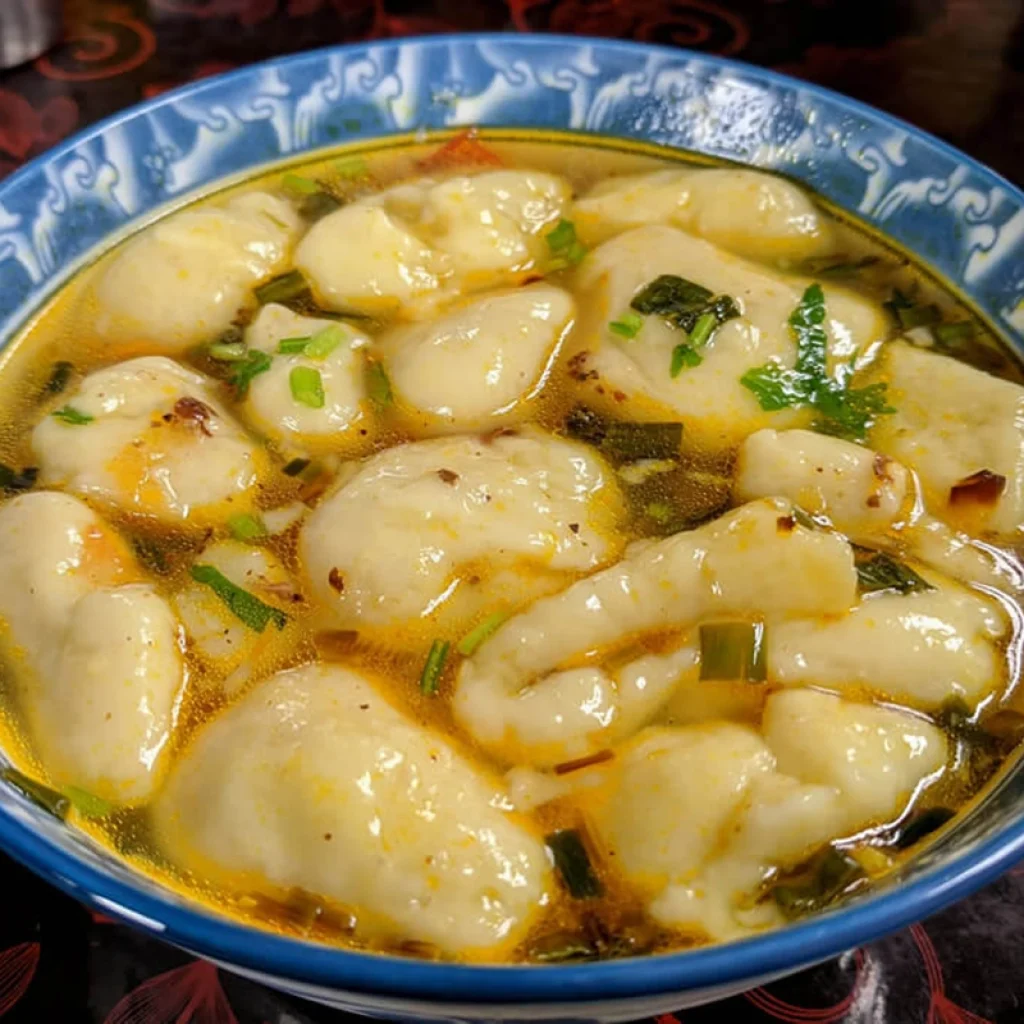
Furthermore, Sherpa stew, rich in vegetables and meat, is another popular dish that provides nourishment during cold weather. These traditional foods not only sustain the body but also reflect the simplicity and practicality of Sherpa life.
Modern Life and Change in the Community
Modern Sherpas balance traditional practices with contemporary life. Many pursue higher education, government jobs, and urban employment while continuing to honor festivals, rituals, and mountaineering heritage. Social media and technology connect dispersed Sherpa communities, preserving culture even amidst modernization.
Furthermore, tourism and trekking have become major economic drivers. Sherpa guides and porters now support international expeditions, contributing millions to Nepal’s economy while sharing their culture with travelers worldwide.
Legendary Sherpa Mountaineers Who Wrote the Everest History
The Sherpa people have long been celebrated for their extraordinary skills, resilience, and deep connection to the Himalayas. Among them, a few mountaineers have achieved historic feats that not only honor the Sherpa legacy but also inspire climbers around the world.
These individuals exemplify courage, endurance, and dedication, making them icons of Nepalese mountaineering.
Tenzing Norgay: Pioneer of the First Successful Everest Ascent
Tenzing Norgay remains one of the most celebrated Sherpa mountaineers in history. On May 29, 1953, he successfully reached the summit of Mount Everest alongside Sir Edmund Hillary, marking the first verified ascent of the world’s tallest peak. This historic achievement captured global attention and established the Sherpa people as indispensable partners in high-altitude mountaineering.
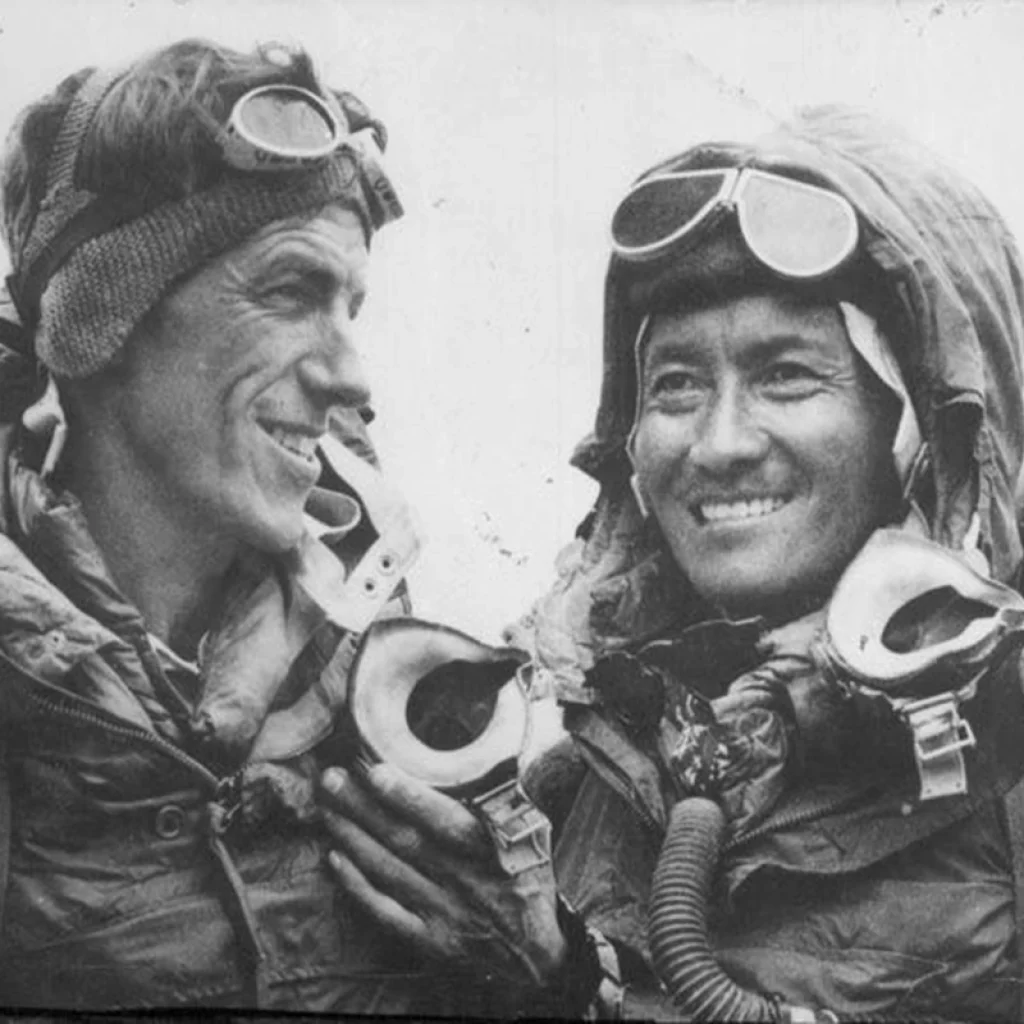
Beyond his historic climb, Tenzing Norgay devoted his life to training future generations of mountaineers. He helped establish climbing schools in Nepal, sharing his experience and knowledge of high-altitude survival, technical skills, and safety practices. His dedication not only advanced Nepal’s mountaineering industry but also inspired countless young Sherpas to pursue careers in climbing and guiding.
Tenzing’s legacy continues to influence mountaineers worldwide. He symbolizes bravery, humility, and the Sherpa spirit, making him an enduring figure in both Nepalese culture and international mountaineering history.
Kami Rita Sherpa: The Everest Record-Breaker
Kami Rita Sherpa has earned global recognition as one of the most accomplished climbers in mountaineering history. As of May 2025, he holds the world record for the most successful summits of Mount Everest, completing the feat 31 times. This remarkable achievement demonstrates his unmatched endurance, skill, and deep understanding of the mountain.

For over 30 years, Kami Rita has guided climbers through the challenging Khumbu Icefall, steep ridges, and unpredictable weather of Everest. His extensive experience allows him to lead expeditions safely while ensuring climbers can achieve their dreams of reaching the summit. Each ascent is a testament to his dedication, precision, and commitment to mountaineering excellence.
Kami Rita’s accomplishments have made him a symbol of perseverance and a role model for aspiring Sherpa climbers. Tourists and trekkers visiting the Everest region often hear his inspiring story, which highlights the human spirit and the remarkable capabilities of the Sherpa community.
Apa Sherpa: The Consistent Everest Veteran
Apa Sherpa, known as the “Super Sherpa,” completed 21 ascents of Mount Everest between 1990 and 2011. His record demonstrates not only extraordinary endurance but also an unparalleled mastery of high-altitude climbing. Apa Sherpa’s achievements helped cement the reputation of Sherpas as elite mountaineers capable of performing under extreme conditions.
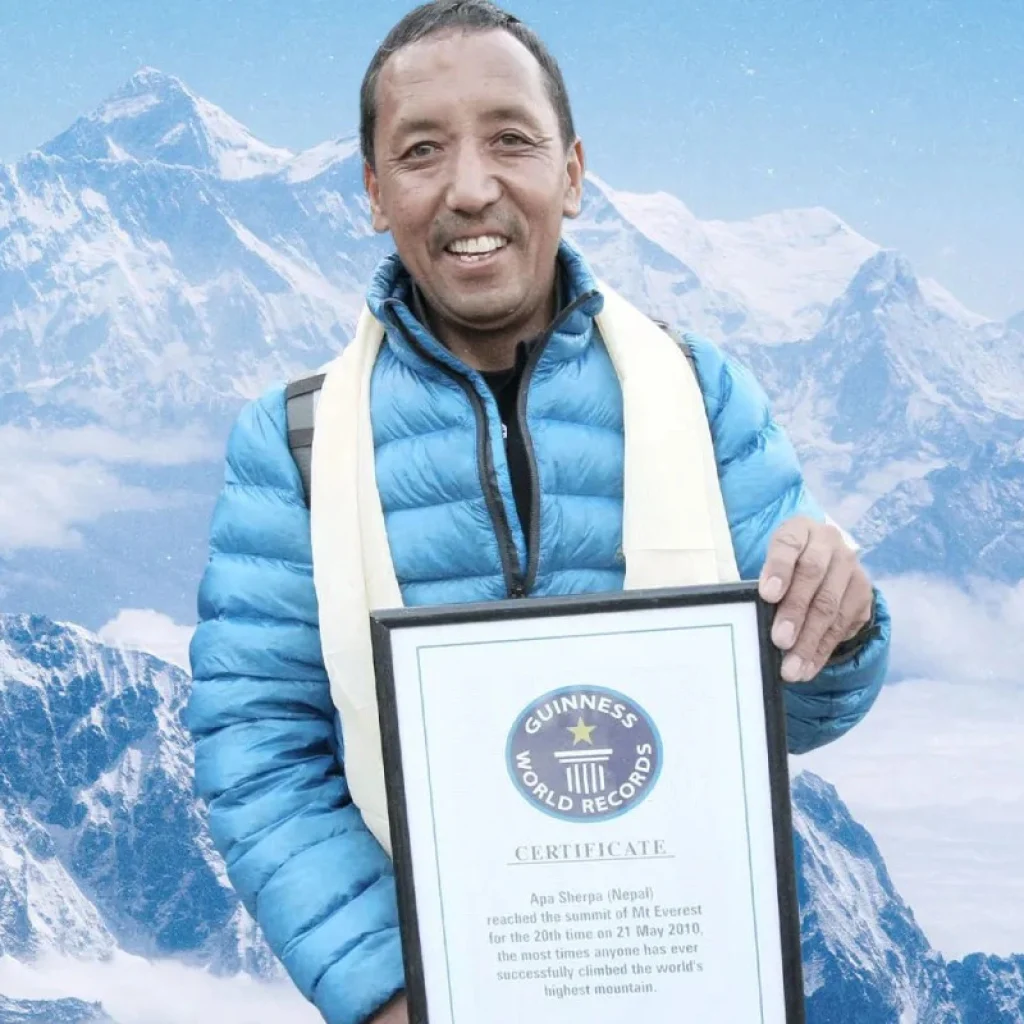
Throughout his career, Apa emphasized safety, meticulous preparation, and teamwork. He guided countless international climbers, ensuring their expeditions were successful while minimizing risks on the mountain. His deep knowledge of Everest’s terrain and weather patterns made him a trusted leader for both climbers and fellow Sherpas.
Apa Sherpa’s contribution extends beyond climbing. After retiring from professional mountaineering, he became an advocate for education and environmental conservation in the Himalayas. His legacy continues to inspire young Sherpas to pursue climbing careers while respecting the mountains that sustain their community.
Pasang Lhamu Sherpa: Trailblazer for Women in Mountaineering
Pasang Lhamu Sherpa is celebrated as the first Nepalese woman to reach the summit of Mount Everest in 1993. Her historic ascent marked a milestone for women in mountaineering and inspired countless female climbers to pursue high-altitude adventures in Nepal. Pasang’s courage, determination, and skill broke gender barriers and highlighted the growing role of women in Sherpa mountaineering traditions.

Pasang’s climb required immense preparation, physical strength, and mental resilience. She faced extreme weather, treacherous terrain, and the challenges of high-altitude climbing with remarkable poise. Tragically, she lost her life during her descent, yet her legacy lives on as a symbol of bravery, ambition, and the Sherpa commitment to mountaineering excellence.
Today, Pasang Lhamu Sherpa is honored across Nepal through awards, schools, and mountaineering programs that bear her name. She continues to inspire new generations of female climbers and stands as a powerful reminder of the possibilities for women in extreme sports.
Lhakpa Sherpa: Record-Breaking Female Everest Climber
Lhakpa Sherpa has set an extraordinary example for female mountaineers worldwide. She currently holds the record for the most successful Everest summits by a woman, achieving the summit 10 times. Her accomplishments reflect extraordinary endurance, determination, and expertise in navigating one of the world’s most dangerous mountains.
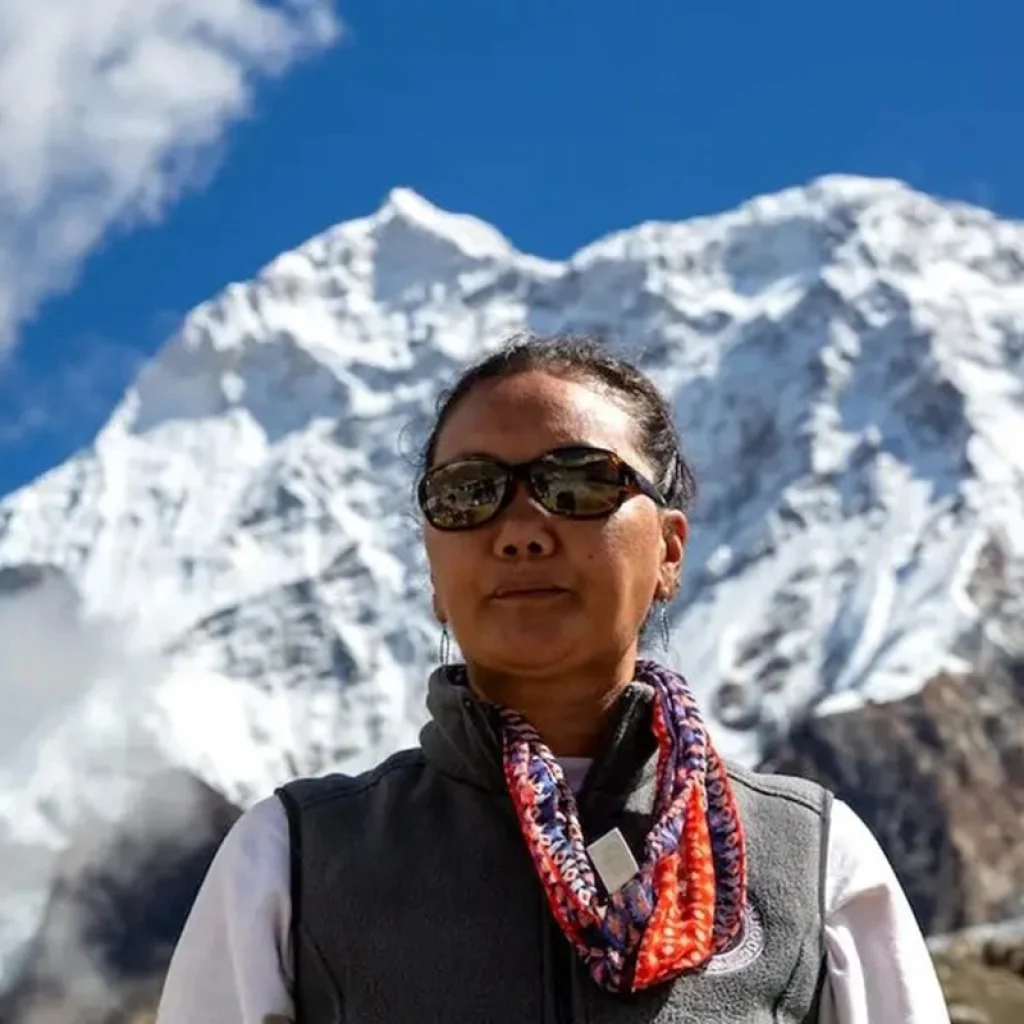
Lhakpa’s climbing career spans decades, during which she has faced the same extreme conditions that challenge all Everest climbers. Her ability to repeatedly reach the summit while managing safety, weather hazards, and physical limits showcases her professionalism and deep connection to the mountains.
Beyond her personal achievements, Lhakpa Sherpa serves as a role model for young women in Nepal and around the world. Her success illustrates that dedication, skill, and courage can overcome barriers while honoring the Sherpa community’s long-standing mountaineering heritage.
Sherpa Book: Stories That Reveal the Untold Lives Behind Everest
Sherpa: Stories of Life and Death from the Forgotten Guardians of Everest is a powerful narrative non-fiction book written by Pradeep Bashyal and Ankit Babu Adhikari. Published in 2022, the book brings forward the voices of Sherpas, focusing on their struggles, sacrifices, and achievements in the world of mountaineering. It explores decades of history, from early climbing expeditions in the 1930s and 1940s to modern Everest journeys, highlighting regions like Khumbu, Rolwaling, and Darjeeling where Sherpa life has been deeply connected to the mountains.

The book goes beyond climbing to present the human side of Sherpa life, including their families, beliefs, and the risks they face every season. It has gained international recognition, being shortlisted for the Boardman Tasker Prize for Mountain Literature and earning the Tenzing-Hillary Award in 2025. For trekkers and readers, this book offers a deeper understanding of the Sherpa people, reminding us that every successful summit has a story behind it.
Sherpa Movies and Documentaries
In addition to literature, films and documentaries have played a powerful role in sharing the stories of the Sherpa People with a global audience. These visual narratives go beyond the adventure of climbing and reveal the emotional, cultural, and social realities of Sherpa life.

One of the most well-known documentaries is Sherpa, directed by Jennifer Peedom. This film focuses on Phurba Tashi Sherpa and the tragic 2014 Everest ice avalanche. It presents the risks Sherpas take while supporting climbers and highlights the tensions between local guides and foreign expeditions. Consequently, the film gives Sherpas a voice and brings attention to their working conditions.
Another important documentary is Mountain Queen: The Summits of Lhakpa Sherpa, which follows the journey of Lhakpa Sherpa. It showcases her determination, personal struggles, and record-breaking achievements on Mount Everest.

Also, Pasang: In the Shadow of Everest shares the inspiring story of Pasang Lhamu Sherpa, the first Nepali woman to summit Everest.
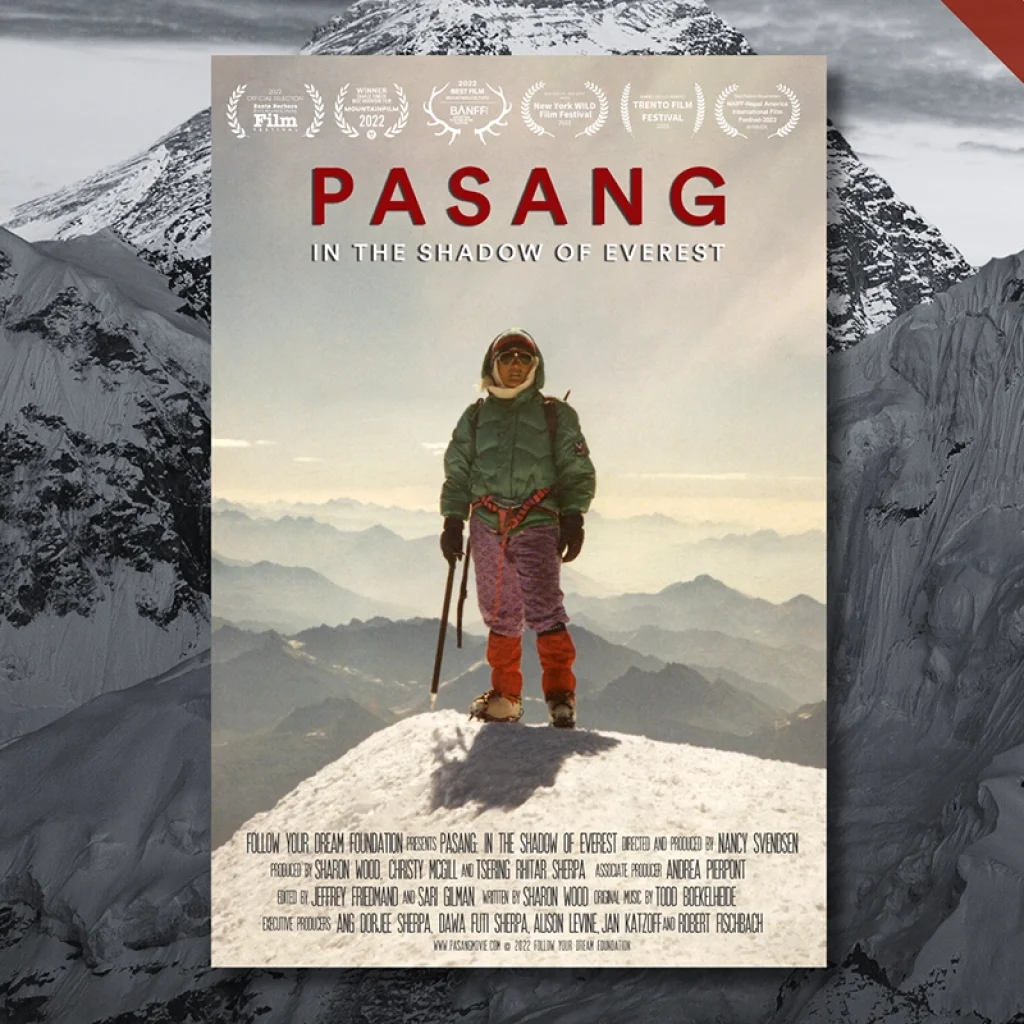
These films undoubtedly offer a deeper and more personal perspective on the Sherpa community. They allow viewers and trekkers to understand not only the physical journey of climbing but also the Sherpa people’s emotional strength, resilience, and identity.
Spiritual Connection and Climbing Rituals of the Sherpa People
For the Sherpa People, mountains are not just physical landscapes but sacred spaces filled with spiritual meaning. Before any climbing expedition, a traditional Puja ceremony is performed to seek permission and blessings from the mountain deities. Offerings such as incense, food, and prayer flags are used during these rituals.
Climbing is seen as both a physical and spiritual journey. Sherpas believe that respecting the mountain is essential for safety and success. This deep spiritual connection shapes their approach to mountaineering and influences how they guide climbers through the Himalayas.
Economic Contribution of the Sherpa Community to Himalayan Tourism
The Sherpa People play a crucial role in Nepal’s trekking and mountaineering economy. From guiding expeditions to managing lodges and transportation, their involvement supports thousands of travelers visiting the Everest region each year. Their knowledge of the terrain and weather conditions ensures safe and successful journeys for climbers and trekkers.
Furthermore, Everest expeditions contribute significantly to Nepal’s economy, generating millions of dollars annually. Sherpas remain at the center of this industry, balancing economic opportunities with the risks associated with high-altitude work. Their contribution highlights both their importance and their dedication to the Himalayan tourism sector.
Experiencing Sherpa Culture on Your Trek
Exploring the Khumbu region and interacting with Sherpa communities provides a unique cultural experience. Visitors can witness monasteries, festivals, and daily life firsthand, gaining insight into their resilience, spirituality, and deep connection to the mountains.
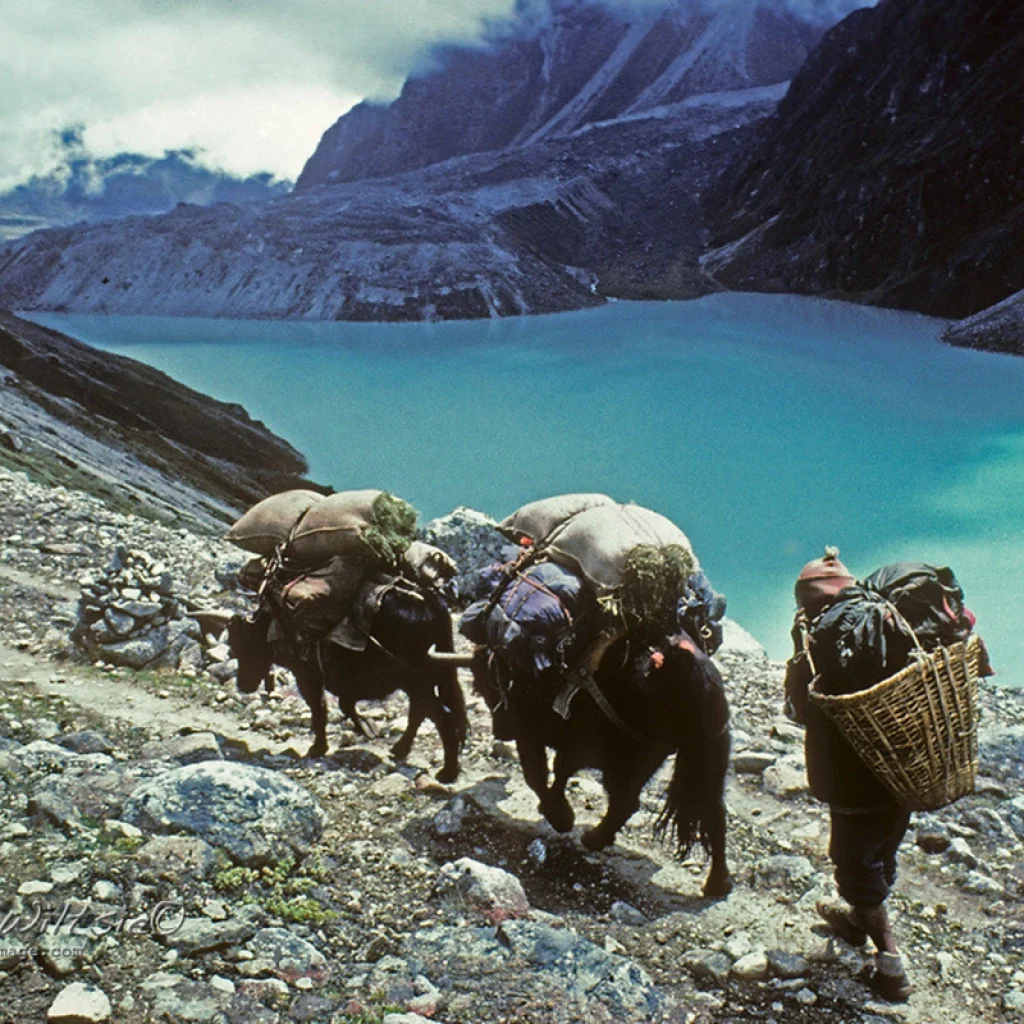
Trekking with Sherpa guides ensures not only a safe journey but also a meaningful cultural immersion.
Why Every Trekker Should Know the Sherpa People
Understanding the Sherpa people enriches any Himalayan adventure. Their knowledge, traditions, and spiritual beliefs elevate trekking from a physical challenge to a culturally immersive journey. Trekking with respect for their heritage and contributions creates a deeper connection to Nepal, the mountains, and the extraordinary people who call them home.
Even if you are summiting Everest, exploring Sagarmatha National Park, or visiting remote Sherpa villages, their stories, practices, and guidance make your experience truly unforgettable.
Ready to plan your dream Himalayan adventure? Contact us today, and our expert team will help you craft a safe, unforgettable journey.
0 Comment