

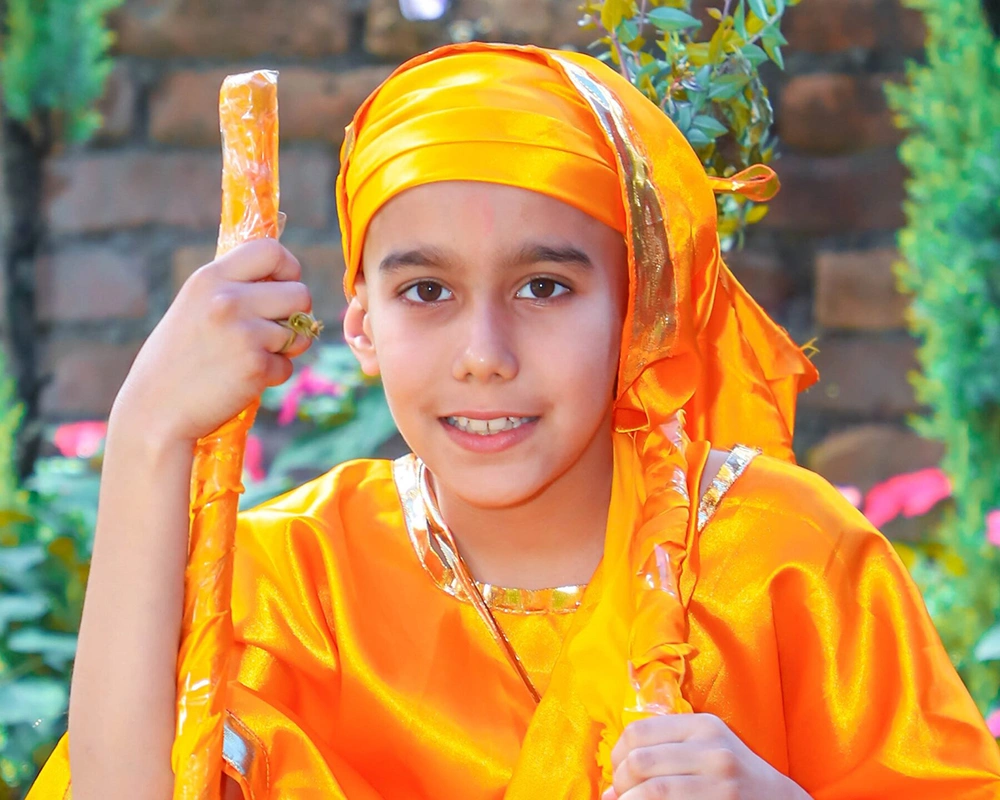

The Bahun community is one of the most prominent and influential groups in Nepal. Known as the Hill Brahmins, Bahuns belong to the Brahmin varna within the Khas ethnic group. For centuries, they have played a major role in religion, education, administration, and social life across Nepal.
Today, Bahuns are widely recognized for their contribution to scholarship, governance, and Hindu religious traditions.
Who Are the Bahuns of Nepal
Bahun (Nepali: बाहुन) refers to the Brahmin caste among the Khas people of Nepal. They are traditionally considered part of the Tagadhari group, meaning sacred-thread wearers, which represents the higher ritual status in the Hindu social system.
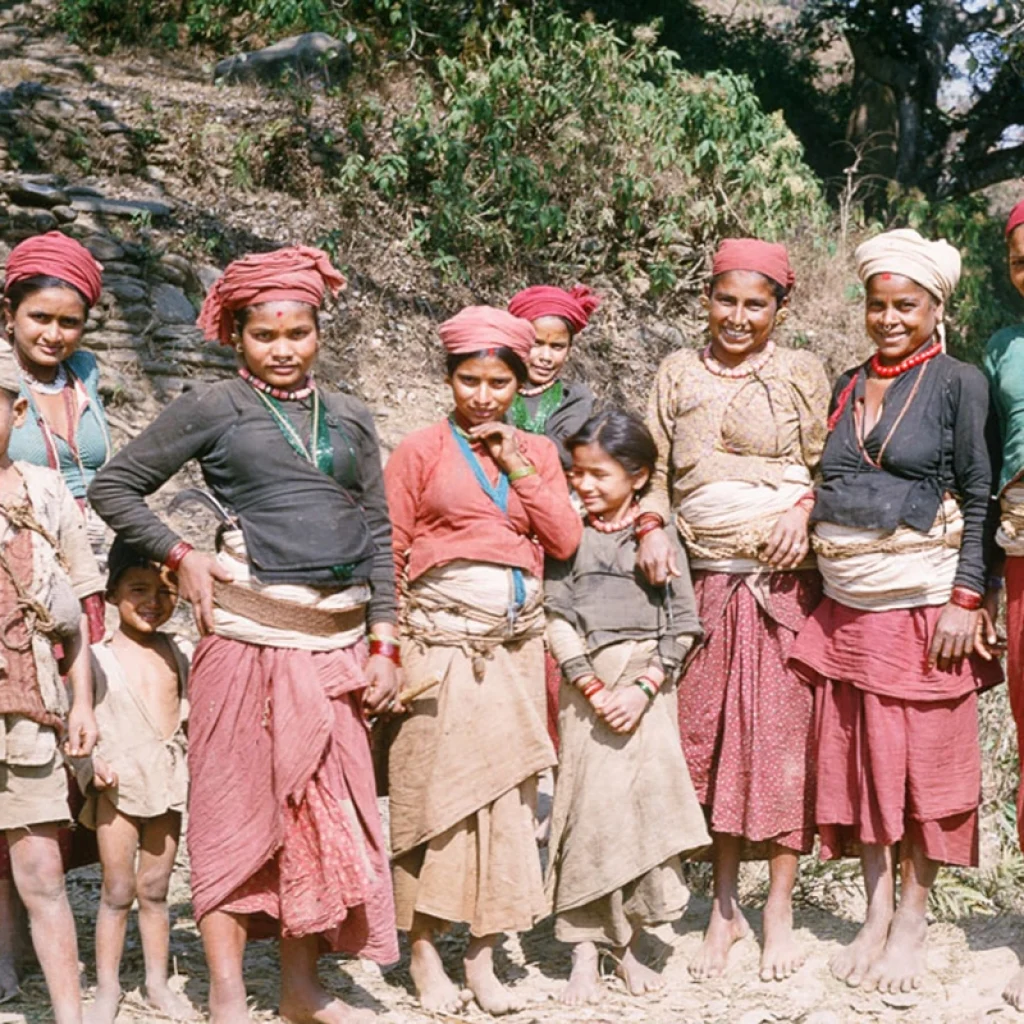
According to the 2011 census, Bahuns are the second largest ethnic group in Nepal, following the Chhetri community. Their population is about 3.2 million people, making up roughly 12.2 percent of the country’s total population.
Most Bahuns follow Hinduism, and around 99 percent of the community identifies as Hindu. Historically, they served as priests, scholars, teachers, and advisors in society.
Historical Origin of the Bahun Community
The Bahun community is believed to have originated from Brahmins who migrated from northern India into the Himalayan region centuries ago. Many historical records suggest that Hill Brahmins belong to the Kanyakubja Brahmin lineage, which traces its roots to Kannauj, an ancient center of Brahmin scholarship in northern India.
From the Gangetic plains, these Brahmins gradually moved toward the western Himalayan regions and later settled in areas that now form western and central Nepal. Historical genealogies indicate that some groups migrated to the region of Jumla and other parts of the western hills before spreading across the country.
Over time, these Brahmins integrated with the Khas society and became known as Hill Brahmins or Bahuns.
Connection with the Khas Community
Traditionally, Bahuns were part of the larger Khas community, together with the Chhetris. During the medieval period, particularly under the rule of the Khasa Malla Kingdom in western Nepal, Khas Brahmins and Khas Kshatriyas gained high social status.
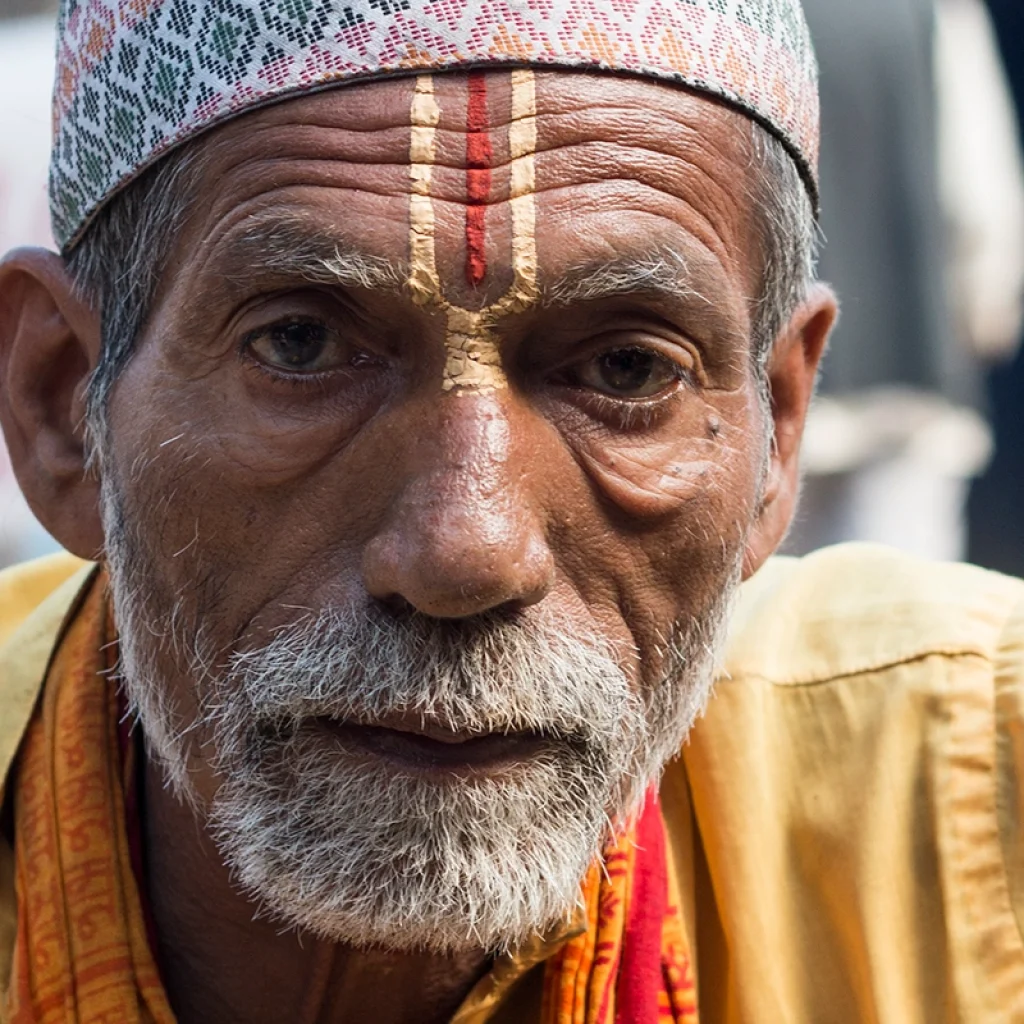
Later, the rise of the Gorkha Kingdom further strengthened the position of Bahuns and Chhetris in political and administrative structures. Their education and literacy allowed them to become advisors, officials, and administrators in the expanding Nepali state.
Legal Status in Traditional Nepal
The legal status of Bahuns was formally recognized in Nepal’s first national legal code, the Muluki Ain of 1854. In this code, Bahuns were classified as Tagadhari, meaning twice-born Hindus who wore the sacred thread and held high ritual status within the caste hierarchy.
This classification placed them among the most respected groups in traditional Nepali society.
Spiritual Beliefs and Daily Rituals of the Bahun (Brahmin) Community
The Bahun community, also known as Hill Brahmins, follows a deeply spiritual lifestyle rooted in Hindu traditions. Cows are considered sacred motherly figures, and cow urine is traditionally used with herbs in rituals and as medicine. Early mornings are dedicated to bathing, meditation, and temple visits, reflecting their disciplined and devout way of life.
A defining practice is wearing the Janeu, the sacred thread draped from the left shoulder to the right side of the body, used during meditation, pujas, and religious ceremonies. Food is always first offered to God before consumption, and holy Vedic scriptures like the Vedas, Puranas, and Upanishads guide daily conduct and moral decisions.
While modern Bahun families may not strictly follow all traditional customs, such as dietary restrictions or practices during menstruation, these rituals still shape their cultural identity. Cow milk remains essential in sacred ceremonies like Yagya, Puja, and Hawan, keeping age-old traditions alive.
Population and Distribution
According to the Central Bureau of Statistics Nepal, Bahuns make up about 12.2 percent of Nepal’s population. They are widely distributed across the country, but especially concentrated in the hill regions and major urban centers.

Bahuns form a significant portion of the population in districts such as:
- Jhapa
- Morang
- Kathmandu
- Chitwan
- Rupandehi
- Nawalparasi
- Kaski
- Syangja
- Parbat
- Gulmi
- Arghakhanchi
Among these districts, Parbat, Arghakhanchi, Dhading, Chitwan, and Kaski have particularly high percentages of Bahun residents. The largest Bahun population is found in Kathmandu, where more than 400,000 Bahuns live.
Bahun People’s Role in Government and Education
Bahuns have historically been associated with education and administration. Due to their long tradition of literacy and scholarship, they have maintained strong representation in government institutions. Studies show that Bahuns hold a significant share of positions within Nepal’s civil service.
You May Also Prefer Reading: Dhulikhel: Places to Visit Near Kathmandu
According to the Public Service Commission Nepal, Brahmins and Chhetris together make up a large proportion of government employees. In some reports, Bahuns account for more than one third of Nepal’s bureaucratic workforce, even though they represent about one eighth of the national population.
This strong presence reflects the community’s historical focus on education and public administration.
Religion and Cultural Life
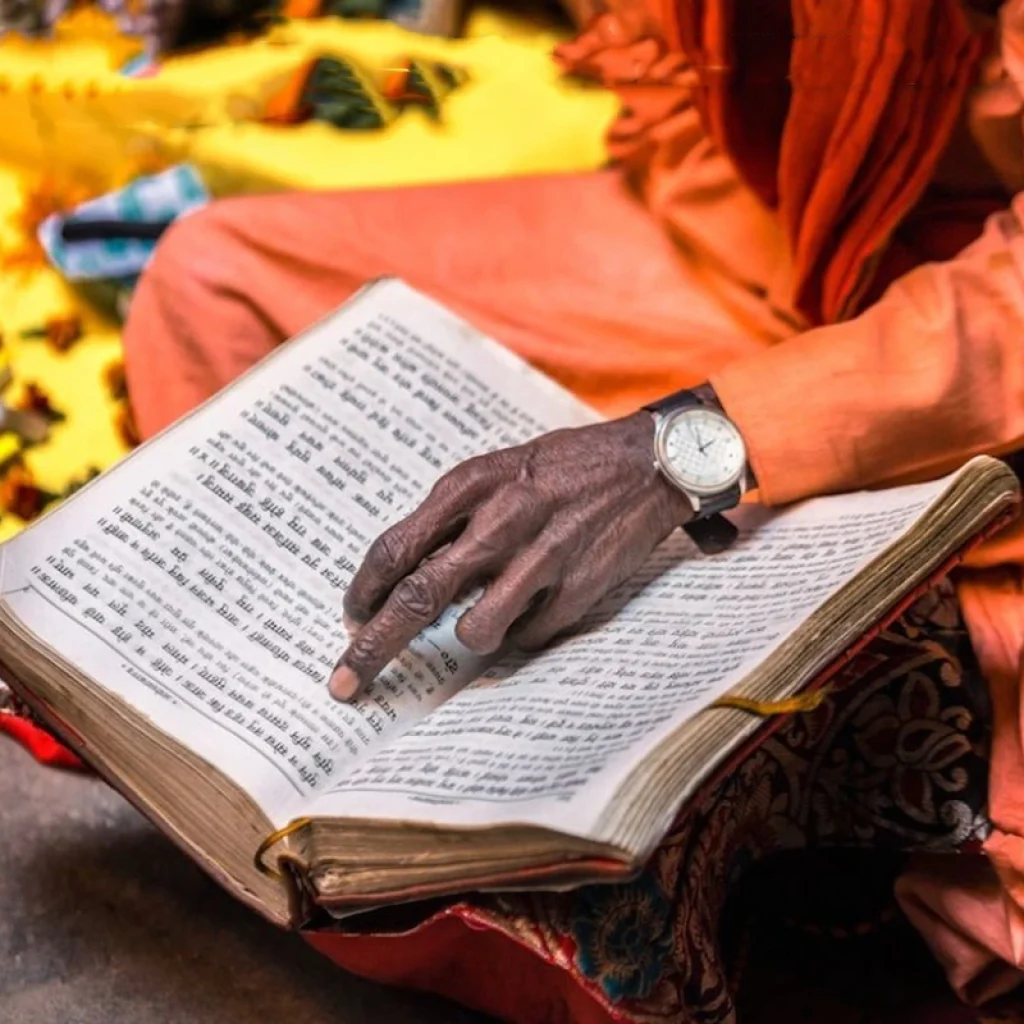
Religion is central to Bahun identity. Most Bahuns follow Hinduism, and many families traditionally served as priests, scholars, or religious advisors. They play an important role in conducting rituals, ceremonies, and festivals in Hindu communities.
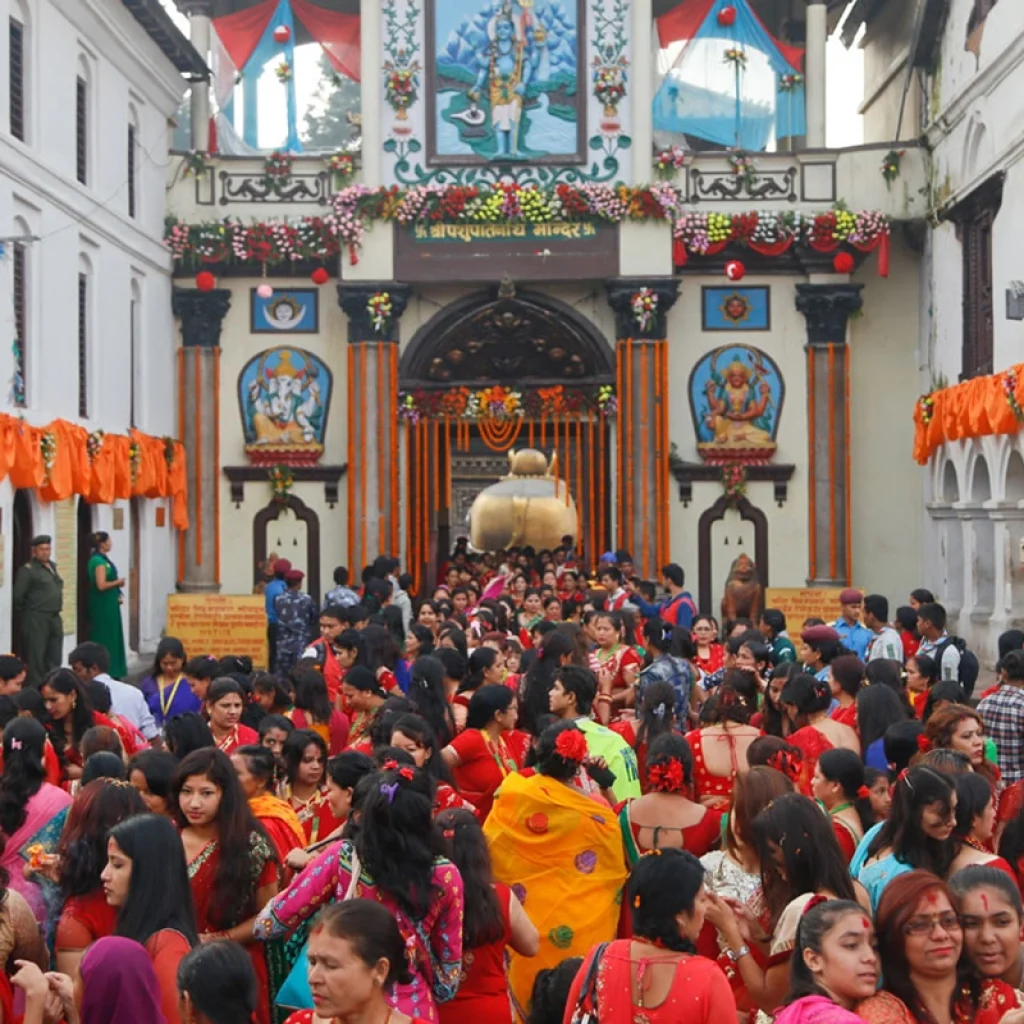
Many important religious traditions and rituals in Nepal are guided by Bahun priests. Sacred rites such as naming ceremonies, weddings, and death rituals often involve Brahmin priests who perform Vedic rituals and recite sacred scriptures.
Language and Lifestyle
Most Bahuns speak Nepali as their primary language. Over generations, they have adopted the cultural practices of the hill regions while maintaining strong ties to Hindu religious traditions.
Also Read: People of Nepal: Newar Community, History, Culture, Language, and Traditions
Bahun families traditionally valued education and learning. This emphasis on knowledge helped them establish roles as teachers, scholars, and administrators. Today, Bahuns are active in all sectors of society, including politics, academia, business, law, and medicine.
Gotra System and Marriage Traditions Among Bahuns
Marriage in the Bahun community follows a traditional Gotra system, ensuring ancestral lineages are respected and preserved. A Gotra represents a family line traced to a revered sage (Rishi). For instance, the Kashyapa Rishi Gotra traces its lineage to Kashyapa Rishi, while the Bharadwaja Rishi Gotra comes from Bharadwaja Rishi.
Traditionally, marriage within the same Gotra is avoided, as members are considered close blood relatives. There are seven principal Gotras and dozens of sub-Gotras, which help maintain the sanctity of family heritage. This system preserves cultural identity and strengthens social bonds and ancestral pride.
Bahun in Modern Nepal
Modern Nepal has seen significant social and political changes, including reforms aimed at improving the inclusion and representation of many communities.
Despite these changes, Bahuns remain an influential group in many areas of national life. They continue to contribute to Nepal’s governance, education system, and cultural traditions.
At the same time, younger generations of Bahuns are increasingly engaged in global professions, entrepreneurship, and international education.
The Role of the Bahun Community in Nepal
The Bahun community has played a significant role in shaping Nepal’s intellectual, religious, and administrative traditions. From their early migration into the Himalayan region to their influence in education, governance, and scholarship, Bahuns have contributed greatly to the country’s development.
Today, the community continues to participate actively in modern professions, politics, education, and social leadership. While Nepal has become more diverse and inclusive over time, the historical contributions of Bahuns remain an important part of the nation’s cultural and social foundation.
For Further Information and Queries: Do Contact Us
Understanding Nepal’s history and society is incomplete without recognizing the influence and traditions of the Bahun community.
0 Comment