Nepal Travel Guide for British Travellers 2027
Nepal is easier to plan from the UK than most British travellers expect. A tourist visa is issued on arrival, flights from London connect through Istanbul, the Gulf or Delhi in roughly 12 to 18 hours, and spring and autumn bring the clearest mountain weather of the year. Britain was Nepal’s fourth-largest source of visitors in 2025, with 58,684 arrivals, and our team welcomes British guests on treks, climbs and cultural journeys every season.
This guide covers the visa, flights, time difference, best months, money, trekking, insurance, food and festivals, with the practical detail you need to book with confidence.
Quick answer
- Visa: a tourist visa on arrival costs $30 for 15 days, $50 for 30 days, or $125 for 90 days. Complete the online form before you fly.
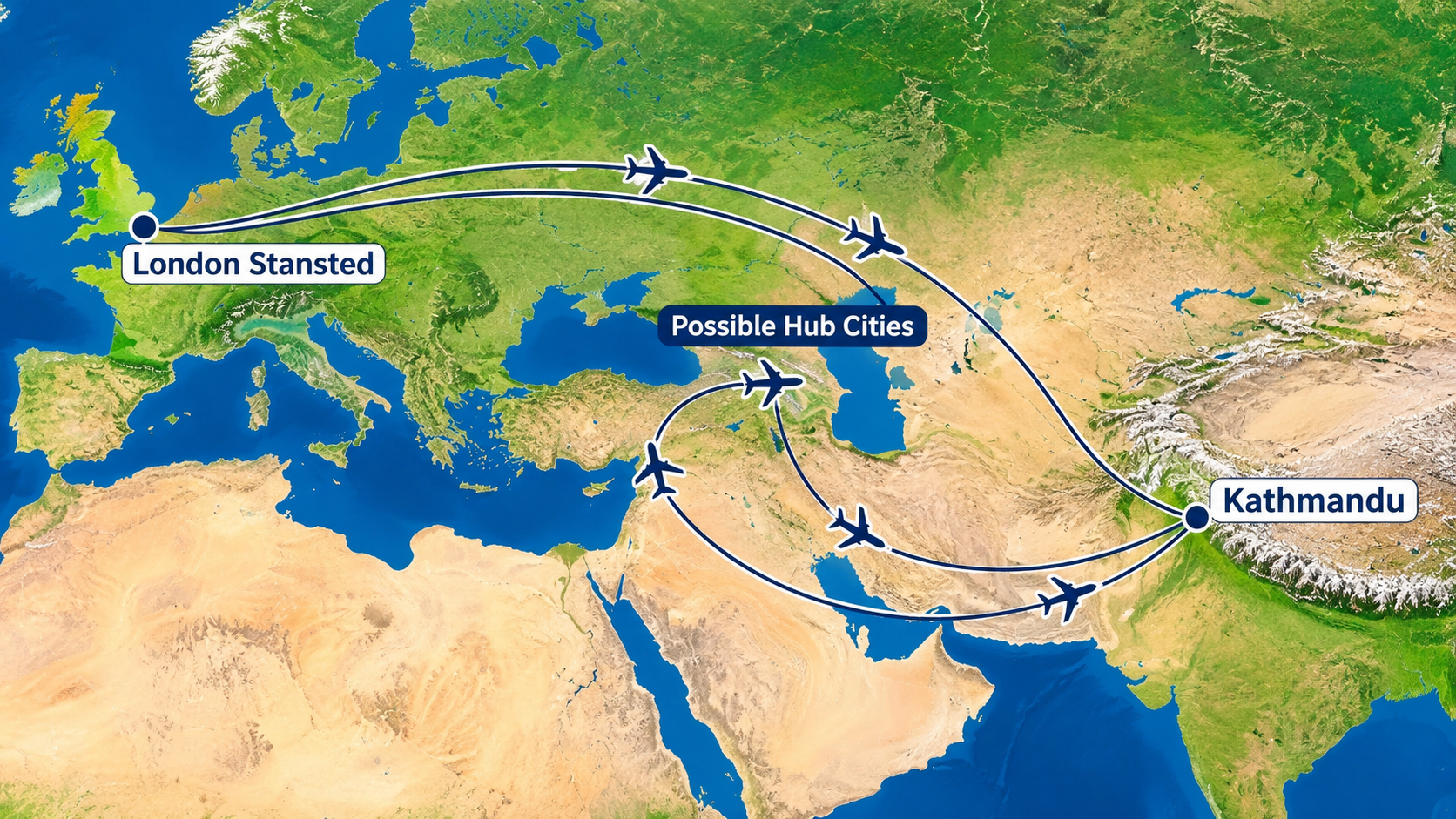
- Flights: there are no nonstop flights from the UK. Connect through Istanbul, Doha, Dubai, Abu Dhabi, or Delhi.
- Time difference: Nepal is 5 hours 45 minutes ahead of the UK in winter and 4 hours 45 minutes ahead in British Summer Time.
- Best months: March to May and September to November.
- Insurance: the UK’s GHIC does not cover Nepal, so buy a policy that covers your highest altitude and helicopter evacuation.
- Plugs: bring a UK-to-Nepal adapter. The voltage matches the UK.
Why Nepal and Britain Share Such a Close Bond
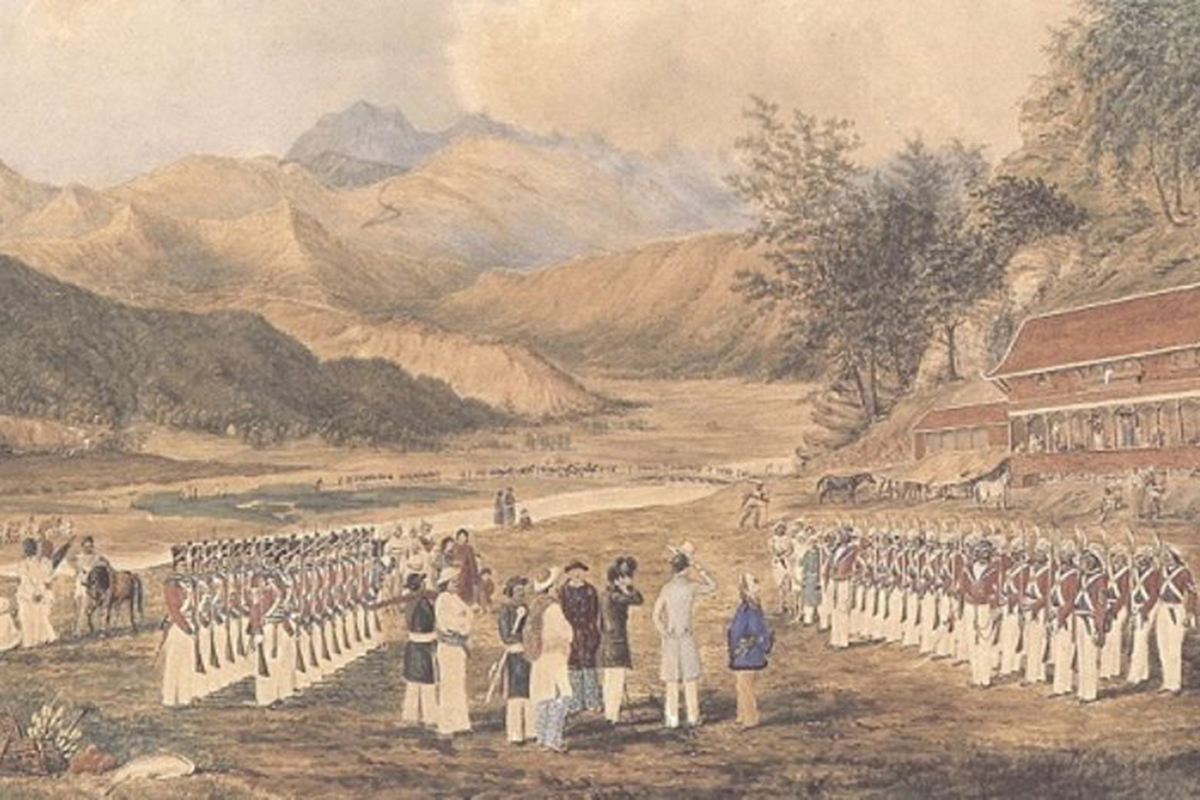
Nepal and Britain formalised their relationship in the Treaty of Sugauli, signed on 4 March 1816, and the Gurkha Museum marks that date as the formal beginning of Gurkha service to the Crown. That makes 2026 the 210th anniversary. In the two centuries since, Gurkha soldiers from Nepal’s hill villages have served alongside British forces around the world, and Gurkha families now live in British towns such as Aldershot and Folkestone. For many UK visitors, Nepal is the homeland of friends and neighbours.
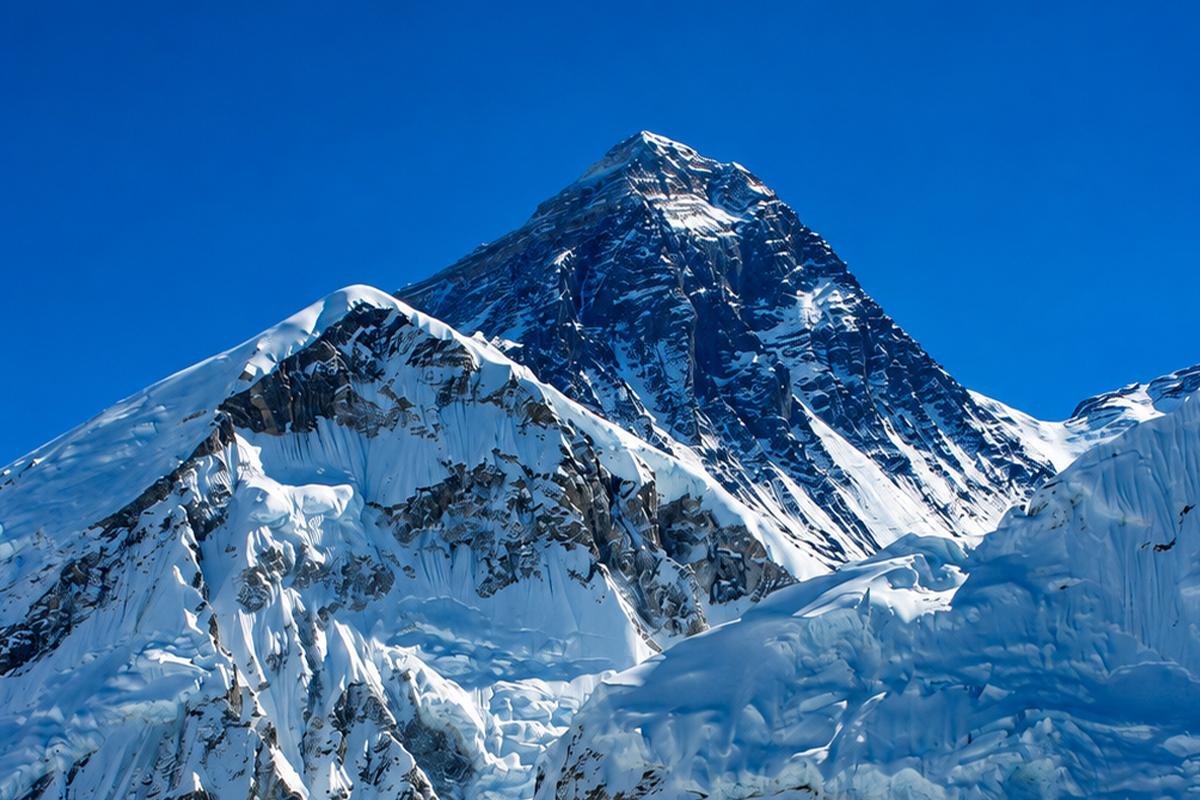
The mountains form the second thread. Everest took its name in 1865 from Sir George Everest, a former Surveyor General of India, and in 1953 a British expedition led by John Hunt put Edmund Hillary and Tenzing Norgay on the summit. Nepali hosts know this history well, and British guests often receive a warmth that goes beyond ordinary good manners.
Best Time to Visit Nepal From the UK
Spring (March to May) and autumn (September to November) are the two prime windows for trekking, climbing and sightseeing. Skies are clear, temperatures are comfortable, and mountain views are at their best. Spring brings rhododendrons in bloom on the lower trails, and autumn brings crisp air and the biggest festivals.
Summer (June to August) is monsoon. Trails in the Annapurna and Everest regions turn wet and leech-prone, although rain-shadow areas such as Upper Mustang and Dolpo stay dry enough to trek. Winter (December to February) is cold at altitude but sunny and calm, which suits lower treks, cultural trips and Pokhara’s lakeside.
Match Nepal’s seasons to the British school calendar before you book. The Easter break falls inside the spring window, and our Everest Base Camp departure on 1 April 2027 overlaps the holiday for many schools. The late October half-term lands in peak autumn and, in 2027, overlaps Tihar. The long summer holiday falls in the monsoon, so families travelling in July and August should choose rain-shadow routes or cultural itineraries.
Nepal Time Difference From the UK
Nepal runs on UTC+5:45, one of the few time zones offset by 45 minutes, and it does not change its clocks.
| UK time | Nepal is ahead by |
|---|---|
| GMT (late October to late March) | 5 hours 45 minutes |
| BST (late March to late October) | 4 hours 45 minutes |
A 9 am start in London on a winter morning is 2:45 pm in Kathmandu. Most travellers settle within a couple of days. A 10 am UK call in winter reaches our Kathmandu office at 3:45 pm, so planning calls is easy to arrange.
Nepal Visa for British Citizens
British travellers can get a multiple-entry tourist visa on arrival at Tribhuvan International Airport in Kathmandu and at land border crossings. The 2026 fees are below.
| Length of stay | Fee |
|---|---|
| 15 days | $30 |
| 30 days | $50 |
| 90 days | $125 |
Pay in cash in a major currency, because officers usually refuse Nepali rupees. Complete the online arrival form on the Department of Immigration website before you fly and keep the barcode receipt, which shortens the airport queue. Nepal began a wider e-visa rollout in August 2026, so check the Department of Immigration site for the current payment steps. Your passport needs at least six months of validity and spare blank pages. A tourist visa can be extended inside Nepal, and total stay is capped at 150 days in a calendar year. Our visa and flights guide covers the documents in more detail.
Flights From the UK to Nepal
There are no nonstop flights from the UK to Kathmandu. Most British travellers connect through Istanbul with Turkish Airlines, through Doha, Dubai or Abu Dhabi with Qatar Airways, Emirates or Etihad, or through Delhi. Total journeys run from about 12 hours on the fastest routings to 18 hours or more with a long layover. Book early for the March to May and October peaks.
Inside Nepal, short domestic flights connect Kathmandu with Pokhara in about 25 minutes and with mountain airstrips such as Lukla. In the peak spring and autumn weeks, Lukla flights often leave from Manthali in Ramechhap, which means an early road transfer from Kathmandu. Mountain flights depend on weather, so keep a spare day or two before your flight home. We build that buffer into every Everest region itinerary.
Read More: Nepal Travel Guide for Indian Travelers (2026 Edition)
Money and Costs for British Travellers
Nepal uses the rupee. British pounds are easy to exchange at licensed counters in Kathmandu and Pokhara, and city rates usually beat airport rates. ATMs are common in towns, but carry enough cash for the trail, because machines are rare and unreliable in the mountains and tea houses take cash. Everyday costs sit well below UK prices, and our trips are priced in US dollars, which keeps quotes simple. Tipping your guide and porter team is customary, and we explain the guidelines before you set off.
Places to Visit in Nepal
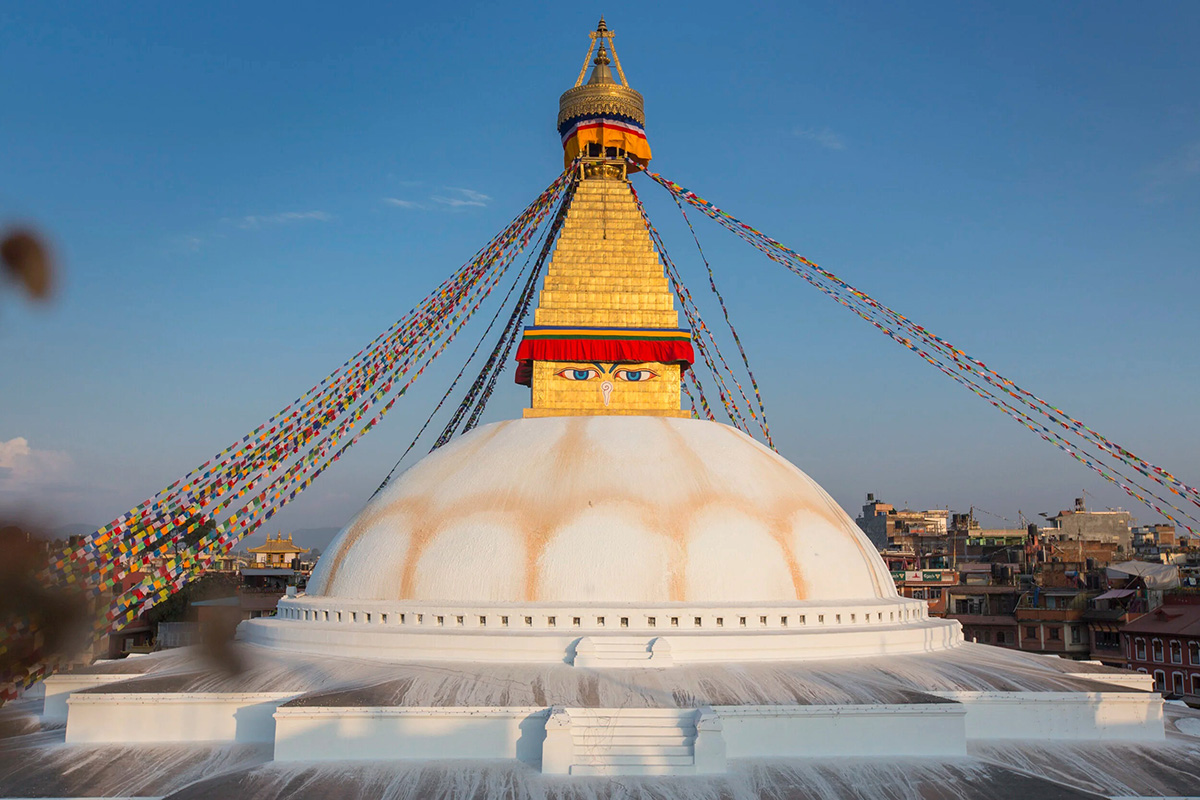
- Kathmandu: the capital packs the UNESCO-listed Durbar Square, the great stupas of Boudhanath and Swayambhunath, and the Hindu temple complex of Pashupatinath into one valley. Allow time for the lanes of Thamel.
- Pokhara: a relaxed lakeside city beside Phewa Lake with the Annapurna range on the skyline. It is the gateway to the Annapurna treks and a base for paragliding and boating.
- Chitwan National Park: a UNESCO World Heritage jungle reserve in the lowlands where visitors look for one-horned rhinos and, with luck, Bengal tigers.
- Lumbini: the birthplace of the Buddha, a UNESCO World Heritage site and a quiet stop for pilgrims and history lovers.
Trekking in Nepal for British Walkers
British walkers often arrive with strong hill fitness and no experience of altitude, and that gap matters. Kathmandu already sits at roughly 1,400 m, higher than the summit of Ben Nevis at 1,345 m, and the Everest Base Camp trail climbs past 5,500 m. Days in the Lake District, Snowdonia or the Highlands build the legs, but only a slow itinerary with rest days builds acclimatisation.
Our altitude sickness guide explains the warning signs, and our itineraries include acclimatisation days for that reason. In the months before you fly, train for back-to-back days of six to eight hours on foot with a loaded daypack.
| Trek | Days | Highest point | From |
|---|---|---|---|
| Annapurna Base Camp Trek | 14 | 4,130 m | $1,378 |
| Everest Base Camp Trek | 13 | 5,545 m | $1,400 |
| Annapurna Circuit Trek | 14 | 5,416 m | $1,900 |
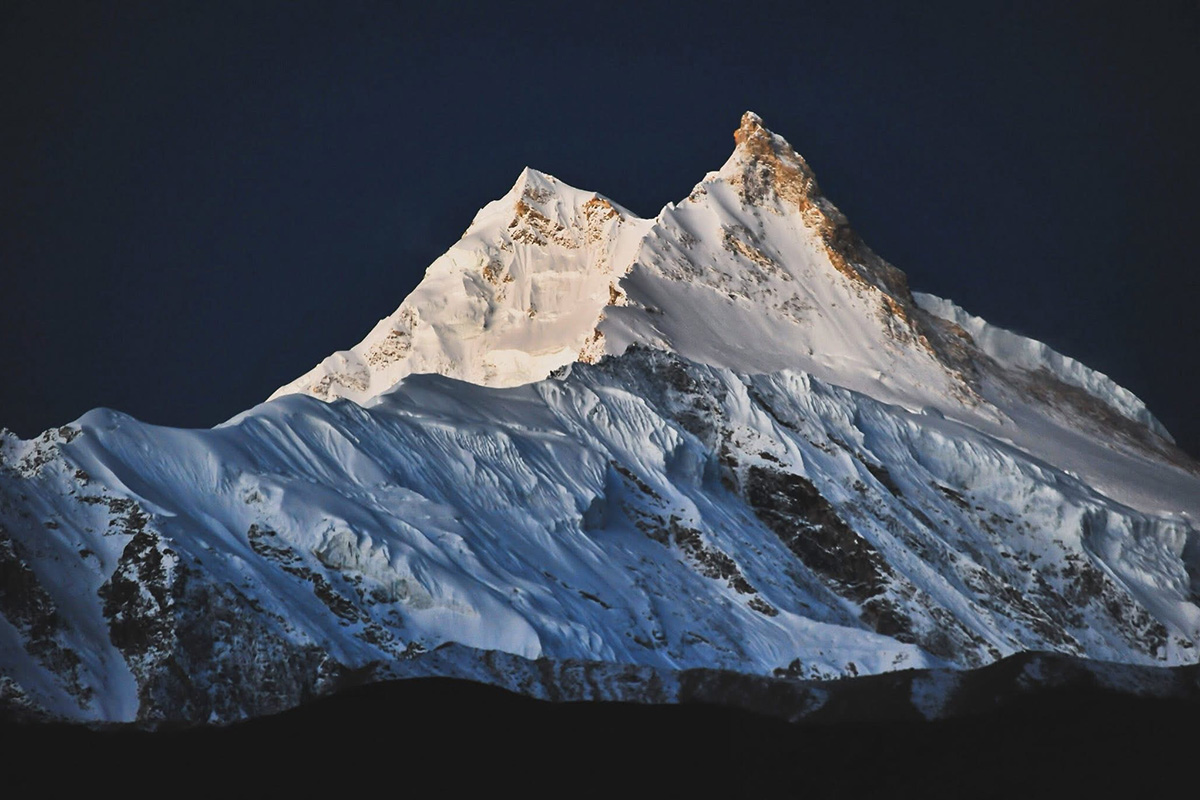
| Manaslu Circuit Trek | 16 | 5,106 m | $2,376 |
| Upper Mustang Trek | 14 | 3,840 m | $2,660 |
Altitudes and prices are those listed on our trip pages and can change. The FCDO states that you need a valid permit and a TIMS card to enter Nepal’s main trekking regions, and a licensed guide is expected on most routes. Our team arranges your permits, guide, porters, and tea-house rooms. You can read the requirements in our trekking permit guide.
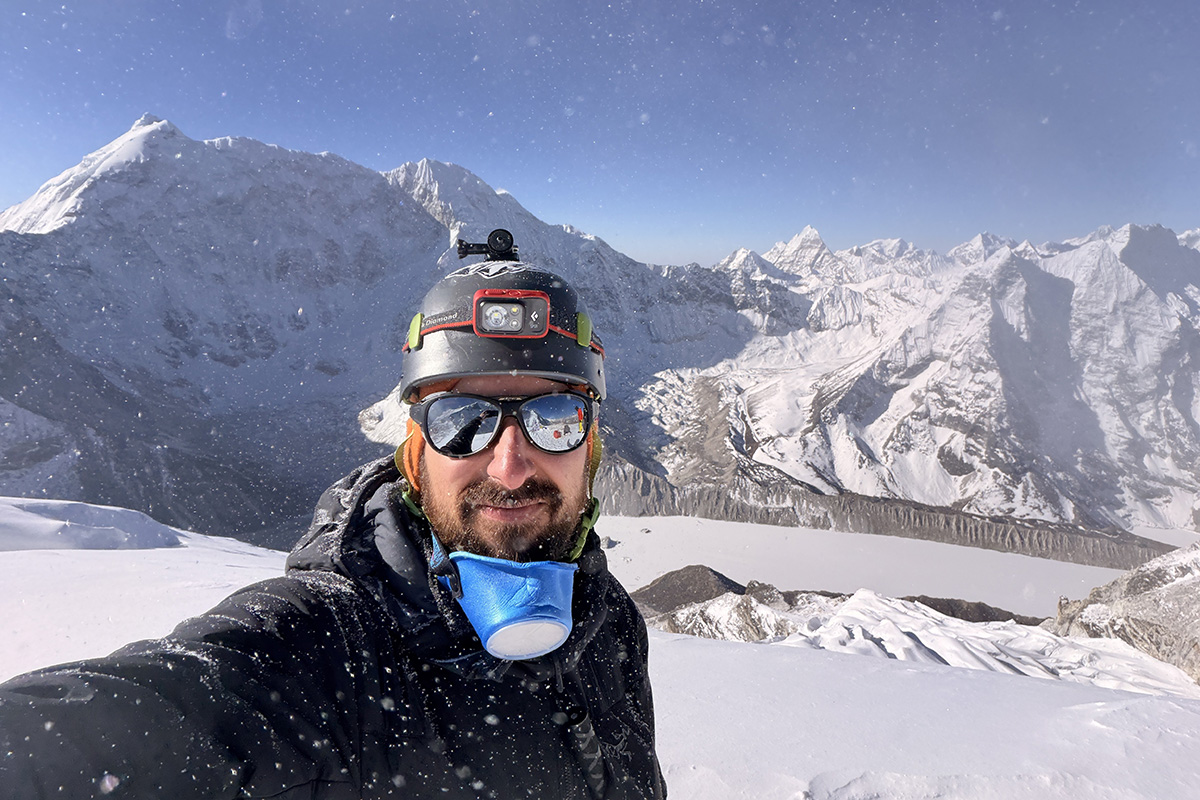
If you prefer to join a confirmed group, our fixed departures include Everest Base Camp on 15 March and 1 April 2027, plus a Christmas and New Year departure.
You May Also Prefer Reading: Everything You Need To Know About Everest Viewpoint & Kalapatthar to Everest Base Camp Trek (13 Days)
Climbing in Nepal
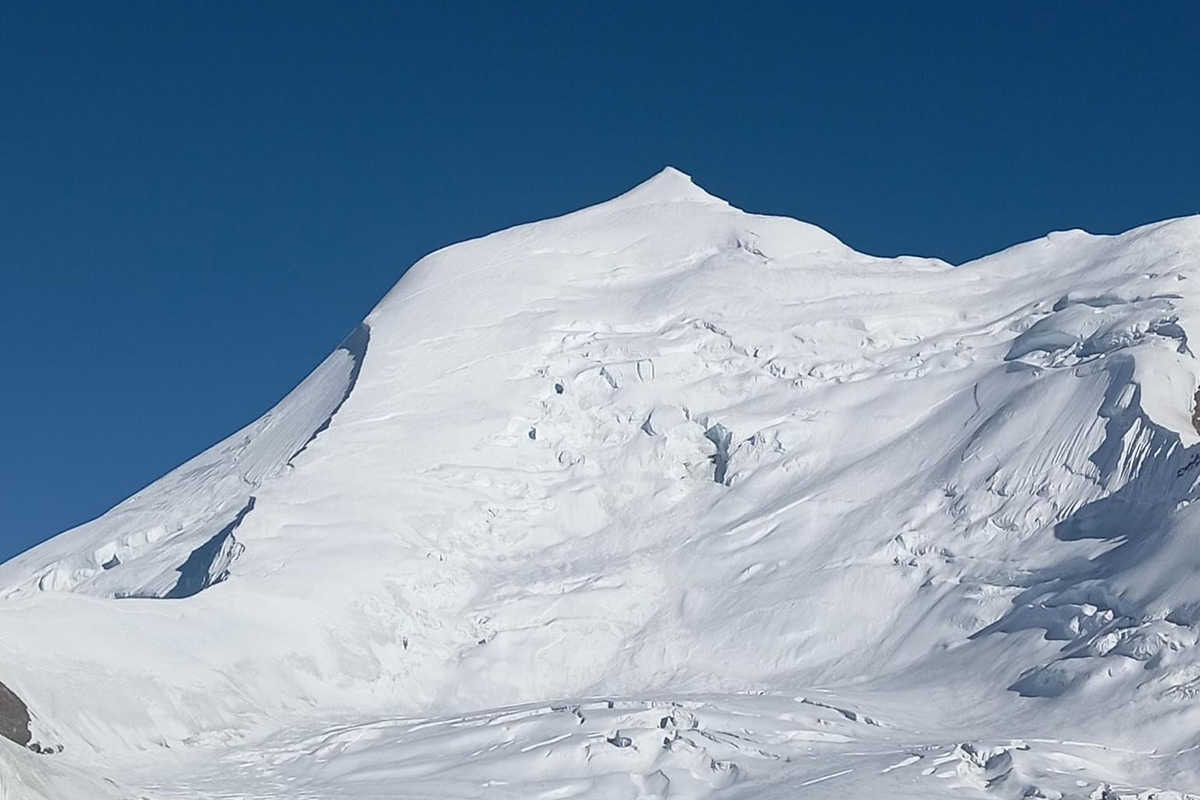
Eight of the world’s fourteen 8,000 m peaks stand in Nepal, and British mountaineers have shaped climbing here since the 1950s. Most newcomers start on the 6,000 m trekking peaks, such as Island Peak at 6,189 m, Lobuche East at 6,119 m and Mera Peak at 6,476 m.
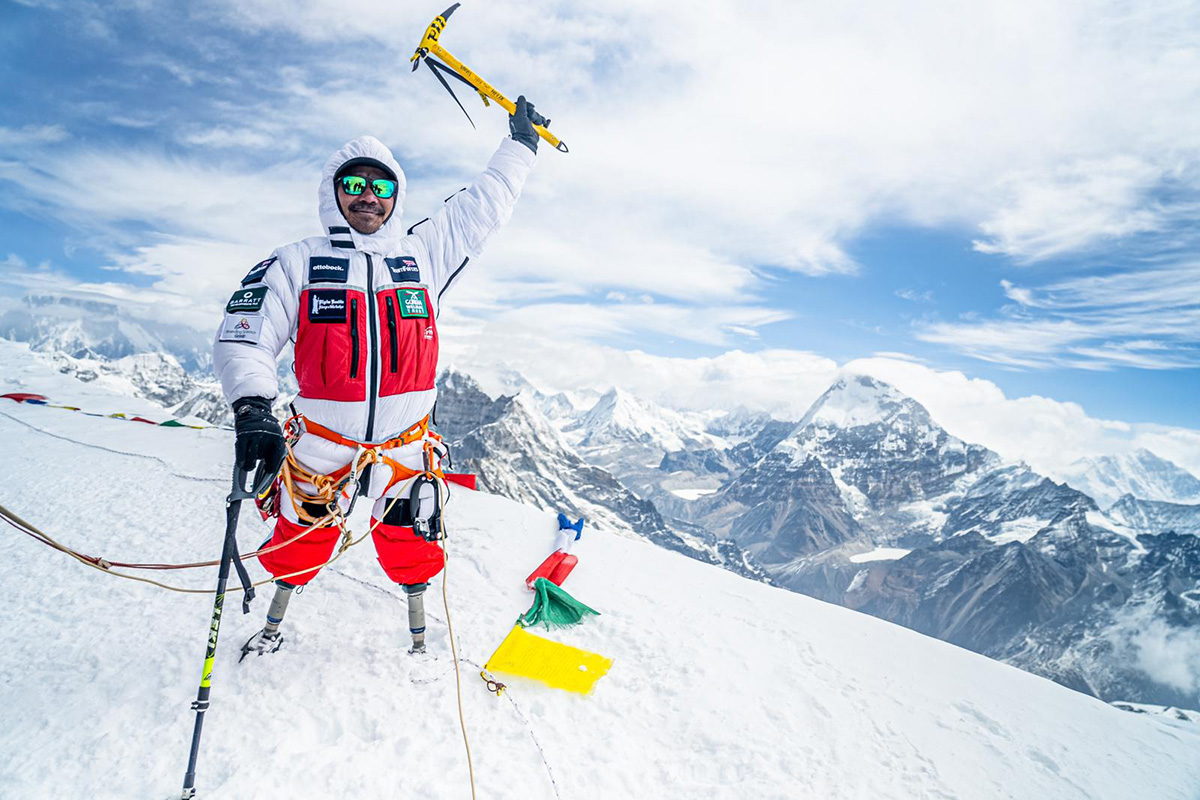
Our expeditions go higher, with Ama Dablam, Himlung Himal, Manaslu and Everest. Climbing needs a mountaineering insurance policy and extra paperwork, which our expedition permit guide explains.
Travel Insurance and Staying Safe
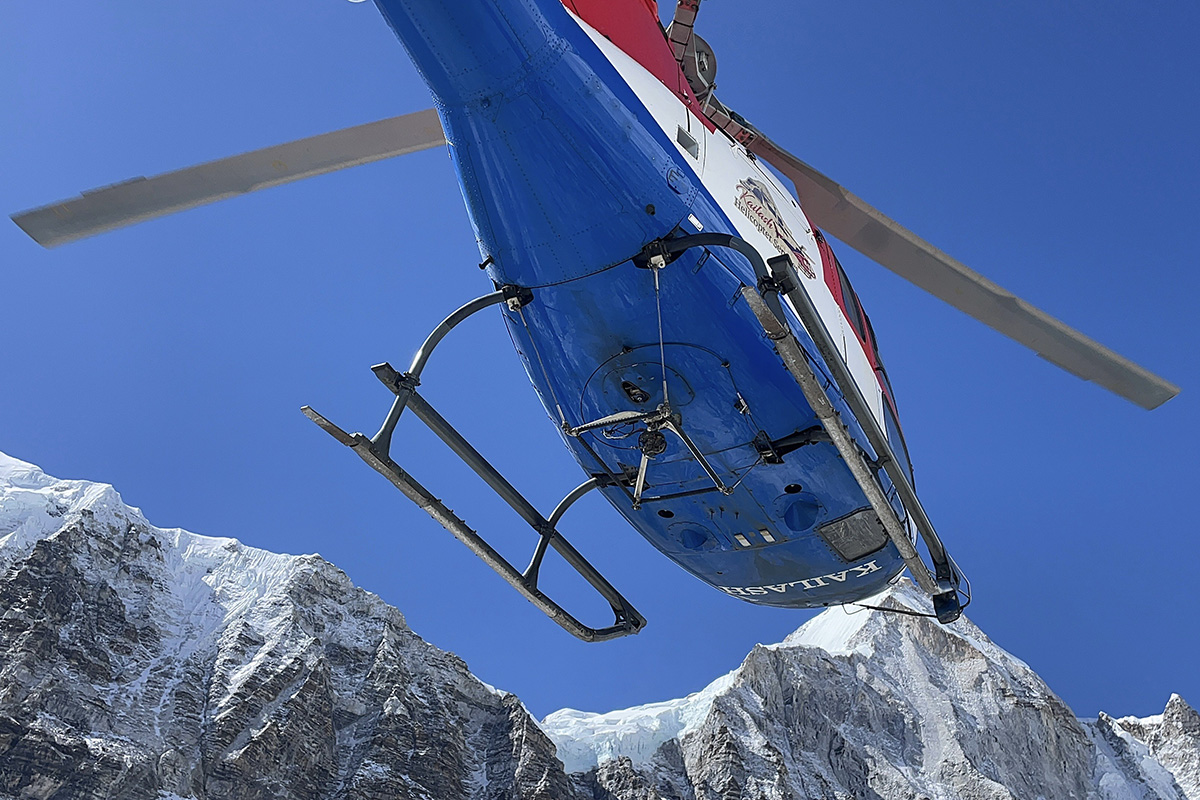
The UK’s GHIC does not cover Nepal, so private insurance is your only protection. The FCDO advises that your policy should include mountain rescue and helicopter costs, and a rescue from the high Khumbu commonly costs $6,000 to $10,000. Check that the policy states your highest altitude, names helicopter evacuation, and includes medical repatriation. ASC360, Global Rescue and BMC Insurance are widely used by UK trekkers, and our insurance guide compares them.
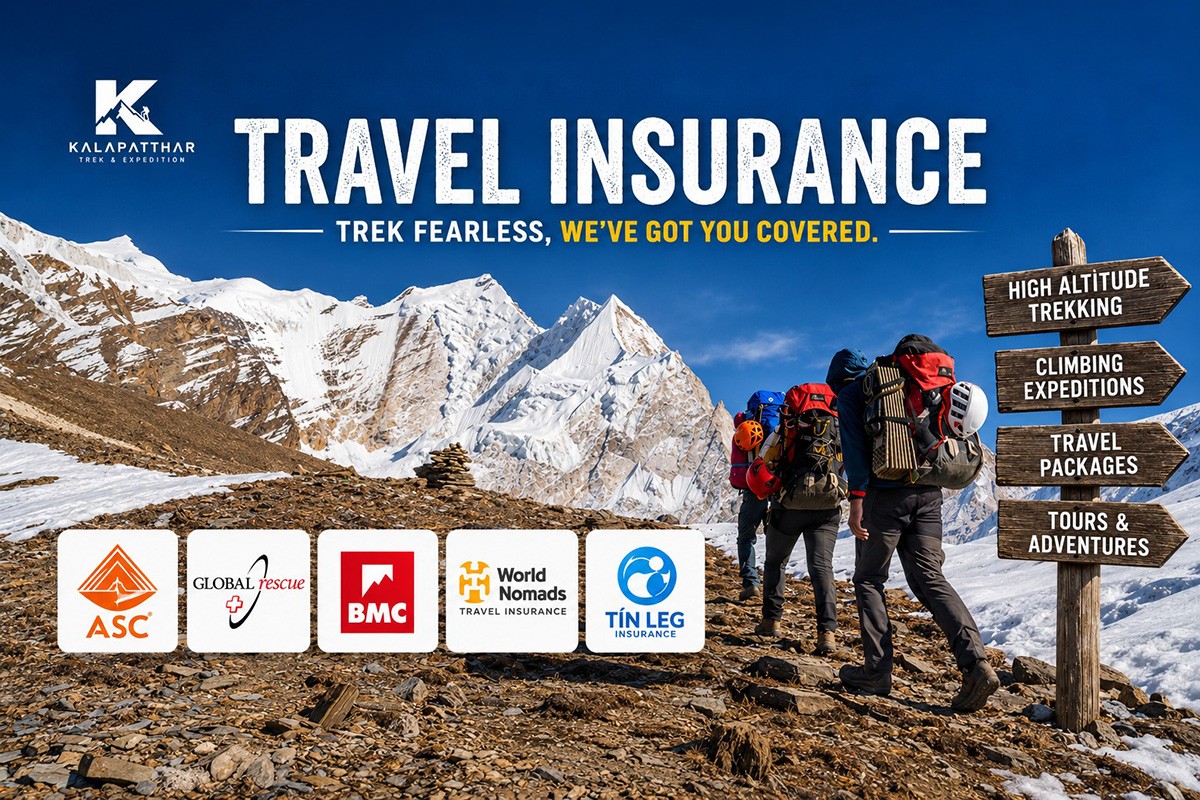
Related Articles: Insurance and Helicopter Evacuation for Trekking in Nepal 2027 Guide
See your GP or a travel clinic well before departure, and read TravelHealthPro for vaccine and altitude advice. Dengue can occur in parts of Nepal at certain times of year, so use repellent in the lowlands. Ascend gradually, drink plenty of water and never ignore altitude symptoms. The FCDO updated its Nepal advice several times in 2026, including around the March election and the August floods in Rasuwa district, so sign up for its email alerts and ask us about current conditions before you book a Langtang region trek.
What to Pack for Nepal
Layering is the golden rule. For trekking, bring a warm down jacket, a waterproof shell, thermal base layers, a sun hat, sunglasses, and well-broken-in boots. A sleeping bag can be rented in Kathmandu and Pokhara. For city sightseeing, wear light, modest clothing with shoulders and knees covered at temples. Nepal uses plug types C, D and M at 230 V, the same voltage as the UK, so you need a plug adapter but no voltage converter. Add a head torch, sun cream and a basic first-aid kit.
Food in Nepal
Nepali food is fresh, flavourful and far cheaper than in the UK. Momos are the beloved dumplings, steamed or fried and served with a spicy dip. Dal bhat, rice with lentil soup and a vegetable or meat curry, is the national dish.
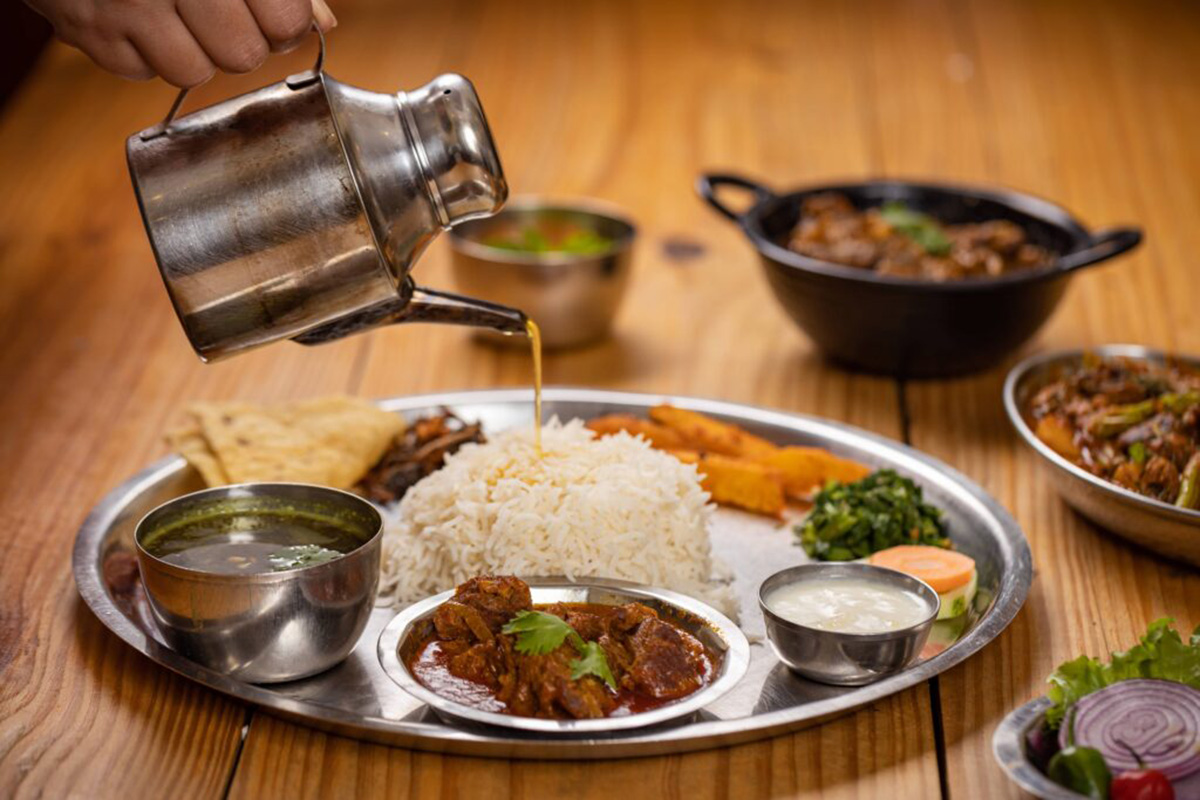
In most traditional restaurants and tea houses, it comes with free refills of rice, dal and curry, so just ask. Trekkers repeat the saying dal bhat power, 24 hours, and the second helping really does carry you through a long day on the trail.
Hotels, Tea Houses and Staying Connected
Kathmandu and Pokhara offer everything from budget guesthouses and boutique heritage hotels to 5-star properties and international chains. On treks, you stay in tea houses, which provide simple rooms and hot meals. Wi-Fi is available in most towns and many villages, often for a fee on the trail, and speeds drop with altitude. Local SIM cards are cheap and work well in towns. On climbing expeditions, we stay in contact by radio, and we tell you exactly what communication is included before you book.
Festivals and Culture
Nepal’s Hindu and Buddhist traditions share the calendar, and festivals follow the lunar cycle, so dates move each year. The main dates for 2027 are below.
| Festival | 2027 dates | What to expect |
|---|---|---|
| Dashain | 30 September to 14 October, with Vijaya Dashami around 9 October | Nepal’s longest festival, with family reunions, red tika blessings and kite flying |
| Tihar | 27 to 31 October, with Bhai Tika on 31 October | Five days of oil lamps, marigold garlands and offerings to crows, dogs and cows |
Holi arrives in March, Nepali New Year in mid-April, Buddha Jayanti in May, and Lhosar in Himalayan communities. Banks and offices close on the main days of Dashain and Tihar, and flights and buses fill as Nepalis travel home, so book early.
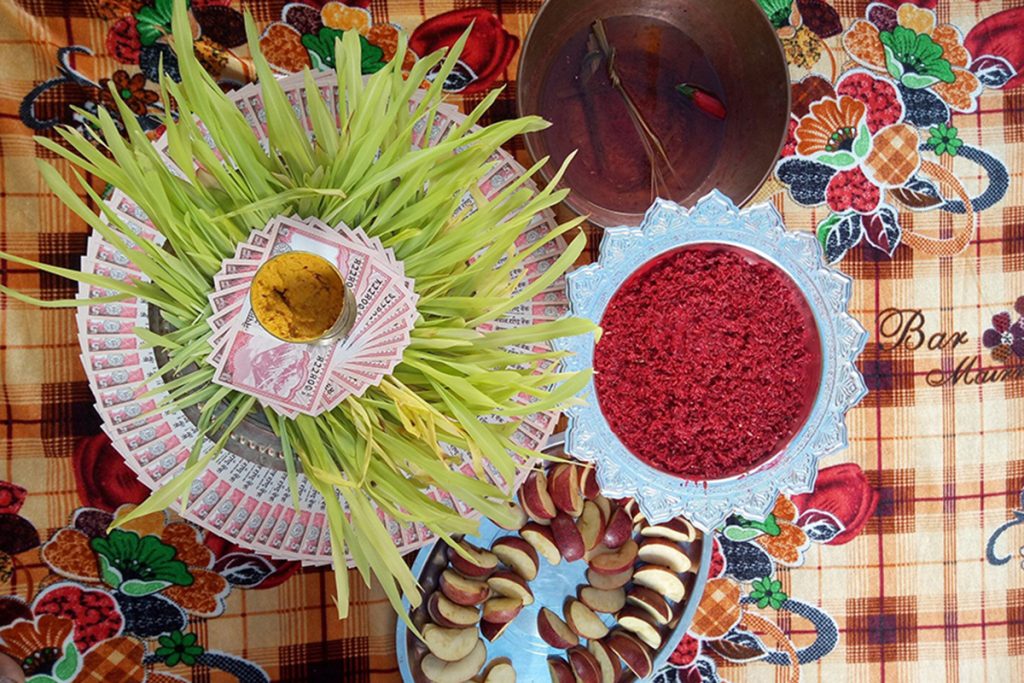
Simple courtesies go far. Greet people with a warm namaste, remove your shoes before entering homes and temples, walk clockwise around stupas, and use your right hand for giving and receiving.
Following the Gurkha Story in Nepal
Gorkha district, which gave the Gurkhas their name, is home to the historic Gorkha Durbar. Lamjung, Tanahun, Pokhara and Dharan are also closely linked with Gurkha recruitment and service families. Meeting local people and hearing the stories of the soldiers who left these hills is one of the most moving ways to connect with Nepal, especially for British visitors with Gurkha links, and it gives younger family members a history lesson on location. Our team can add a Gorkha or Pokhara region visit to a cultural itinerary or to the start or end of your trek.
Why British Travellers Plan Their Trip With Our Team
Kalapatthar Trek & Adventure is a licensed Nepali operator, led by our Founder & Managing Director, Prabhat Adhikari, and registered with the Government of Nepal, the Nepal Tourism Board, TAAN and the Nepal Mountaineering Association. We bring 12+ years of Himalayan guiding, certified guides, and our own Sherpa team to every trip. Our UK communication centre means you can speak with Sujan Chaulagain, our UK Partner & Coordinator, in your own time zone before you fly. You can meet everyone on our team page.
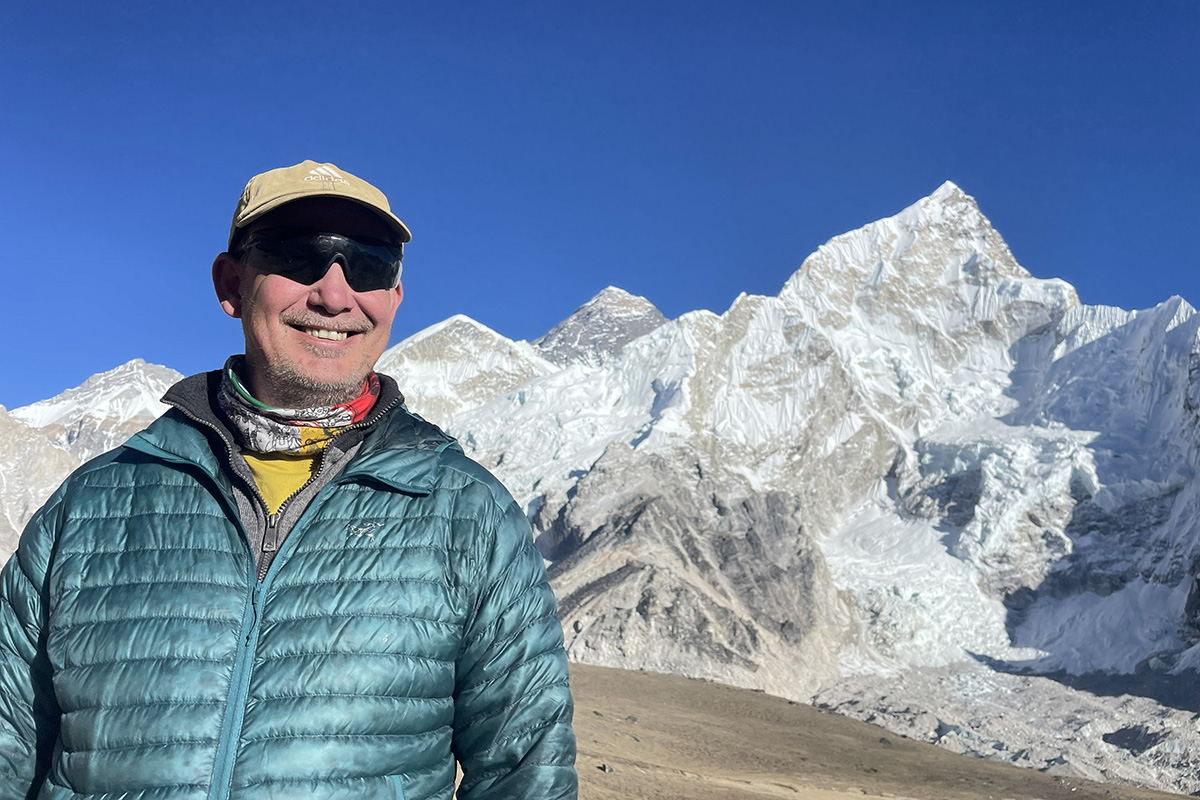
When you are ready, book a free expedition call or message us on WhatsApp. We will confirm visa, permit, and insurance requirements for your dates and give you honest advice on the right route.
Yes. British citizens can get a multiple-entry tourist visa on arrival in Kathmandu or at land borders, and completing the online form before you fly shortens the queue.
A tourist visa costs $30 for 15 days, $50 for 30 days, and $125 for 90 days. Pay in cash in a major currency, and check the Department of Immigration site before you travel in case fees or payment steps change.
No. Every route connects at least once, usually through Istanbul, the Gulf, or Delhi, and total journey time runs from about 12 to 18 hours.
Nepal is 5 hours 45 minutes ahead of the UK during GMT and 4 hours 45 minutes ahead during BST. Nepal does not change its clocks.
March to May and September to November give the clearest weather for trekking and sightseeing. Winter suits lower-altitude and cultural trips, and monsoon travellers should choose rain-shadow regions such as Upper Mustang.
Most visitors spend two to three weeks. Treks last from about 7 to 22 days, so add a few days in Kathmandu and Pokhara either side.
Nepal welcomes British visitors warmly, and most trips run smoothly. Read the FCDO travel advice and sign up for alerts before you book, trek with a licensed guide, and take insurance that covers altitude and helicopter evacuation.
No. The GHIC does not cover Nepal, so you need private travel insurance that covers your highest altitude, helicopter evacuation and medical repatriation.
Nepal uses plug types C, D and M at 230 V. UK plugs need an adapter, but UK devices need no voltage converter.